
In 1984, inside a modest Soviet computer lab, Alexey Pajitnov created a simple puzzle to test a new computer. He had no idea he was crafting one of the most enduring games ever made. The game, built on logic and falling geometric shapes, had no characters or stories, yet it spoke a language everyone understood: the quiet satisfaction of order emerging from disorder. That universal simplicity allowed Tetris to connect players beyond language, geography, or age.
Decades later, that same minimalist design continues to mesmerize. The question is—why has it never faded?
The Power Of Simplicity And The Science Of Play
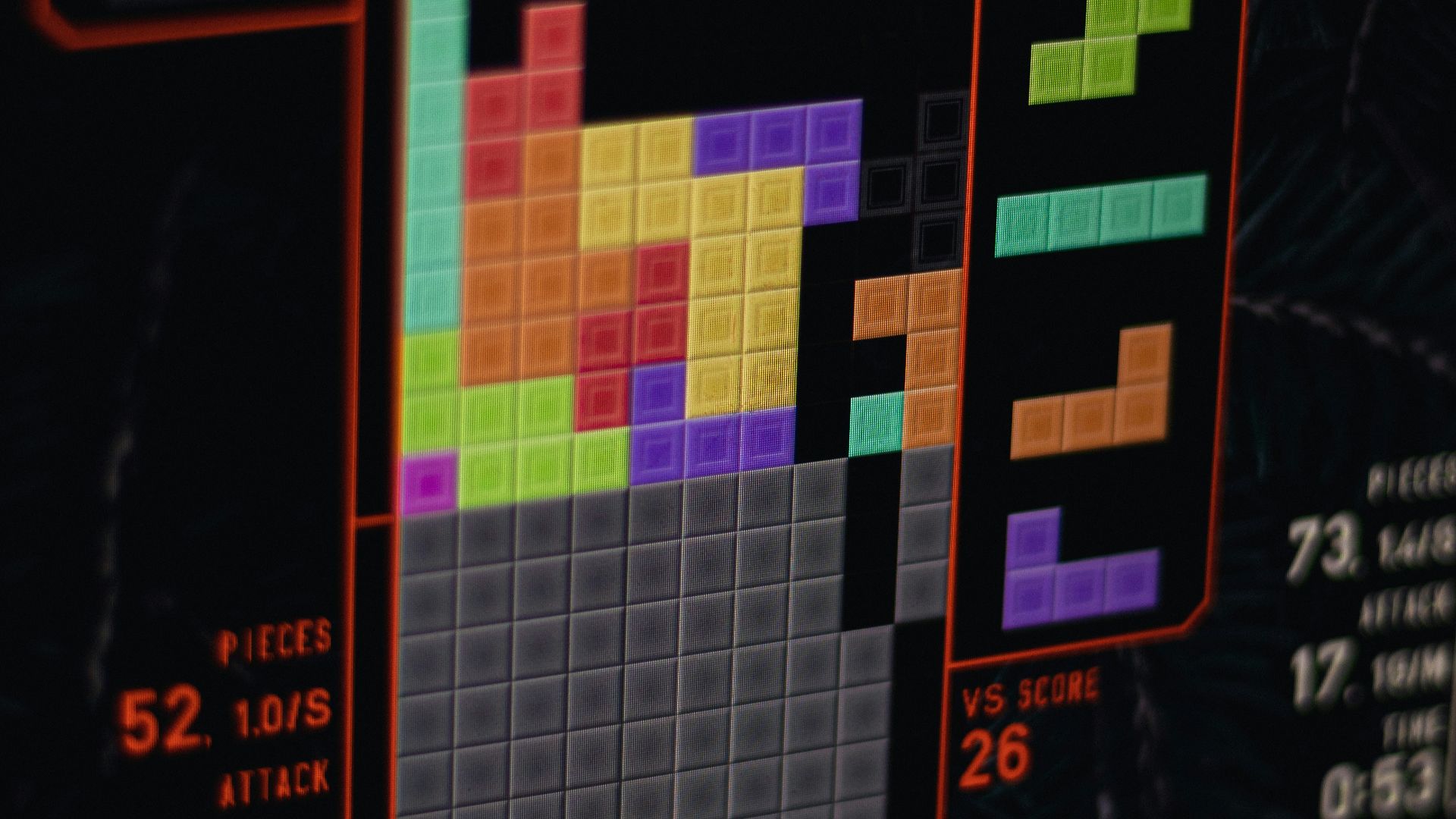
The genius of Tetris lies in how little it needs to capture the mind. Its design has no gimmicks, no levels to unlock, no backstory to explain. You learn by playing, and every failure teaches you something new. The premise never changes, and the challenge always feels fresh. Such a balance between repetition and unpredictability is what keeps the brain hooked.
Psychologists even coined a term for it: the “Tetris Effect.” After hours of play, people see shapes falling in their dreams or imagine fitting real objects together like puzzle pieces. The brain craves the closure that Tetris constantly denies, yet promises. Each cleared line releases a burst of satisfaction; each mistake sparks determination to try again.
This cycle of tension and relief is deeply human, mirroring how we face problems in life—piece by piece, hoping to make sense of the chaos.
Reinvention And The Enduring Legacy
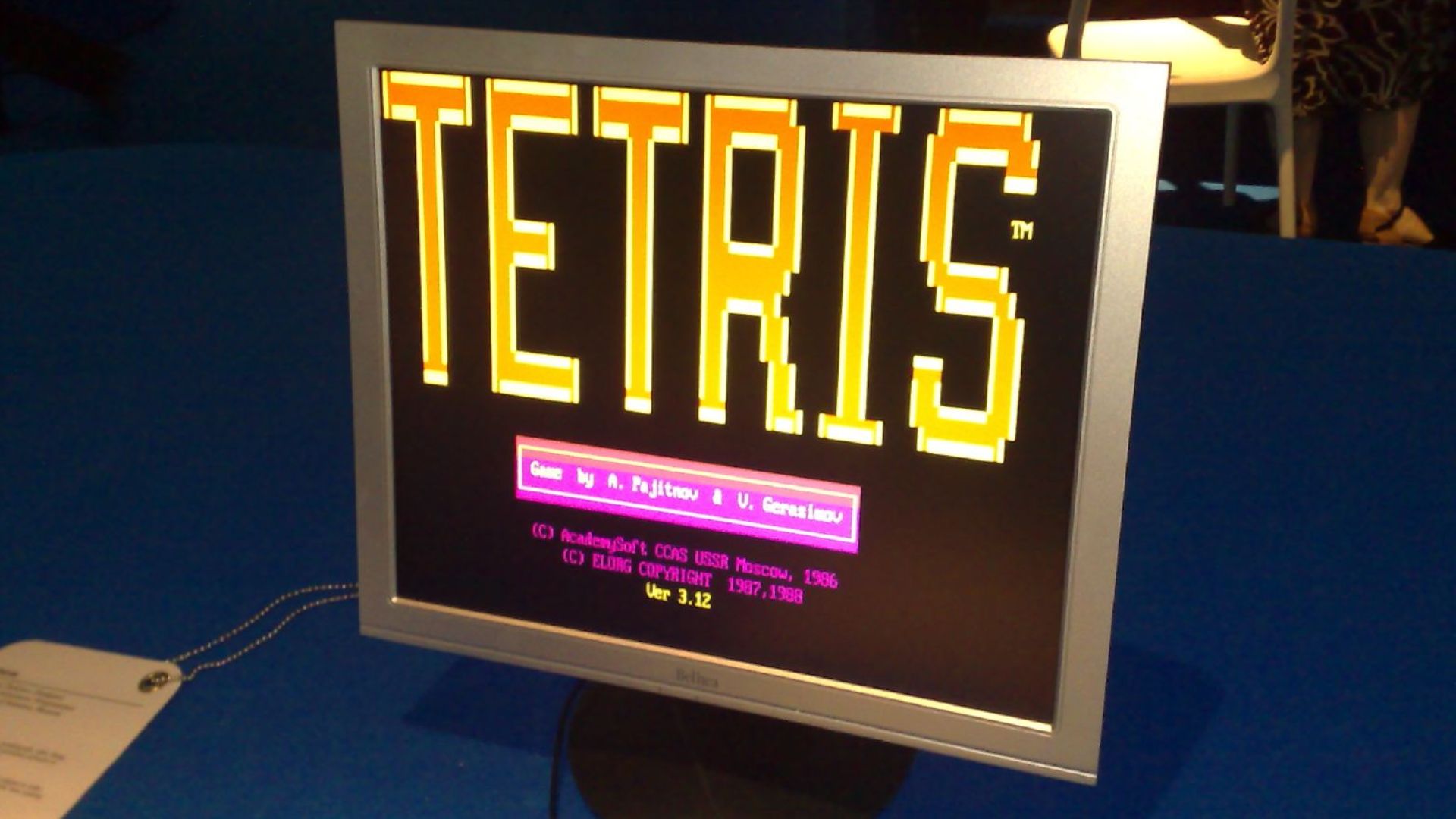 daniel julià lundgren from barcelona, catalonia on Wikimedia
Unlike most games, Tetris never needed to reinvent itself completely. Its essence fits every era, adapting to new technology without losing identity. It lived through arcade machines, Game Boys, PCs, consoles, smartphones, and even virtual reality headsets. Still, each version kept the same heartbeat.
Over time, modern editions such as Tetris Effect turned the experience into a sensory journey, surrounding players with colors and music that deepen the trance rather than distract from it. The game’s signature tune, adapted from a Russian folk melody, further reinforces its hypnotic charm. This melody is part of the tension, the reminder that time never slows down.
Even games like Bejeweled, Candy Crush Saga, and Lumines trace their addictive mechanics back to the balance of speed and reward in Tetris. Plus, titles such as Puyo Puyo, Columns, and Dr. Mario borrowed their falling-block formula.
So, we can say that in an age of cinematic blockbusters and virtual worlds, Tetris still stands apart. It proves that perfection doesn’t require excess. Its longevity is the reward of restraint—a design so pure it cannot age. And players who pick it up for the first time experience the same pulse of focus that gripped audiences forty years ago.
As screens grow sharper and stories grow louder, Tetris endures in silence, asking nothing more than your attention and patience.