When the Players Fought Back
It is usually the case that people just grumble on internet forums when a game does not live up to the hype, but sometimes players decide to take their grievances to the courtroom instead. These legal battles prove that even the biggest gaming giants are not immune to laws regarding consumer protection and fair advertising. While most companies try to hide behind complex terms of service, these specific cases show that dedicated fans can actually hold developers accountable for their promises.
1. The No Man's Sky Refund Wave
Many players purchased No Man’s Sky expecting it to contain all the features seen in the trailers. Sony eventually had to grant refunds well outside its normal return policy due to customer outrage. The backlash was so large it caused gaming companies to reevaluate how they present “work-in-progress” footage.

2. Joy-Con Drift Class Action
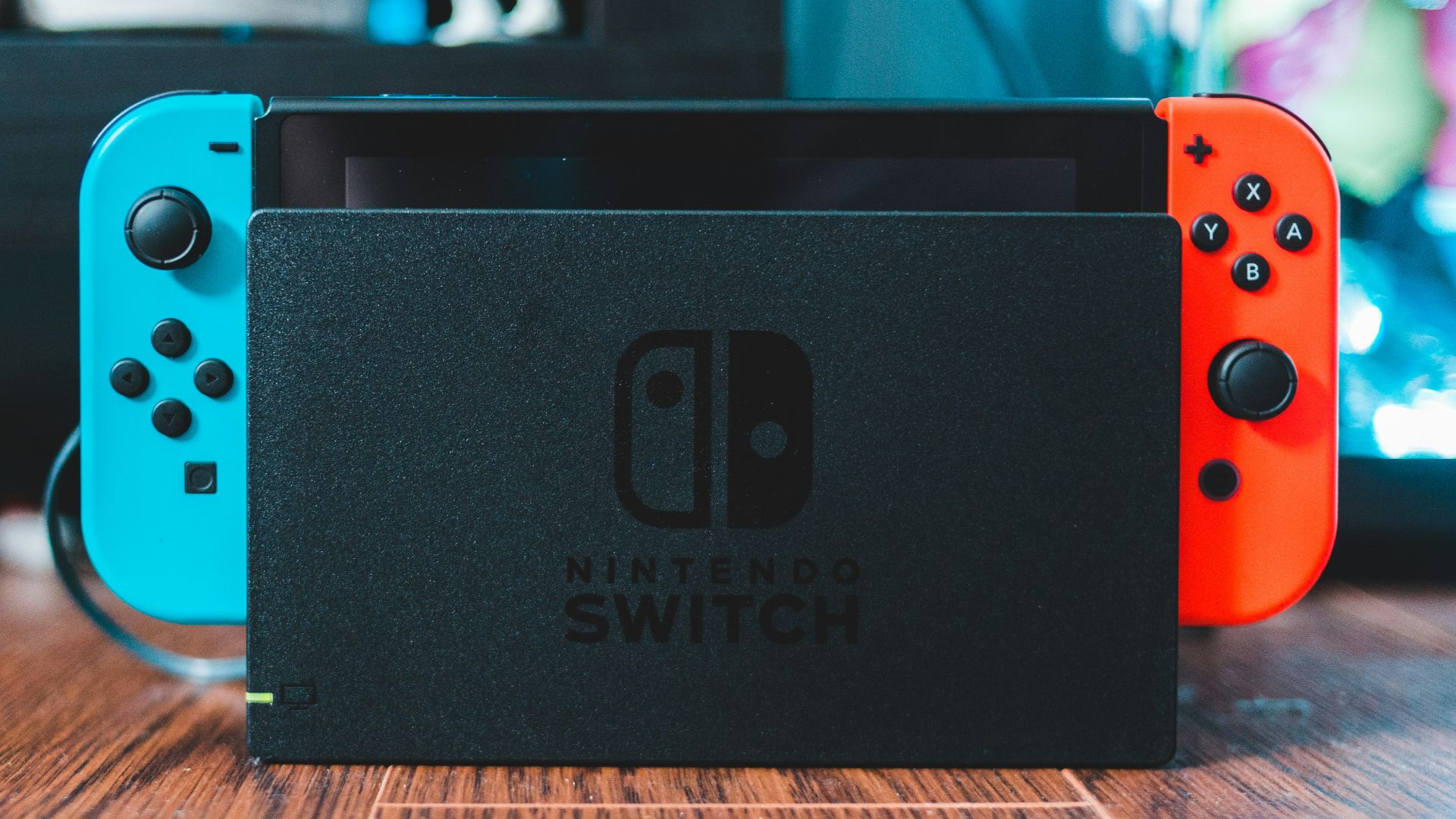
Nintendo recently settled a lawsuit concerning drift on Nintendo Switch Joy-Cons. Thousands of players paid for repairs that should have been covered under warranty, so Nintendo now replaces those controllers free of charge. Good news if a character has ever suddenly run off the side of a map.
3. Fallout 76 Canvas Bag Swap
Bethesda was sued over an inexpensive nylon replacement bag that was promised as canvas. Legal action was threatened due to false advertising, so the company was forced to produce what it originally said was included. Companies cannot simply replace promised goods with lesser items and avoid repercussions.
 Bethesda Softworks LLC, a ZeniMax Media company on Wikimedia
4. Sony’s "OtherOS" Removal
The original PlayStation 3 console came with the ability to run Linux on a TV. Sony eventually removed this feature with an update, so it had to settle and pay consumers millions because of it. Features that are included at purchase cannot be removed after the fact.
5. EA’s Battlefield 4 Launch Disaster
This military shooter was so broken at launch that it led to a series of legal challenges regarding the state of the game. Electronic Arts eventually had to settle with disgruntled investors and players because the product was essentially unplayable for months. It served as a stern warning that releasing a "beta" as a finished product can have serious financial consequences.
6. Sega and the Aliens: Colonial Marines Lie
Gearbox and Sega had to settle a lawsuit after their game looked better at E3 than at release. The resolution shown at trade shows was significantly higher than the final product, so consumers were promised one thing and received another. Be wary of “gameplay” videos that seem too graphically impressive.
7. Valve’s Australian Refund Policy
The government of Australia sued Valve because Steam did not provide refunds. Its store did not allow return requests, which violated Australian law. Valve lost and now issues refunds worldwide because of Australia’s legal action. This case is often cited when requesting refunds for defective products.
8. Epic Games and Loot Box Transparency
Epic Games faced a class-action lawsuit over the "random" nature of loot boxes in Fortnite and Rocket League. Epic Games settled by rewarding every player who purchased a loot box with in-game currency. The industry has since moved toward greater transparency about odds.
9. The Street Fighter X Tekken On-Disc DLC
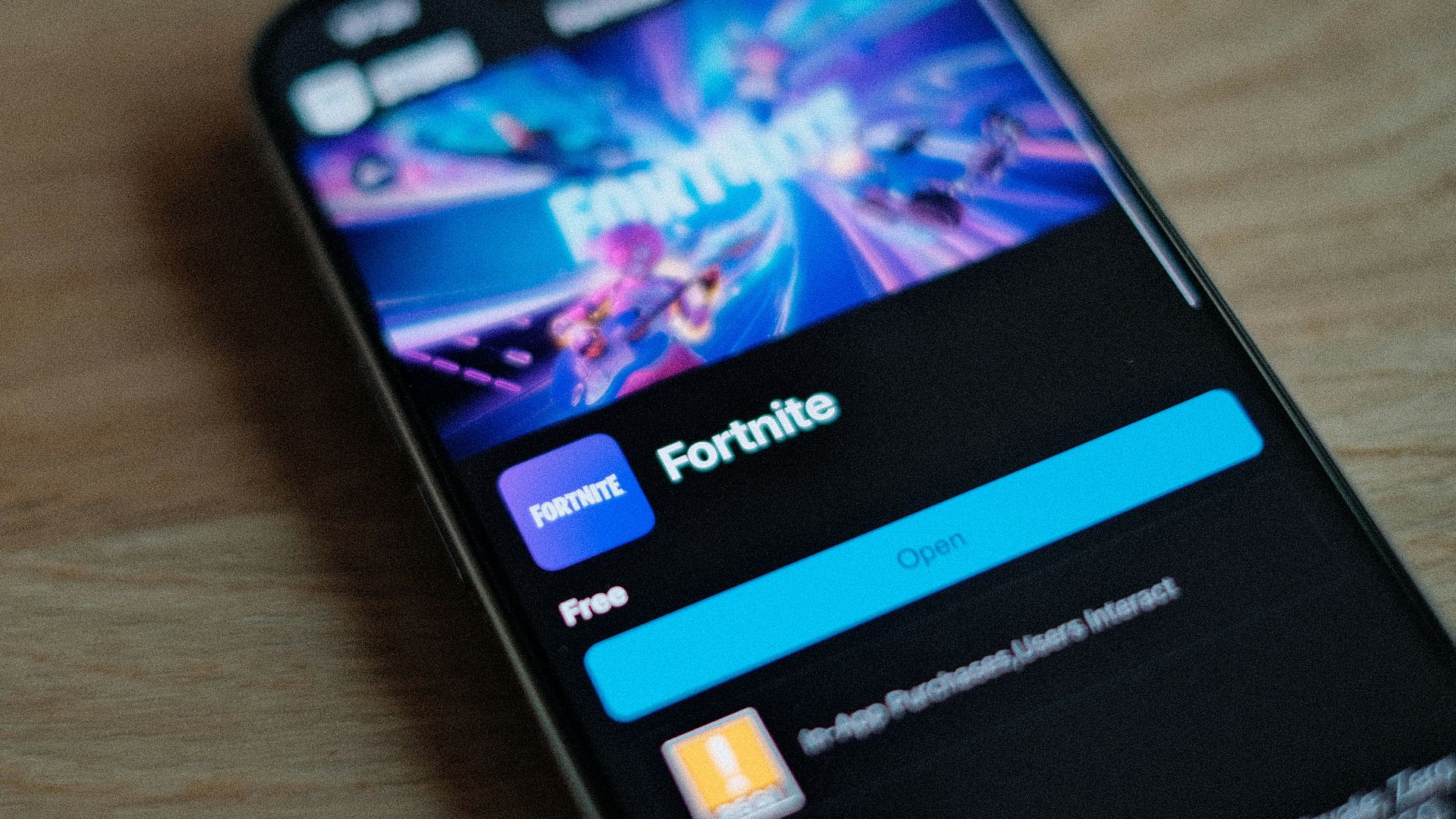
Capcom included SFXT’s extra characters on the disc but locked them behind additional payment. Legal pressure from disappointed fans followed over downloadable content practices on consoles. Players should not need to pay twice for content already included on a physical disc.
10. Rockstar’s Hot Coffee Scandal
Take-Two Interactive had to offer all GTA: SA owners a free copy of the game or a refund because of hidden content. While this “extra” mode was removed from store copies, the file remained on discs. This became one of the most notable examples of legal action tied to ESRB ratings.

11. Microsoft’s Xbox 360 Disc Scratching
Microsoft was sued because original Xbox 360 consoles could scratch discs if moved while powered on. The lawsuit resulted in Microsoft replacing games damaged due to the design issue. Gaming media should remain safe from damage during normal use.
 BoliviaInteligente on Unsplash
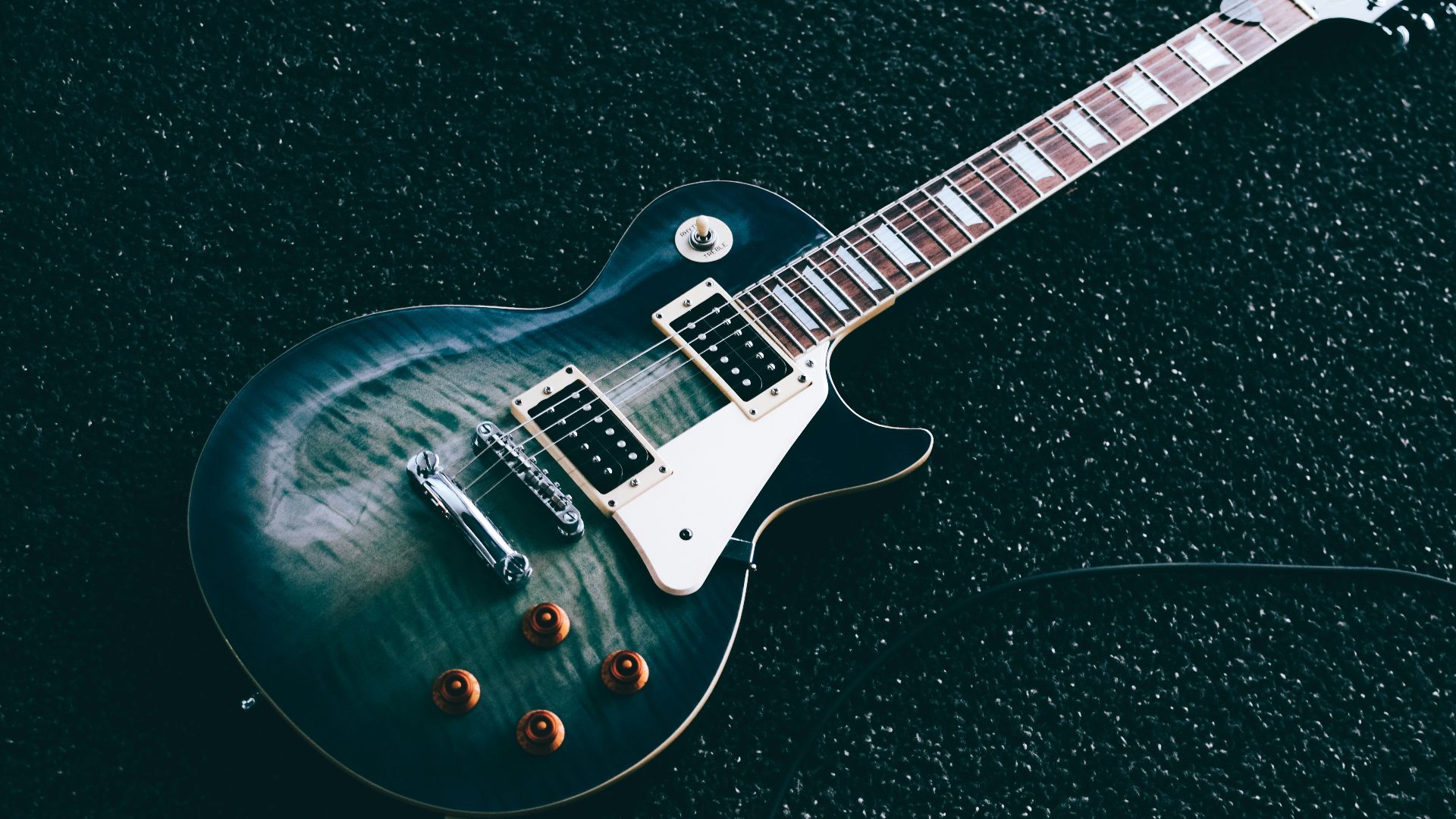
12. Activision’s Guitar Hero Compatibility
Guitar Hero controllers were not always compatible with all music games, despite prior claims from Activision. Players who bought guitars under that assumption were given refunds or gift cards. Peripheral compatibility improved significantly in later titles due to this action.
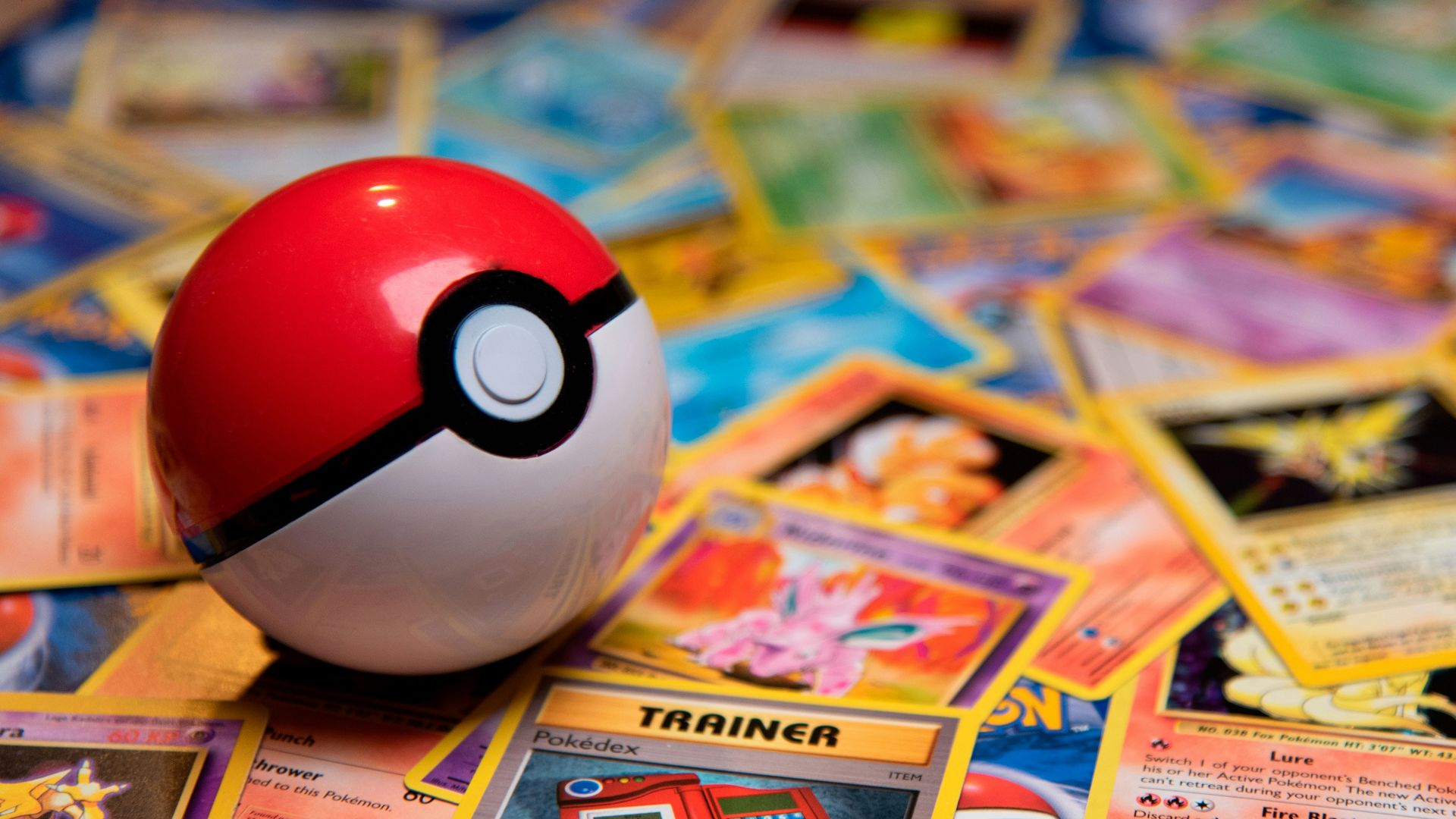
13. The Pokémon Go Fest Fiasco
Players spent significant amounts attending the live Pokémon Go event only to find the game did not function properly. Niantic settled and set aside $1.5 million to cover attendees’ tickets and travel costs. An “experience” should be functional and playable.
14. Nexon’s Maplestory Loot Odds
Players in South Korea won a legal battle that forced Nexon to reveal hidden loot box changes. The company had quietly adjusted item drop rates, raising concerns about fairness. Players have a right to know when game mechanics affect odds.
15. Blizzard’s "Real ID" Privacy Push
Blizzard nearly faced lawsuits that caused it to back down from its intrusive system. Players’ names were going to be revealed online against their wishes, so the company was forced to prioritize privacy. Players can still use in-game aliases instead of real names.
16. CD Projekt Red’s Cyberpunk 2077 Refunds
CD Projekt Red was forced to make players whole after a release that could not run properly on older consoles. Everyone who purchased Cyberpunk 2077 on PlayStation 4 became eligible for refunds because the game did not function as advertised. Players can request refunds when products are not functional.
17. Ubisoft’s Always-Online DRM
Ubisoft promised players that games would work offline if purchased. Due to server issues, players who could not connect to the internet sued Ubisoft over this practice. Single-player games should remain playable without internet access.
18. Zynga’s Deceptive Microtransactions
In early Facebook gaming, Zynga was sued for using "dark patterns" that tricked users into spending real money on virtual items. The settlement required clearer disclosure about charges and billing. It helped establish protections against accidental purchases in mobile games.
19. Sony’s Data Breach Settlement
Sony’s PSN was hacked, and players’ personal information was stolen due to poor security. Players across the globe successfully sued Sony and received games as well as identity theft protection services. Companies are legally required to protect user data.
20. Warner Bros. and Arkham Knight on PC
The PC port of this Batman game was so poorly optimized that it was pulled from stores after players threatened a class-action suit. Warner Bros. offered full refunds to everyone regardless of playtime. It stands as a major victory for PC gamers frustrated with broken releases.