Forty Minutes And A Backlog
Liking games does not disappear when you get a full-time job. The free time around them does. When most evenings leave you with an hour or less, long tutorials, slow openings, and sessions that need three uninterrupted hours start feeling like bigger asks. You become more selective about what you play and quicker to drop anything that wastes your time. Here are 20 ways gaming changes once work takes over most of the week.

1. The Backlog Becomes Debt
Buying games and playing games split into two unrelated hobbies. The library passes eighty titles while the installed count sits at nine, and the gap widens every time a sale lands. Each purchase adds to a pile that produces guilt rather than anticipation.

2. Forty-Minute Windows
Between the dishes and the hour when sleep stops being optional, there is about forty minutes. That buys one dungeon, or two matches if nobody rage quits. Games built around ninety-minute arcs fall off the rotation without you deciding anything.

3. Needing A Pause Button
Anything that cannot be stopped mid-fight turns into a weekend-only game. Online bosses and ranked queues both assume you control your own evening. A doorbell at the wrong moment costs you the whole session, so the hard games wait for Saturday.

4. Full Price To Skip The Wait
Waiting eight months for a steep discount made sense on a student budget. The eight months became the expensive part and the $60 became the cheap part. You buy it in launch week now and feel fine about it, because the alternative is never getting round to it.
5. Easy Mode Stops Being Embarrassing
The lower difficulty setting becomes a feature you are glad to pay for. Nobody at work is ever going to ask how you handled the optional boss. After a Tuesday has already roughed you up, the appetite for a video game doing it again runs out quickly.
 https://kaboompics.com/ on Pexels
6. Scheduling Out Your Co-Op Group
The chat that used to coordinate nightly raids now spends three days finding a date. Four adults in three time zones cannot land on a Thursday, and the one who suggests Sunday morning gets ignored. The friendship survives and the shared game does not.

7. Dailies That Feel Like Work
Live-service games hand you a checklist and a reset timer that does not care about your calendar. Logging in to clear chores for something you are not enjoying is a familiar sensation from nine to five. Most people eventually cancel one of the two, and it is rarely the job.
8. Nothing Gets Finished
Credits become something other people see. Thirty hours into a sixty-hour role-playing game a work trip intervenes, and the mental map of where you were never comes back. The save sits there with the plot gone, and starting over feels worse than quitting.
9. Returning To Old Saves
Learning a new control scheme is work. So Skyrim gets reinstalled a fifth time, because its first ninety minutes ask nothing of you. New releases sit unopened in the library while the comfort game absorbs another sixty hours.
10. Load Times As A Veto
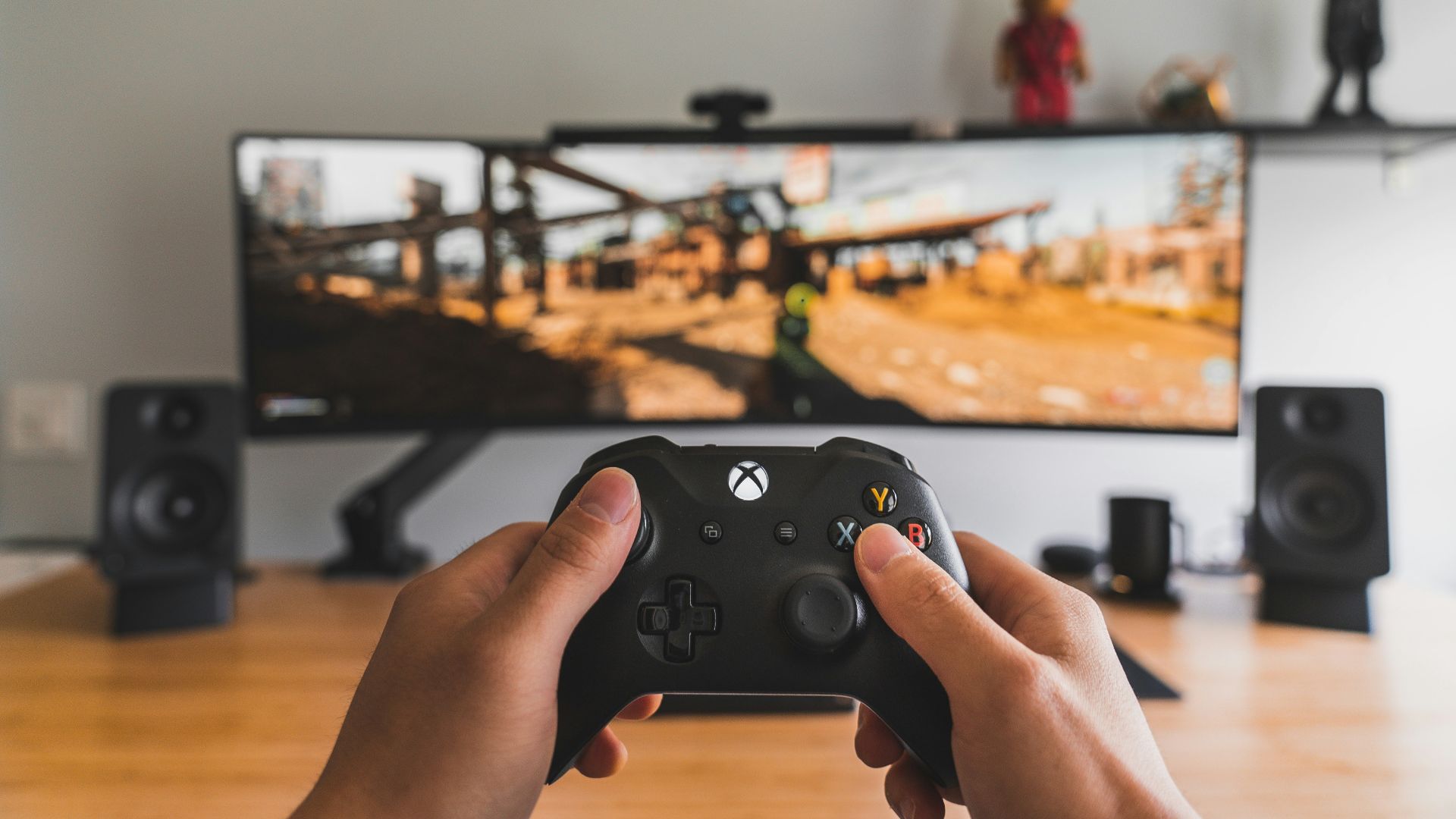
Thirty seconds to the menu and another half minute to the save, and a quarter of the window is gone. Boot speed starts deciding what gets played at all. Whatever drops you into the action inside ten seconds wins on a Tuesday, every time.

11. Overbuying The Hardware
A salary solves the graphics card problem on its own. What it does not solve is having six hours a week to point at the thing. A machine capable of running anything spends most of its life on a launcher and a browser.

12. Game Writing As A Substitute
Watching a two-hour retrospective is cheaper than playing the game it covers. You end up fluent in releases you never installed, holding opinions assembled from other people's footage. Describing the ending of something you never bought stops feeling strange after a while.

13. The Weekend Fills Up
Saturday had nothing in it at twenty-two. Now it holds a wedding, with somebody's birthday brunch the morning after. The two free days you were counting on condense into four hours late on Sunday night.

14. The Next-Day Cost Of One More Match
Around midnight the arithmetic changes. One more game costs twenty minutes now and a useless, foggy 3pm tomorrow. You start logging off while winning, a habit your younger self would find incomprehensible.

15. Quitting Inside An Hour
Tutorials get a much shorter rope than they once did. A game that spends its first half hour explaining crafting menus is competing against sleep and losing. You uninstall things you would previously have pushed through on stubbornness alone.
16. Quick Resume As A Buying Point
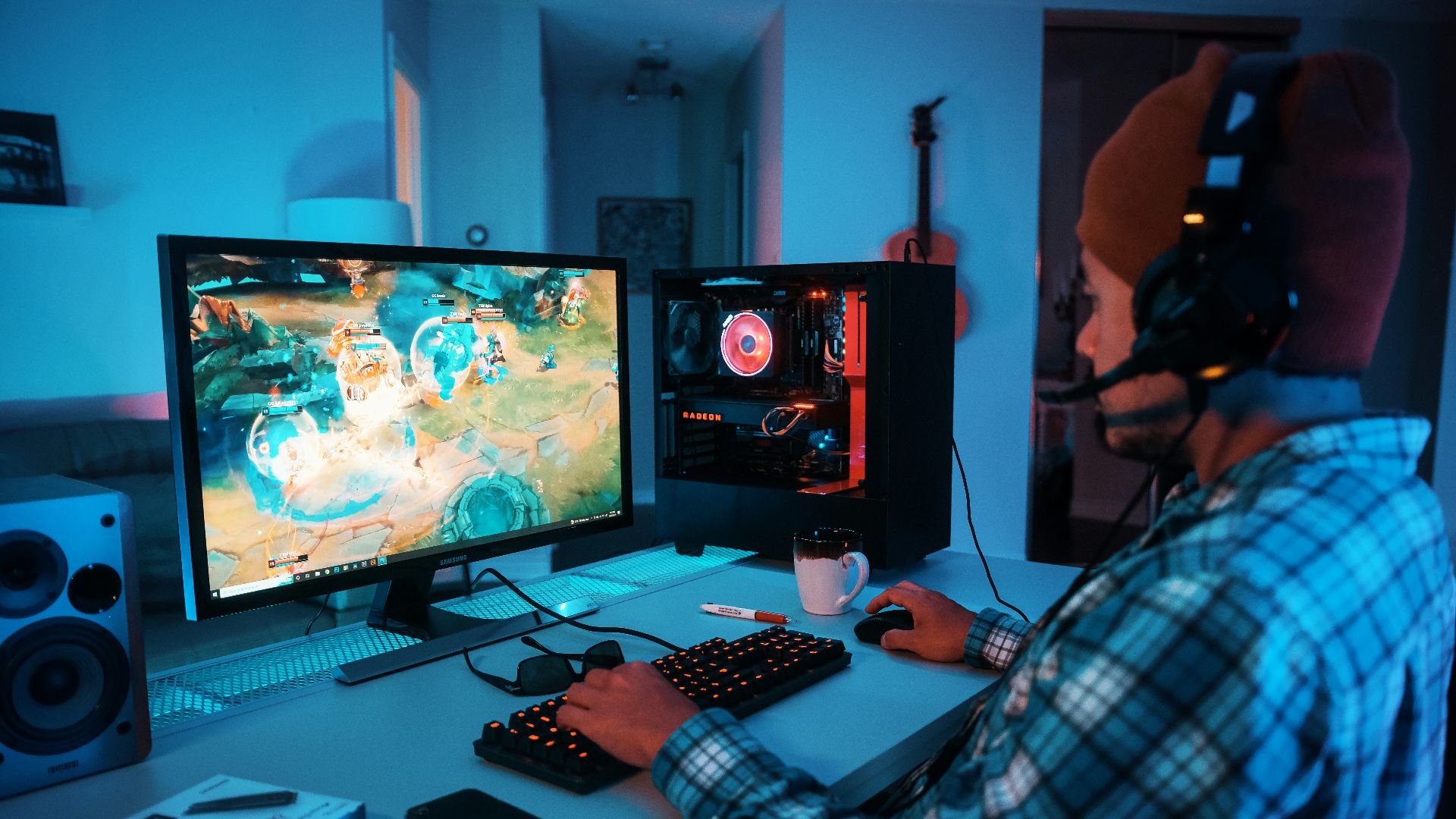
Features nobody bothered advertising in 2010 have become the deciding factor. Suspending a game instantly and returning three days later matters more than resolution. Hardware reviews full of frame rate charts keep missing the feature you lean on most.
17. Letting The Rank Slide
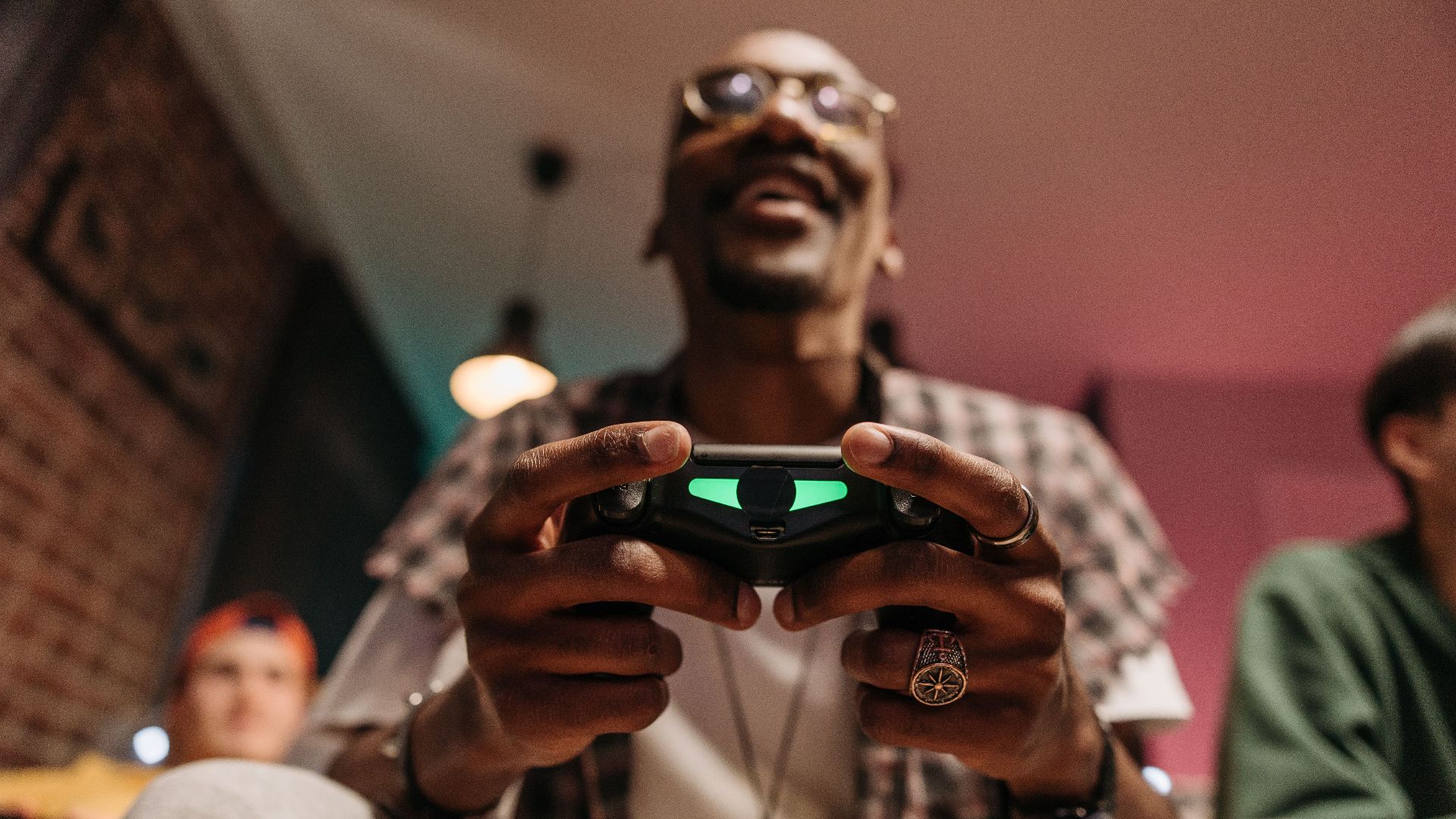
Competitive ladders assume you play enough to stay sharp. Two sessions a week puts you against people managing two a day, and the matchmaker sorts you accordingly. You settle a tier below where you used to live and stop minding.
18. Half Attention And A Second Screen
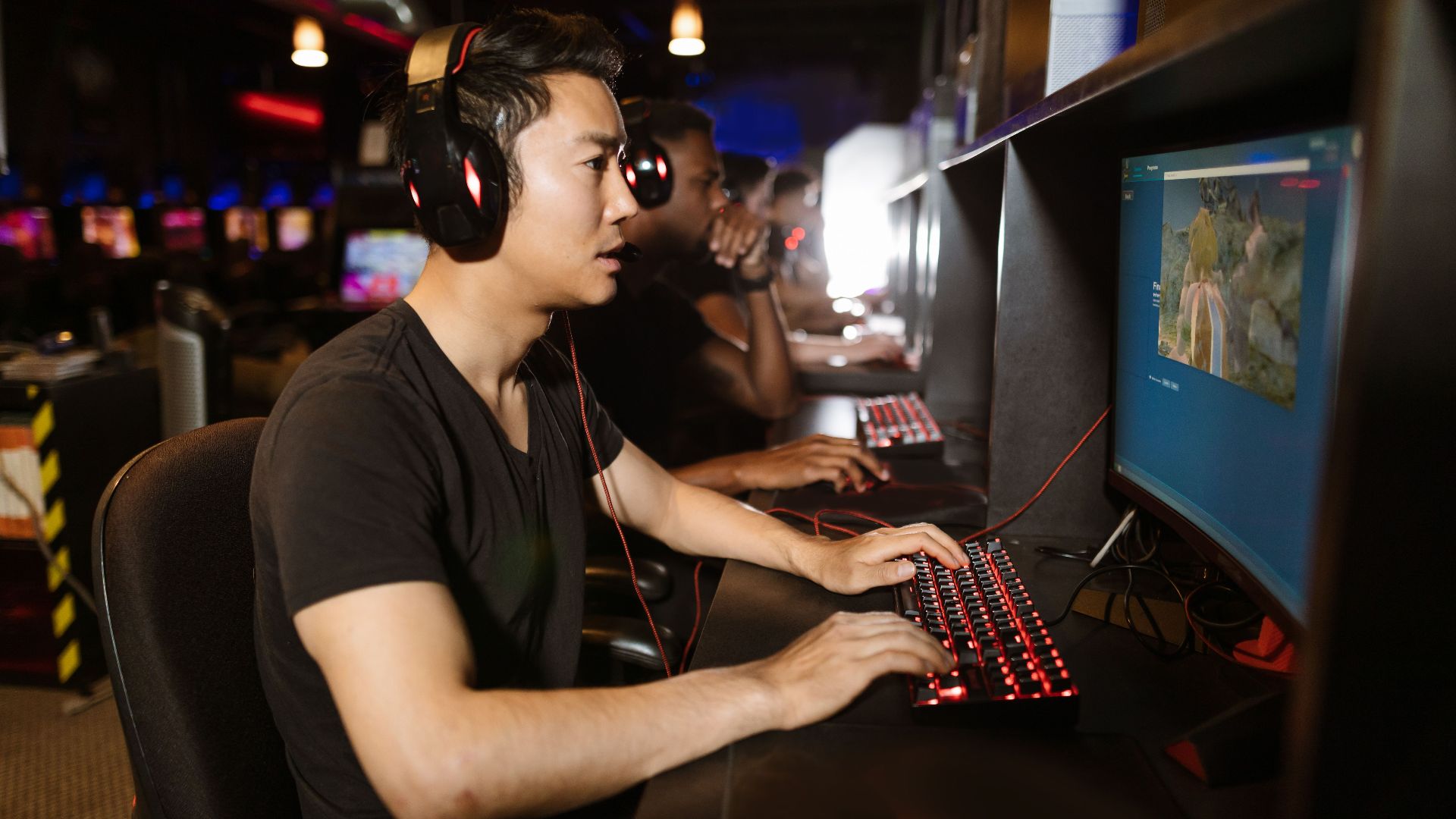
The phone comes out during cutscenes. Games get played with a podcast running, which would have been unthinkable back when you were memorizing combo inputs. Anything demanding full concentration gets shelved for a day off that may never arrive.

19. Buying A Handheld
Eight hours at a desk makes that desk a poor place to relax. A Switch or a Steam Deck on the couch fixes a problem the gaming PC created. Plenty of people end up streaming their PC library to a couch in another room.
20. No More Hundred Percent
Collectibles lose their appeal the moment your time carries a price. A platinum trophy that cost a teenager three weeks would eat a month of your remaining free evenings. Rolling credits and moving on is the entire goal now.