
Games That Saw the Future Coming
Video games have a habit of introducing ideas that players don't fully appreciate until years later. Some titles experimented with open worlds, online communities, physics systems, storytelling techniques, or player freedom long before those features became standard across the industry. You can look back at certain games today and realize that developers were attempting things that modern hardware and technology would only make easier much later.
 Cláudio Luiz Castro on Unsplash
1. Shenmue
Shenmue took the concept of an interactive open world several steps further than many players had previously experienced. NPCs had daily schedules, shops opened and closed, and there were countless small details to help make the city feel alive. It even featured weather effects and realistic time.

2. Deus Ex
Deus Ex debuted in 2000 with an unconventional take on player choice and agency. You could often complete missions via combat, stealth, hacking, exploration, or conversation, solving problems however you wanted based on your individual playstyle. Many modern immersive sims have expanded heavily on those foundations.
 Nikita Kachanovsky on Unsplash
3. The Sims
The Sims presented an entirely different kind of open-ended gameplay when it launched in 2000. Instead of living vicariously through characters on traditional adventures, you built homes, managed relationships, raised careers, and even watched your Sims go about their daily lives. Its open-ended design helped establish an entirely different type of gaming experience where there wasn't necessarily a single correct way to play.

4. Half-Life 2
Half-Life 2 integrated physics into gameplay instead of just treating it as a technological novelty. The Source engine allowed for interactable objects that players could move around, particularly with the Gravity Gun and physics-based puzzles. The game's combination of physics, facial animation, detailed environments, and scripted storytelling made it feel remarkably advanced when it launched in 2004.

5. Black & White
Peter Molyneux's Black & White wanted players to feel like they were guiding a civilization rather than controlling a specific character. Your creature learned from your actions, and you were even encouraged to make moral decisions about how to treat your inhabitants. The idea of training a virtual creature through observation and interaction was unusually ambitious for a game released in 2001.

6. Ultima Online
Ultima Online went online in 1997 and showcased what a persistent virtual world could be. Thousands of players would inhabit the world at once, developing their characters, trading with each other, forming guilds, and making their own adventures. MMOs these days are far more advanced, but most foundational social aspects were built through experiments like Ultima Online.

7. System Shock 2
System Shock 2 blended first-person shooter gameplay with RPG elements, thorough exploration, inventory tactics, and heavy environmental storytelling. The game expects you to pay close attention to audio logs and environmental clues, and make impactful choices about your character creation. Its approach to dense systems work helped lay the groundwork for future immersive game design.

8. Star Wars: Knights of the Old Republic
Knights of the Old Republic allowed players to experience a Star Wars RPG complete with impactful dialogue choices and light moral decisions. Your character could impact relationship development, story progression, and ultimately your hero's place in the galaxy. The way it combined a familiar fictional universe with player-driven role-playing helped demonstrate how licensed games could offer considerably more than straightforward action.
 Agnieszka Stankiewicz on Unsplash
9. Pokémon GO
Pokémon GO took the streets around you and transformed them into your gaming platform. PokéStops became locations to discover items, and individual Pokémon would have to be caught where they appeared on the map. The enormous response showed how mobile games could encourage millions of people to interact with digital content while moving through the real world.

10. Elite
Elite gave players a massively huge procedural universe to explore all on their own. Developers created millions of star systems you could visit using clever algorithms and the limited hardware of its time. You were free to trade, battle, explore, and jump between stars with total freedom and no concrete story, and its scale was astonishing for the technology available at the time.
11. Doom
Doom wasn't the first first-person shooter, but it helped establish many conventions that would dominate the genre. Its fast movement, network multiplayer, enemy design, level structure, and mod-friendly approach made it far more influential than its relatively simple premise might suggest. The ability for players to create and share custom content also helped demonstrate how communities could extend a game's lifespan beyond what developers originally provided.
 Glenn Carstens-Peters on Unsplash
12. Metal Gear Solid 2
Metal Gear Solid 2 predicted the future of information. Released in 2001, its storyline delved into themes of misinformation, virtual data, manipulated memories, and being overwhelmed by data in modern society. Looking back, some of its questions about information control feel surprisingly appropriate for the modern digital world.

13. The Legend of Zelda: Ocarina of Time
Ocarina of Time set many of the conventions for how we control and interact with 3D games. From its lock-on targeting system that made combat manageable to encouraging exploration in such a huge world, it established ideas that would influence later Zelda games. Zelda games that came after would iterate on its fundamentals and improve on some of its mechanics, but Twilight Princess took more than a few ideas from Ocarina of Time.

14. Spore
Spore wanted to provide players with an incredible level of creative control. Whether you designed your creature, vehicle, buildings, or fully-fledged civilization, players could express their creativity while evolving through several stages of development. Its comprehensive creation suite paved the way for user-generated content to become front and center in the experience.

15. Minecraft
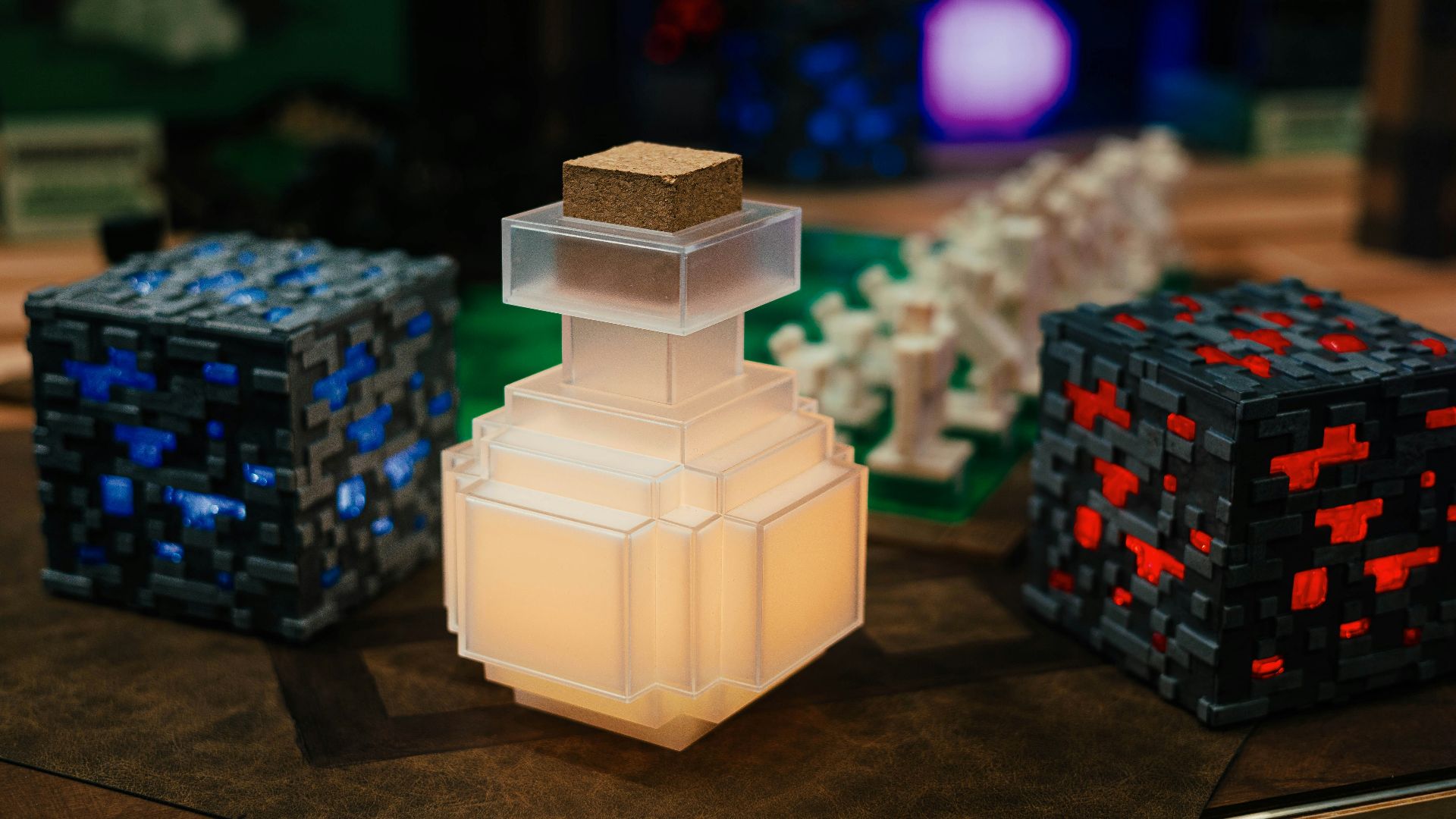
Beginning as a public alpha in 2009, Minecraft introduced players to a wild degree of creative freedom. Procedurally generated worlds, simple building mechanics, survival elements, and user-made mods ensured players would always find a way to make the game their own. The fact that players could treat it as a survival game, construction project, adventure, or social space helped redefine what a game could become without a fixed endpoint.
16. Dwarf Fortress
The complexity Dwarf Fortress creates goes astoundingly deep. From simulating kingdoms, historic events, and living creatures to weather patterns and geological processes, the game creates an enormous amount of activity beneath the surface. The game may not look it at first glance, but what unfolds beneath the surface is one of the most intricate procedural games out there.
 DF worldmap generator on Wikimedia
17. Animal Crossing
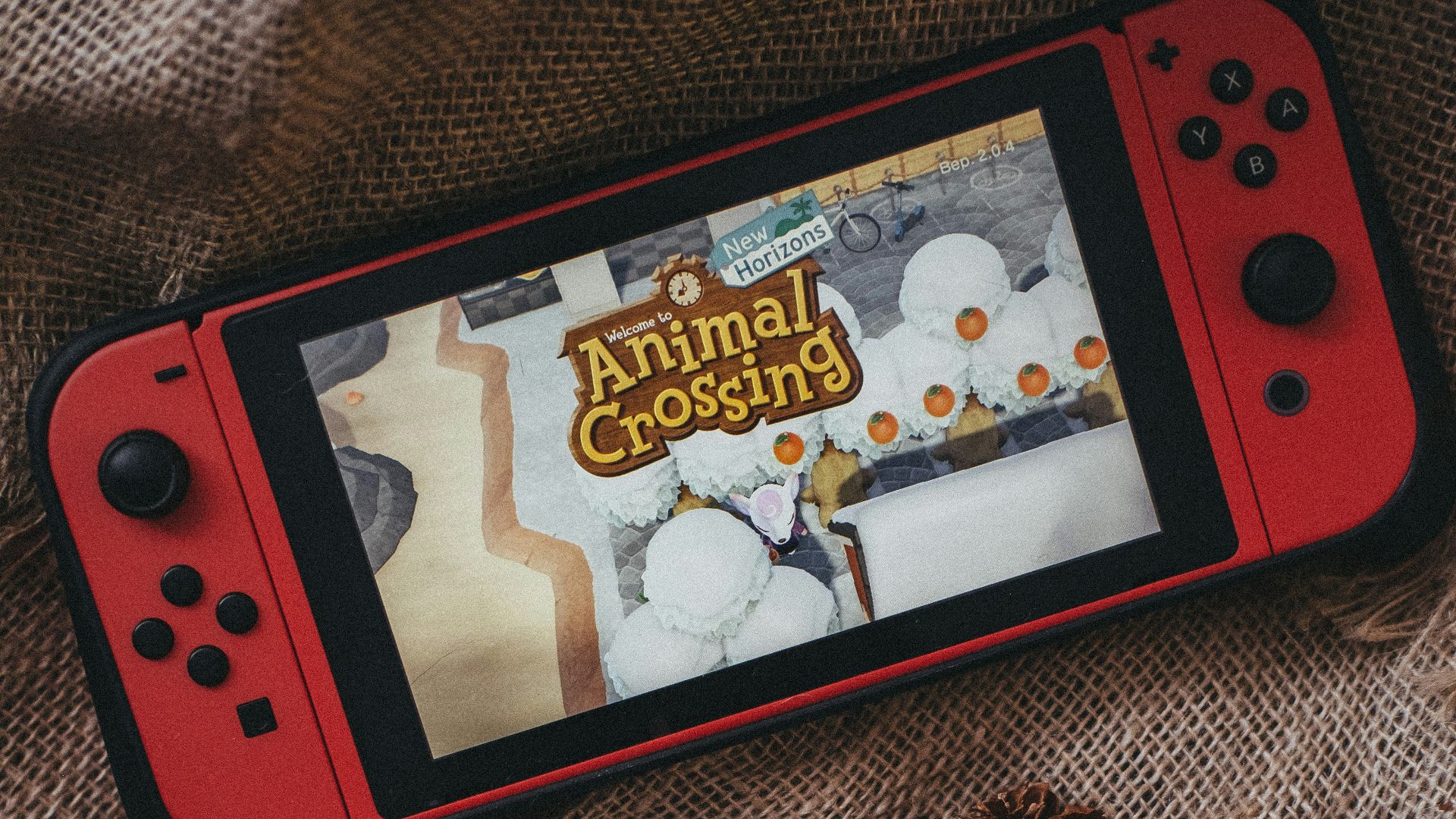
Animal Crossing originally taught players they could live life at their own pace. Instead of beating the game quickly, Animal Crossing encouraged players to check in each day to enjoy seasonal changes and slowly complete tasks at their own pace. Not only did you manage relationships with animal villagers, but real-world time affected your in-game progression.
18. Portal
Portal introduced us to a simple gameplay concept that could be applied to an entire game. Using portals allowed you to solve puzzles based on spatial awareness and experimentation. You had to learn how momentum, enemy AI, positioning, and timing played a factor in overcoming each challenge.

19. Elite Dangerous
Building off the giants that came before it, Elite Dangerous offered players an immersive, large-scale trip through space. Whether you wanted to explore the cosmos, trade commodities, mine asteroids, battle aliens, or shape the galaxy with your own federation, players could do just about anything. Its open-ended approach to space exploration built upon ideas that earlier games had already introduced.

20. Wii Sports
Wii Sports showed gaming didn't have to focus on typical controllers or established gaming markets. By introducing motion controls and simple sports simulations, Wii Sports made tennis, bowling, boxing, golf, and more accessible to beginners. The game's enormous popularity helped show the industry that simple controls and approachable mechanics could bring an entirely new audience into gaming.