20 Tech Things Gamers Understand Better Than Everyone Else
Gaming Gives You Tech Skills You Never Asked For
If you’ve ever watched a gamer troubleshoot a problem, you know it’s rarely dramatic. They’ll calmly check settings, update drivers, restart services, and somehow fix the issue while everyone else is still saying, “Have you tried turning it off and on?” Gaming forces you to understand performance, hardware, networks, and weird software quirks in a very practical way. Here are 20 tech things gamers tend to understand better than almost anyone.

1. Why “Lag” Isn’t the Same as Low FPS
Gamers learn quickly that stuttering visuals and delayed inputs are two different problems. Low FPS is usually a hardware or settings issue, while lag is often network-related. You can have 200 FPS and still teleport around if your connection is messy. Knowing the difference saves you from chasing the wrong fix.

2. How to Spot a Bad Wi-Fi Setup
Gamers can feel a weak router in their bones, especially when the ping spikes at the worst possible moment. They know that distance, walls, and interference matter more than the internet plan name. A wired connection becomes the obvious solution, not an extra step. When someone says, “Wi-Fi is fine,” gamers quietly disagree.

3. Why Updates Always Drop at the Worst Time
Games have a talent for patching right when you’re ready to play. Gamers get used to planning around updates, preloading when possible, and checking download queues before the squad logs in. They also understand that updates can fix bugs but create new ones instantly. That awareness transfers to every other piece of software in life.
4. The Difference Between Storage Space & Speed
Gamers learn that having enough storage isn’t the same as having fast storage. An SSD can reduce load times, texture pop-in, and general sluggishness in modern games. They also know that filling a drive to the brim can make performance worse.

5. Why RAM Matters More Than People Think
Most non-gamers only notice RAM when a laptop starts crawling. Gamers understand that insufficient RAM can cause stutters, long loads, and unstable performance. They also know that speed and configuration can affect results, not just total gigabytes. It’s a quiet upgrade that often feels like magic.

6. How to Actually Diagnose a PC Problem
Gamers don’t just say “it’s broken,” they isolate variables. They’ll test one setting at a time, roll back a driver, or check logs instead of randomly clicking. That methodical approach is learned through years of troubleshooting games that behave badly.

7. Why Driver Updates Can Make or Break Everything
Gamers know GPU drivers aren’t optional background noise. A new driver can boost performance, fix crashes, or sometimes create a new nightmare. They also understand that “latest” isn’t always “best” for every setup.

8. What Latency Feels Like in Real Time
Most people notice latency when a video buffers. Gamers notice it when a jump lands late or a shot registers after they’re already dead. That sensitivity teaches them to care about ping, jitter, and packet loss, not just “internet speed.”

9. Why Cooling Is a Performance Feature
Gamers take temperatures seriously because heat turns into throttling. They understand airflow, fan curves, thermal paste, and why a dusty PC can become a lag machine. Even console players learn that ventilation matters when hardware starts sounding like a jet engine.

10. How Settings Trade Quality for Performance
Gamers get fluent in turning down shadows, motion blur, and fancy effects to gain stability. They know which settings are “expensive” and which ones barely matter. That skill makes them good at optimizing other apps, too, especially when a device is struggling. It’s the art of making tech behave.

11. The Reality of Input Devices & Polling Rates
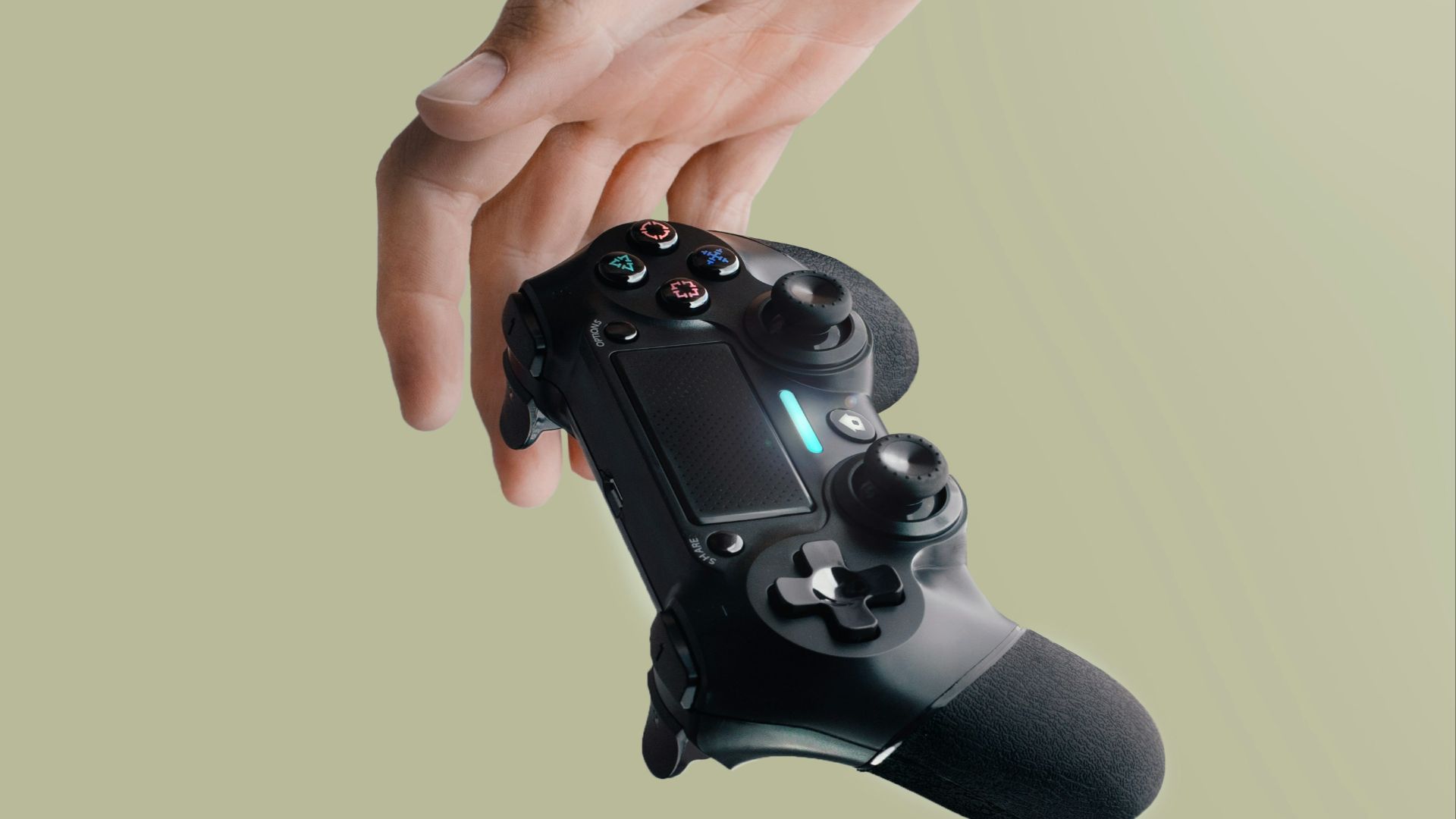
Gamers understand the importance of a mouse or controller. They care about polling rate, sensitivity, dead zones, and input lag because it changes how the game feels. Even casual players learn the difference between a cheap controller and a solid one.
12. Why Audio Settings Can Be a Competitive Advantage
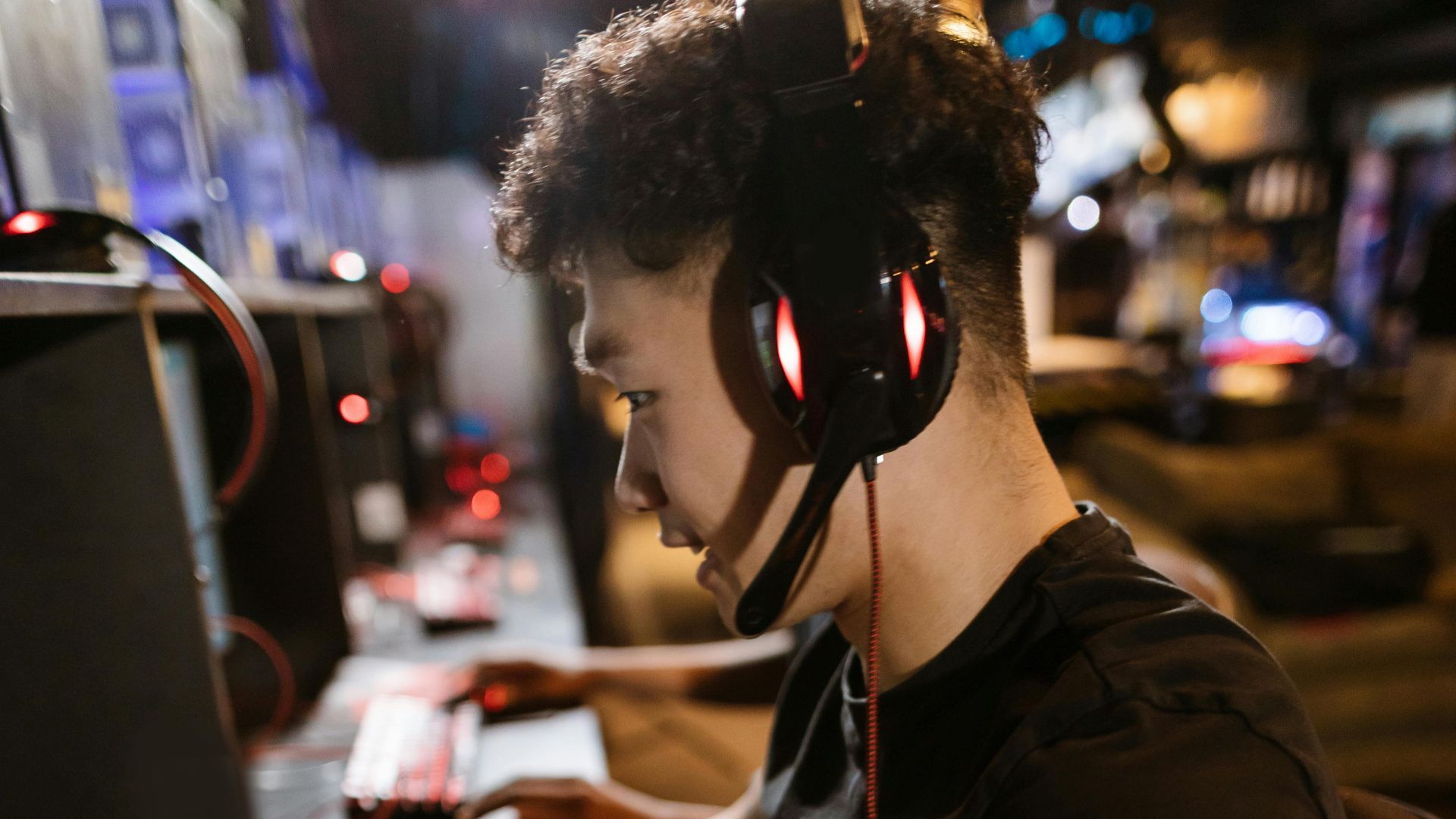
Gamers know sound isn’t just atmosphere, it’s information. They adjust EQ, balance channels, and pick headsets that help with directional cues. Many people don’t realize how much a bad audio setup hides important details. Gamers treat sound like a tool, not a decoration.

13. How Voice Chat Breaks & How to Fix It
Game chat has taught gamers every possible microphone failure mode. They know about input/output device selection, permissions, push-to-talk settings, and why Bluetooth can be a mess. They also understand that “I can hear you but you can’t hear me” has multiple causes, and fixing it becomes routine, which is something that can easily make them remote work heroes.
14. Why “Server Down” Is a Real Explanation
Gamers don’t assume the user is always the problem. They know services go down, authentication systems fail, and online games can implode during peak hours. Instead of panic, they check status pages and wait it out. This calm acceptance is highly useful in modern digital life.

15. The Limitations of DRM
Gamers have dealt with locked content, launchers, and “you need to be online to play your single-player game” nonsense for years. They understand how DRM can break legitimate access, while pirates sometimes have it easier. That experience makes them skeptical of convenience claims from big publishers.
16. Why Crossplay Isn’t Just a Button You Turn On
Crossplay sounds simple until you consider matchmaking, aim assist balance, input differences, and platform policies. Gamers understand that mixing PC and console players can create fairness issues if it isn’t handled carefully. They also know cross-progression is a separate challenge entirely.

17. The Truth About Microtransactions & “Free” Games
Gamers have learned that free-to-play usually means you pay in other ways. They understand battle passes, cosmetics pricing, whales, and how monetization shapes gameplay design. Many can spot a manipulative shop layout instantly. Once you’ve seen enough of it, you recognize the pattern fast.

18. Why Backups & Cloud Saves Matter
Nothing teaches the value of backups like losing a save file or corrupting data mid-run. Gamers learn to trust cloud saves when they work and to fear them when they don’t sync correctly. Some even keep manual backups for important games. That caution carries over to photos, documents, and everything else.

19. How Modding Teaches Real Computer Skills
Modding forces you to deal with file structures, installs, dependencies, and troubleshooting conflicts. You learn how to read instructions, use folders properly, and recover from mistakes without crying. It’s hands-on experience with how software fits together. Plenty of gamers accidentally become competent computer users this way.
20. Why “It Works on My Machine” Isn’t a Joke
Gamers live in a world where one patch can run perfectly on one setup and crash on another. They understand hardware variability, driver differences, and why QA can’t catch every edge case. That’s why they share settings, compare specs, and troubleshoot collectively. Once you’ve gamed on PC, you stop assuming tech problems are simple.