Why Great Movement Can Carry An Entire Game
Players often remember a game's movement long after they've forgotten parts of its story or combat. The best movement systems make simply getting from one place to another feel rewarding, turning travel into a core part of the experience rather than an obstacle between objectives. Whether it's speed, precision, freedom, or momentum, these 20 movement systems gave players a reason to keep moving just because it felt good.

1. Mirror's Edge
Few games have made first-person movement feel this fluid and intuitive. Chaining together wall runs, vaults, slides, and leaps creates a constant sense of momentum. Once you find a rhythm, traversing the environment becomes almost as satisfying as completing the objective itself.
2. Titanfall 2
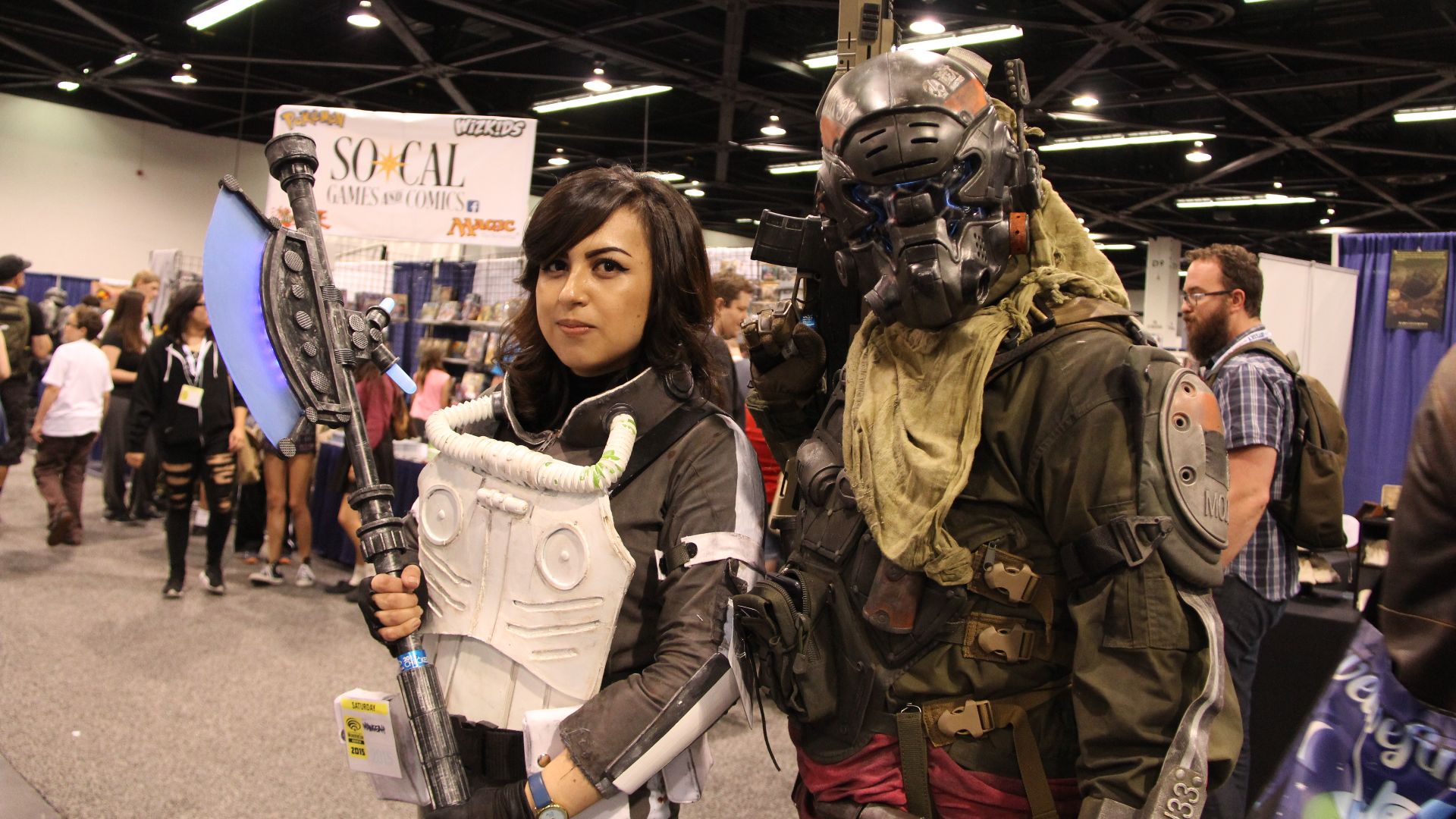
Speed and freedom combine to create movement that rewards practice without feeling inaccessible. Players can link wall running, sliding, jumping, and aerial maneuvers into seamless routes. The result is a system that constantly encourages experimentation and mastery.
 William Tung from USA on Wikimedia
3. Spider-Man
Swinging through a dense city captures a sense of motion that rarely becomes repetitive. Momentum builds naturally as players learn how to time releases and transitions. Even after finishing missions, many people continue moving around simply because it's enjoyable.

4. Sunset Overdrive
Traversal is built around maintaining motion whenever possible. Grinding, bouncing, wall running, and aerial tricks flow together in ways that reward creativity. Standing still feels almost unnatural once you understand the system.

5. Jet Set Radio
Movement is tied directly to style and expression. Grinding rails and chaining tricks across urban environments creates a satisfying rhythm that encourages exploration. Success often feels less about speed and more about maintaining flow.
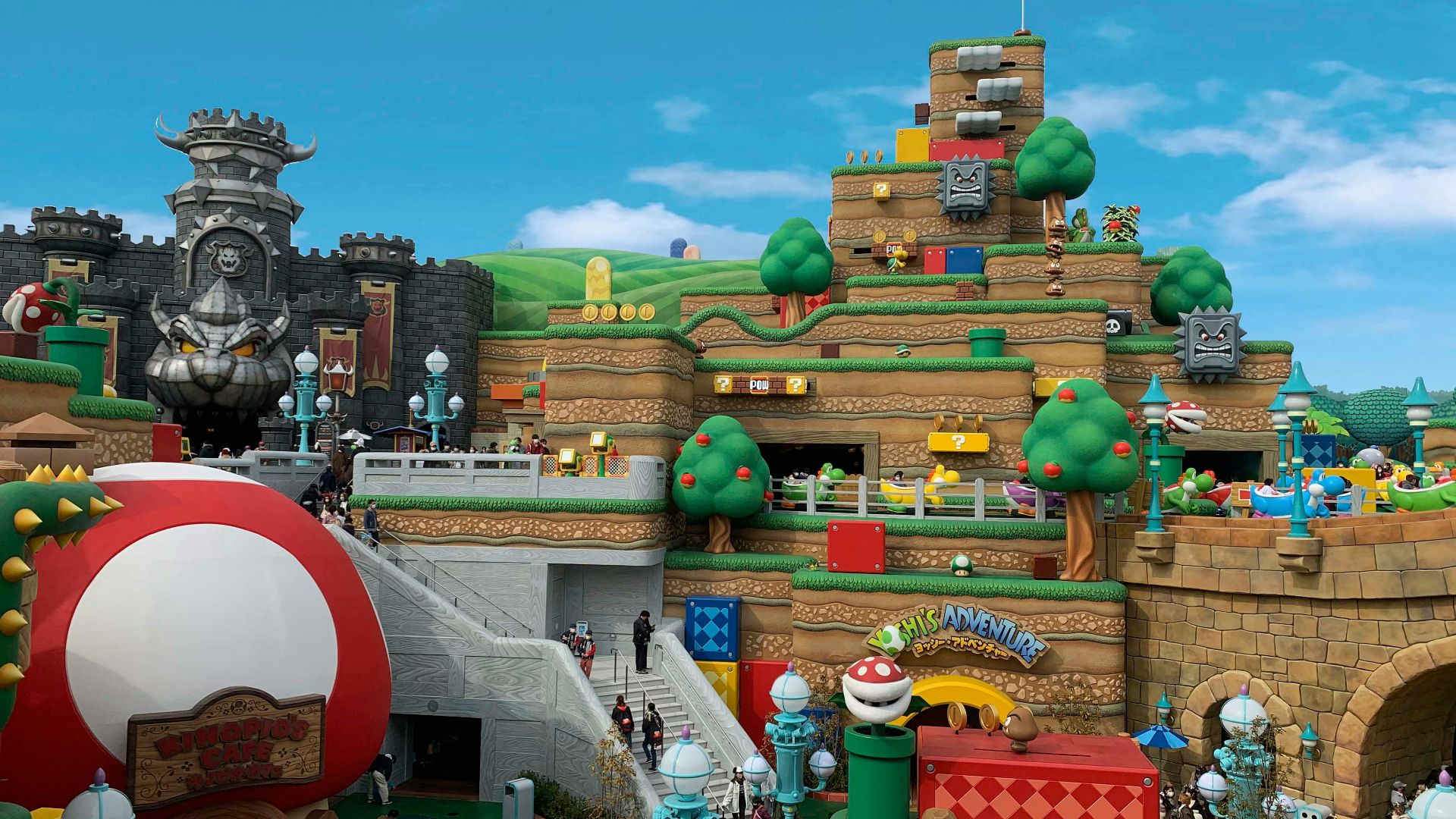
6. Super Mario Odyssey
Every jump offers multiple opportunities for creative movement. Long jumps, dives, rolls, and advanced techniques allow players to traverse environments in countless ways. The controls remain approachable while still supporting impressive displays of skill.
7. Celeste
Precision is the foundation of every movement decision. Each dash, climb, and jump requires careful timing, yet the controls remain exceptionally responsive. Failures rarely feel unfair because the movement system consistently does exactly what the player intends.
 Maddy Makes Games (Q91620371) on Wikimedia
8. Assassin's Creed II
Climbing and parkour transformed cities into giant playgrounds. Buildings, rooftops, and landmarks became interconnected routes rather than obstacles. The freedom to navigate vertically added an exciting layer to exploration.
9. Dying Light
Movement becomes more satisfying as players gain confidence and experience. Rooftop navigation, vaulting, climbing, and quick directional changes create a constant sense of urgency. Traversal often feels just as important as survival.
 Glenn Carstens-Peters on Unsplash
10. Warframe
Fast, acrobatic movement defines nearly every aspect of gameplay. Slides, bullet jumps, wall latches, and aerial maneuvers allow players to cover enormous distances quickly. Mastering the system can make even routine travel feel impressive.
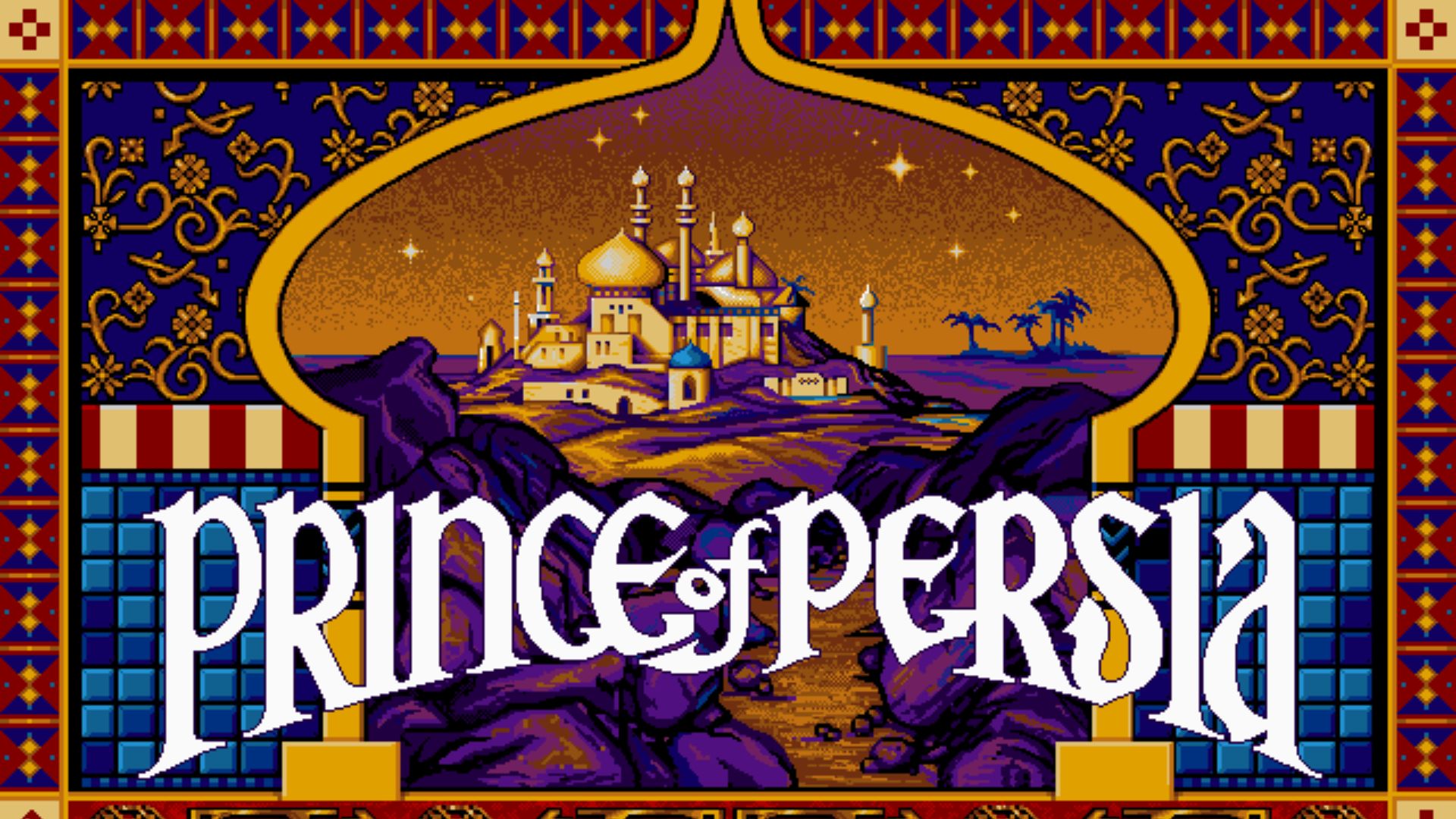
11. Prince of Persia: The Sands of Time
Movement blends athleticism with graceful animation. Running along walls and chaining environmental interactions creates a strong sense of flow. Traversal feels deliberate without becoming slow or restrictive.
12. Rocket League
Driving, boosting, flipping, and flying combine into a surprisingly deep movement system. Players gradually learn to control momentum in three dimensions. Watching experienced players maneuver can be just as entertaining as the matches themselves.
 jjdhd Beirnrj Psyonix Studios on Wikimedia
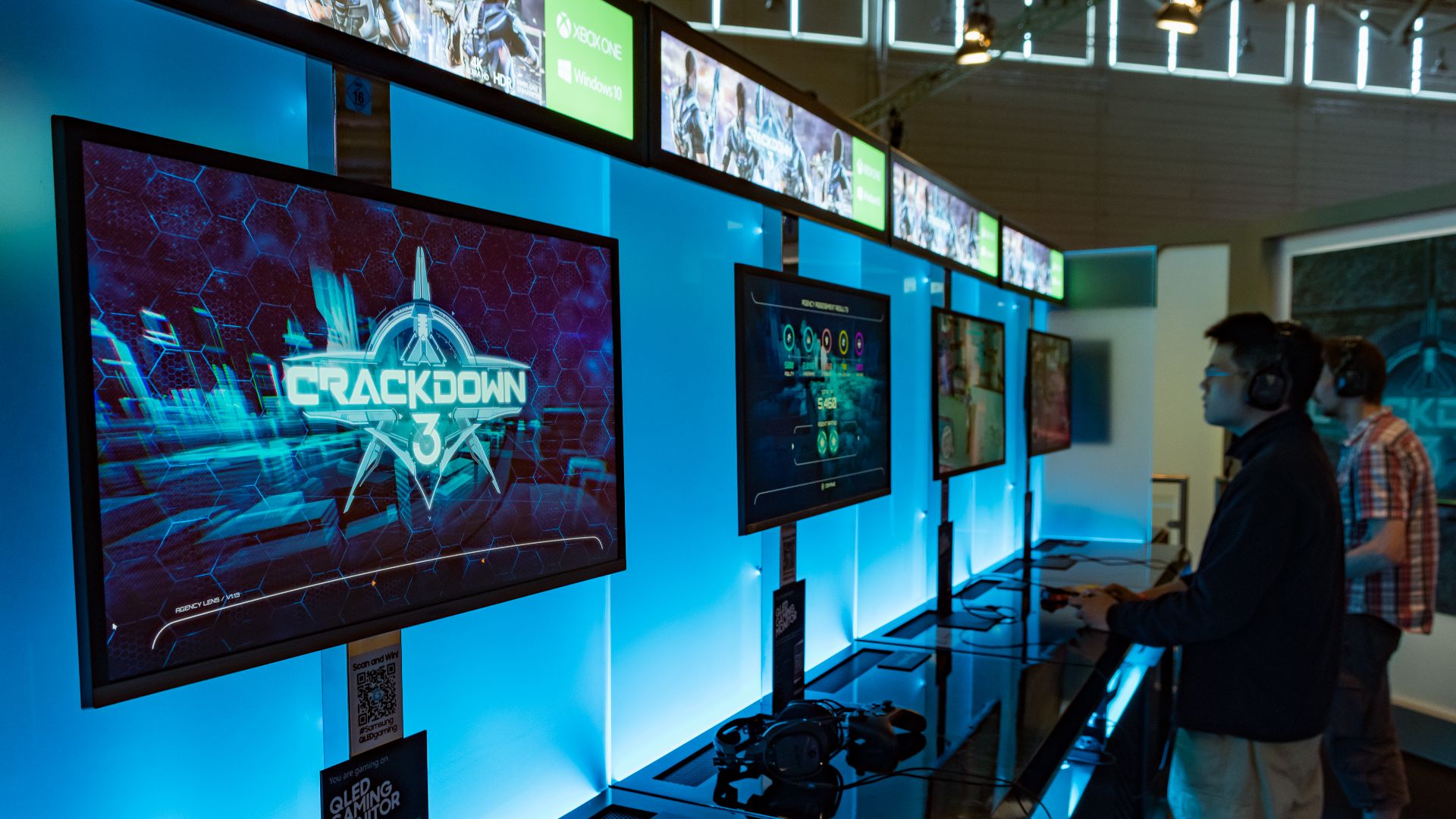
13. Crackdown
The gradual increase in mobility creates a strong sense of progression. Small jumps eventually become enormous leaps across entire city blocks. Few systems make player growth feel quite so tangible.
14. Ghostrunner
Precision movement and quick decision-making are equally important. Wall runs, grappling, sliding, and rapid directional changes must be executed with confidence. Success creates a powerful feeling of speed and control.

15. Super Mario 64
Three-dimensional platforming felt revolutionary thanks to responsive movement options. Triple jumps, dives, long jumps, and wall kicks gave players remarkable freedom for the time. Many of these mechanics remain satisfying decades later.
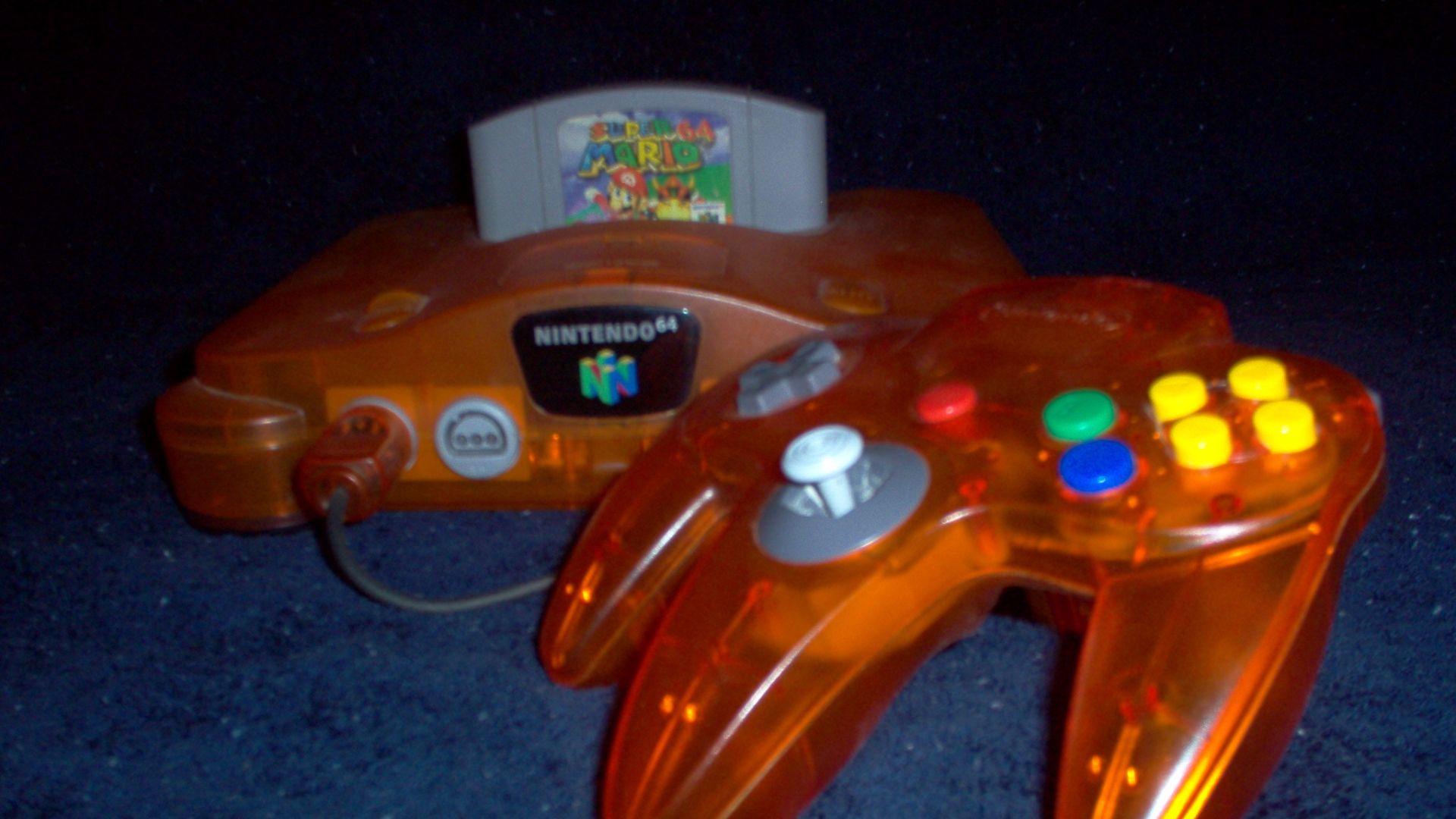 ZabMilenko at English Wikipedia on Wikimedia
16. A Short Hike
Movement starts simple but gradually becomes more liberating as players explore. Gliding and climbing encourage curiosity without introducing unnecessary complexity. The relaxed pace makes every improvement feel meaningful.

17. Prototype
Extreme mobility turns the city into a personal obstacle course. Massive leaps, wall running, and rapid movement across buildings create a feeling of unrestricted power. Traversal often becomes as entertaining as the main objectives.
18. Ori and the Will of the Wisps
Movement evolves steadily throughout the adventure, adding new possibilities without overwhelming the player. Abilities interact beautifully with one another, creating smooth and rewarding traversal sequences. Exploration feels increasingly satisfying as the toolkit expands.

19. Vanquish
Sliding is transformed into a central mechanic rather than a situational action. Rapid bursts of speed allow players to reposition constantly and maintain momentum during encounters. The movement system gives combat a unique sense of energy.

20. Sonic Mania
Momentum-based platforming remains one of gaming's most satisfying concepts when executed well. Building speed through well-designed environments creates an exhilarating sense of flow. Every successful run feels like a reward for understanding how movement and level design work together.