Innovations That Arrived Before The World Was Ready
The 1990s produced some of the most influential technologies ever created, but not every breakthrough found immediate success. In many cases, engineers and companies introduced products that offered features consumers wouldn't fully embrace until years or even decades later. Looking back, it's remarkable how many pieces of 1990s technology accurately predicted the way we communicate, work, play, and access information today. Here are 20 '90s tech that were ahead of their time.
1. IBM Simon Personal Communicator (1994)
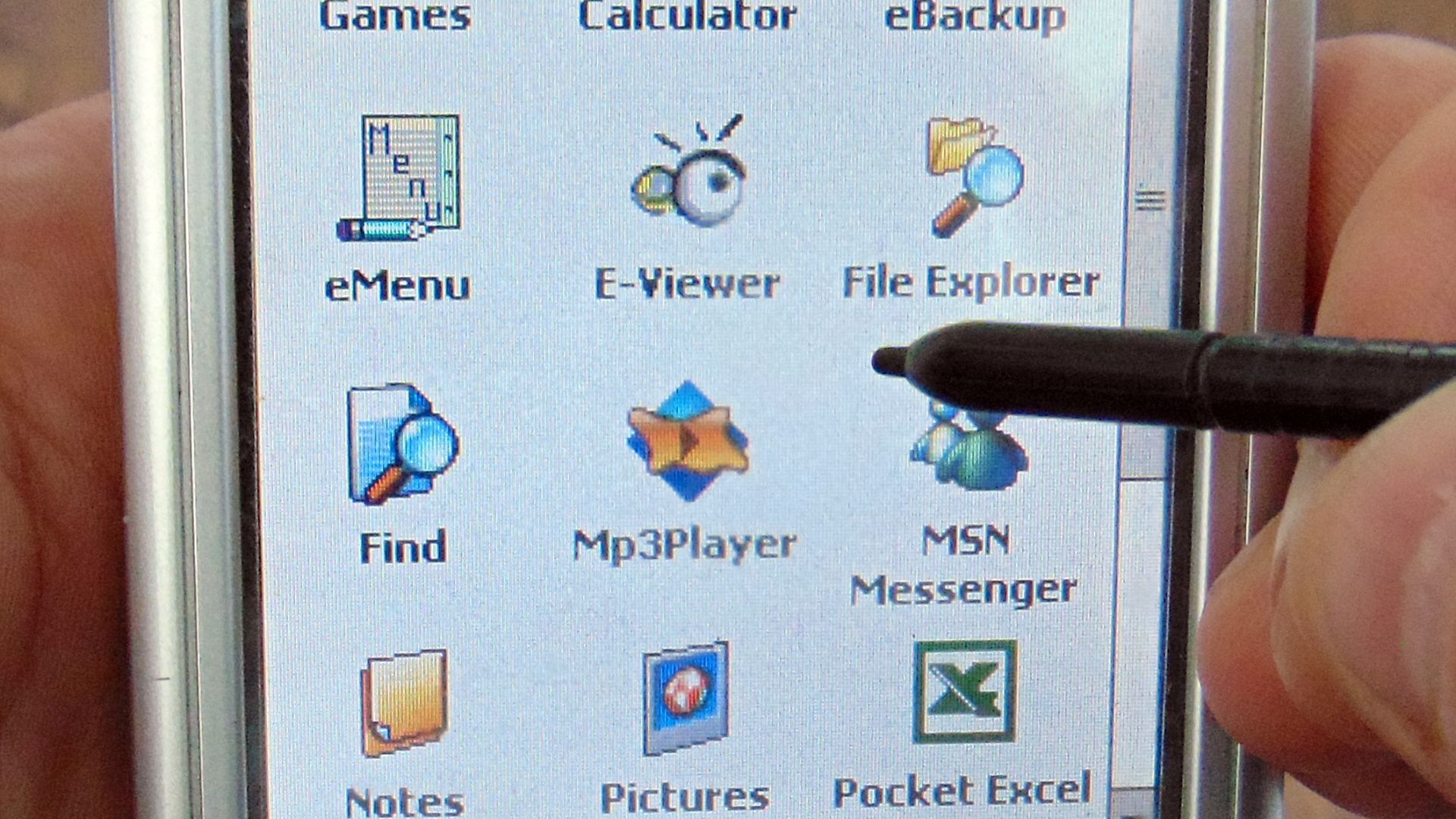
The IBM Simon is widely considered the world's first smartphone. It combined a mobile phone with features such as email, a calendar, a touchscreen, and note-taking tools. While the market wasn't ready for such a device in 1994, its concept closely resembles modern smartphones.
2. Sega Dreamcast (1998)
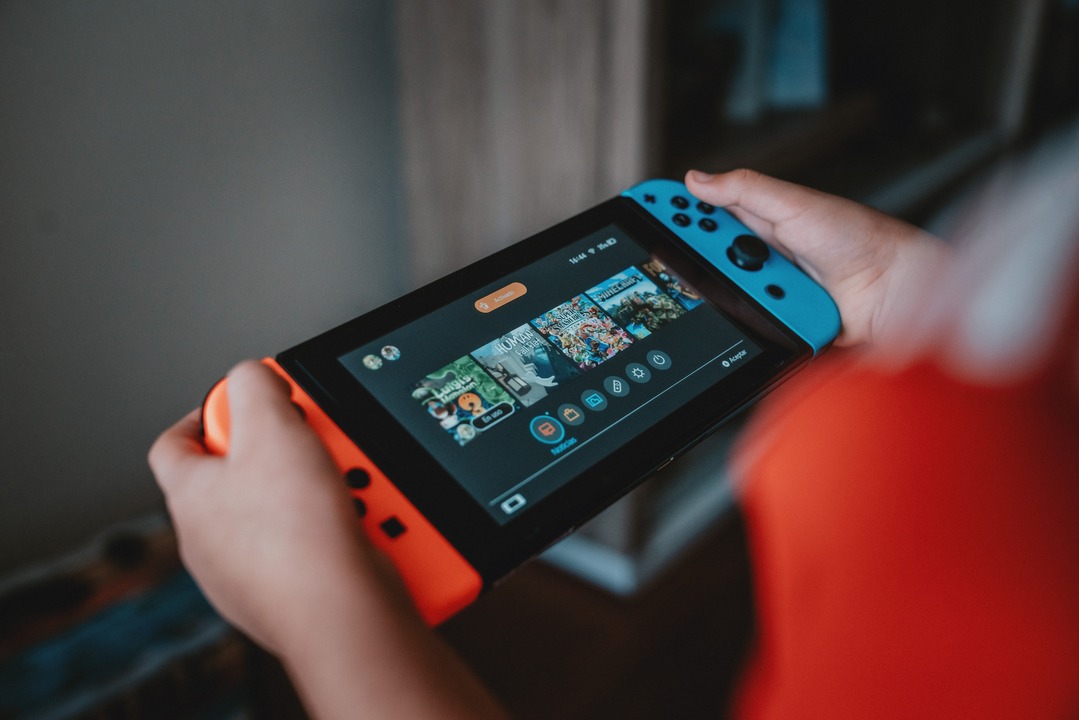
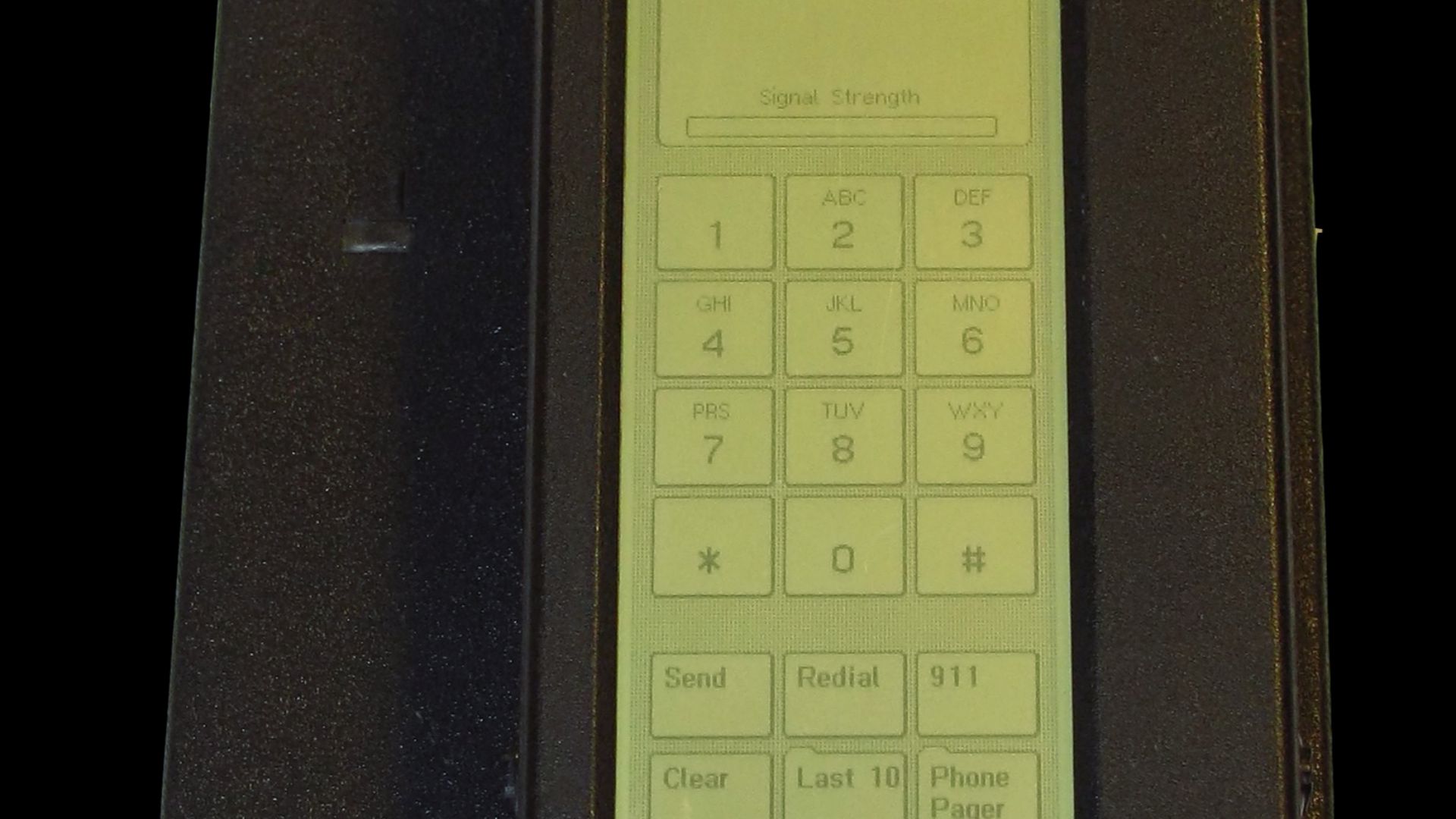
The Dreamcast introduced features that would later become standard in gaming. It included built-in support for online play and internet connectivity at a time when most console gaming remained offline. Many of its innovations became common across future gaming platforms.
3. PalmPilot (1996)
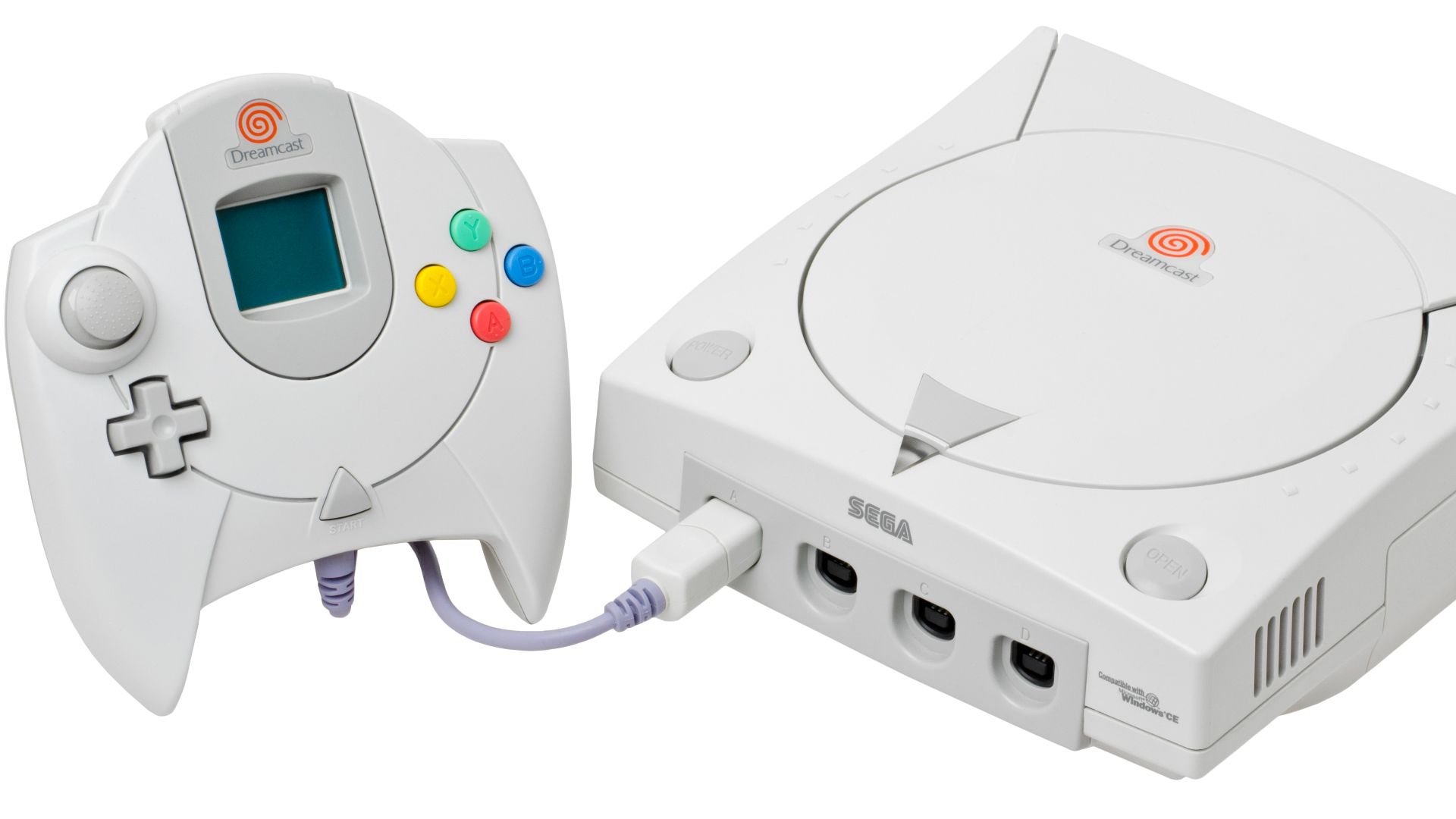
Palm's handheld organizer helped define personal digital assistants, or PDAs. Users could manage schedules, contacts, notes, and tasks in a portable device that fit into a pocket. It anticipated many of the productivity features people now expect from smartphones.
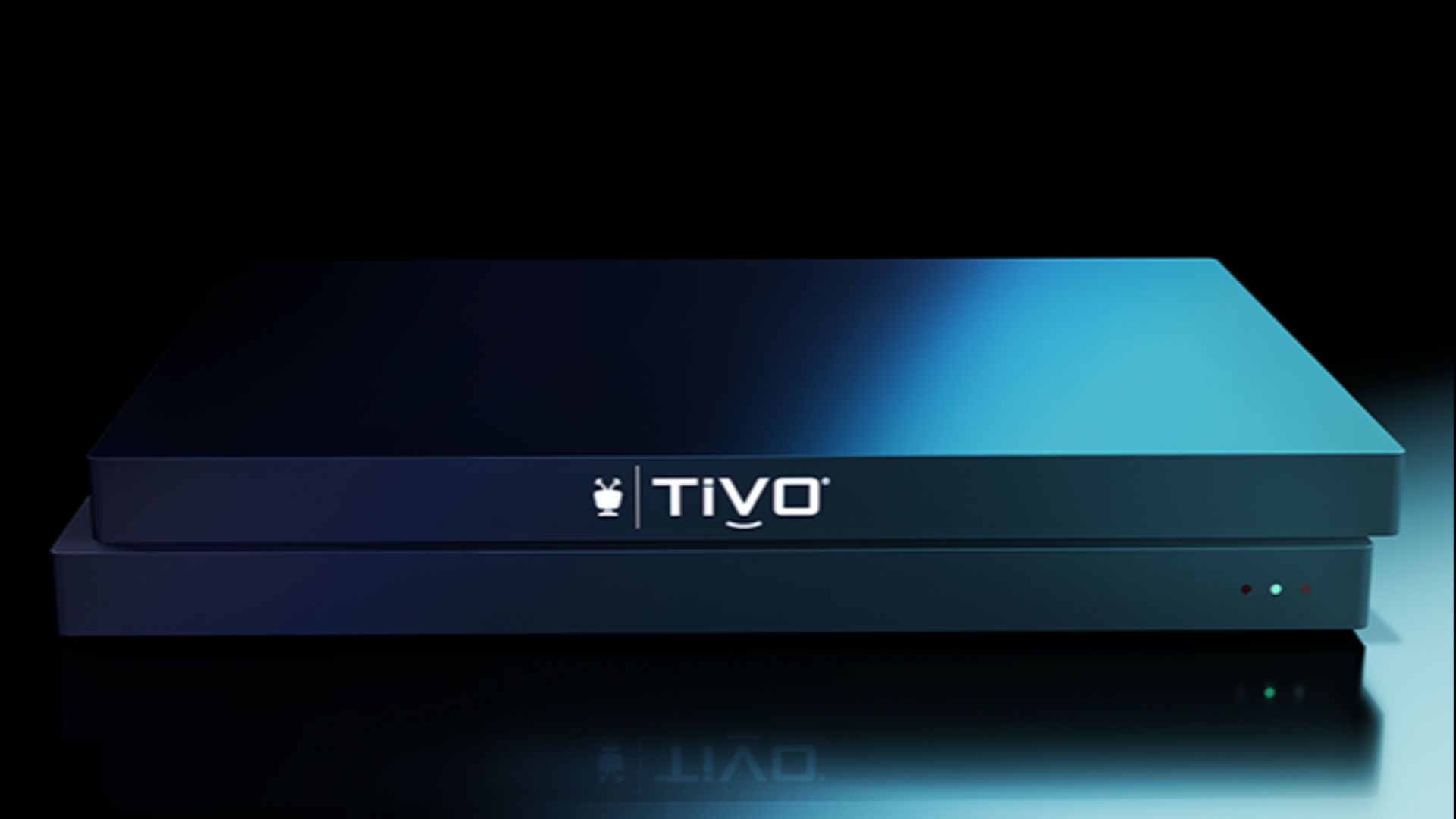
4. TiVo Digital Video Recorder (1999)
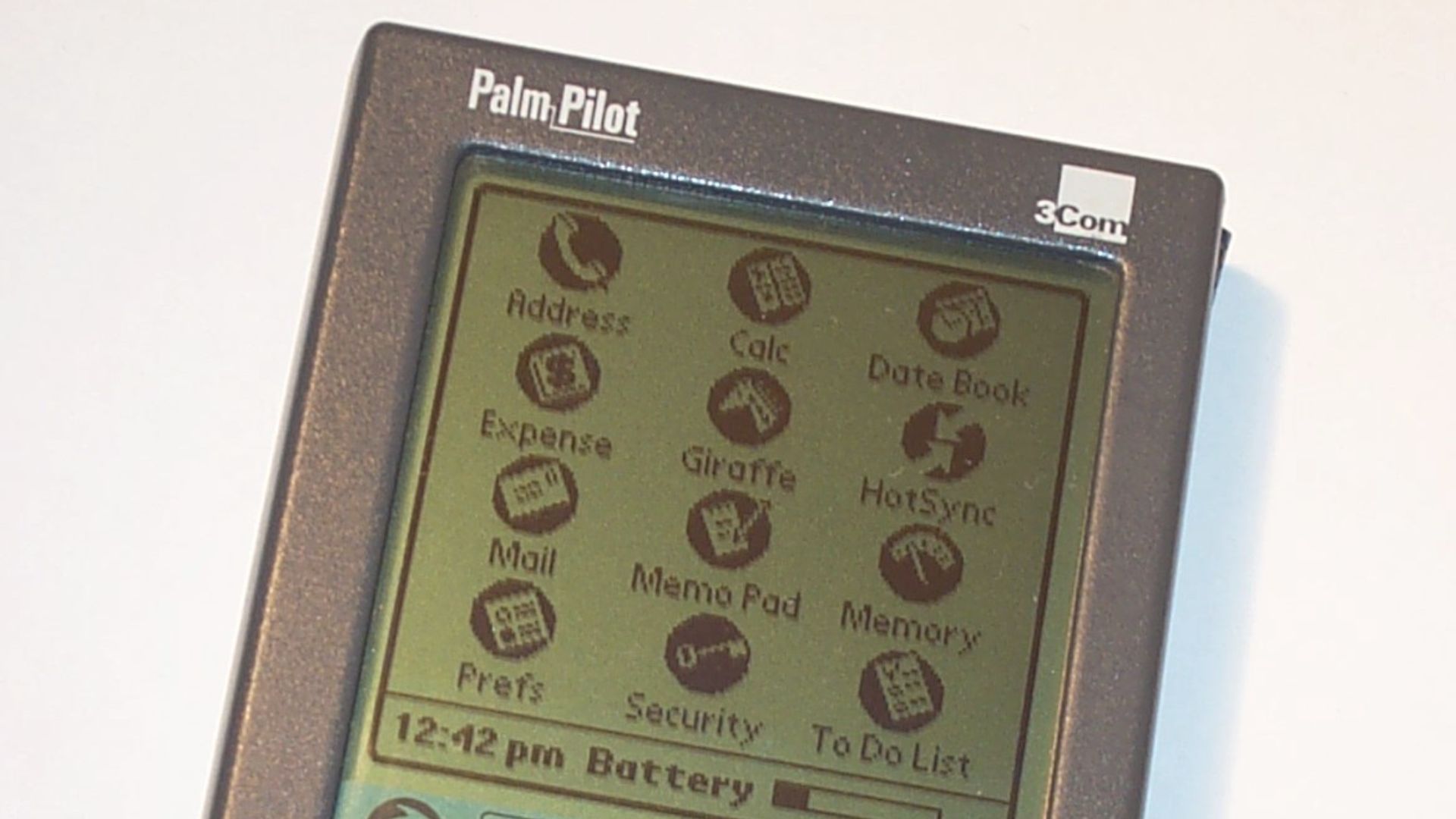
TiVo changed how people watched television by allowing them to pause, rewind, and record live broadcasts. At the time, this level of control felt revolutionary. The concept helped pave the way for modern on-demand viewing and streaming habits.
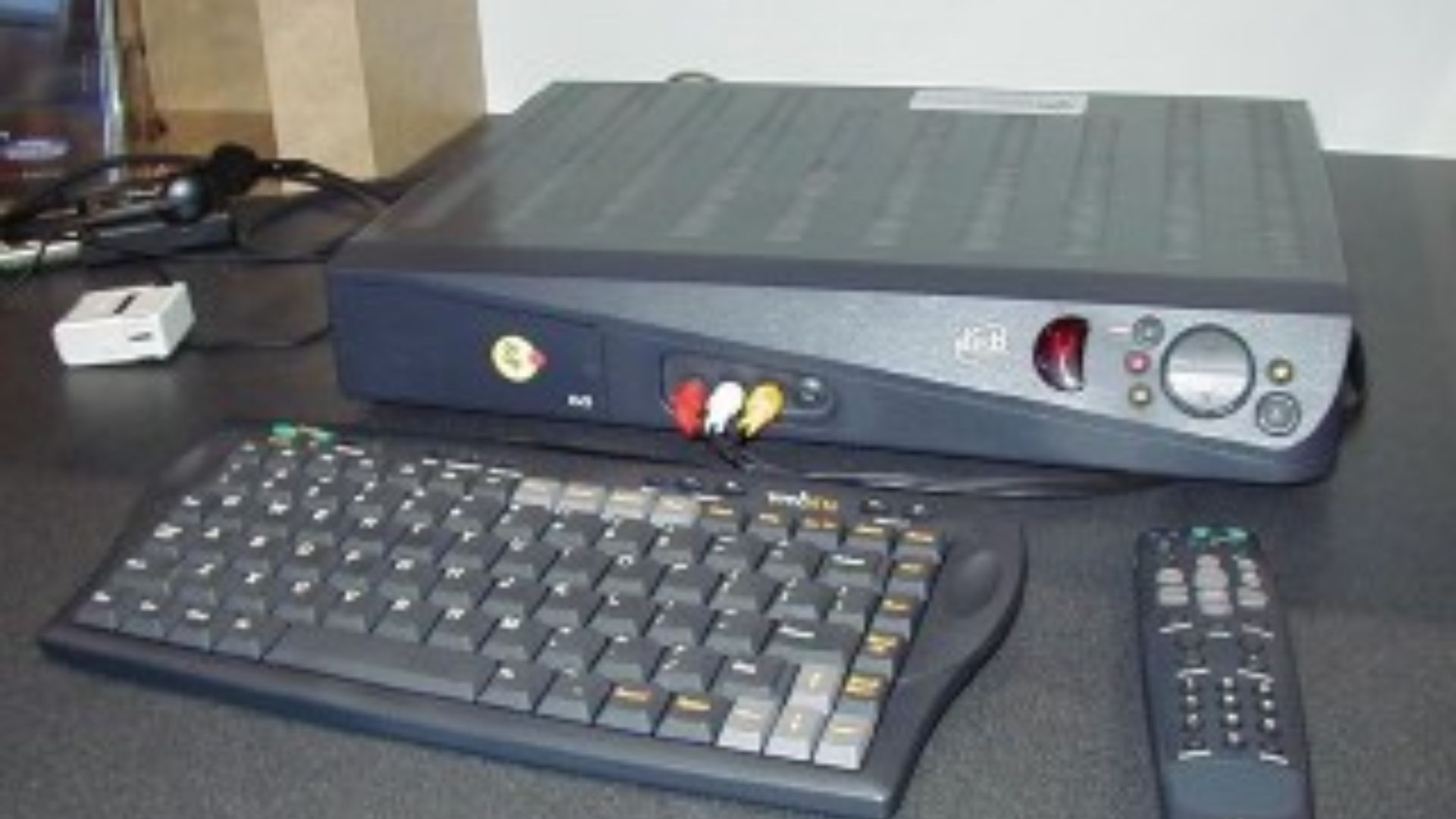
5. WebTV (1996)
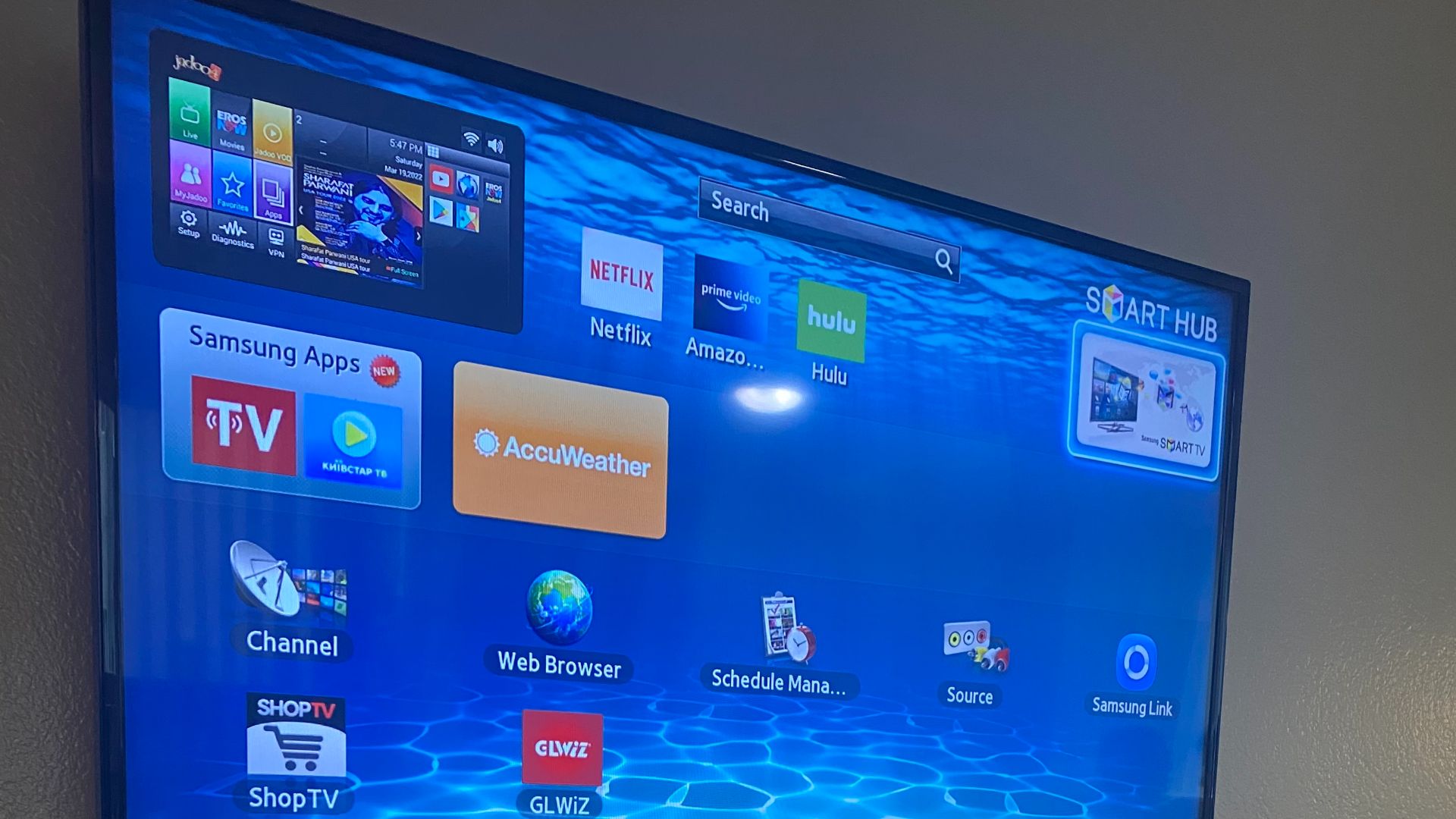
WebTV allowed users to browse the internet through their television sets. Although internet speeds and online content limited its appeal, the idea was remarkably forward-thinking. Today's smart TVs follow many of the same principles introduced by WebTV.
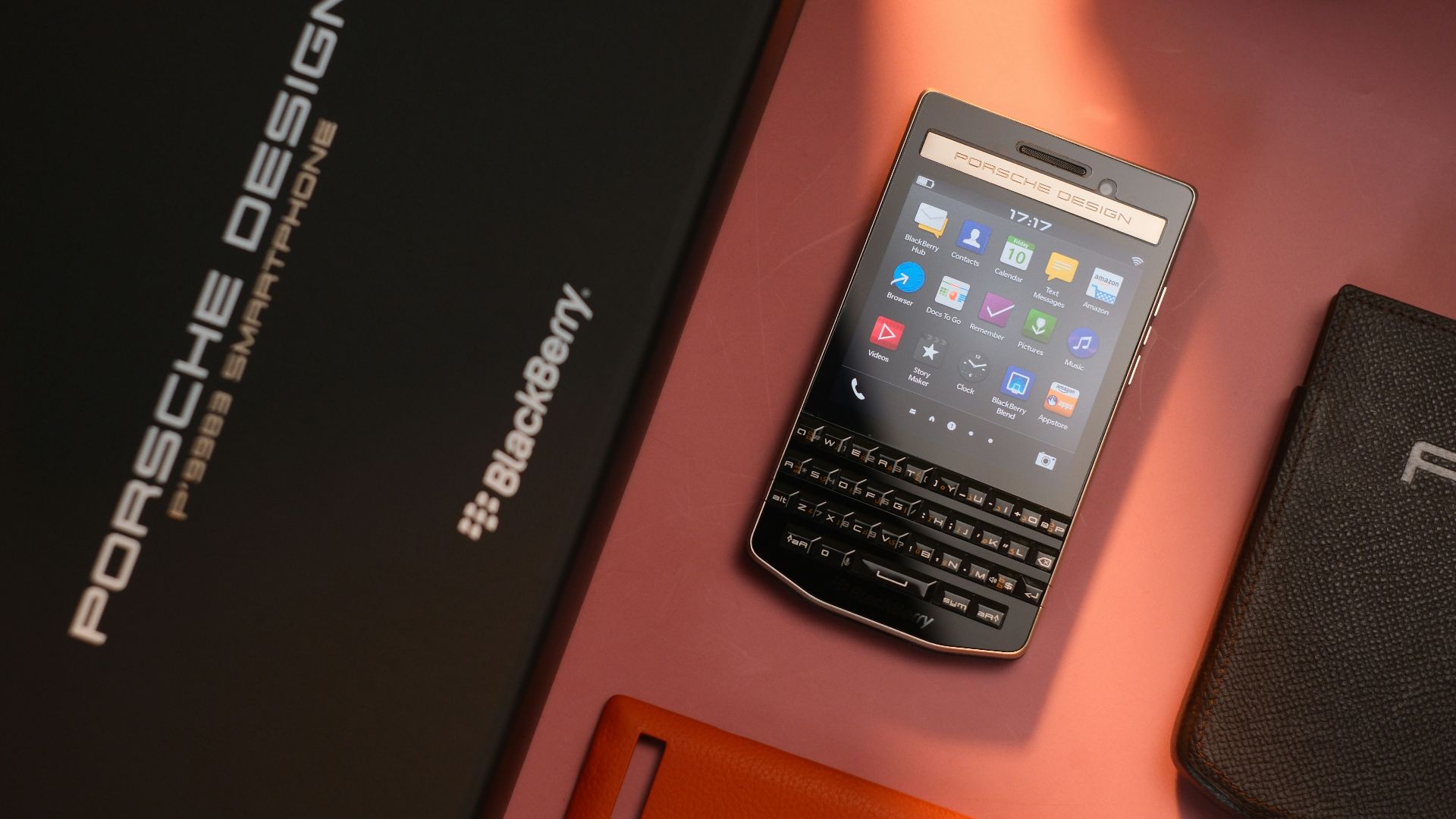
6. BlackBerry 850 Pager (1999)
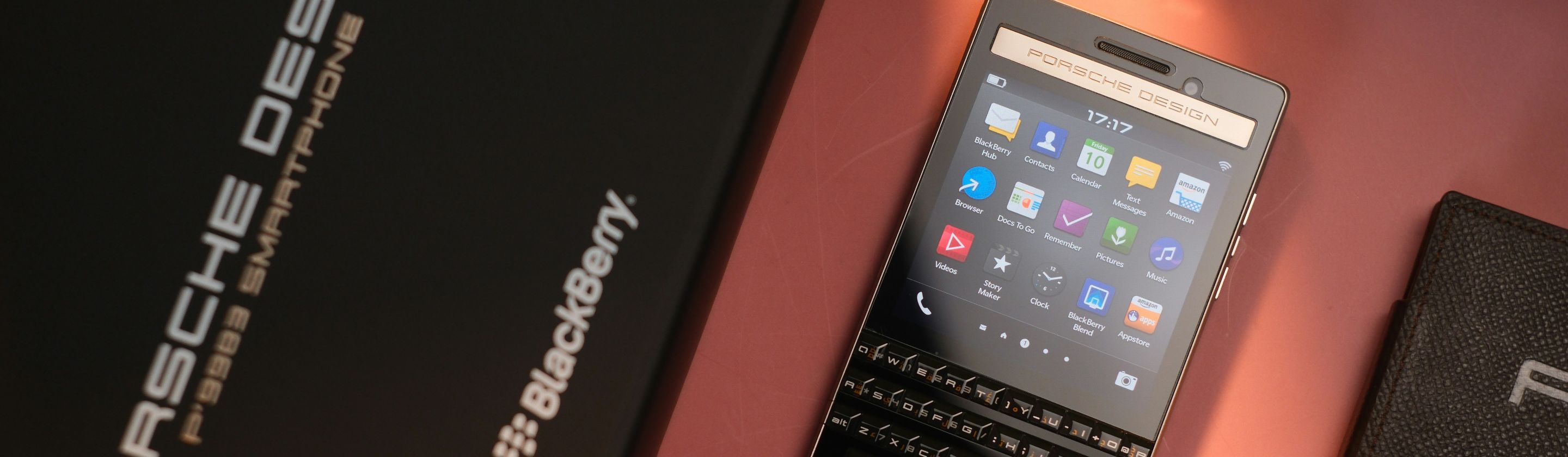
The BlackBerry 850 offered mobile email and messaging capabilities before smartphones became mainstream. Business users could stay connected without needing a desktop computer. Its emphasis on constant communication foreshadowed the always-connected world of today.
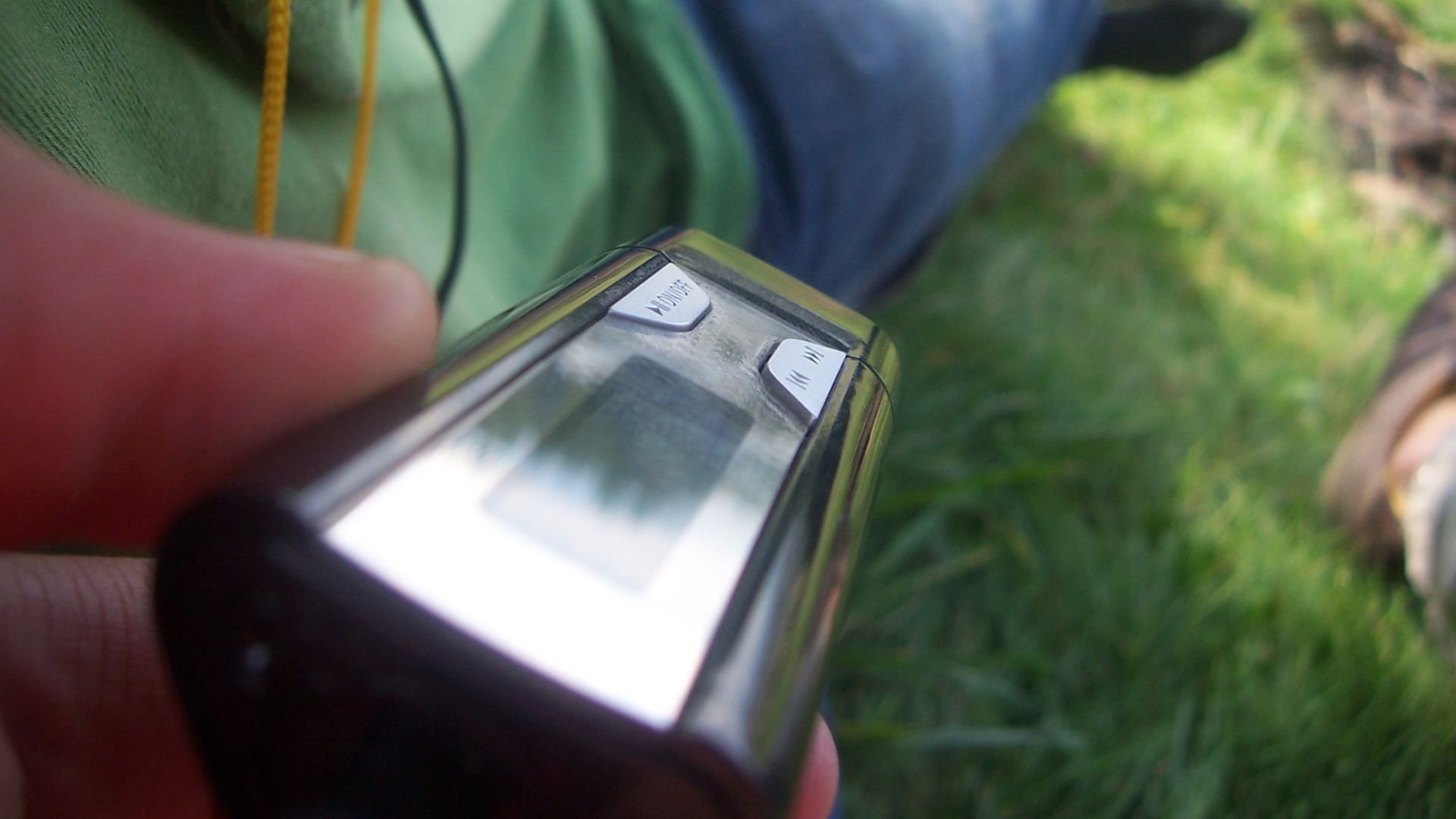
7. MPMan F10 MP3 Player (1998)
Before the iPod arrived, the MPMan F10 was among the first commercially successful MP3 players. It allowed users to carry digital music in a compact format. The device helped demonstrate that physical media wouldn't remain dominant forever.
 Locketudor, now TudorTulok on Wikimedia
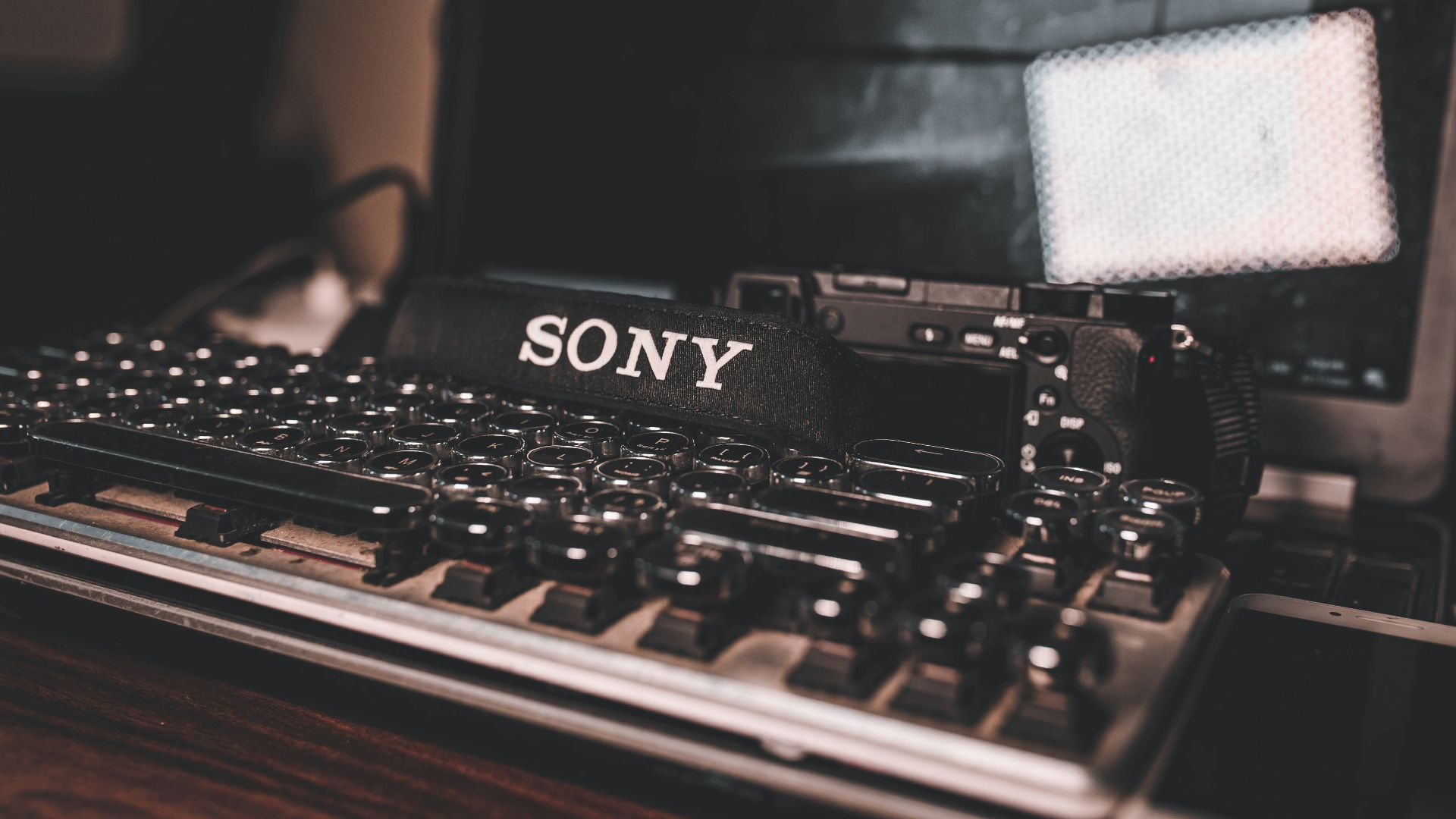
8. Sony Digital Paper Prototype Concepts (Late 1990s)
Sony experimented with electronic paper technology during the 1990s. While the products never achieved widespread commercial success at the time, the research anticipated the e-readers that would emerge years later. Devices like the Kindle owe much to these early efforts.
 BoliviaInteligente on Unsplash
9. Nokia 9000 Communicator (1996)
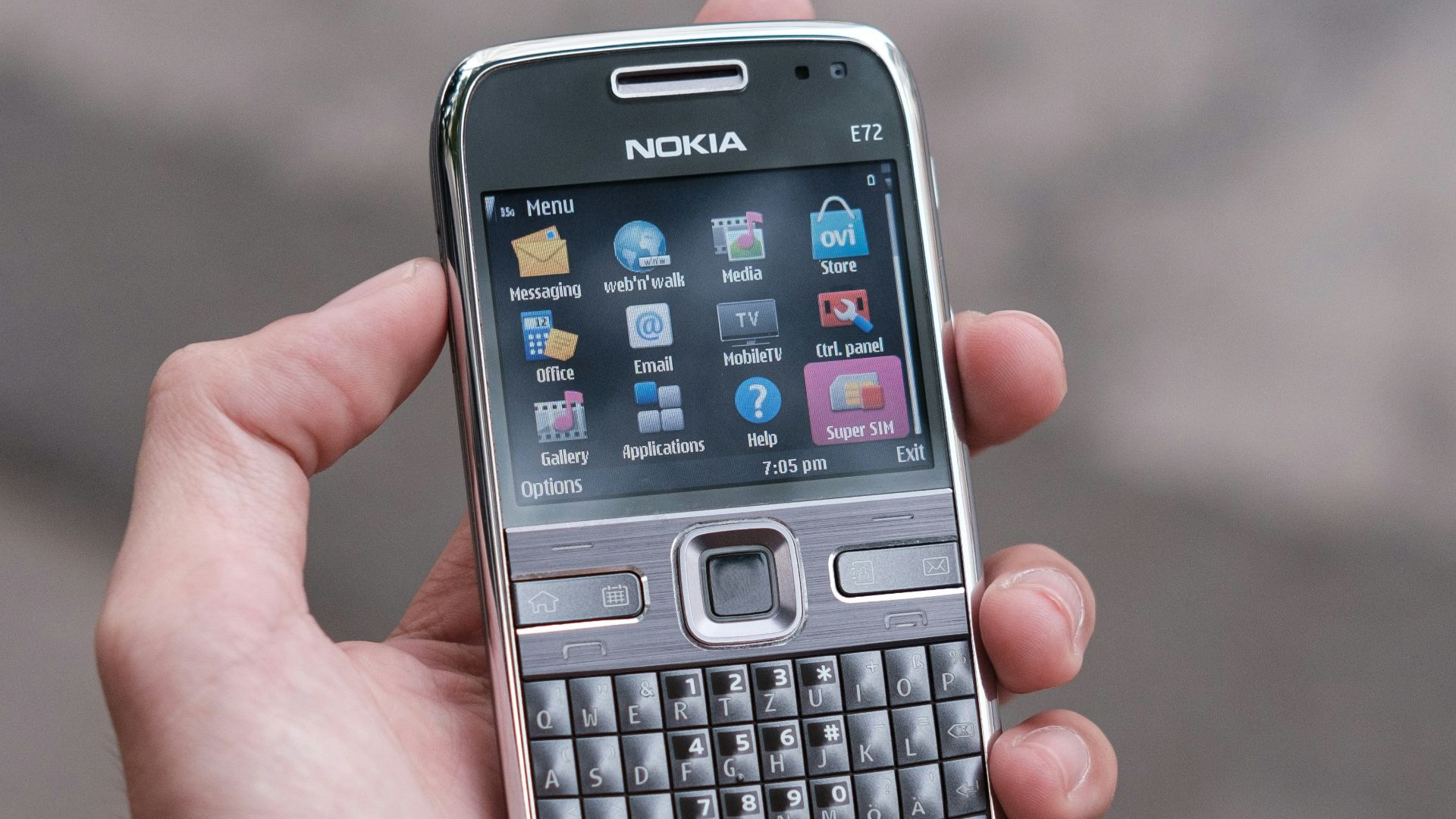
The Nokia 9000 Communicator combined mobile telephone technology with computing functions in a single device. It featured email access, web browsing, and document management capabilities. Many people now view it as a direct ancestor of modern business smartphones.
10. ReplayTV (1999)
ReplayTV competed with TiVo and introduced features that seemed incredibly advanced for the era. Users could skip commercials automatically and share recorded content between devices. Those ideas anticipated many modern media-consumption trends.
11. General Magic Devices (1994)
General Magic developed a platform intended to deliver mobile communication, digital assistants, and online services. Although the products struggled commercially, the company's vision was remarkably similar to today's smartphone ecosystem. Several future technology leaders worked on the project.
12. Sony VAIO C1 PictureBook (1998)
The VAIO C1 PictureBook included a built-in digital camera years before webcams became common. Users could capture images and participate in video-related applications directly from the laptop. Today, integrated cameras are considered a standard feature.
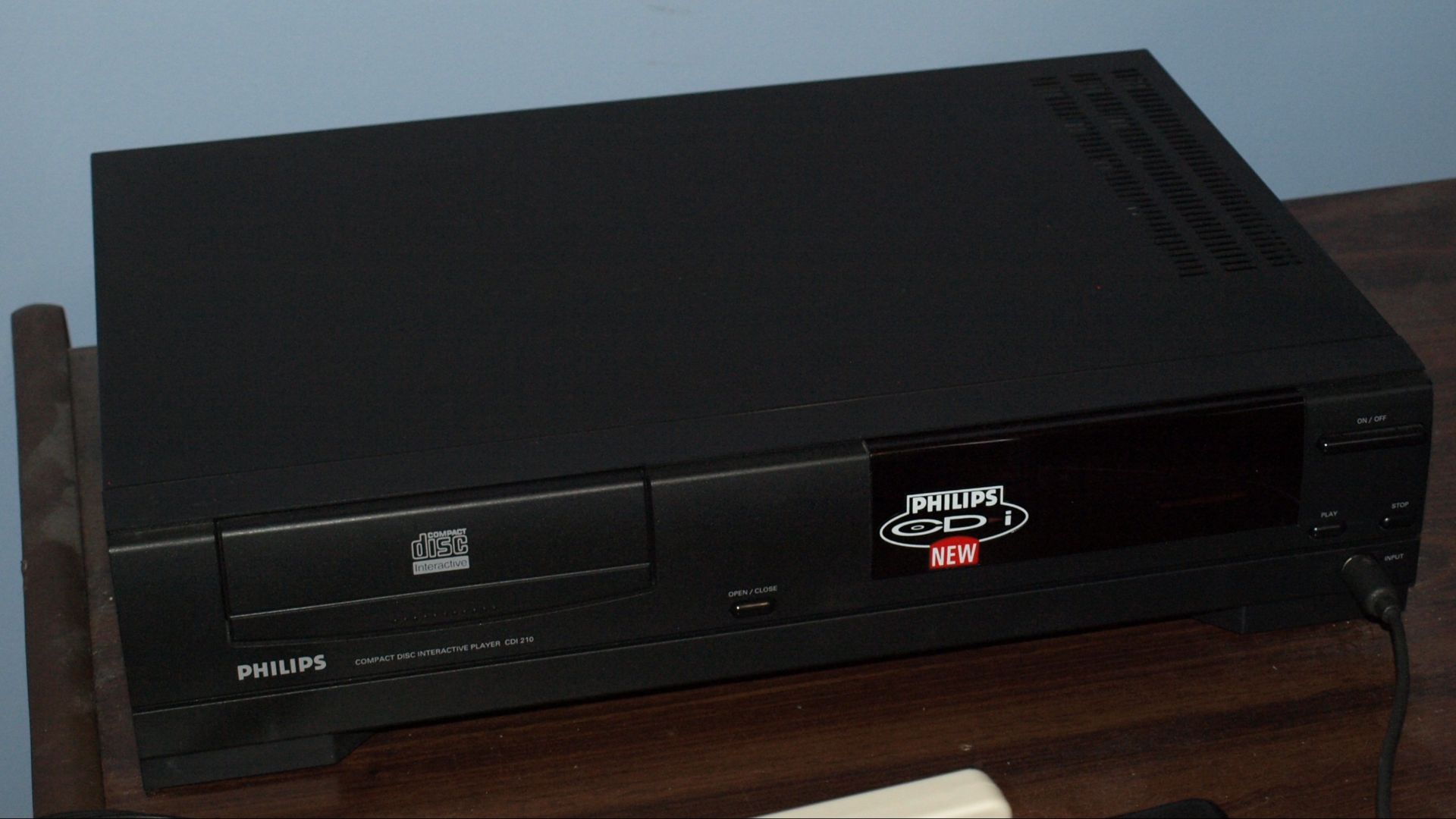
13. Philips CD-i (1991)
Philips' CD-i platform attempted to combine gaming, multimedia, education, and entertainment into a single system. The technology didn't achieve major commercial success, partly because the market wasn't ready for such convergence. Modern smart devices eventually embraced many of the same goals.
 Matthew Paul Argall on Wikimedia
14. Ricochet Wireless Internet Service (1994)
Ricochet offered wireless internet access long before Wi-Fi became widespread. Users could connect to the internet without relying on traditional wired connections. The service demonstrated the potential of mobile data years before smartphones made it commonplace.
15. Cyberdog Internet Suite (1996)
Apple's Cyberdog was an internet application suite built around integrated online tools. It combined browsing, email, and internet communication features into a unified experience. This approach anticipated the interconnected software ecosystems people use today.

16. Active Badge Systems (Commercial Expansion in the 1990s)
Although the technology originated earlier, Active Badge systems saw broader workplace adoption during the 1990s. These devices tracked location and movement within buildings using wireless signals. The concept foreshadowed modern location-tracking and smart workplace technologies.
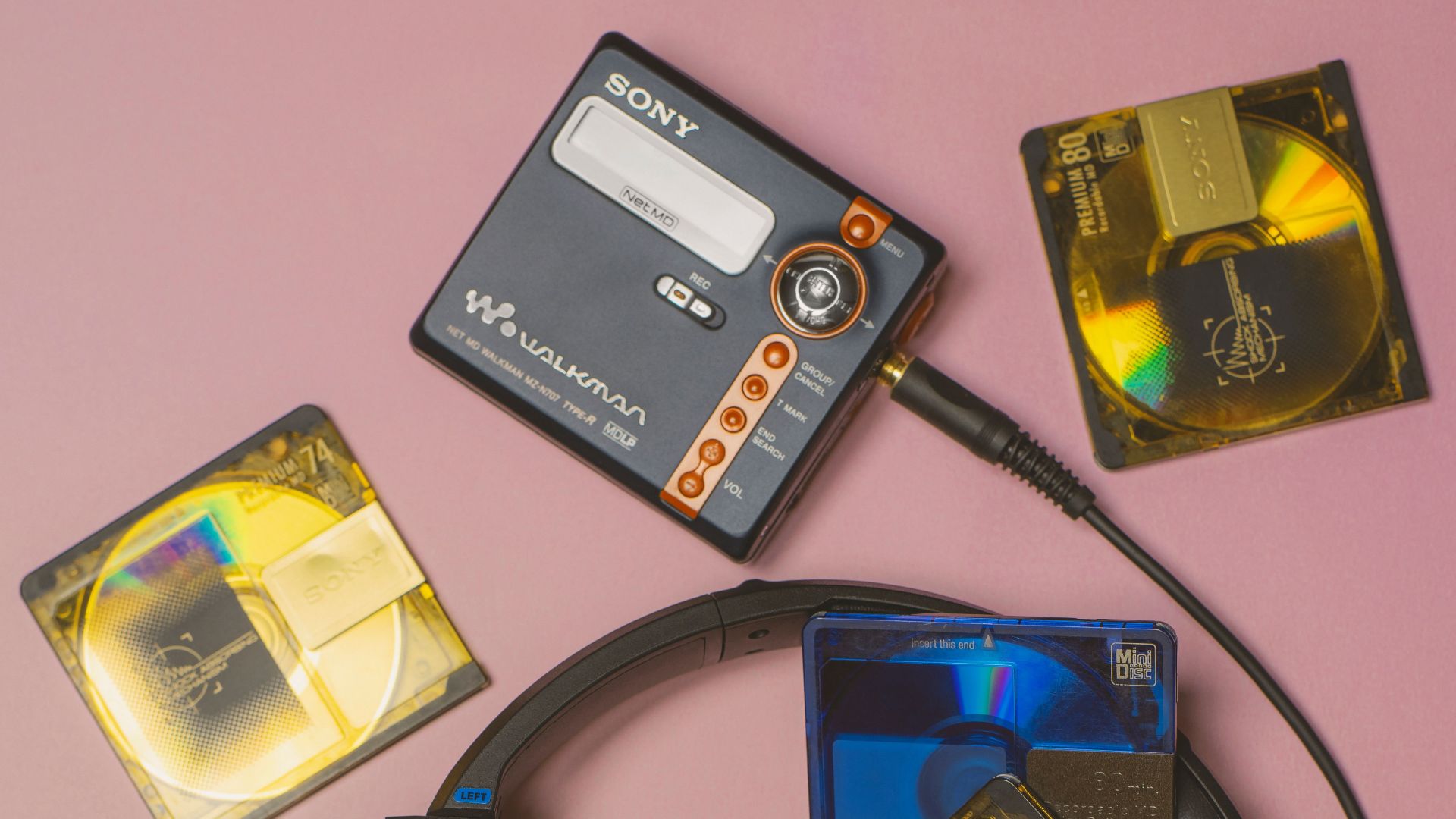
17. Sony MiniDisc (1992)
The MiniDisc offered portable digital audio recording and playback years before digital music fully took over. It provided advantages over cassette tapes while allowing users to create custom recordings. Although it never dominated globally, it anticipated the move toward digital audio storage.
18. Apple eMate 300 (1997)
Designed primarily for education, the eMate 300 featured a durable portable design and long battery life. Its lightweight construction and focus on mobility resembled characteristics found in modern laptops and tablets. Many of its strengths became highly valued in later portable devices.
19. QuickTake Digital Camera (1994)
Apple's QuickTake was among the first consumer digital cameras. At a time when film still dominated photography, the idea of taking and storing images digitally seemed unusual.
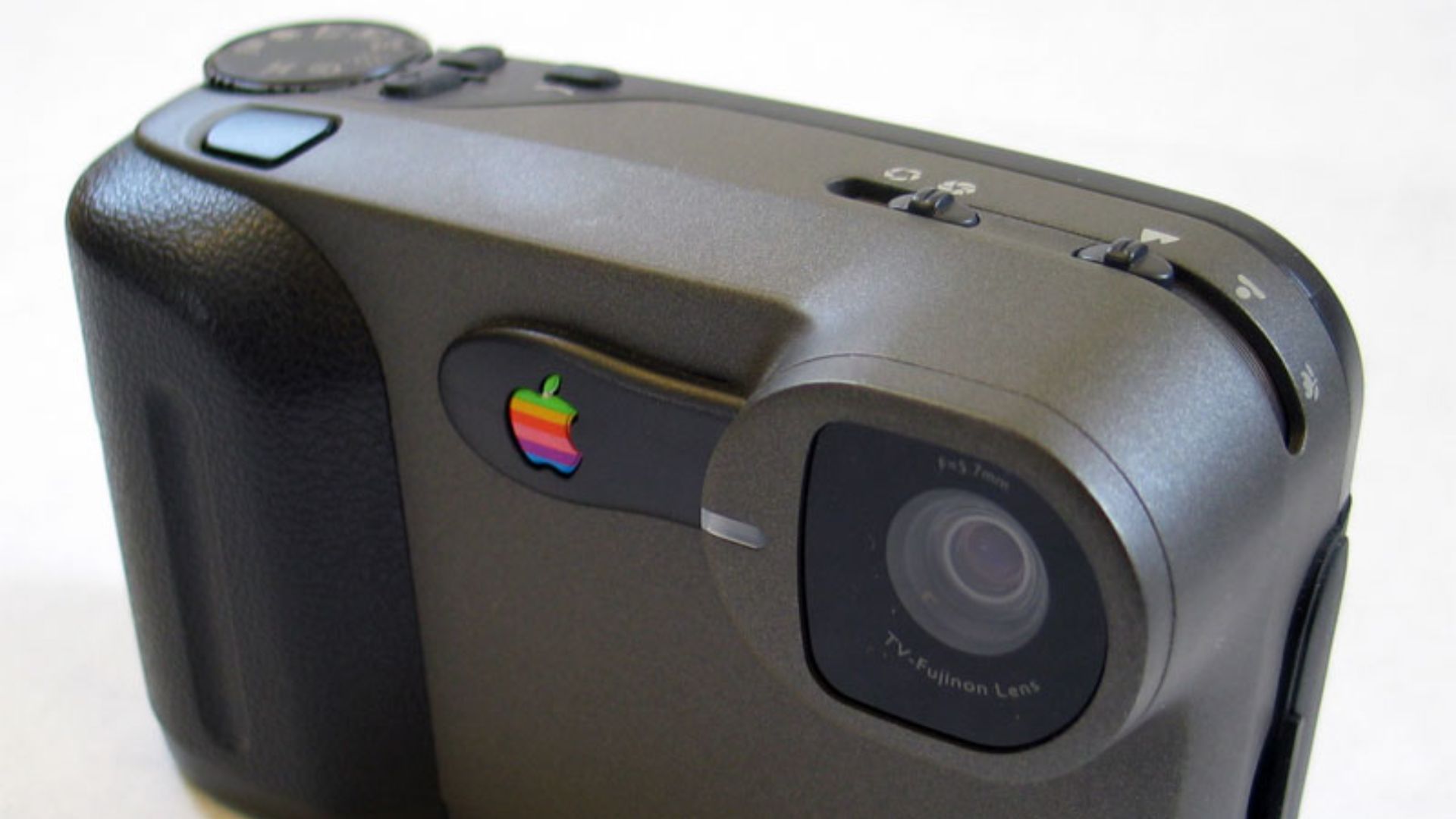 The original uploader was Redjar at English Wikipedia. on Wikimedia
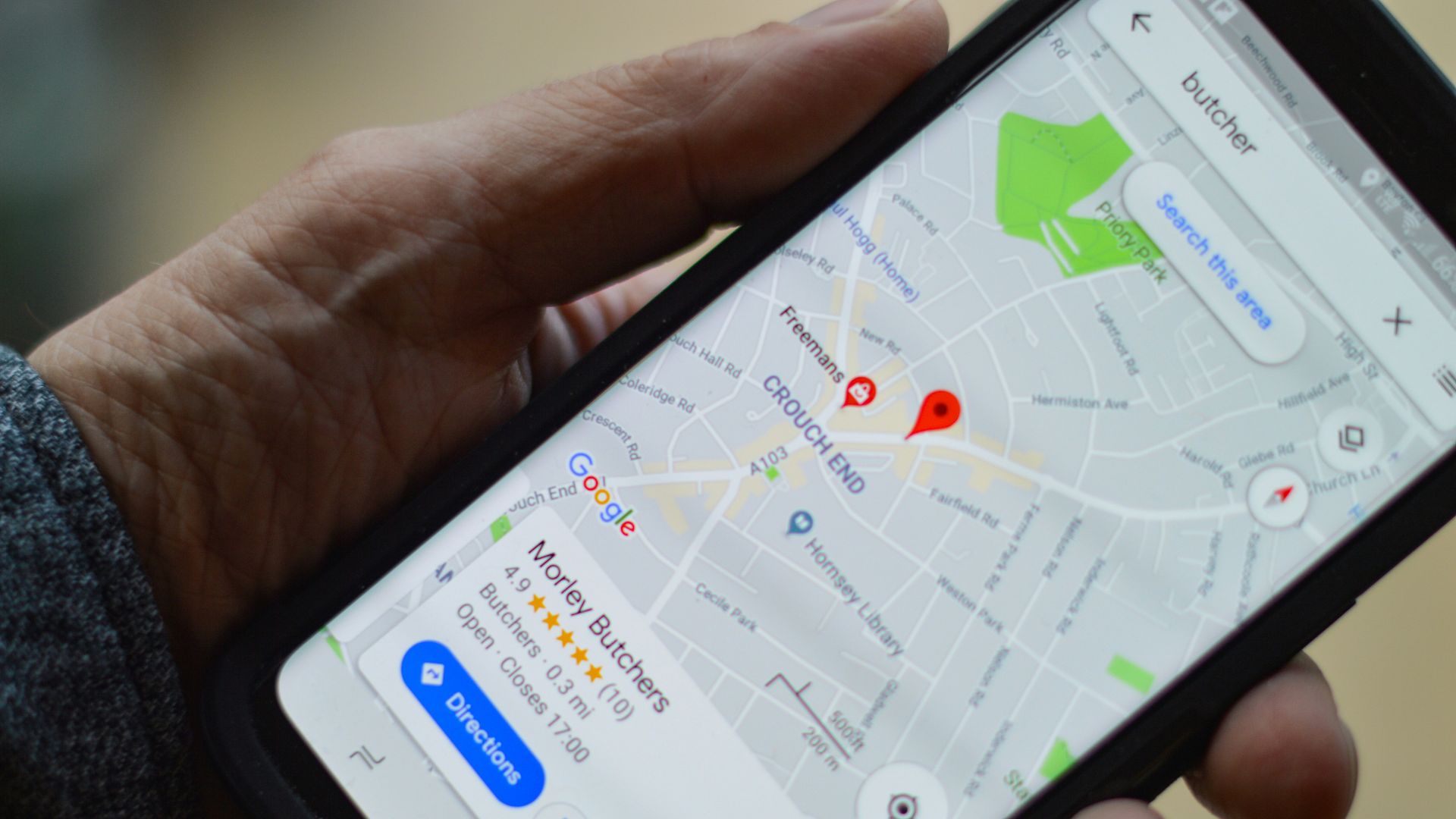
20. Garmin GPS 95 (1993)
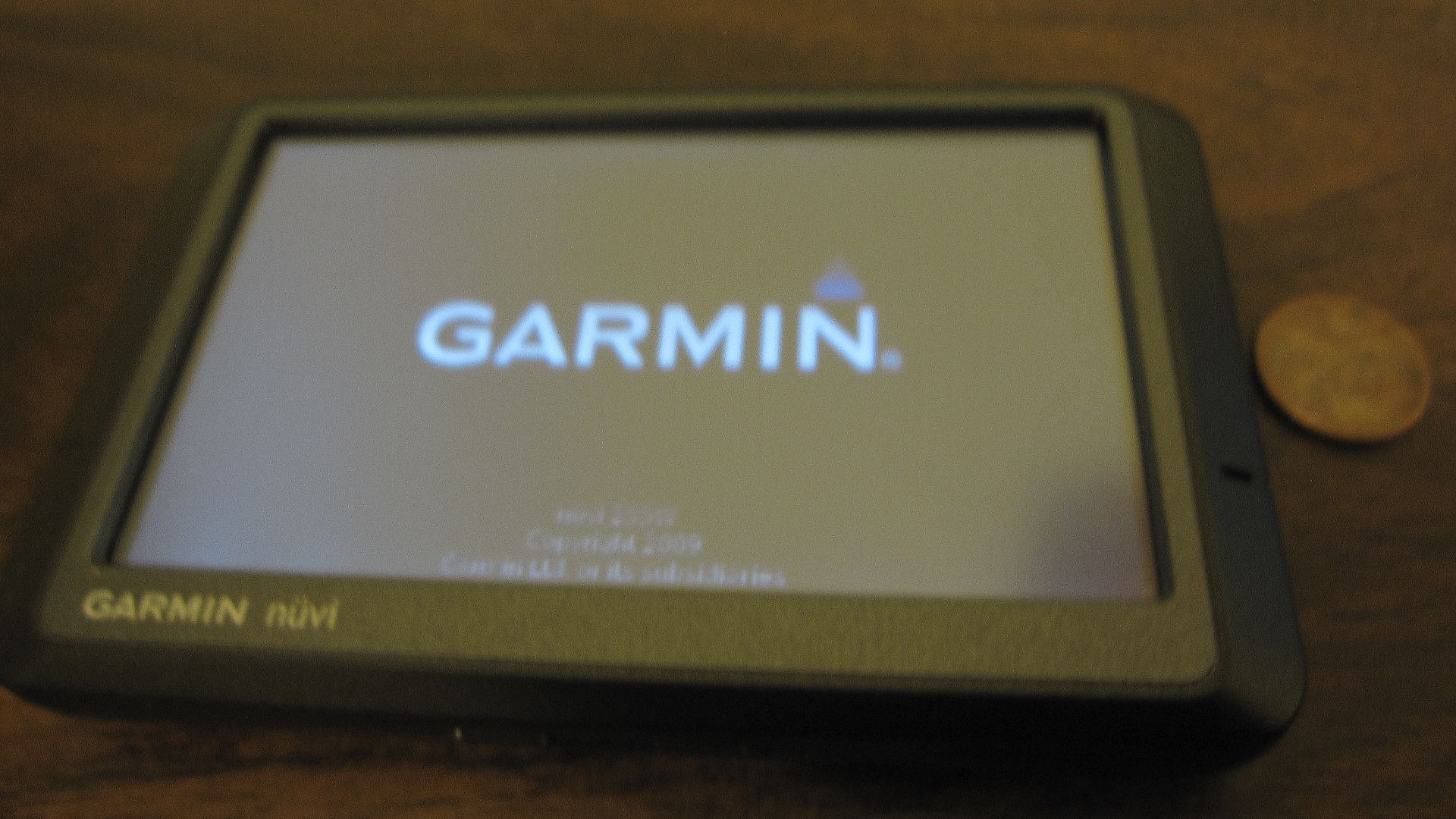
The Garmin GPS 95 brought satellite navigation technology to civilian users in a portable format. Although it lacked the convenience and mapping sophistication of modern devices, it demonstrated the practical value of GPS navigation.