
Learning the Rules Isn't Always Part of the Plan
Video games take very different approaches when teaching players how to play. Some carefully introduce mechanics through clever design that feels natural and engaging, while others provide little guidance and expect players to figure things out through experimentation. Both methods can be effective when done well, but they create very different experiences for newcomers. Here are ten games praised for their outstanding tutorials and ten that are famous for dropping players into the deep end.

1. Portal
The opening sections gradually introduce each mechanic one step at a time, allowing players to understand concepts before combining them into more complex challenges. New ideas are taught through actions rather than lengthy explanations or text boxes. By the time the difficulty increases, players have already mastered the fundamentals without feeling like they've completed a traditional tutorial.

2. Super Mario Bros.
Its first level remains one of the most studied examples of game design. Players learn movement, jumping, hazards, enemies, and power-ups through natural interaction with the environment. Nearly every lesson is communicated visually, making instructions largely unnecessary.

3. Mega Man X
The opening stage introduces movement abilities, enemy patterns, environmental dangers, and hidden upgrades in a remarkably efficient way. Challenges are arranged to teach important skills before they're truly needed. Players often finish the level feeling prepared without realizing how much they were taught.
 Pikawil from Laval, Canada on Wikimedia
4. Half-Life
Rather than separating training from the main experience, the early sections immerse players in the world while gradually introducing important mechanics. Storytelling and instruction happen simultaneously, helping everything feel connected. This approach made learning the game feel like part of the adventure itself.
 Long Zheng from Melbourne, Australia on Wikimedia
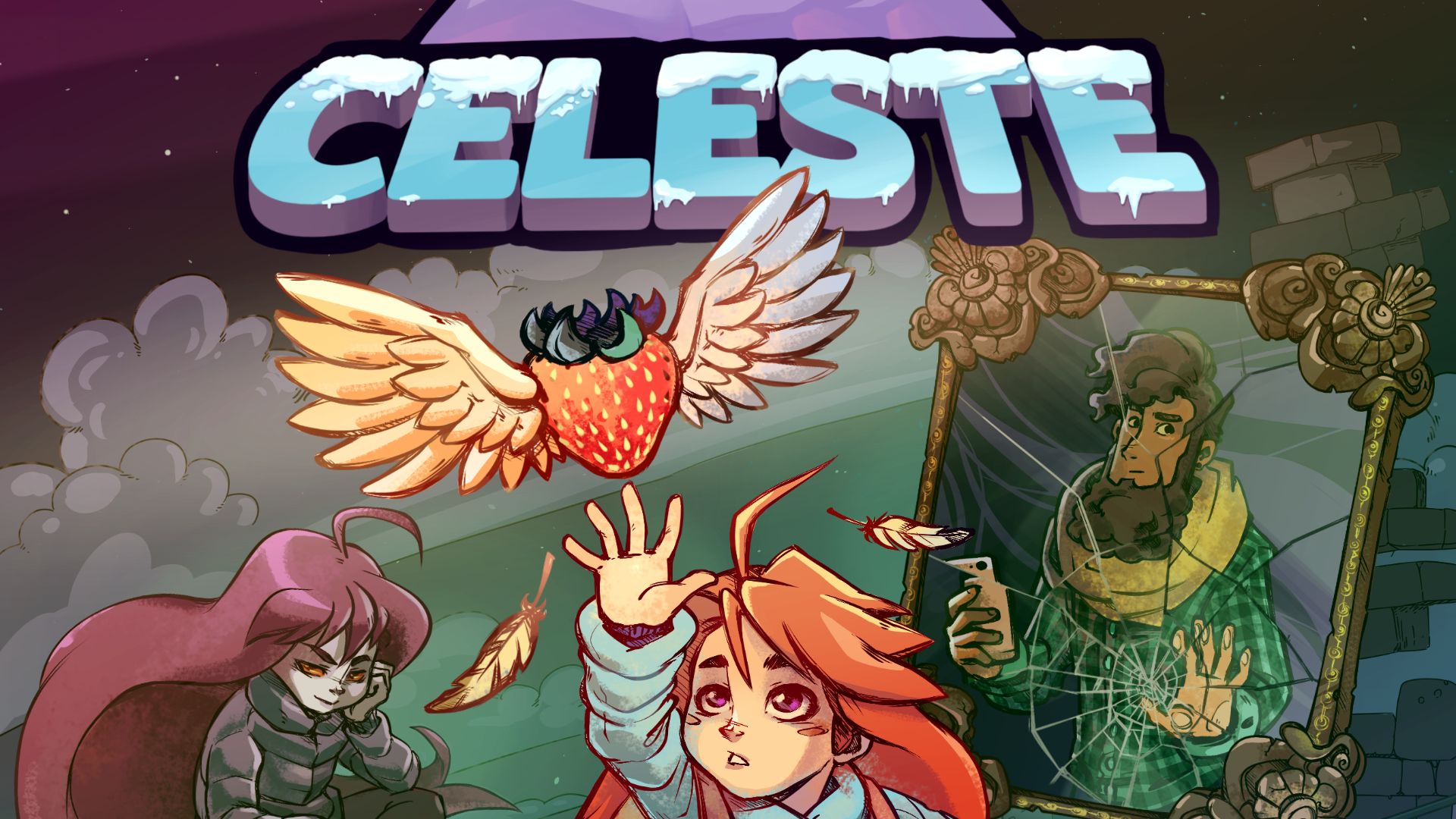
5. Celeste
New movement techniques are introduced through carefully designed rooms that focus on one concept at a time. Players are encouraged to experiment and learn through practice rather than relying on extensive explanations.
 Maddy Makes Games on Wikimedia
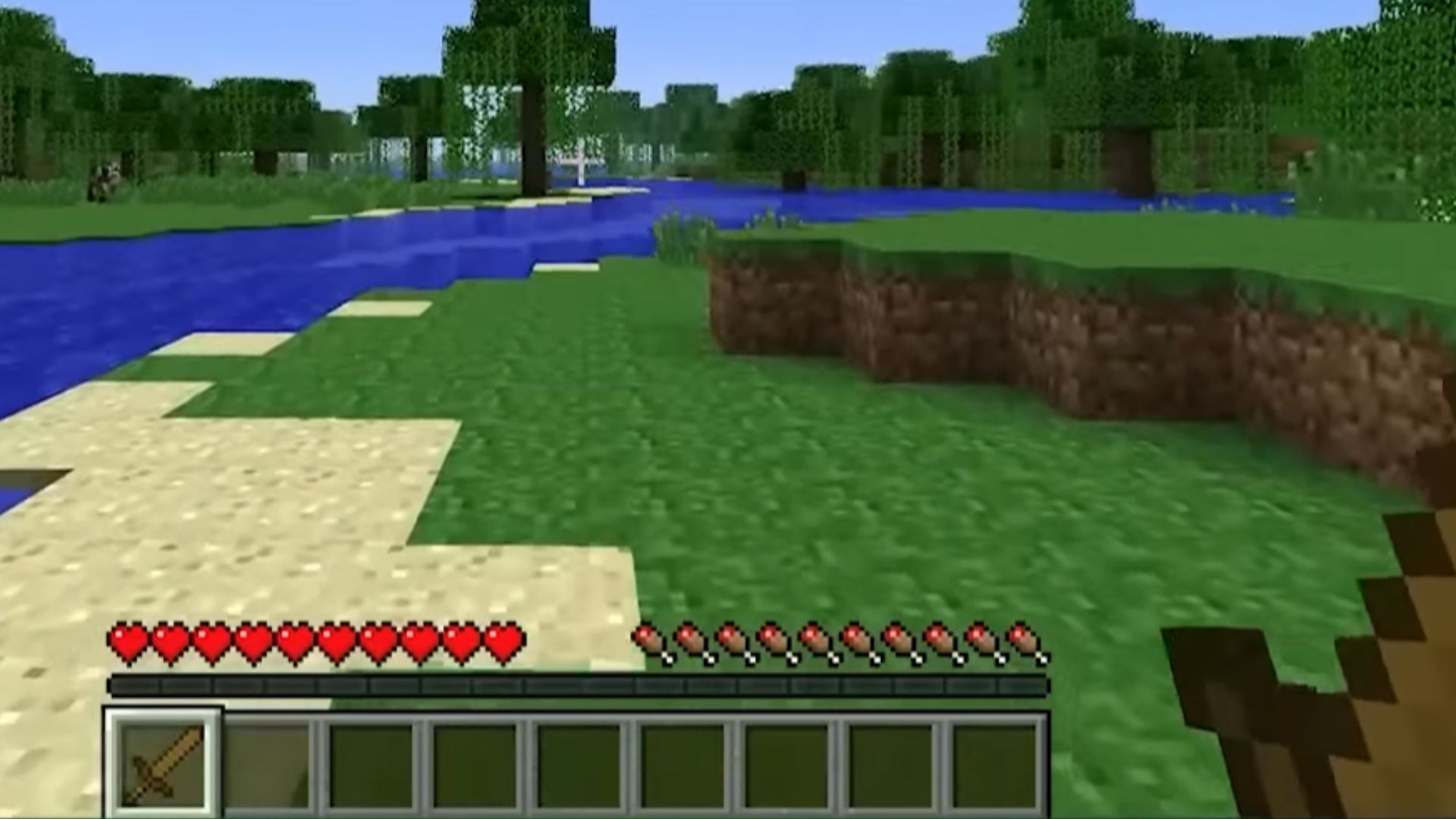
6. Minecraft
Although modern versions offer more guidance than earlier releases, the game still teaches many mechanics through discovery. Early goals naturally encourage players to gather resources, craft tools, and seek shelter. Progression feels rewarding because players often learn by solving problems themselves.
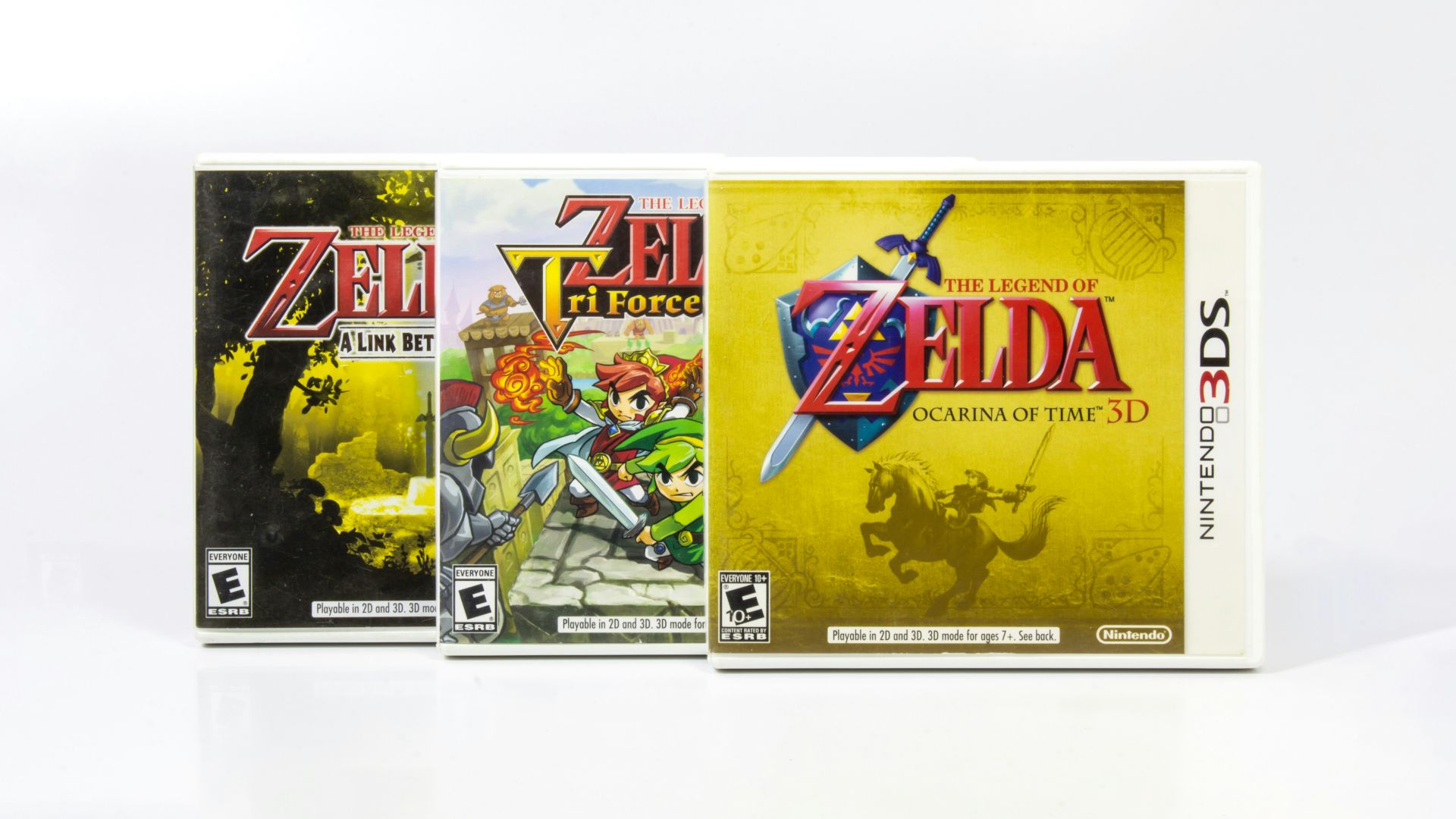
7. The Legend of Zelda: Ocarina of Time
The opening area gradually introduces combat, exploration, puzzle-solving, and interaction systems. Every challenge builds confidence before sending players into a much larger world. By the end of the introductory section, most players understand the core gameplay loop.
 Francisco Gonzalez Romanelli on Unsplash
8. Doom (2016)
Basic controls and combat principles are introduced quickly so players can start having fun almost immediately. The game avoids overwhelming newcomers with unnecessary information and instead focuses on active participation.

9. God of War (2018)
New abilities and systems are introduced steadily throughout the experience. Early encounters teach timing, positioning, and resource management in manageable ways. Players rarely feel overloaded because information arrives only when it's relevant.

10. Into the Breach
Despite featuring deep tactical gameplay, the game explains its systems with exceptional clarity. Information is presented in a way that helps players understand consequences before making decisions. This transparency allows complex mechanics to become approachable surprisingly quickly.

1. Dark Souls
Players receive only minimal guidance before entering a world filled with dangerous enemies and obscure mechanics. Important systems, questlines, and strategies often must be discovered independently.

2. Elden Ring
While slightly more accessible than some of its predecessors, the game still offers relatively little direction compared to many modern releases. Players are encouraged to explore, experiment, and learn through failure. Large portions of the experience can be missed entirely without careful investigation.

3. Dwarf Fortress
Few games are as famous for their intimidating learning curve. New players often encounter complex systems with limited in-game explanation and countless interconnected mechanics.

4. Morrowind
The game provides broad objectives but leaves much of the navigation and discovery to the player. Quest directions often rely on written descriptions rather than markers or highlighted paths.

5. Kenshi
Players begin with little power, limited resources, and few instructions about how to survive. Progress depends largely on observation, experimentation, and learning from setbacks. The freedom is immense, but so is the initial confusion.

6. Noita
The game introduces only a handful of basic concepts before allowing players to explore its complex systems. Spell combinations, environmental interactions, and hidden mechanics are largely left for players to uncover. Surprises are frequent, and mistakes can be spectacular.

7. Escape from Tarkov
Many mechanics, systems, and survival elements receive minimal explanation within the game itself. New players often spend considerable time learning through trial and error.

8. Pathologic 2
From the beginning, players face complicated choices with limited information about consequences. The game intentionally creates uncertainty and discomfort as part of its design philosophy. Understanding the world requires careful observation and persistence.

9. EVE Online
The game includes tutorials, but the sheer complexity of its economy, politics, and player-driven systems can still leave newcomers feeling lost. Much of the knowledge needed for success comes from experience and community interaction. The scale of the sandbox can be difficult to grasp at first.

10. Project Zomboid
Basic survival is easy to understand, but mastering the game's many interconnected systems is another matter entirely. Players often learn important lessons only after making costly mistakes. The lack of hand-holding creates a strong sense of realism and personal discovery.