10 Reasons to Never Game with Your Partner & 10 Ways It Could Strengthen Your Relationship
10 Reasons to Never Game with Your Partner & 10 Ways It Could Strengthen Your Relationship
Should You Game with Your Partner?
Who doesn't like gaming? If both you and your partner share the hobby, it's almost a no-brainer to play together. But not so fast: while gaming with your partner can sound like an easy way to spend time together, it can also bring out your worst sides. Trash talk, for one, might not land well without one of you stomping out of the room. If one (or both) of you is highly competitive, that may also create rifts in the relationship or expose cracks that were already building. Before you jump into a game with your partner, just know that the "Game Over" screen could be foretelling...
1. Competition Can Bring Out Your Worst Side
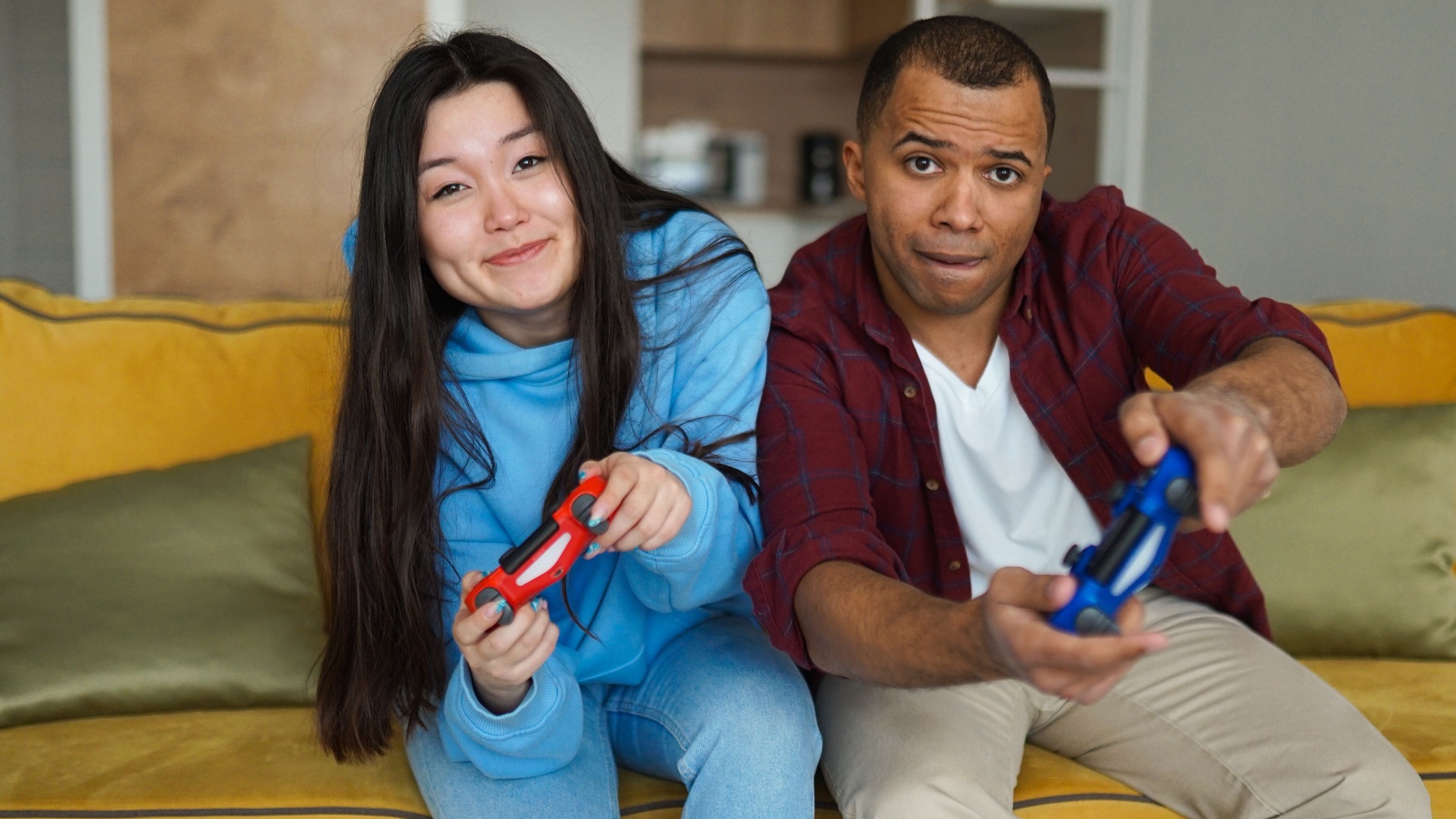
Some people are fun and relaxed until a scoreboard gets involved. If you or your partner hate losing, gaming together can turn into snapping, blaming, or taking small mistakes too personally. A casual match can start feeling loaded when one person keeps score emotionally as well as in the game. That kind of tension can linger long after the console is turned off.

2. Different Skill Levels Can Get Frustrating
It’s easy for one person to feel held back when they’re more experienced, while the other feels embarrassed or pressured to keep up. The stronger player may start giving too many instructions, even when they mean well. Meanwhile, the less experienced player may stop having fun because every move feels judged. That imbalance can make the game feel less like shared time and more like an unwanted lesson.
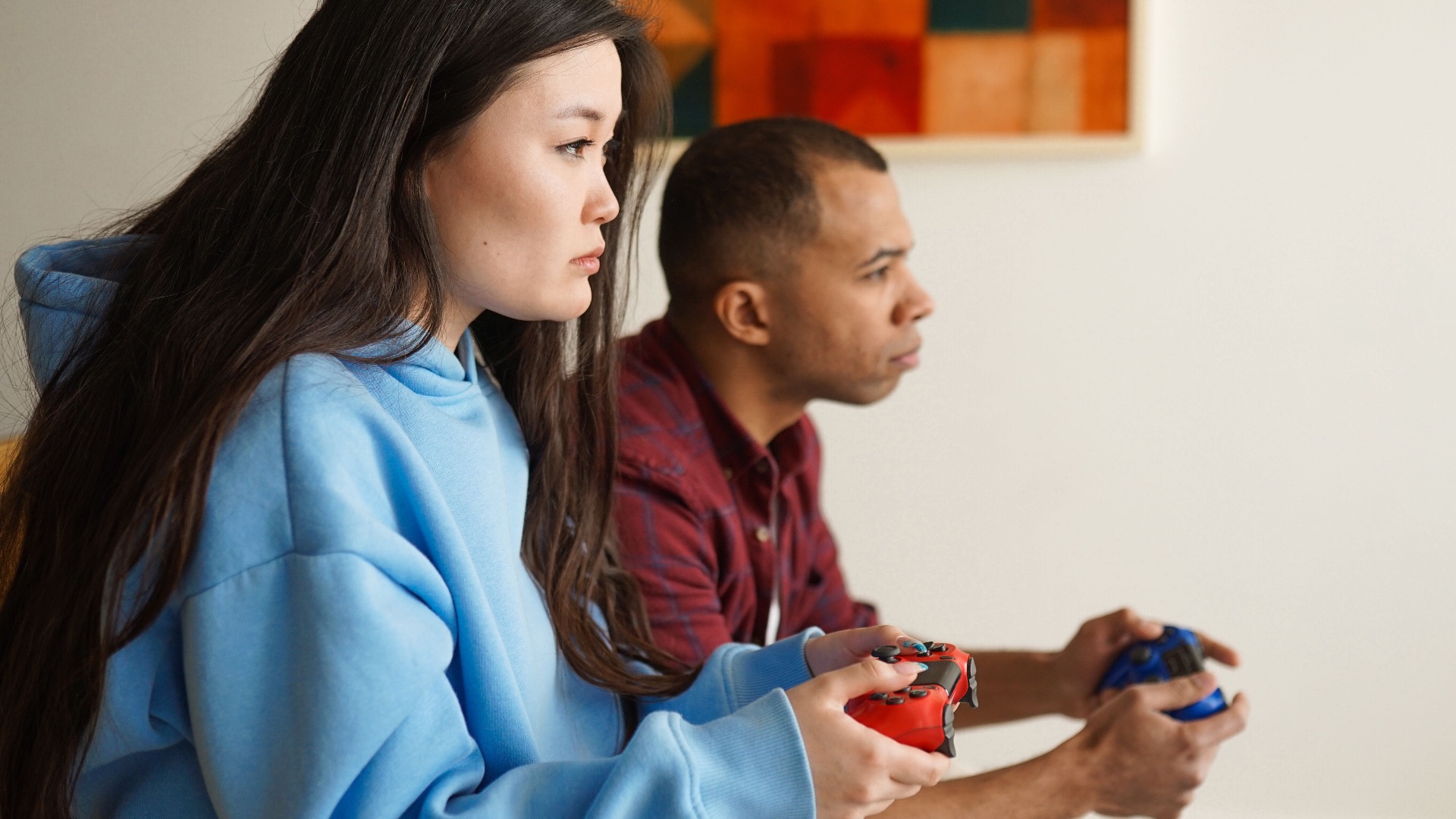
3. Trash Talk Doesn’t Always Land Well
Some couples can tease each other during a game and laugh it off, but not everyone hears playful comments the same way. A joke about being bad at a game can hit harder if someone is already frustrated or trying their best. What feels like harmless banter to one person may feel dismissive to the other. Once feelings get bruised, the game usually stops being the real issue.
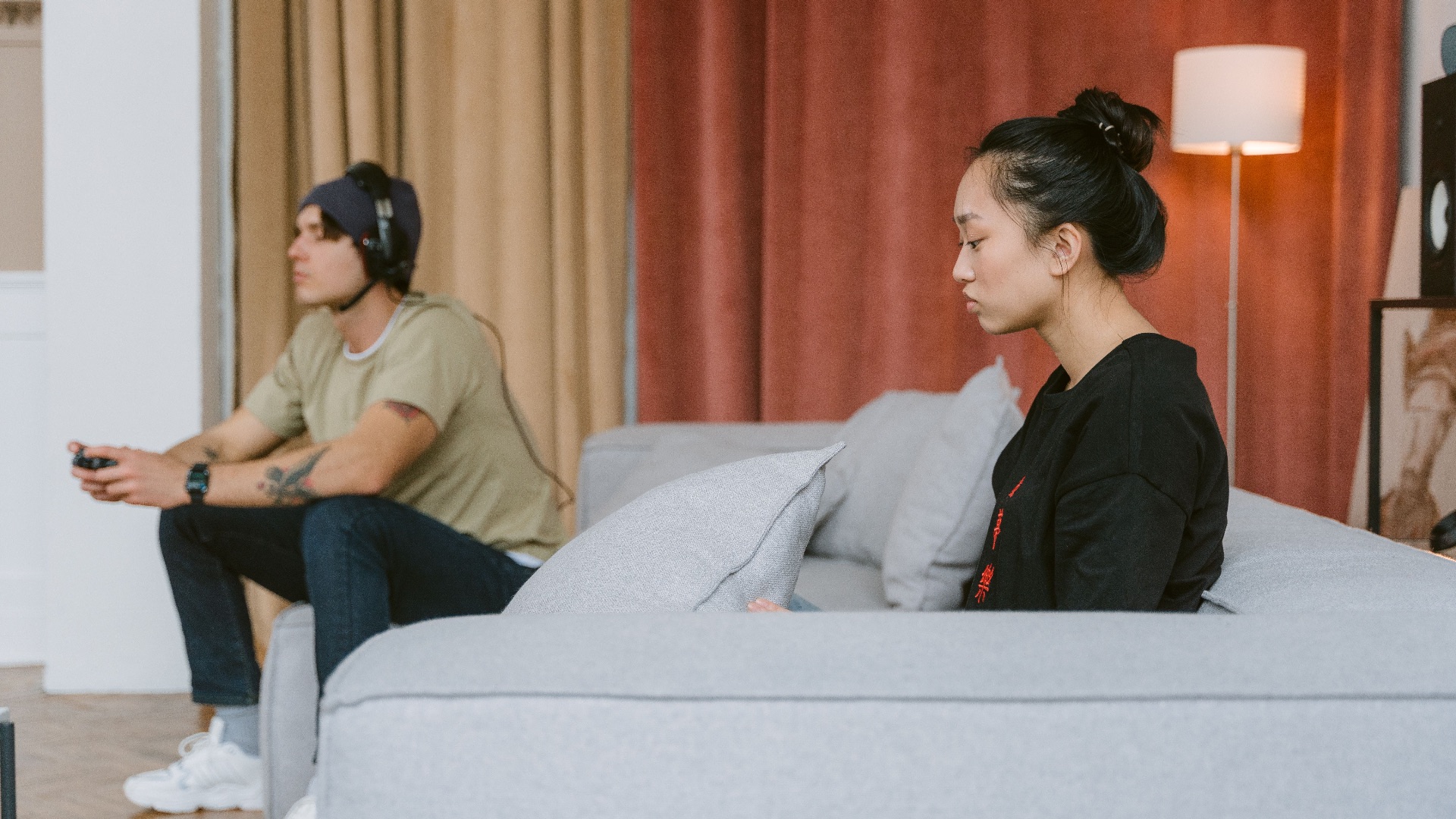
4. Gaming Can Expose Communication Problems
Co-op games often require fast decisions, clear instructions, and patience under pressure. If you already struggle to communicate during stressful moments, gaming can put those issues on display in a very immediate way. One person may bark orders while the other shuts down or gets defensive. That pattern can make a fun activity feel like another argument waiting to happen.
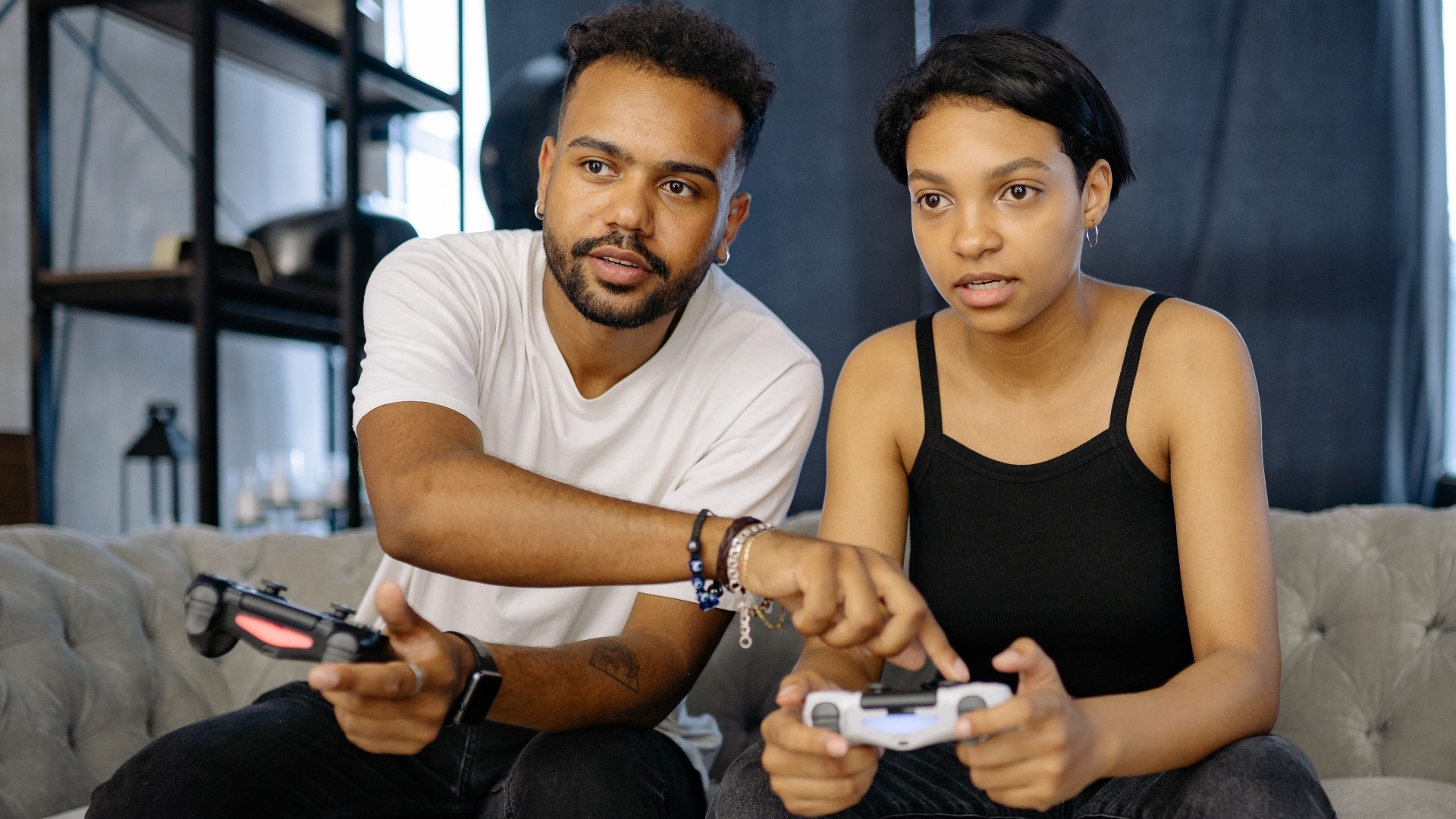
5. One Person May Take It Too Seriously
There’s a big difference between wanting to win and treating every mistake like a disaster. If one partner cares deeply about rankings, stats, or perfect strategy, the other may feel like there’s no room to relax. The pressure to perform can make casual gaming feel exhausting instead of enjoyable. Over time, the less intense partner may start avoiding the activity altogether.
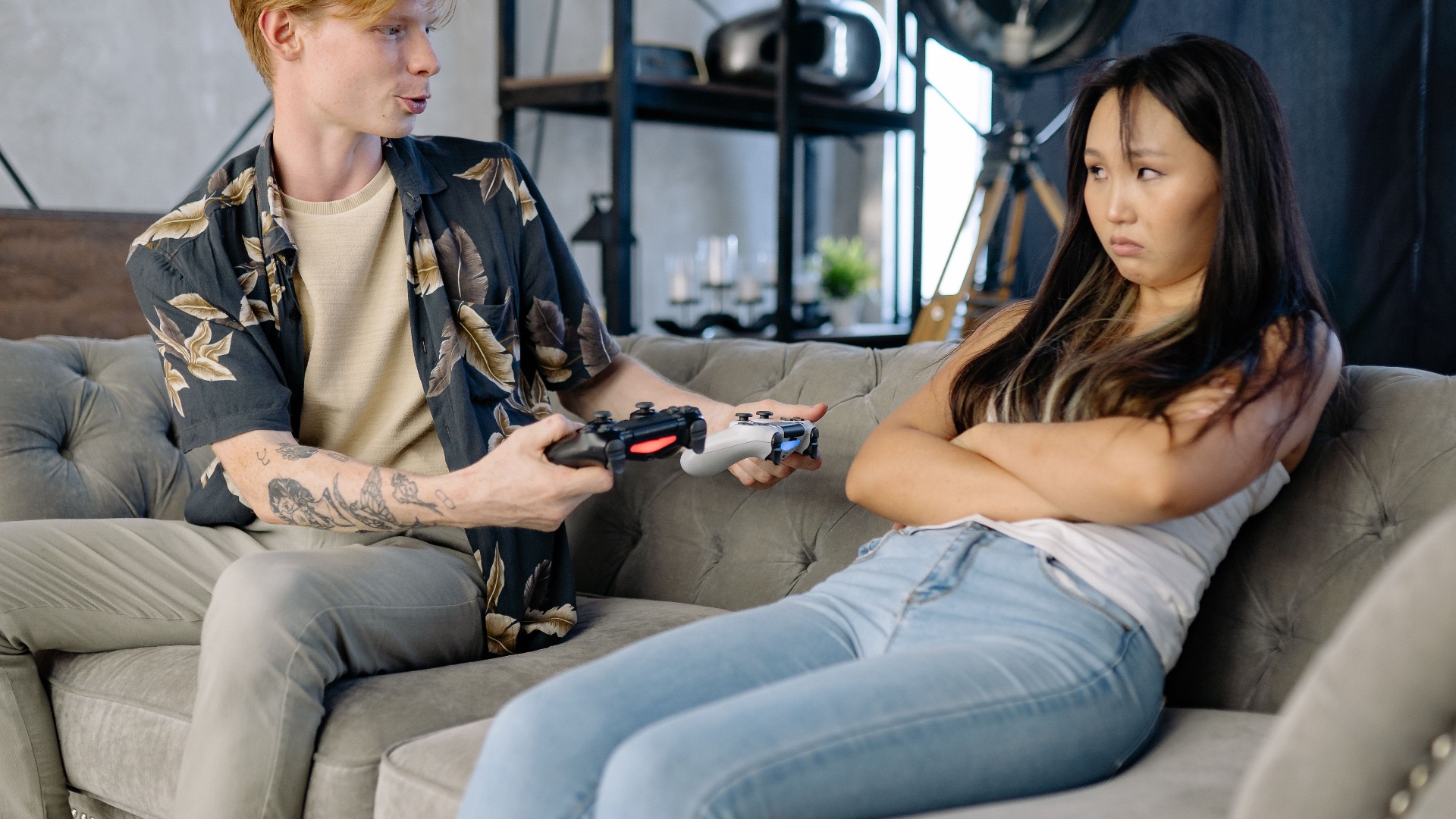
6. It Can Turn Into Unfair Blame
In team-based games, mistakes are often shared, but blame doesn’t always get shared fairly. One person may focus on what their partner did wrong while ignoring their own bad decisions. That can create resentment, especially if the same criticism keeps coming up every time you play. Nobody wants date night to end with a replay of everything they messed up.
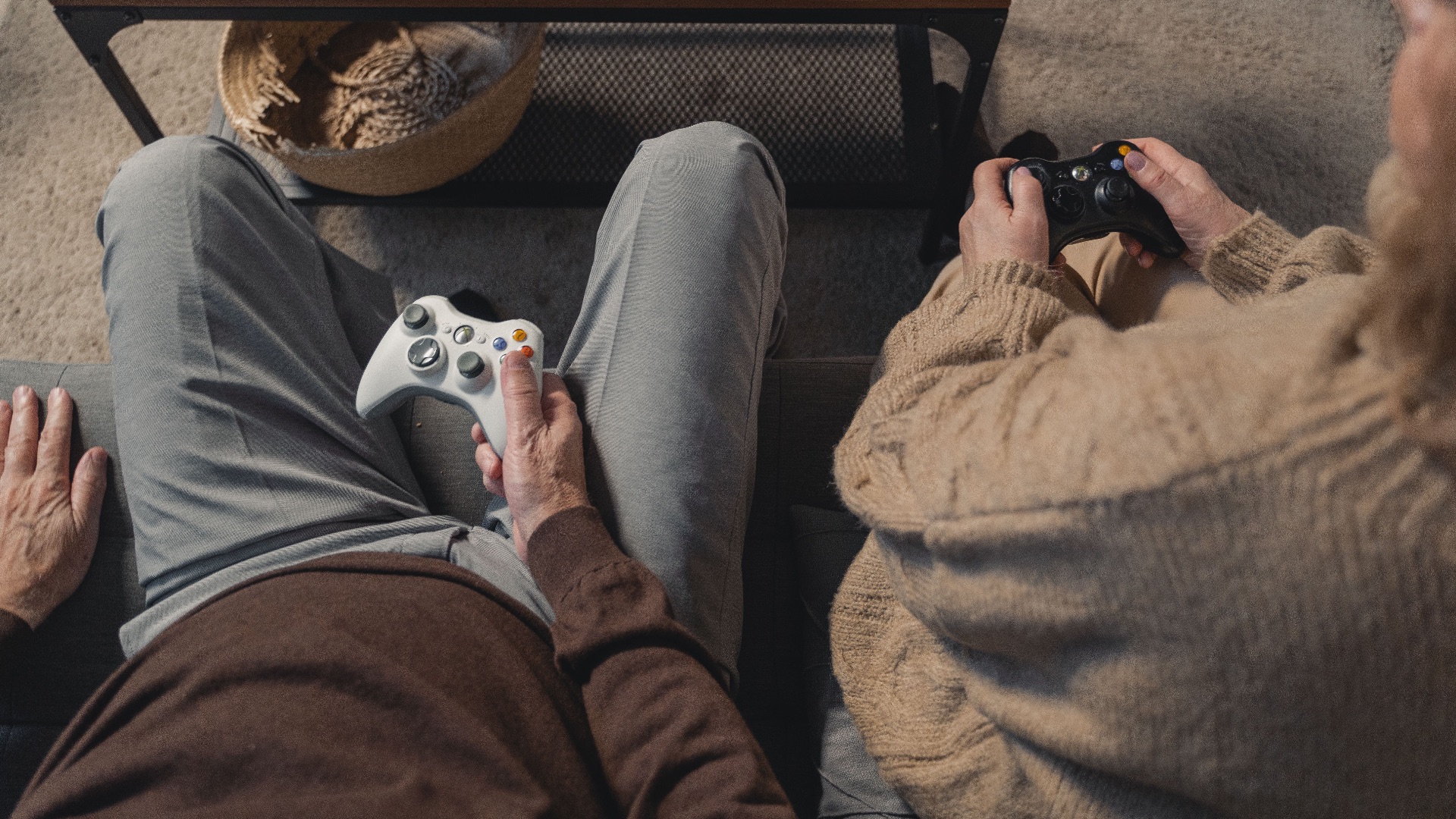
7. Your Gaming Styles May Not Match
One person may love exploring every corner, reading every clue, and taking their time, while the other wants to rush through objectives. Those different approaches can clash even when both people enjoy the same game. The slower player may feel hurried, while the faster player may feel impatient. Without compromise, the pace alone can become a source of irritation.
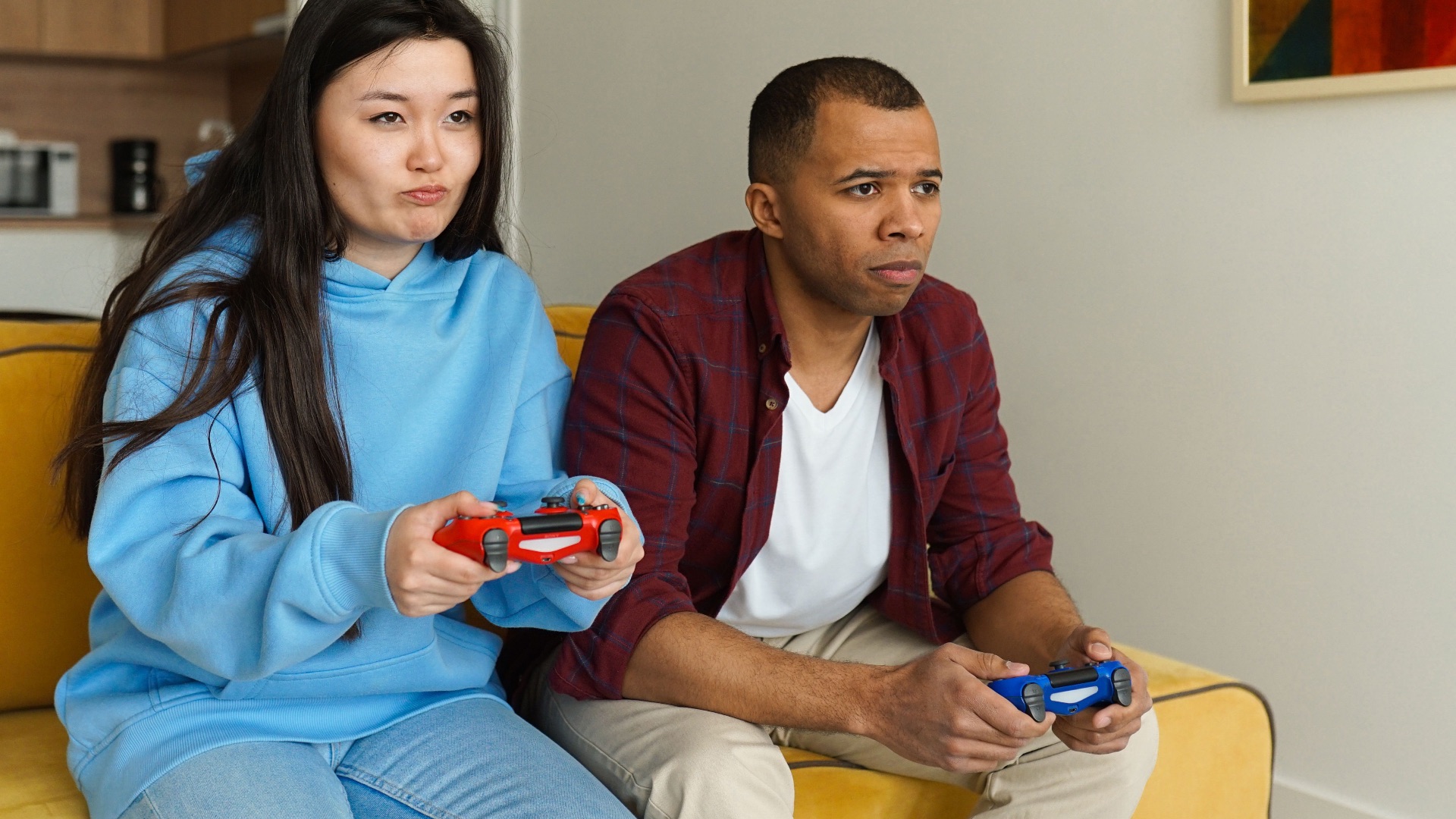
8. It Can Interrupt Your Usual Quality Time
Gaming together can be fun, but it can also replace deeper conversation if it becomes the default way you spend time. Sitting side by side with controllers in hand isn’t always the same as really checking in with each other. If gaming becomes an escape from connection rather than a form of connection, the relationship may start to feel neglected. Balance matters, especially when one partner wants more attention outside the screen.
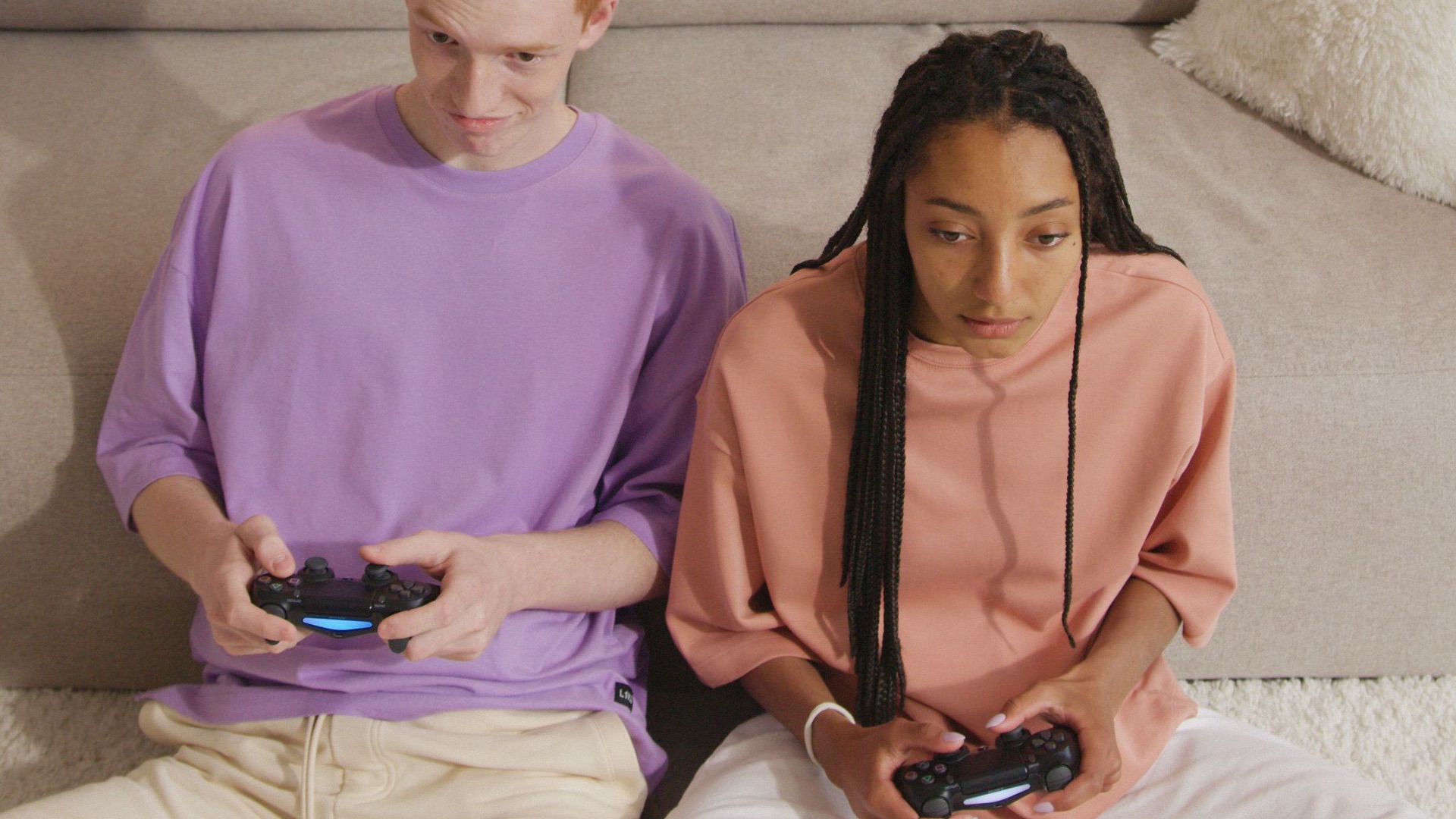
9. Losing Together Can Still Create Tension
Even when you’re on the same team, a difficult level or repeated defeat can wear people down. Frustration can build until someone starts sighing, criticizing, or losing patience. The shared goal may not feel bonding if the experience becomes stressful from start to finish. Some games are simply better played alone or with friends who don’t take the frustration home with you.
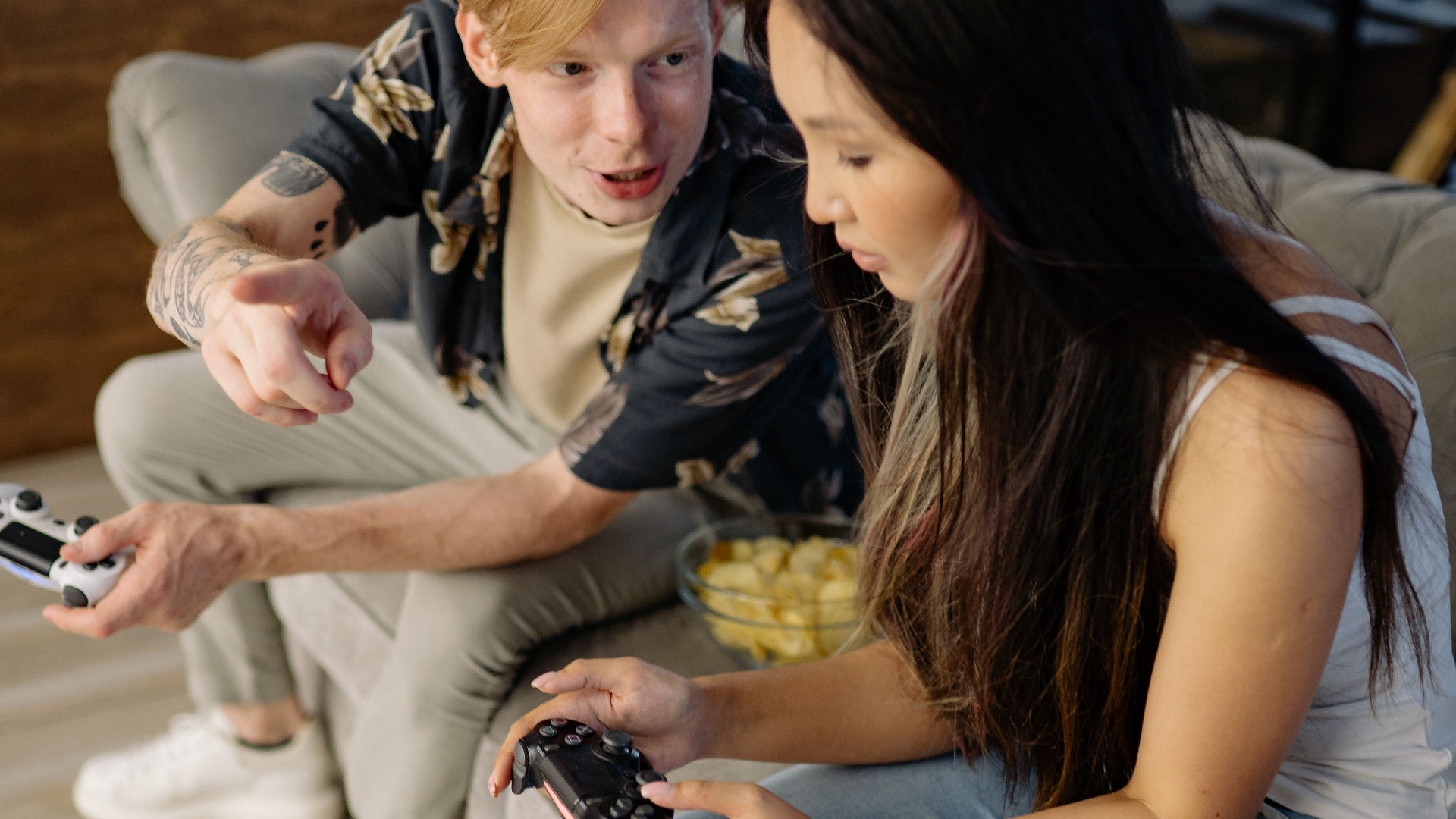
10. It May Highlight Bigger Relationship Issues
Sometimes gaming doesn’t create the problem; it reveals what’s already there. If there’s unresolved resentment, uneven emotional labor, or a habit of talking down to each other, those patterns can show up during play. A game can become the setting where deeper frustrations finally spill out. In that case, the issue isn’t the controller, but the way both people handle pressure, respect, and repair.
Gaming with your partner clearly has its risks, but it can also create deeper bonds. Don't believe that? Here's how:
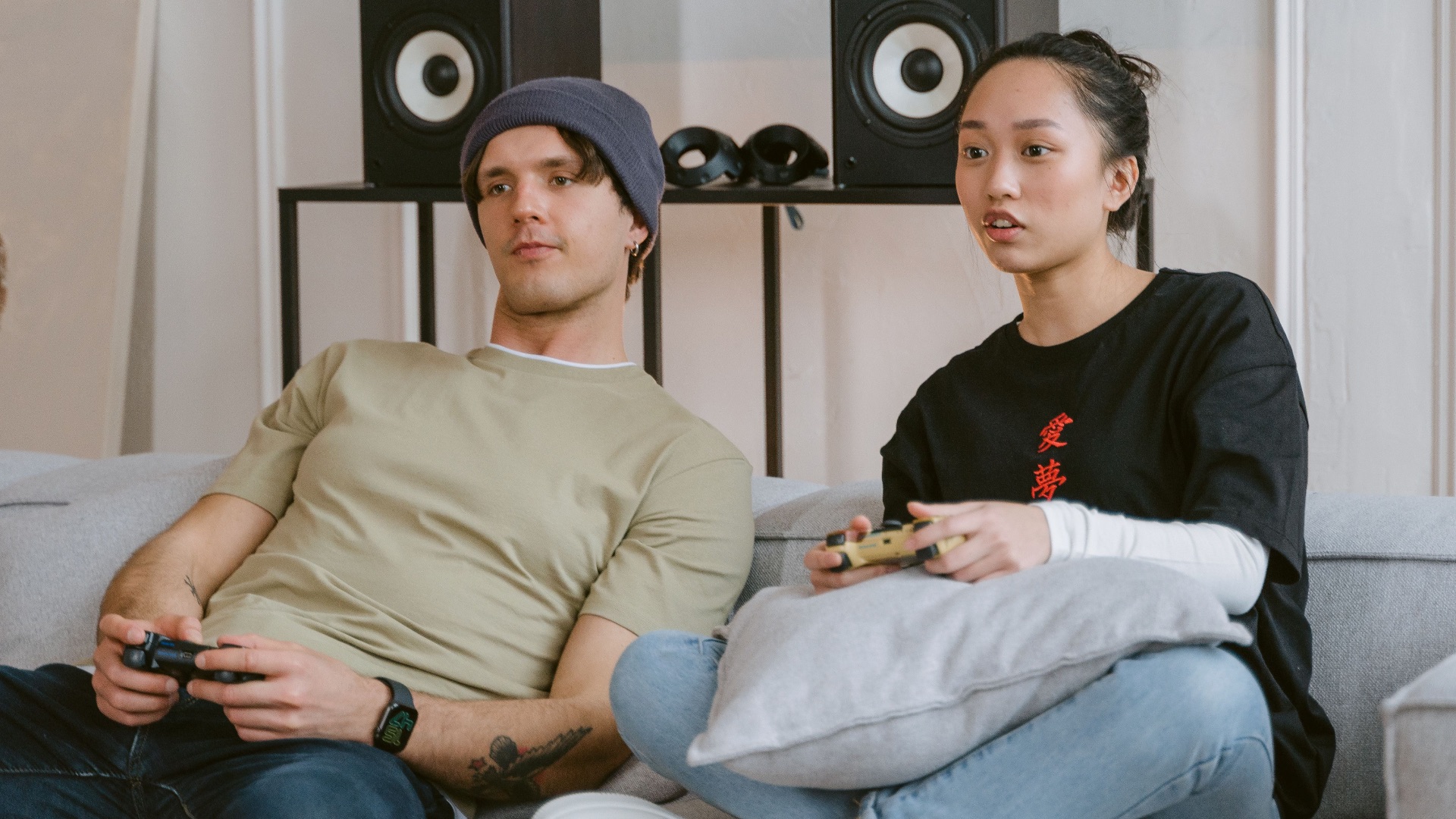
1. It Gives You a Shared Hobby
Having something you both look forward to can make everyday life feel more connected. Gaming gives you an activity that’s easy to return to, whether you have a full evening or just a short break. It can become part of your routine without requiring a big plan or expensive outing. Shared hobbies matter because they give couples more chances to enjoy each other without overthinking it.
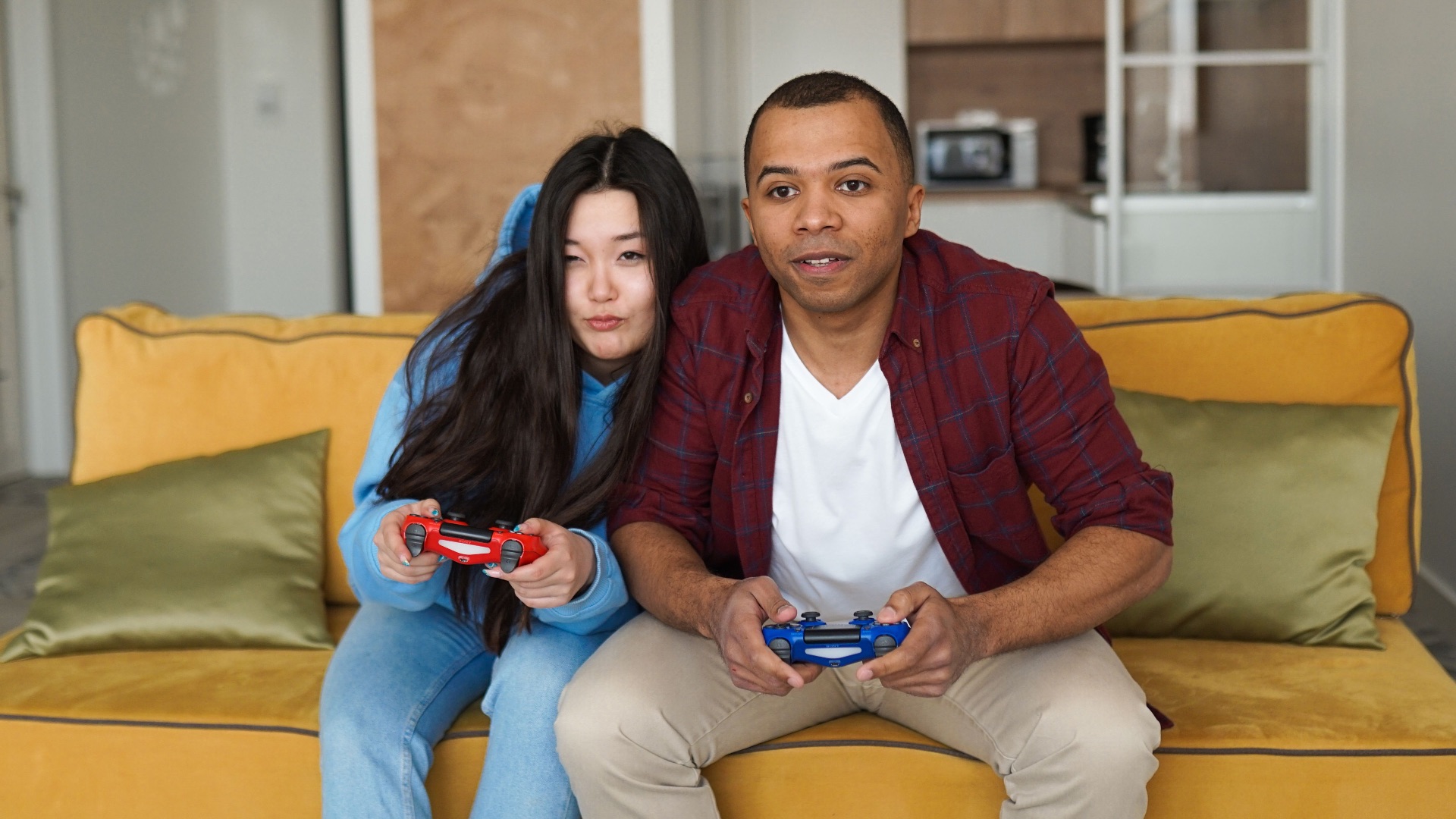
2. It Can Improve Teamwork
Co-op games often ask you to divide tasks, make quick choices, and support each other through setbacks. When you play well together, you practice listening, adjusting, and trusting your partner’s decisions. Those skills can carry over into real-life situations where you need to solve problems as a team. The game may be low stakes, but the cooperation can still be meaningful.
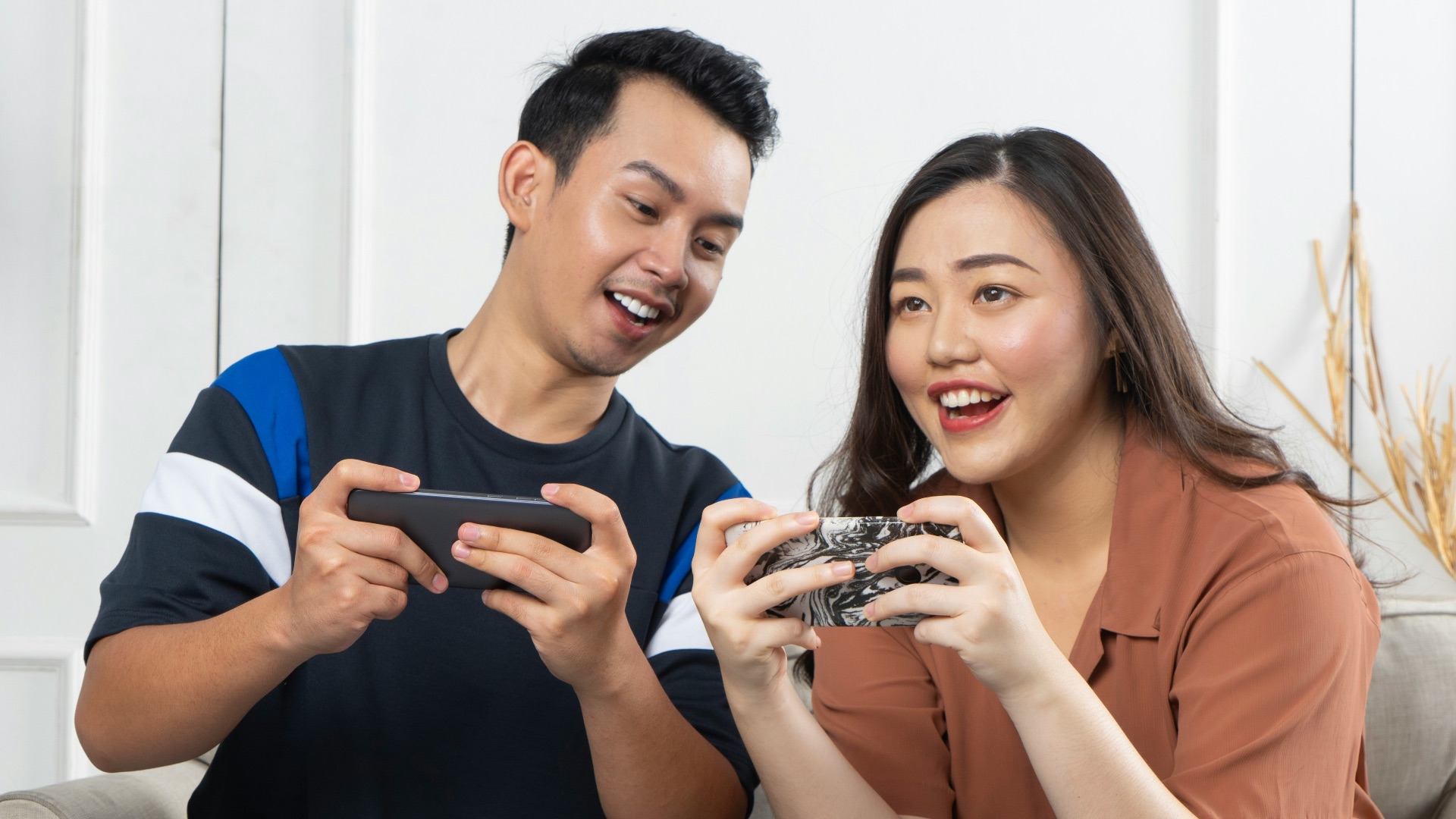
3. It Encourages Better Communication
Gaming together can teach you how to give instructions without sounding harsh and how to ask for help without feeling defensive. You learn pretty quickly that unclear communication leads to mistakes, especially in fast-moving games. Over time, you may get better at being direct without being unkind. That kind of practice can help outside the game too.
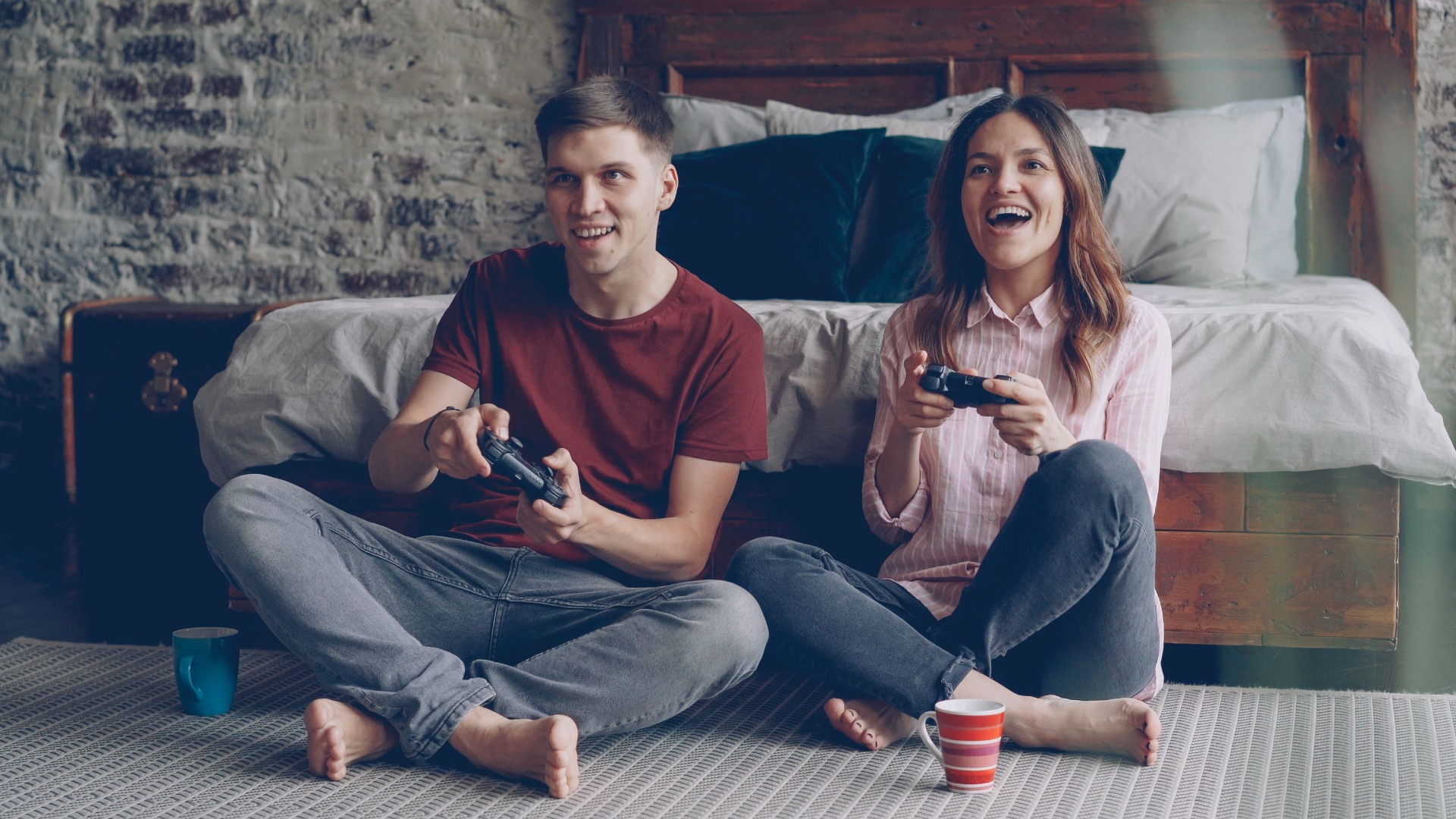
4. It Creates More Opportunities to Have Fun
Games are full of unexpected mistakes, strange outcomes, and ridiculous moments that are easier to enjoy together. When neither of you takes the experience too seriously, those moments can become part of your shared sense of humor. Laughing together helps ease stress and reminds you that not every activity has to be productive. Sometimes the best part of playing is how badly things go.
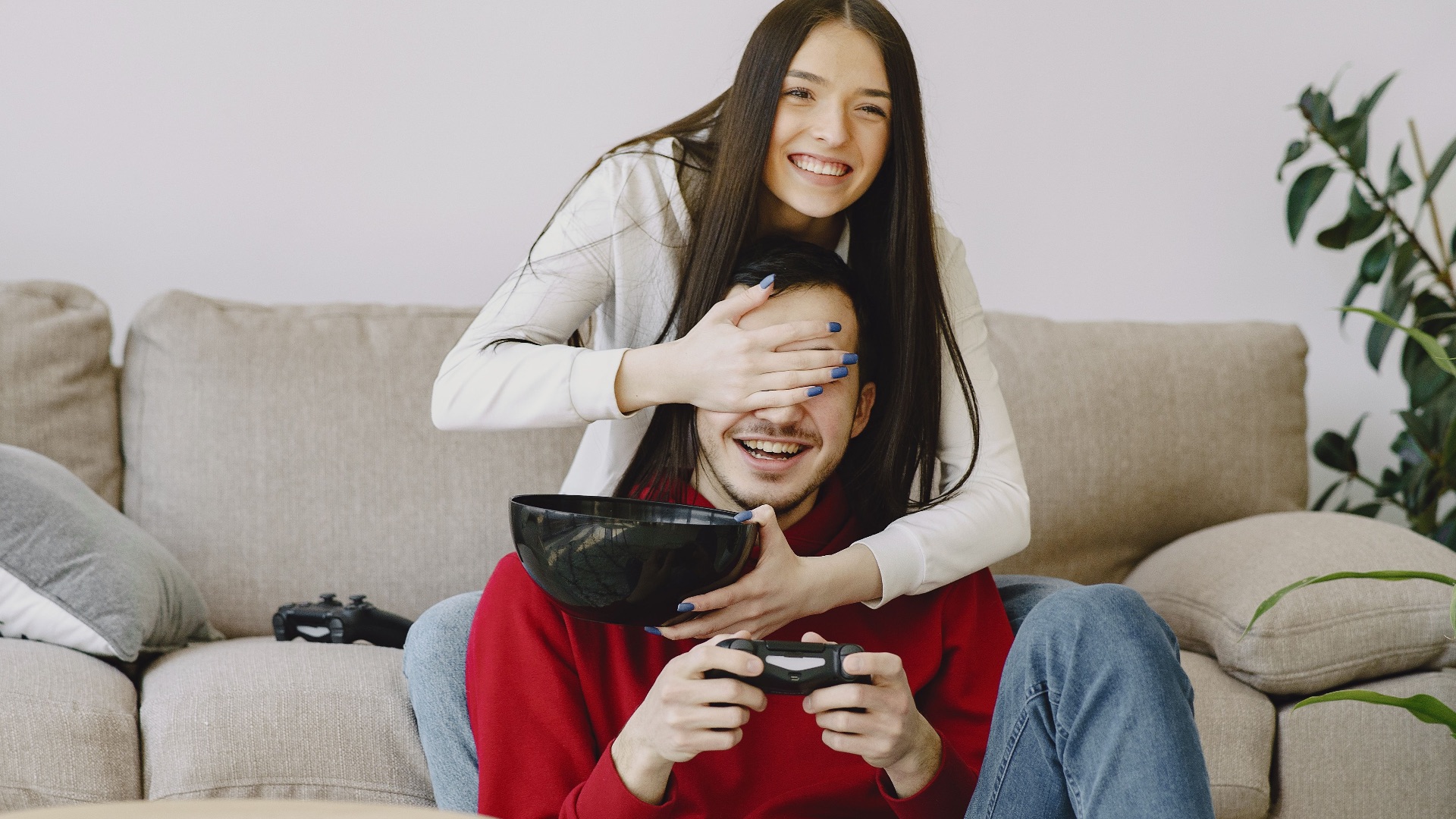
5. It Lets You See a Playful Side of Each Other
Long-term relationships can get weighed down by schedules, errands, and responsibilities. Gaming can bring back a lighter energy because it gives both of you permission to be silly, competitive, curious, or creative. You may notice traits that don’t always show up during daily routines. That can make your partner feel fresh to you in a way that’s easy to appreciate.
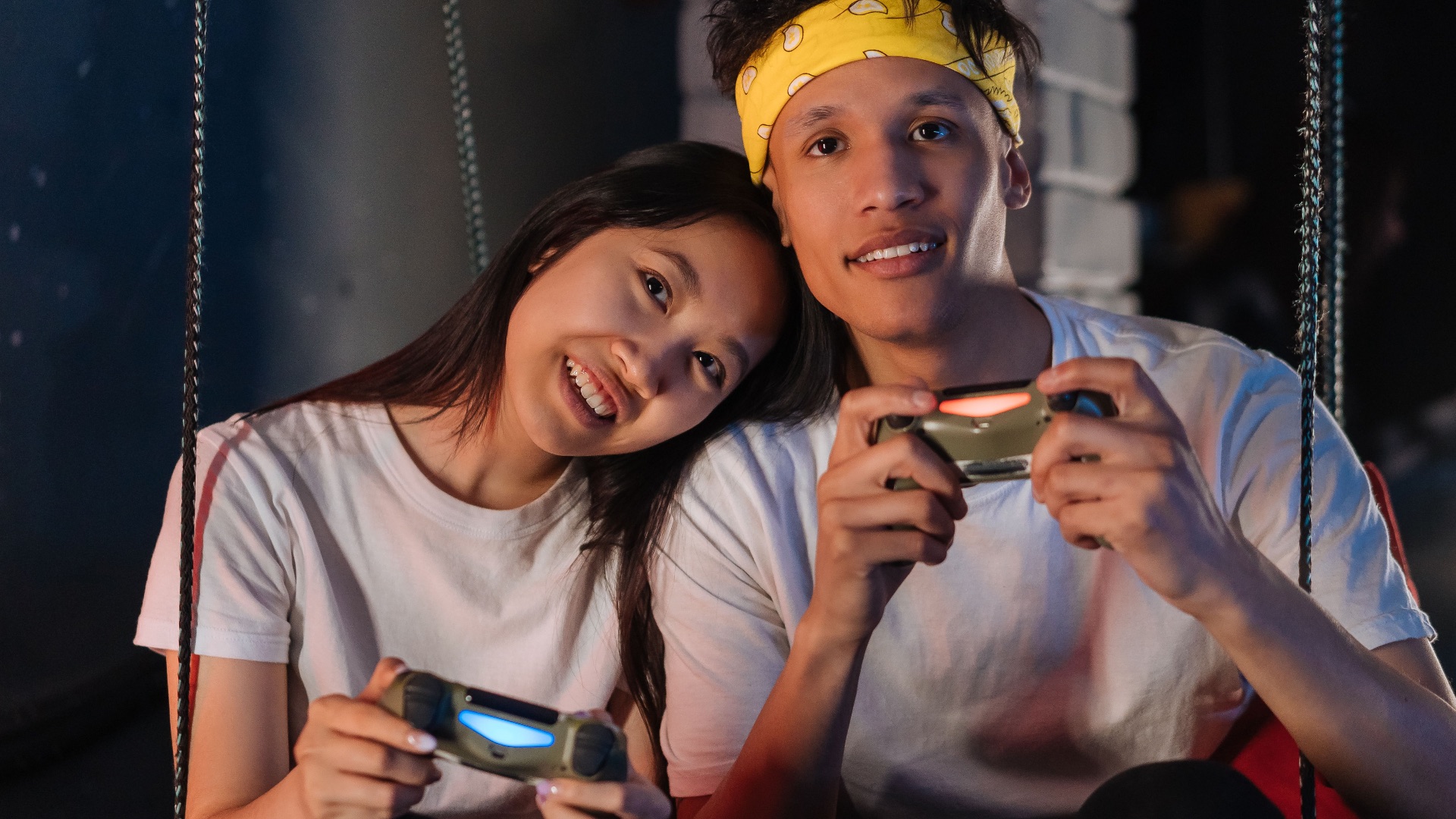
6. It Can Build Patience
Not every level will go well, and not every decision will be the right one. Playing together gives you a chance to practice staying calm when your partner makes a mistake or needs more time. It also asks you to accept that your way isn’t always the only way to play. That patience can become valuable in the relationship beyond gaming.
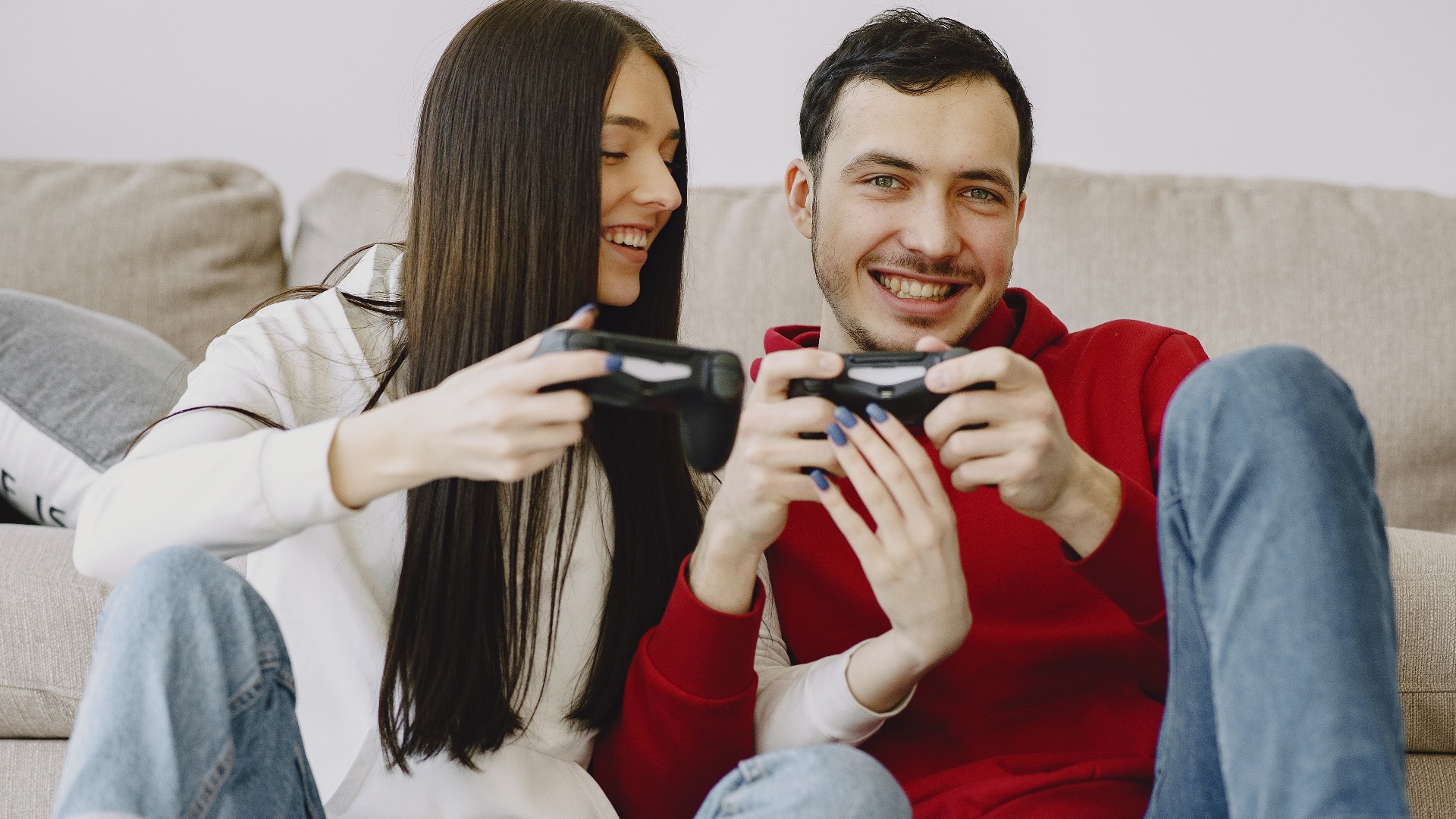
7. It Helps You Handle Conflict in a Low-Stakes Setting
Disagreements during a game can reveal how both of you react when things don’t go as planned. If you’re willing to pause, apologize, reset, or laugh at yourselves, you can practice repairing small conflicts before they become bigger ones. Gaming gives you a contained space to notice those habits. When handled well, those small moments can strengthen how you deal with real disagreements.

8. It Gives You an Easy Way to Unwind Together
After a stressful day, gaming can offer a shared way to decompress without needing a lot of conversation right away. You can spend time together while focusing on something fun and engaging. For couples who don’t always relax in the same way, finding a game you both enjoy can be a welcome middle ground. It can make downtime feel more connected instead of separate.
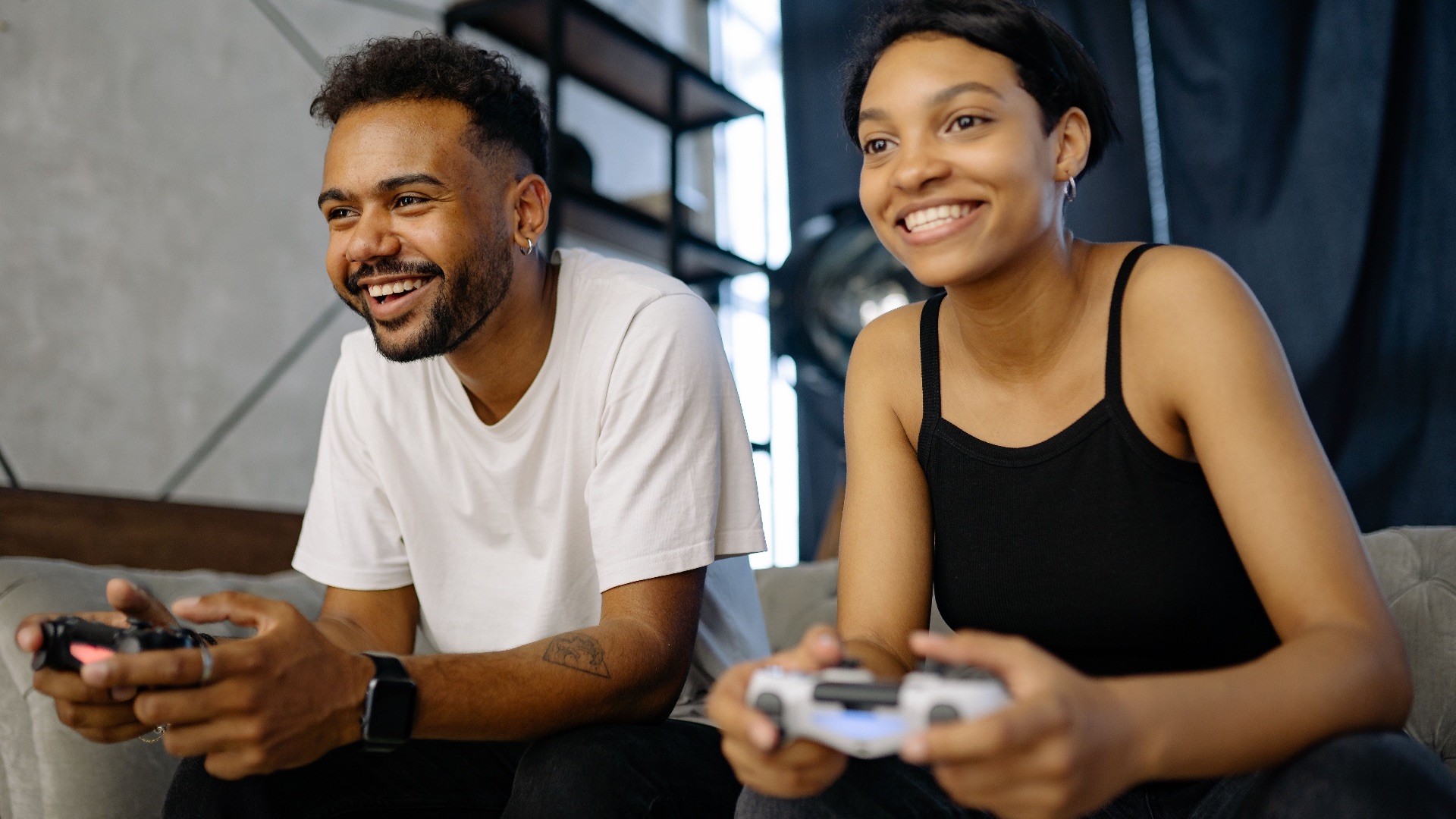
9. It Can Boost Appreciation for Each Other’s Strengths
One partner may be better at strategy, while the other has faster reflexes, stronger memory, or more creative problem-solving. Gaming can make those strengths visible in a setting that feels fun rather than serious. You may find yourself admiring how your partner thinks, adapts, or stays calm under pressure. That appreciation can add a new layer to how you see each other.
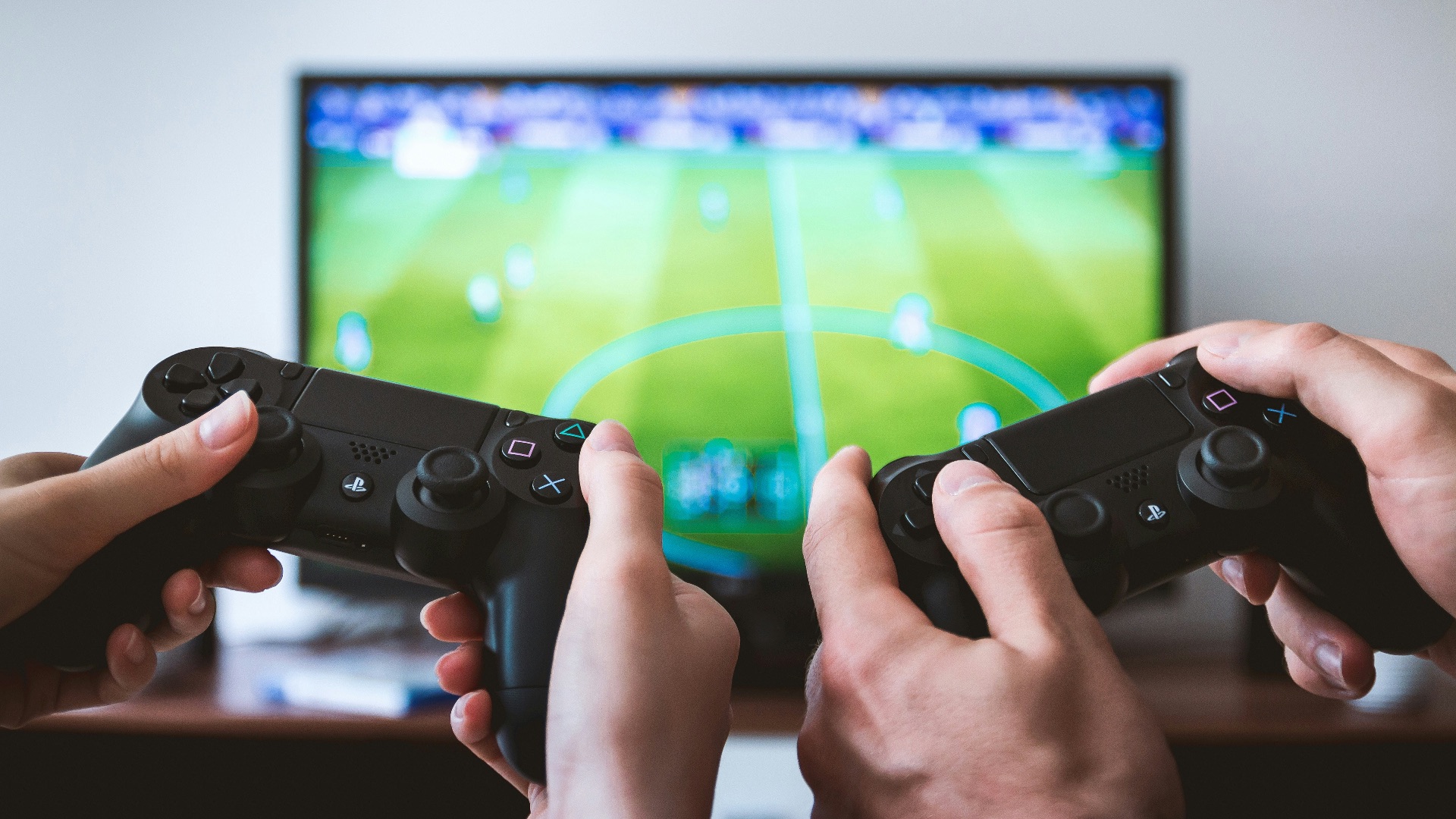
10. It Can Create Lasting Shared Memories
The best gaming moments often come from the unexpected win, the terrible mistake, the hard level you finally beat, or the night you both laughed through an entire session. Those memories can become part of your relationship history in a small but meaningful way. They give you stories to bring up later and experiences that belong only to the two of you. When gaming feels fun, respectful, and balanced, it can become much more than just another pastime.