Loving 30 Years of Content
Pokémon has been around long enough that fans from different eras can still appreciate the same basic joy the franchise offers. Some players envision expansive worlds, online raids, visible Pokémon roaming the environment, and the ability to transfer collections across compatible games. Others recall tiny pixelated sprites, cartridge saves, playground trades, and the genuine anxiety of entering a cave without enough healing items. This generational divide is part of what makes the series so appealing: modern games provide scale and convenience, while older games retain a stripped-down charm that is hard to replicate. Here are 20 reasons to love both the modern Pokémon games and the vintage titles that laid the foundation for the series.
1. Modern Pokémon Feel Bigger
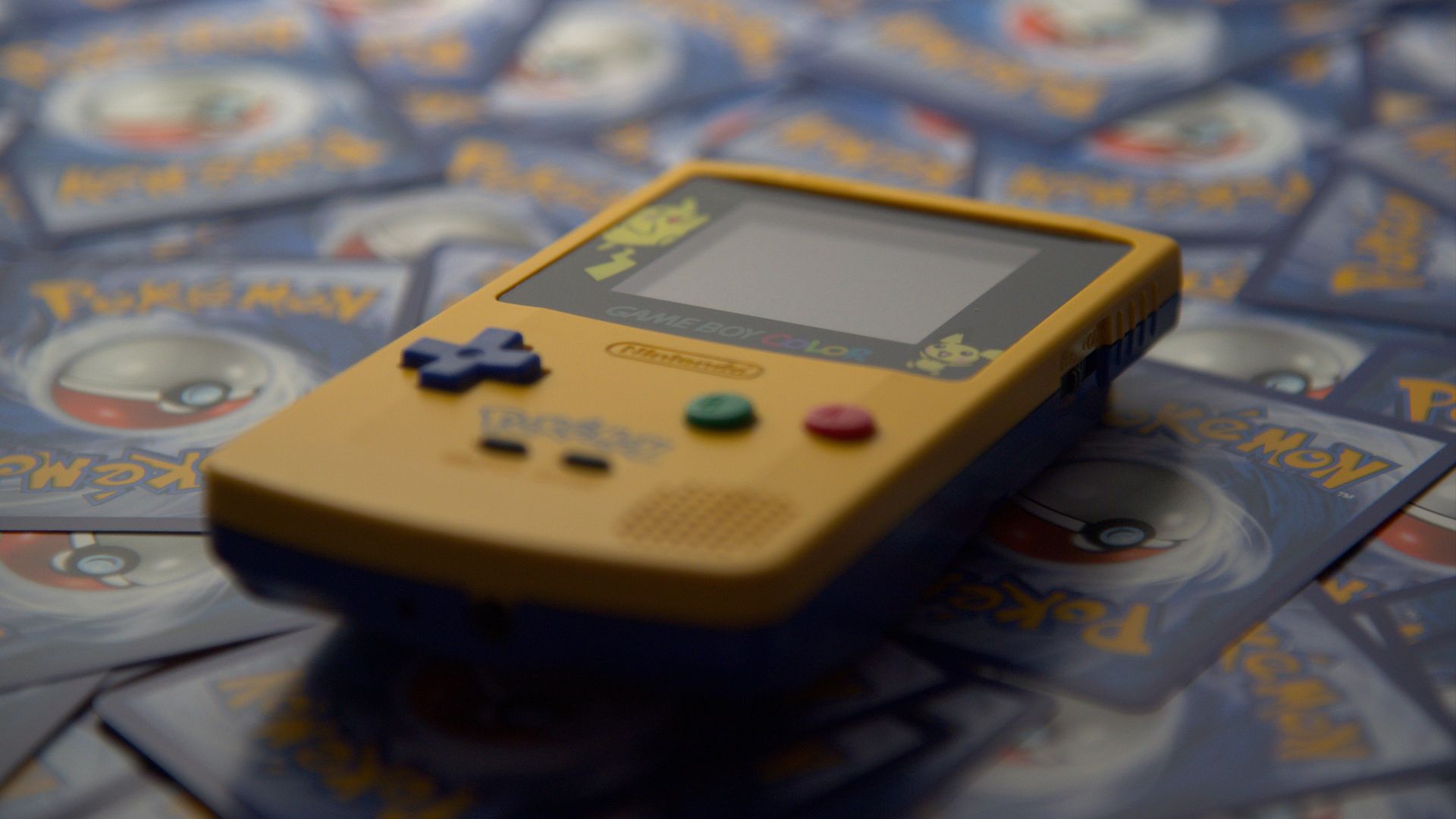
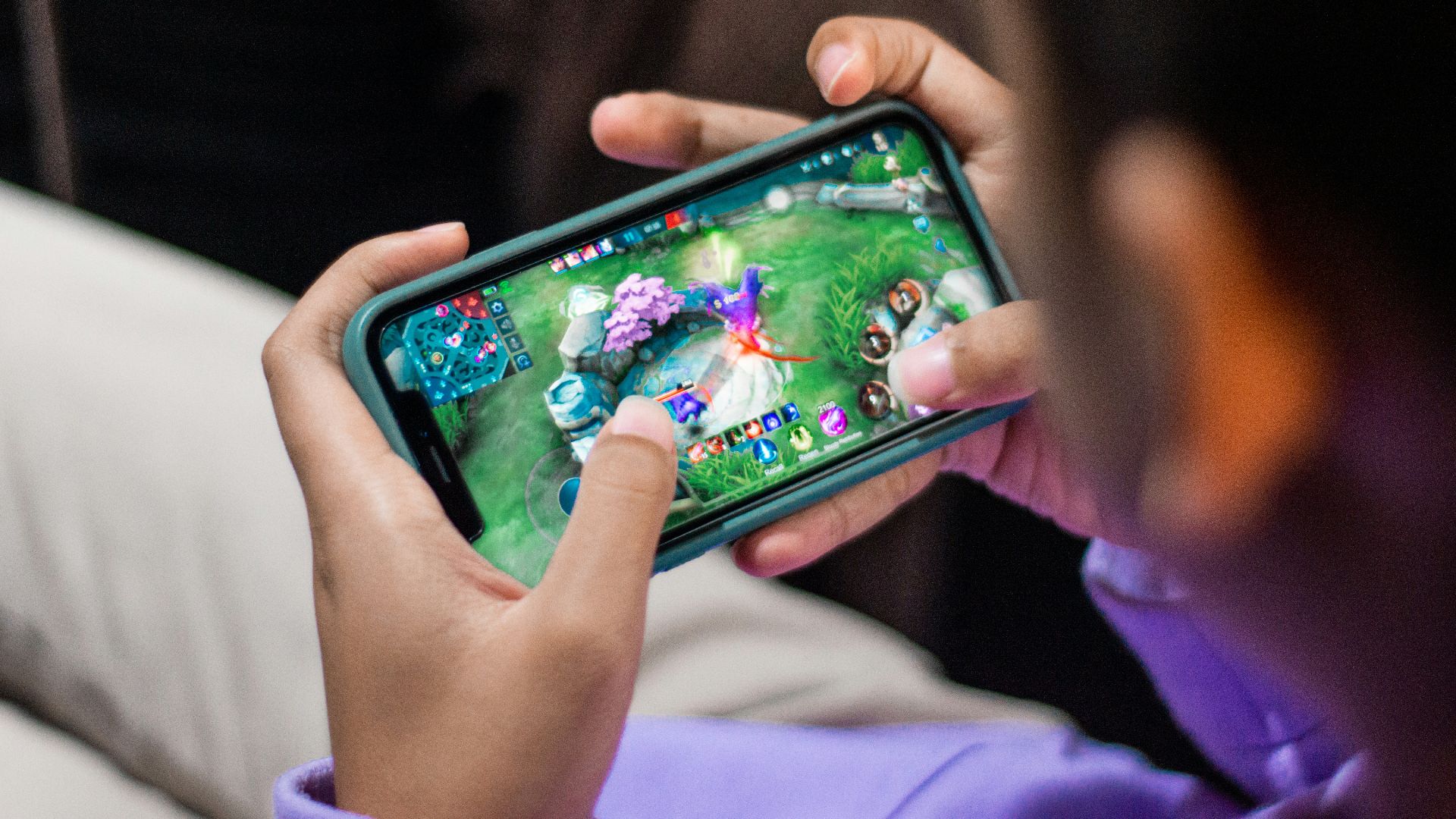
Modern Pokémon games provide players with greater freedom than earlier handheld versions. Instead of following a predetermined path through routes, towns, and Gyms, players can explore larger areas, pursue their interests, and create a more personalized journey.
2. Wild Pokémon
Watching Pokémon move around in the world changes the entire pace of the adventure. Seeing a Pokémon walk through tall grass, fly overhead, or rush in from across a field feels much more immediate than experiencing a random battle screen. This interaction makes each area feel more lively and dynamic.
3. Online Play
In the past, trading relied heavily on having the right person, device, and setup close at hand. However, modern games have streamlined this process. Players can now easily battle, trade, join raids, and search for version exclusives without needing to spend an afternoon preparing.
4. Raids
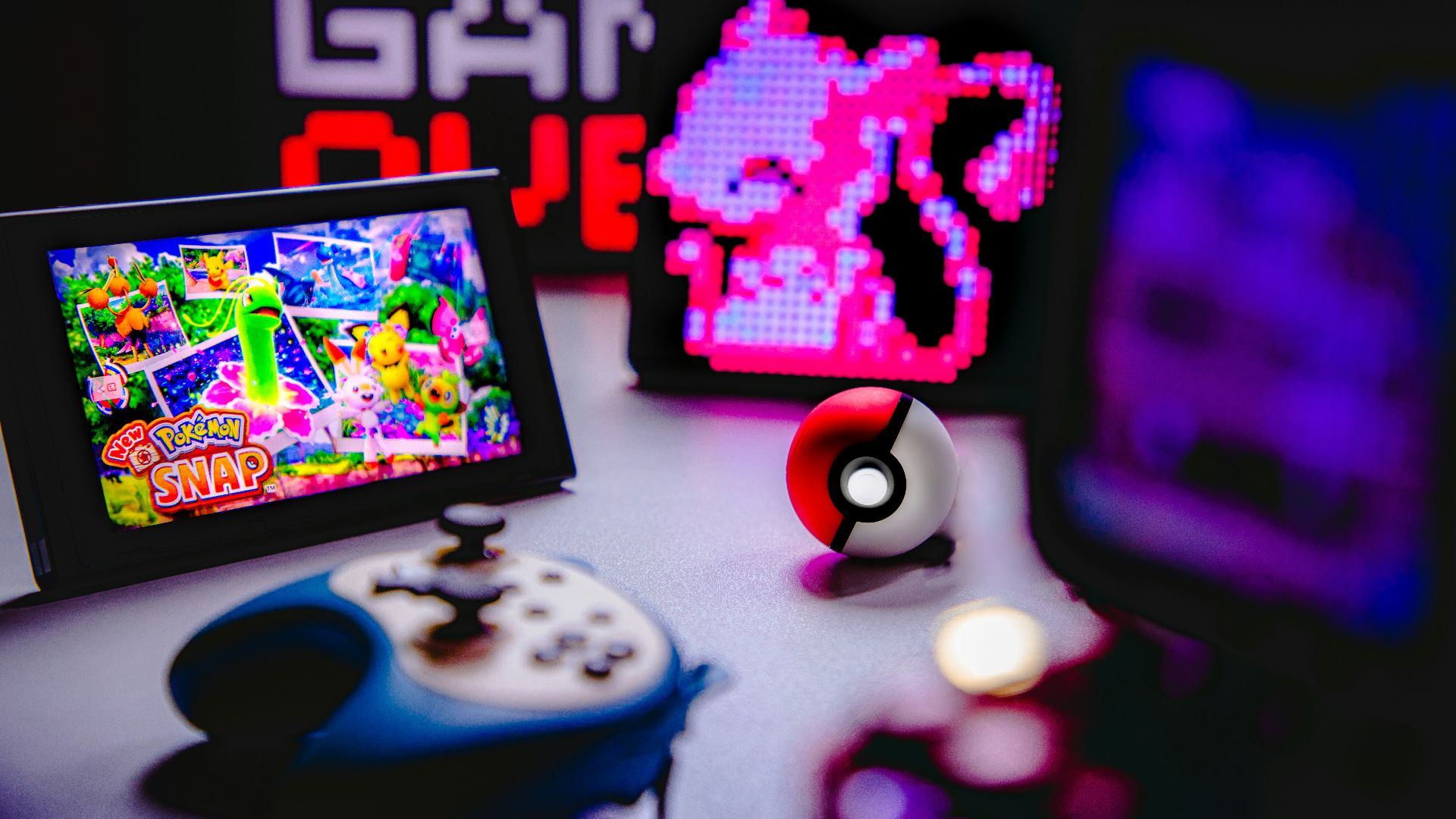
Raids provide modern Pokémon players with a straightforward reason to engage with others. Instead of merely testing their teams against other Trainers, players can collaborate to battle a single powerful Pokémon. They can chase rewards and continue to play even after completing the main story.
5. Collections
Modern storage and transfer tools allow Pokémon to feel less confined to a single cartridge or save file. This is important because players often develop attachments to their starters, shiny Pokémon, rare catches, event Pokémon, and even random team members that become favorites after spending 40 hours together.
6. The Series Is Experimental
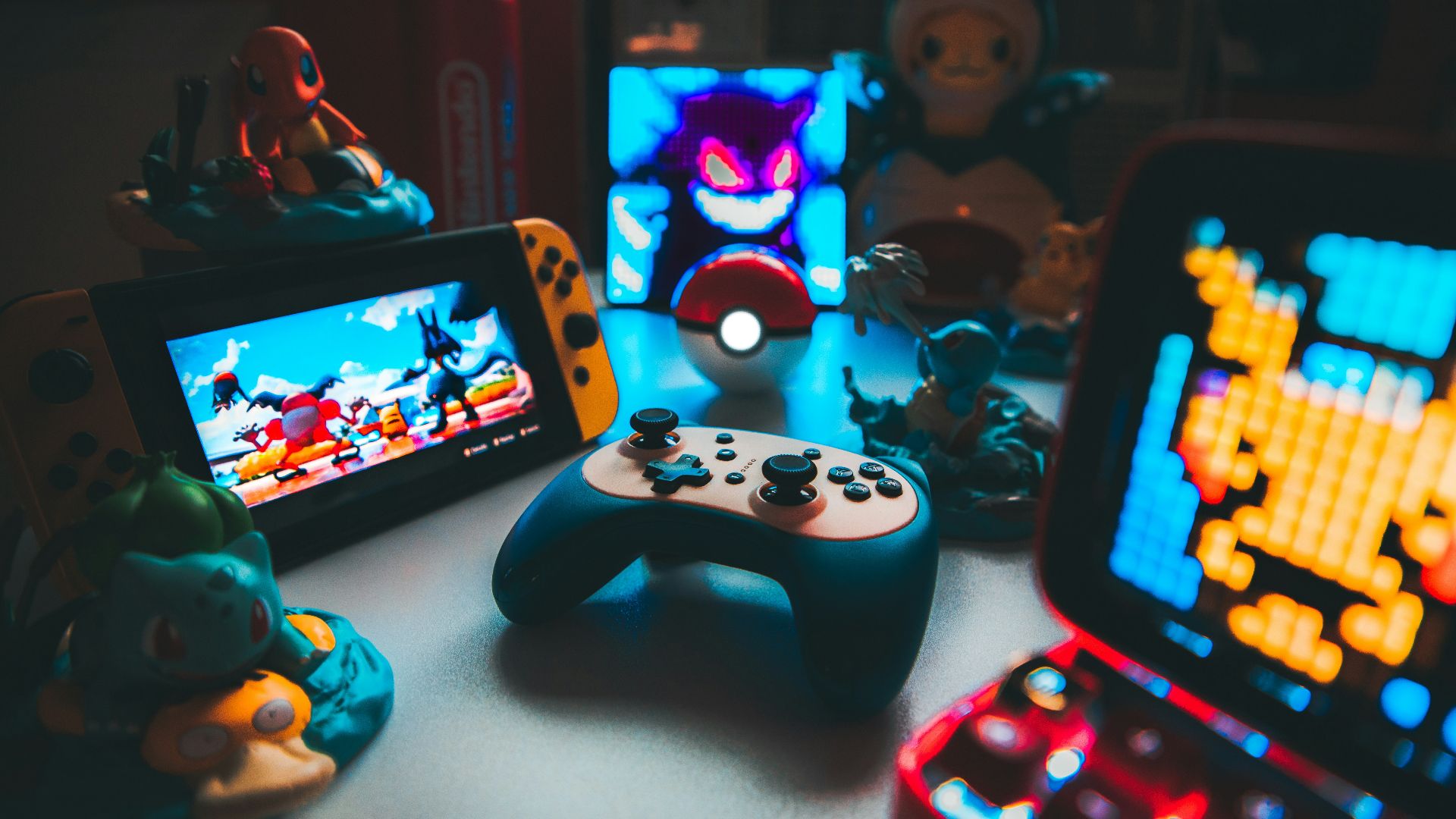
Modern Pokémon has been more open to changing its established formula than many fans realize. The series has introduced features such as open exploration, action-style capture, remixes of classic regions, and new battle systems. These innovations demonstrate an effort to experiment with gameplay while still maintaining the familiar catch-train-battle loop that fans know and love.

7. You Can Play Differently
Modern Pokémon accommodates various types of players. Casual fans can enjoy the story and creature collecting, while competitive players can dedicate hours to analyzing typings, move sets, abilities, team roles, and battle formats.
8. DLCs
In older Pokémon games, players typically reached an ending and then had to wait for a new version, sequel, or remake to continue their journey. However, modern expansions allow players to keep the same save file, maintaining their team and progress while introducing new areas and extending the adventure.
9. Battles
Modern battle mechanics can be polarizing, but they make Pokémon battles appear more dynamic on screen. Features like giant forms, type-changing abilities, and more vibrant animations add excitement to familiar turn-based combat, even though the underlying strategy still relies on choices, matchups, and timing.
10. The Modern Games Hold Up
Modern Pokémon games continue to sell at a level most franchises would envy. While not every creative decision resonates with every fan, the core appeal remains strong: choose a partner, explore the world, catch unique creatures, and lose track of time.
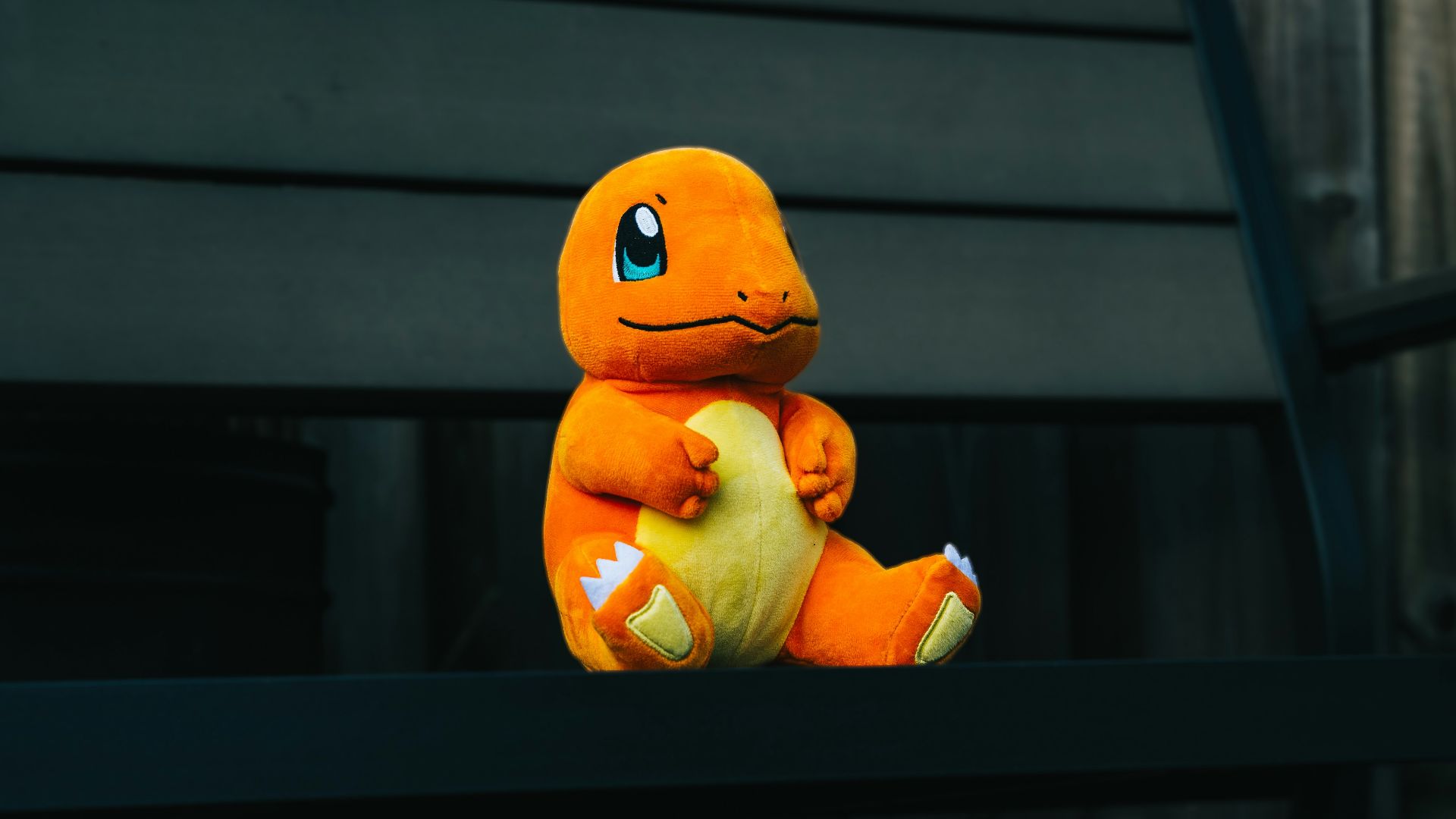
1. Vintage Pokémon Was Simpler
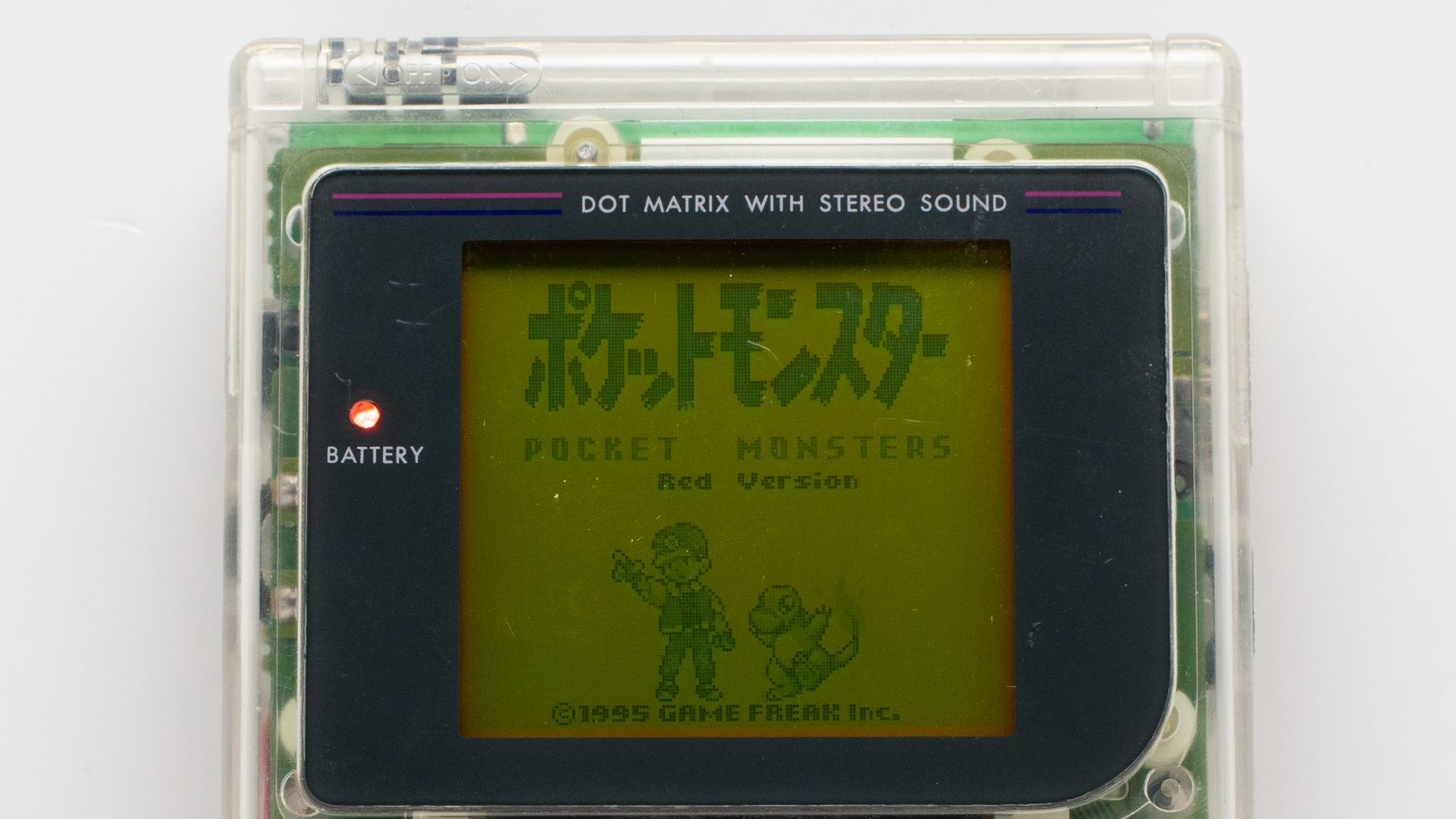
The earlier Pokémon games offered a simple yet satisfying experience. You selected a starter, battled your rival, caught new Pokémon, collected badges, and moved toward the next town with whatever supplies remained in your bag.
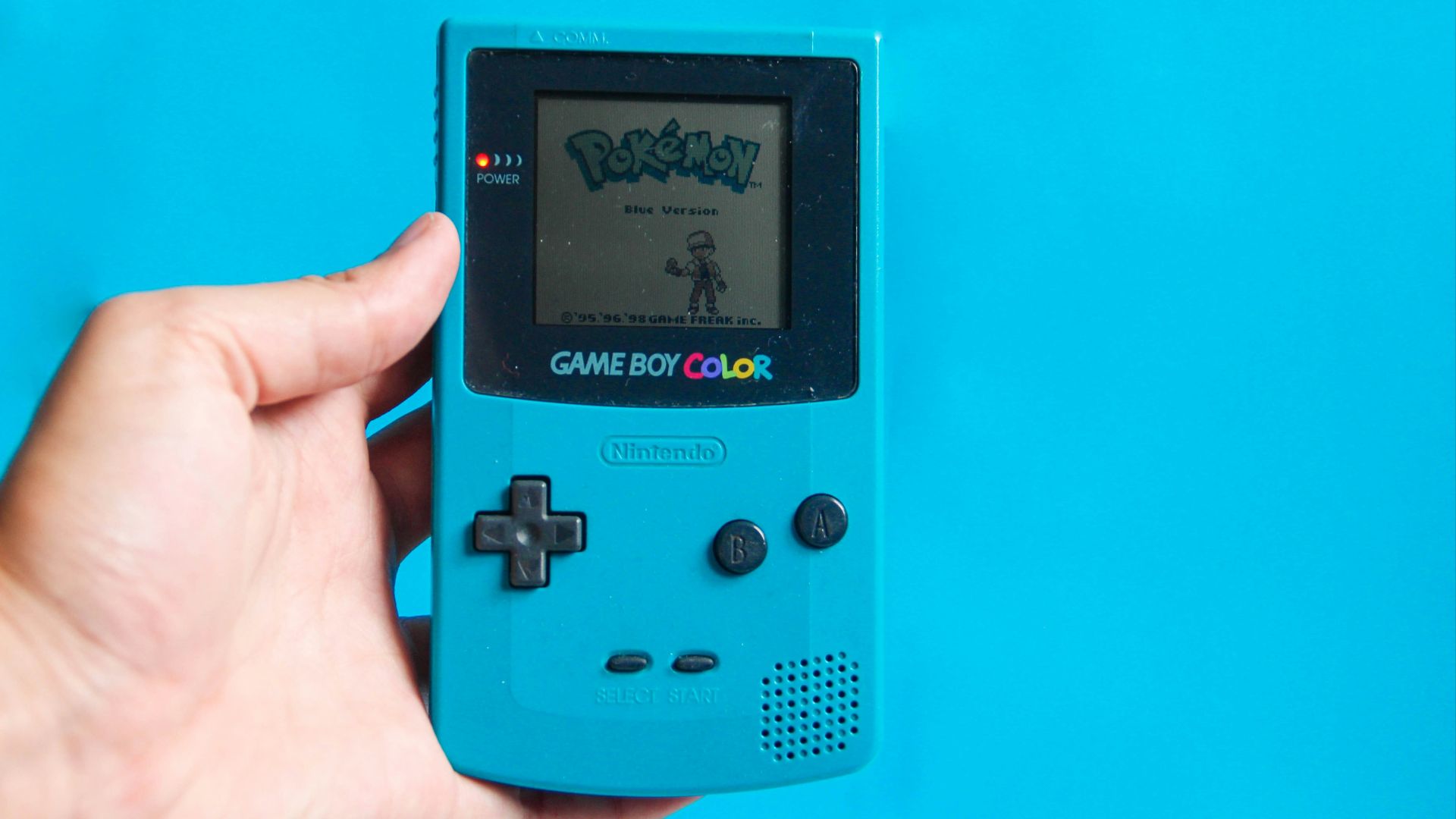
2. The Link Cable
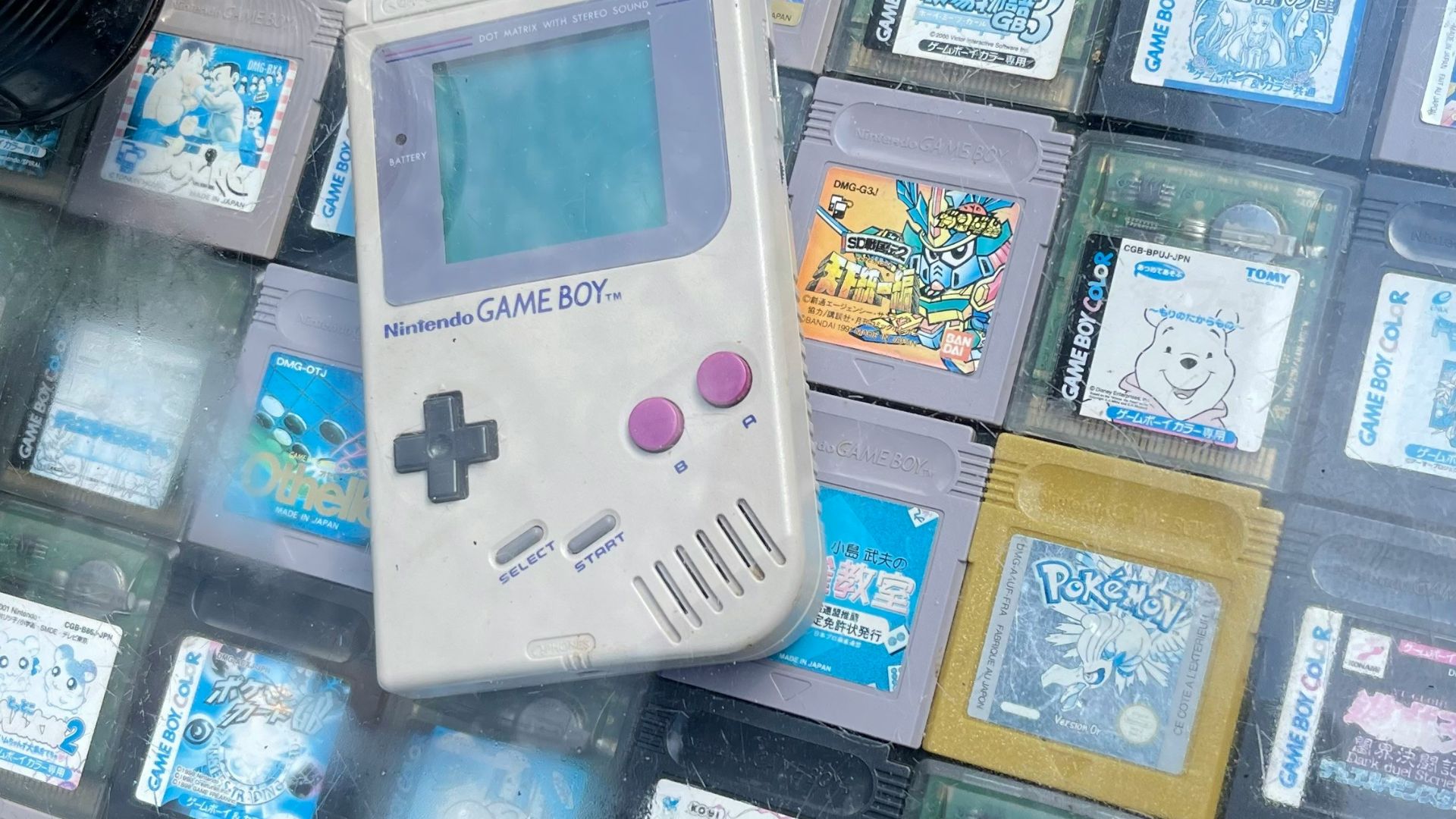
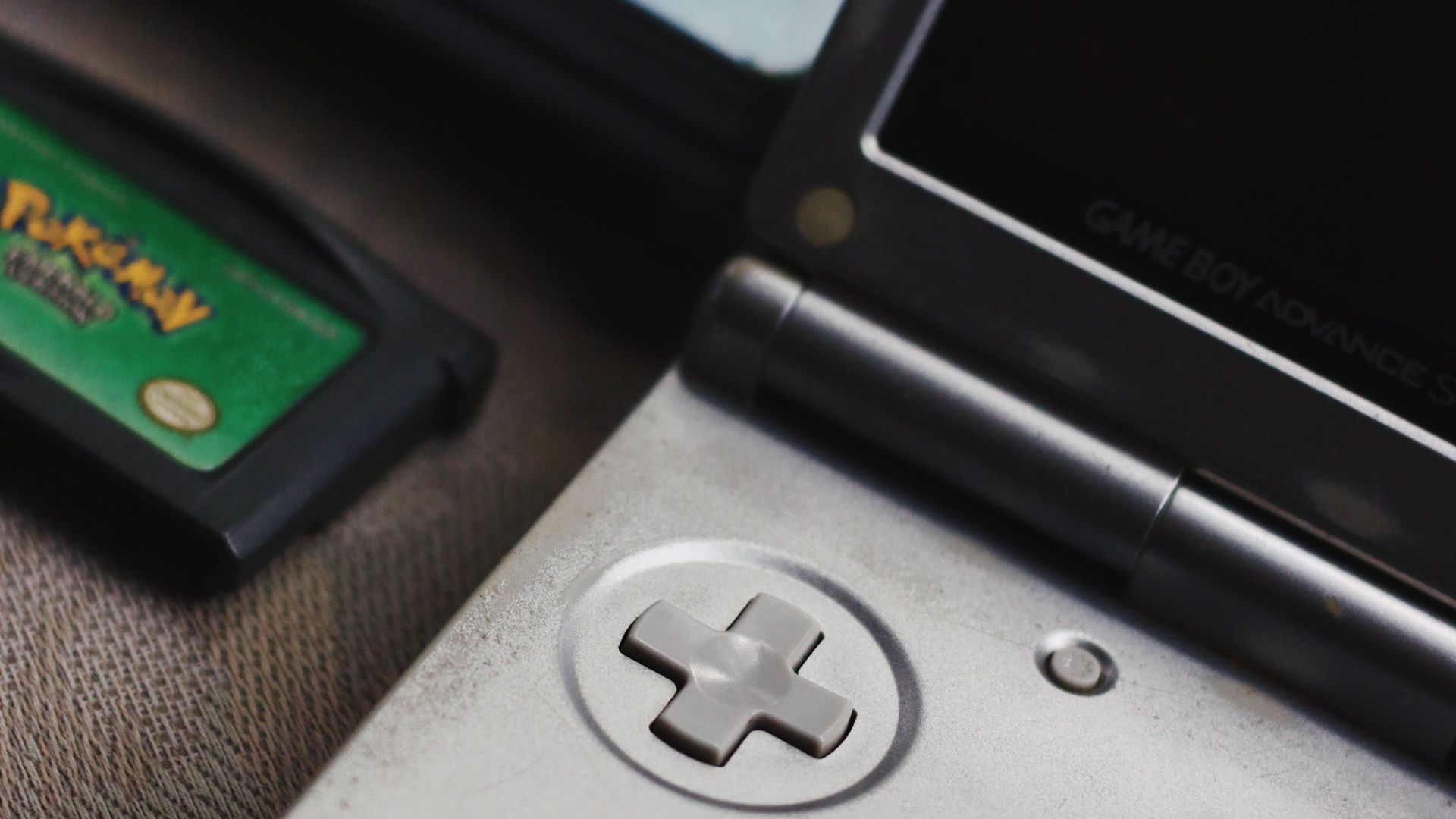
Modern online gaming is more convenient, but using the Link Cable added a special touch to multiplayer experiences. Trading required sitting next to someone, connecting handheld devices, making a deal, and observing the transfer unfold while quietly hoping that no one would bump the cable at a crucial moment.
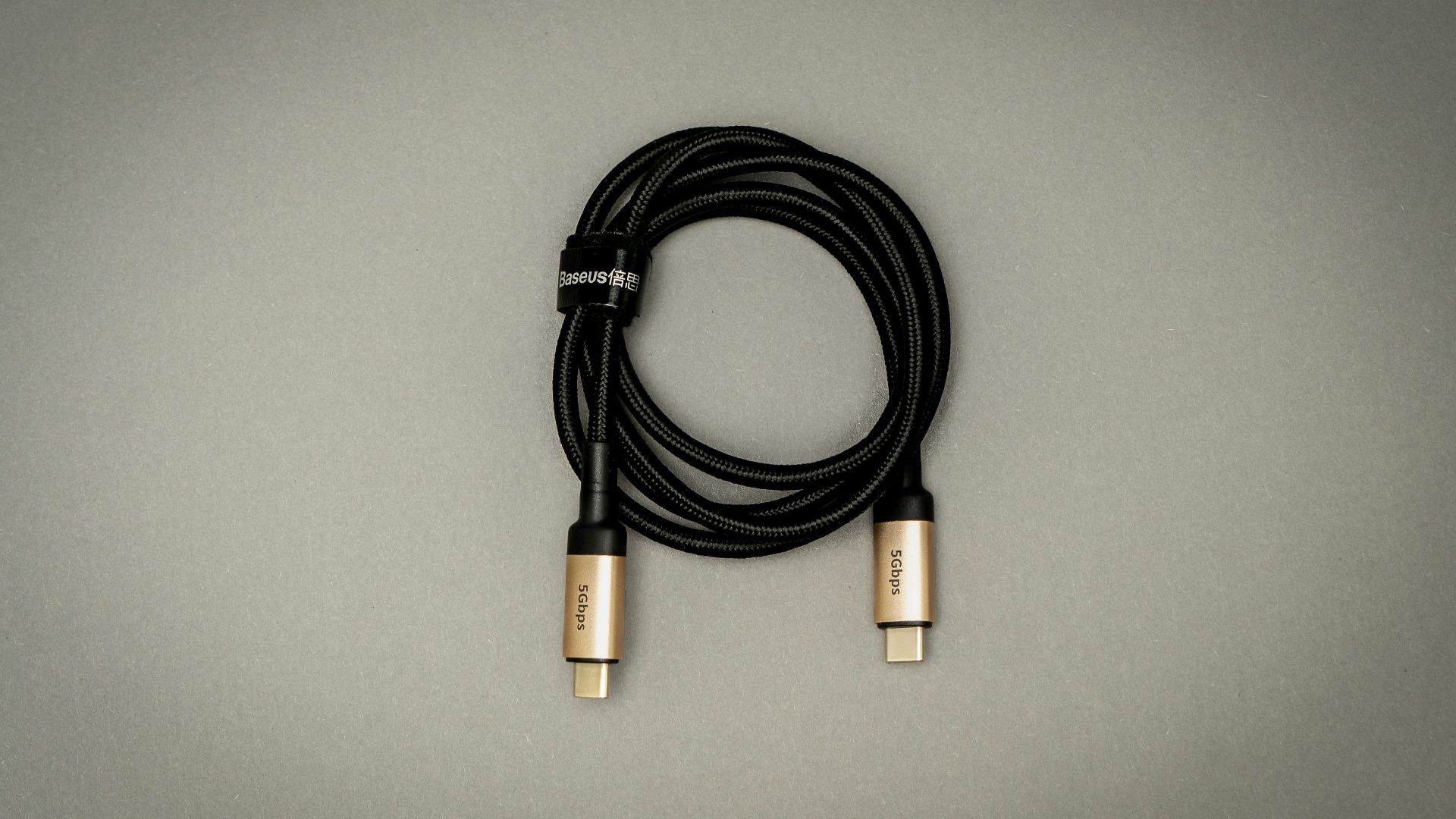
3. Version Exclusives
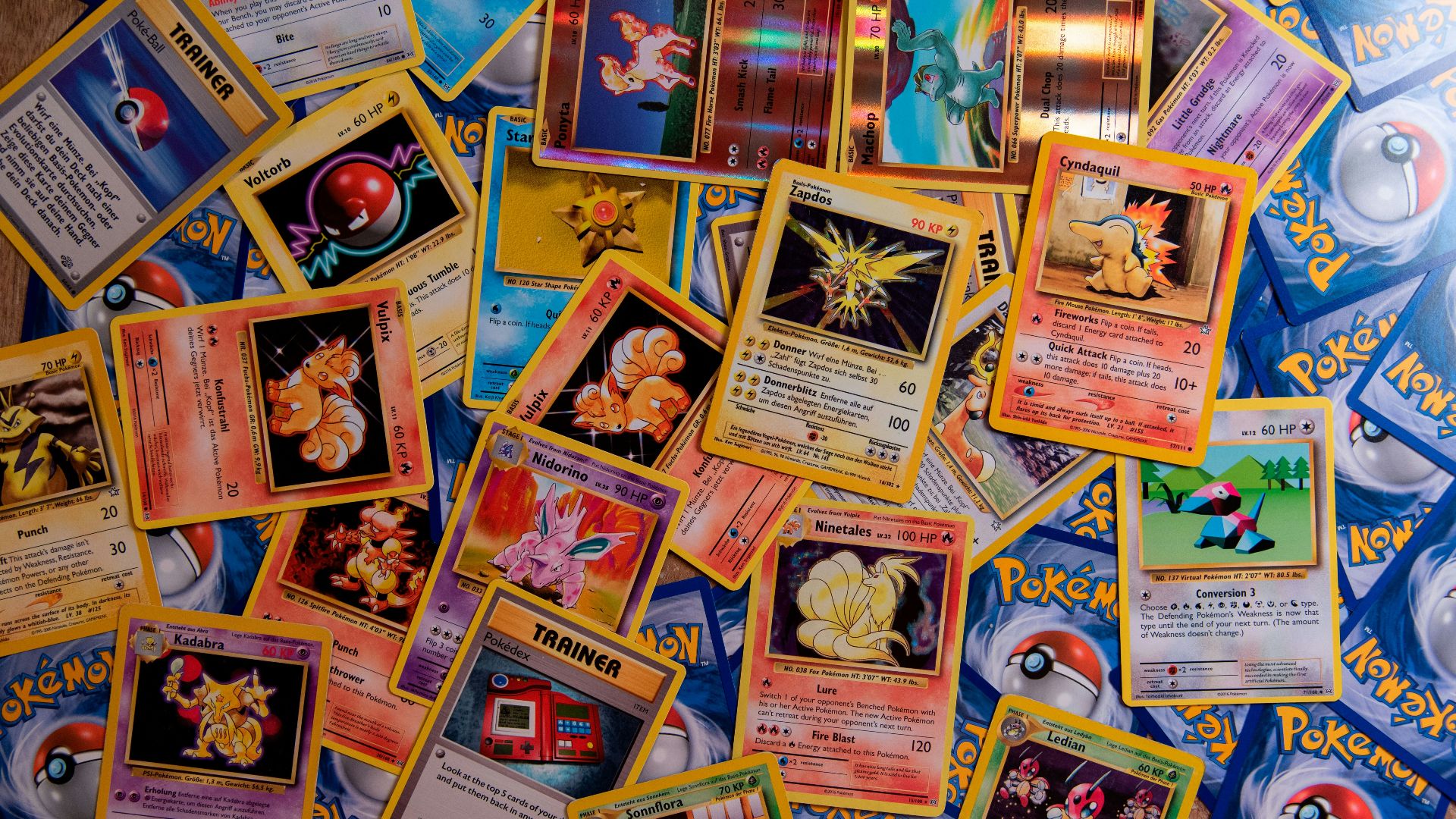
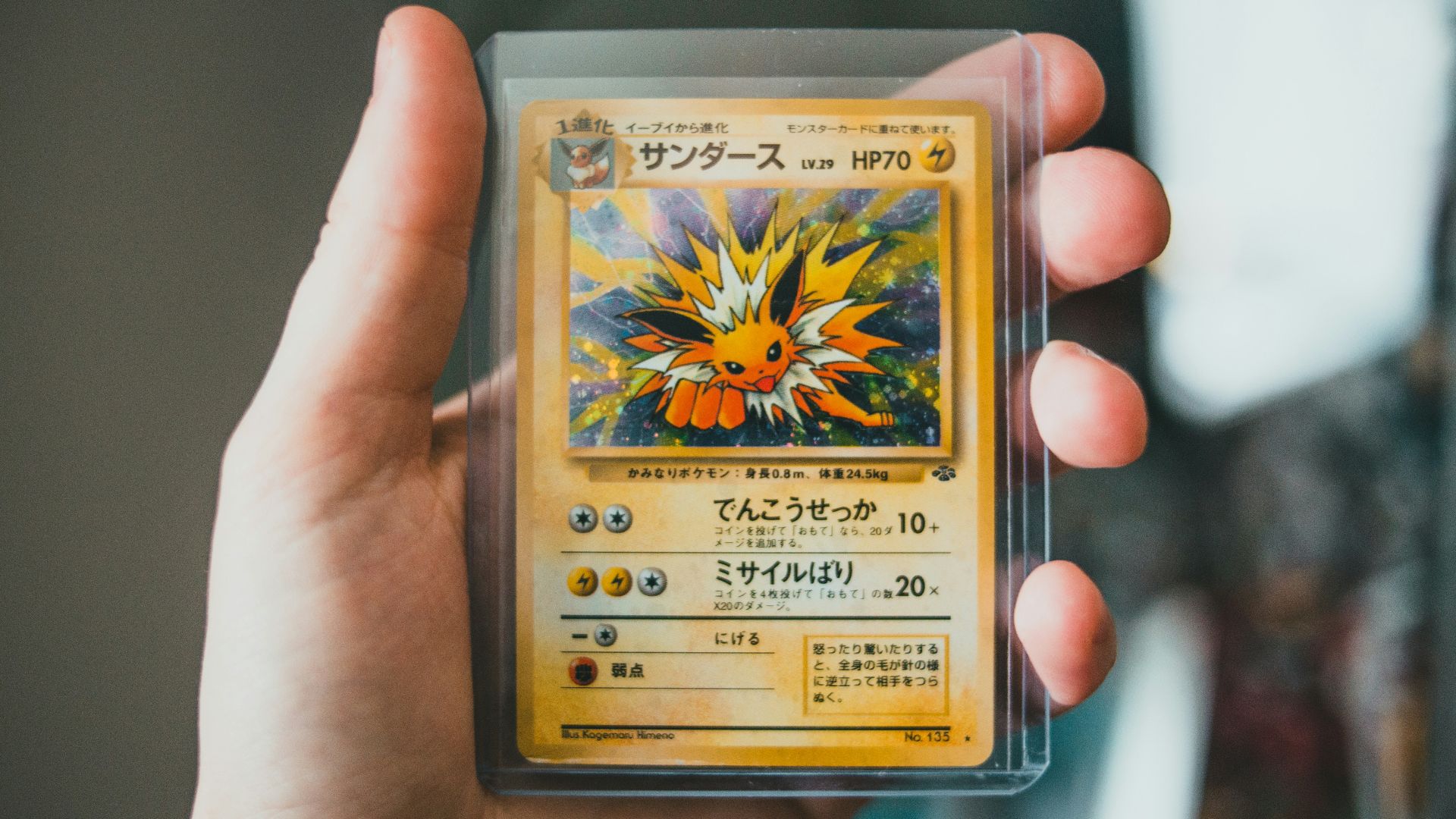
The early games turned version exclusives into a social challenge. If your cartridge didn't have a certain Pokémon, someone else's most likely did, which meant that classmates, siblings, neighbors, and friends all became part of the journey to a more complete Pokédex.
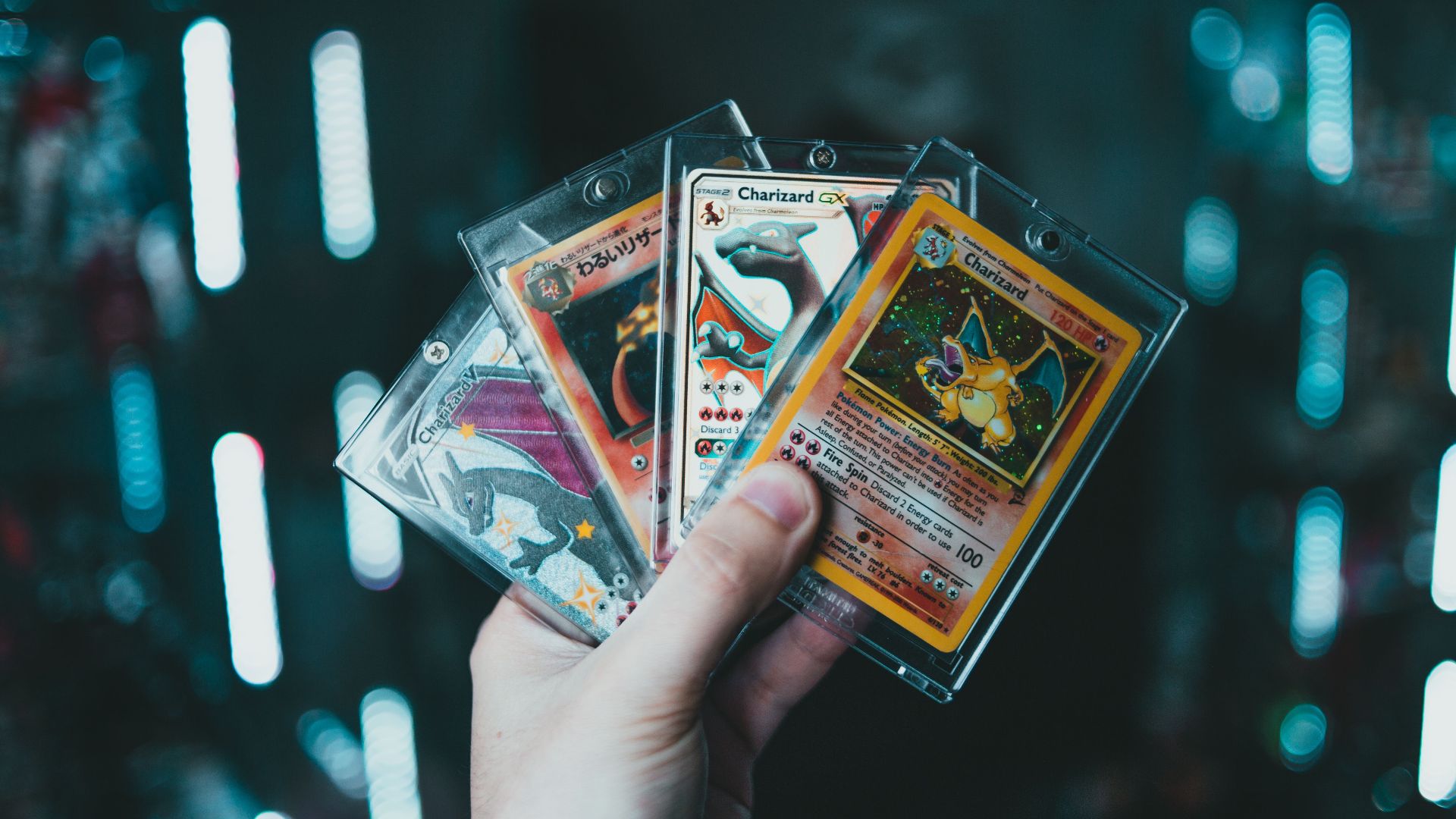
4. Pixel Art
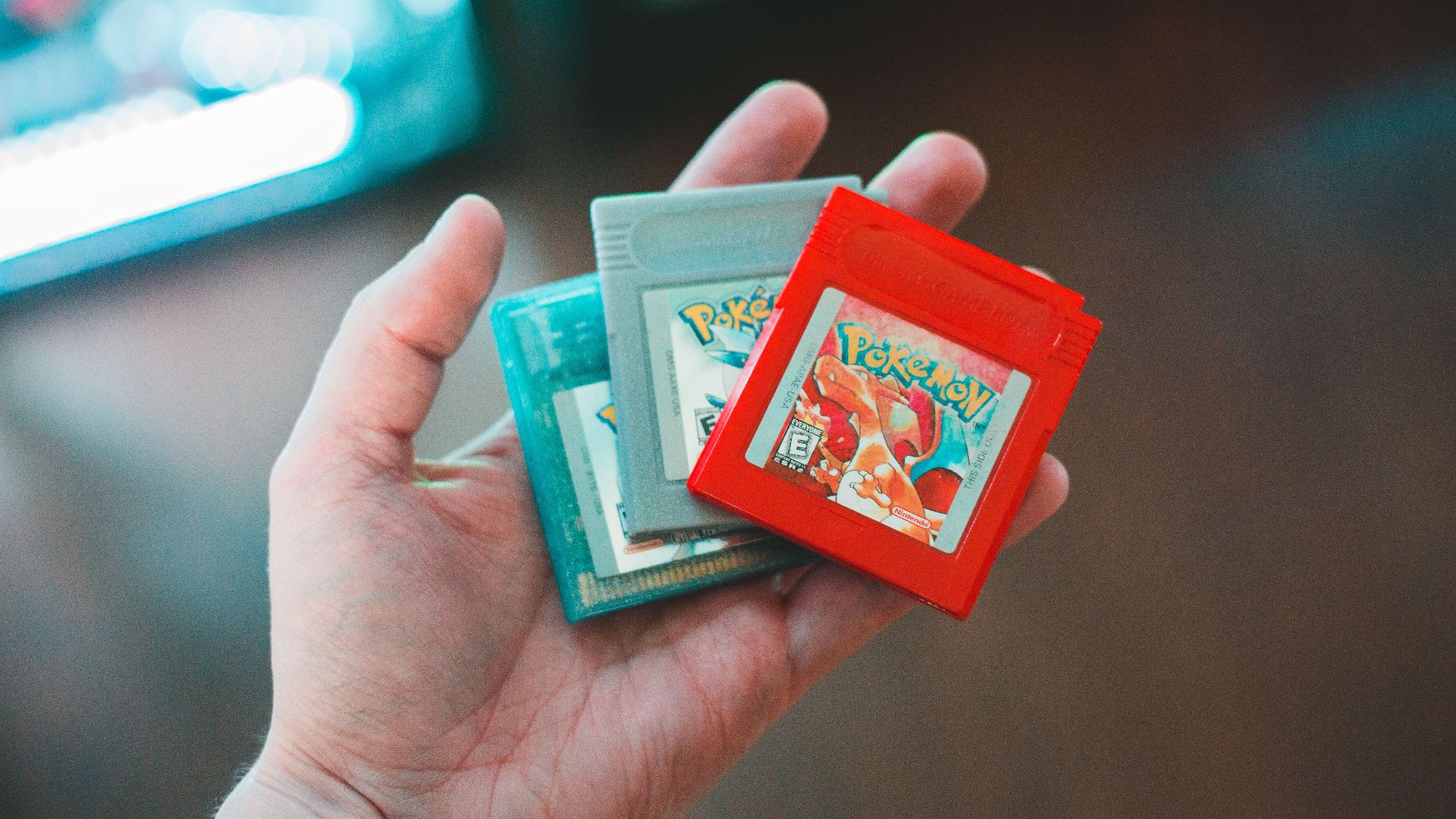
Vintage Pokémon sprites were constrained by the hardware of the time, and these limitations contributed to their charm. The small image, brief sound effects, and concise Pokédex entries provided enough information for players to imagine the rest, making many creatures feel personal and memorable.
5. The Music
The early soundtracks achieved a lot with very few resources. Themes for towns, battle music, menu notifications, and that persistent low-health warning became integral to the series' identity. Even just a few notes can instantly transport longtime fans back into the tall grass.
6. Gold And Silver
The early sequels didn't just add more Pokémon; they introduced new creatures, vibrant colors, held items, time-based events, and a more expansive world. These enhancements deepened the gameplay while maintaining the clean structure that made the original games successful.
7. The Friction
Vintage Pokémon had its awkward moments, but that awkwardness added real weight to players' decisions. Limited resources, slower travel, clunkier menus, and one-use moves forced players to think carefully about what to carry, what moves to teach, and whether to venture deeper into a cave.
8. The Spin-Offs
The vintage era also allowed Pokémon to expand beyond handheld screens. Battling in 3D, capturing pictures of Pokémon in their natural habitats, and playing various minigames made the franchise feel like something the entire family could gather around.
9. The Rumors
The old Pokémon culture was filled with rumors, glitches, secret techniques, and playground stories that were often hard to believe. Some tales were true, some were completely false, and others existed in that gray area where everyone claimed a cousin had accomplished it.
10. It Feels Like A Time Capsule
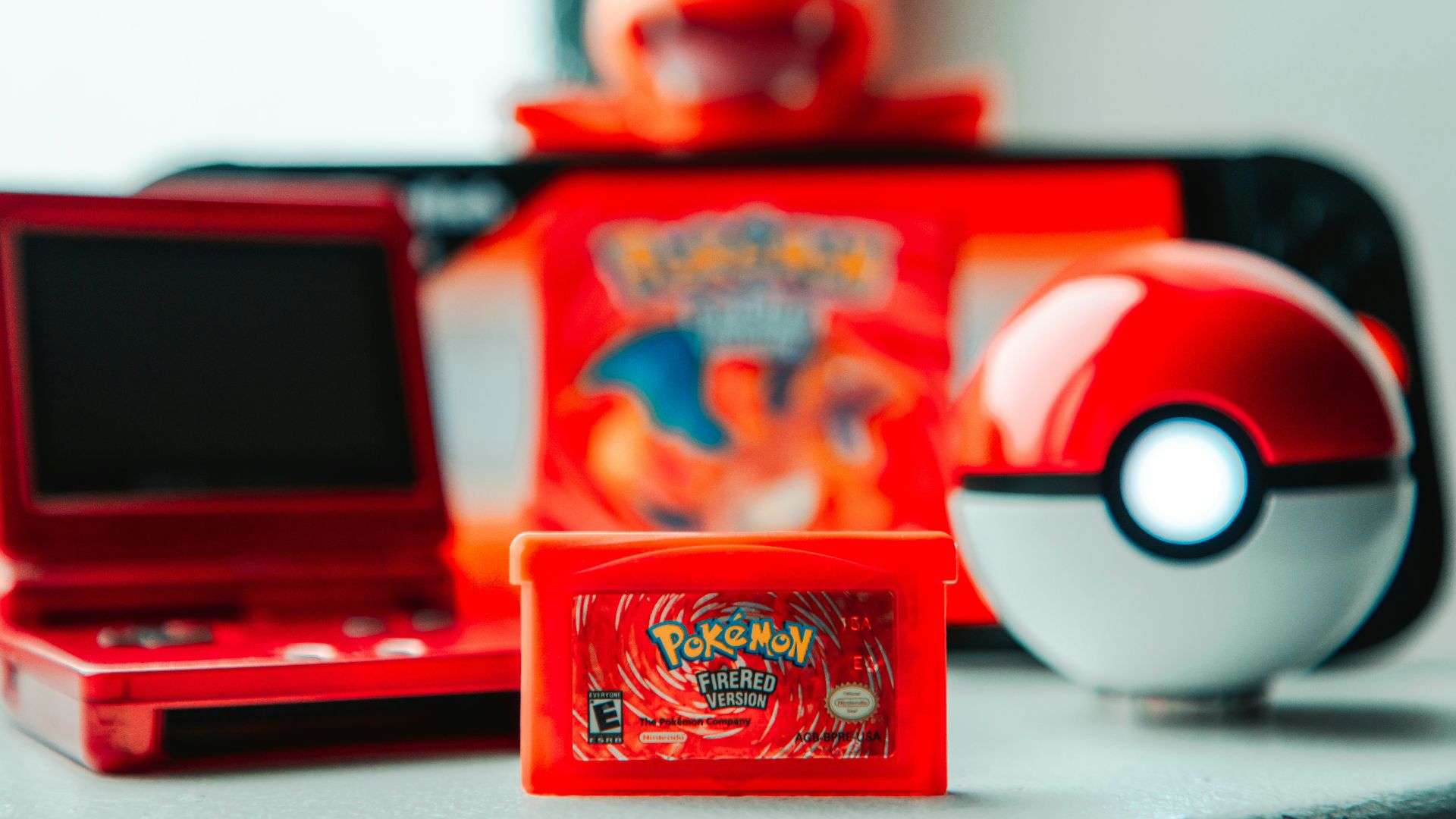
The older games possess a simplicity that modern releases can't fully replicate. There are no patches, no DLC menus, no online event rotations—just a cartridge, a save file, and a small world waiting exactly where you left it.