Taking Chances Doesn't Always End the Same Way
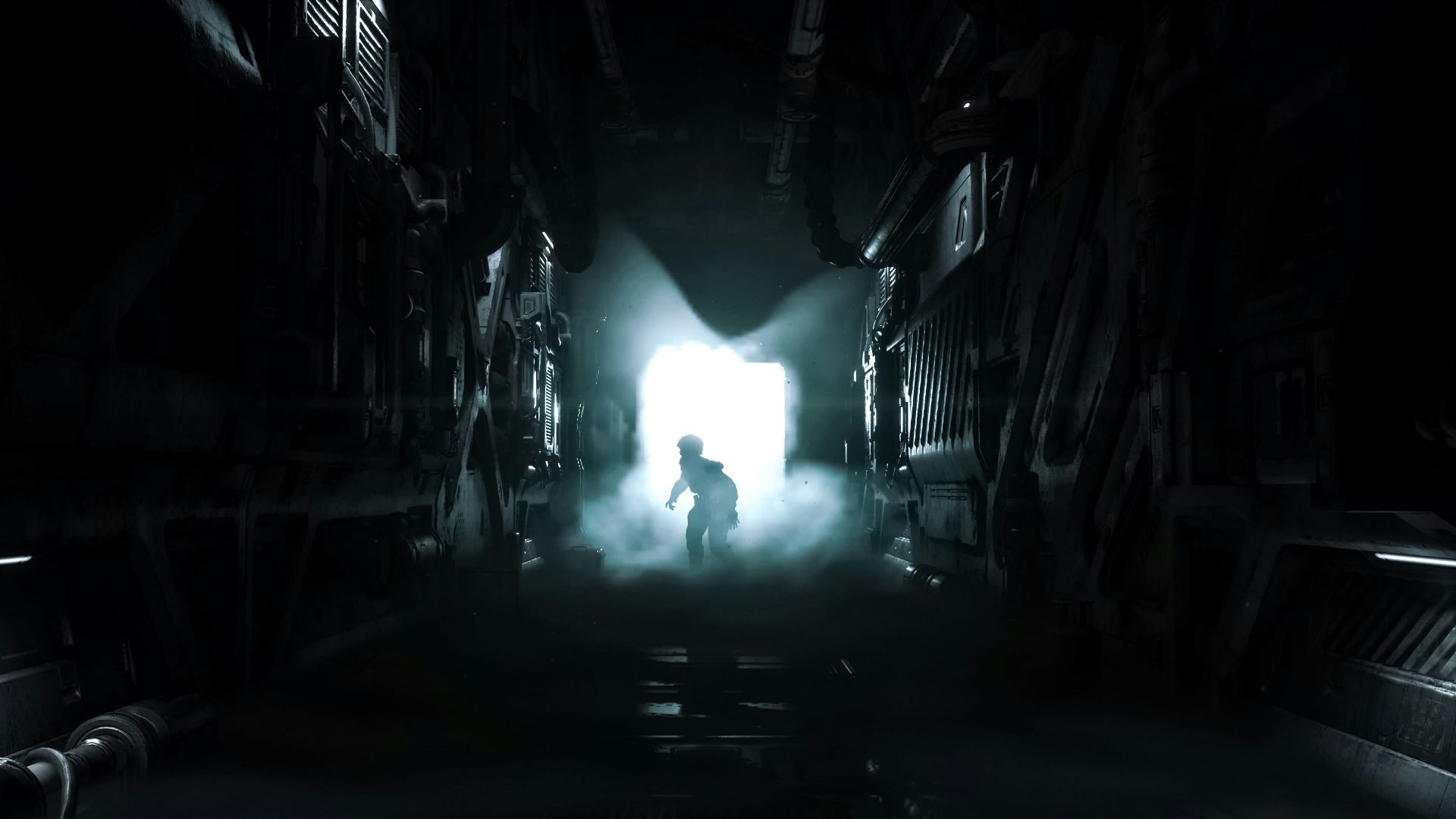
Video game sequels often face a difficult challenge because simply repeating what worked before can leave players disappointed, while changing too much can create an entirely different kind of backlash. Some developers have taken enormous creative risks that transformed their franchises for the better and earned lasting praise, while others introduced ideas that sounded promising but failed to connect with audiences. Looking back at gaming history reveals plenty of examples of both outcomes, showing that bold decisions can either revitalize a series or send it in the wrong direction. Here are 10 game sequels whose bold risks paid off and 10 that misfired.

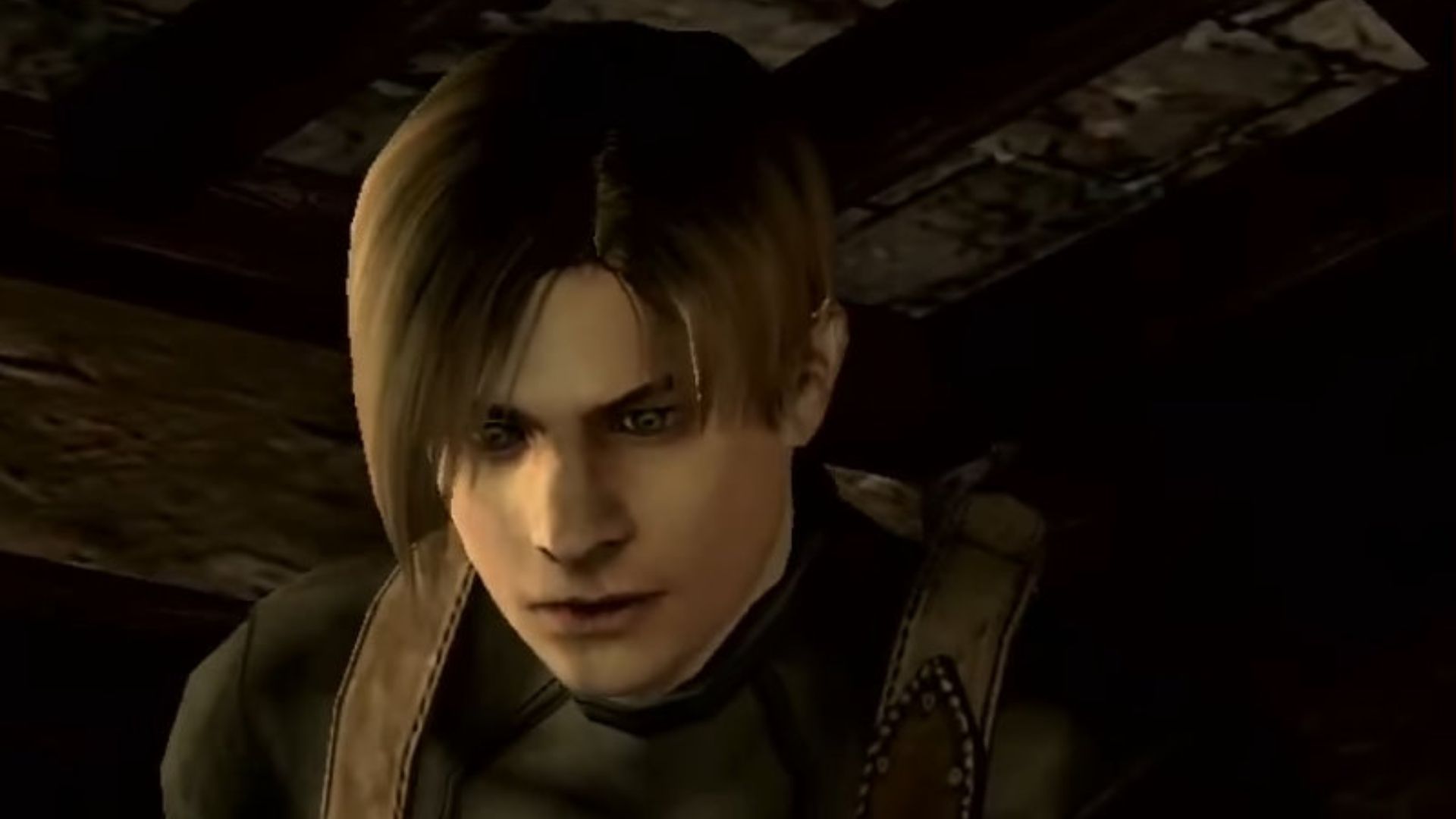
1. Resident Evil 4
Instead of continuing the fixed-camera survival horror formula, this sequel shifted to an over-the-shoulder perspective and focused much more heavily on action. At the time, many fans worried the series was abandoning its roots, yet the new approach felt fresh and exciting. Its influence became so widespread that countless action games adopted similar camera and combat systems afterward.
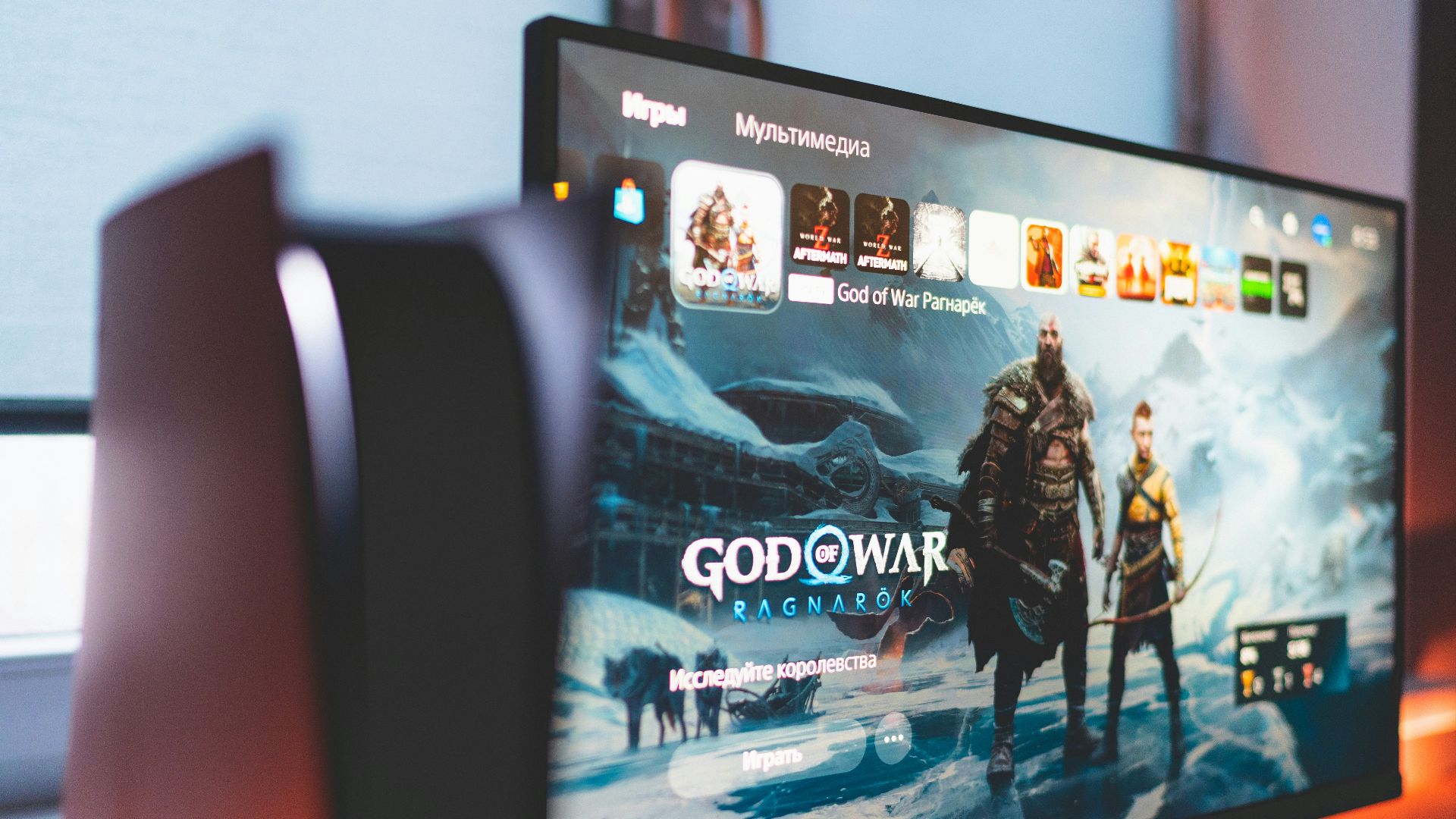
2. God of War (2018)
This installment dramatically changed both gameplay and storytelling by replacing the series' frantic combat style with a more deliberate approach and a deeply personal narrative. The decision to focus on character development surprised many longtime players. In the end, the gamble paid off because it attracted new audiences while still satisfying much of the existing fan base.
 Evgeniy Kondratiev on Unsplash
3. The Legend of Zelda: Breath of the Wild
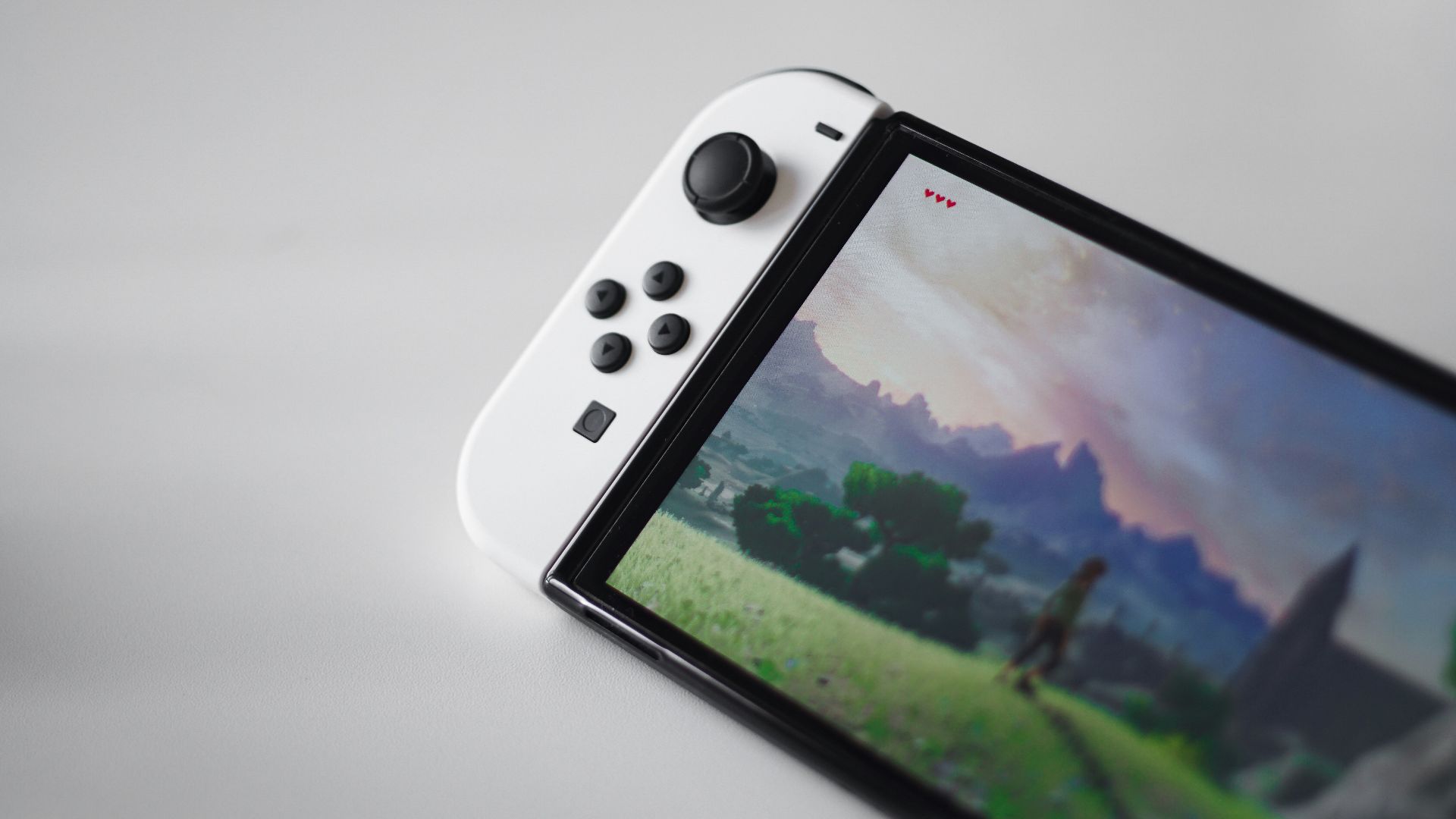
Rather than relying on the traditional structure that had defined the franchise for decades, this sequel embraced an open-world design built around player freedom. Nearly every objective could be approached in multiple ways, encouraging experimentation. Players responded enthusiastically, and it quickly became one of the most acclaimed entries in the series.
4. Metroid Prime
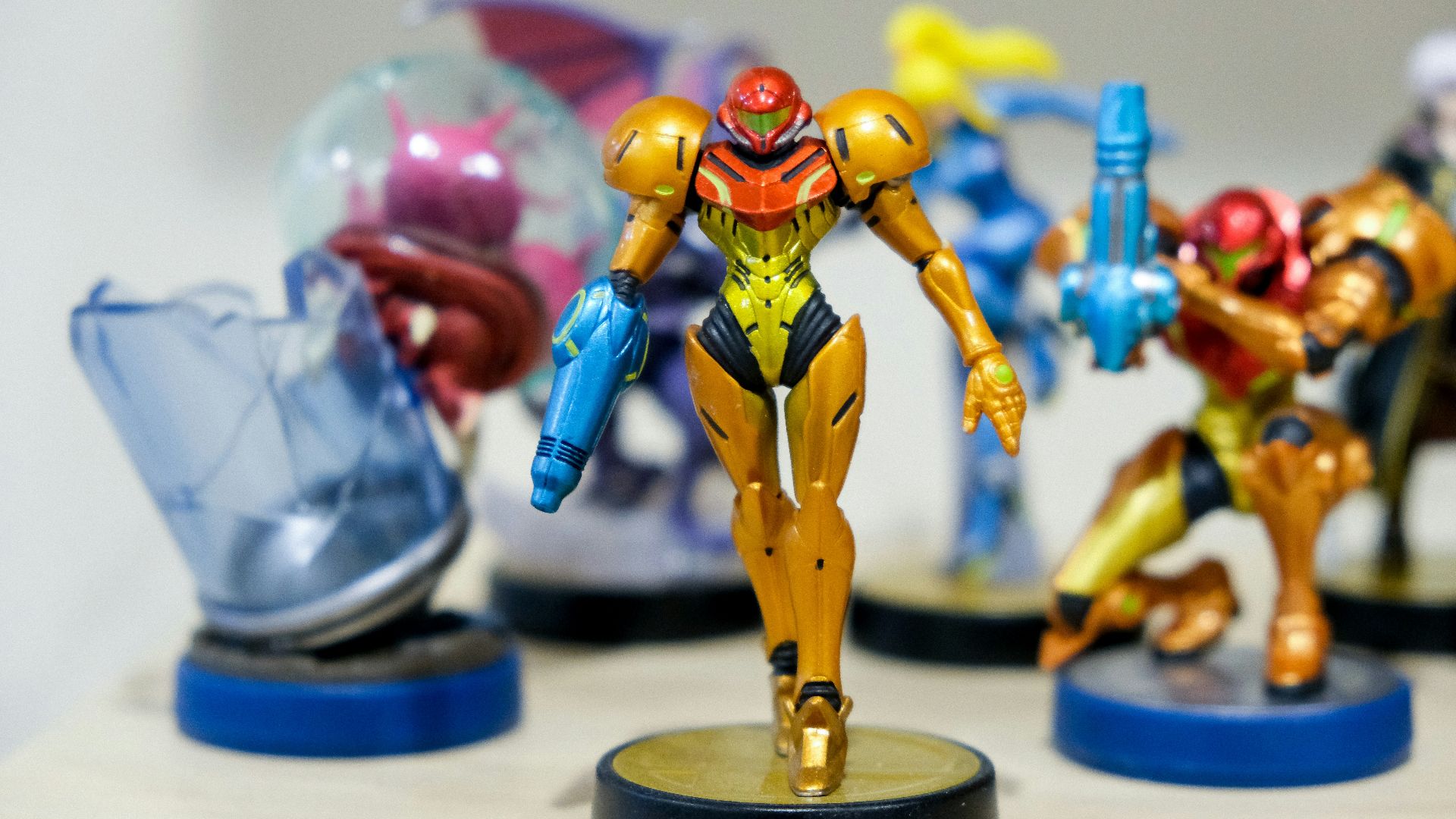
Moving a beloved side-scrolling franchise into first-person gameplay seemed incredibly risky on paper. Many expected the change to dilute what made the earlier games special. Instead, it successfully translated exploration and atmosphere into a new perspective while preserving the core identity that fans loved.
5. Assassin's Creed Origins
After years of following a familiar formula, this entry reinvented the series with role-playing mechanics, deeper progression systems, and a redesigned combat model. Some players were skeptical about such major changes, but the positive reception proved that the franchise needed a fresh direction to remain relevant.
6. Fallout 3
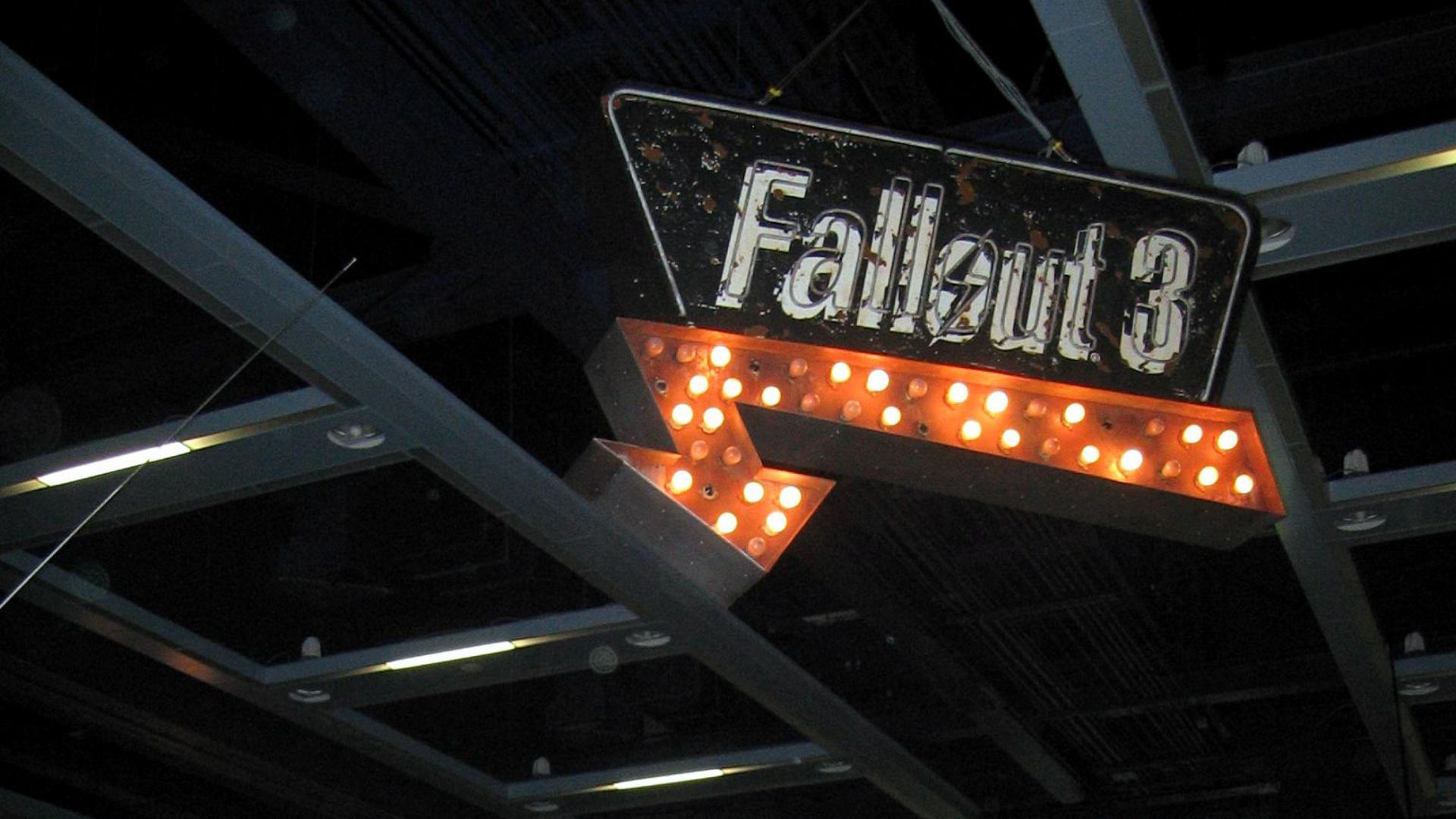
The series originally existed as an isometric role-playing franchise, making the transition to a first-person open-world experience a significant gamble. Fans weren't certain the change would preserve the depth and freedom associated with earlier entries. The result introduced the series to a much larger audience while maintaining many of its defining strengths.
 Derek Springer from Los Angeles, CA, USA on Wikimedia
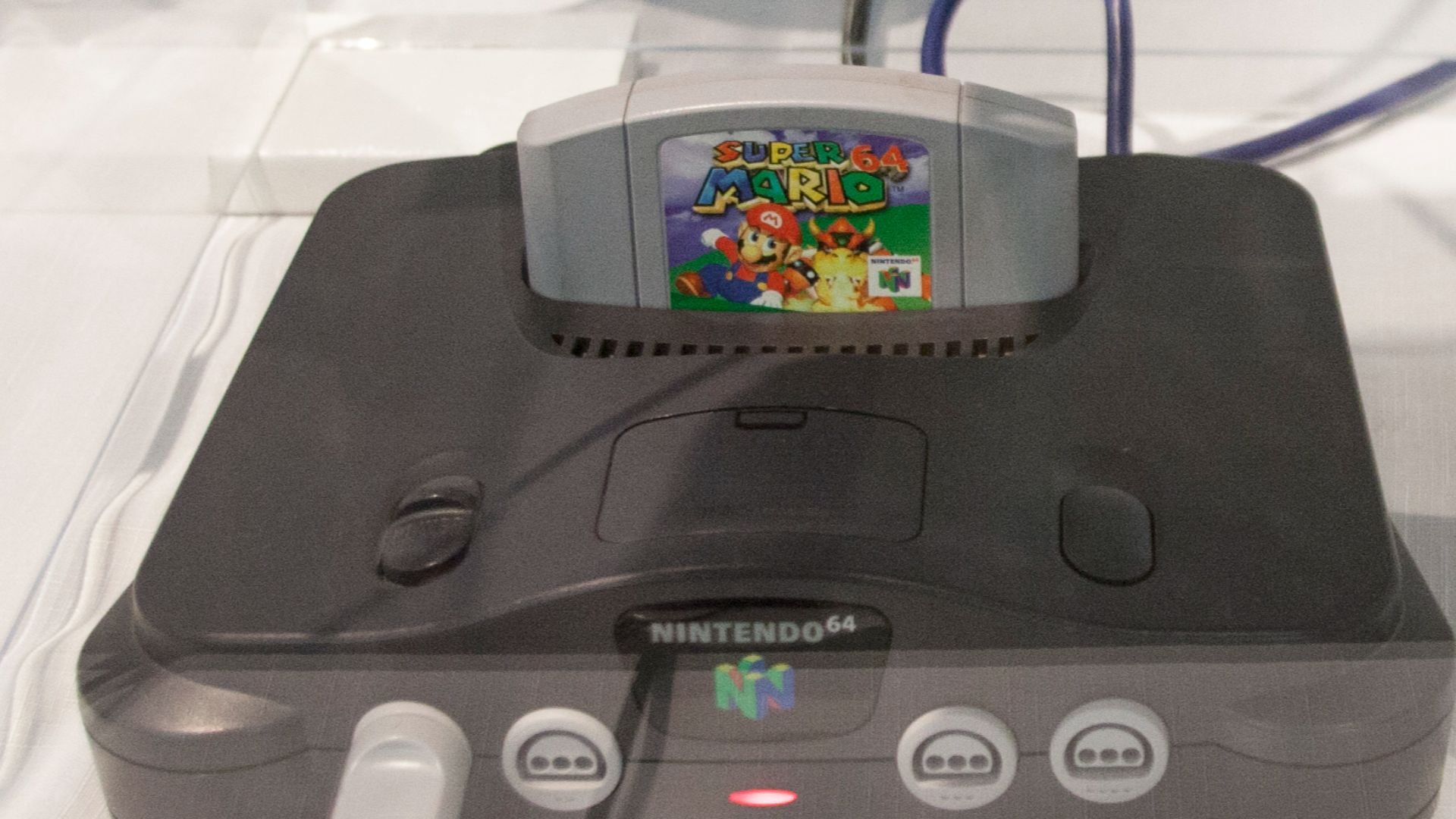
7. Super Mario 64
Jumping from two-dimensional platforming into a fully three-dimensional environment represented one of the biggest risks of its era. Designing movement and camera controls for 3D spaces was still relatively uncharted territory.
 Digital Game Museum on Wikimedia
8. Persona 3
Earlier entries focused primarily on dungeon exploration, but this sequel introduced social simulation systems alongside traditional role-playing mechanics. The combination seemed unusual compared to what players expected from the genre. Those additions ultimately became some of the franchise's most celebrated features.
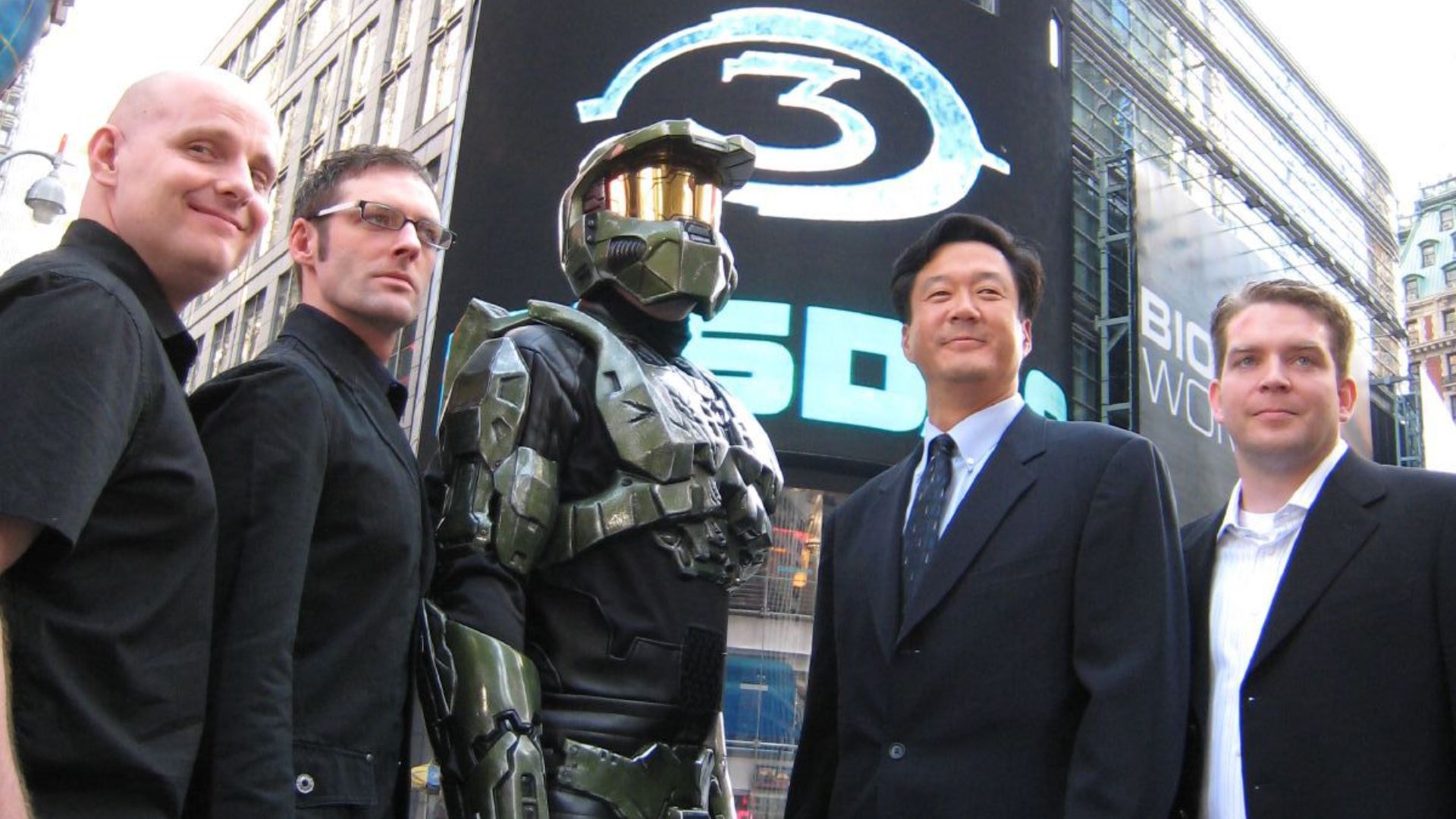
9. Halo 3: ODST
Instead of starring the iconic super-soldier who had defined the series, this game placed players in the role of ordinary human soldiers. The shift created a very different atmosphere and encouraged a more grounded perspective. Many players appreciated the fresh viewpoint and distinctive storytelling approach.
10. Yakuza: Like a Dragon
Abandoning the franchise's long-established real-time combat system in favor of turn-based battles was a bold move. Such a dramatic mechanical change could easily have alienated existing fans, but it was a surprising success.
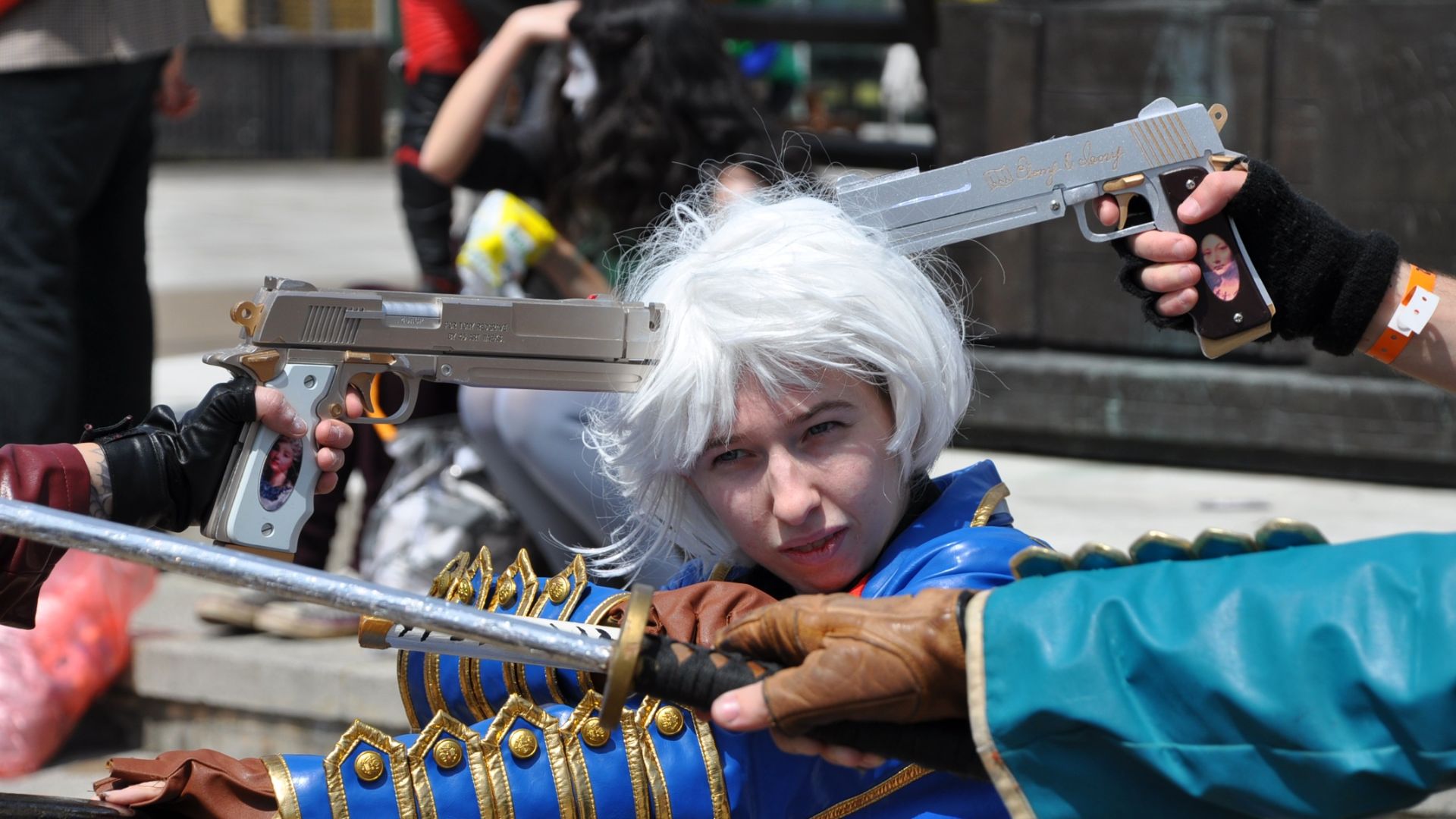
1. Devil May Cry 2
Following a highly respected action game was never going to be easy, but this sequel took several design decisions that weakened the experience. Combat became less engaging, and the main character's personality felt noticeably flatter. Many fans viewed it as a significant step backward compared to its predecessor.
 Roger Murmann from Eppertshausen, Deutschland on Wikimedia
2. Banjo-Kazooie: Nuts & Bolts
Instead of focusing on traditional platforming, this sequel centered on vehicle construction and customization. While the concept itself was creative, it wasn't what many players were hoping to see from the franchise.
 Pikawil from Laval, Canada on Wikimedia
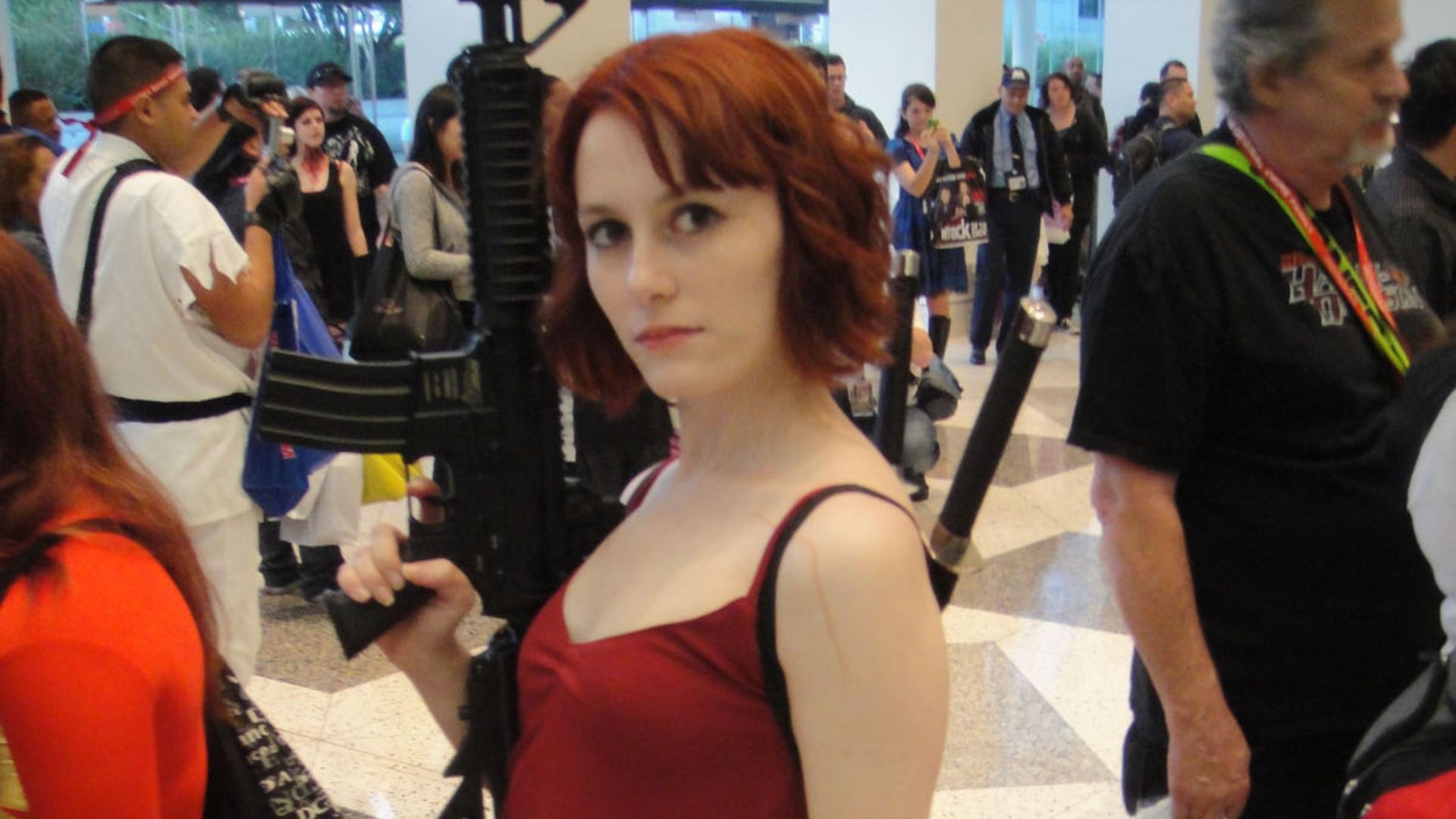
3. Resident Evil 6
The series continued moving toward action-oriented gameplay, pushing the formula much further than earlier entries had. Large-scale set pieces often overshadowed tension and horror. Although the game sold well initially, many players felt it had strayed too far from what made the franchise special.
 The Conmunity - Pop Culture Geek from Los Angeles, CA, USA on Wikimedia
4. Command & Conquer 4: Tiberian Twilight
This sequel introduced major structural changes that dramatically altered the established strategy formula. Traditional base building was largely removed, which surprised longtime fans. The new direction failed to gain widespread support and remains one of the series' most criticized entries.
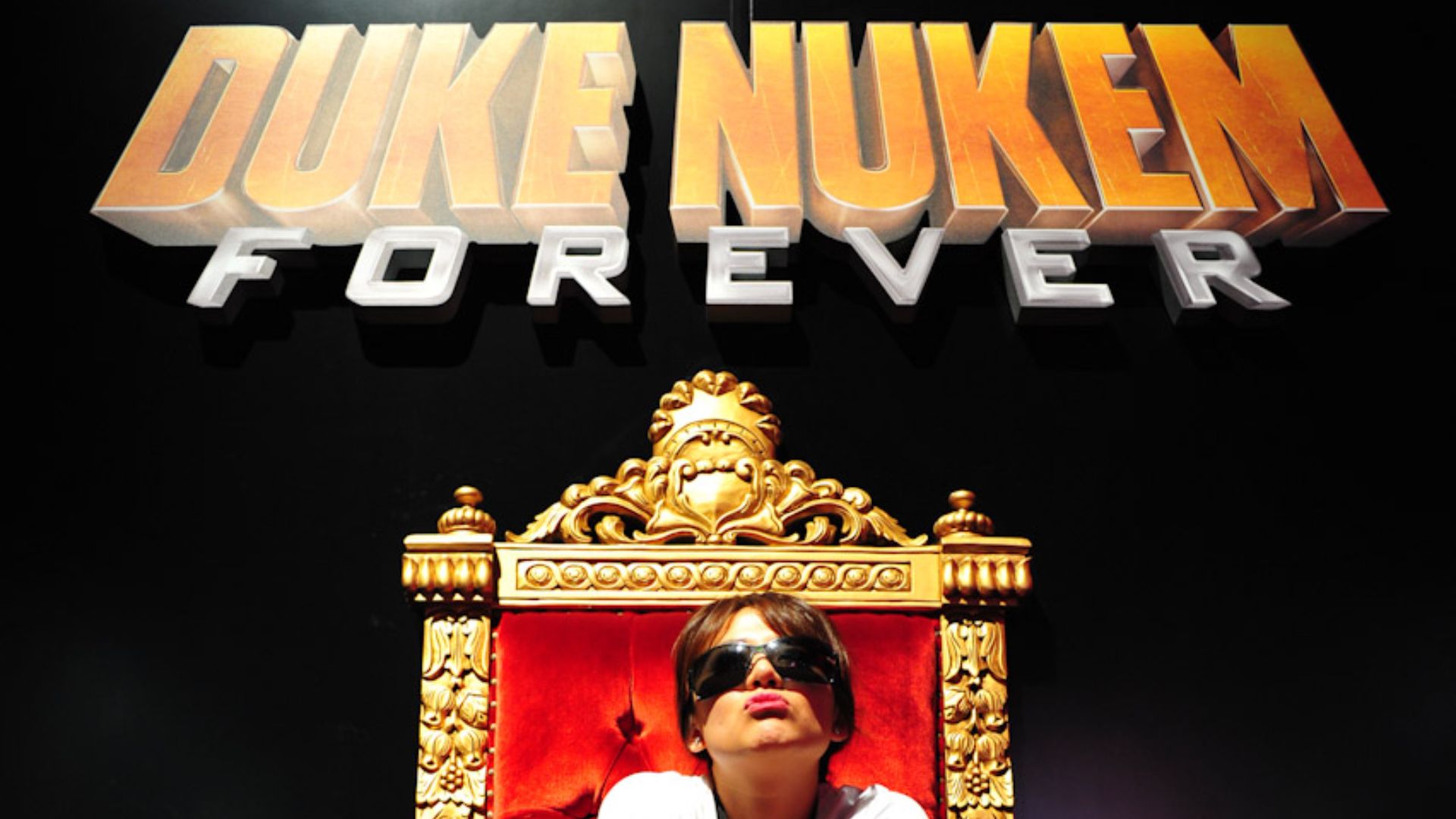
5. Duke Nukem Forever
After an extraordinarily long development cycle, expectations surrounding the game became enormous. The finished product relied heavily on outdated design choices that felt disconnected from contemporary standards.
 Eric Chan from Hollywood, United States on Wikimedia
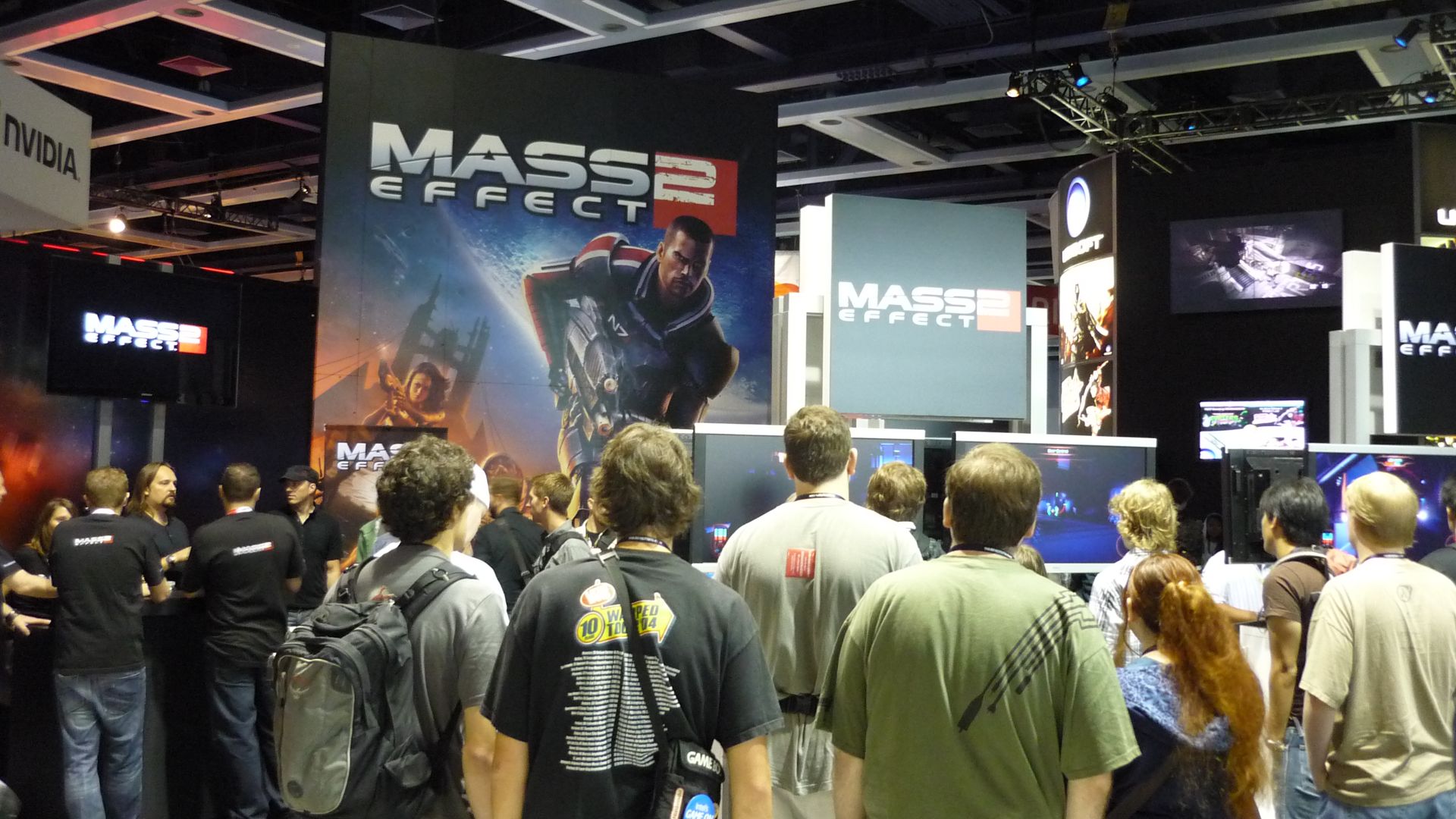
6. Mass Effect: Andromeda
Moving the franchise into a new galaxy offered exciting storytelling possibilities and represented a clear attempt to expand the universe. Unfortunately, technical issues and inconsistent writing overshadowed many of its strengths at launch.
 Alex from Calgary, Canada on Wikimedia
7. Star Fox Zero
The game attempted to innovate through extensive motion-based control systems. Many players struggled with the control scheme, finding it more frustrating than rewarding.
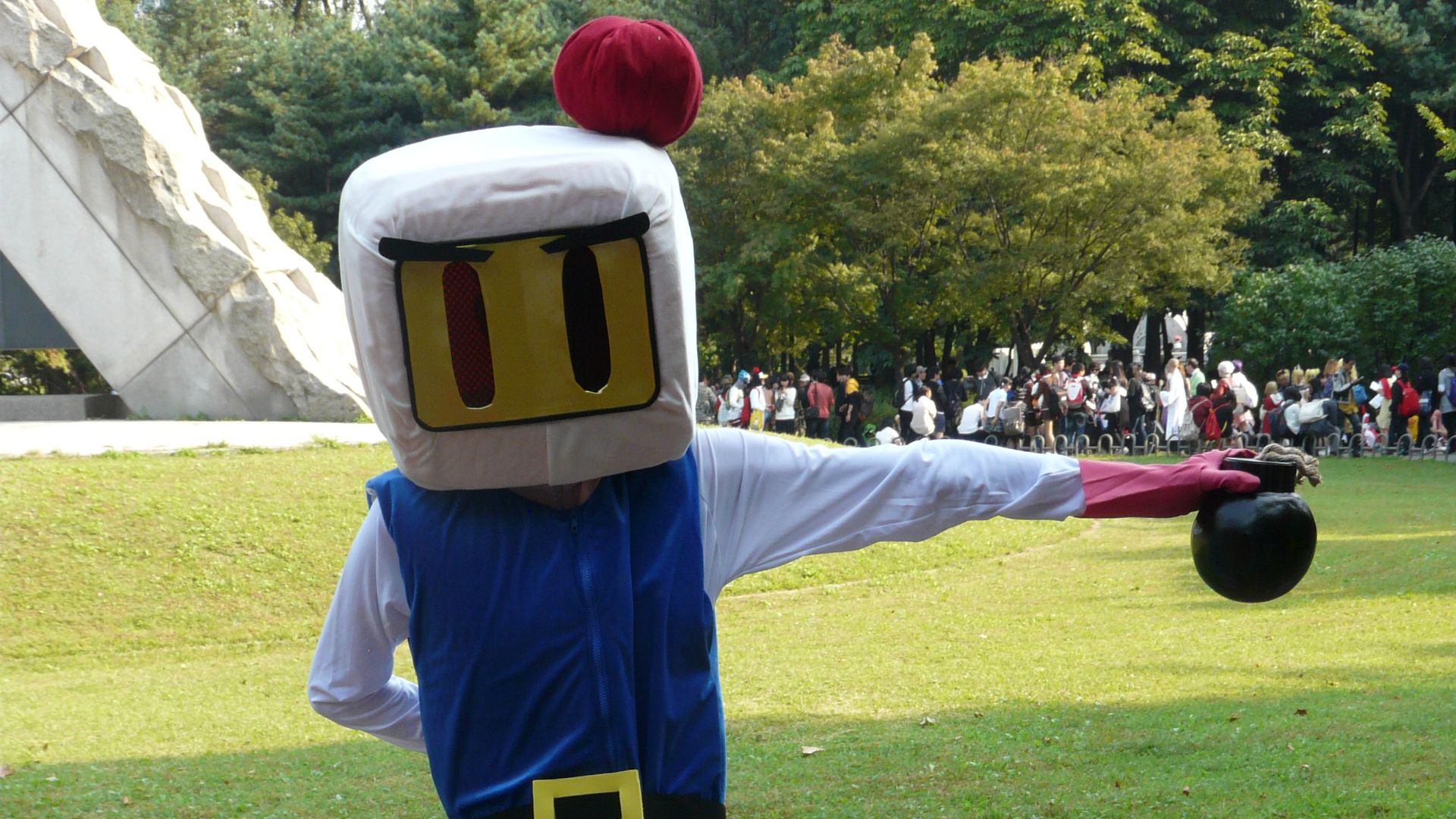
8. Bomberman: Act Zero
This sequel tried to reinvent a colorful and approachable franchise with a dark, futuristic aesthetic. The dramatic tonal shift felt disconnected from what fans associated with the series.
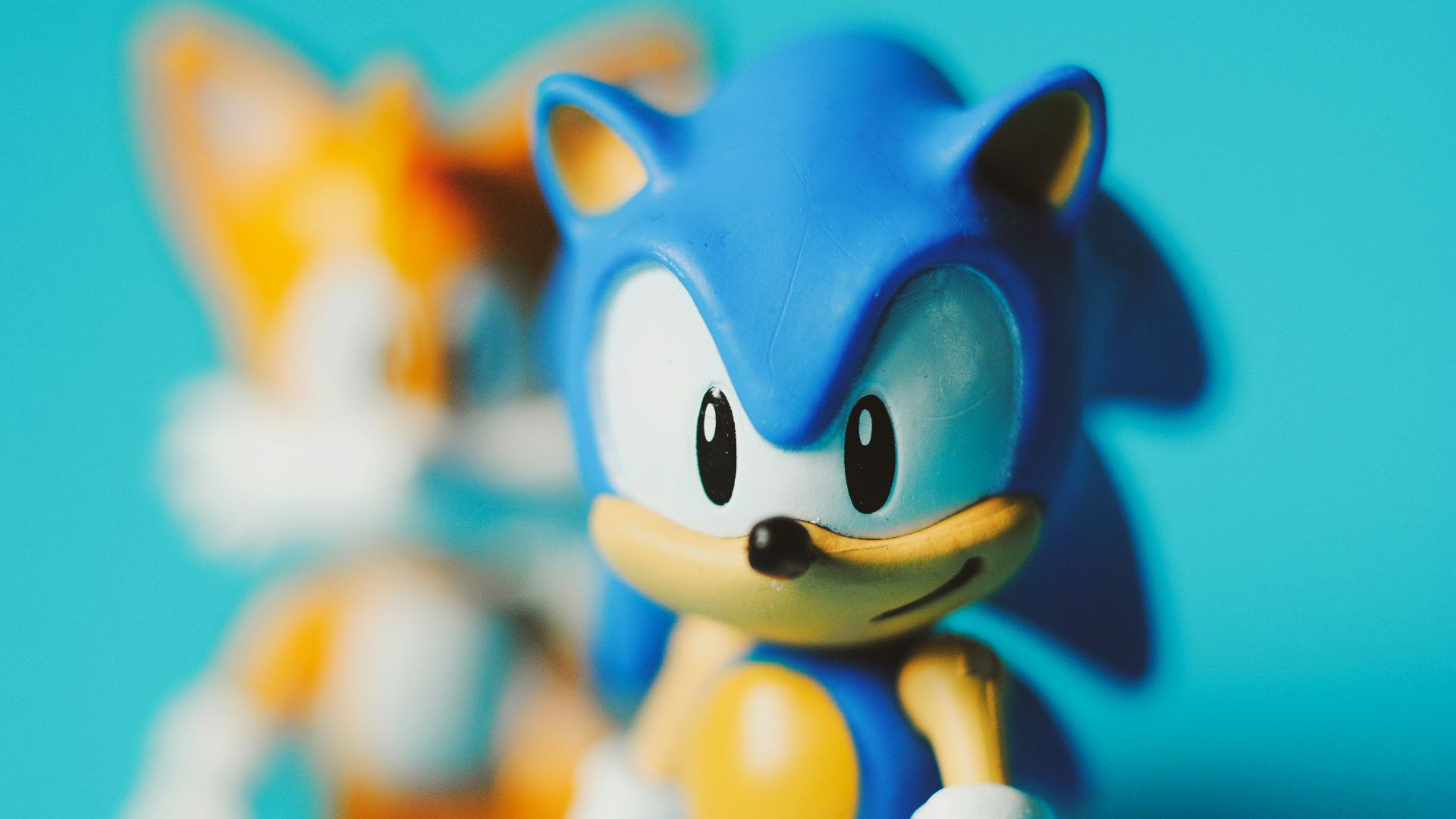
9. Sonic the Hedgehog (2006)
The goal was clearly ambitious, combining multiple playable characters, cinematic storytelling, and expanded gameplay systems. Unfortunately, technical problems and rushed development significantly affected the final product.
10. Dead Space 3
This installment expanded cooperative play and emphasized action much more heavily than previous entries. While those ideas may have appealed to some players, they reduced much of the isolation and tension that had defined the franchise.