Slow Starts, Lasting Success
Not every successful video game becomes a hit the moment it launches. Some titles arrive with little fanfare, modest sales, or mixed reception, only to gain momentum years later through updates, word of mouth, streaming communities, or changing player interests. These 20 games prove that a strong concept, ongoing support, or dedicated fan base can sometimes matter more than a spectacular debut.

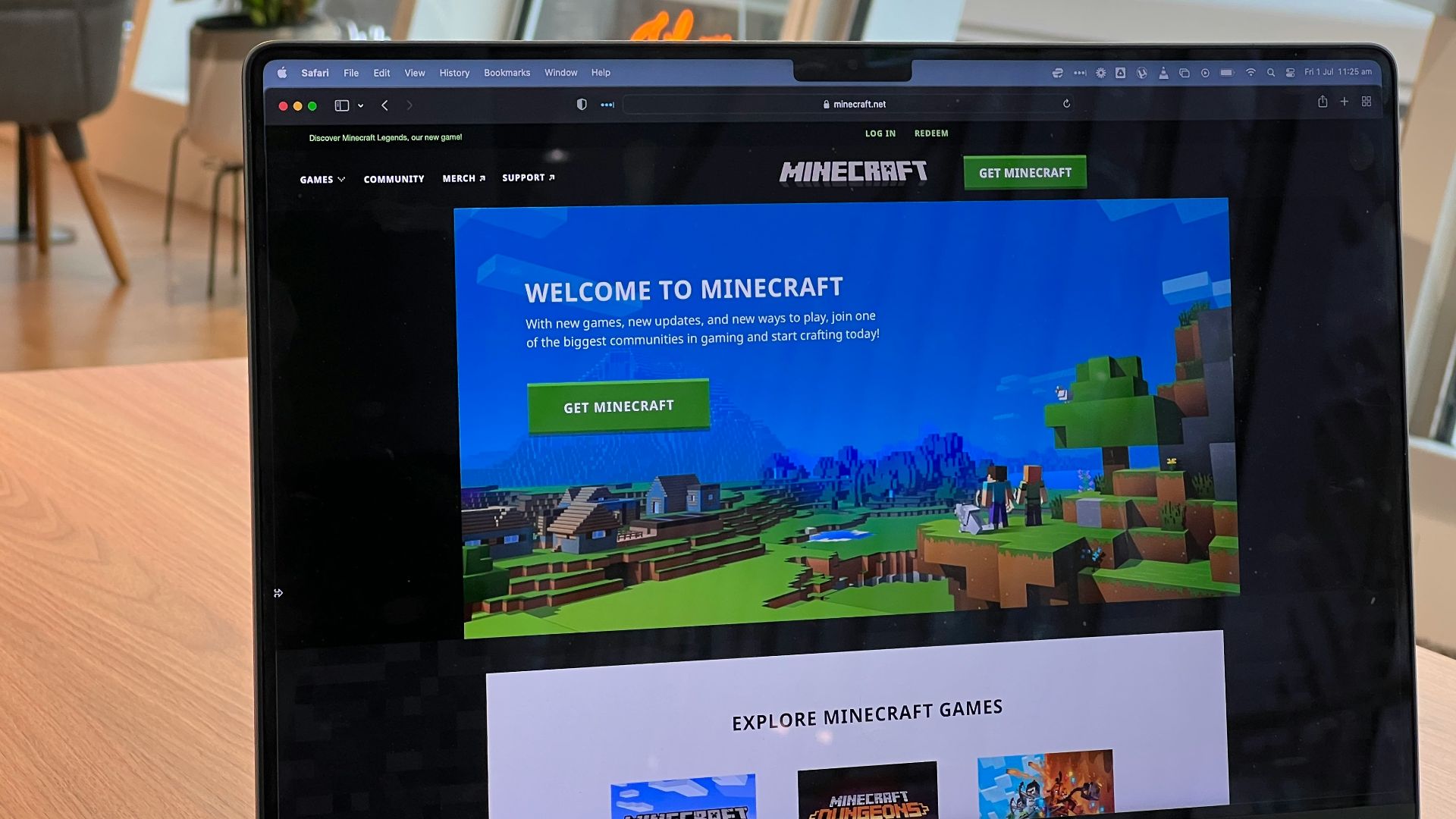
1. Minecraft
What began as a small independent project gradually grew into one of the most influential games ever made. Early players helped spread awareness through forums, videos, and community creations long before mainstream success arrived. Over time, continuous updates and endless creative possibilities transformed it into a global phenomenon.
 Oberon Copeland @veryinformed.com on Unsplash
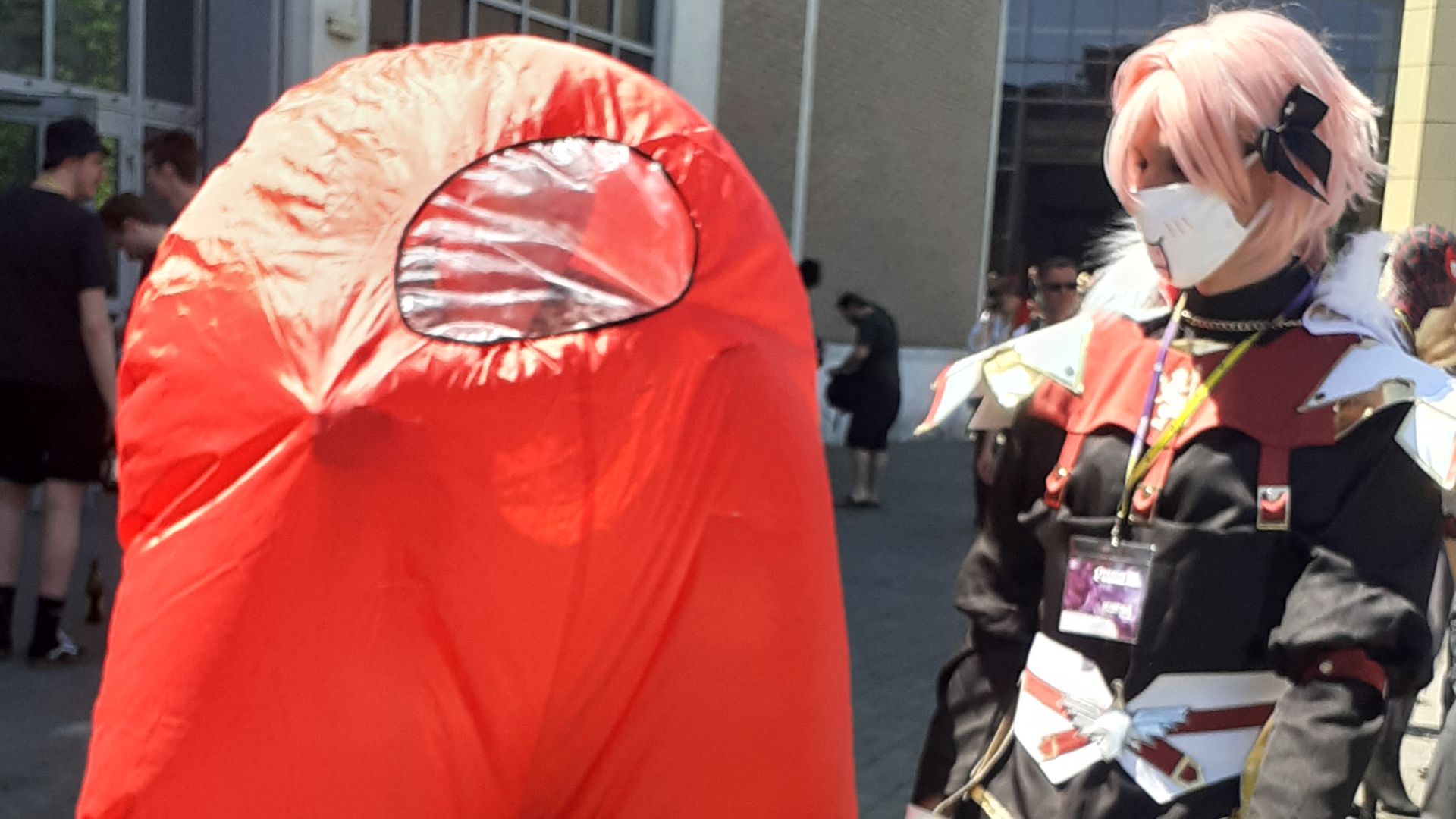
2. Among Us
For several years, this multiplayer title attracted only a modest audience. A sudden surge in popularity occurred after content creators and streamers introduced it to millions of viewers. Its simple social gameplay made it accessible to players who normally wouldn't participate in online gaming.
3. No Man's Sky
The initial release generated significant controversy due to missing features and unmet expectations. Rather than abandoning the project, the development team spent years expanding and improving the experience through free updates. The result was a dramatic turnaround that earned widespread praise and a much larger player base.

4. Stardew Valley
This farming simulation launched quietly compared to many major releases. Positive recommendations from players steadily increased its popularity as more people discovered its relaxing gameplay and impressive depth. Years later, it remains one of the most beloved independent games ever created.

5. Warframe
Building a large audience took time for this free-to-play title. Frequent updates, expanding content, and active developer engagement gradually attracted more players. Its long-term growth turned it into one of the gaming industry's most successful ongoing projects.

6. Rainbow Six Siege
Early reviews and player numbers were respectable but not extraordinary. Extensive post-launch support introduced new content, balance changes, and competitive features that strengthened the experience. The growing esports scene further helped expand its audience over the following years.

7. Terraria
Many initially viewed this release as a simple alternative to other popular sandbox games. As updates added new systems, bosses, and mechanics, the game developed its own distinct identity. Its community continued growing long after the original launch period ended.
 Nikita Kachanovsky on Unsplash
8. DayZ
Interest in large-scale survival experiences increased significantly after this title entered the market. Although technical issues affected its early years, the game's unique player interactions generated countless memorable stories. Word of mouth helped maintain interest while the player base steadily expanded.

9. Rust
The original version looked very different from the game players know today. Continuous redesigns and years of development transformed the experience into one of the most popular survival games available. Its unpredictable player encounters became a major attraction.

10. Final Fantasy XIV
Few games have experienced a comeback as dramatic as this one. Following a poorly received launch, the project was rebuilt and relaunched with major improvements. The renewed version eventually became one of the most successful online role-playing games in the world.

11. Project Zomboid
Development progressed gradually over many years, allowing the game to evolve significantly from its earliest versions. Dedicated fans continued recommending it as new systems and features were added. Interest accelerated as survival gameplay became increasingly popular with broader audiences.

12. Deep Rock Galactic
Strong cooperative gameplay helped this title earn a loyal following over time. Positive community experiences encouraged existing players to recruit friends into the game. Consistent updates and a welcoming player culture supported steady long-term growth.

13. Path of Exile
The action role-playing genre already featured established competition when this game launched. Detailed character customization and frequent content expansions eventually helped it stand out. Its reputation grew steadily as players searched for increasingly complex gameplay systems.

14. Sea of Thieves
The launch version offered a solid foundation but limited content compared to later years. Ongoing additions expanded the available activities and improved the overall experience considerably. As more features arrived, player numbers increased, and community engagement strengthened.

15. Euro Truck Simulator 2
Driving cargo across virtual highways may not sound like a recipe for massive success. However, relaxing gameplay, strong community support, and extensive modifications attracted a surprisingly dedicated audience. Its popularity continued growing well beyond its original release window.

16. The Witcher 3: Wild Hunt
Although successful from the beginning, its reputation continued to expand dramatically over the following years. Expansions, awards, and widespread recommendations introduced new players long after launch. A later surge in interest brought another wave of fans to the already popular title.

17. Phasmophobia
Early access provided a foundation for a growing community rather than immediate mainstream success. Cooperative horror gameplay created memorable moments that worked especially well on streaming platforms. Increased visibility helped the audience expand rapidly over time.

18. Valheim
The survival genre was already crowded when this game appeared. Strong word of mouth and positive player experiences quickly elevated its profile, while ongoing development maintained interest. Its community remained active long after the initial excitement faded.

19. Team Fortress 2
Player numbers grew significantly as updates expanded the game's content and personality. New modes, cosmetics, and community involvement helped keep interest alive for years. Its influence remained visible across multiplayer gaming long after release.

20. Cyberpunk 2077
Technical problems overshadowed many of the game's strengths during its launch period. Extensive patches, major updates, and additional content gradually improved public perception. Years later, many players discovered a significantly different experience that helped fuel a resurgence in popularity.