10 Zelda Games That Deserve a Remake & 10 That Are Perfect As They Are
Some Adventures Deserve Another Chance
Few video game franchises have stayed as popular as The Legend of Zelda, which has been entertaining players for four decades. From its earliest pixelated adventures to massive open-world experiences, Nintendo has always found new ways to make exploring Hyrule exciting. However, while some Zelda games have aged remarkably well, others could benefit from better graphics, smoother controls, and a few modern conveniences. Here are 10 Zelda games we'd love to see completely remade, followed by 10 that are already so good we'd prefer Nintendo leave them alone.
 Francisco Gonzalez Romanelli on Unsplash
1. Zelda II: The Adventure of Link
Nintendo's second Zelda game took some interesting risks, introducing side-scrolling combat, experience points, and a surprisingly brutal difficulty level. Unfortunately, its confusing progression and unforgiving enemies have made it one of the franchise's more divisive entries. A modern remake could polish the combat, offer clearer guidance, and finally let players appreciate its unusual ideas without quite so much frustration.

2. The Legend of Zelda: Oracle of Ages
Originally released for the Game Boy Color, Oracle of Ages featured some incredibly clever puzzles centered around traveling between different periods. Its time-manipulation mechanics are still impressive, although the hardware limitations meant players had to deal with constant item switching and fairly basic visuals. Modernizing it could introduce a whole new generation of players to one of Zelda's most overlooked adventures.
3. The Legend of Zelda: Oracle of Seasons
While its companion game focused primarily on puzzles, Oracle of Seasons put greater emphasis on combat and environmental changes. Switching between seasons to reach different areas was a fantastic idea that could be even more enjoyable with updated graphics and expanded environments. Nintendo could even remake both Oracle games together, keeping their interconnected storylines intact while making the linking process much simpler.
4. The Legend of Zelda: The Minish Cap
There's plenty to love about The Minish Cap, especially its ability to shrink Link down and explore the world from a completely different perspective. However, the Game Boy Advance's hardware limitations restricted just how detailed those miniature environments could be. A full remake could bring the tiny villages to life, introduce more ways to interact with the environment, and make an already imaginative adventure even better.
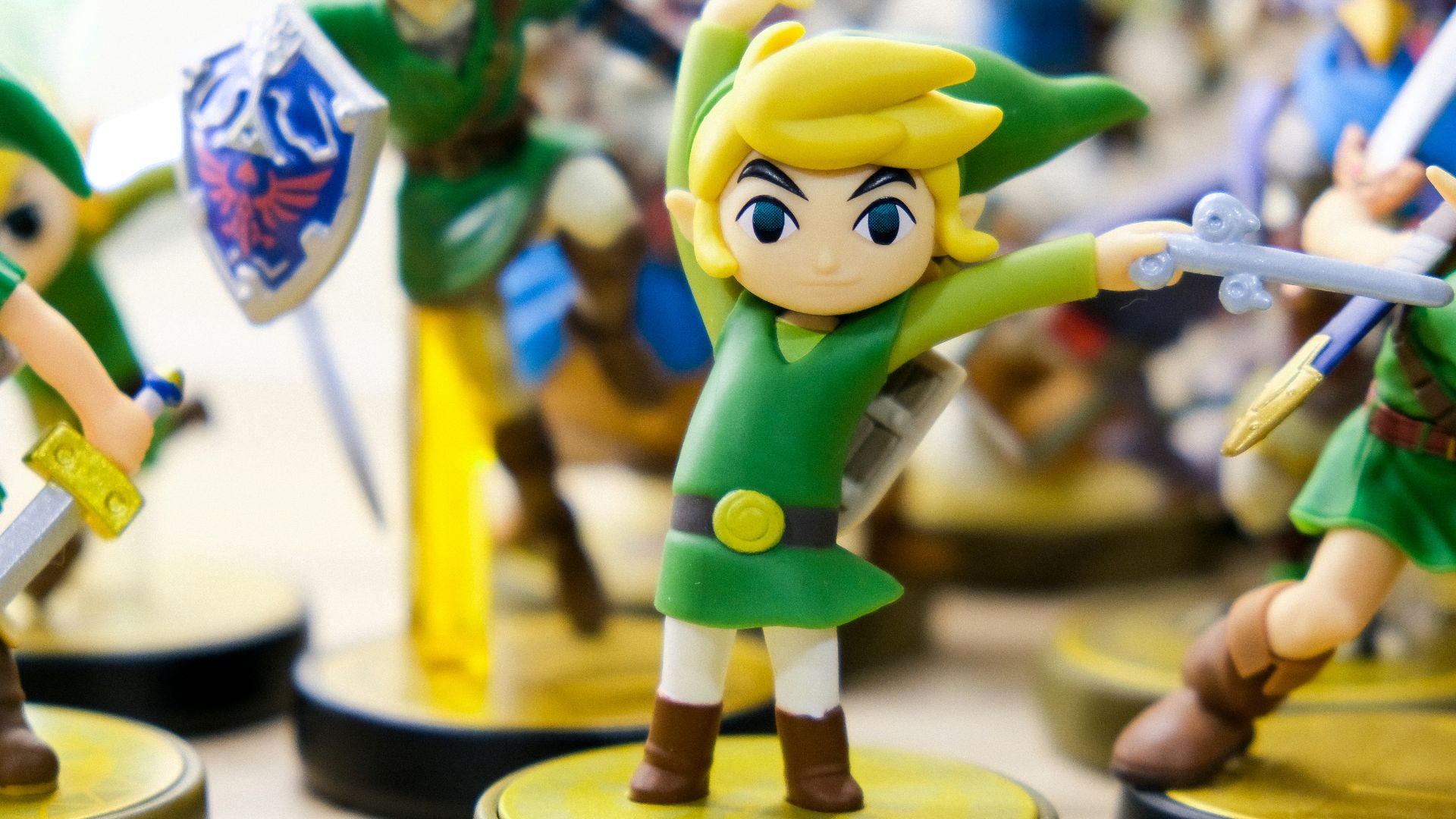
5. The Legend of Zelda: Phantom Hourglass
Following the events of The Wind Waker, Phantom Hourglass brought Link's nautical adventures to the Nintendo DS with an unusual touchscreen-based control scheme. Although the gameplay had some creative ideas, having to rely almost entirely on the stylus wasn't everyone's cup of tea. A remake with traditional controls, better sailing mechanics, and a less repetitive Temple of the Ocean King could make this adventure much more enjoyable.
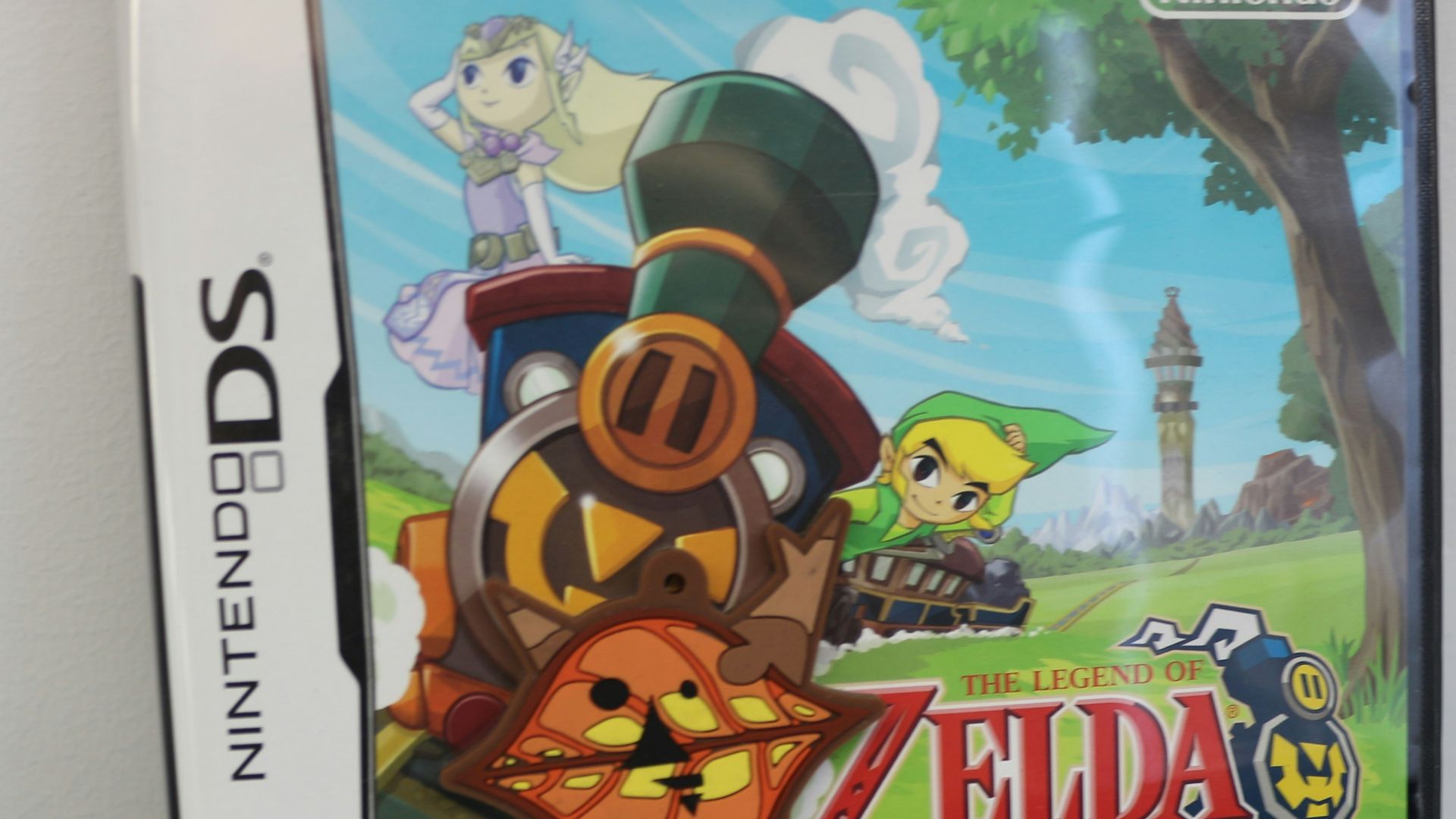
6. The Legend of Zelda: Spirit Tracks
Traveling across Hyrule by train might seem like an odd choice for a Zelda game, but Spirit Tracks made the concept surprisingly entertaining. Unfortunately, its touchscreen movement and microphone-based flute sequences could get annoying, especially when the hardware refused to cooperate. Updating those controls while expanding the railway system could give this underappreciated Nintendo DS title the second chance it deserves.
7. The Legend of Zelda: Four Swords
Originally bundled with the Game Boy Advance version of A Link to the Past, Four Swords introduced cooperative multiplayer featuring up to four versions of Link. The biggest problem was how difficult it could be to arrange a multiplayer session, particularly when everyone needed the right hardware. A remake featuring easy online matchmaking, expanded levels, and an optional solo mode would make its cooperative gameplay far more accessible.

8. The Legend of Zelda: Four Swords Adventures
The GameCube's Four Swords Adventures delivered an entertaining mix of cooperative puzzles, competitive elements, and classic Zelda combat. Unfortunately, experiencing its full multiplayer potential required Game Boy Advance systems and link cables, which wasn't exactly convenient. A modern remake could get rid of those hardware requirements altogether while adding online multiplayer and some fresh cooperative challenges.

9. The Legend of Zelda: Tri Force Heroes
Fashion played a surprisingly important role in Tri Force Heroes, where three players worked together while wearing costumes that provided different abilities. Unfortunately, its dependence on cooperative gameplay made certain puzzles frustrating when playing alone, and finding a reliable group wasn't always easy. A remake could add smarter AI companions, improved online features, and more varied challenges while keeping the game's wonderfully strange personality.
10. The Legend of Zelda
The original Legend of Zelda deserves enormous credit for introducing the series' focus on exploration, hidden secrets, and player freedom. However, its lack of guidance, repetitive environments, and sometimes confusing progression can make revisiting it a challenge for modern players. A complete remake could retain the original overworld and dungeon layouts while adding clearer navigation, more recognizable environments, and smoother combat.
Now that we've talked about the Zelda games that would benefit from a remake, let's cover the ones that are perfect the way they are.
1. The Legend of Zelda: A Link to the Past
Despite arriving on the Super Nintendo more than three decades ago, A Link to the Past remains one of the series' most satisfying adventures. Its beautiful pixel art, memorable dungeons, and clever Light World and Dark World mechanics still hold up incredibly well. A visual remake might be interesting, but there's something especially satisfying about how well the original delivers everything it promises.

2. The Legend of Zelda: Skyward Sword HD
Although Skyward Sword initially received mixed reactions for its motion controls and relatively linear progression, its Nintendo Switch remaster addressed several of the original's biggest frustrations. Players can now choose between traditional button controls and motion-based swordplay, while improved graphics and smoother performance make the adventure much more enjoyable. With its memorable dungeons, excellent soundtrack, and important place in Zelda's timeline, Skyward Sword HD already offers a polished experience that doesn't need another complete makeover.
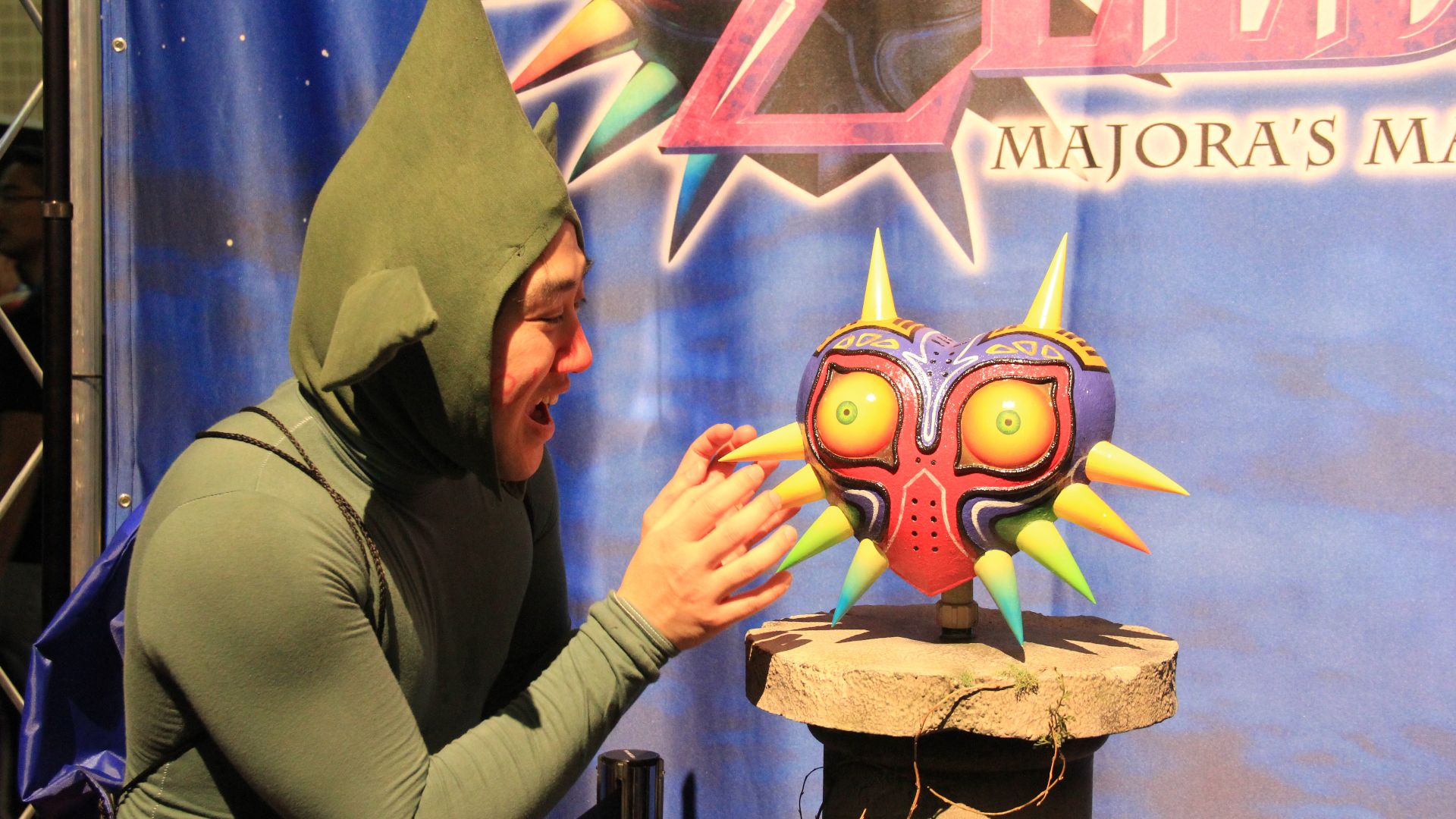
3. The Legend of Zelda: Majora's Mask
Between its unsettling atmosphere and unusual three-day cycle, Majora's Mask remains one of Nintendo's most distinctive games. Nearly every important character follows a schedule, and uncovering their personal stories makes Termina feel remarkably alive for a game released in 2000. The Nintendo 3DS version offered a more modern alternative, but the original's atmosphere and carefully designed gameplay are still more than capable of standing on their own.
4. The Legend of Zelda: The Wind Waker
Some players weren't particularly happy with The Wind Waker's cartoonish appearance when it first arrived, but its cel-shaded graphics have aged beautifully. Sailing between islands, hunting for hidden treasures, and exploring its colorful world are still incredibly enjoyable. The Wii U HD remaster also fixed several frustrating aspects of the original, leaving little reason to make major changes to an adventure that's already so visually appealing.
5. The Legend of Zelda: Twilight Princess
If you prefer a darker version of Hyrule, Twilight Princess delivers an excellent combination of memorable dungeons, atmospheric locations, and classic Zelda gameplay. Its transformation mechanic also adds some interesting challenges, letting Link explore certain areas in his wolf form. While the opening hours can drag a little, the existing HD remaster already provides an updated experience, making a full remake difficult to justify.

6. The Legend of Zelda: Link's Awakening
Nintendo's 2019 remake of Link's Awakening showed exactly how a classic Zelda adventure could be brought up to date without sacrificing its original charm. Its miniature-inspired graphics suit the unusual setting perfectly, while improved controls make exploring Koholint Island a much smoother experience. Apart from a few occasional performance issues, there's really no need for Nintendo to remake this particular adventure again.

7. The Legend of Zelda: A Link Between Worlds
Revisiting a familiar version of Hyrule could've made A Link Between Worlds feel like an exercise in nostalgia, but its creative mechanics helped it establish its own identity. Link's ability to merge into walls created some wonderfully clever puzzles, while the item rental system offered far more freedom than earlier games. Its vibrant visuals and excellent pacing still make it a pleasure to play, so a complete remake would feel unnecessary.

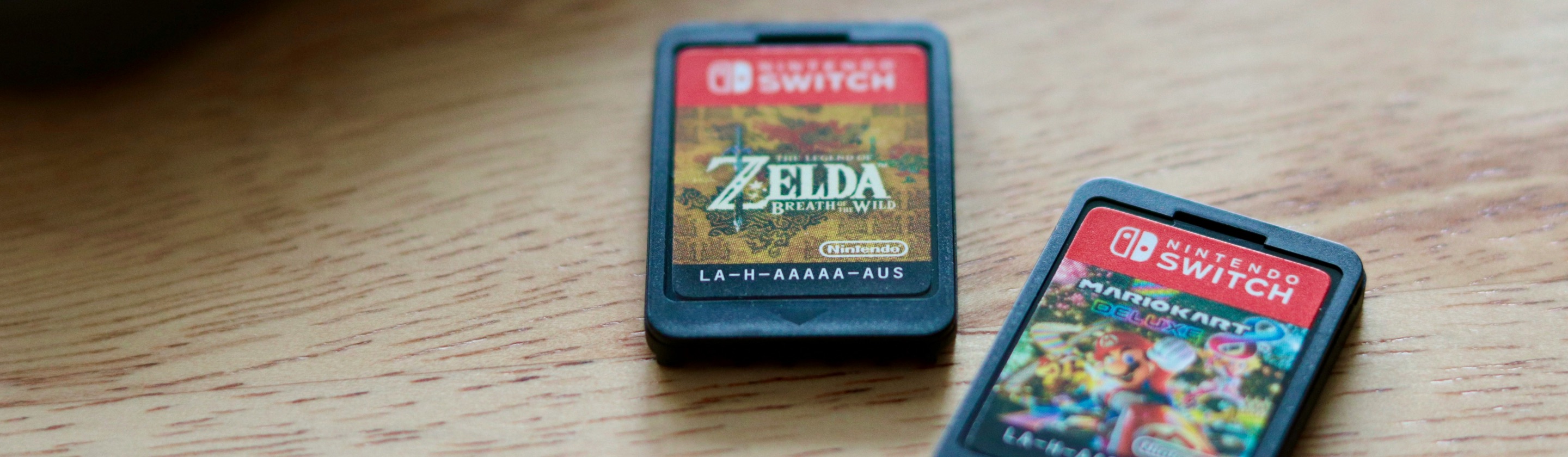
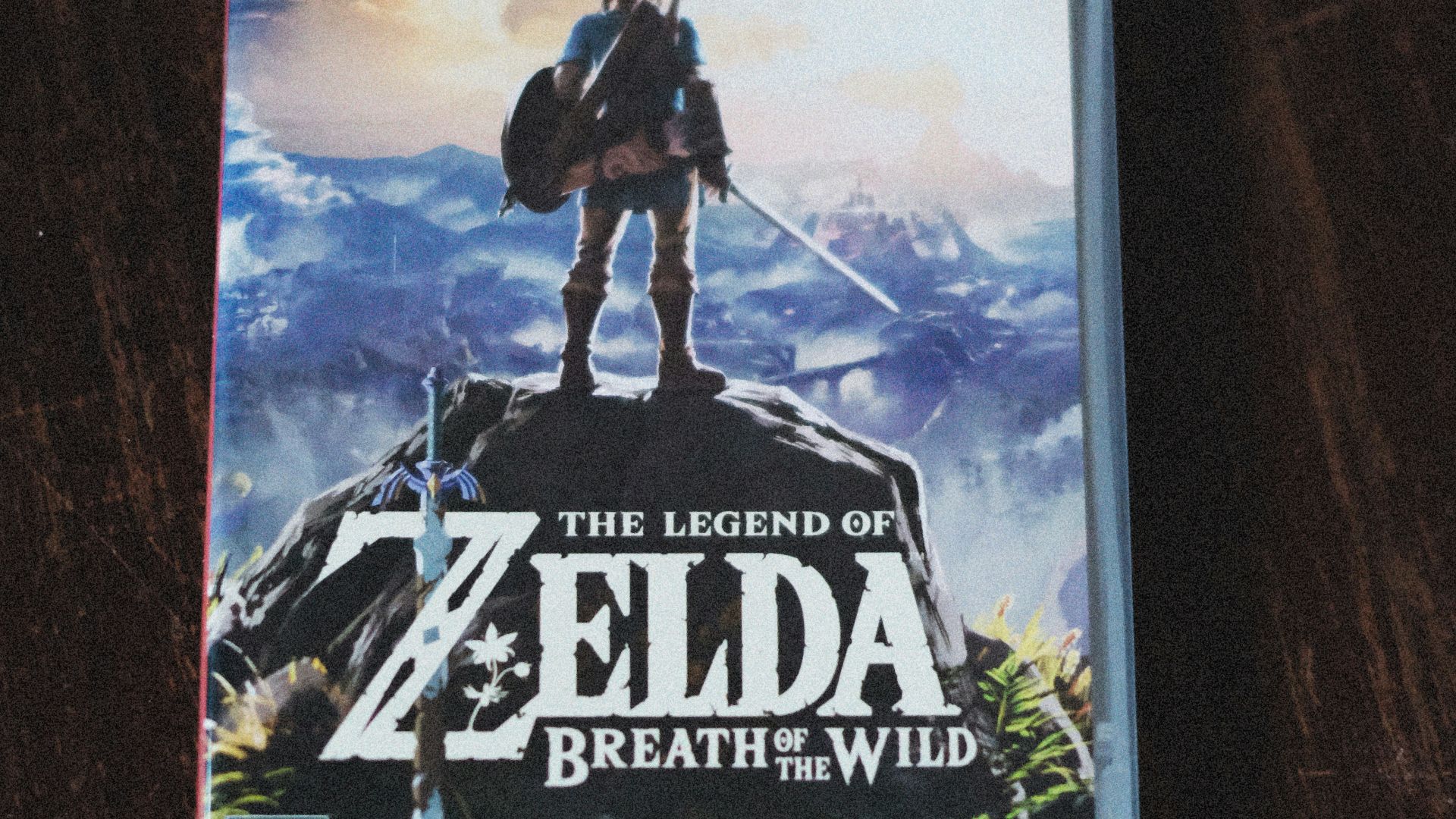
8. The Legend of Zelda: Breath of the Wild
When Breath of the Wild arrived, it completely changed what many players expected from a Zelda game. Its enormous open world rewarded curiosity and experimentation, letting you tackle objectives in almost any order while discovering all sorts of unexpected interactions. Some fans still miss the traditional dungeons, but its exploration mechanics and distinctive art style are already excellent without any major changes.
9. The Legend of Zelda: Tears of the Kingdom
Instead of simply repeating what worked in its predecessor, Tears of the Kingdom introduced an incredible range of new abilities and creative opportunities. Building vehicles, experimenting with Ultrahand, and exploring Hyrule's skies and underground regions offer an impressive amount of variety. There's already so much freedom to experiment that it's hard to imagine what a complete remake could substantially improve.
10. The Legend of Zelda: Echoes of Wisdom
Finally giving players the chance to control Princess Zelda in a mainline adventure was an exciting change, especially since Echoes of Wisdom introduced a completely different way to approach challenges. Rather than depending primarily on sword combat, players can summon copies of objects and enemies to overcome obstacles and defeat opponents. Its charming visuals and inventive gameplay already work wonderfully together, making this one Zelda adventure we'd happily leave exactly as it is.