10 Video Game Franchises That Peaked Early & 10 That Improved Over Time
When a Series Hits Its Best Years Too Soon or Takes Time To Figure Itself Out
Not every video game franchise follows the same path. Some come out swinging with their strongest entries early, then spend years trying to recapture that spark, while others need a few rough installments before they finally lock in and become something special. Here are 10 games that peaked early and 10 that took time to find their stride.
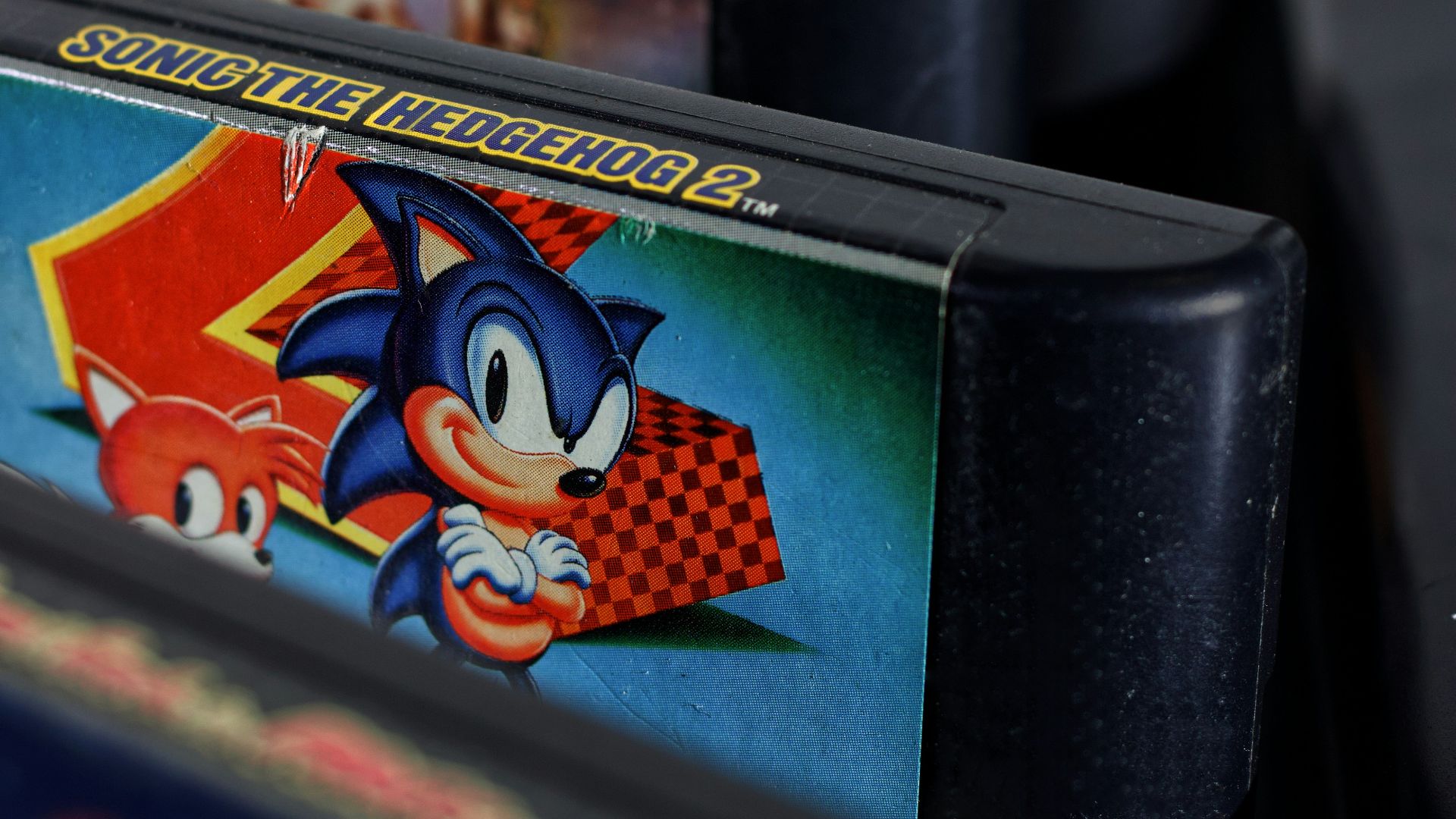
1. Sonic the Hedgehog
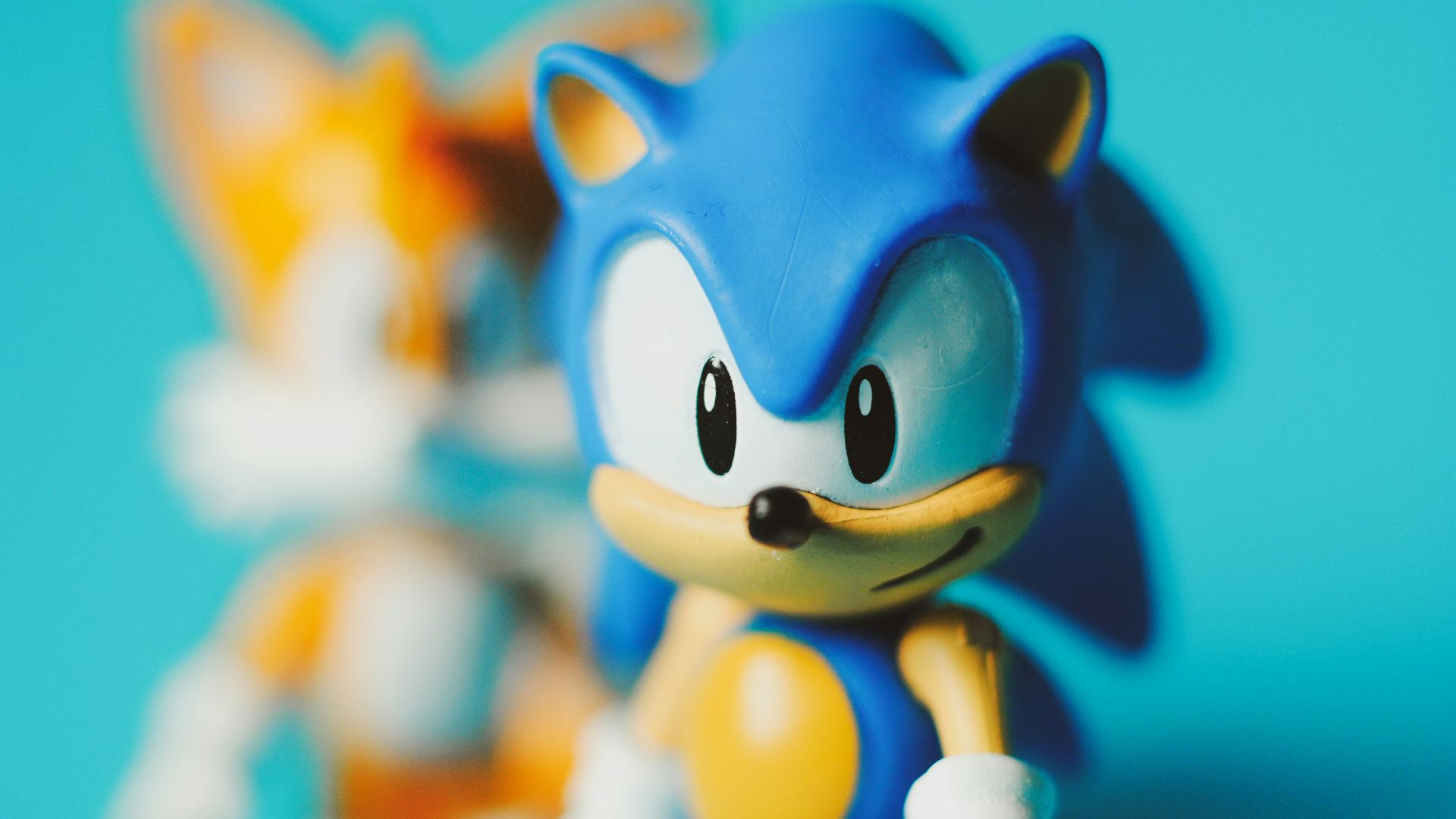
Sonic came out of the gate with huge momentum, and a lot of fans still think the early Genesis era was the high point. Those first games had speed, attitude, and a clear identity that made the series feel fresh right away. Sonic has spent decades chasing the same magic people felt in those earlier hits. When a franchise becomes known for trying to rediscover itself, that's usually a sign it peaked fast.
2. Halo
The original Halo games set an enormous standard for console shooters, especially during the Bungie years. Halo 2 and Halo 3 felt like major events, and the series had a confidence that made each release feel essential. Later games weren't without value, but for many players, the cultural grip just wasn't the same once that original run ended.
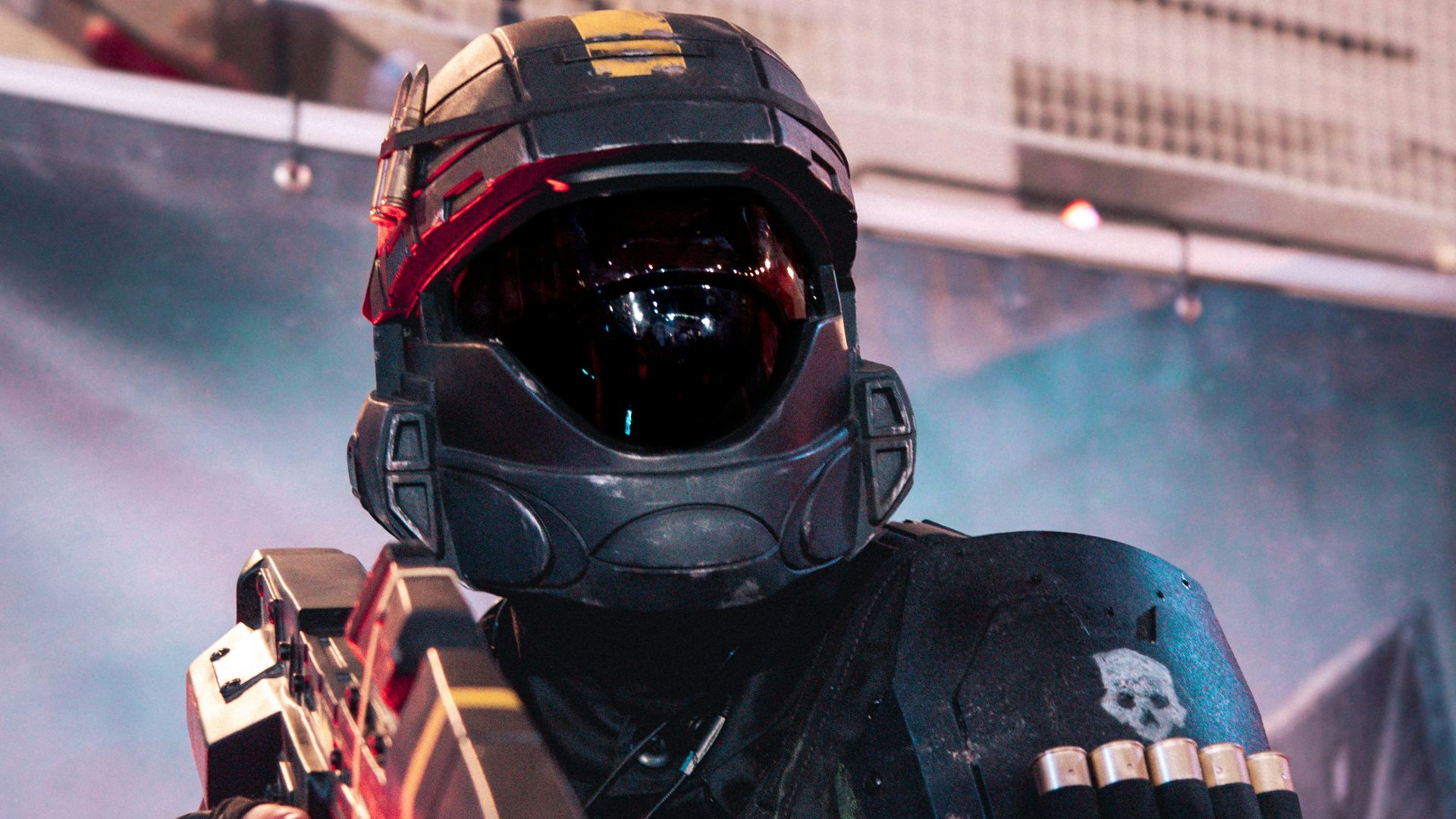 Caroline Eymond Laritaz on Unsplash
3. Silent Hill
Silent Hill made its strongest impression early by leaning into atmosphere, dread, and psychological horror in a way very few games matched. Silent Hill 2 in particular became the kind of game that every later entry had to answer to, whether it wanted to or not. After that, the franchise struggled to consistently reach the same level of emotional and creative impact.

4. Tony Hawk's Pro Skater
There was a stretch when Tony Hawk's Pro Skater felt basically untouchable. The early games were fast, stylish, and endlessly replayable, and each sequel seemed to understand exactly what players wanted. Then the formula started to wear thin, gimmicks crept in, and the franchise lost the clean arcade energy that made it so easy to love. Once a series starts overcomplicating something that used to feel effortless, the drop-off gets hard to ignore.
5. Dragon Age
Dragon Age: Origins made a massive impression by blending deep role-playing systems with a rich fantasy world that felt immediately lived-in. Some later entries found their own fans, but the series never fully escaped the sense that its first installment had a particular kind of depth people kept missing. Changes in tone, combat, and structure made the franchise feel less consistent over time.
 Electronic Arts, Bioware on Wikimedia
6. Dead Space
The first Dead Space arrived with a very clear vision, and it nailed that mix of isolation, horror, and tight design almost immediately. Dead Space 2 remained strong, but by the third game, the franchise had drifted into a more action-heavy space that didn't land the same way for a lot of people. What made the original stand out was how focused and uncomfortable it felt. Once that edge softened, the series lost some of what made it so memorable.
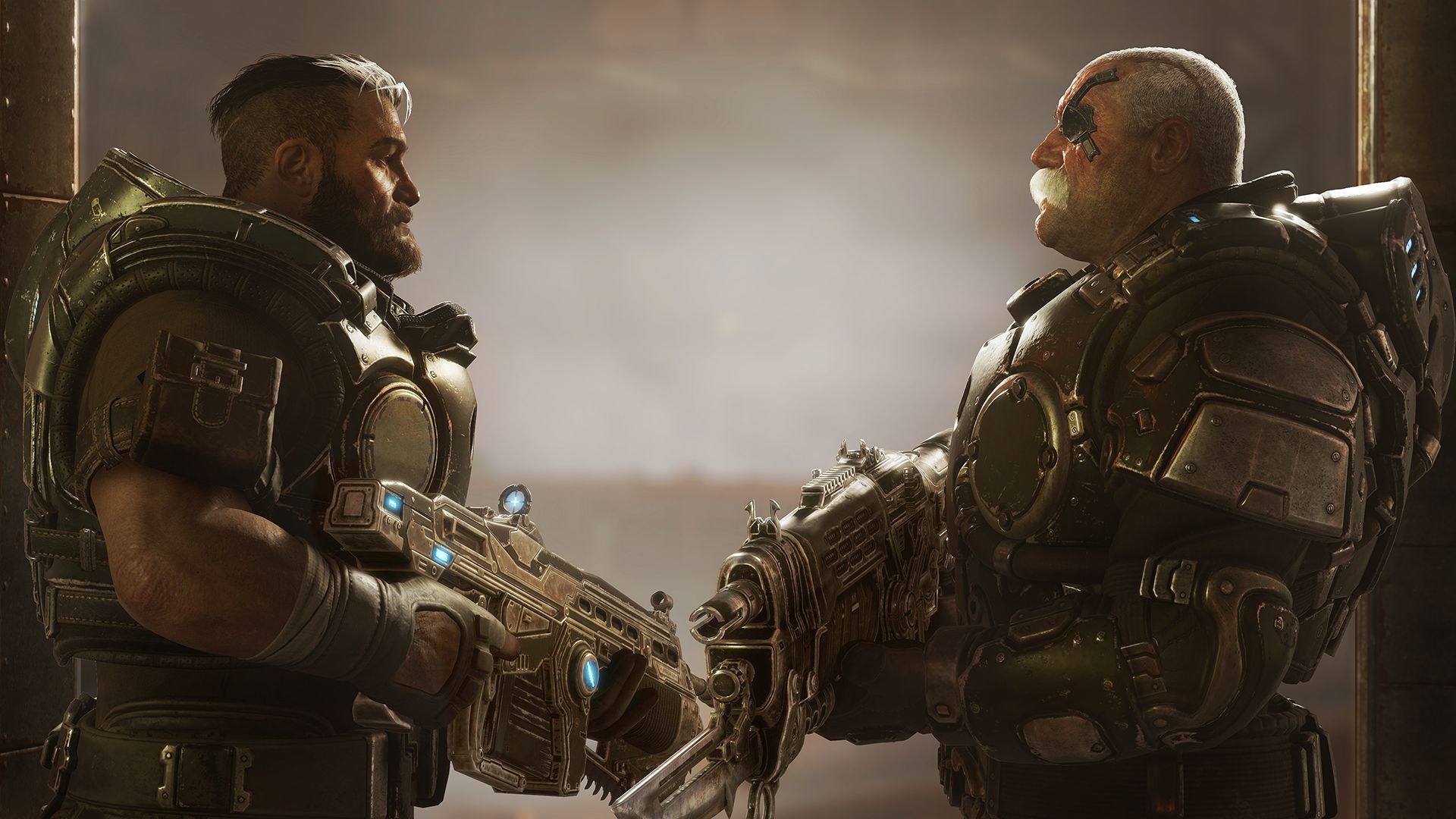
7. Gears of War
Gears of War was huge right out of the gate, and the early trilogy defined its identity in a way later games haven't quite matched. It had the right mix of chunky combat, memorable set pieces, and multiplayer appeal during its first wave. Later entries were polished, but they often felt more like extensions of an established formula than new high points.
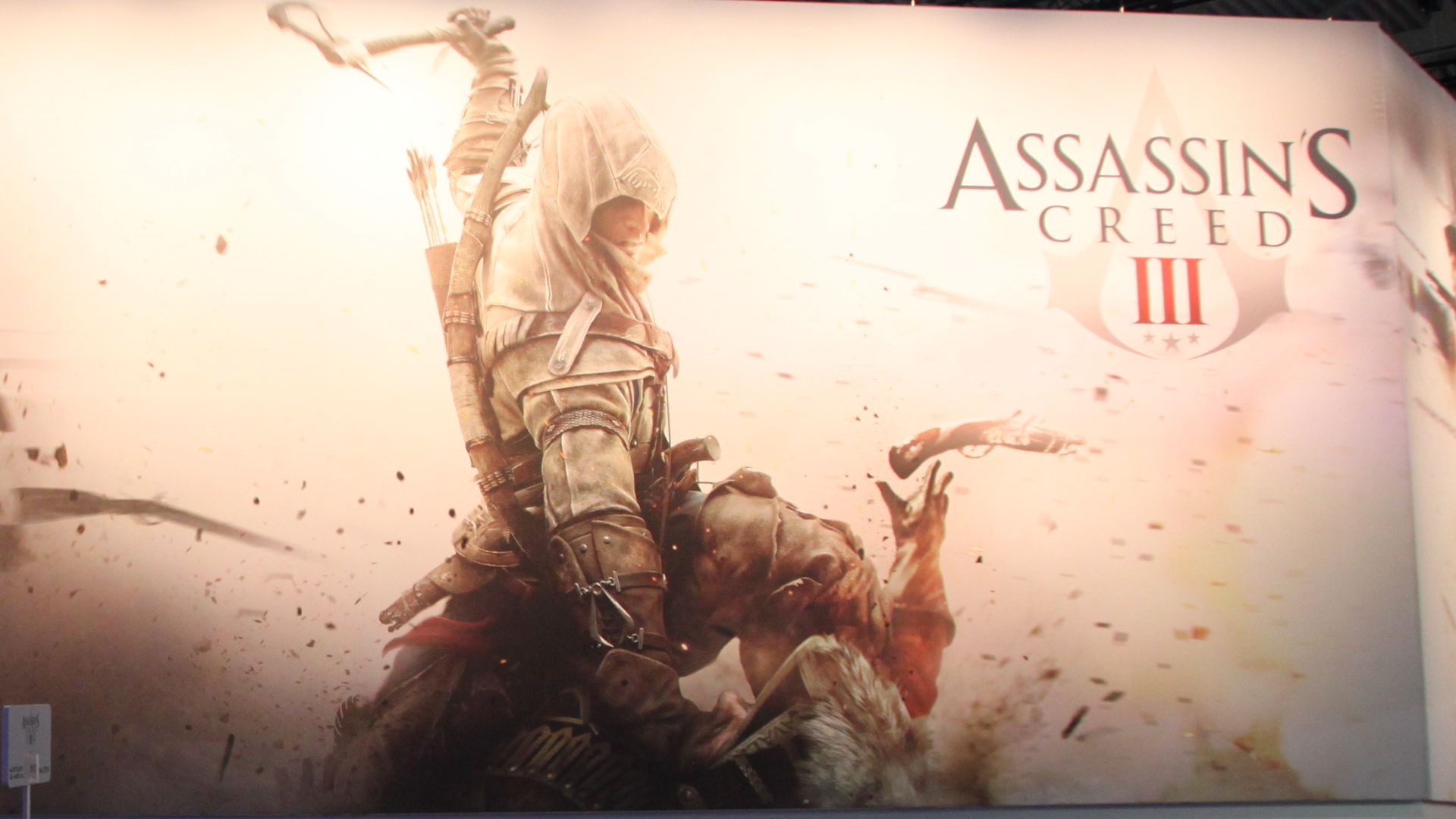
8. Assassin's Creed
The early Assassin's Creed games built a powerful identity around historical stealth, conspiracy, and that first big open-world thrill. A lot of fans still point to the Ezio era as the point where the series felt most coherent and emotionally engaging. Over time, the franchise expanded in so many directions that it started to feel less distinctive, even when individual games were impressive.
9. Far Cry
Far Cry had later successes, but many players still feel the franchise found its groove surprisingly early and has mostly been remixing that strength ever since. Far Cry 3 especially cast a long shadow, because it delivered the kind of open-world chaos and villain energy the series kept chasing after. Since then, the games have often felt familiar in a way that's fun but not especially surprising.

10. Mass Effect
Mass Effect built one of gaming's most beloved sci-fi worlds in its original trilogy, and for a lot of players, that first run remains unmatched. Even with debate around the ending, those games had a momentum and cast investment that made the series feel special early on. Later attempts to continue the franchise didn't capture the same level of excitement or attachment.

Now that we've talked about the game franchises that peaked early, let's cover the ones that took time to develop into something truly special.
1. Yakuza / Like a Dragon
The early Yakuza games had plenty of charm, but the franchise became far more confident as it went along. Later entries sharpened the writing, expanded the side content, and figured out how to balance serious crime drama with complete nonsense. By the time the series hit Yakuza 0 and then reinvented itself again with Like a Dragon, it felt like it had fully grown into its identity.

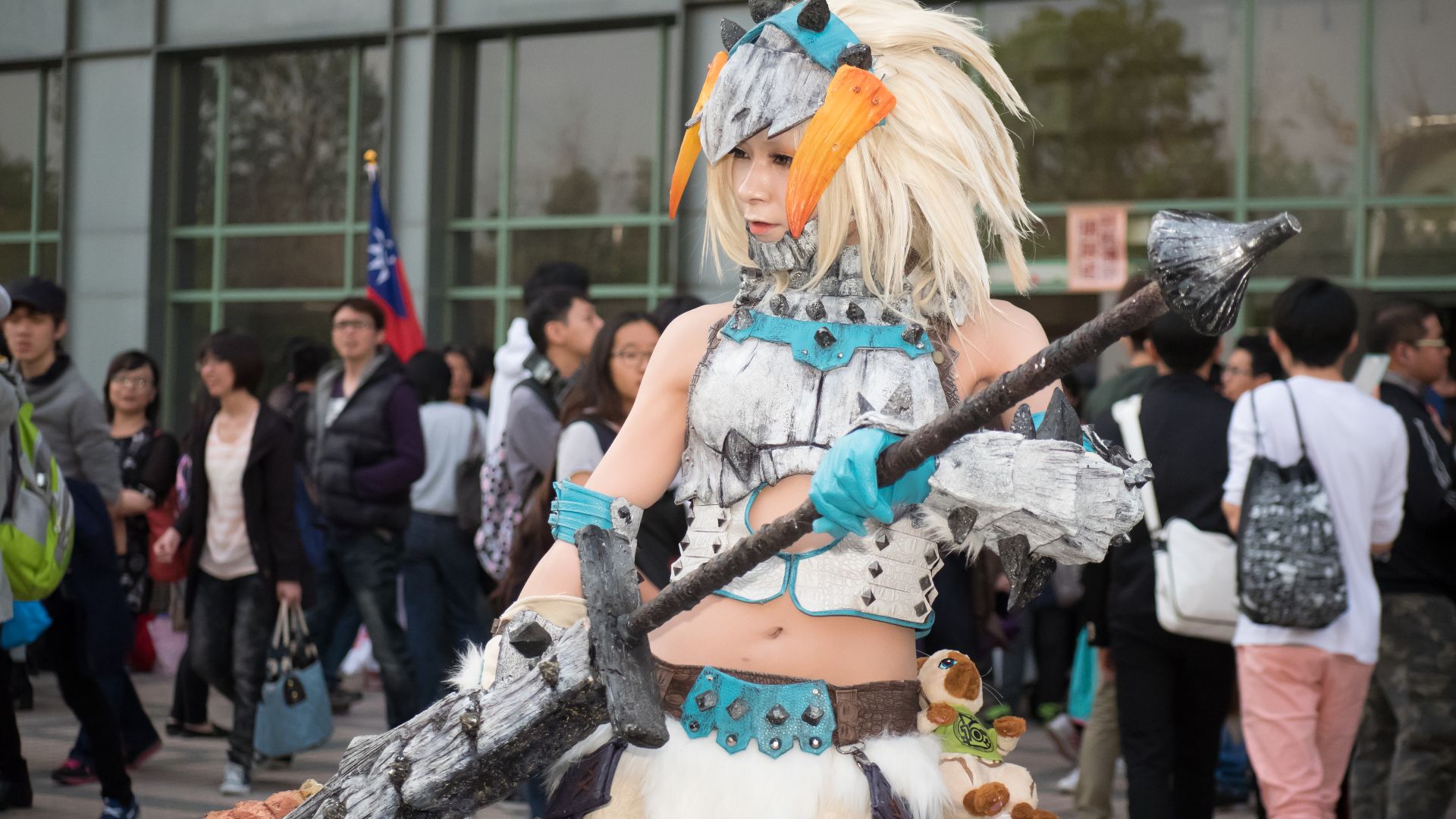
2. Monster Hunter
Monster Hunter was always doing something interesting, but it took a while before the series became broadly approachable without losing its depth. Earlier games could feel clunky, demanding, and a little hostile to newcomers, even when the core ideas were excellent. Then entries like Monster Hunter World made the experience smoother and more inviting while keeping the thrill of mastering a hunt.
3. Persona
Persona didn't start weak, but it definitely became much more compelling as the series evolved. Persona 3, 4, and 5 gave the franchise a stronger social structure, more style, and a much clearer sense of how to blend daily life with role-playing systems. It was only when those pieces clicked together that the games felt more distinct and far more memorable.

4. The Witcher
The first Witcher game had ambition, but it also came with enough awkward design choices to keep some players at a distance. Over time, the franchise refined its combat, presentation, and storytelling until The Witcher 3 became one of the most celebrated role-playing games ever made. What changed wasn't just budget, but clarity about what the series did best.
 BANDAI NAMCO Entertainment Europe on Wikimedia
5. Hitman
Hitman has had ups and downs, though the modern trilogy showed just how much stronger the franchise could become when its design philosophy fully matured. The earlier games laid the foundation, but later entries made the sandbox structure more elegant, replayable, and rewarding to experiment with. Instead of just being clever assassination games, they turned into systems-driven playgrounds where every map felt like an invitation to get creative.

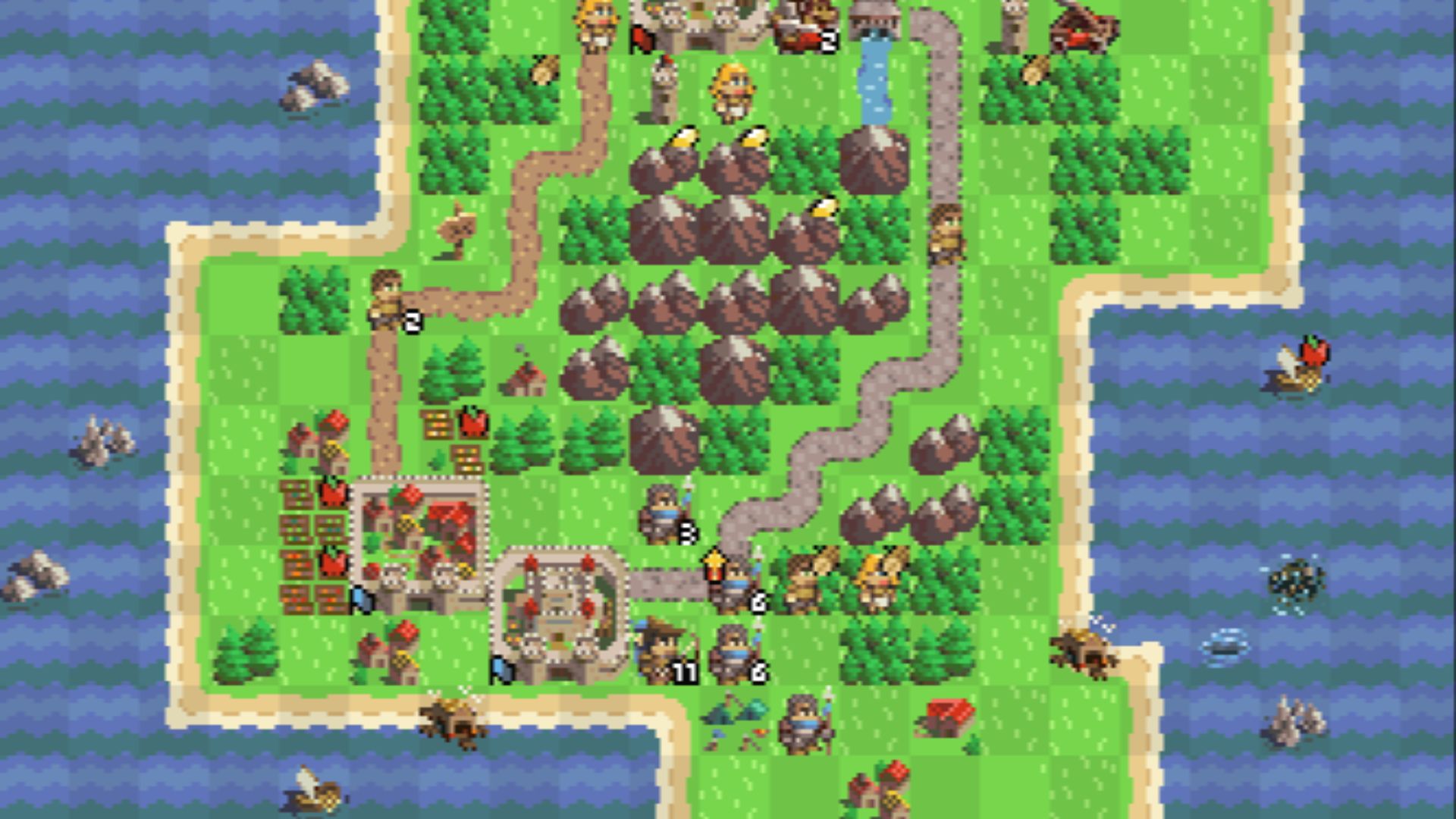
6. Fire Emblem
Fire Emblem had a loyal following long before it became a bigger mainstream success, but later entries greatly expanded its reach and confidence. The series gradually got better at blending tactical combat with stronger character appeal and more accessible structure. Games like Awakening and Three Houses gave it a broader emotional pull without abandoning the strategy roots.
 Andre Mari Coppola on Wikimedia
7. Animal Crossing
Animal Crossing was always pleasant, but it didn't fully become the giant comfort franchise people now recognize until later installments built on that foundation. Each new entry added more freedom, more personality, and more reasons to sink into the routine of village life. By the time New Horizons arrived, the series had become a full social and creative phenomenon.

8. Final Fantasy XIV
Final Fantasy XIV had one of the roughest early starts imaginable, which makes its eventual rise even more impressive. After a disastrous original version, the game was rebuilt into something far stronger and more beloved over time. It gradually earned trust through smart updates, strong storytelling, and the sense that the developers actually understood what players wanted from it.

9. Street Fighter
Street Fighter was important from the start, but the franchise's long-term growth made it much more than just a classic name. The original is known for being almost comically clunky, unreliable, and extremely difficult, even for a game that old. Later eras refined the mechanics, deepened the competitive side, and helped the series stay relevant across generations of players.
10. Resident Evil
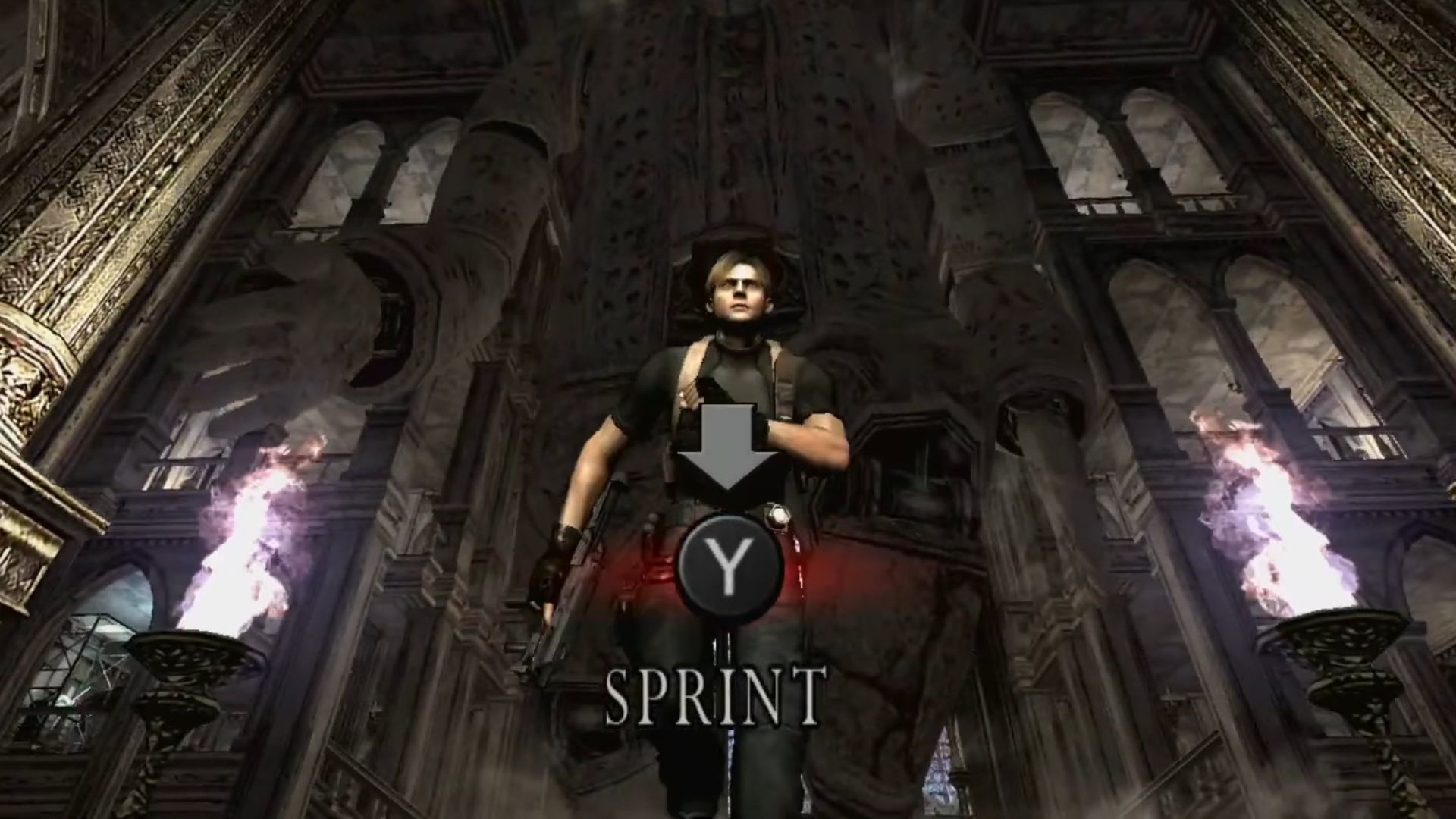
Resident Evil began as a landmark survival horror franchise, but it also kept finding ways to evolve rather than staying trapped in one formula. The original was far from "bad," but it was clunky and campy. Instead of being forgotten in the annals of time, it kept reinventing itself. Even when the series stumbled, it tended to come back with something sharper, whether that meant Resident Evil 4 reinventing the action side or Resident Evil 7 restoring a sense of dread.