
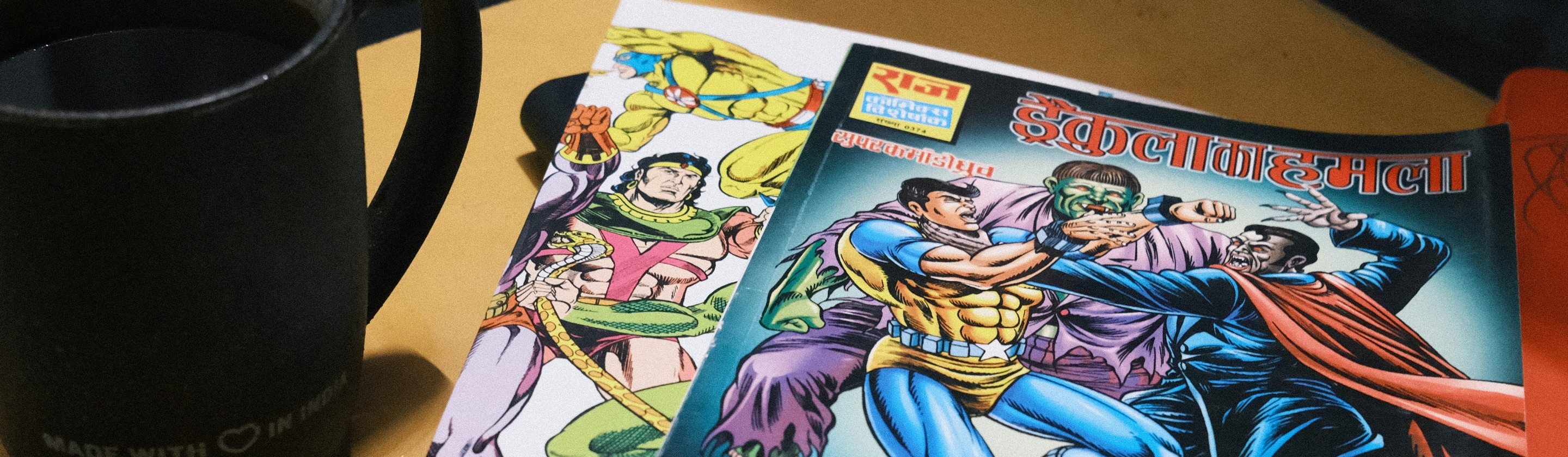
Are Comic Books "Real" Reading? 10 Ways Comics Trump Regular Fiction & 10 They Can't
Are Comic Books Considered "Real" Reading?
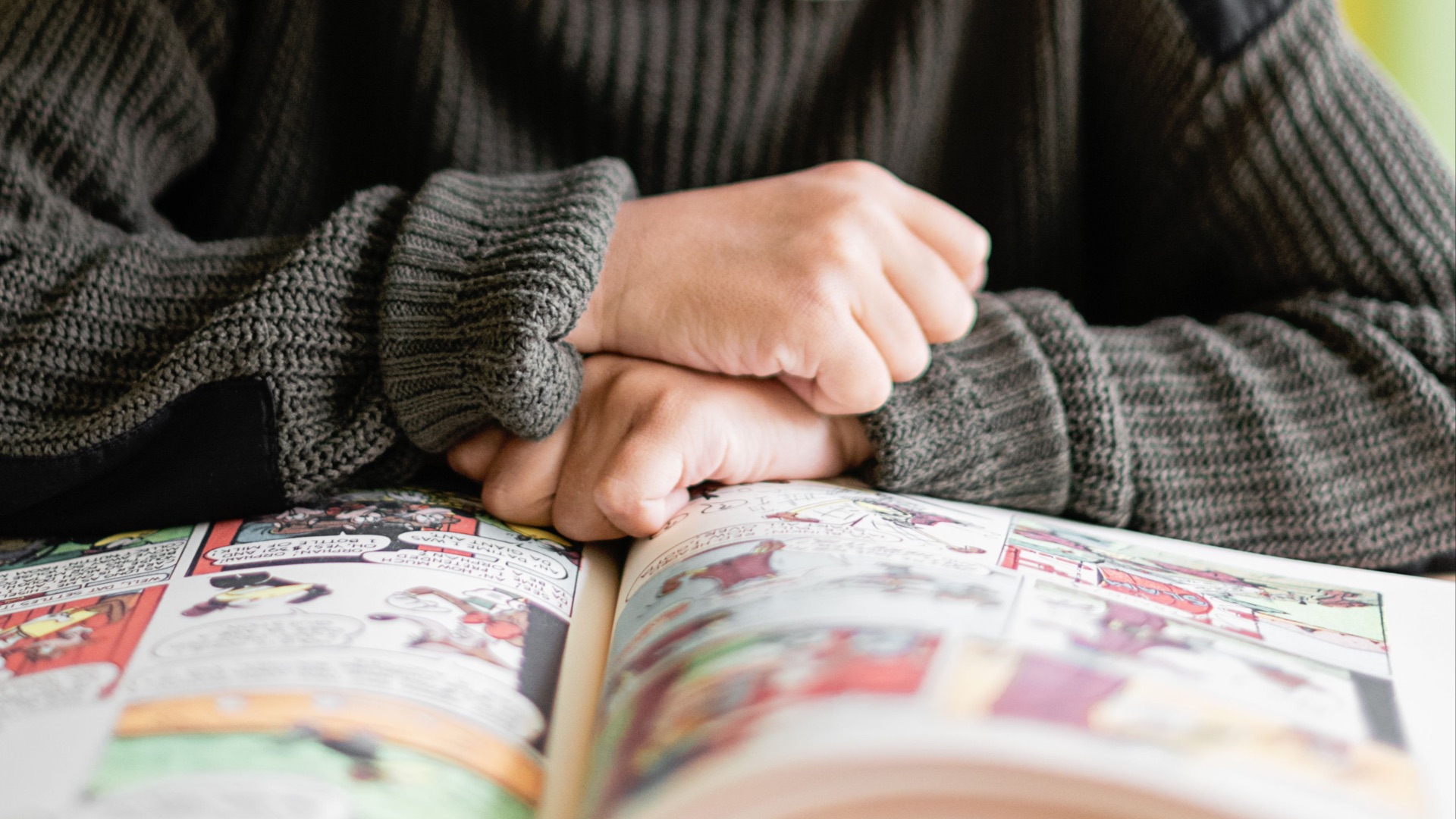
Comic book lovers have probably heard this comment time and time again: "Comic books aren't real reading." What's real reading? Oh, yeah: fiction (and non-fiction) books. Novels that don't come with graphics. But really, who's to say what constitutes "real" reading doesn't include comics, anyway? As you'll see, while comics and traditional fiction don’t work in exactly the same way, each form has strengths the other can’t fully replace. Here are 10 ways graphic novels trump regular fiction books, and 10 ways fiction might hold the slightest edge.
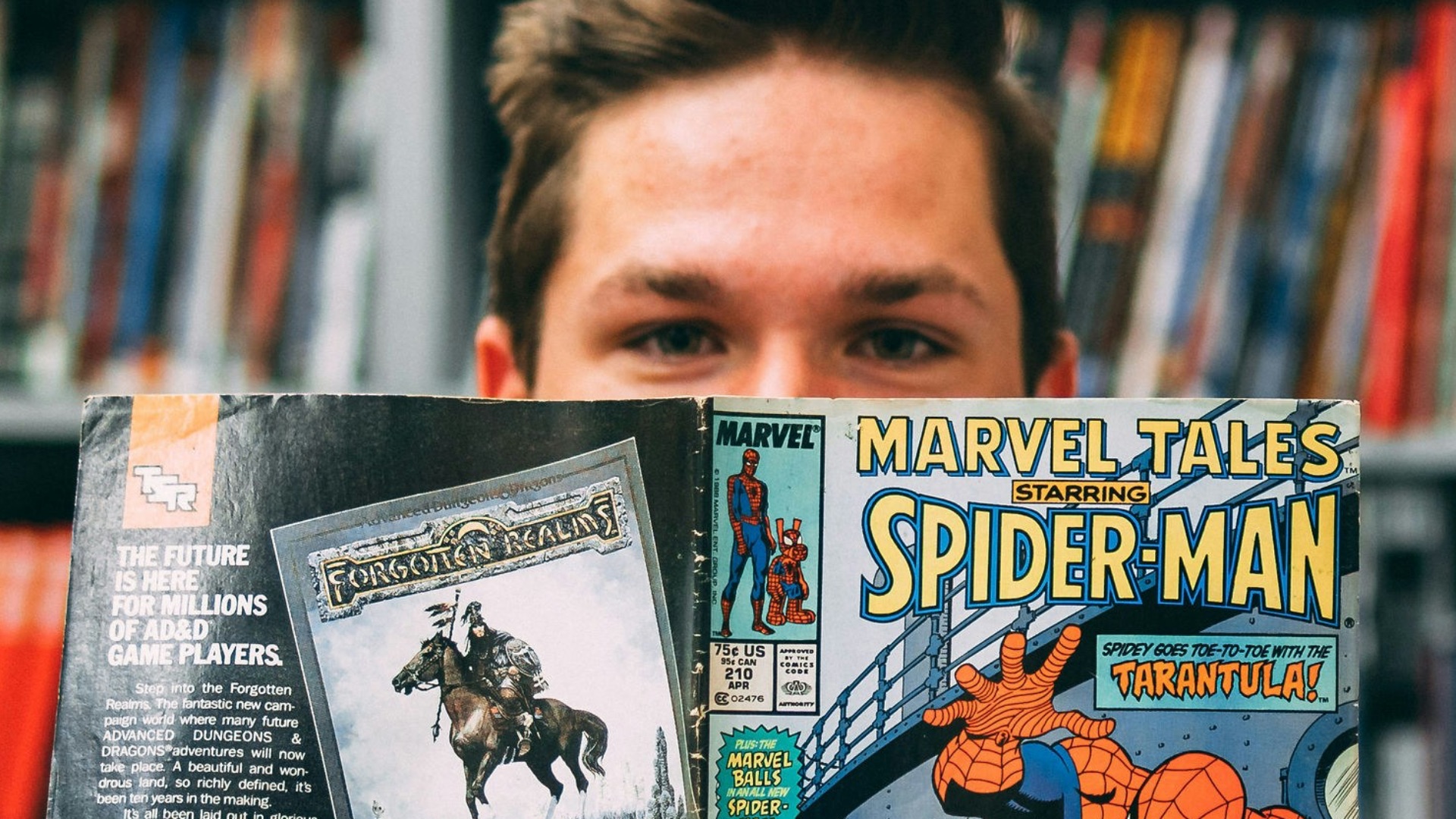
1. They Build Visual Literacy Alongside Reading Skills
Comic books ask you to read words, images, facial expressions, panel placement, and page design at the same time. That means you’re not just following a plot, but also interpreting how visual choices shape tone, pacing, and emotion. For many readers, this creates a more active kind of engagement than simply moving line by line through prose. You have to notice what’s shown, what’s left out, and how the two work together.
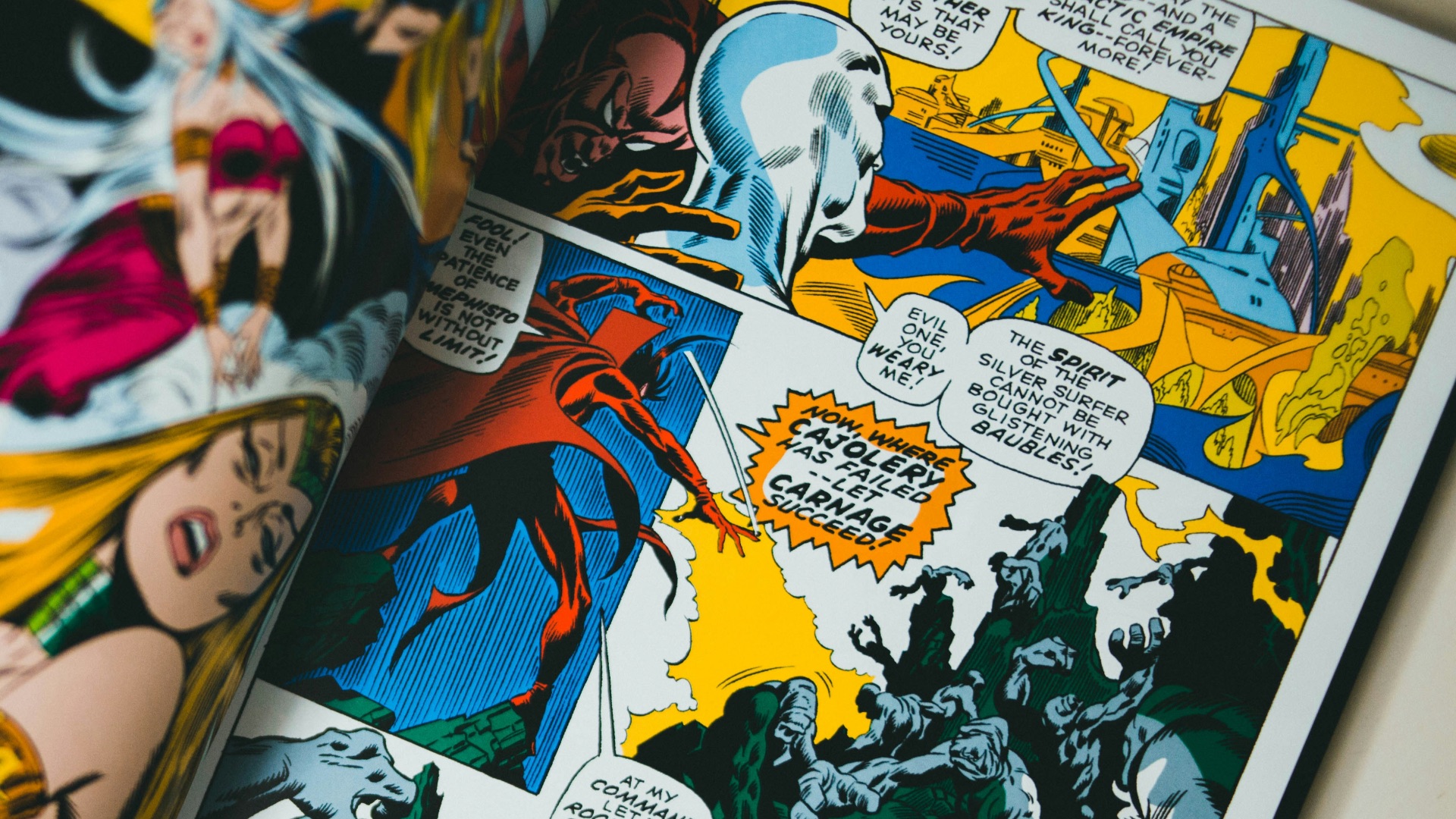
2. They Make Complex Stories Easier to Grasp
A dense fictional world can feel overwhelming when it’s introduced through long blocks of description. Comics can give you the setting, character design, mood, and action almost immediately, which helps readers settle in faster. This doesn’t make the storytelling simpler, but it can make the first step less intimidating. For someone who struggles to get hooked by traditional fiction, that accessibility matters.
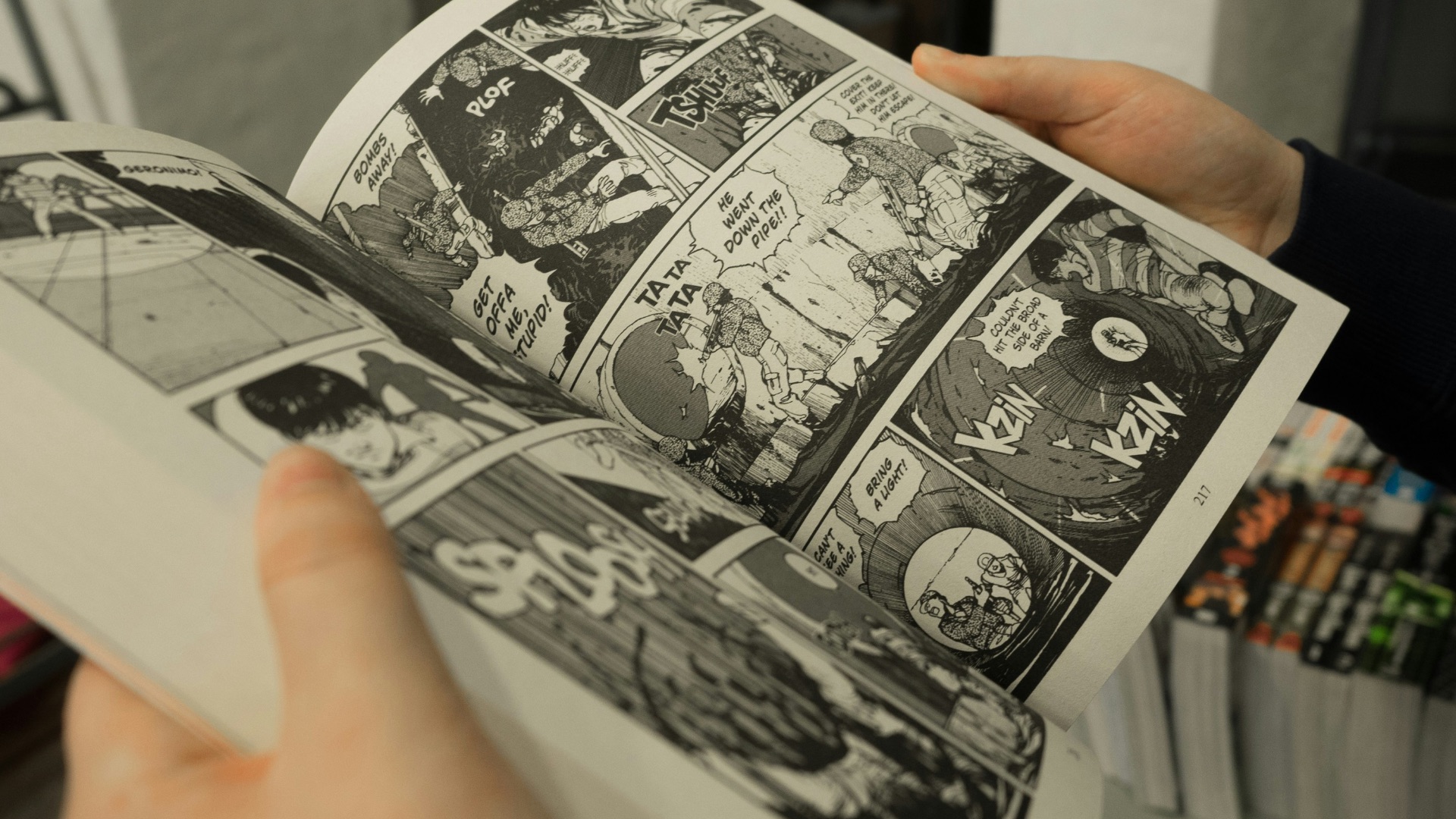
3. They Teach Pacing Visually
In prose, pacing often depends on sentence length, paragraph structure, and the rhythm of narration. Comics make pacing visible through panel size, page turns, repeated images, and moments where the artwork slows the reader down. A single silent panel can carry as much weight as a full paragraph, while a rapid sequence of small panels can create urgency. You can actually see how the story controls time.
4. They Can Communicate Emotion Instantly
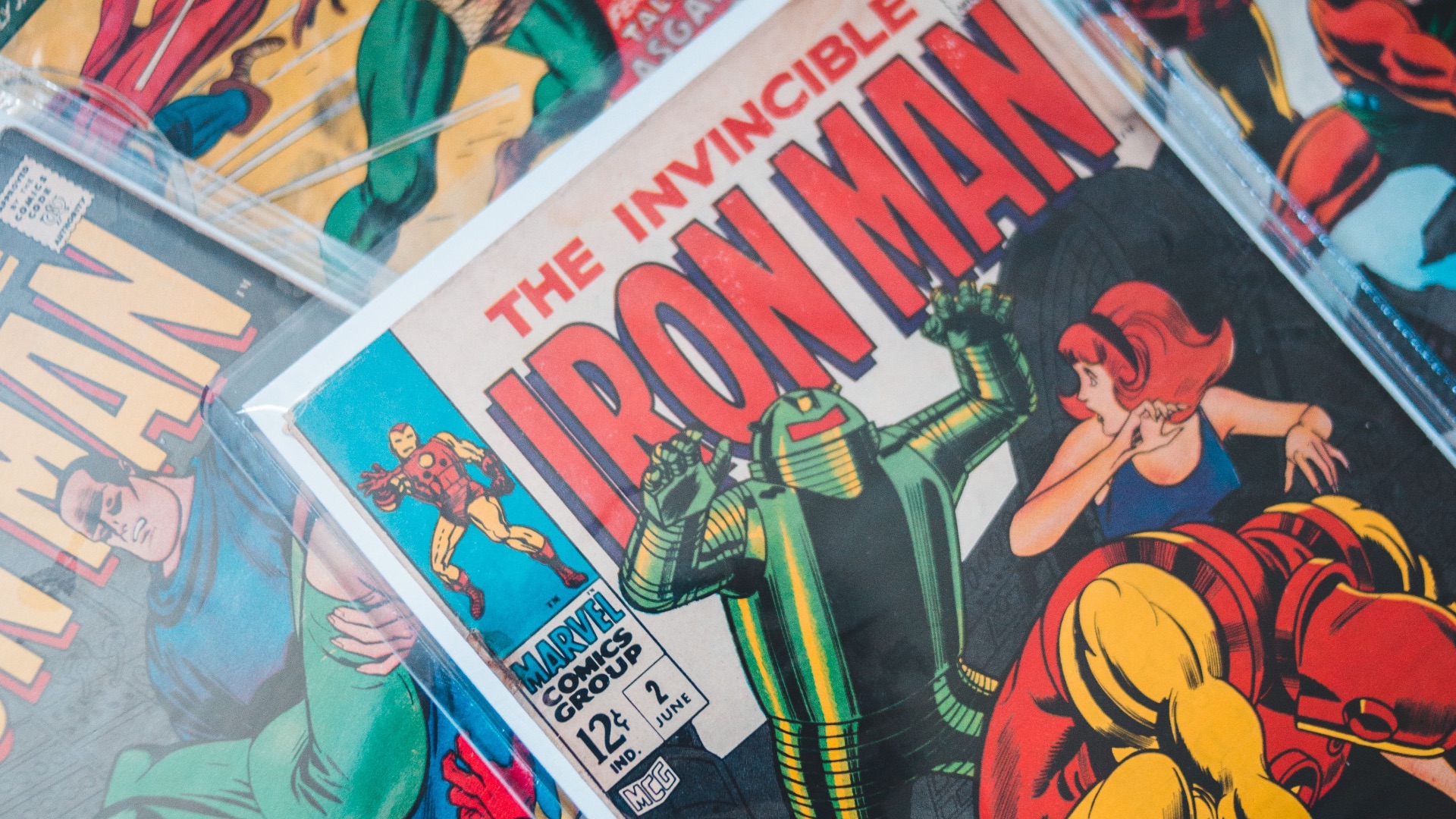
Regular fiction can describe grief, fear, anger, or joy in beautiful detail, but comics can make you recognize those emotions at a glance. A character’s posture, eyes, or distance from others can say a lot before the dialogue even begins. This visual immediacy can make emotional moments hit quickly without feeling overexplained. When writing and artwork work together, the result can be incredibly effective.
5. They Give Reluctant Readers a Stronger Starting Point
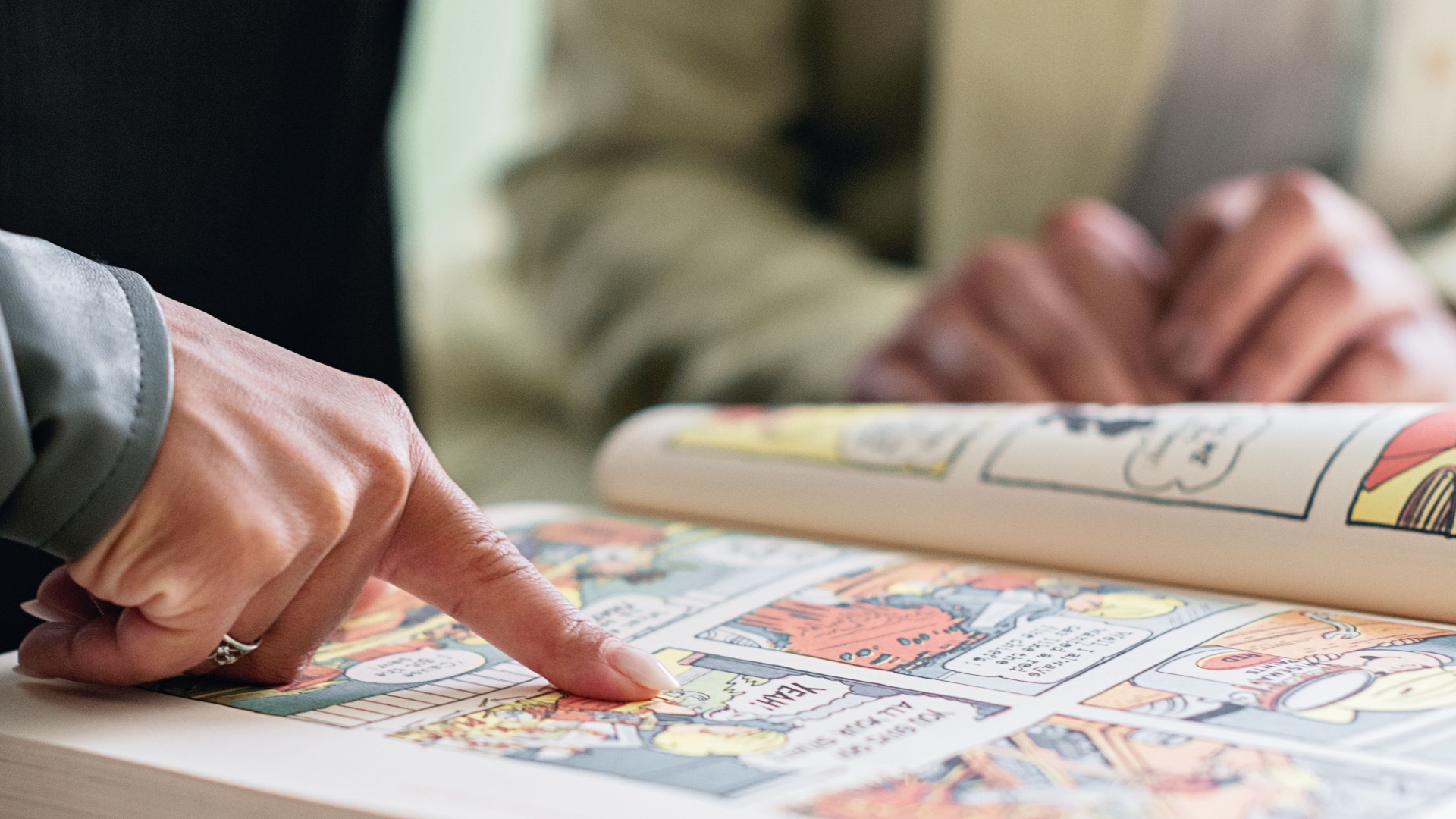
Not every reader falls in love with prose-heavy books right away, and comic books can be a bridge rather than a shortcut. They offer narrative structure, character development, vocabulary, conflict, and theme, but in a format that often feels less demanding at first glance. That can help readers build confidence rather than feel shut out. Once someone develops the habit of following stories, other kinds of reading can become less intimidating too.
6. They Reward Close Attention to Detail
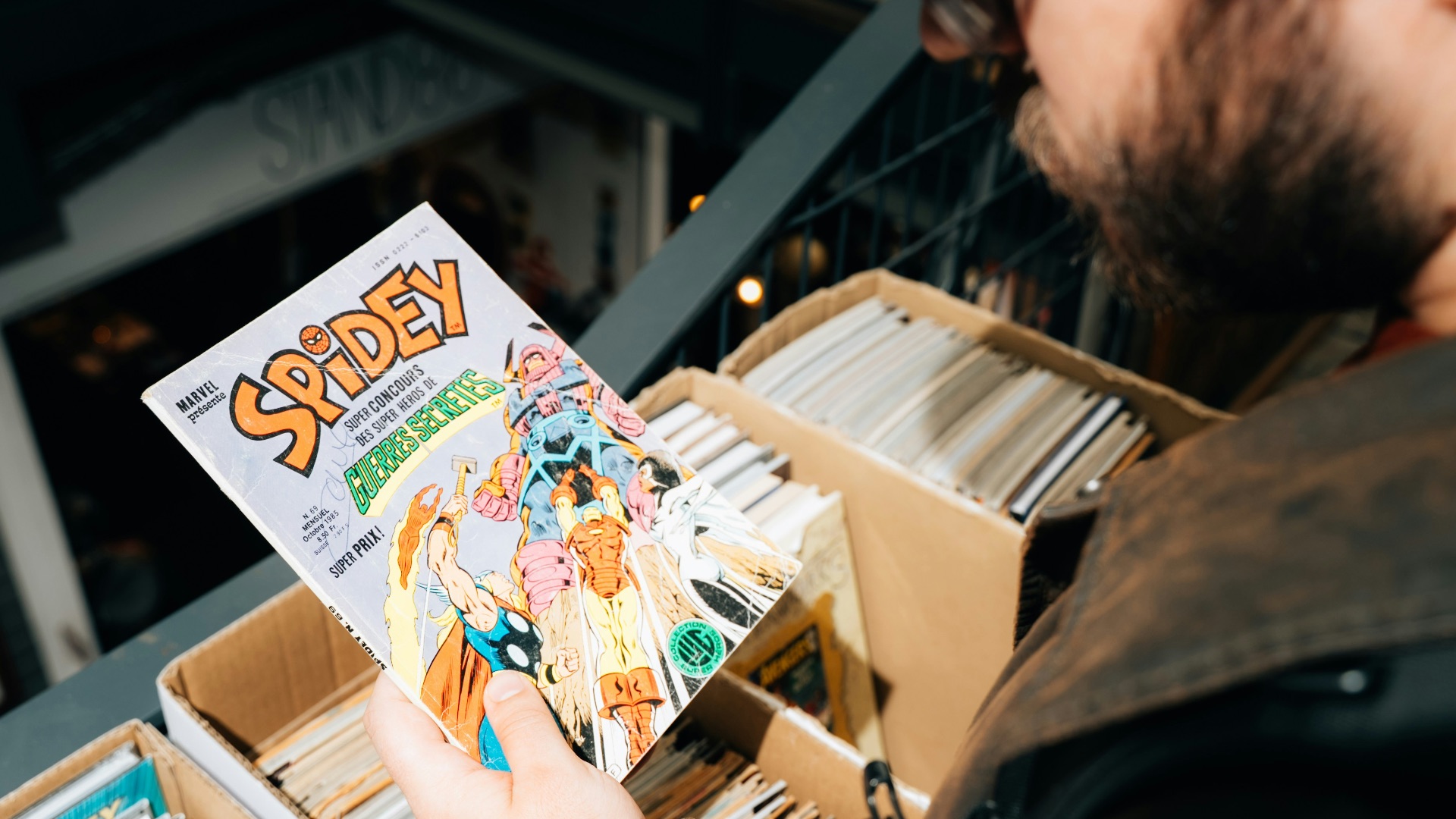
A good comic often hides meaning in backgrounds, color choices, visual callbacks, and panel transitions. Readers who skim too quickly may miss clues about character, setting, or future plot developments. This makes comics especially rewarding for people who like rereading and discovering new details. The experience encourages you to slow down in a different way than prose does.
7. They Handle Action with Exceptional Clarity
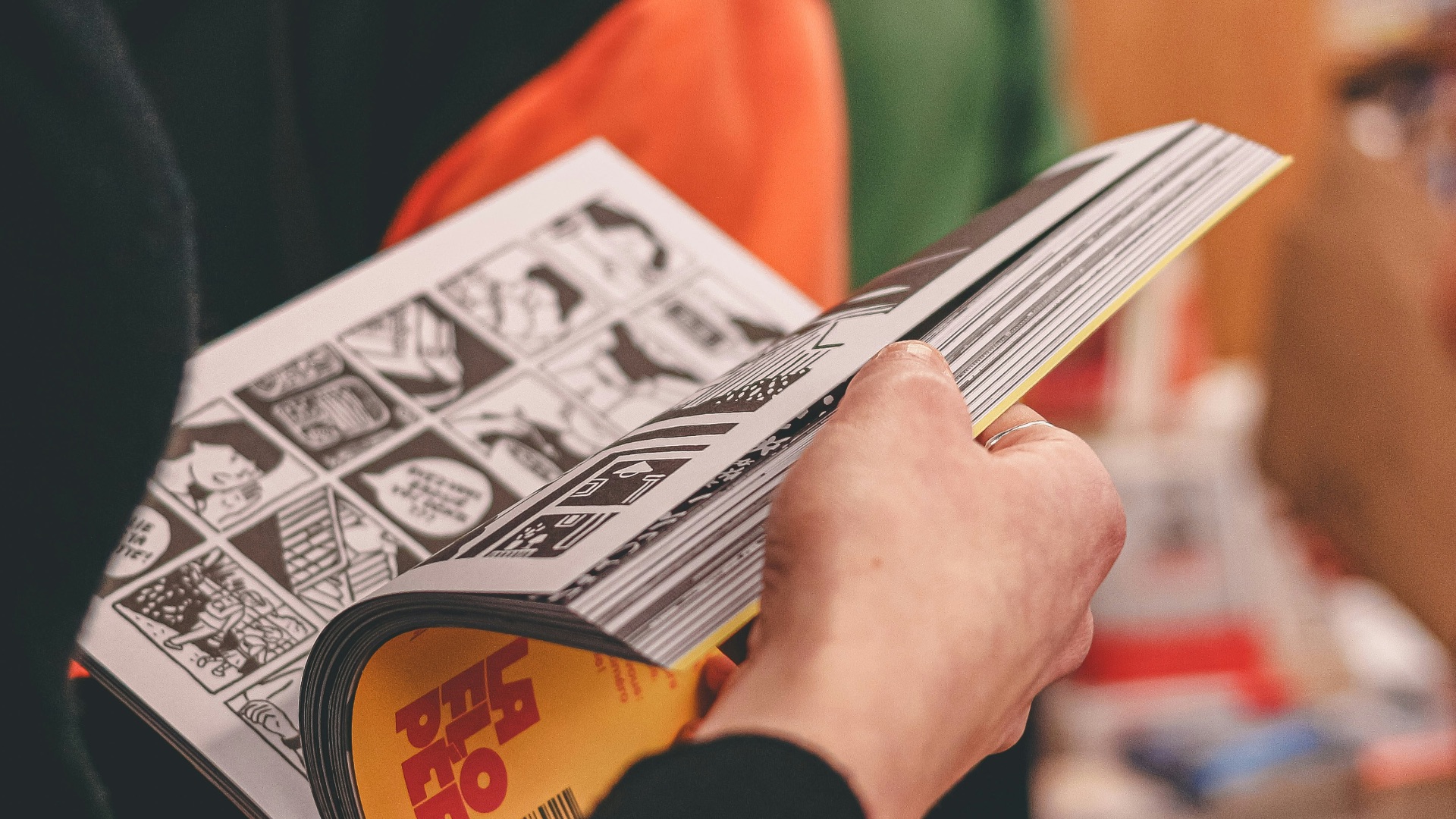
Action scenes in regular fiction can be thrilling, but they can also become confusing when too much movement is described at once. Comics can show positioning, impact, speed, and sequence in a way that’s easier to follow. The reader understands where everyone is and what’s happening without needing every motion explained. That clarity can make fight scenes, chase scenes, and large-scale events feel more immediate.
8. They Blend Art and Writing Into One
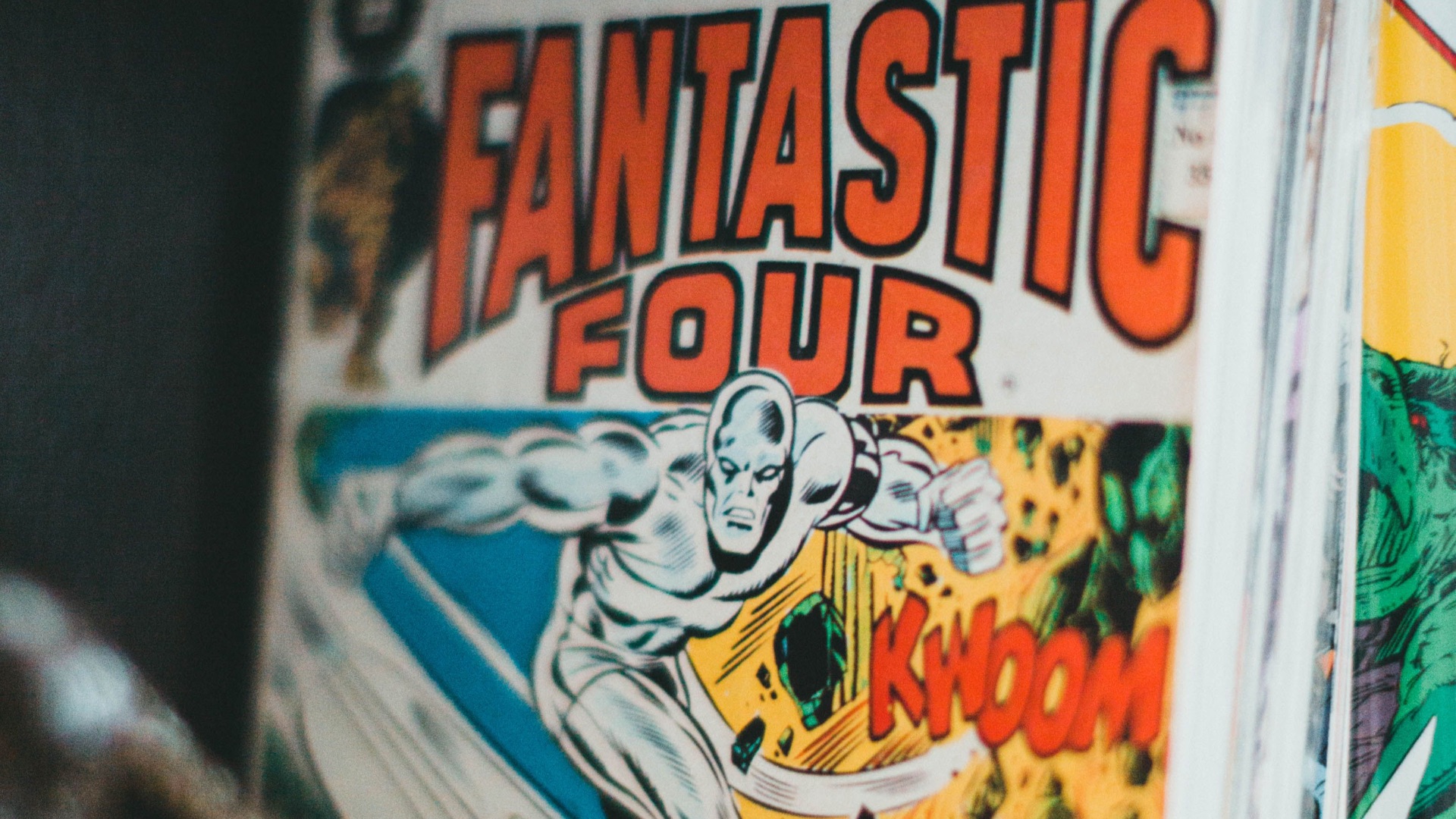
Comic books are not just illustrated stories, because the art is usually part of the storytelling itself. The words and images depend on each other to create meaning, and removing either one would change the work. This gives comics a layered quality that traditional prose doesn’t usually attempt in the same way. You’re reading a collaboration between visual design and written language.
9. They Can Make Certain Ideas More Approachable
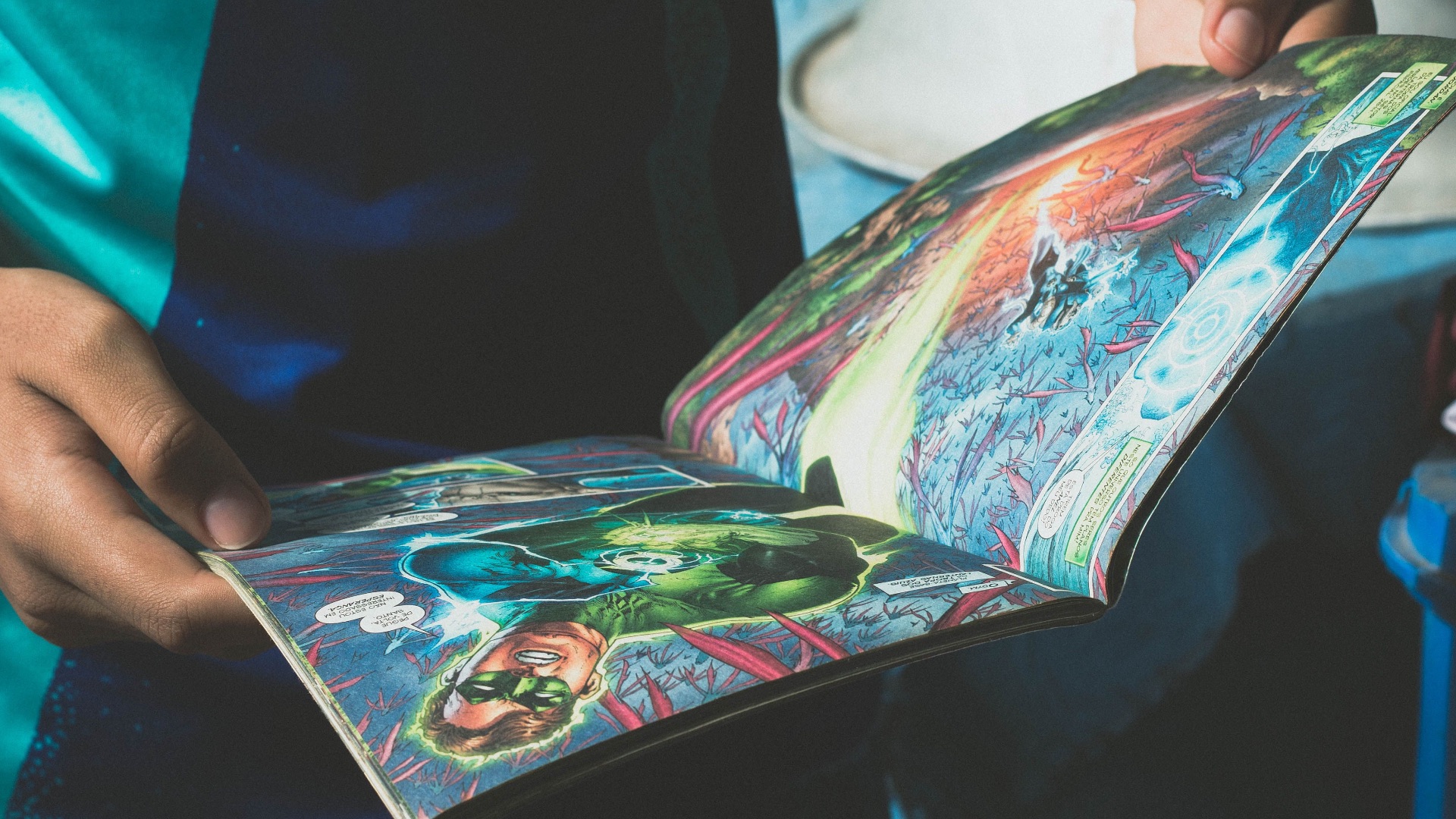
Comics can deal with politics, trauma, identity, history, morality, and philosophy without forcing every idea into long explanatory passages. Visual storytelling allows difficult subjects to unfold through expression, setting, symbolism, and contrast. Readers can absorb serious themes while still feeling pulled forward by the story. That balance can make challenging material feel less distant and more emotionally accessible.
10. They Encourage a Different Kind of Imagination
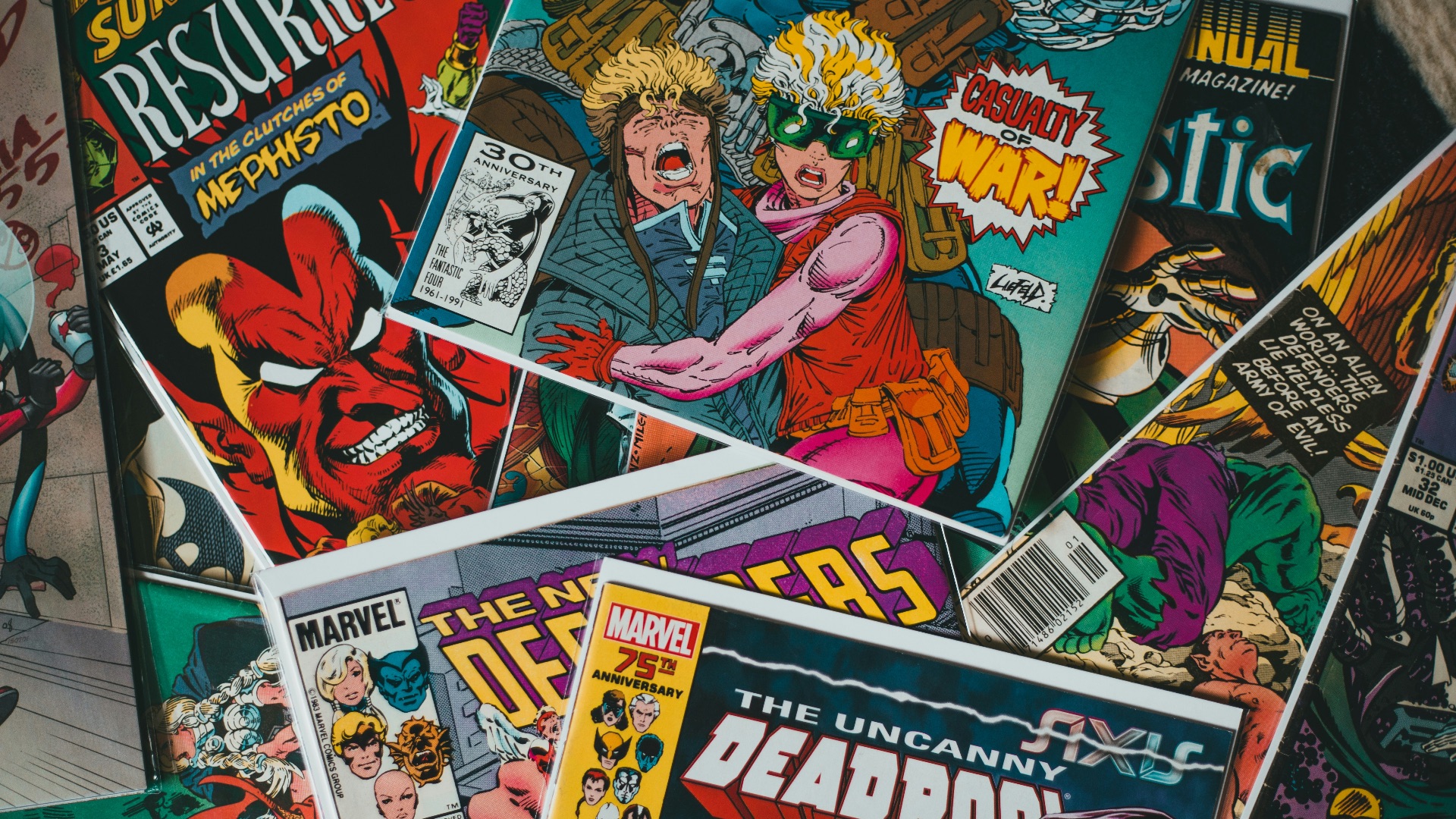
Some people assume comics leave less to the imagination because the images are already there, but that isn’t the whole picture. Readers still have to imagine movement between panels, hear voices in their heads, sense timing, and connect visual fragments into a complete sequence. The space between panels asks the reader to participate in the storytelling. Comics guide the imagination, but they don’t erase it.
While comic books deserve to be taken seriously as reading, offering skills and pleasures that prose fiction doesn’t always provide, traditional novels and short stories still have their own advantages, and those differences are worth examining, too.
1. They Usually Offer Less Interior Monologue
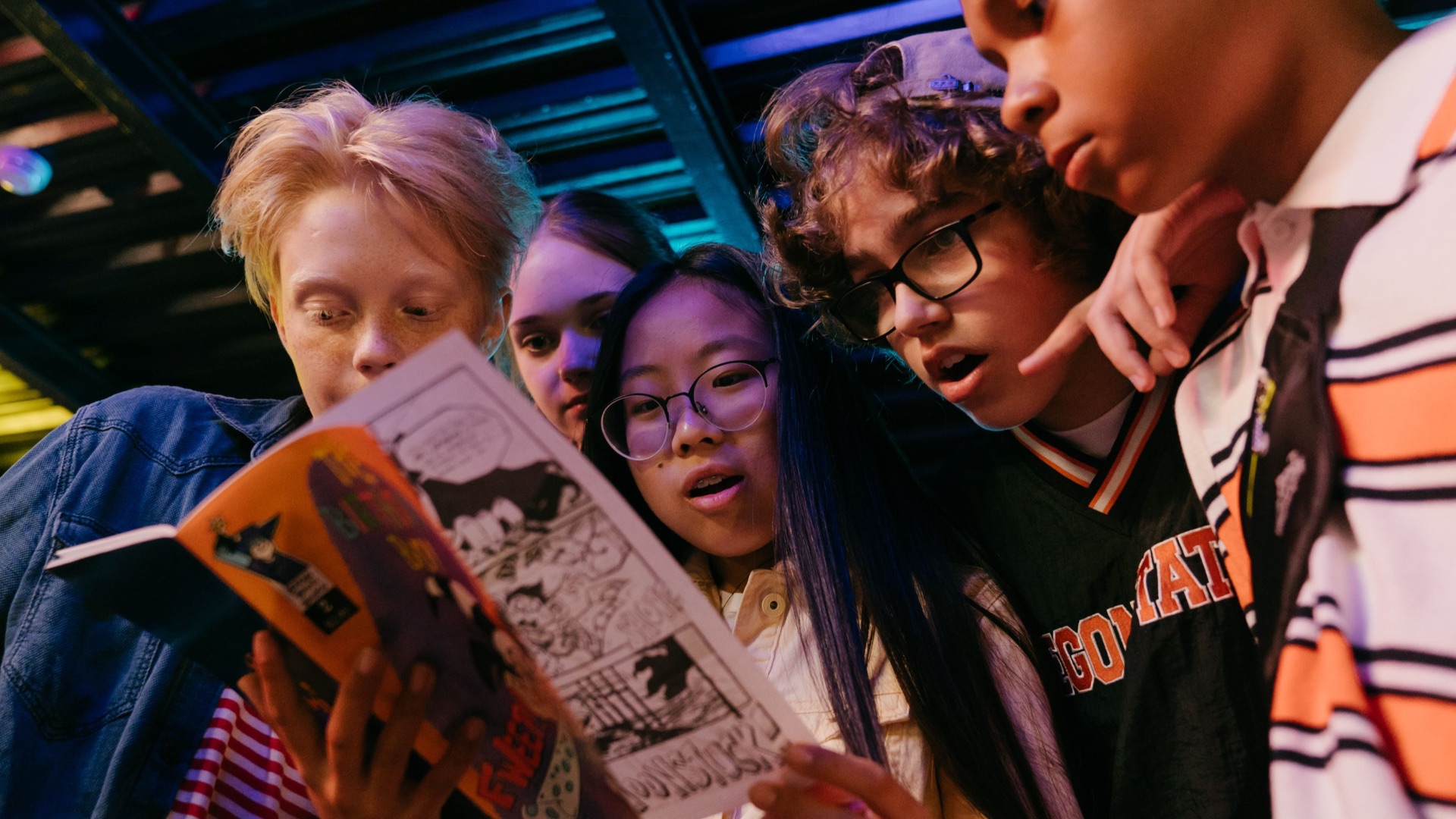
Traditional fiction can spend pages inside a character’s thoughts without needing to move the scene forward visually. That kind of interior access can make a reader feel closely connected to doubt, memory, confusion, desire, or moral conflict. Comics can absolutely explore inner life, but they often have less room to linger there. Prose has a natural advantage when the main drama is happening inside someone’s mind.
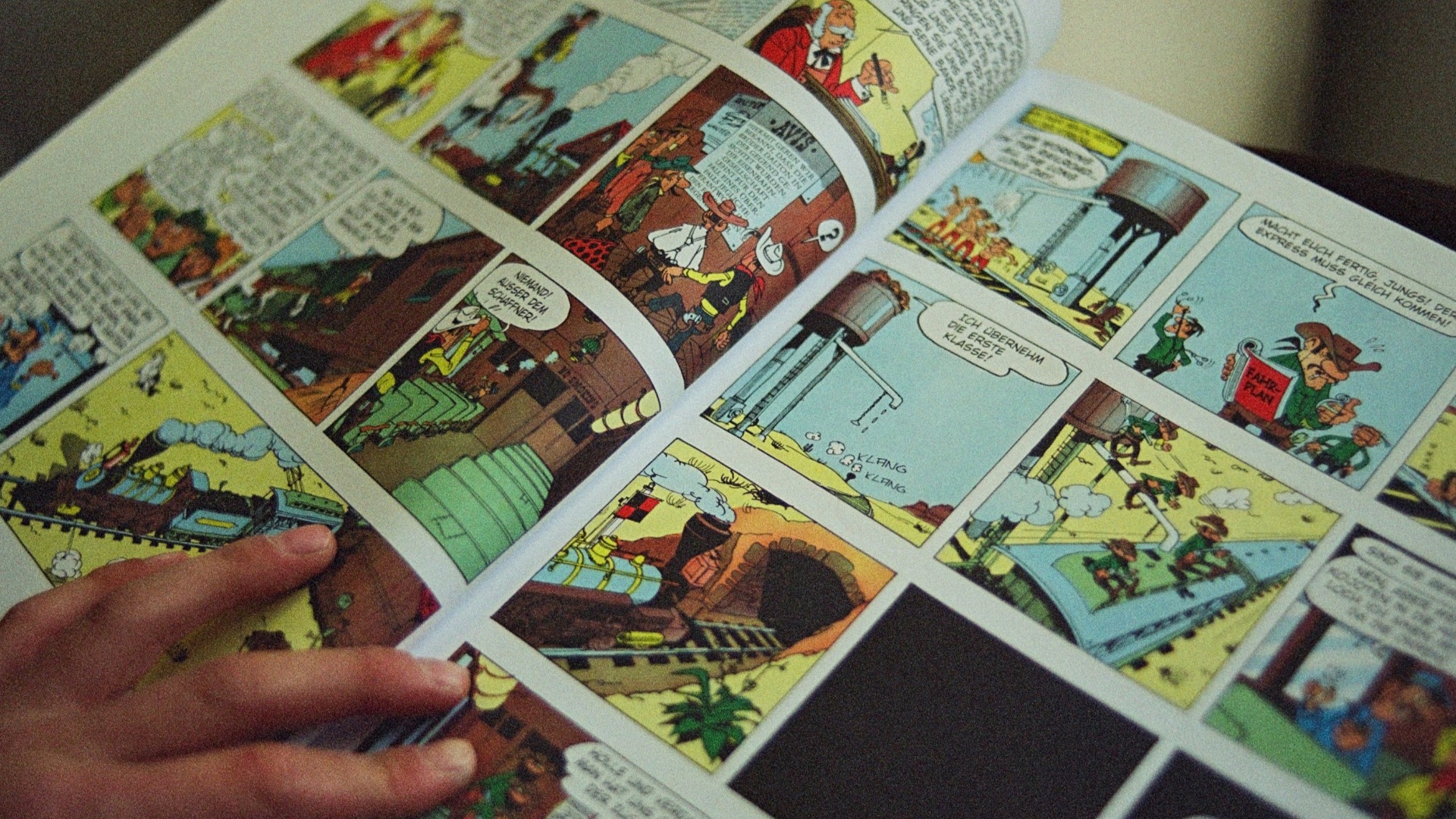
2. They Can’t Always Match the Depth of Prose
A novel can describe a place through smell, texture, sound, temperature, memory, and mood in a highly detailed way. Comics can show a setting beautifully, but the image may not capture every sensory layer unless the writing adds it. This means some atmosphere that prose can build slowly may be harder to achieve on the page. Visuals are powerful, but they don’t automatically replace descriptive language.

3. They May Move Too Quickly for Some Stories
The momentum of comics can be a strength, but it can also make certain narratives feel compressed. A story that depends on slow psychological development or long reflective passages may need more space than the format usually allows. Some comics handle this beautifully, but the pressure to balance images and text can limit how much can fit into each page. Traditional fiction often has more room to breathe.
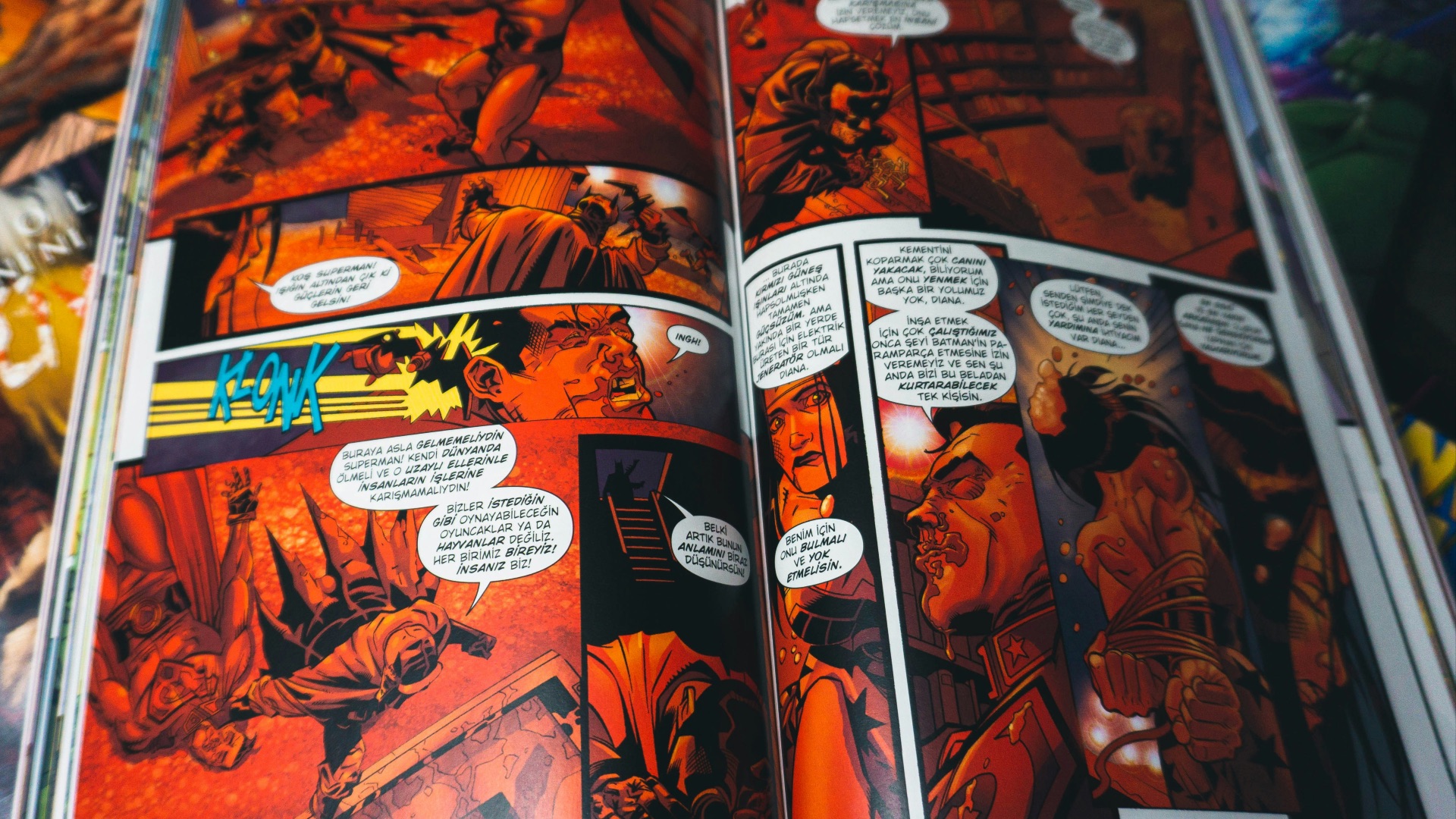
4. They Depend Heavily on Graphics
In prose, a reader builds the characters and world internally, which can make the story feel highly personal. In comics, the artist’s interpretation is already fixed on the page. If the art style doesn’t work for you, it can affect your connection to the entire story, even when the writing is strong. That visual dependency can be a barrier in a way prose usually avoids.
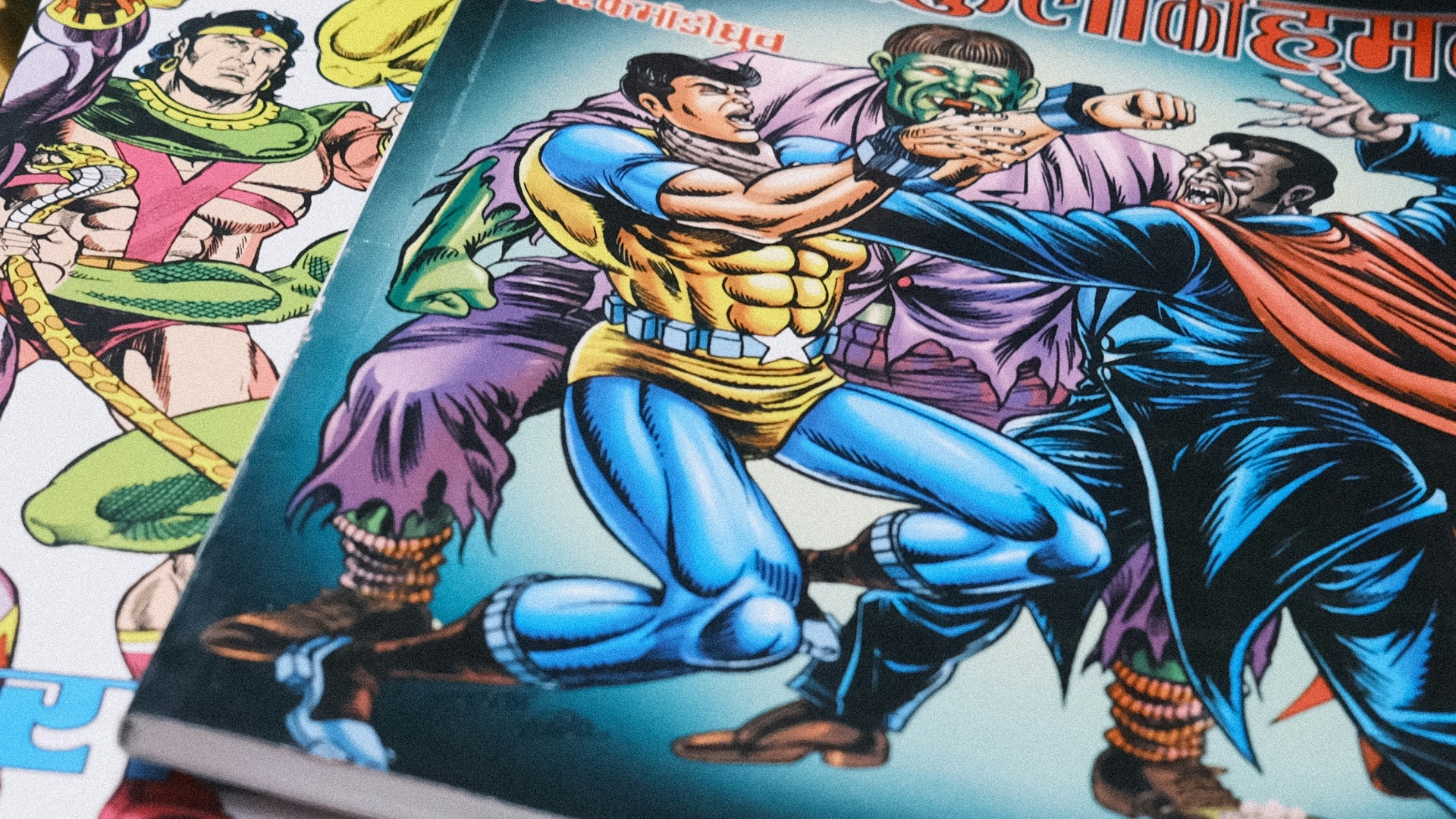
5. They Sometimes Restrict Imagination
Regular fiction often leaves a character’s appearance, expression, or surroundings partly open to interpretation. Comics make many of those choices concrete, which can reduce the range of possible readings and strip away a reader's freedom to imagine on their own. For people who love imagining every visual detail themselves, prose may feel more expansive.
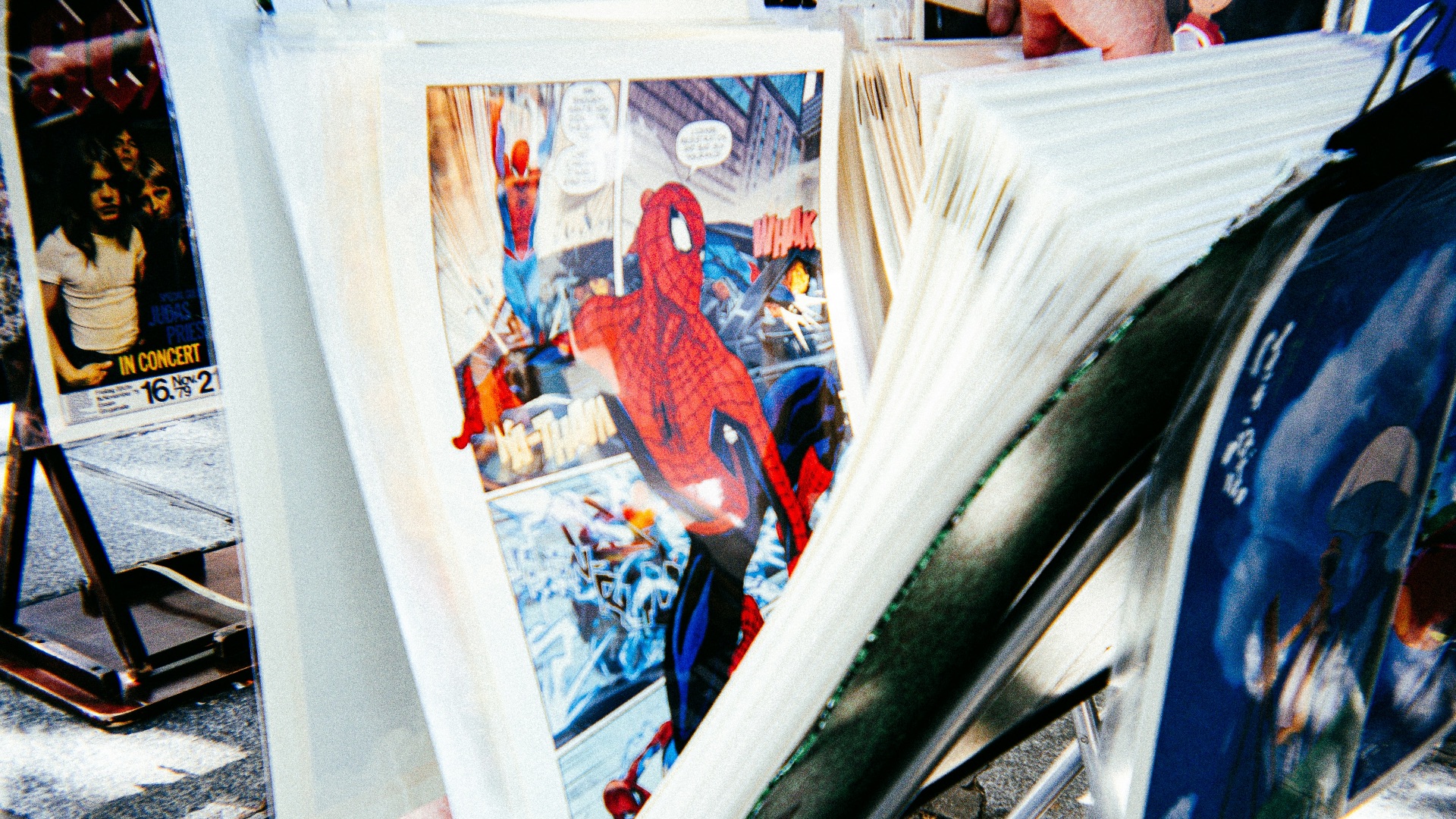
6. They Can Be Limited by Page Space
Comic book storytelling has to manage panels, speech bubbles, captions, artwork, and page layout all at once. Because of that, there’s often less room for long conversations, extensive narration, or elaborate explanations. Every inch of the page matters, so some ideas may have to be trimmed or simplified. Prose can stretch more easily when a scene needs extra room.

7. They Don’t Always Build Vocabulary in the Same Way
Comics can absolutely introduce readers to new words, especially in narration-heavy or literary titles. However, regular fiction often exposes readers to more sustained prose, varied sentence structure, and complex descriptive language. A novel may give you hundreds of pages of continuous vocabulary in context. For readers specifically trying to strengthen prose fluency, traditional fiction can offer more practice.

8. They Can Make Readers Less Patient with Text-Heavy Books
Because comics often deliver story through a mix of words and images, some readers may find prose-only books slower by comparison. That isn’t the fault of comics, but it can become an issue if someone only reads visually driven formats. Long-form prose develops stamina for extended attention without visual support. That kind of patience is still valuable, especially in school, work, and deeper literary reading.

9. They’re Not Always Treated with the Same Academic Seriousness
While this is changing and many schools and universities now study comics as serious texts, traditional fiction still carries more institutional weight in many classrooms, exams, and literary discussions. That means students may need experience with novels and short stories to succeed in settings where prose remains the standard. Comics count as reading, but the world doesn’t always reward them equally yet.
10. They Can’t Replace the Unique Pleasure of Prose
A beautifully written paragraph can create a rhythm, voice, and intimacy that belongs specifically to prose. The pleasure comes from the language itself, not just from what happens in the story. Comics have their own artistic pleasures, but they don’t replace the experience of being carried by sentences alone. In the end, the strongest answer isn’t that one format beats the other, but that serious readers have room for both.