Arcade Thrills vs. Real Driving Feel
Racing games cover a wide spectrum, from fast-paced arcade experiences to highly detailed simulations designed to replicate real-world driving. Some titles prioritize accessibility and dramatic action, using exaggerated physics to make racing more forgiving and exciting. Others focus on realism, carefully modeling vehicle behavior, tire grip, weight transfer, and track conditions. If you’re curious about how different games approach driving mechanics, these racing titles highlight the contrast between unrealistic arcade physics and more authentic simulation.

1. Need for Speed: Underground
Need for Speed: Underground focuses heavily on arcade-style driving rather than real-world vehicle dynamics. Cars grip corners at extremely high speeds and recover easily from aggressive steering inputs. The game emphasizes flashy drifting and rapid acceleration instead of realistic tire behavior.

2. Ridge Racer Series
The Ridge Racer franchise is famous for its exaggerated drifting mechanics. Cars glide through corners in long, smooth slides that would be impossible with real vehicle physics.
3. Mario Kart Series
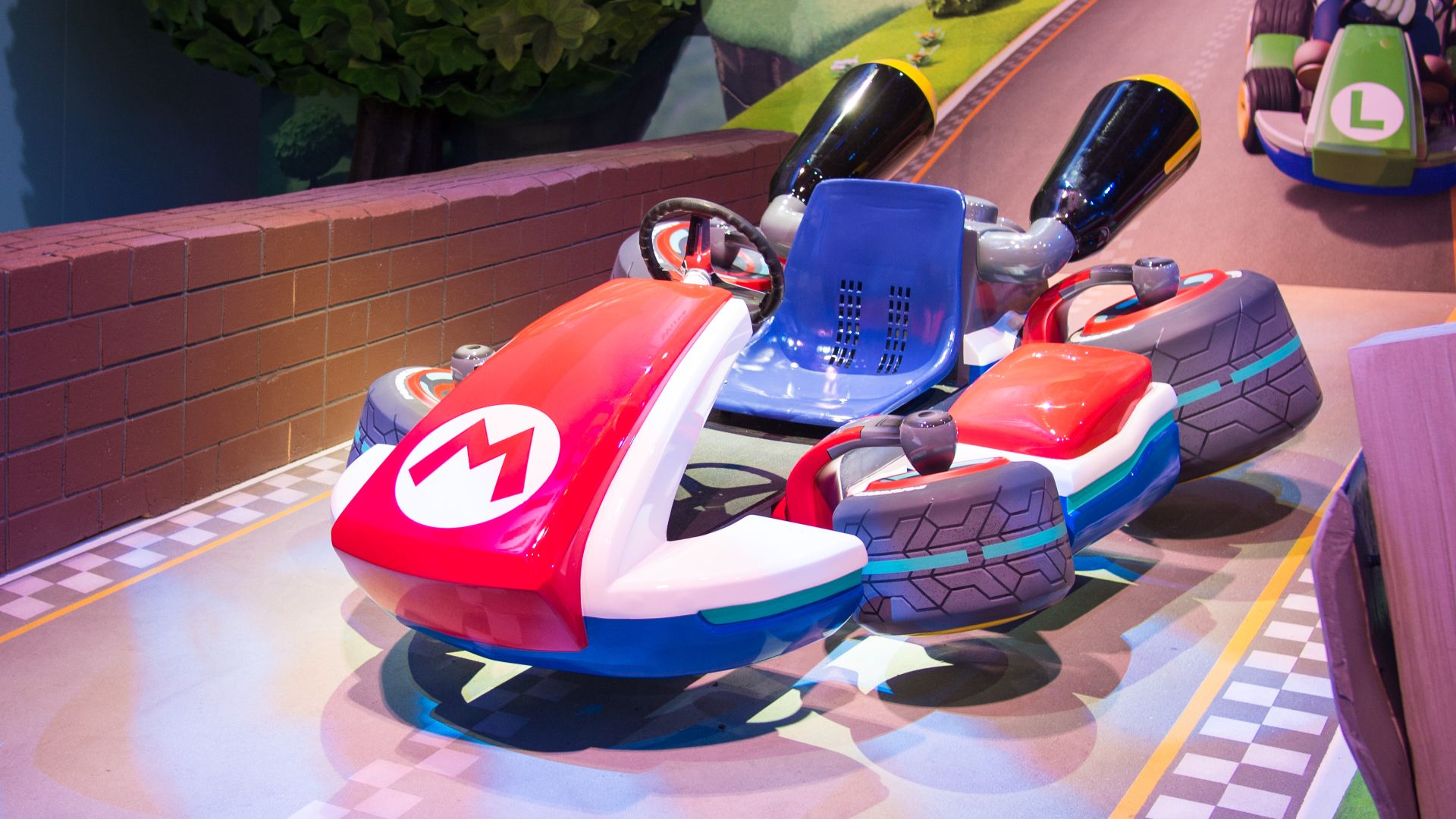
While technically a kart racer rather than a traditional simulator, Mario Kart still represents exaggerated racing physics. Karts can bounce off obstacles, glide through the air, and recover instantly from collisions.
 Sergey Galyonkin from Raleigh, USA on Wikimedia
4. Burnout Paradise
Burnout Paradise builds its identity around high-speed crashes and dramatic impacts. Vehicles can slam into walls, flip through the air, and continue racing with little consequence. Realistic damage modeling and vehicle control aren’t priorities here. Instead, the game rewards aggressive driving and spectacular wrecks.
5. Trackmania
The Trackmania series features physics designed for precision and creativity rather than realism. Cars can jump massive ramps, drive upside down on loops, and land perfectly at extreme speeds.

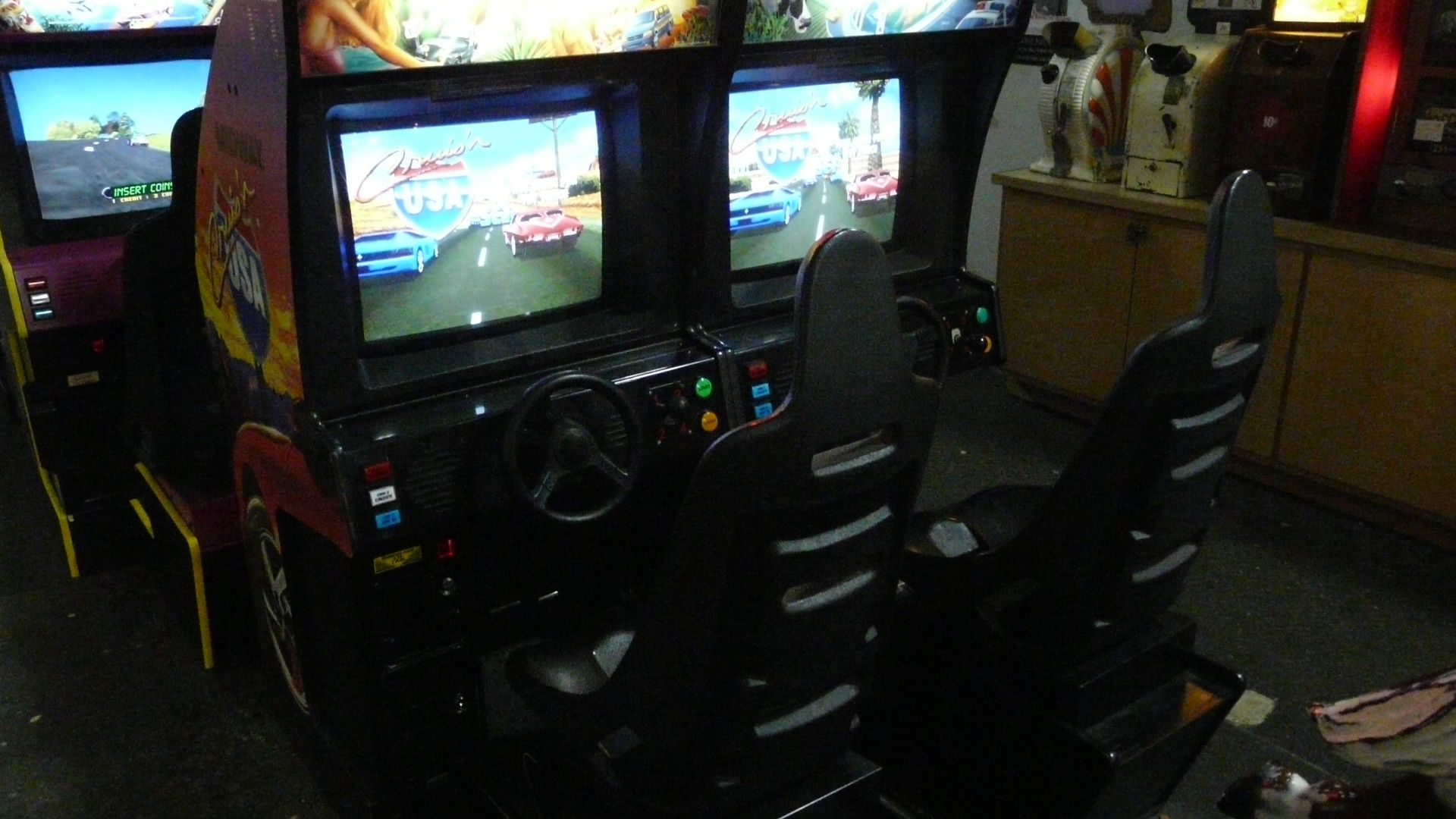
6. Cruis’n USA
Released in the 1990s, Cruis’n USA embraced pure arcade racing. Cars accelerate extremely quickly and maintain control even at unrealistic speeds. Collisions rarely slow vehicles down significantly, keeping the pace fast and energetic. The simplified physics made the game easy to pick up and play in arcades.
7. Fast & Furious: Showdown
Inspired by the action-heavy film series, Fast & Furious: Showdown emphasizes cinematic driving. Cars perform dramatic maneuvers that would be impossible in real vehicles. Physics are simplified to support scripted action moments and high-speed chases. The result feels closer to an action game than a true racing simulator.

8. Asphalt 9: Legends
Asphalt 9 pushes arcade racing to the extreme with nitro boosts and midair stunts. Vehicles can launch off ramps and perform spins before landing perfectly back on the road. Steering is forgiving, allowing players to drift through tight corners at very high speeds.
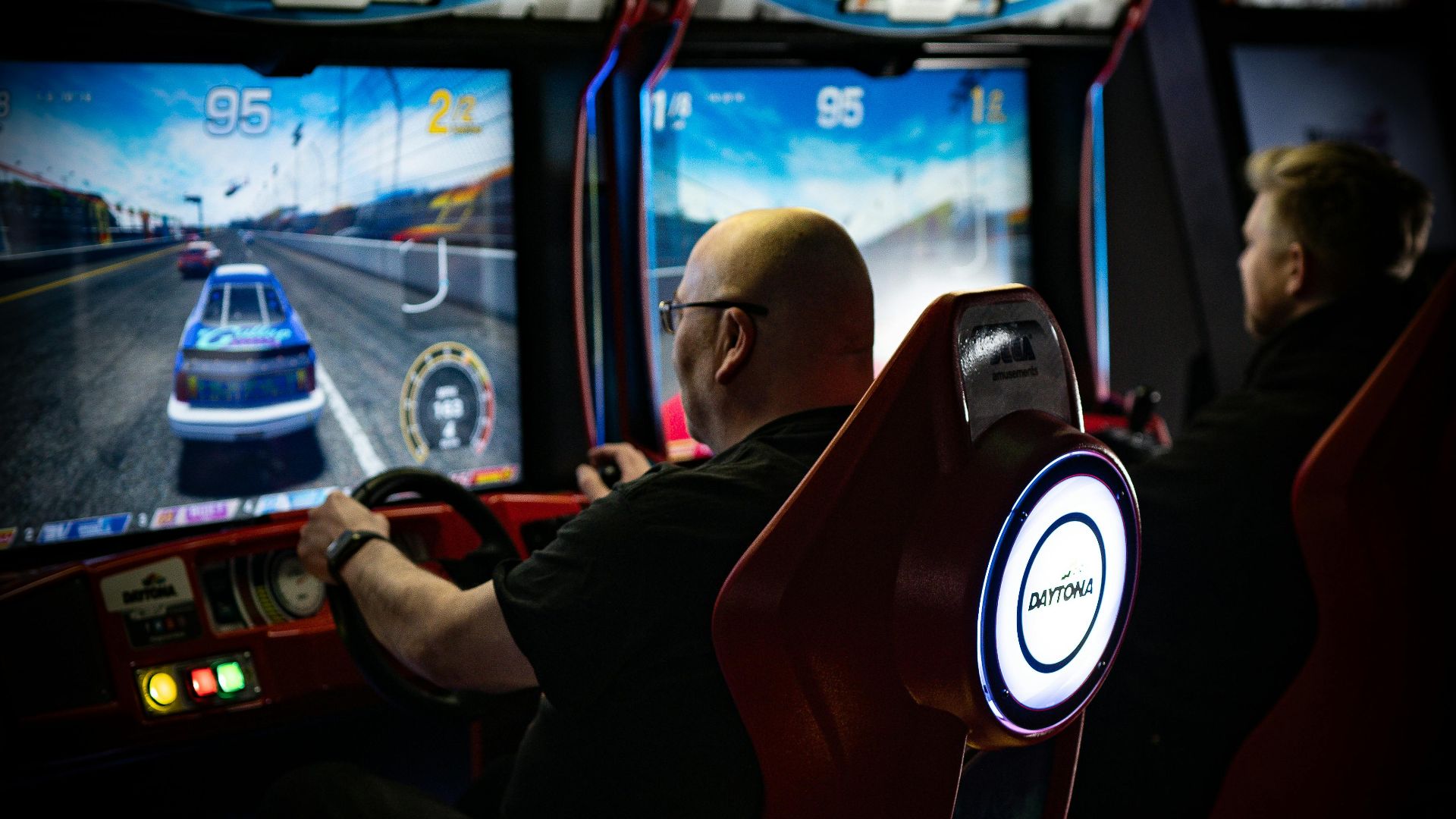
9. Daytona USA
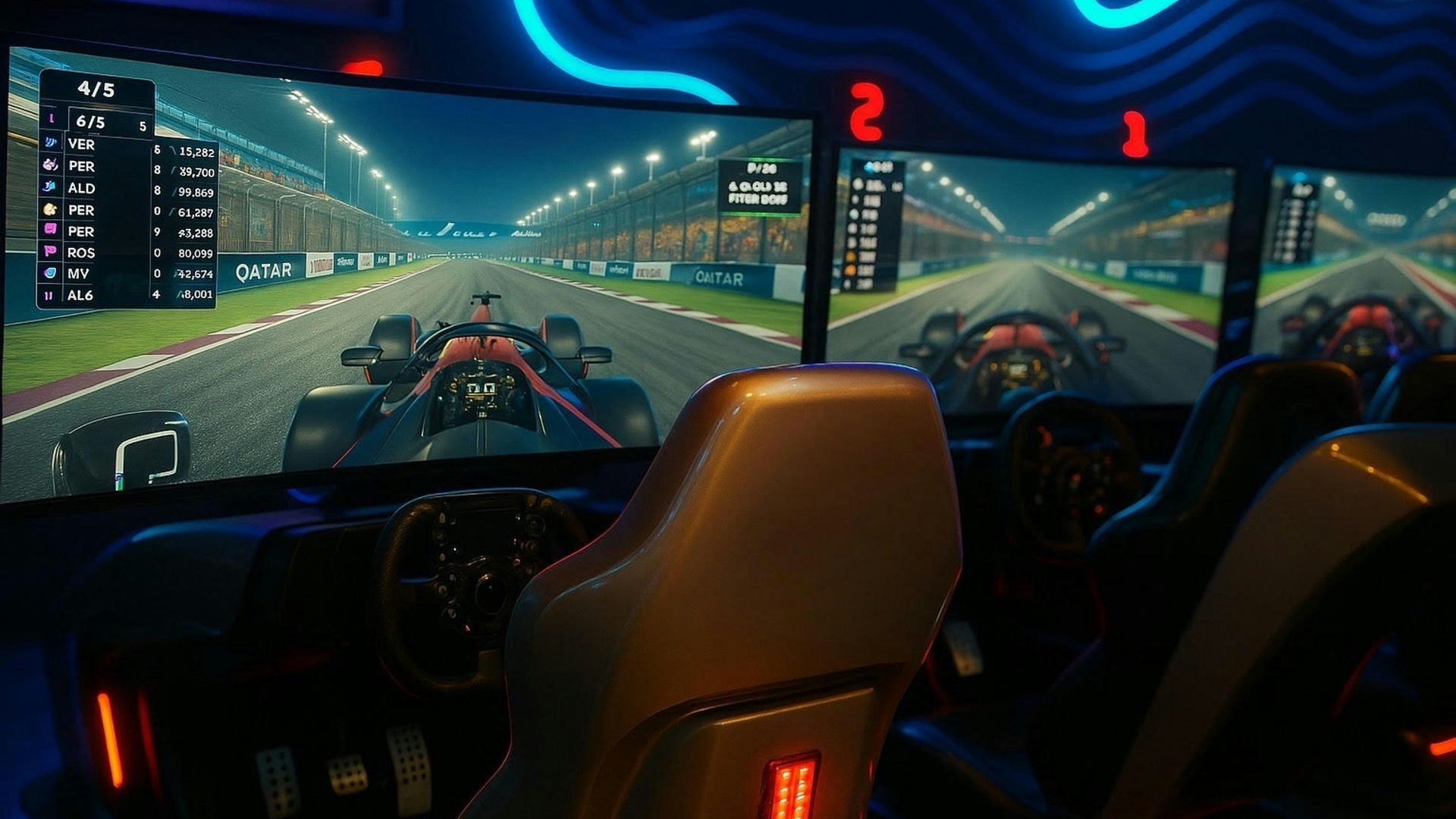
Daytona USA was designed for arcade cabinets where quick gameplay mattered most. Cars maintain grip at speeds that would normally cause loss of control. Drifting is simplified and predictable, making it easier for players to stay competitive. Real-world driving mechanics were never the goal.

10. OutRun
OutRun helped define arcade racing in the 1980s with its colorful visuals and relaxed driving physics. Vehicles respond quickly and predictably without realistic weight transfer or tire grip behavior.

1. iRacing
iRacing is widely regarded as one of the most realistic racing simulations available. The game uses advanced tire models, laser-scanned tracks, and detailed vehicle physics. Professional drivers often use it for training because the handling closely mirrors real race cars. Even small mistakes can lead to spins or loss of control.

2. Assetto Corsa
Assetto Corsa is known for its highly accurate physics engine and realistic vehicle behavior. The simulation carefully models tire grip, suspension movement, and aerodynamic effects. Players must manage braking, throttle control, and weight transfer just as they would on a real track. The game’s realism has made it popular among sim racing enthusiasts.
3. rFactor 2
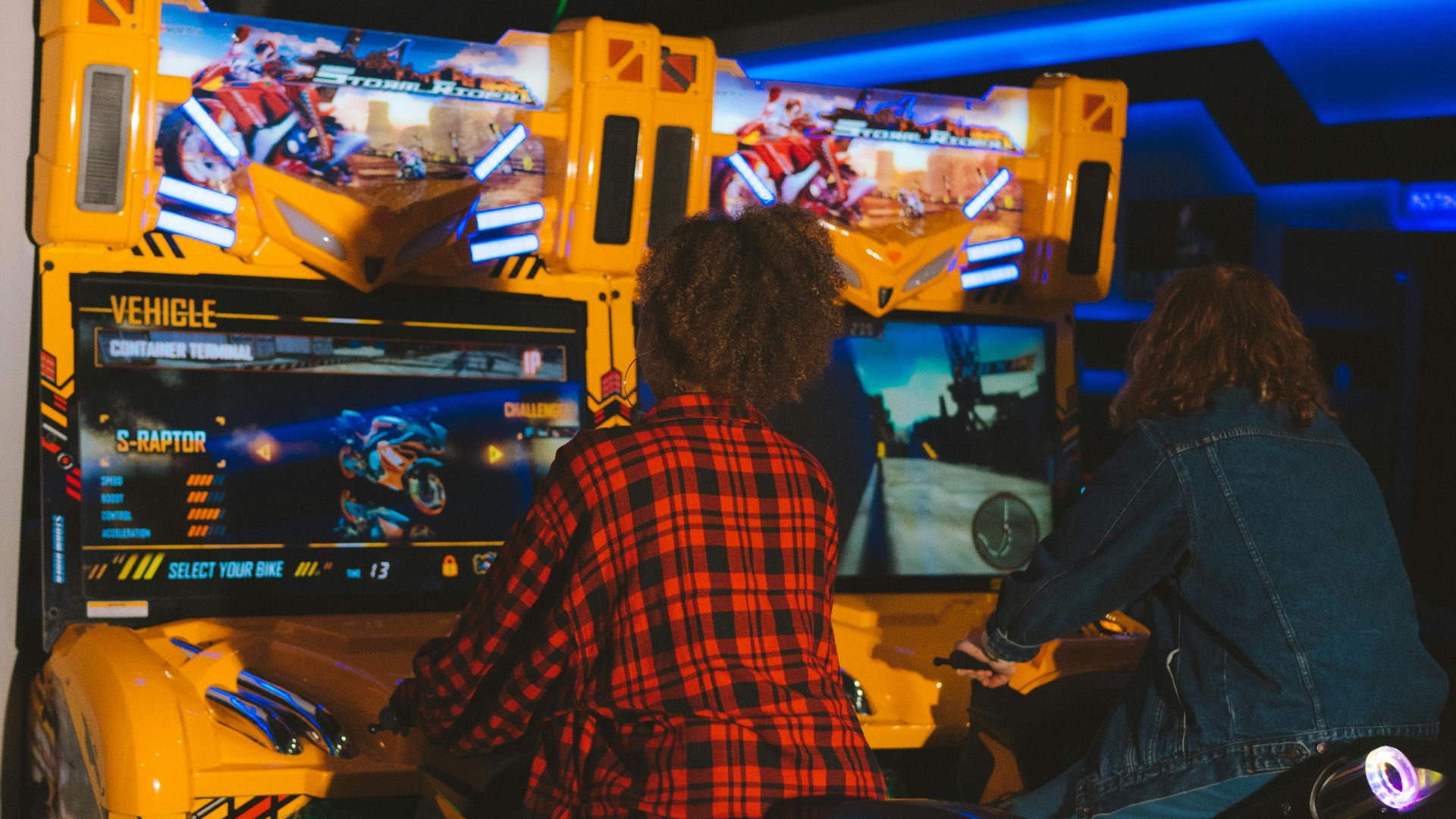
rFactor 2 focuses heavily on detailed physics and track conditions. Its dynamic track system simulates rubber buildup and changing grip levels during a race. Tire temperature and wear significantly affect vehicle performance. These features make the driving experience highly technical and realistic.
 DIR - Udruga darovitih informaticara Rijeke on Wikimedia
4. Gran Turismo 7
The Gran Turismo series has long aimed to balance accessibility with authentic driving physics. Gran Turismo 7 models real vehicle characteristics, including weight distribution and braking performance.

5. Project CARS 2
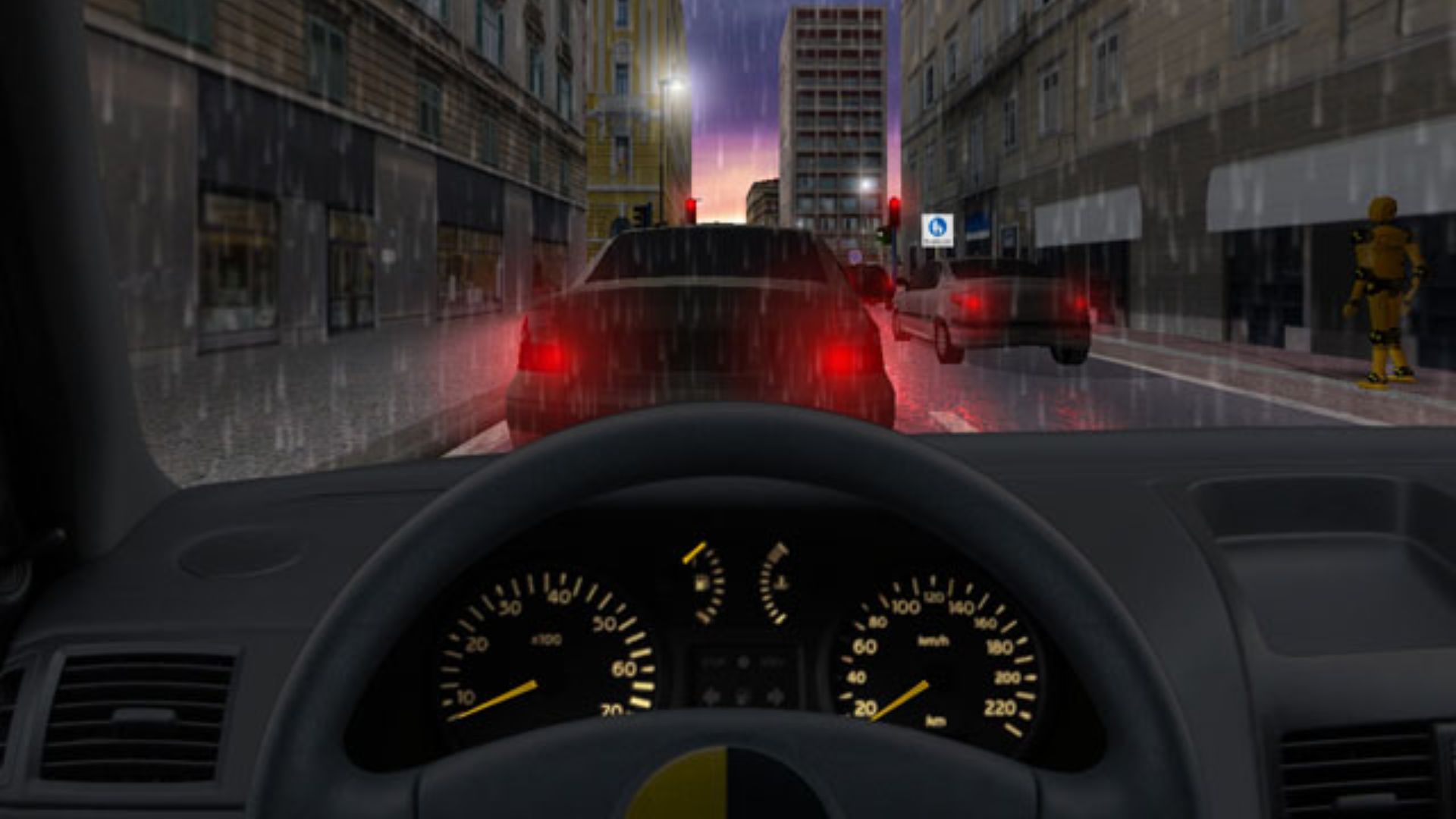
Project CARS 2 places a strong emphasis on realistic weather and track conditions. Rain, temperature, and surface changes all affect how cars handle. Drivers must adjust their braking and cornering depending on grip levels. This dynamic system adds an extra layer of realism to the simulation.
6. Automobilista 2
Automobilista 2 is known for detailed vehicle physics and authentic race environments. The game includes a wide variety of cars with unique handling characteristics. Drivers must carefully manage tire grip and throttle input to maintain control. Its simulation depth appeals strongly to dedicated sim racers.
7. Richard Burns Rally
Released in 2004, Richard Burns Rally is still considered one of the most realistic rally simulators ever created. The game demands precise driving and punishes even small mistakes.
8. BeamNG.drive
BeamNG.drive uses a soft-body physics system that simulates every component of a vehicle. Cars deform realistically during crashes, and suspension systems behave in a highly detailed way.
9. RaceRoom Racing Experience
RaceRoom focuses on accurate vehicle physics and competitive online racing. Each car is carefully modeled to reflect real-world performance characteristics. Drivers must learn braking points, cornering speeds, and tire management to stay competitive.
10. F1 23
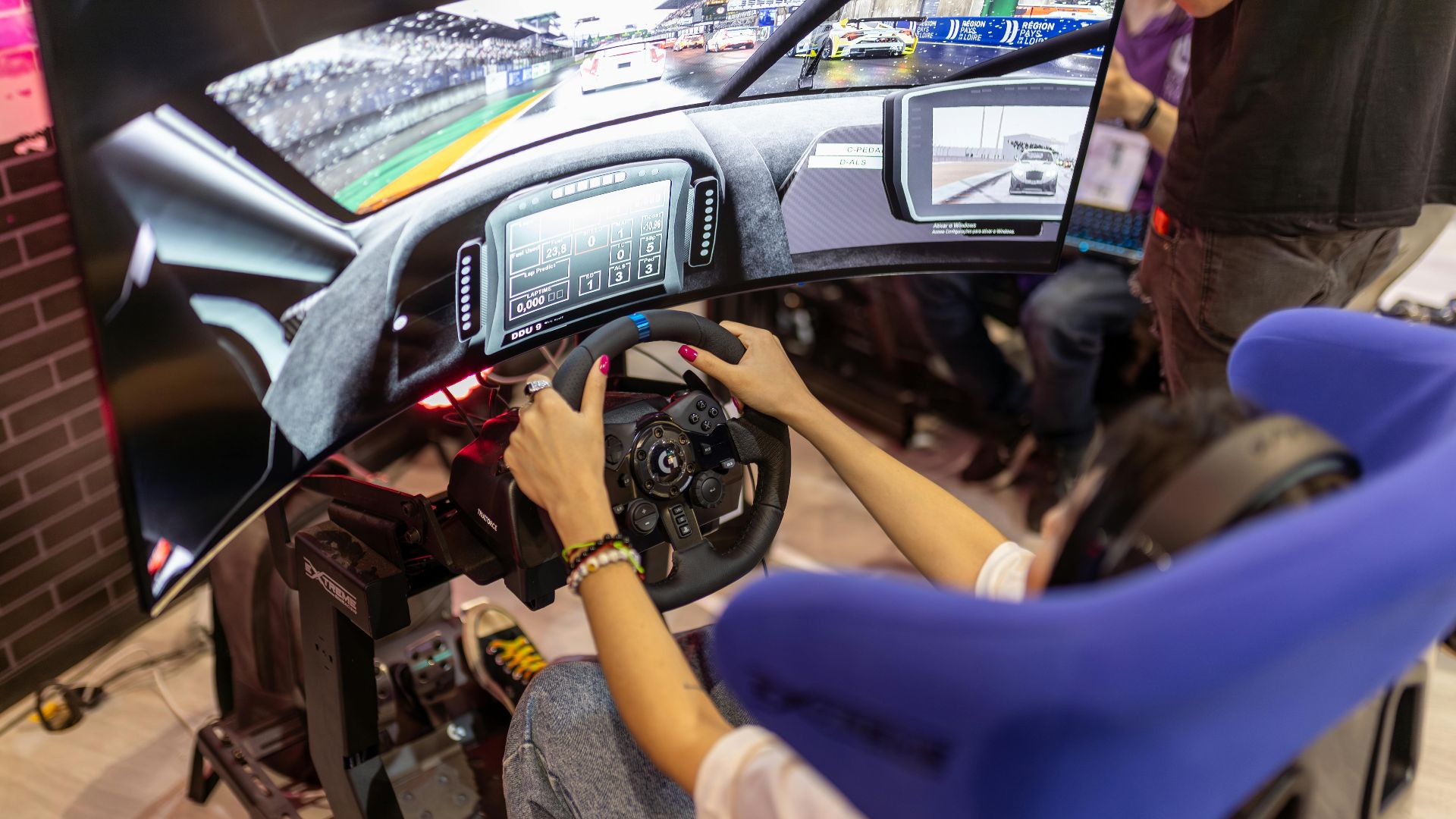
The official Formula 1 game series incorporates realistic car behavior based on real F1 vehicles. Players must manage braking zones, tire wear, and aerodynamic grip during races. Handling changes significantly depending on speed and track conditions.