We’ll have you know that there was once a wonderfully direct solution to getting stuck in a Nintendo game: you picked up the phone and called someone who actually knew what to do. Forget the internet. Forget the videos and sites covered in pop-up ads. A real person would listen as you struggled to describe the dungeon, boss, or suspicious wall causing trouble. Then, without forcing you through a 40-minute video, they’d offer a hint.
Nintendo’s game counselors belonged to an era before searchable walkthroughs and enormous wikis. Of course, their work may sound unnecessary now that nearly every answer is so readily available, but the internet hasn’t always improved the experience of asking for help. Modern players could use knowledgeable humans who understand when someone wants a gentle nudge rather than the entire experience spoiled.
The Professionals Behind the Power Line
Nintendo began offering assistance during the NES boom of the mid-1980s, when players couldn’t just look up an answer. Howard Phillips, one of Nintendo of America’s earliest employees, helped oversee a small group of counselors responding to said inquiries, and the service only expanded as Nintendo’s North American audience grew.
By 1995, Nintendo’s Redmond call center had hundreds of employees handling frazzled customers. All you had to do was call a paid number and explain where they were stuck! Counselors then used their game knowledge to identify the precise location or problem. Nintendo reportedly had staff available from early morning until midnight, every day of the year, so you were never caught without an angel on your shoulder, either.
Make no mistake: counselors weren’t reading answers from a booklet. Nintendo encouraged them to play extensively, and the company maintained a library of more than 1,600 titles that employees could borrow for work or home practice. Counselors had access to maps and reference materials, but experience mattered, too. When callers misremembered an enemy, or confused two rooms, it was counselors to the rescue.
Many employees were also young gaming enthusiasts, including college students enamoured by flexible shifts and the opportunity to simply play for a living. Some used the call center as a starting point for larger careers within Nintendo. Take Marcus Lindblom, for example, who started working in Nintendo of America’s customer service center before becoming a software analyst for EarthBound.
They Offered More Than Simple Answers
The tricky thing was that a good counselor also needed to figure out what the caller was actually asking. Think about it: when you’re neck-deep in a confusing level, someone might remember a tower as a tundra, insist they’d collected an item that remained untouched, or provide a long-winded description of a hallway. The counselor then had to ask follow-up questions and locate the problem.
Part of that tightrope balance was also that the conversation protected players from spoilers. A counselor could tell you which switch to press without announcing what awaited behind the next door, unlike today’s sites that just give it all away for free.
The service even helped parents participate in a hobby they might not have understood. A child could hand over the telephone and receive guidance from a trusted adult who not only understood the game, but knew why beating a level was important. Today’s parents can search online, sure, but sorting through unrelated videos and contradictory posts isn’t an improvement.
Today’s Players Could Still Use Them

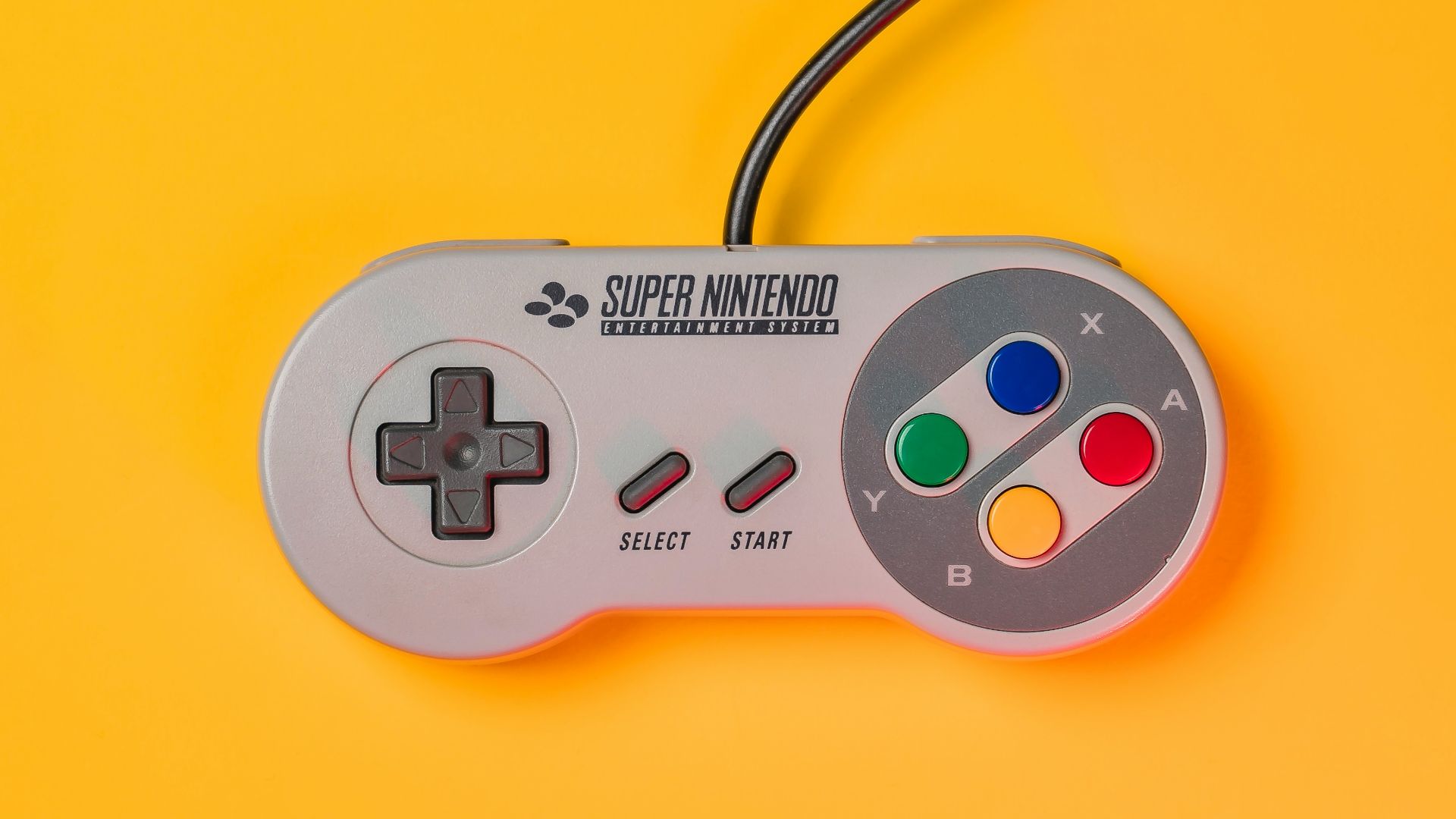
Modern games are considerably larger than many NES and Super NES releases. Today, you’re forced to navigate huge maps, branching quests, online events, and menus full of stats. Finding an answer may be easy, but finding the correct answer can take longer than you think.
A revived counseling service wouldn’t even need to copy the old paid telephone line. Nintendo could offer optional voice calls, live chat, scheduled appointments, or assistance through its console applications! Human experts would also be particularly useful for younger players and newcomers—or anyone overwhelmed by gaming vocabulary. After all, telling someone to “optimize their build” isn’t helpful when they don’t know what you’re talking about. A counselor could translate enthusiast language without issue.
Bringing back game counselors would also create an interesting route into the industry. The original call center gave players experience communicating, analyzing problems, testing games, and understanding how audiences interact with Nintendo. Not everyone would become a localizer, but the position could turn practical knowledge into a legitimate entry-level career.
We’ll admit that the internet will always be faster for players who want an immediate diagram or complete walkthrough. It’s not the only solution, though. Speed isn’t the only quality that matters when you’re trying to enjoy a game rather than complete it as efficiently as possible. Nintendo’s counselors offered expertise, patience, and just enough help to keep the adventure moving, which is exactly why we should be able to call them again.