Superhero Franchises Beyond The Traditional Comic Giants
Marvel and DC may dominate superhero media, but many memorable heroes have come from independent comics, manga, and creator-owned series. Some became cult favorites through unusual storytelling, while others grew into major franchises with movies and television adaptations. These 20 characters proved superhero success didn’t have to come from the industry’s two biggest publishers.
 Gage Skidmore from Peoria, AZ, United States of America on Wikimedia
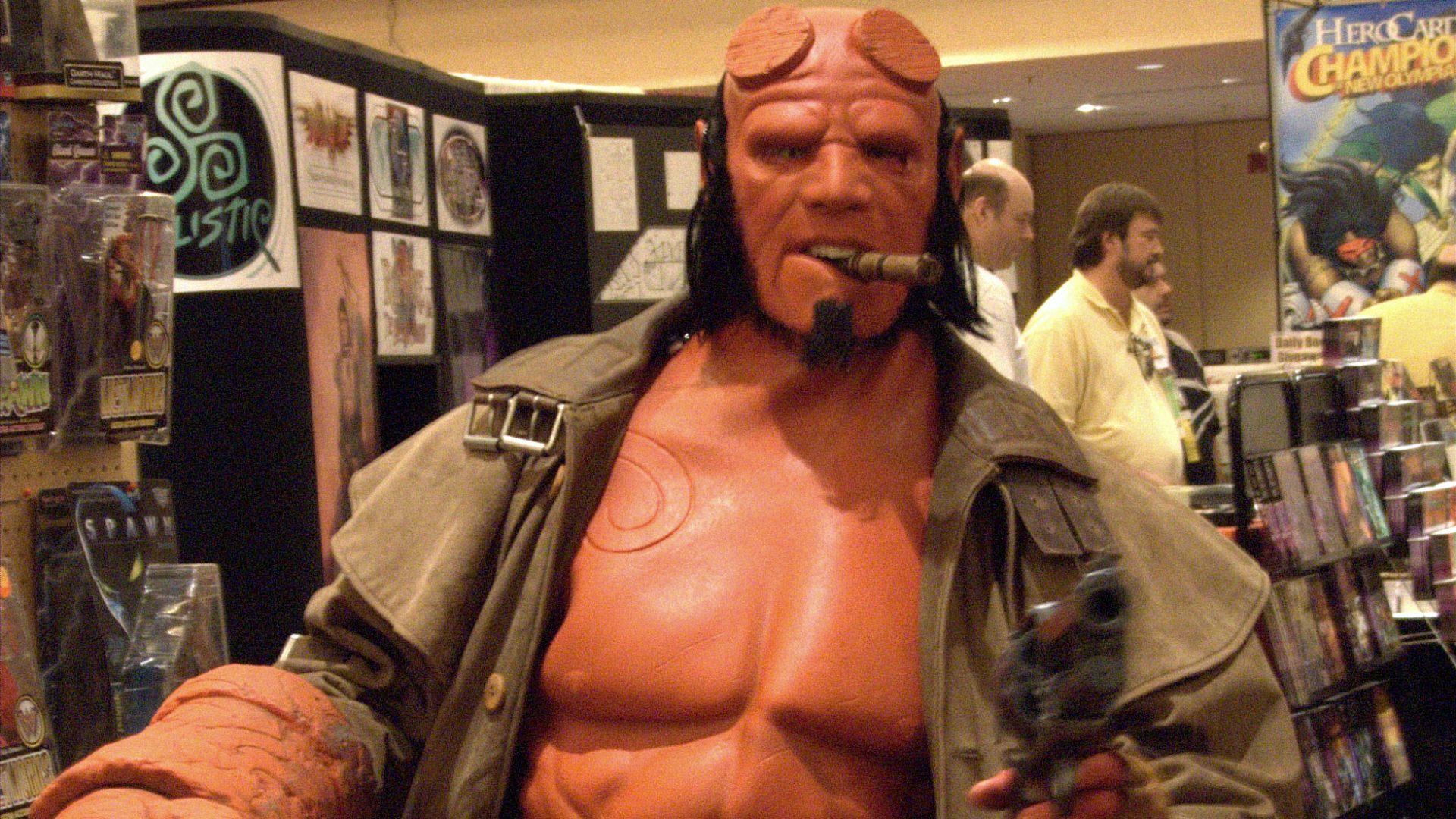
1. Hellboy
Mike Mignola’s Hellboy combines supernatural horror with classic hero storytelling. First appearing in 1993, the demon-born investigator battles monsters, ghosts, and mythological threats for the Bureau for Paranormal Research and Defense. His dry personality and gothic atmosphere helped him stand out from mainstream superheroes.
 Michael Neel from Knoxville, TN, USA on Wikimedia
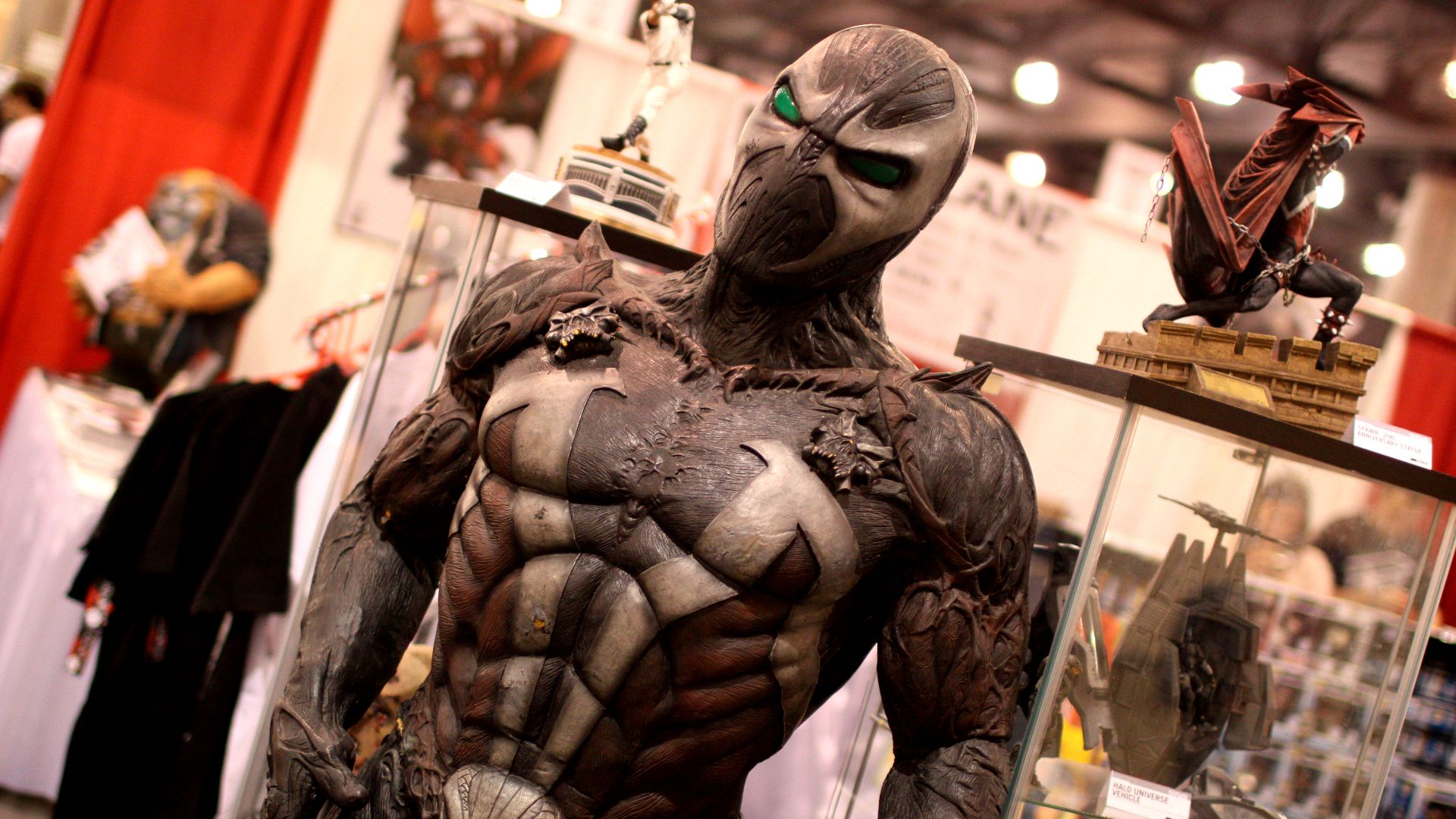
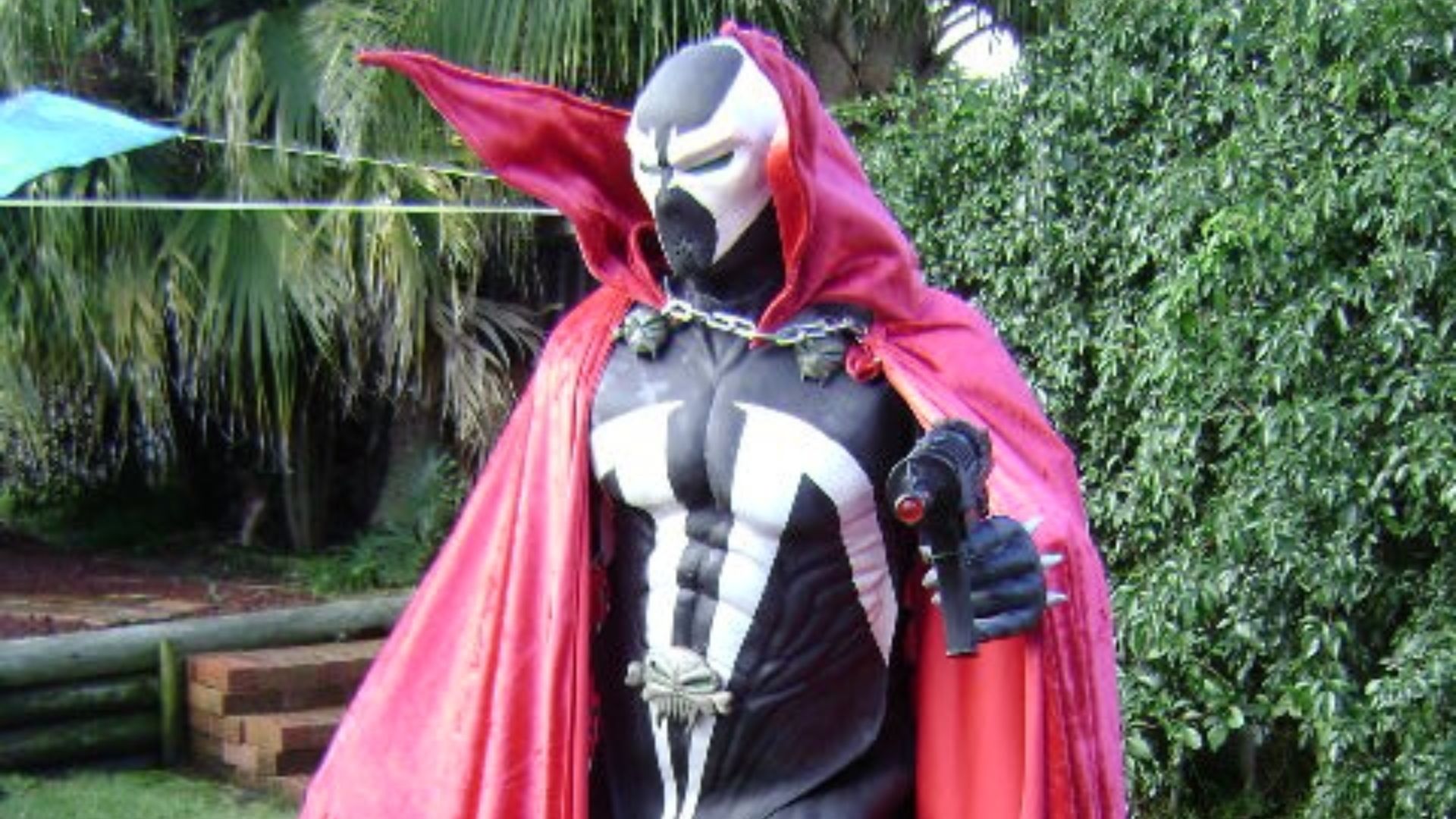
2. Spawn
Spawn debuted through Image Comics in 1992 and quickly became a major independent success. Former assassin Al Simmons returns from Hell with supernatural powers after making a demonic deal. The series became known for violent action, dark themes, and highly detailed artwork.
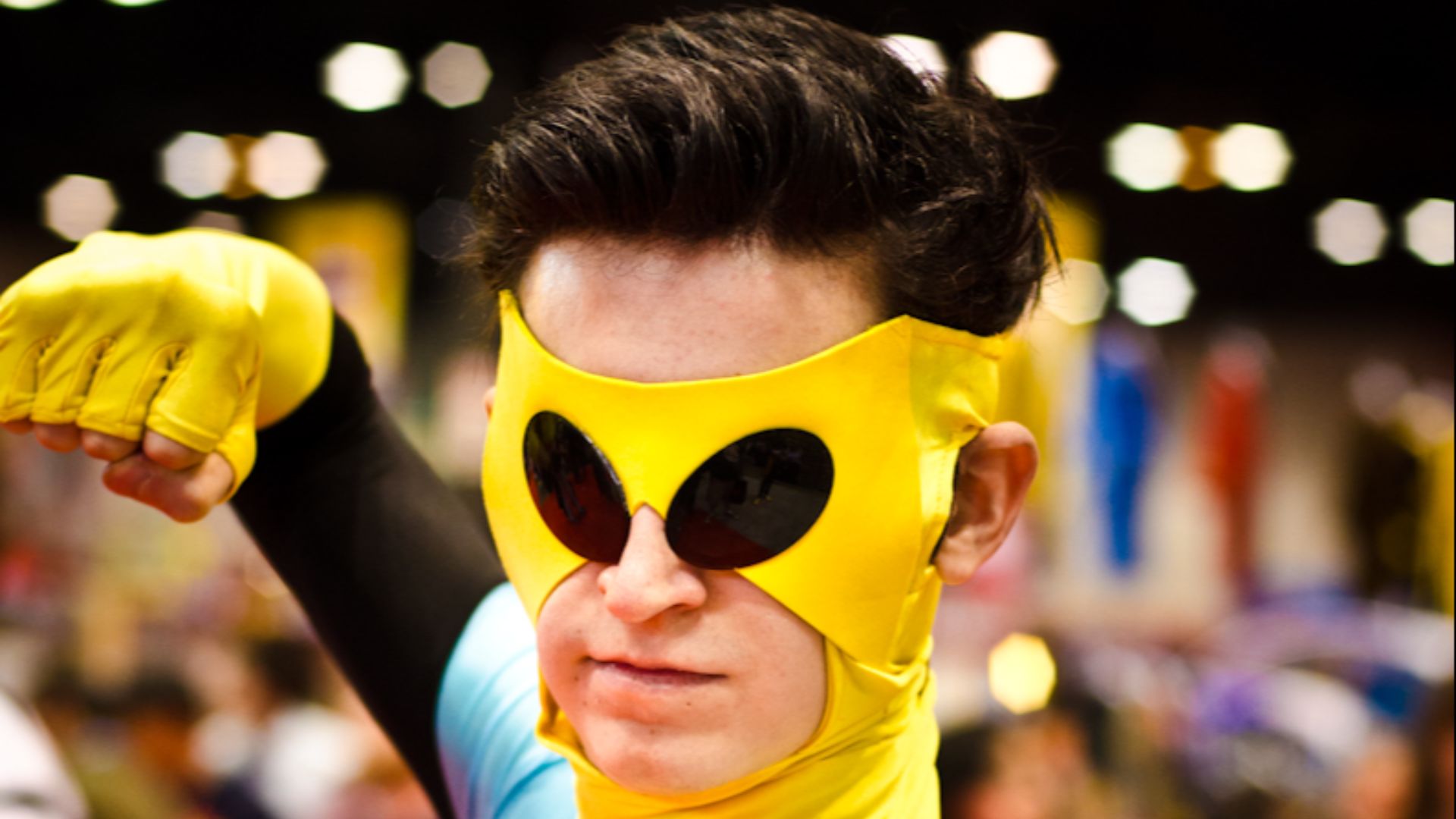
3. Invincible
Robert Kirkman’s Invincible follows teenager Mark Grayson as he develops powers inherited from his alien father. The comic starts like a traditional superhero story before turning far darker and more brutal. Its animated adaptation later introduced the series to a massive audience.
 Marnie Joyce from New York City, USA on Wikimedia
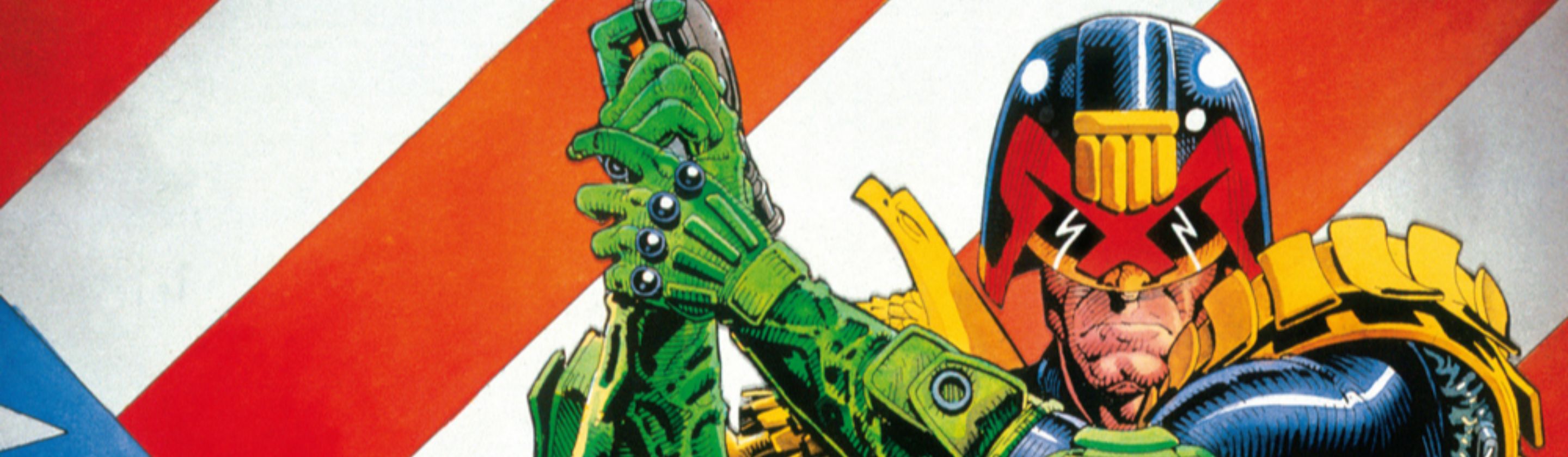
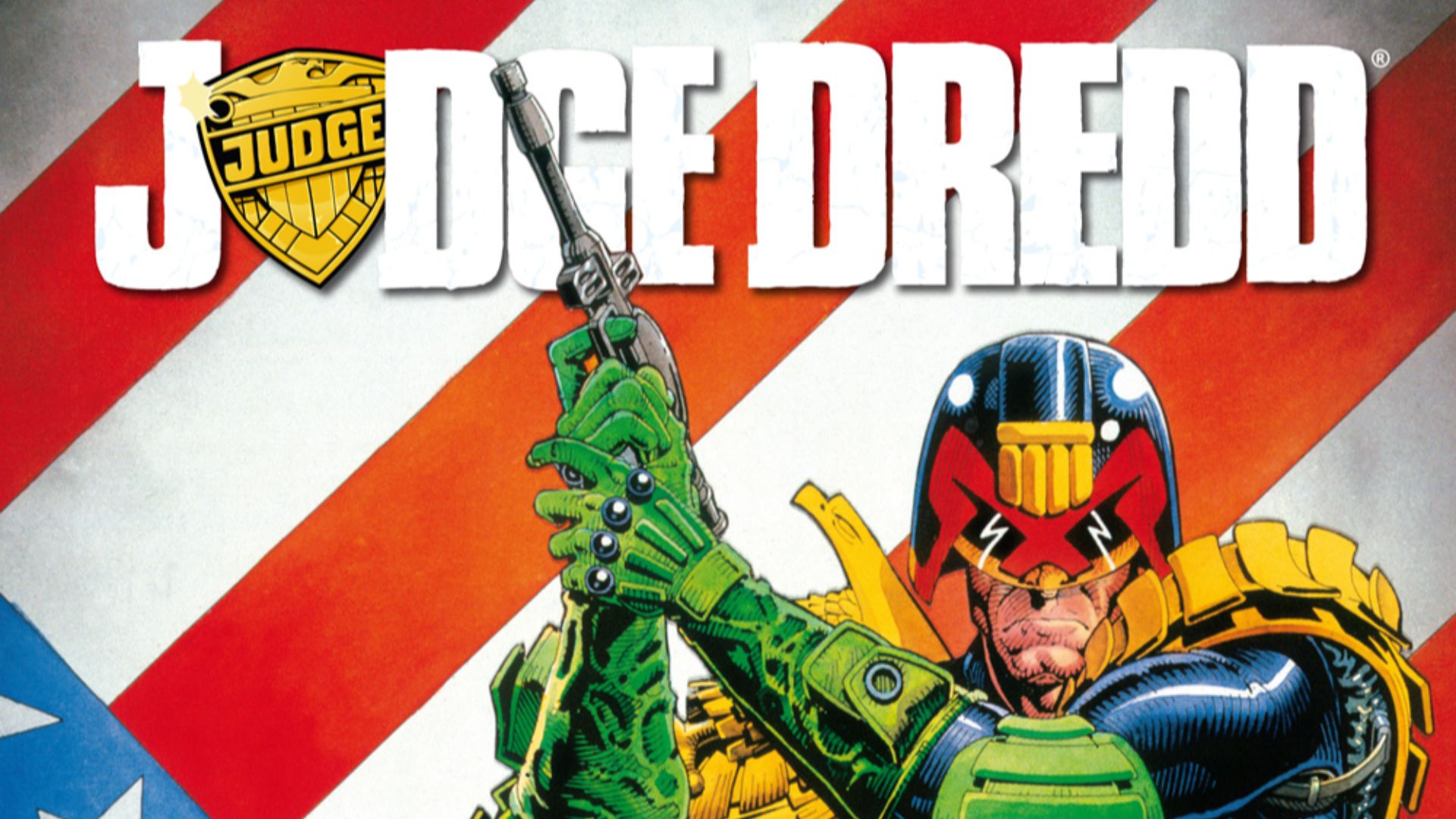
4. Judge Dredd
Judge Dredd became one of Britain’s most recognizable comic characters after debuting in 2000 AD in 1977. He works as a police officer, judge, and executioner in the dystopian Mega-City One. The series gained praise for sharp satire and gritty science fiction storytelling.
5. The Tick
The Tick began as a parody superhero but developed a loyal fan base through comics and television adaptations. His exaggerated optimism and absurd adventures constantly mocked superhero clichés. Despite the comedy, the character remained strangely lovable and surprisingly heroic.
6. Teenage Mutant Ninja Turtles
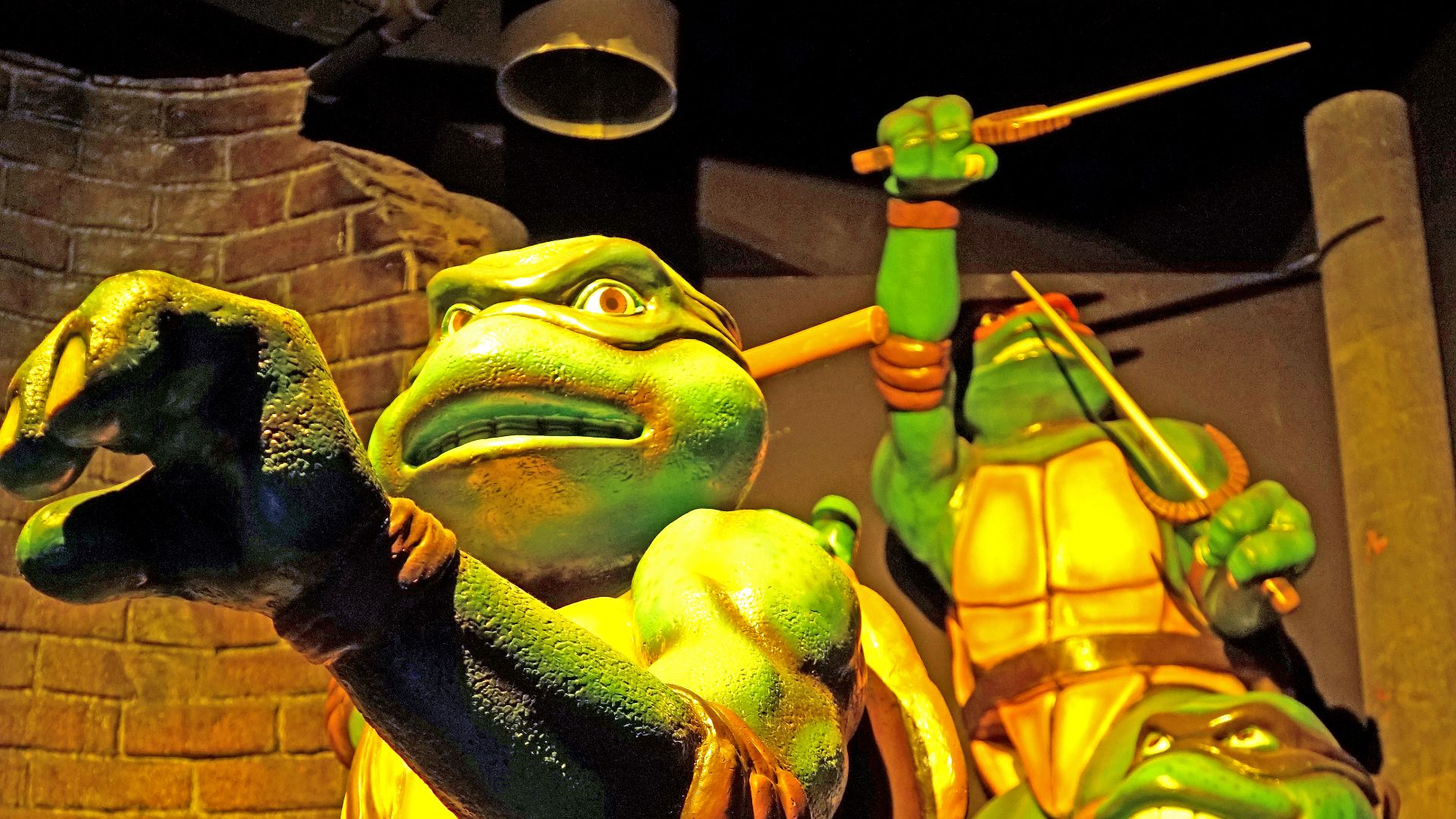
The Ninja Turtles started as an independent comic before becoming a global franchise. Leonardo, Raphael, Michelangelo, and Donatello combined martial arts action with humor in a way that appealed strongly to younger audiences. Their popularity expanded through cartoons, films, and video games.
7. Astro Boy
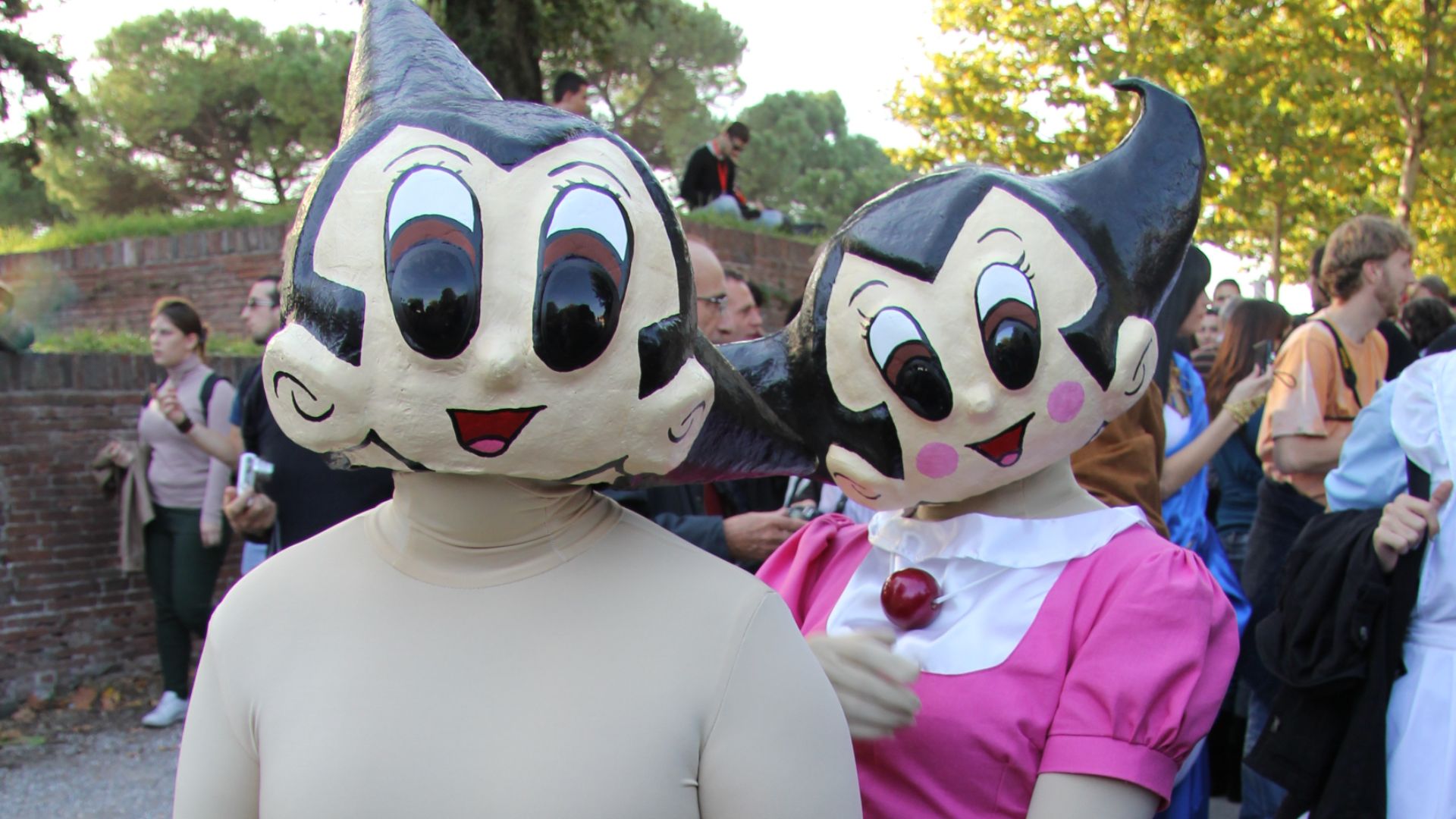
Created by Osamu Tezuka, Astro Boy became one of manga’s most influential heroes during the 1950s. The robotic child hero protected humans and robots while exploring themes involving morality and technology. The series also helped popularize anime internationally.
 Filippo Michelotti on Wikimedia
8. The Mask
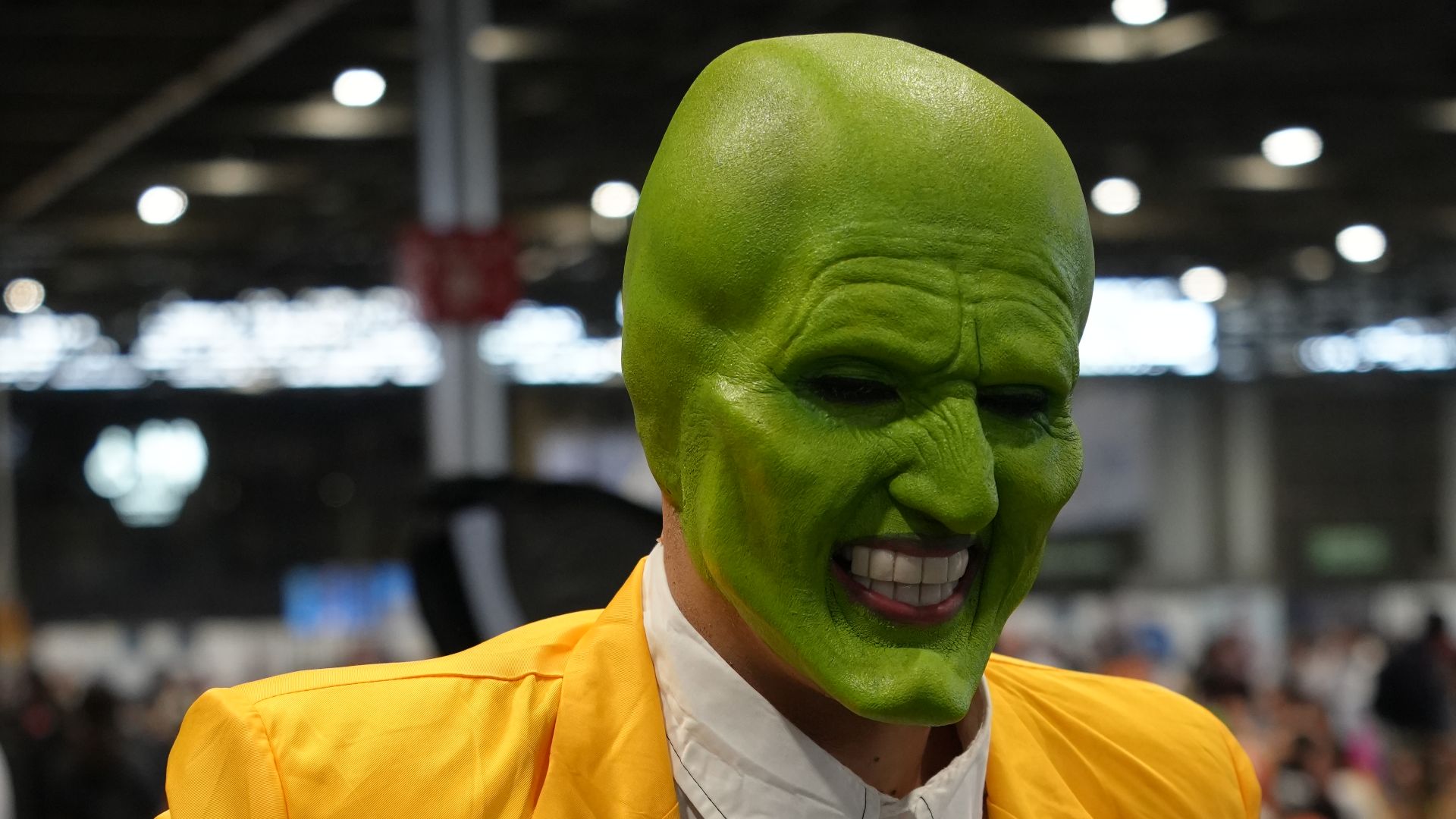
The Mask gained widespread fame after the 1994 film adaptation starring Jim Carrey. In the original comics, the magical mask transforms ordinary people into violent and unpredictable tricksters with cartoon-like abilities. The character blended dark comedy with chaotic action unusually well.
 Miguel Discart / Kiri Karma on Wikimedia
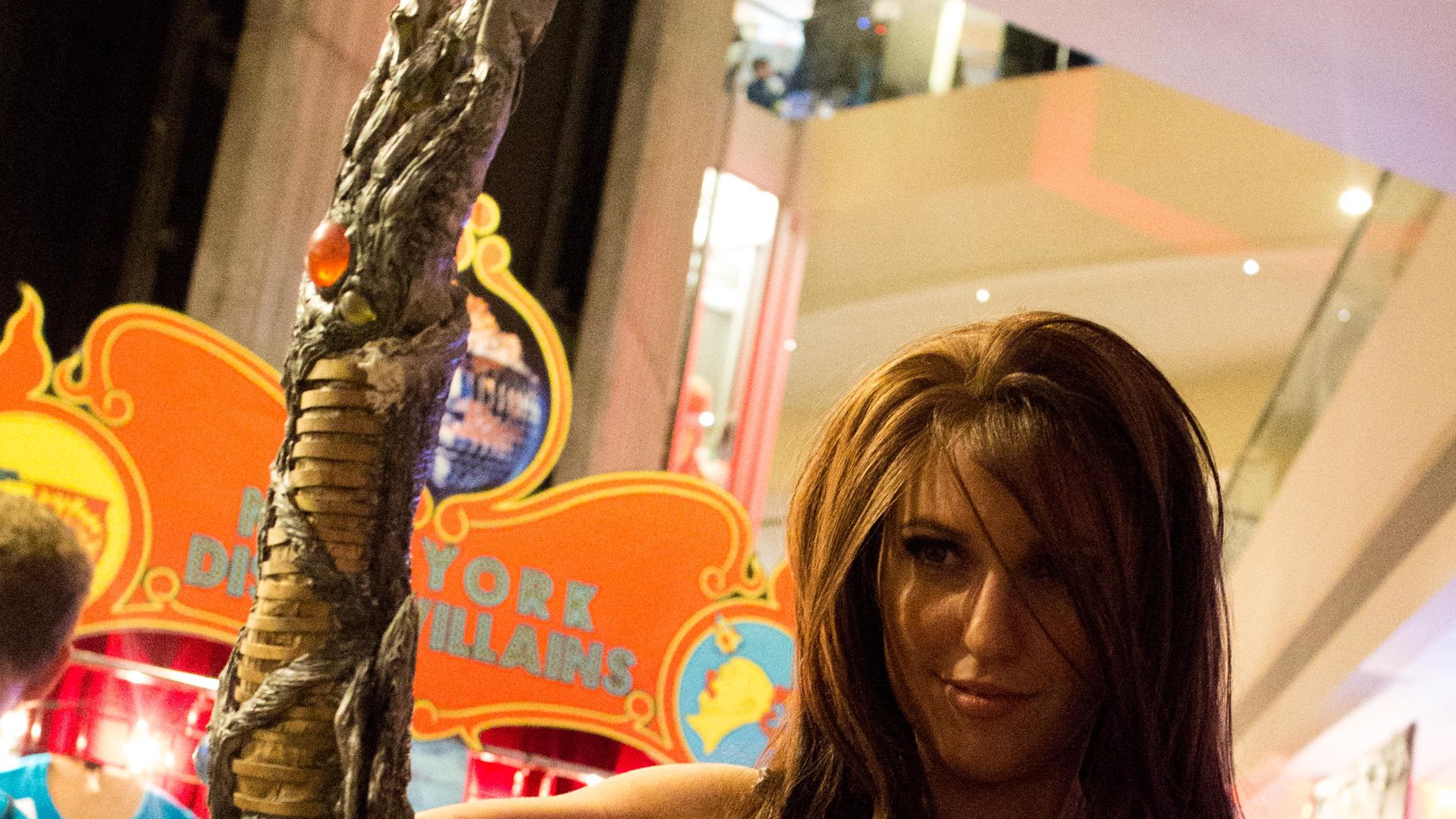
9. Witchblade
Witchblade centers on detective Sara Pezzini after she gains control of a mystical, supernatural weapon. The comic mixed crime stories with fantasy and superhero elements throughout the 1990s and early 2000s. Its popularity later expanded into television and anime adaptations.
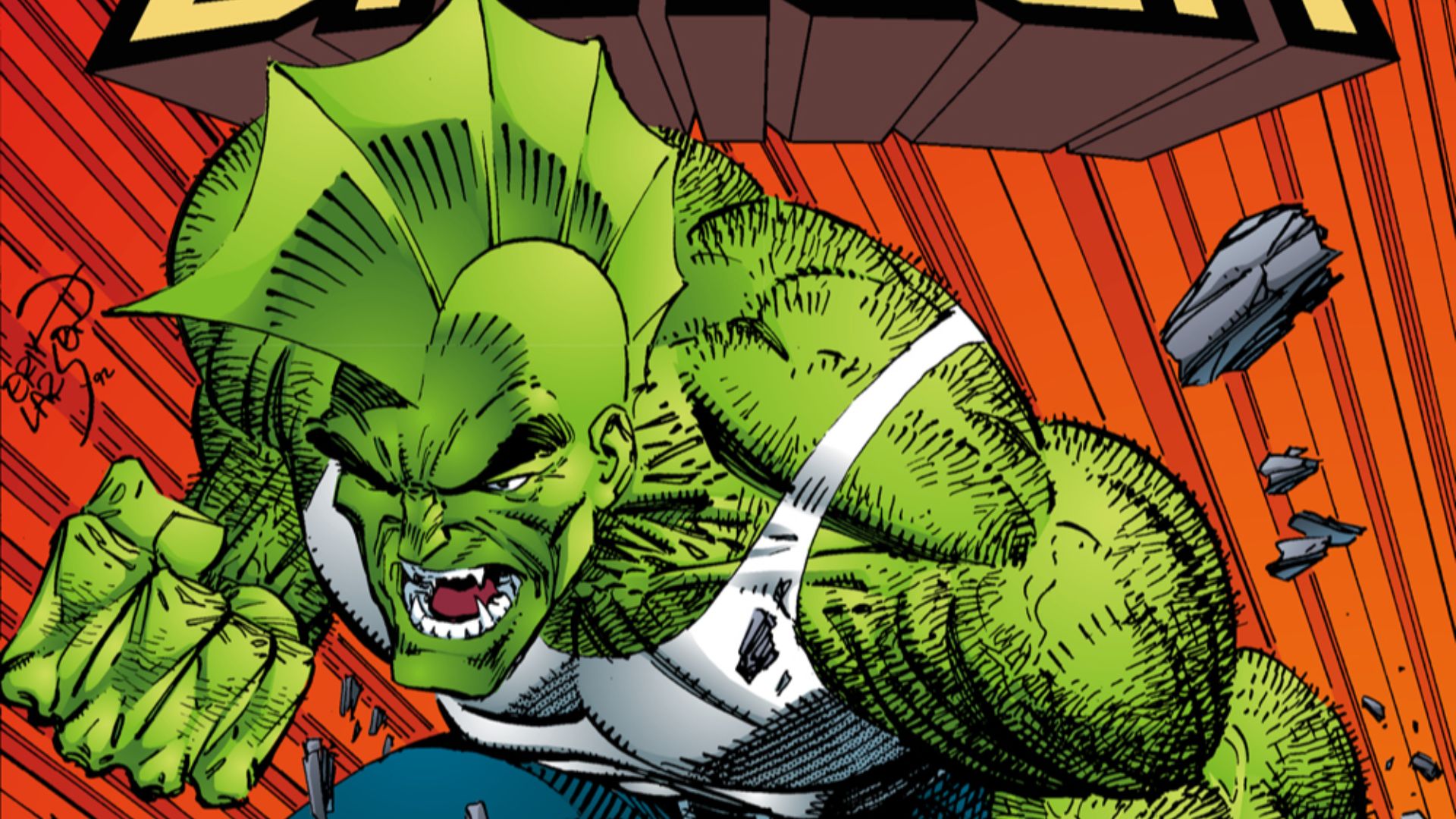
10. Savage Dragon
Erik Larsen’s Savage Dragon follows a superpowered green-skinned hero suffering from amnesia while protecting Chicago from bizarre threats. The comic became notable for its unpredictable stories and long-running independent success. Larsen has remained the primary creator for decades.
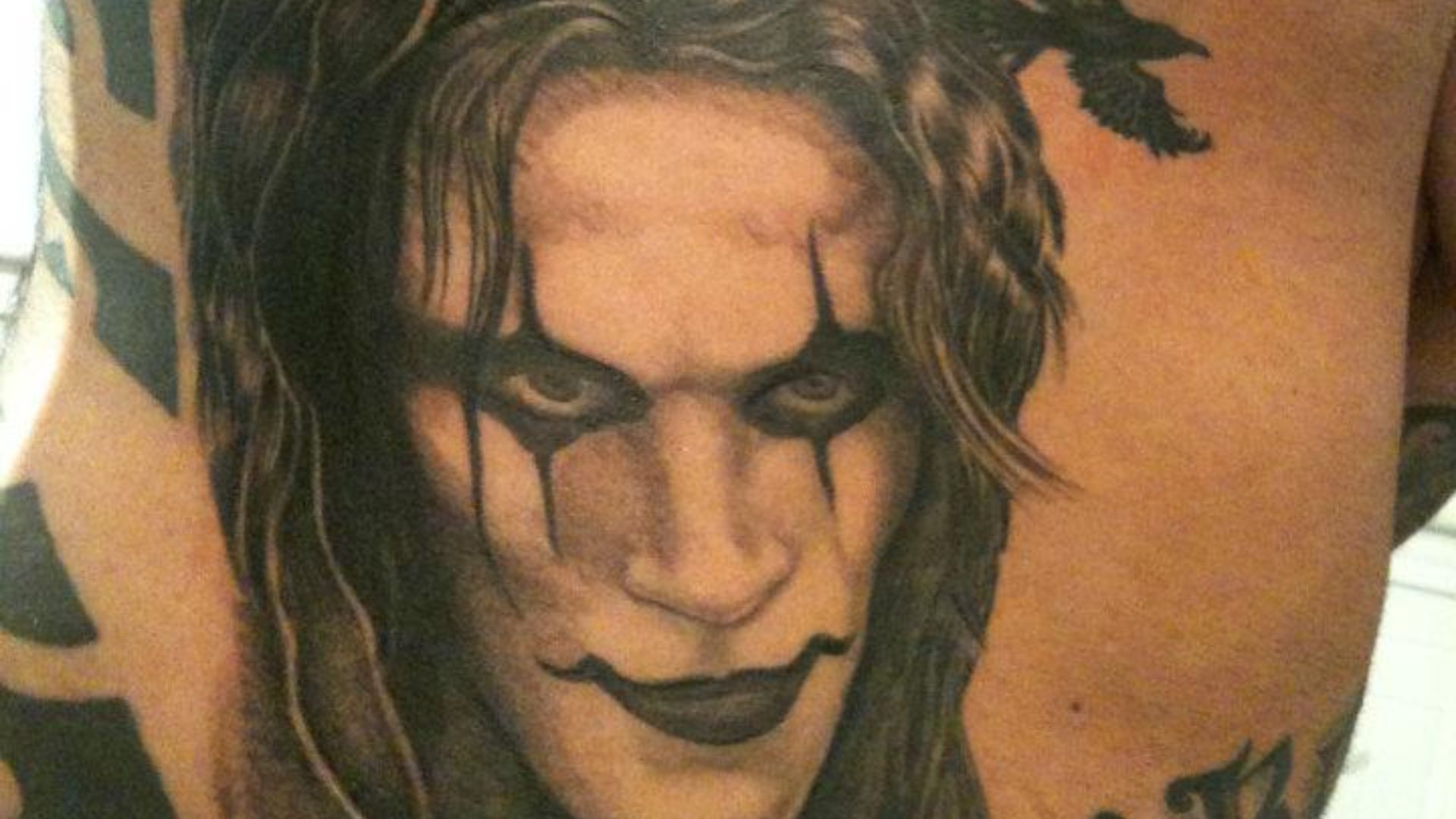
11. The Crow
The Crow follows Eric Draven, who returns from the dead seeking revenge after his murder. James O’Barr created the comic using a darker and more emotional tone than many superhero stories of its era. The 1994 film adaptation became especially influential within alternative culture.
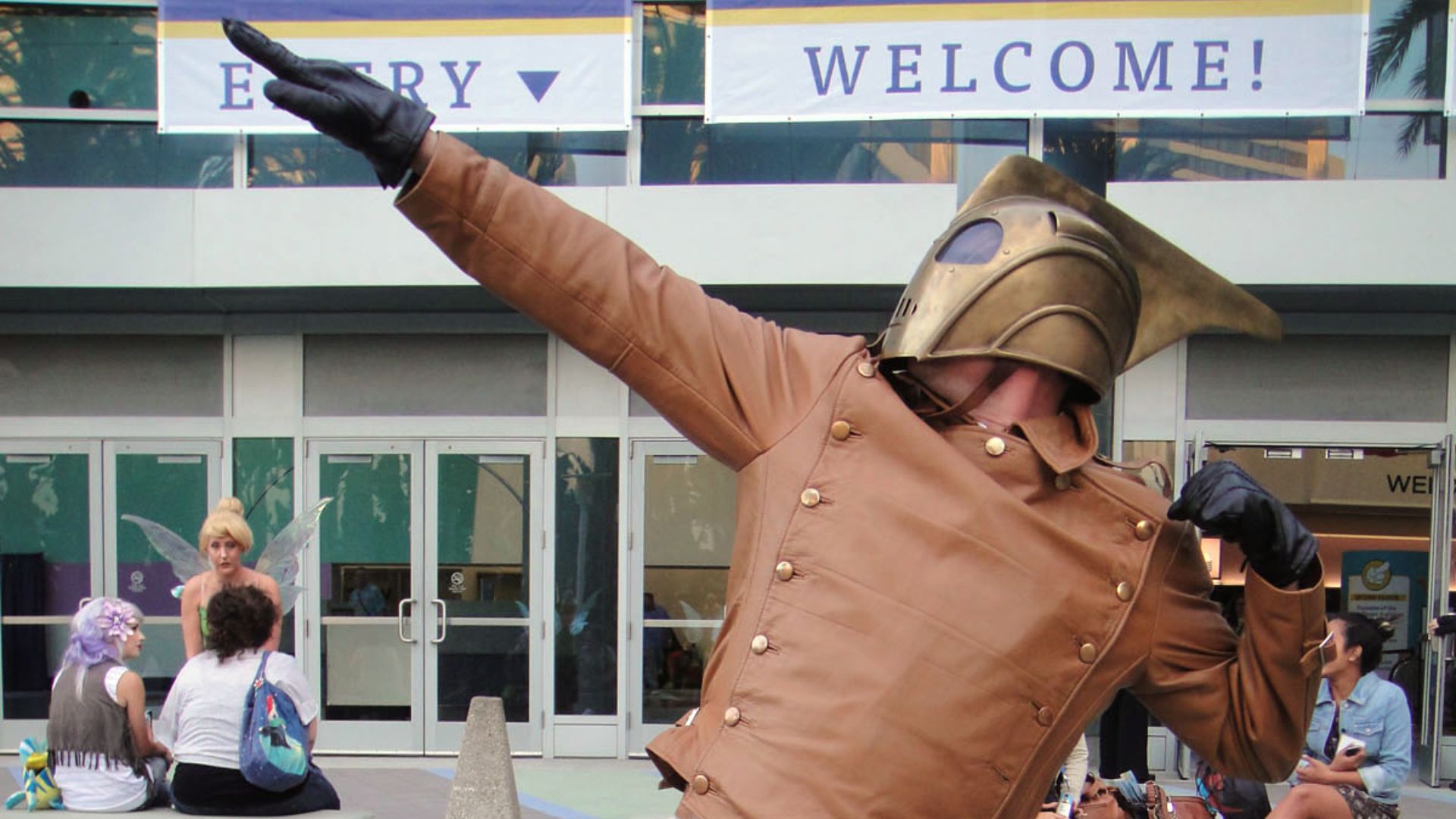
12. Rocketeer
Dave Stevens created The Rocketeer as a retro-inspired adventure hero during the 1980s. Test pilot Cliff Secord discovers a rocket pack that throws him into battles involving gangsters and spies before World War II. The series became admired for its strong visual style.
 The Conmunity - Pop Culture Geek from Los Angeles, CA, USA on Wikimedia
13. Tank Girl
Tank Girl became famous for her chaotic humor, punk-inspired style, and post-apocalyptic adventures. Living in a future version of Australia, she relies on tanks, weapons, and unpredictability rather than traditional heroic behavior. The comic later developed a strong cult following.
 Pikawil from Laval, Canada on Wikimedia
14. Nexus
Nexus combined superhero storytelling with science fiction and political commentary during the 1980s. The hero receives psychic visions directing him to execute mass murderers across the galaxy. The comic gained praise for its ambitious worldbuilding and moral complexity.
15. Concrete
Concrete tells the story of a man whose brain is transferred into a massive stone body by aliens. Instead of focusing heavily on combat, the comic explored emotional adjustment and daily challenges realistically. Its quieter storytelling style made it stand apart from traditional superhero comics.
16. Bloodshot
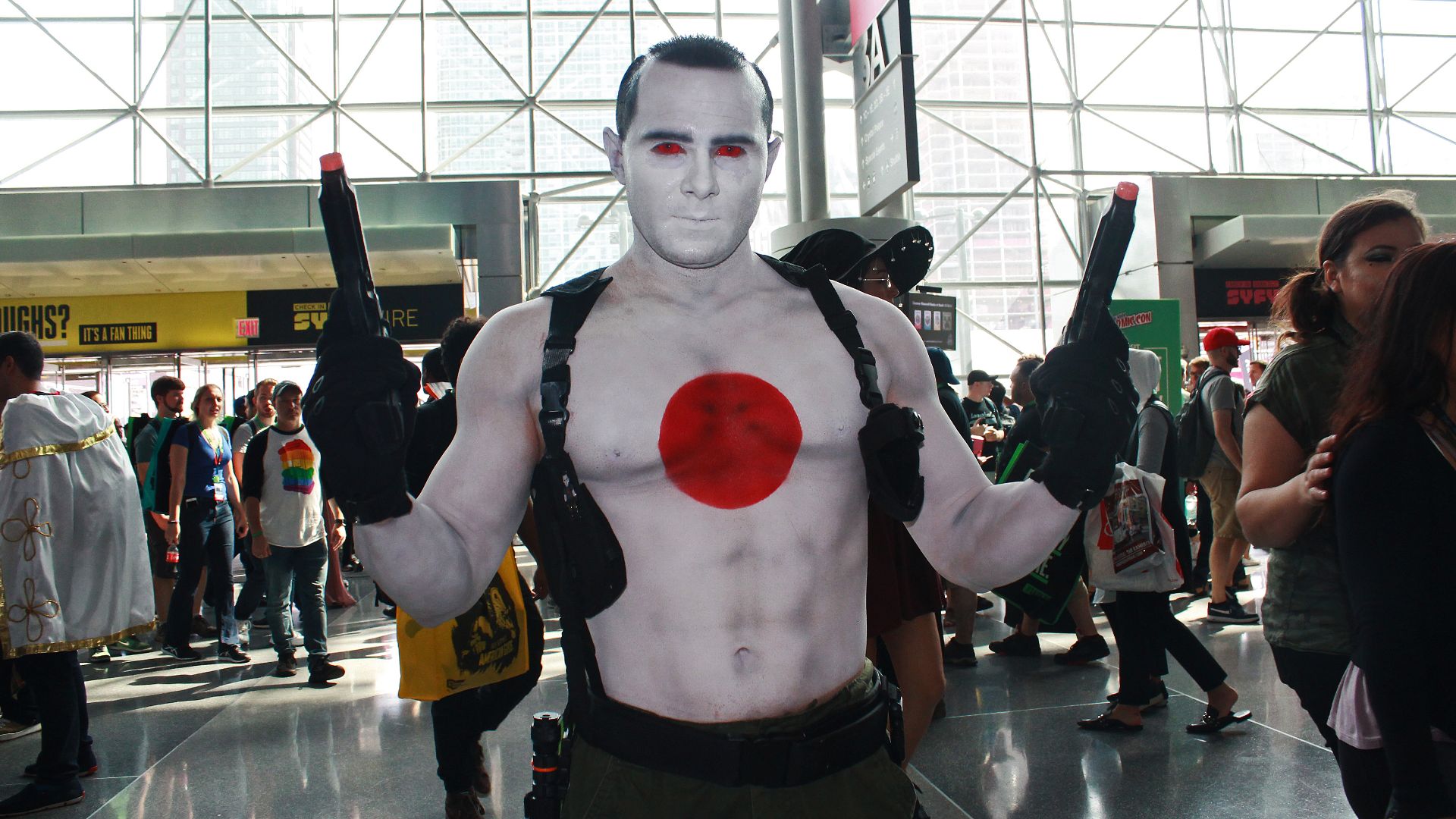
Valiant Comics introduced Bloodshot as a soldier enhanced through nanotechnology and implanted memories. The character constantly struggles to uncover which parts of his life are real. His stories combine military action, science fiction, and psychological conflict effectively.
17. Madman
Mike Allred’s Madman blended surreal humor with colorful retro science fiction influences. Frank Einstein survives death through experimental surgery but loses much of his memory afterward. The comic became respected for its unusual tone and highly stylized artwork.
18. Dynamo 5
Dynamo 5 follows the secret children of a deceased superhero who inherit different parts of their father’s abilities. The series focused heavily on family tension and public expectations surrounding legacy heroes.
19. Radiant Black
Radiant Black became one of Image Comics’ strongest modern superhero launches. Nathan Burnett gains cosmic powers while struggling with debt and uncertain adulthood. The series mixed large-scale action with realistic personal problems in a modern setting.
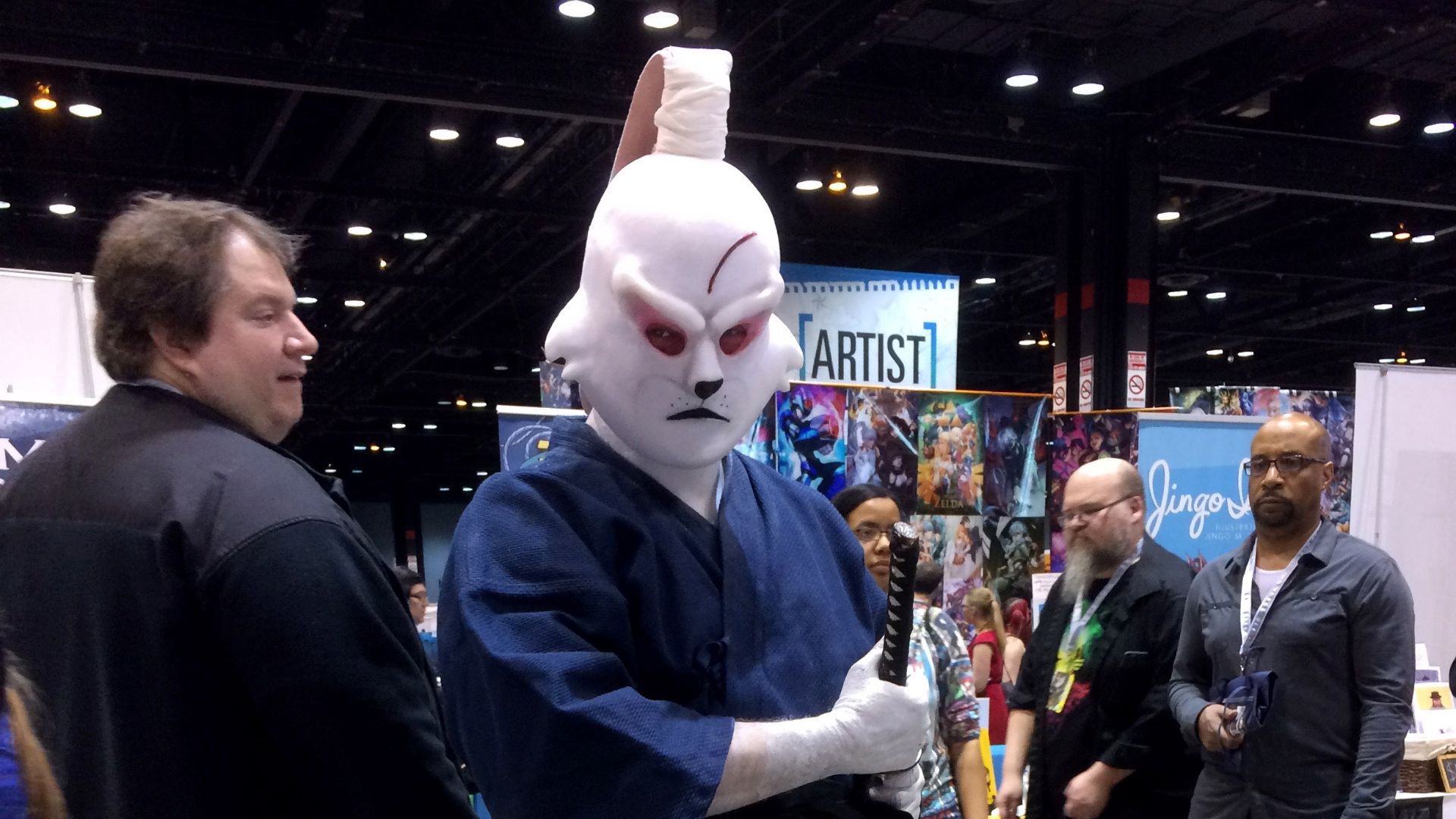
20. Usagi Yojimbo
Stan Sakai’s Usagi Yojimbo follows a wandering samurai rabbit inspired partly by Miyamoto Musashi. The comic blends anthropomorphic characters with historically accurate elements from Edo-period Japan.