
From Cozy to Cursed
A good video game city has to do more than just look nice. It needs streets that feel lived in, people with places to go, shops that make sense, and enough small details to make you wonder what life would be like here, even after you’ve completed all the quests. Some cities pull this feeling off so well that moving there sounds appealing, even with the occasional monster, corrupt guard, or suspiciously flammable wagon nearby. Others are unforgettable because they look like they’d ruin your day before breakfast, then charge you rent for the privilege. These are the video game cities we’d happily move to, followed by the ones we’d escape as fast as the sprint button allows.

1. Novigrad, The Witcher 3: Wild Hunt
Novigrad feels huge in a way that still makes sense on foot. You can move from packed docks to temple squares, fish markets, banks, bathhouses, and back-alley taverns without the city ever feeling one-note.
 BANDAI NAMCO Entertainment Europe on Wikimedia
2. Beauclair, The Witcher 3: Blood and Wine
Beauclair is the rare fantasy capital where daily life looks pleasant instead of damp, hungry, and downright cursed. The palace, vineyard roads, clean plazas, and wine-soaked rhythm of Toussaint make even the most basic errand run feel beautiful.

3. Los Santos, Grand Theft Auto V
Los Santos would be stressful, loud, and full of people. Still, the beaches, movie lots, hill roads, downtown blocks, and weird little neighborhoods give it the kind of variety that makes a city feel alive, even when half of it is deeply unwell.

4. The Citadel, Mass Effect
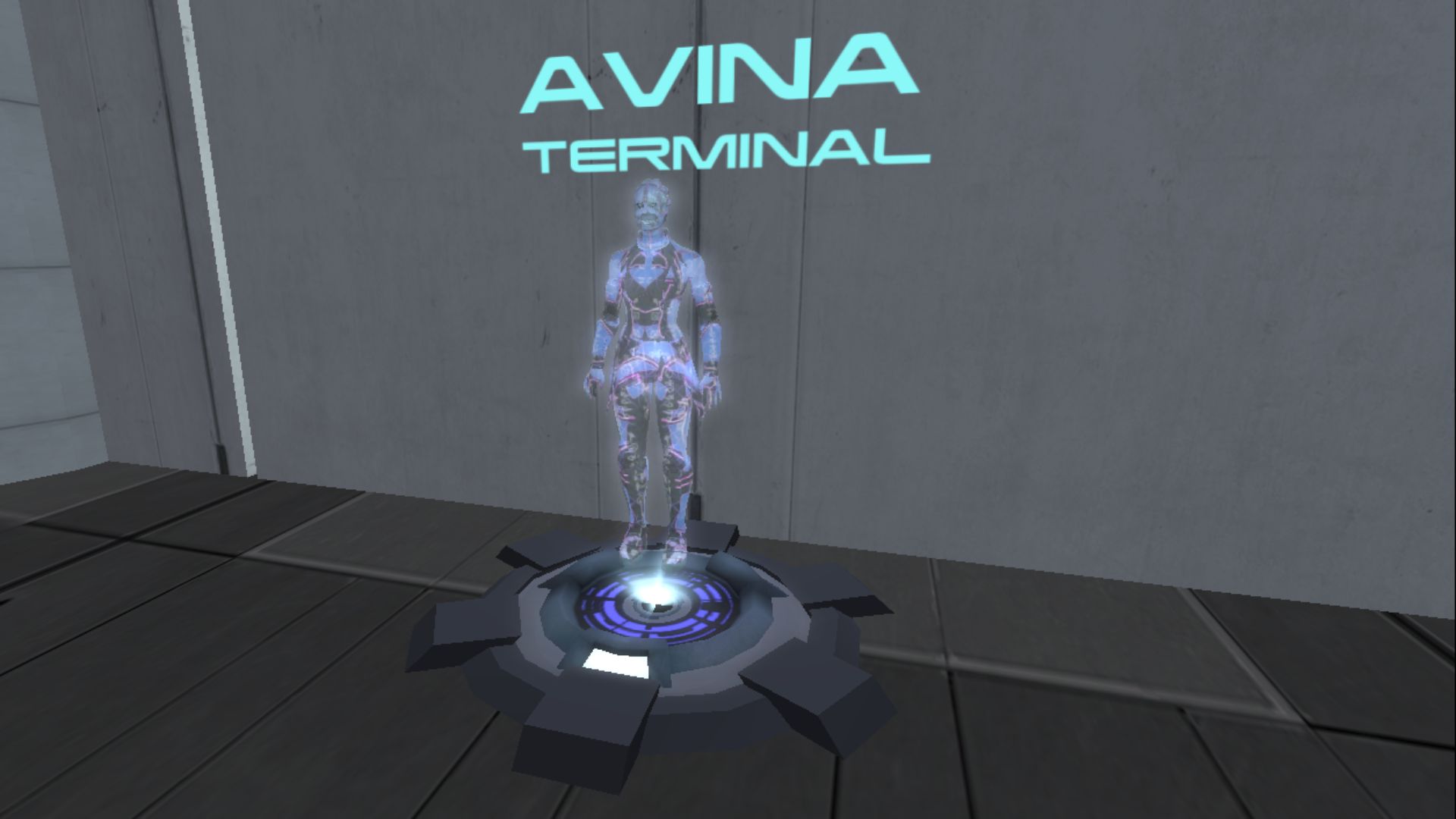
The Citadel has housing, shops, public transit, embassies, security, and enough species sharing space to make every coffee run feel all the better. It’s polished in that glossy sci-fi way, but the wards give it texture, with ordinary people trying to build normal lives under very abnormal circumstances.
5. New Donk City, Super Mario Odyssey
New Donk City has skyscrapers, taxis, a city hall, public music, and Mayor Pauline, somehow keeping the whole place upbeat. It feels busy without feeling grim, which is already more than can be said for most downtown cores.

6. The Imperial City, The Elder Scrolls IV: Oblivion
The Imperial City has a market district, an arena, residential areas, waterfront access, and that enormous central tower watching over the whole island. It’s formal and a little stiff, sure, but there’s comfort in a capital city that prides itself on organization and accessibility.

7. Bowerstone, Fable II
Bowerstone has markets, homes, side streets, taverns, and enough neighborhood gossip to make it feel warmly nosy. It’s the sort of place where your reputation follows you around, but also means you’ll find a decent sense of community.
 myself (User:Piotrus) on Wikimedia
8. Rattay, Kingdom Come: Deliverance
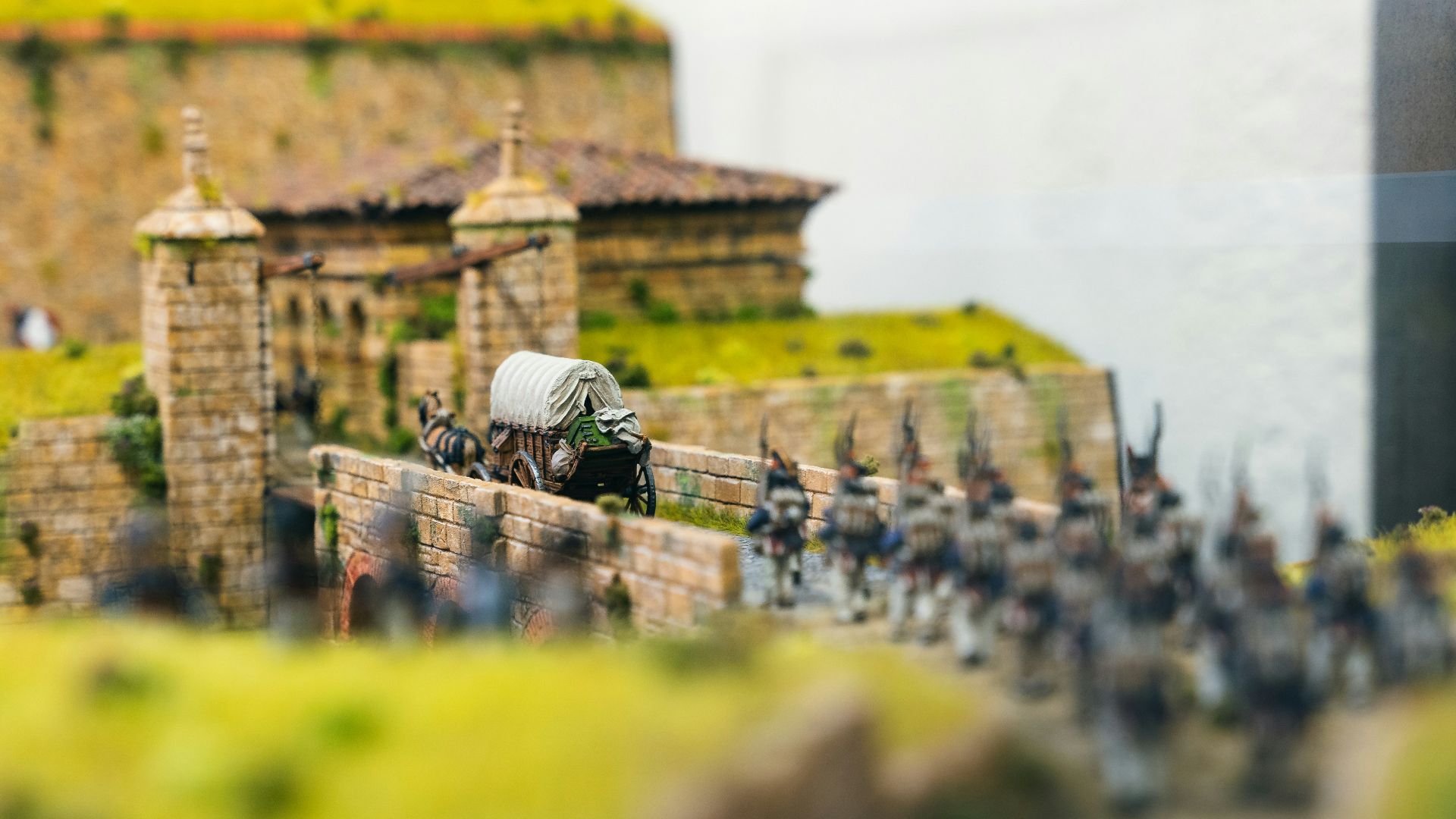
Rattay feels sturdy, practical, and shaped by real medieval habits instead of fantasy convenience. Its gates, castle, church, trade spaces, and layered streets make it easy to imagine daily life there, even if that daily life includes mud, class tension, and limited plumbing.
9. Altissia, Final Fantasy XV
Altissia is built around canals, gondolas, cafés, markets, and the kind of waterfront views that make you slow down even when the story wants urgency. It’s not a simple place to navigate, but getting lost there seems more appealing than arriving on time in most fictional cities.

10. Whiterun, The Elder Scrolls V: Skyrim
Whiterun has a central market, a busy tavern, a blacksmith, and Dragonsreach rising over the city. Skyrim is still Skyrim, so no one’s promising total safety, but Whiterun feels more settled than most places in the province.

1. Rapture, BioShock
Rapture starts with art deco beauty and then immediately reminds you why underwater city planning has risks. The leaking corridors, broken social order, violent residents, and abandoned glamour make it a brilliant place to explore and a terrible place to buy property in.

2. City 17, Half-Life 2
City 17 feels cold before anyone even speaks. The Combine checkpoints, public broadcasts, apartment blocks, and massive Citadel leave almost no room for private life, which makes the city memorable - in all the ways you don’t want your home to be memorable.
 Long Zheng from Melbourne, Australia on Wikimedia
3. Night City, Cyberpunk 2077
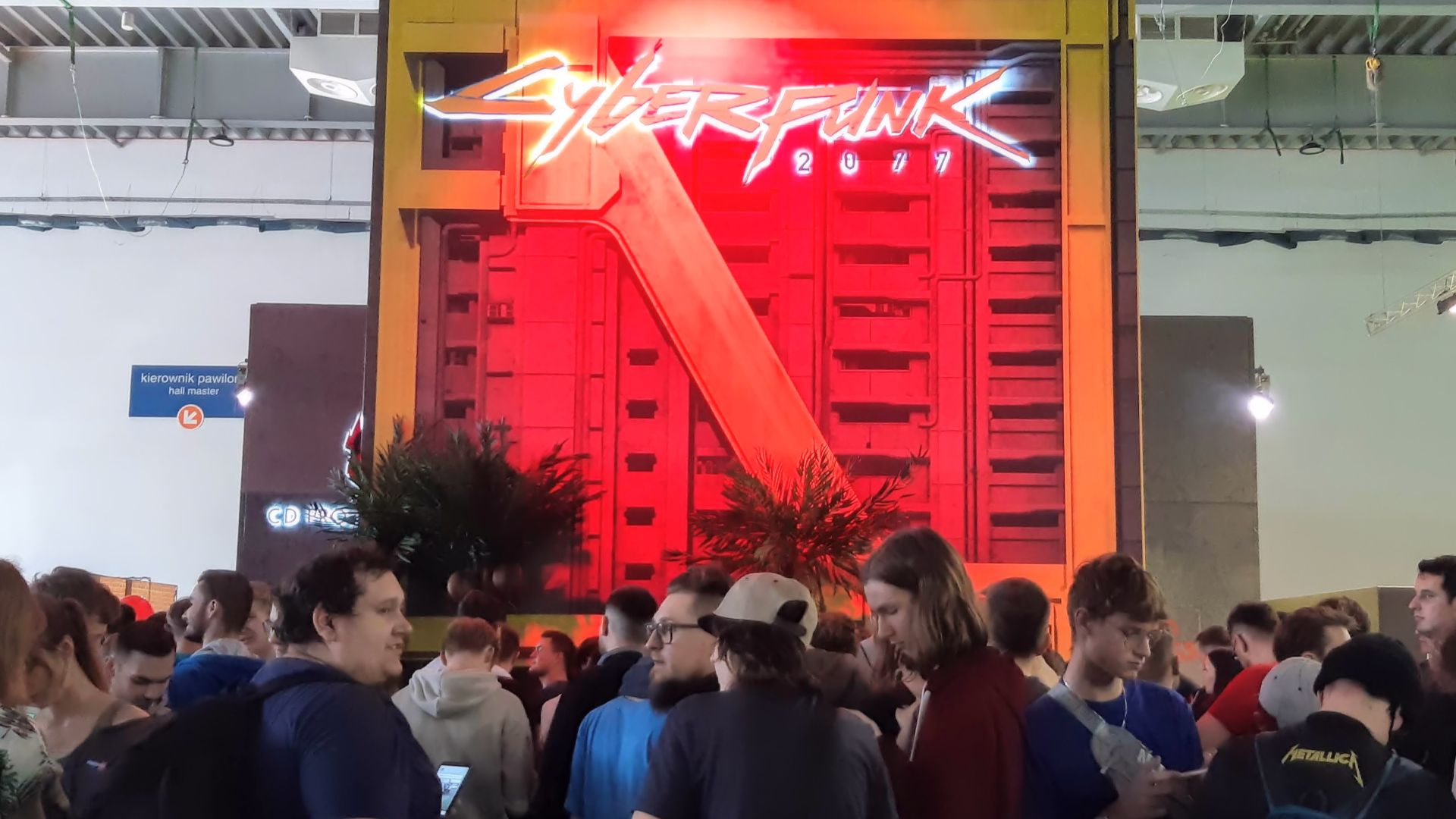
Night City has neon streets, clubs, cars, food stalls, and neighborhoods with a real attitude. Living there would mean dealing with corporate control, gang violence, surveillance, and a healthcare situation that makes you want to protect every bone in your body.
4. Harran, Dying Light
Harran has rooftops, dense streets, sunlit courtyards, and traces of the normal city it was before the outbreak. Once quarantine walls, infected crowds, and night predators enter the picture, though, the best housing feature becomes “near an exit.”
 Techland Publishing on Wikimedia
5. Yharnam, Bloodborne
Yharnam has grand churches, narrow streets, old stone buildings, and the heavy quiet of a city that has seen too much. As beasts, mobs, plague, and blood-soaked rituals continue to show up, the town’s beauty is somewhat sidelined.

6. New Vegas, Fallout: New Vegas
New Vegas still knows how to put on a show, even after the world has gone sideways. The Strip has casinos, lights, and old-world swagger, but the factions, power struggles, and surrounding wasteland make it an unstable area to settle down in.

7. Orzammar, Dragon Age: Origins
Orzammar is impressive: an underground dwarven city with history, politics, craft, and deep ties to Thedas. Living there would be another matter, since the caste system, noble infighting, dark tunnels, and lack of sunlight would wear even the strongest person down.

8. Steelport, Saints Row: The Third
Steelport is the kind of city where a quiet afternoon seems statistically unlikely. Between the Syndicate, the Saints, economic decay, and constant public chaos, it works beautifully as a playground for mayhem, and not much else.
 Dennis Amith from USA on Wikimedia
9. Paris, Assassin’s Creed Unity
Paris in Assassin’s Creed Unity is packed with historic landmarks, crowds, rooftops, markets, and narrow streets that make it one of the series’ most absorbing cities. The trouble is the late 18th-century setting, where revolution-era unrest makes ordinary life feel all the more fragile.
 Tim Bartel from Cologne, Germany on Wikimedia
10. Dunwall, Dishonored
Dunwall has canals, grand estates, factories, masked parties, and a whole industrial identity built around whale oil. It also has plague, rats, armed patrols, poverty, and political rot pressing in from every side, so the best moving plan is simply leaving.
 dalvenjah from USA on Wikimedia