

Your favorite game genre can’t predict your next vacation with scientific precision. Still, it can be a fun way to think about how you like to move through the world, whether you’re chasing momentum, story, structure, discovery, or a good group dynamic. Games ask us to make choices, solve problems, explore environments, and respond to challenges, which are also a big part of travel.
There’s some real research behind the broader idea that games connect with motivation, cognition, behavior, and identity. UC Davis notes that people may play video games for reasons such as intrinsic motivation, connection, autonomy, and “wishful identification,” and that games can let players explore worlds and adventures they can’t experience in real life. A 2024 article in Nature Human Behaviour also argues that games can be useful tools for studying cognition because they’re intuitive, engaging, and closer to real-world behavior than many traditional lab tasks. So, your favorite genre doesn’t lock you into one travel type, but it may hint at the kind of trip that feels most natural.
Fast-Paced Players

If action games are your usual pick, you may like trips that keep moving. Action games often center on quick reactions, physical challenges, and steady engagement, so it’s easy to see why fans might enjoy traveling with a clear rhythm. This is the traveler who sees a three-day itinerary and thinks, somehow, that six neighborhoods, two museums, and a night market sounds completely reasonable.
That doesn’t mean action-game fans can’t relax. It simply means downtime may feel better after there’s been something to do first. These travelers may prefer active sightseeing, sports trips, concerts, walking-heavy cities, or destinations where the main appeal is movement. The vacation doesn’t need to be chaotic, but it probably needs enough variety to keep the day from feeling boring.
Adventure-game fans may share that love of movement, though their travel style often leans more curious than efficient. Britannica describes electronic adventure games as a genre built around exploration, puzzle solving, and narrative interaction, with action-adventure games adding physical sequences like running, climbing, fighting, and other high-energy movement. That makes adventure fans a natural fit for wandering side streets, following scenic routes, trying unfamiliar food, and saying yes to a detour just because it looks interesting. They’re often less focused on checking off the most famous attraction and more interested in what feels hidden, strange, or locally specific.
Story-Driven Players
RPG fans often approach travel as something layered, personal, and story-rich. Britannica defines role-playing video games as games where players advance through a story quest and often side quests, while their character or party gains experience that improves attributes and abilities. That structure lines up neatly with travelers who like longer trips, slower pacing, historical sites, museums, local customs, and places with a strong sense of identity. For them, the best part of a trip may not be one landmark, but the feeling that every stop adds more context.
These travelers may enjoy neighborhoods more than postcard views. A café with regulars, a small museum, an old market, or a side street with good architecture can matter as much as the attraction everyone photographs first. They may also care about the emotional texture of a destination, including its food, language, music, and everyday routines. Tiny side quests, naturally, are part of the appeal.
Simulation players may take that immersive instinct in a more practical direction. Simulation games often focus on systems, routines, realism, and the satisfaction of seeing how things work. As a travel style, it may look like slow travel, train routes, food markets, apartment stays, and neighborhoods where daily life is visible. These travelers may notice transit, building layouts, grocery stores, and morning routines with the gravity other people reserve for monuments.
Puzzle fans, meanwhile, may enjoy trips that give them room to think. Puzzle games reward patience, pattern recognition, and focused attention, so puzzle-loving travelers may be drawn to walkable cities, architecture, galleries, bookstores, and self-guided exploration. They may prefer a measured pace over an action-packed schedule. A good trip for them often feels textured, thoughtful, and quietly satisfying.
Planners And Social Players
Strategy-game fans may approach travel like their next organizational project. Strategy games are commonly tied to planning, resource management, decision-making, and long-term thinking, so these travelers may enjoy comparing routes, balancing budgets, booking early, and making sure the pieces fit together. It may sound like the most boring part of travel to some, but your strategy-based friends are the ones you can thank for making sure the trip goes smoothly.
For strategy-minded travelers, a good itinerary can actually create freedom. When transportation, lodging, and timing are handled, the trip has more room for actual enjoyment. These travelers may like multi-city trips, road trips with planned stops, carefully chosen accommodations, and activities that line up cleanly with the day’s rhythm. Their version of fun often includes knowing there’s a backup plan.
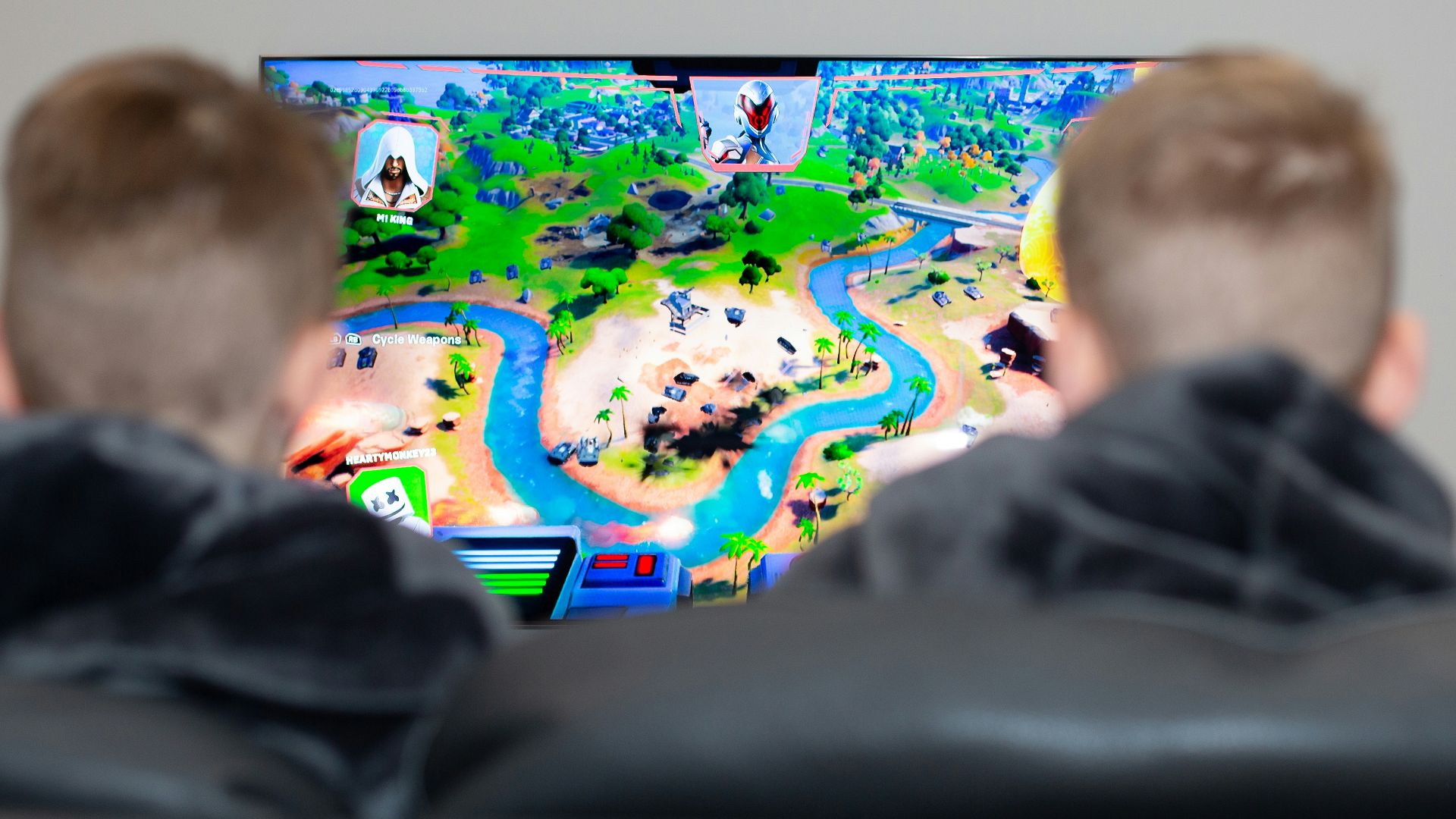
Multiplayer fans may care less about the perfect route and more about who’s along for it. Games built around cooperation, communication, and shared goals naturally fit with group travel, family trips, friend weekends, and destinations where everyone can participate. The destination still matters, but the memory often comes from the people around it. A group dinner, a chaotic activity, or an inside joke from the train ride can become the highlight.
There’s also growing evidence that games can influence real-world travel interest, especially when game worlds are tied to real places. A 2026 study in Humanities and Social Sciences Communications looked at Black Myth: Wukong and found that immersive experiences, exposure to natural and cultural heritage, proactive interaction, pride, interest, and peer influence were connected to players’ attitudes and intentions to visit real-world heritage sites shown in the game. That doesn’t prove every gamer wants to travel like their favorite genre, and it definitely doesn’t turn your game library into a travel agent. Your favorite genre may simply point toward the kind of trip that feels right to you: fast, slow, social, structured, curious, or a little bit of everything.