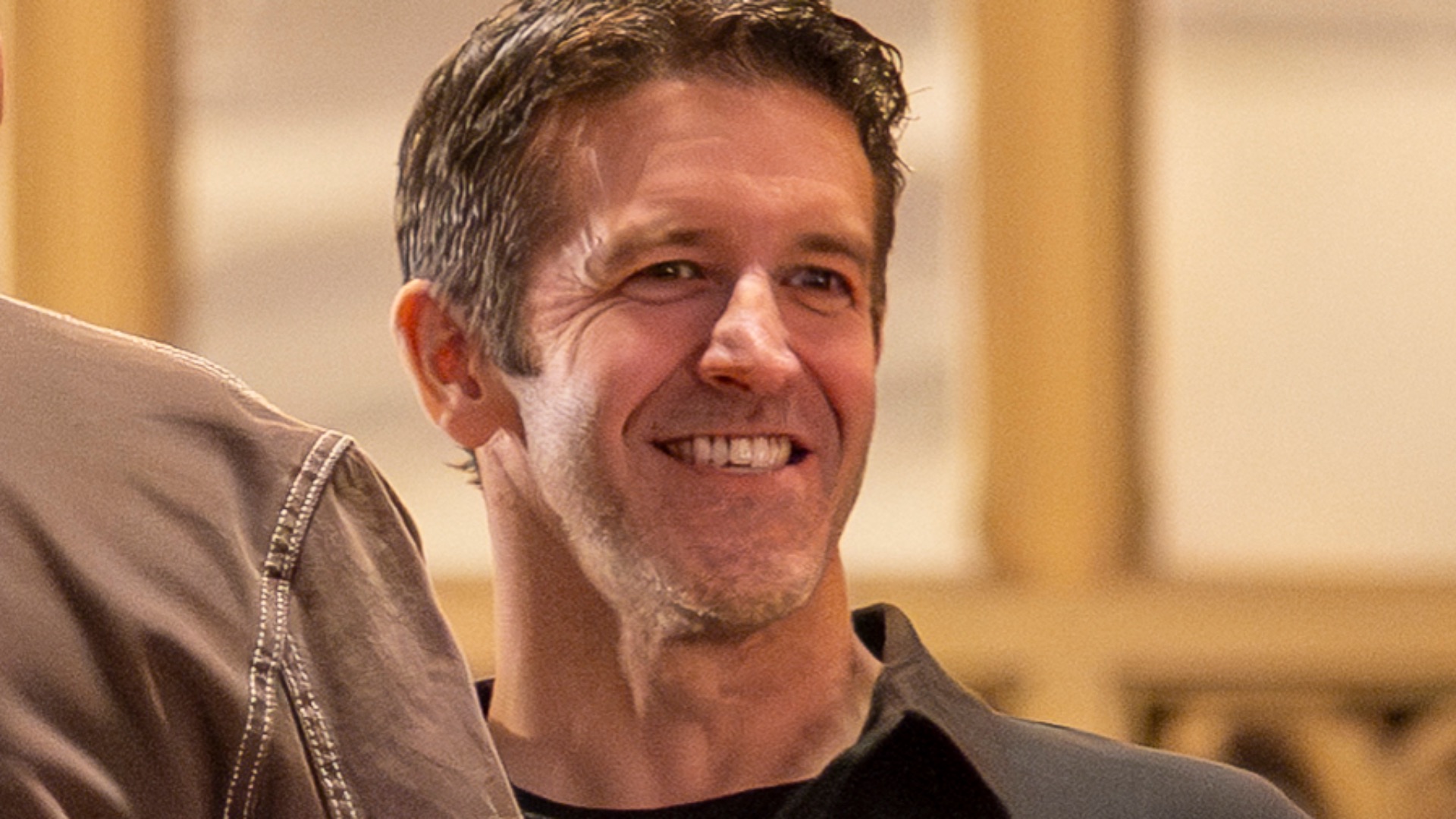
Apple is preparing for one of the most important leadership changes in its modern history. The company has announced that Tim Cook will become executive chairman of Apple’s board, while John Ternus, currently senior vice president of Hardware Engineering, will take over as CEO on September 1, 2026. Apple said the move was unanimously approved by its board after a long-term succession planning process.
At a time when the company faces tougher questions about artificial intelligence, product momentum, regulation, and global manufacturing, this move is a bold one. Cook’s era was defined by scale, discipline, services growth, and operational excellence—and now Ternus will have to show whether Apple can keep that strength while moving faster in areas where rivals are applying pressure. Let's take a deeper look into what all of this means.
A Carefully Managed Transition
Apple’s announcement makes it clear that this isn’t a rushed handoff. Cook will remain CEO through the summer and then shift into the role of executive chairman, which means he’ll still be close to the company’s strategy and board-level decisions. That gives Ternus room to step into the CEO job without Apple losing Cook’s experience all at once. For a company of Apple’s size and investor scrutiny, that continuity is important.
Cook’s tenure began in 2011, when he succeeded Steve Jobs, and it became one of the most financially successful runs in corporate history. Under Cook, Apple expanded far beyond the iPhone while building major businesses around the Apple Watch, AirPods, Apple Pay, Apple Music, Apple TV+, and other services. It's been reported that Apple’s market value rose from about $350 billion to roughly $4 trillion during his leadership. In other words, Cook was very good at making the company money.
Still, the timing tells you Apple knows the next chapter will require a different kind of urgency. Cook proved that Apple could scale globally, manage supply chains, and build recurring revenue streams around its hardware base. Ternus inherits that foundation, but he also inherits expectations that Apple should define new product categories more clearly. Investors won’t just ask whether Apple is stable, but they'll want to know whether it’s moving fast enough.
John Ternus Signals a Hardware-First Future
Ternus is an internal choice, which is very on brand for Apple. He joined the company in 2001 and has spent decades inside its product culture, eventually leading hardware engineering across major product lines. Apple described him as a leader with deep engineering experience, while Cook praised his judgment and product instincts in the company’s announcement.
That background matters because Apple’s identity still depends on devices that feel tightly integrated with software and services. Even as services revenue has become more important, the iPhone, Mac, iPad, Apple Watch, AirPods, and Vision products remain the center of the ecosystem. A hardware engineering leader becoming CEO suggests Apple wants product execution to remain central to its strategy. You shouldn’t read that as a rejection of services; instead, it’s more a reminder that Apple’s services usually work best when they strengthen the devices people already own.
Ternus also arrives with a different public profile from Cook. He isn’t as closely associated with global policy, supply-chain diplomacy, or Wall Street communication, which were key parts of Cook’s role. That doesn’t mean he can’t grow into those responsibilities, of course, but it does mean the early months of his tenure will be closely scrutinized. The question won’t only be whether he understands Apple’s products, but whether he can lead Apple’s full business on a global scale.
The AI Question Will Define the Early Test
The biggest pressure point for Ternus may be artificial intelligence. Apple has introduced Apple Intelligence and has worked to integrate AI features into its devices, but the company has also faced criticism for moving more cautiously than competitors. It probably comes as no surprise to tech enthusiasts (or those closely following tech news) that Apple has been seen as lagging in the AI race, which makes the leadership change more significant than a routine succession.
For Apple, AI isn’t just about adding a chatbot or a few new tools. It affects Siri, device personalization, developer tools, privacy promises, app discovery, and how users interact with iPhones and Macs every day. If Ternus can make AI feel useful, reliable, and deeply connected to Apple hardware, he’ll have a strong opening argument for his leadership. If Apple’s AI rollout feels delayed or uneven, the CEO transition will sharpen concerns that the company is behind.
There’s also a broader strategic issue: Apple has often preferred to enter markets after others prove demand, then compete through design, integration, and user trust. That approach worked in several categories, but AI is moving quickly and is reshaping expectations across consumer technology. Ternus will need to balance Apple’s preference for polished products with the market’s demand for visible progress. That balance may become the clearest measure of whether this leadership change gives Apple new energy.
Why This Matters for Customers, Developers, and Investors
For customers, the CEO change could influence the kinds of products Apple prioritizes. A Ternus-led Apple may put even more emphasis on hardware breakthroughs, chip design, device performance, and product categories that need deep engineering leadership. That could matter for future iPhones, Macs, wearables, spatial computing, and home devices. It could also shape how Apple turns AI into features that feel practical rather than experimental.
For developers, the transition matters because Apple’s platform decisions affect the App Store, APIs, AI tools, device capabilities, and revenue opportunities. Developers will watch whether Ternus keeps Apple’s current platform rules largely intact or pushes for changes that make the ecosystem more competitive and flexible. Regulatory pressure in the United States and Europe will also shape what Apple can do. A new CEO may not change those pressures, but he’ll decide how Apple responds to them.
For investors, the issue is confidence. Cook built one of the most profitable and resilient companies in the world, and Apple’s board appears to be choosing continuity rather than disruption. Ternus now has to prove that continuity doesn’t mean complacency. Apple is getting a new CEO, and it matters because the company’s next era will be heavily judged by what it builds next.