Convenience Came at a Cost
Smartphones have made everyday life faster, easier, and more connected than ever before. With answers, directions, entertainment, and reminders all sitting in your pocket, it's no surprise that many old habits have quietly faded away. While most of these changes aren't exactly life-altering, they've left many of us a little less skilled at tasks we once handled without thinking twice. Here are 20 skills that smartphones made us useless at.
1. Memorizing Phone Numbers
There was a time when you probably knew dozens of phone numbers by heart. Family, friends, and even your favorite pizza place all lived in your memory instead of a contact list. Now, many people would struggle to recall even their spouse's number without looking it up.
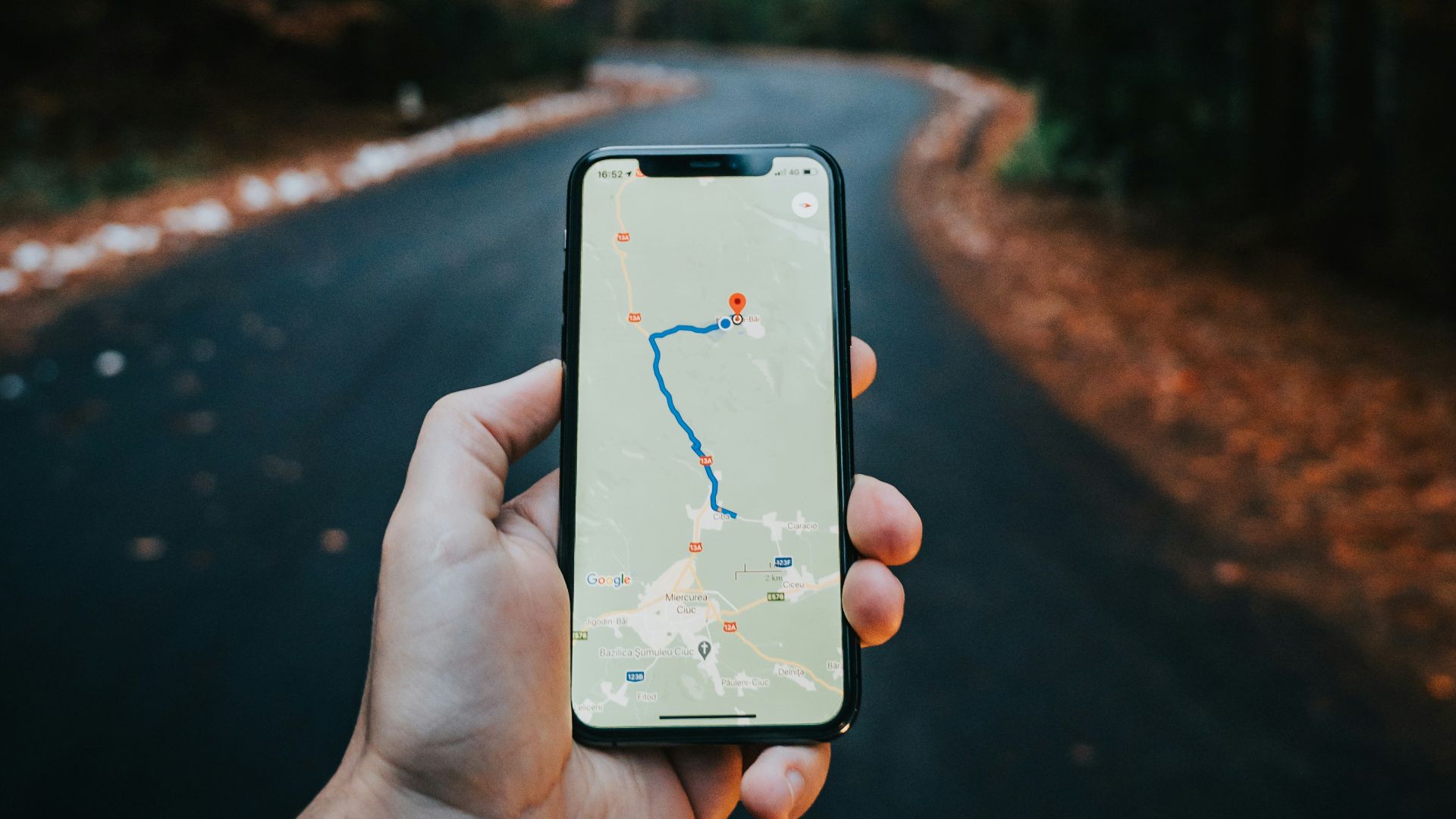
2. Reading Paper Maps
Road trips once involved unfolding giant paper maps that you bought at gas stations and carefully tracing every turn. Today, GPS apps guide you step by step, so there's rarely a reason to study an entire route beforehand. As a result, many people have become much less confident navigating without digital assistance.

3. Remembering Directions
Getting somewhere used to require paying attention to landmarks, street names, and intersections. Turn-by-turn navigation now does almost all of that thinking for you. If your phone suddenly died, you might realize how little of the route you actually remembered, even if you've taken it before.
 Javier Allegue Barros on Unsplash
4. Waiting Patiently
Smartphones have made instant entertainment the norm. Whenever there's a quiet moment, it's easy to scroll through social media, watch videos, or answer messages. Many people now find even a few minutes of waiting far more difficult than they once did.
 🇻🇳🇻🇳Nguyễn Tiến Thịnh 🇻🇳🇻🇳 on Pexels
5. Doing Mental Math
Calculators are only a tap away, even for simple addition or figuring out a tip. That convenience has made it tempting to skip basic mental arithmetic altogether. Over time, many people have become slower at calculations they once handled in their heads.

6. Remembering Birthdays
Calendar apps and social media notifications rarely let an important birthday slip by. While that's incredibly convenient, it also means fewer people make an effort to remember dates on their own. Without those reminders, plenty of celebrations would probably be forgotten.

7. Looking Up Information in Books
Finding an answer once meant reaching for an encyclopedia, dictionary, or reference book. Today, a search engine usually provides the information in seconds. That shift has made traditional research skills much less common than they used to be.

8. Getting Through Boredom
Boredom used to encourage daydreaming, people-watching, or simply sitting with your thoughts. Smartphones have stolen pretty much every idle moment. Many people now instinctively reach for their screen before boredom has a chance to set in.

9. Remembering Appointments
Doctors' visits, meetings, and family events are now safely stored in digital calendars. Automatic reminders mean you don't have to rely on memory nearly as much. It's incredibly helpful, but it has also made many people dependent on notifications to stay organized.

10. Writing Things by Hand
Most conversations, shopping lists, and notes now happen digitally. As a result, many people spend much less time physically writing than previous generations did. You might even notice your handwriting getting sloppier simply because you rarely use it.

11. Writing in Cursive
Cursive handwriting was once taught and used regularly in schools, letters, and everyday note-taking. Since most communication now happens on keyboards and touchscreens, many people rarely write in cursive anymore. Many young people don't even know how to read or write it anymore.
 Digital Content Writers India on Unsplash
12. Remembering Random Facts
There's less pressure to remember trivia when nearly every answer is available online. Instead of storing information, many people simply remember how to find it. That small change has quietly reshaped the way we think about knowledge.

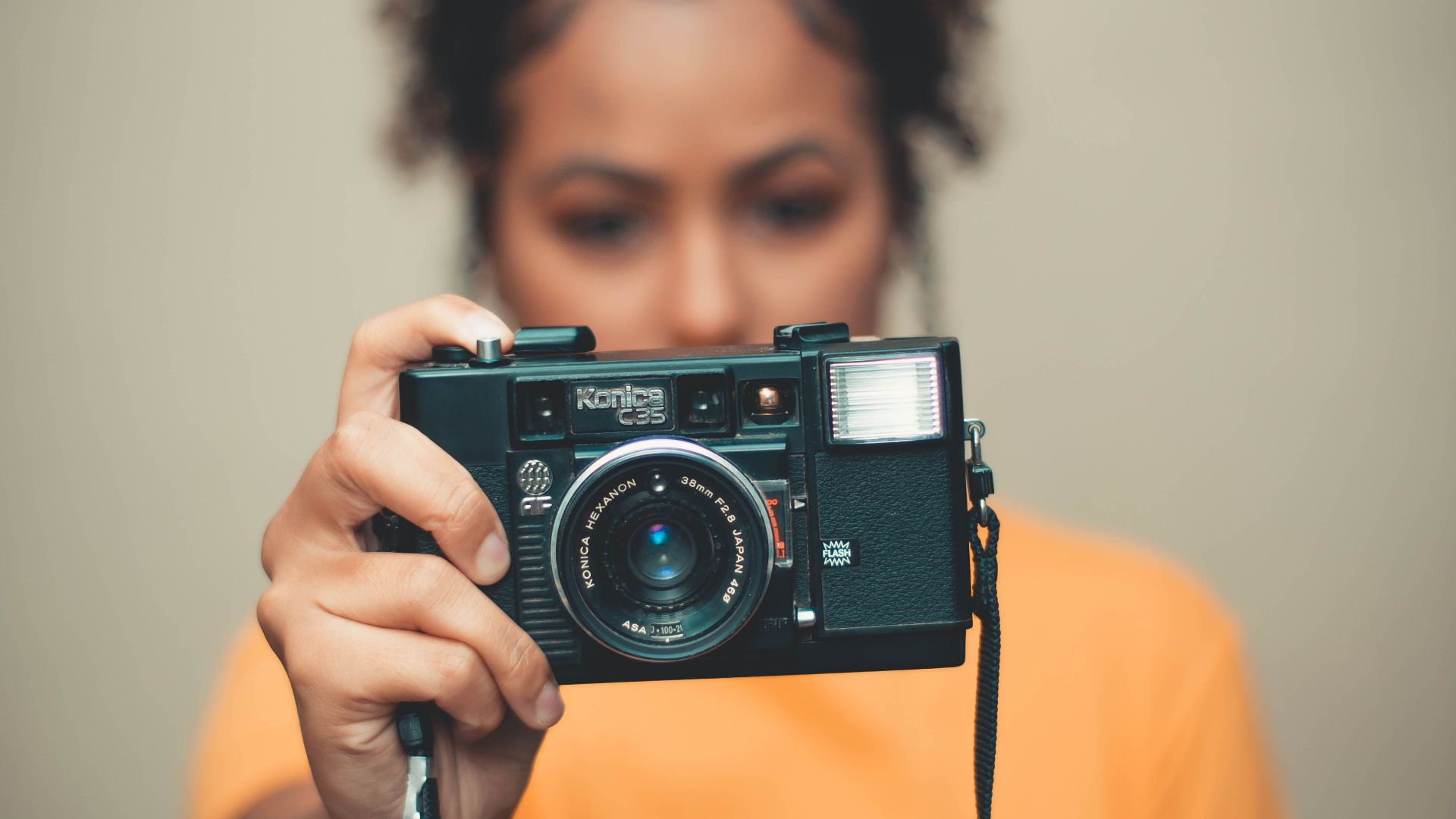
13. Using an Actual Camera
Before smartphones, bringing a digital or analog camera along was completely normal. People learned how to zoom, adjust settings, manage memory cards, and transfer photos to a computer. Today, many have gone years without touching a standalone camera, and you'd probably need a few minutes to remember where all the buttons and controls are.
14. Having Uninterrupted Conversations
Phones buzzing with notifications can interrupt conversations without anyone realizing it. Even a quick glance at the screen can shift your attention away from the person you're with. Staying fully present has become more challenging than it once was.
 Aarón Blanco Tejedor on Unsplash
15. Folding a Paper Map
Folding a paper map back the way it came was a skill in itself. After using it to plan a route, you somehow had to line up every crease and get it back into its original shape. Since GPS has replaced paper maps for most people, many of us would probably end up with one giant crumpled sheet instead of a neatly folded map today.

16. Remembering Grocery Lists
Shopping used to involve handwritten lists taped to the refrigerator or memorized before leaving the house. Now, digital notes and shared apps make forgetting ingredients much less likely. Without those tools, many shoppers would probably return home missing half the items they needed.

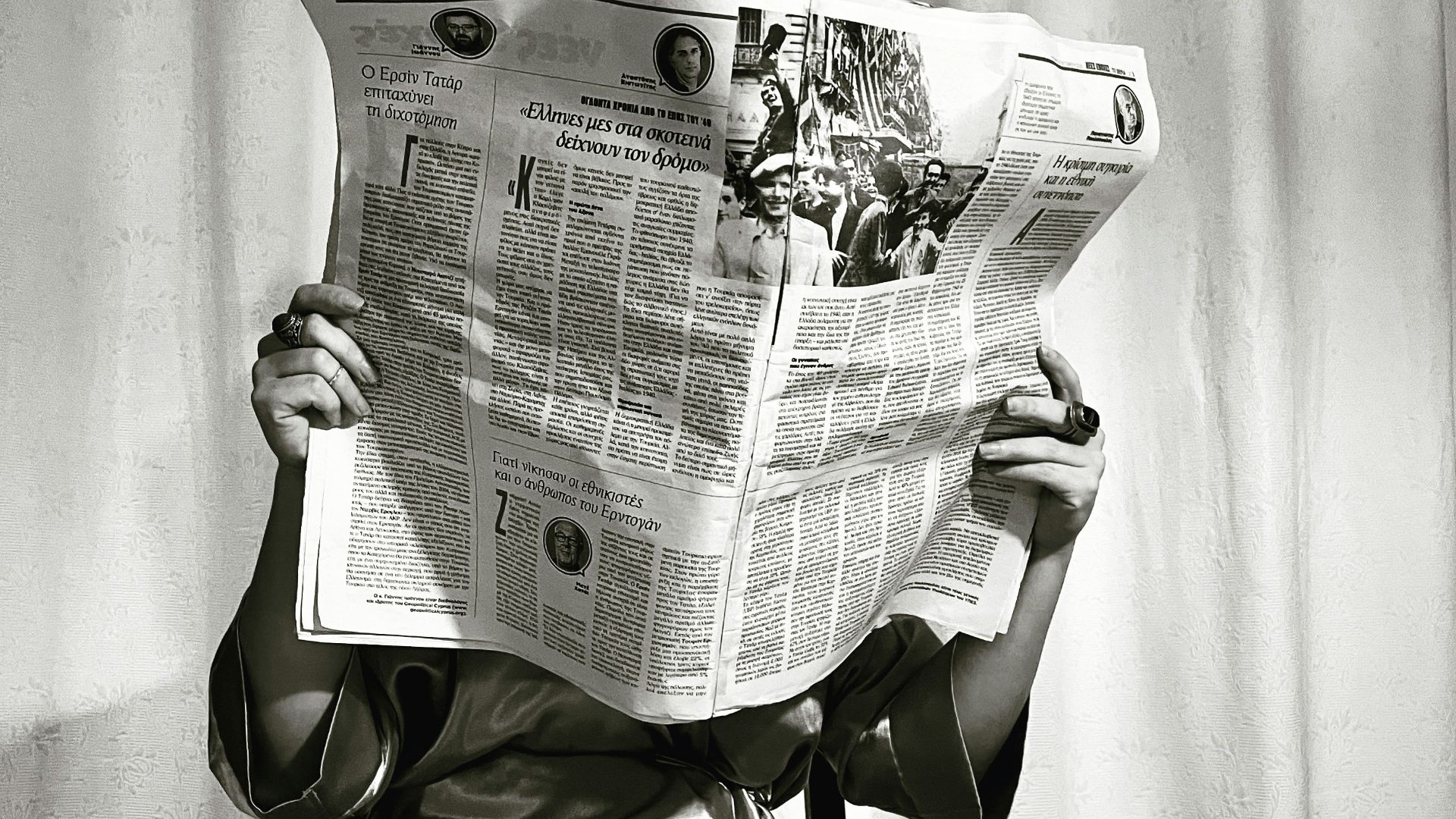
17. Reading Long Articles Without Interruptions
Constant notifications and endless scrolling have changed the way many people consume information. It's become easier to jump between headlines, videos, and messages than to stay focused on one lengthy newspaper article. That habit can make sustained reading feel surprisingly difficult.
18. Spotting Spelling Mistakes
Autocorrect quietly fixes many typing errors before you even notice them. Predictive text also suggests words as you type, reducing the need to think about spelling. Because of that, some people are less confident spelling unfamiliar words without digital help.

19. Entertaining Yourself Without Technology
Long car rides, waiting rooms, and quiet evenings once encouraged people to invent games, read, or simply observe the world around them. Smartphones now provide endless entertainment almost instantly. Spending time without a screen can feel much less natural than it did years ago.

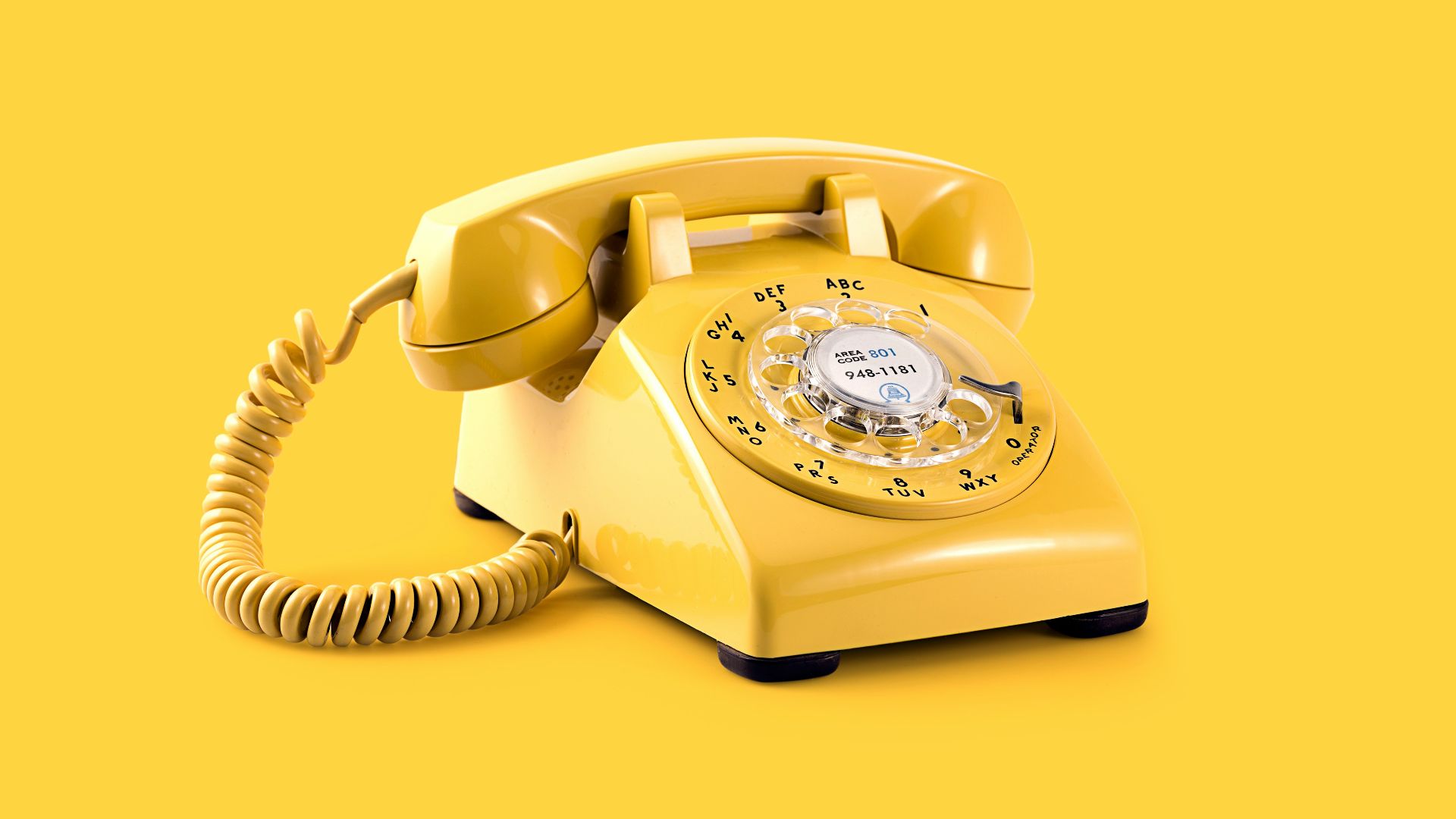
20. Leaving a Voicemail
Before texting became the default, leaving a clear voicemail was a normal part of everyday communication. People got used to speaking slowly, explaining why they called, and leaving their phone number at the end of the message. Now, many of us hesitate or stumble when we hear the beep because we're so used to simply sending a text instead.