
Jokes Turn Serious Faster Than People Admit
Memes start as entertainment, yet they also train people to repeat ideas in a catchy, low-effort way. Once a phrase is easy to quote, it travels farther than the nuance that would normally keep it in check, and people begin treating it like a principle instead of a punchline. Researchers who study misinformation and media effects have pointed out that repetition, social reinforcement, and identity signaling can make shaky claims feel true, even when they began as irony. The weird part is how quickly the tone changes, since a meme can move from laughing at something to building a worldview around it in a couple of months. These are 20 meme-shaped ideas that started as jokes, then drifted into something people argue about like it’s real.

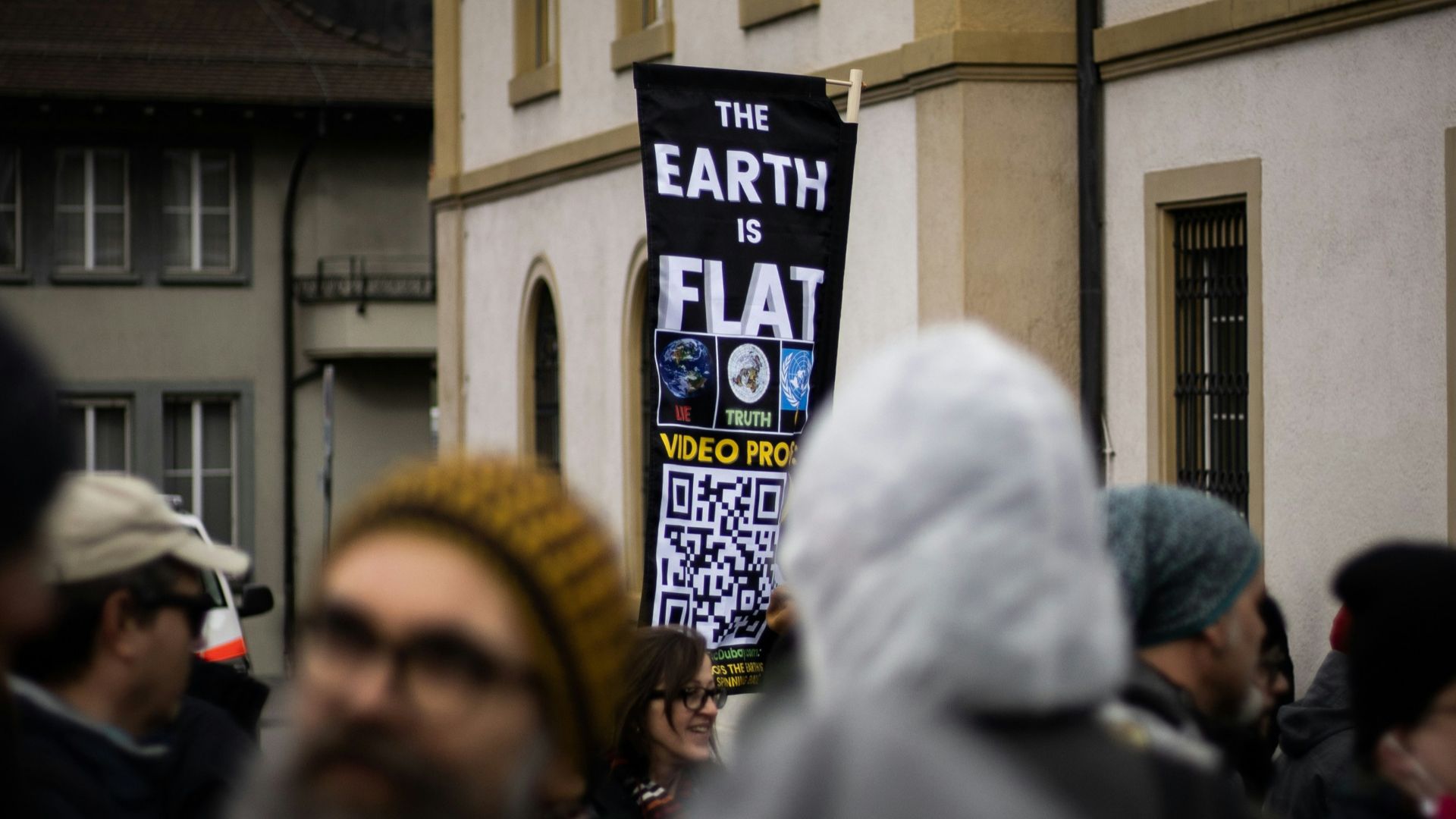
1. Flat Earth As A Serious Position
Flat Earth content circulated as internet provocation for years before it became a genuine belief community with conferences and organized media. Social platforms made it easy to find like-minded groups, and the belief often functions as a broader distrust story rather than a single claim about geometry.
2. Birds Aren’t Real
Birds Aren’t Real began as a satirical conspiracy brand, with posters, slogans, and deadpan social media. The joke got repeated so widely that plenty of people encountered it without context and treated it as a real claim, which shows how easily irony collapses online.
3. The Matrix As A Literal Explanation
The simulation idea has philosophical roots, yet internet culture pushed it into a casual explanation for everyday frustration. Once people start using it to explain politics, relationships, and personal setbacks, it stops being a thought experiment and becomes a belief posture that resists ordinary evidence.
4. NPC As A Full Personality Diagnosis
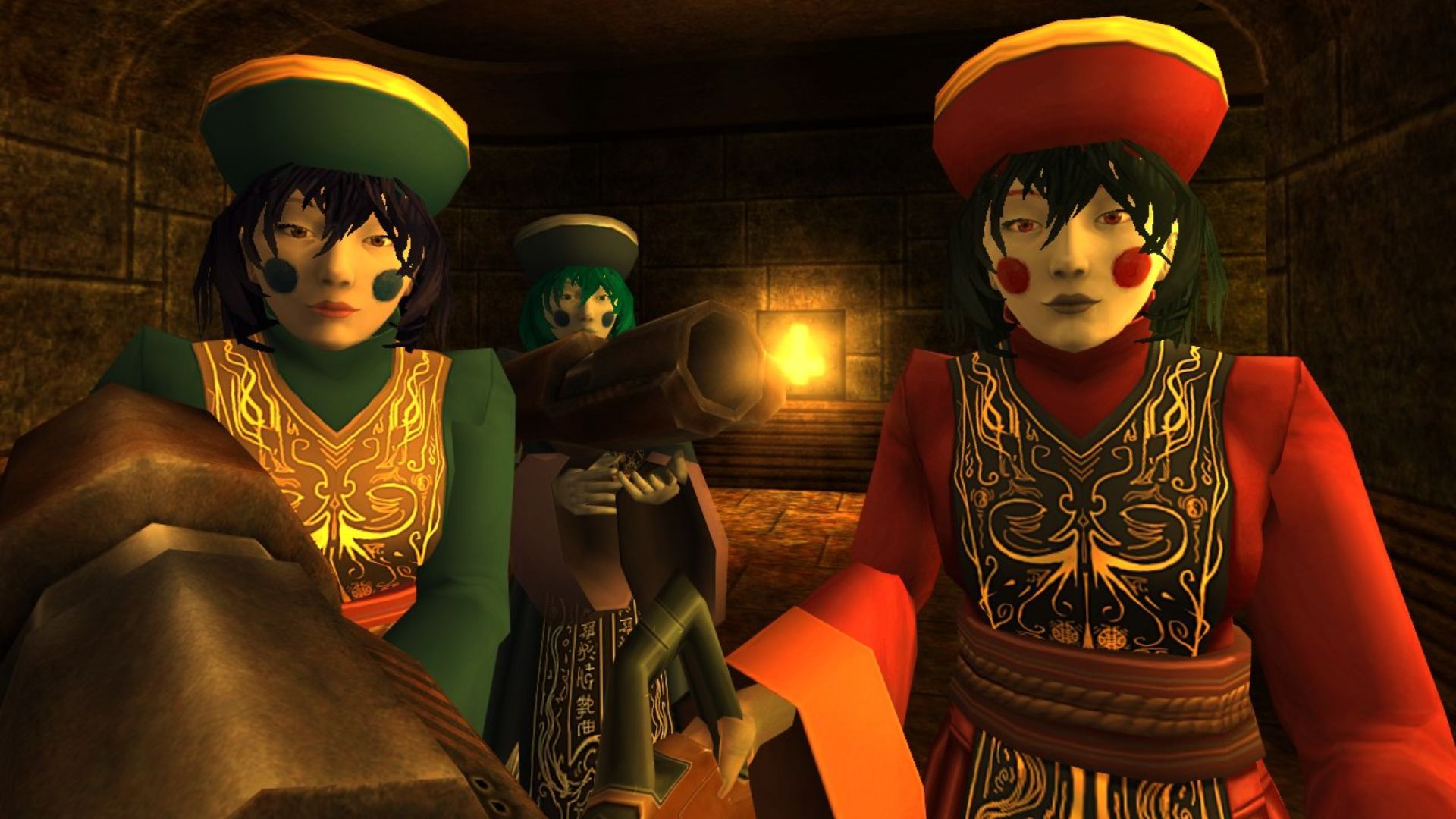
NPC started as an insult built around the idea that some people are mindless background characters. It slid into a broader belief that large groups are incapable of independent thought, which is a convenient way to avoid taking other people seriously. The meme also makes cruelty feel justified because it frames real people as less real.
 VaLouille~commonswiki on Wikimedia
5. Sigma Male As An Identity
Sigma male began as an internet offshoot of older alpha-beta talk, built for posts, edits, and jokes about lone wolves. It became a ready-made identity for people who want status without social obligation, and it fuels a belief that isolation automatically equals strength.

6. Grindset Culture As A Moral System
Hustle memes were originally a mix of motivation and parody, and then they became a lifestyle rulebook. The result is a belief that rest is weakness and that financial success is mostly a matter of personal discipline, which ignores how much work depends on luck, networks, and safety nets.

7. Manifesting As A Mechanical Tool
Positive thinking and goal-setting are normal, yet manifesting memes often shift into the idea that thoughts directly cause outcomes. That belief can turn into self-blame when life goes badly and judgment when other people struggle. It also encourages magical thinking dressed up as confidence.

8. Detox As A Daily Need
Detox talk has been mocked for years, yet detox claims still circulate as if the body needs constant cleansing beyond normal liver and kidney function. The meme version makes people believe they are regularly poisoned by ordinary food, which feeds an industry of unnecessary products.

9. Clean Eating As Purity
Clean eating started as a simple preference label and morphed into a belief that food is morally sorted into clean and dirty. That mindset encourages anxiety and rigid rules, and it often ignores the basic reality that dietary quality is about patterns, not perfection.
 Bakd&Raw by Karolin Baitinger on Unsplash
10. Seed Oils As The Villain
Online health culture turned seed oils into a meme villain, often presented as the hidden cause of modern disease. The issue is more complicated than viral posts suggest, yet the meme format rewards certainty and outrage. It can push people toward oversimplified nutrition rules that crowd out bigger factors like overall diet quality.

11. The Alpha Male As Biology
Alpha memes leaned on a popularized, oversimplified idea of animal hierarchy and then got treated like human nature. The belief becomes a script for relationships, leadership, and masculinity, even though human social behavior is far more flexible than the meme claims.
12. 5G As A Health Threat
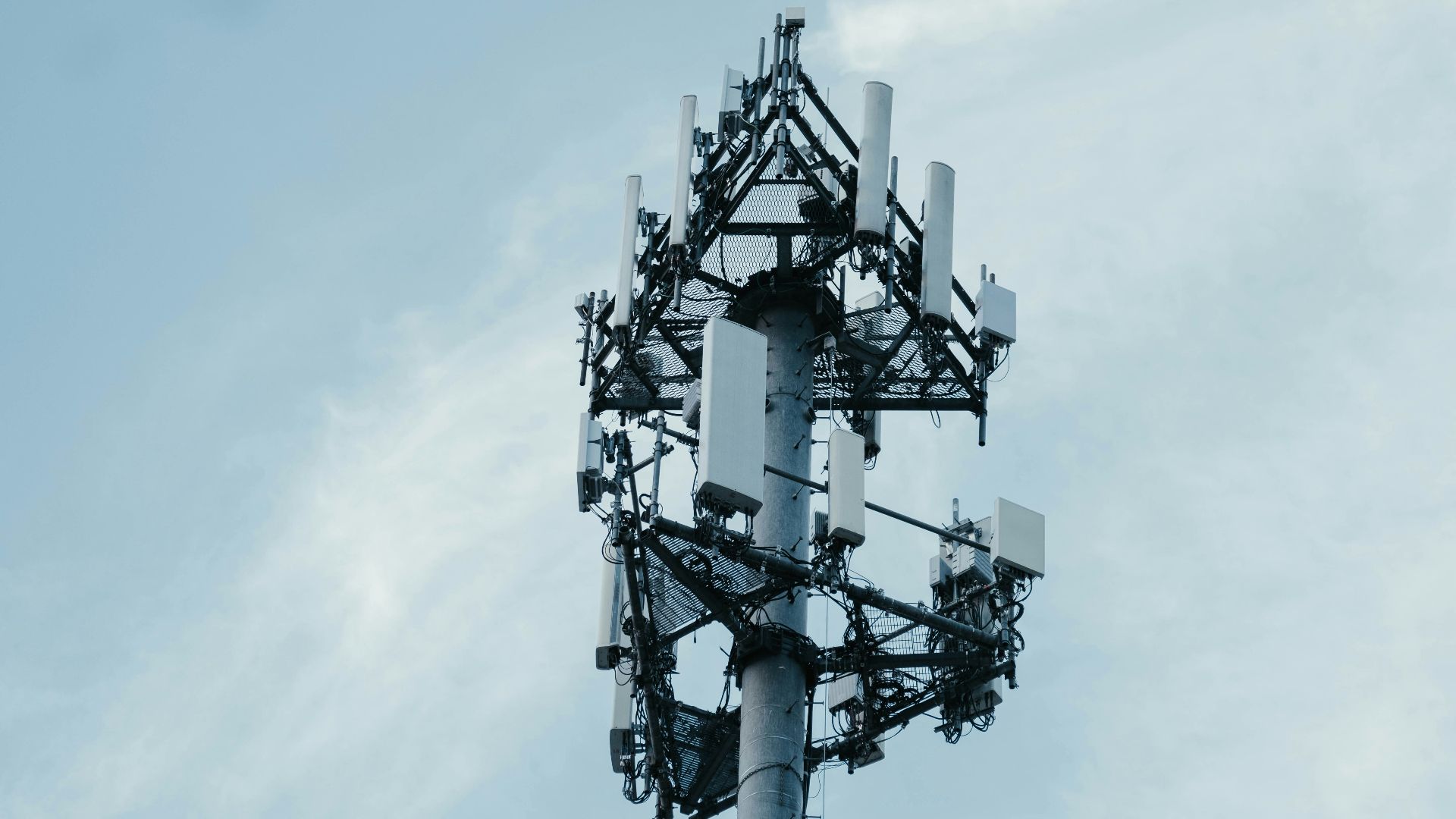
5G conspiracy memes mixed fear, jokes, and distrust in institutions, and they spread quickly through social media. In some places, the belief turned into real-world action, including harassment and vandalism tied to cell infrastructure. The meme helped package complex technology as a simple enemy.
13. Microchips In Vaccines
Microchip jokes became part of a broader anti-vaccine narrative that treated public health as surveillance. Once it becomes a shared belief, evidence struggles to compete with the emotional payoff of feeling targeted and awake. The meme also makes it easy to dismiss mainstream explanations as cover stories.
14. Crisis Actors
Crisis actor claims began as a cynical, meme-ready way to dismiss tragic events as staged. The belief has had real consequences for victims’ families and public discourse, because it encourages harassment and replaces empathy with suspicion. It also turns any evidence into part of the alleged script.
15. Lizard People
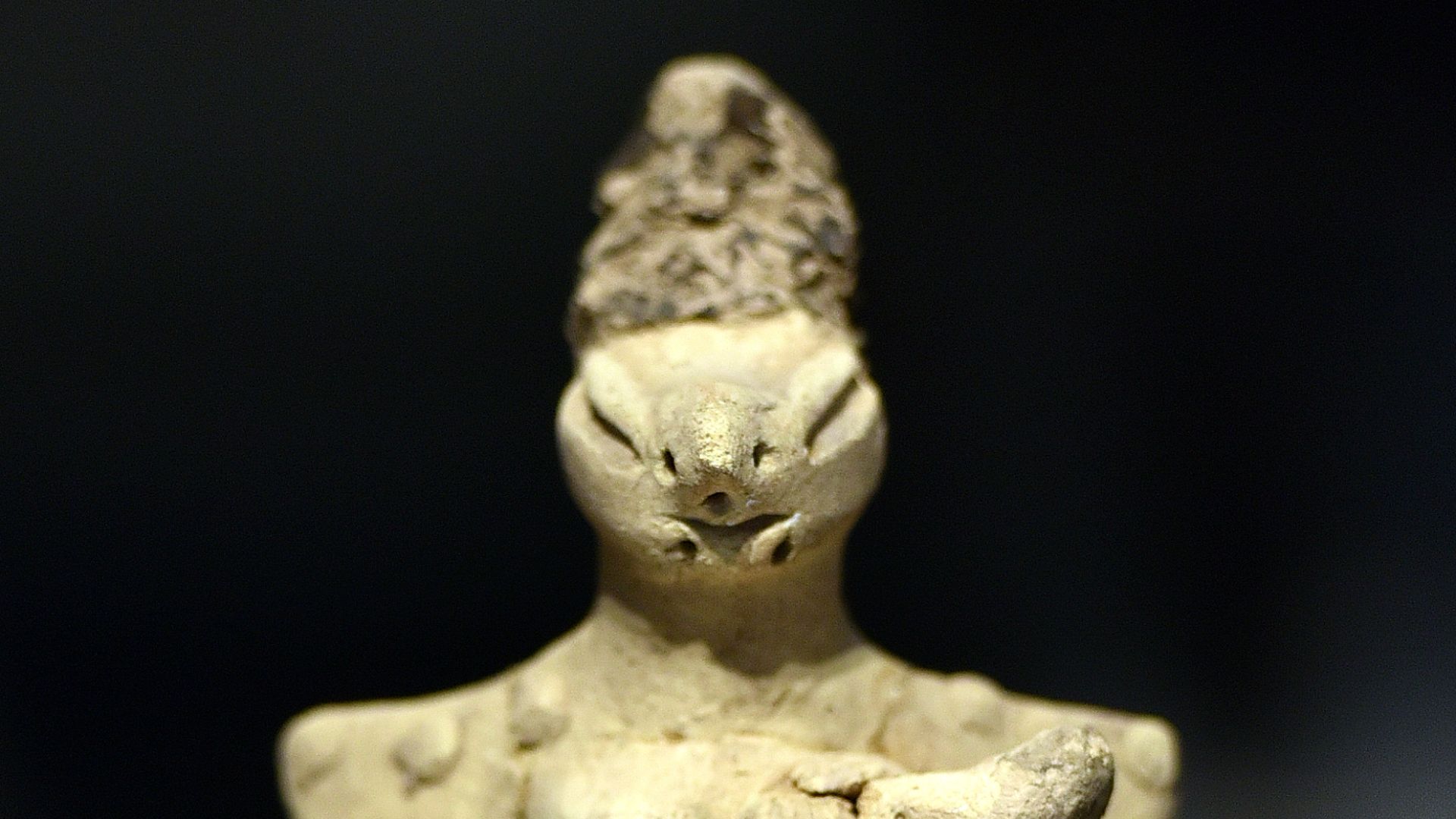
Lizard people jokes have floated around for decades, and they persist because they are easy to repeat and hard to falsify in a satisfying way. For some, it stays a joke, yet it also overlaps with older conspiratorial thinking about hidden elites and secret control, which is where it starts getting serious.
 commons.wikimedia.org on Google
16. The Illuminati Everywhere
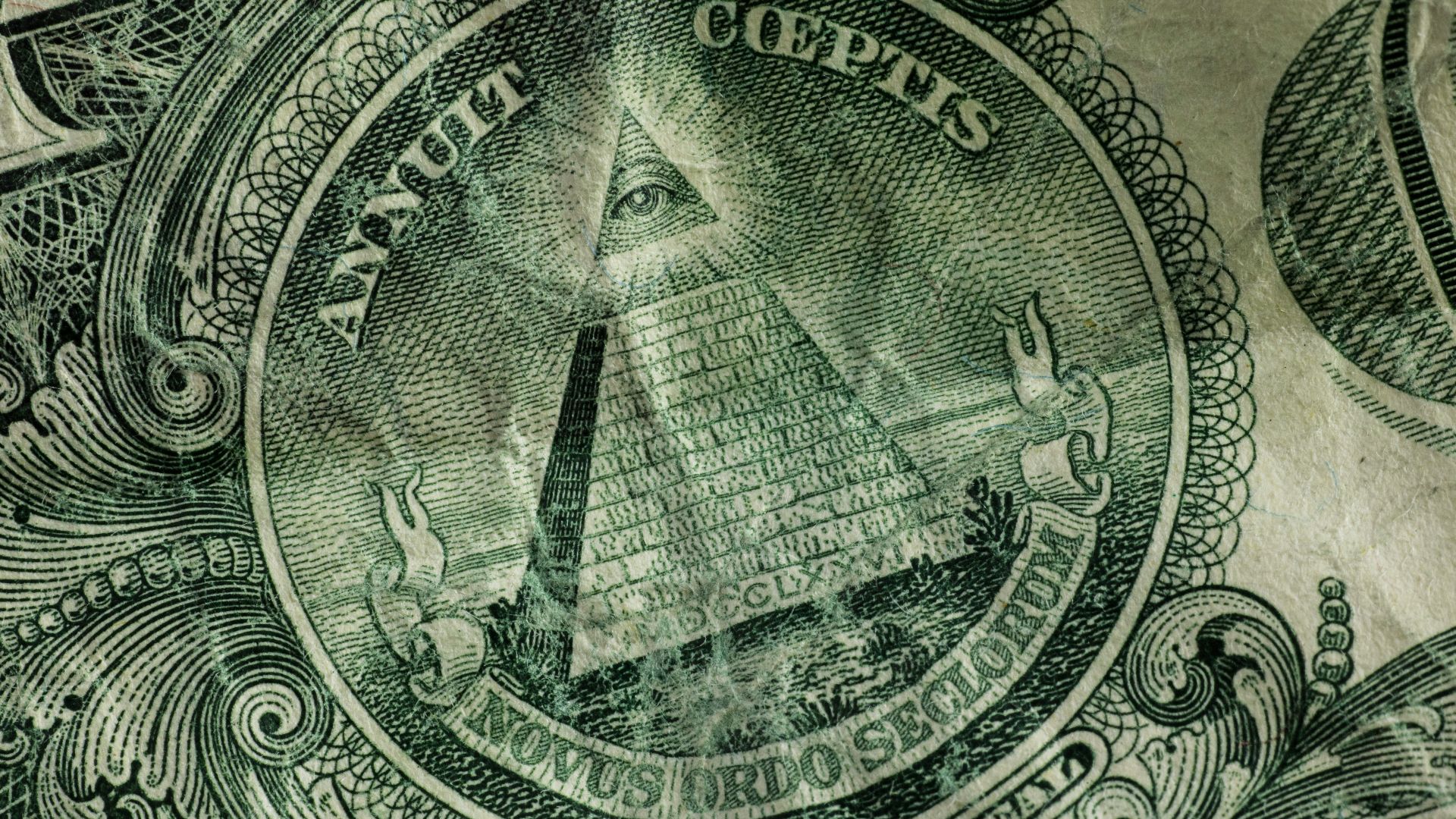
Illuminati memes turn ordinary celebrity imagery into evidence of secret societies, coded gestures, and hidden rituals. The belief rewards pattern hunting and makes coincidences feel like proof. It also teaches people to trust their vibes over verifiable information.
17. The Deep State As A Single Coordinated Entity
Skepticism about bureaucracy is normal, yet deep state memes often present government as one unified, shadowy actor. That belief turns messy institutions into a single villain, which makes every outcome feel pre-planned. It also makes democratic accountability harder because it shifts focus away from real mechanisms of power.

18. False Flag As The Default Explanation
False flag claims offer a simple story for confusing events, and memes made that story feel like common sense. The belief becomes a reflex that treats official accounts as inherently fake, even when evidence is strong. It can also make people vulnerable to manipulation because distrust becomes automatic.

19. The Great Replacement
This idea has circulated in extremist spaces, and memes helped turn it into a shareable, sanitized talking point. Once it spreads widely, it becomes a belief frame that interprets demographic change as an attack, which can fuel real-world hostility and political violence.

20. QAnon As A Puzzle Game
QAnon spread through internet-native formats like drops, decoding, and inside jokes, which made it feel like participatory entertainment. For many people, the meme structure lowered the barrier to entry, and then it hardened into belief through community reinforcement. It also showed how easily irony, gamification, and politics can merge into a worldview.



.jpg)