The Infamous Mydoom Worm
The Mydoom worm, which holds the record for being the most expensive and fastest-spreading malware in history, was surprisingly simple in its execution. It hit the internet in 2004 and managed to cause billions of dollars in damages within a matter of days. Understanding how this digital plague functioned helps you see why cybersecurity became such a massive priority for everyone with a laptop.

1. The Origin Story
Security experts first spotted the Mydoom worm on January 26, 2004, and it didn't take long for it to start breaking records. It was specifically designed to spread through email attachments. You could say it caught the world off guard because nobody expected a piece of code to move that quickly across the globe.
 Luther.M.E. Bottrill on Unsplash
2. The Financial Aftermath
Estimates suggest that this specific virus caused roughly $38 billion in economic damage, which is a staggering amount of money for a single program. Most of those costs came from lost productivity as businesses had to shut down their networks to clean up the mess. You’d have a hard time finding any other digital event that hit the world's wallet quite as hard.
3. Record-Breaking Speed
At its peak, Mydoom was responsible for one out of every twelve emails being sent across the entire internet. This created a massive bottleneck that slowed down web traffic to a crawl and made basic communication nearly impossible for millions of users.
4. The Clever Subject Lines
The virus stayed ahead of the curve by using deceptive subject lines like "Error" or "Mail Delivery System" to trick users into clicking. Since these looked like official notifications from a mail server, people felt compelled to open them to see what went wrong with their accounts. It's a classic example of how hackers use human curiosity against people.
5. A Hidden Backdoor
Once the worm infected a computer, it opened a "backdoor" on the system that allowed the creators to take control of the machine remotely. This meant your personal computer could be used as a pawn in a much larger game. It basically turned thousands of unsuspecting PCs into a massive, coordinated zombie army for the attackers.
6. Targeting the Giants
The primary goal of the virus was to launch a Distributed Denial of Service attack against major tech companies like SCO Group and Microsoft by flooding these websites with more traffic than they could handle. The worm successfully knocked them offline for extended periods.
7. The Mysterious Creator
To this day, nobody actually knows who wrote the Mydoom code or why they decided to release it upon the world. Many people suspect it originated in Russia or another Eastern European country, but the evidence remains purely circumstantial and unproven. You'd think the person behind the world's most expensive virus would have been caught by now, but they remain a digital ghost.
8. Self-Destruct Mechanism
One of the weirder features of the original worm was its built-in expiration date, which was set for February 12, 2004. After that specific date, the virus was programmed to stop its aggressive spreading, and the backdoor access was supposedly closed. This indicates that the creator had a very specific window of time in mind.

9. The Name Game
A security researcher at McAfee gave the virus its famous name after noticing the word "mydom" within its code. He added the extra "o" because he felt the situation was truly a "doom" scenario for the internet. You have to admit that Mydoom sounds much more intimidating than a random string of technical jargon or numbers.
10. A Dual Attack
While email was the primary way it traveled, Mydoom also knew how to move through the KaZaA file-sharing network. If you were searching for pirated music or movies in 2004, you were at a high risk of accidentally downloading the worm instead. It cleverly hid inside folders that users were already eager to open and explore.
11. Text Inside the Code
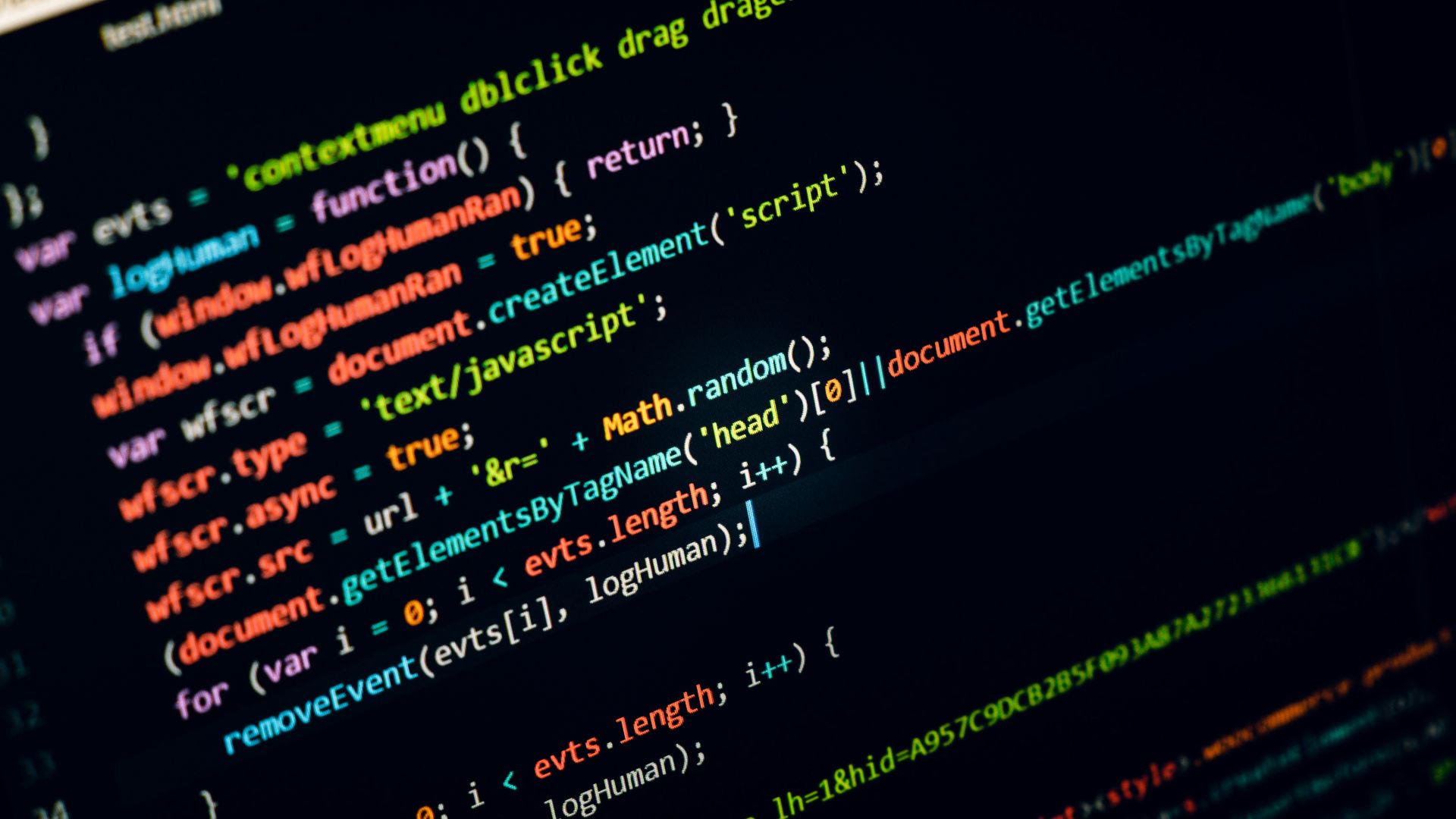
Deep within the virus's programming, the author left a small message that read, "andy; I'm just doing my job, nothing personal, sorry." This strange apology suggests that the creator might have been a professional coder working for someone else rather than a lone wolf. It’s a bizarrely polite touch for someone who was currently destroying the global economy.
12. The Reward Offer
Microsoft and SCO Group were so frustrated by the attacks that they both offered $250,000 rewards for information leading to an arrest. Even with half a million dollars on the table, no one ever stepped forward with the identity of the culprit.
13. Impact on Antivirus Companies
The sheer volume of the infection forced antivirus software companies to work around the clock to release emergency updates. They had to fight fire with fire by constantly tweaking their detection methods as new variants of the worm appeared. It was a turning point that changed how these companies responded to global threats in real time.
14. Bypassing the Filters
Mydoom was successful because it was small enough to slip through many of the primitive email filters that existed two decades ago. It didn't have a large file size, so it didn't trigger the usual alarms that typically stopped bigger, clunkier viruses. You could say it was the digital equivalent of a ninja.
 Lewis Kang'ethe Ngugi on Unsplash
15. The Doom.B Variant
Shortly after the first wave, a second version called Mydoom.B was released to continue the assault on Microsoft’s servers. This version was even more aggressive, though it wasn't quite as successful at spreading as the original masterpiece of chaos. It showed that the attackers weren't satisfied with just one win.
16. Legacy of Awareness
Before this event, most casual computer users didn't really worry about email safety. Mydoom served as a massive wake-up call that forced everyone to take their digital security a lot more seriously. You probably wouldn't be as careful with your inbox today if it weren't for the hard lessons learned back in 2004.
17. Global Reach
The virus managed to infect computers in over 168 countries, proving that the internet has no borders when it comes to malware. It didn't matter where users lived or what language they spoke; if they had an internet connection, they were a potential target. This truly global scale made it a unique challenge for law enforcement.
18. The Payload Trigger
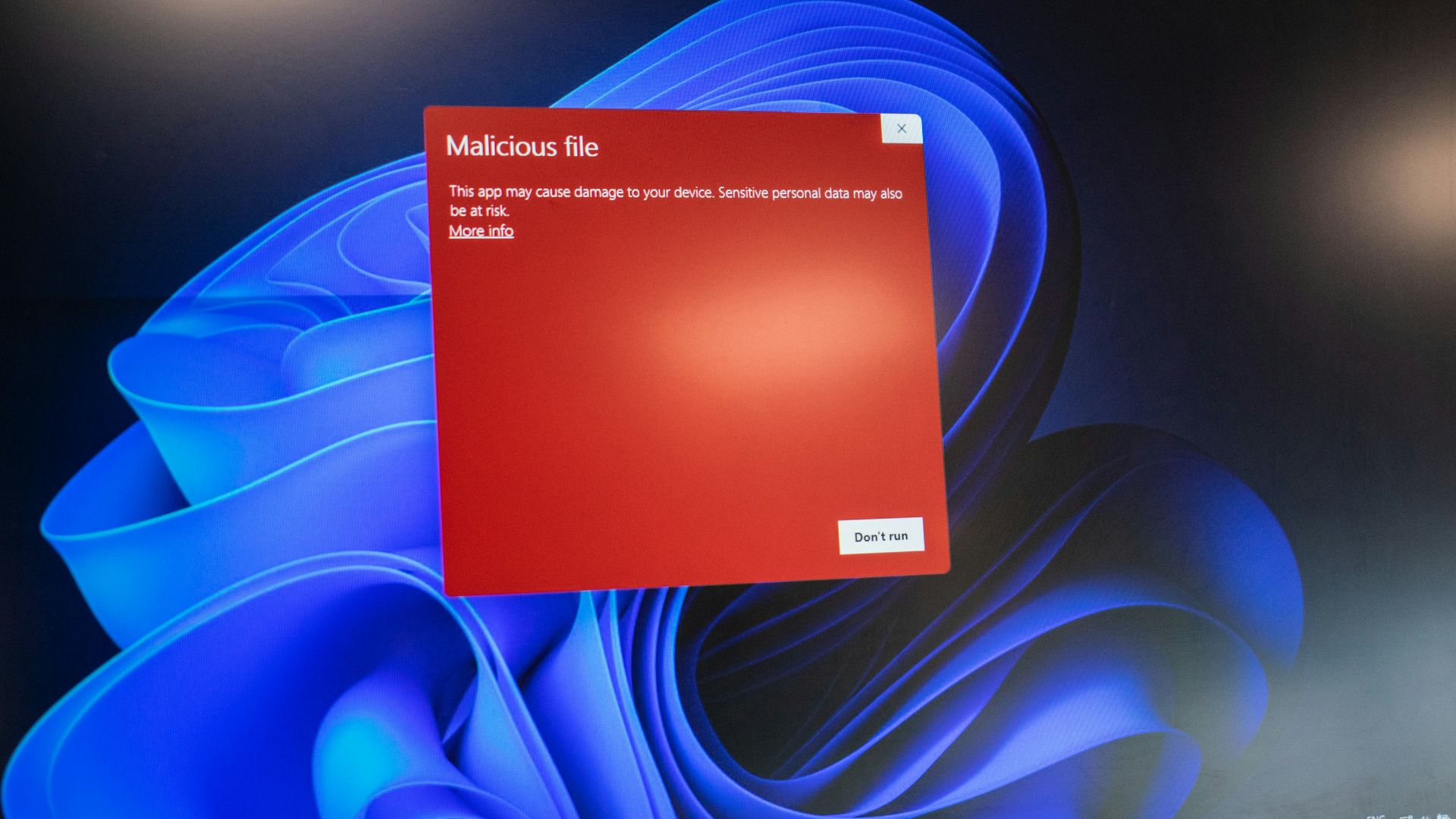
The worm was programmed to only start the attack on certain websites on a specific day of the month. This delayed reaction gave it plenty of time to infect as many machines as possible before revealing its true intentions. It was a patient strategy that allowed the "army" to grow to a massive size before the first shot was even fired.
19. Network Congestion
Beyond just infecting PCs, the virus caused significant hardware issues for internet service providers due to the massive spike in traffic. Routers and servers physically struggled to keep up with the billions of junk emails. You might have noticed your connection dropping entirely as the infrastructure buckled under the weight of the worm.
20. Still Around Today
Surprisingly, traces of Mydoom can still be found floating around the darker corners of the internet in a dormant state. While modern antivirus programs can catch it in a heartbeat, it remains a permanent resident of the web's history books. It stands as a reminder that once something is released into the digital world, it never truly goes away.