The Great Smartphone Debate
Few topics spark as much passionate discussion as the iPhone versus Android debate, and for good reason: both sides have compelling arguments that are hard to dismiss. If you've been an iPhone fan for years, you might be wondering whether it's time to explore what the other side has to offer, or you might be looking for reassurance that you're already holding the best phone for you. Before you make the swap, here are 10 solid reasons why you should, and 10 equally strong arguments why the iPhone continues to be one of the most beloved devices on the market.
1. More Hardware Variety
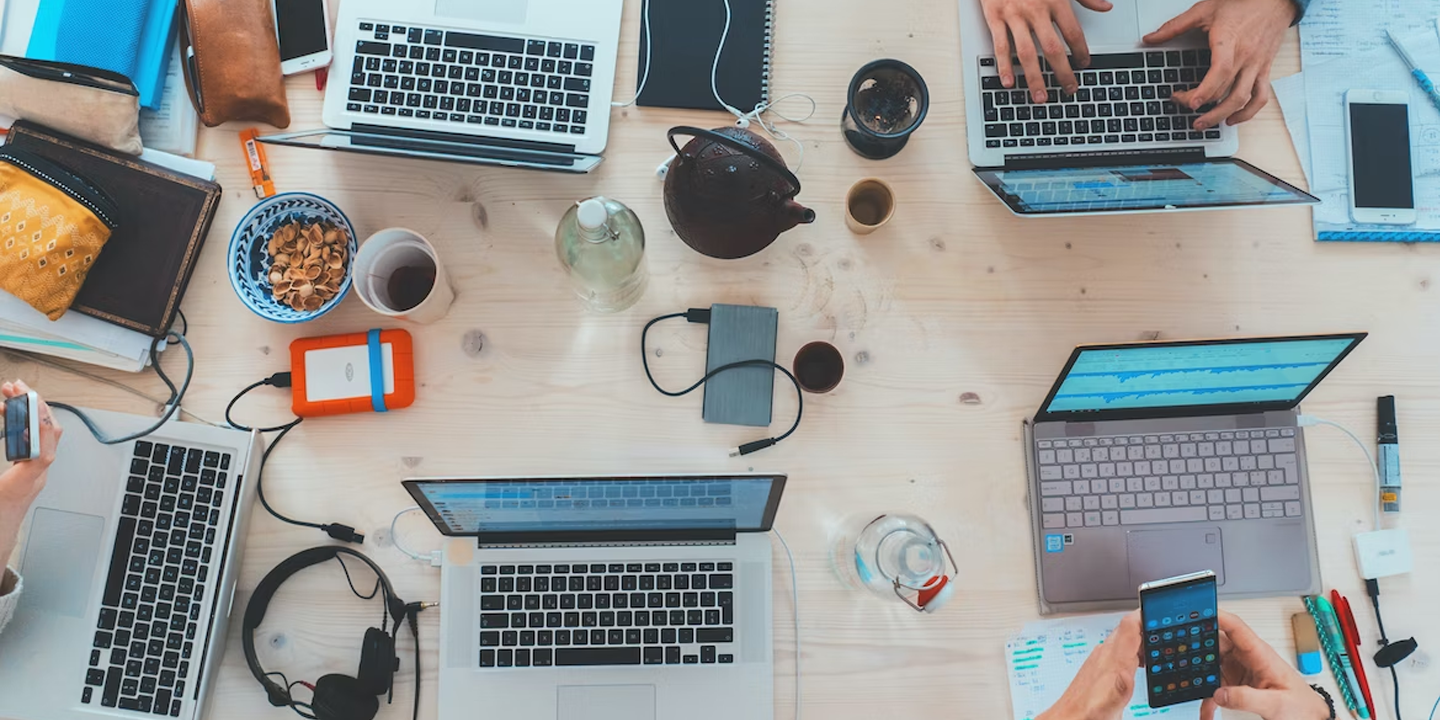
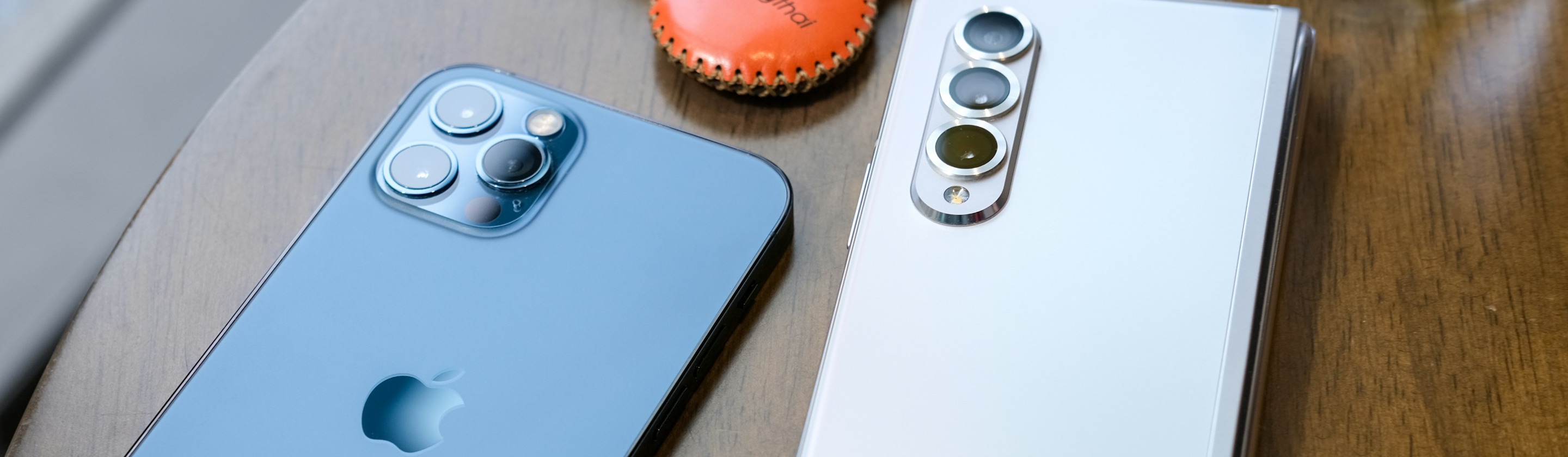
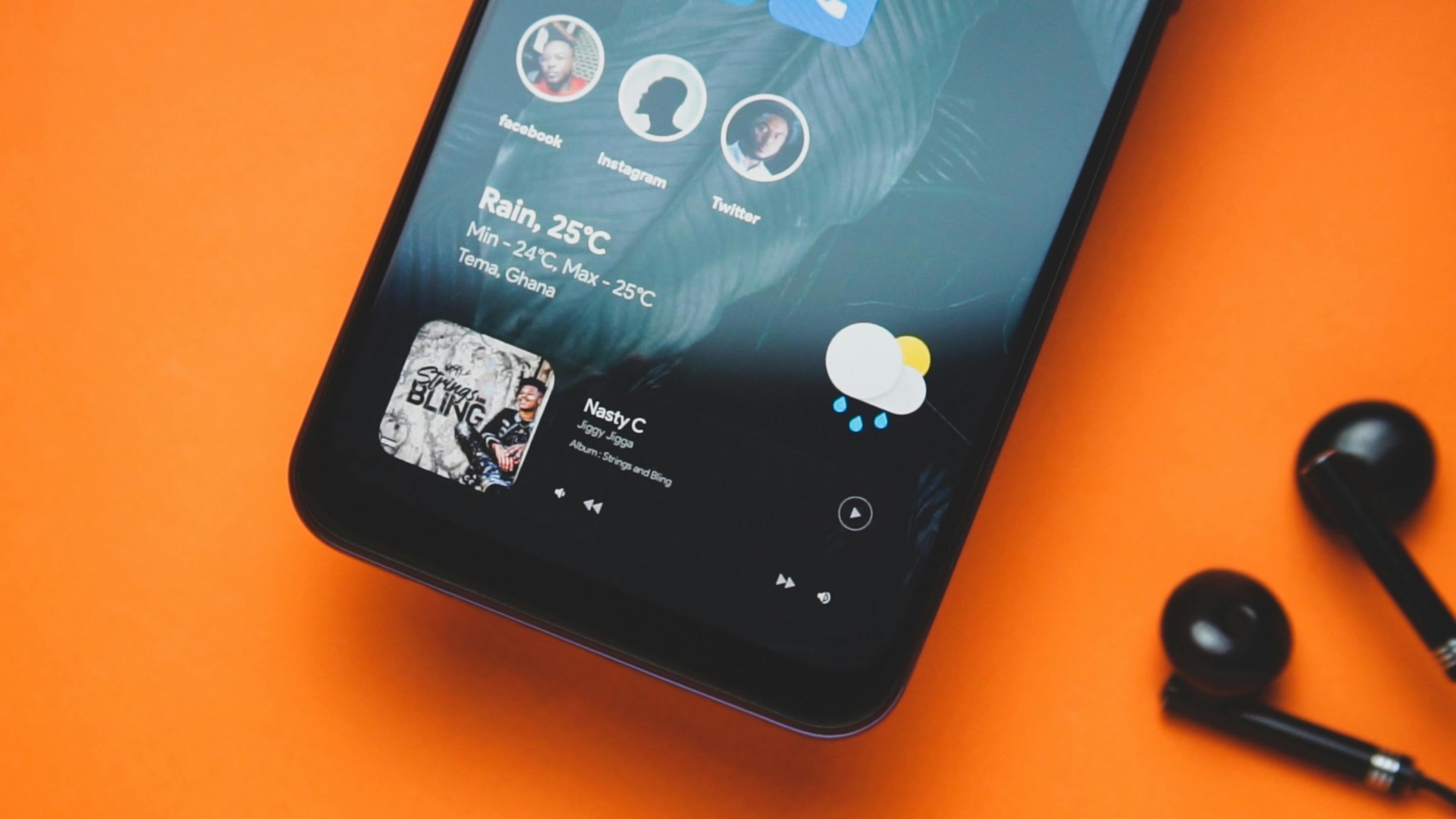
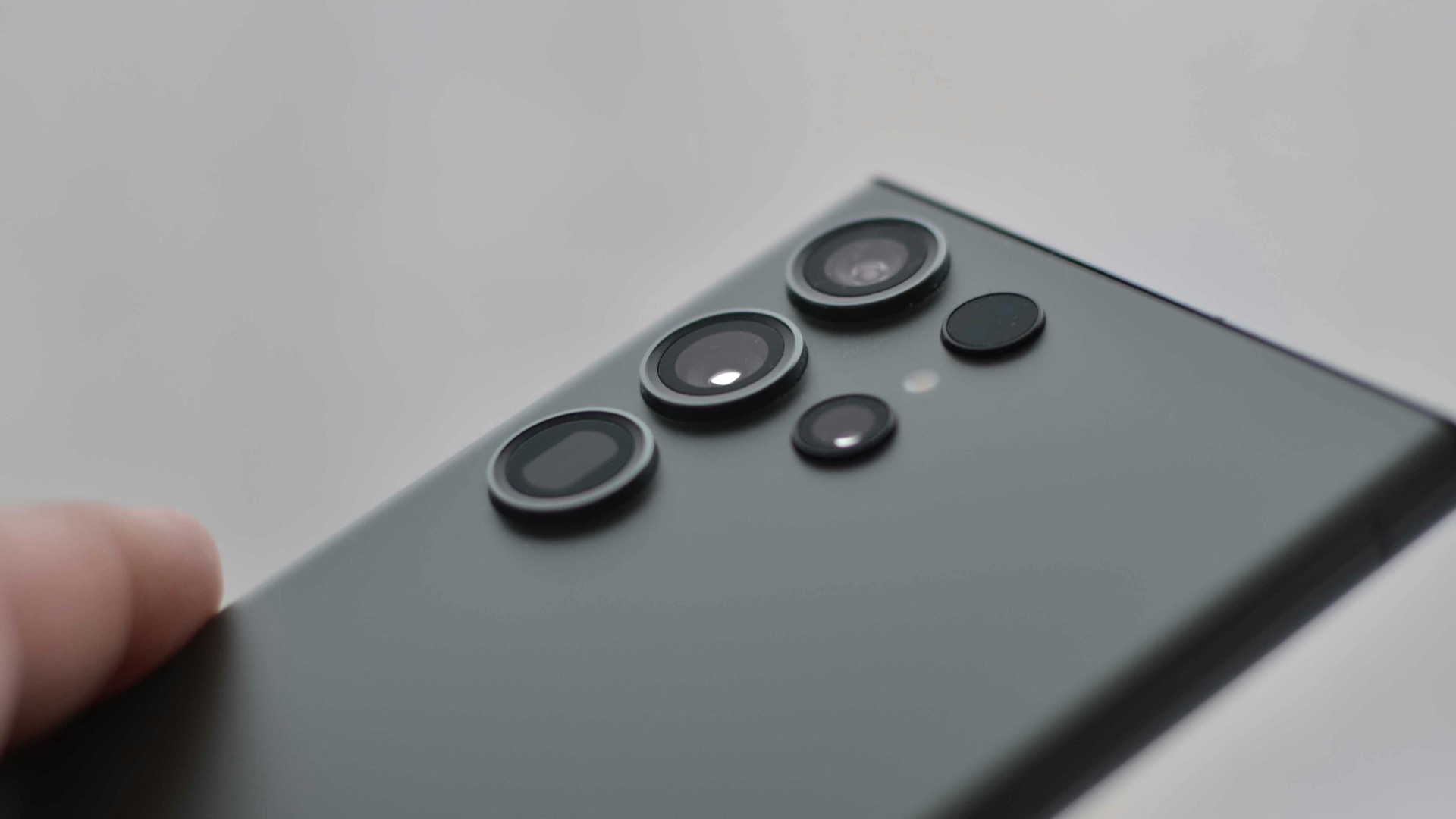
One of the biggest advantages of switching to Android is the sheer range of hardware options available to you. Whether you want a foldable phone, a device with a stylus, or a budget-friendly option that doesn't compromise too much on specs, Android manufacturers like Samsung, Google, and OnePlus have something for nearly every preference. With Apple, you're choosing from a limited lineup, and while those options are polished, they might not suit every lifestyle or budget.
 Emmanuel Jason Eliphalet on Pexels
2. Greater Customization
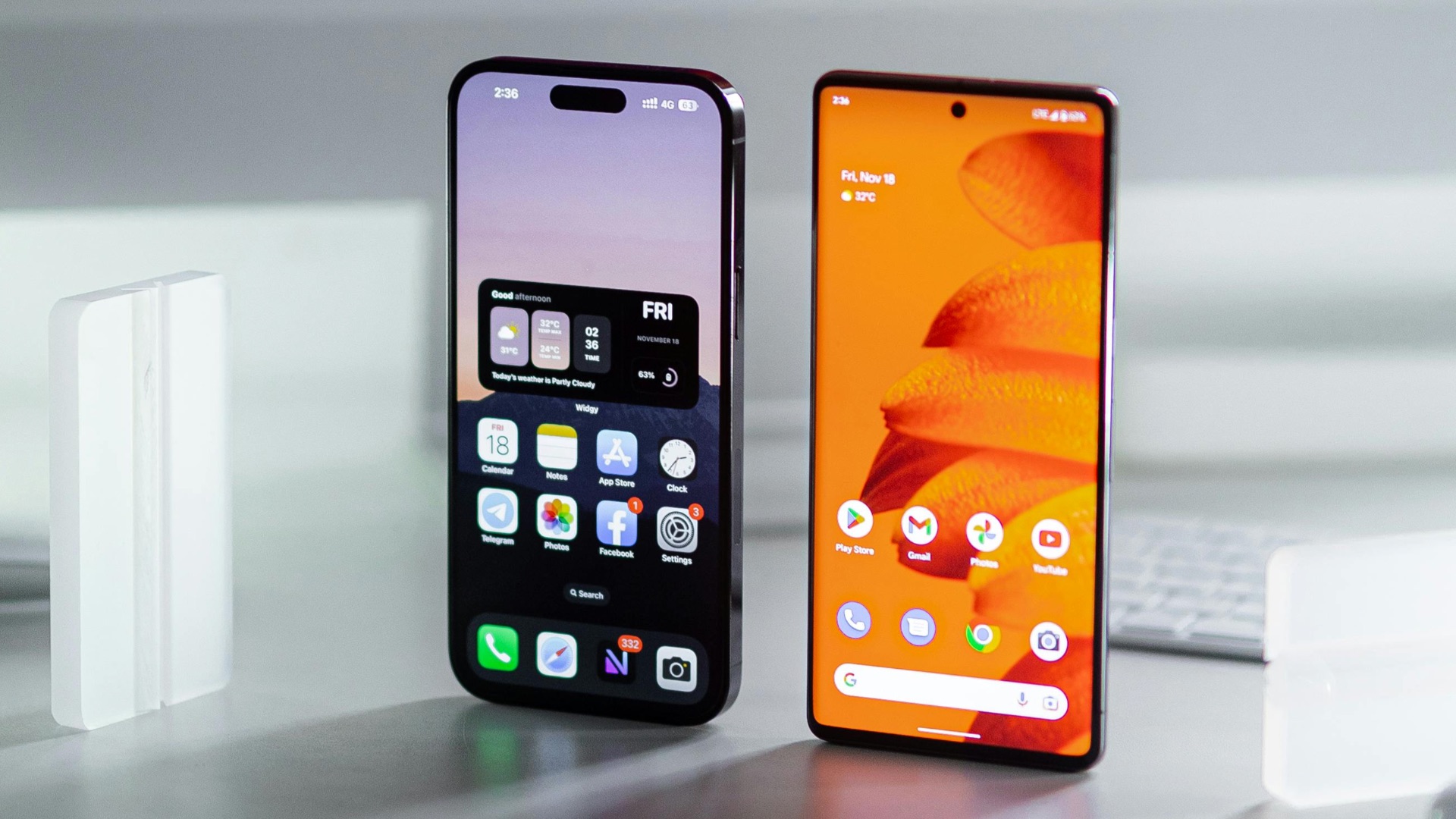
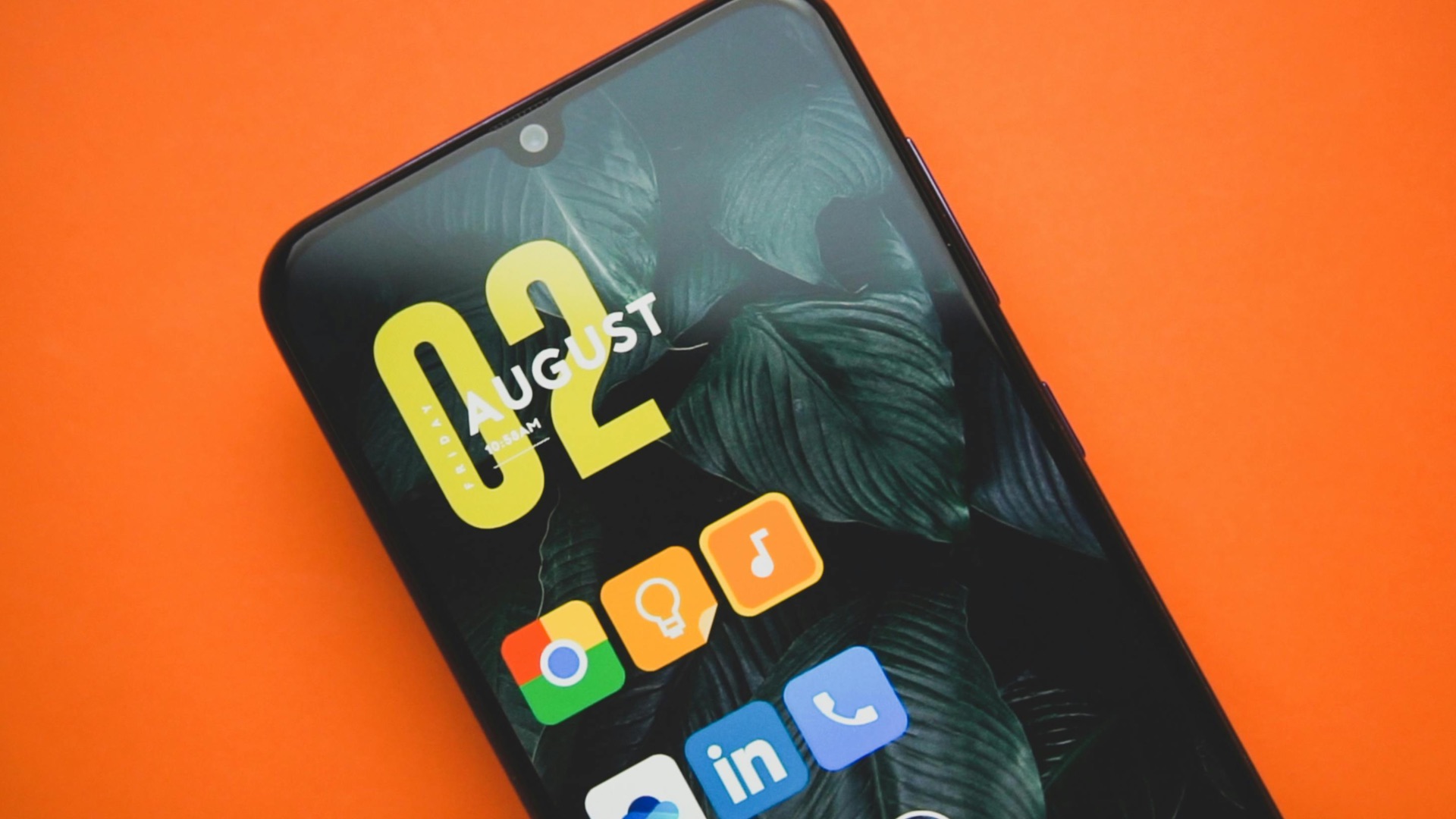
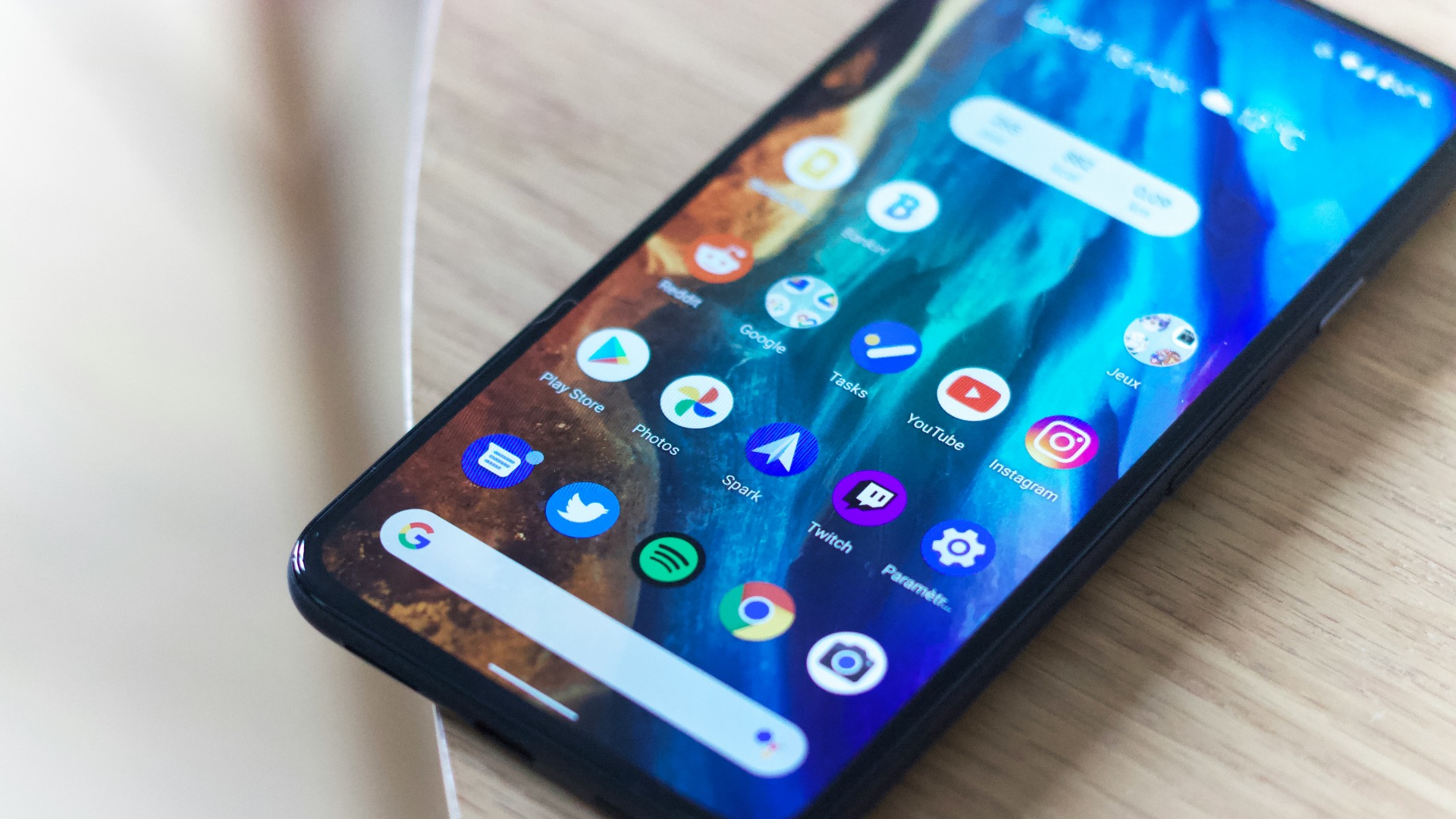
Android gives you the freedom to make your phone look and function exactly the way you want it to. You can change your default apps, install third-party launchers, reshape your home screen layout, and customize notification behavior at a granular level that iOS simply doesn't allow. If you've ever felt boxed in by Apple's more controlled environment, Android's flexibility might feel like a breath of fresh air.
 Emmanuel Jason Eliphalet on Pexels
3. USB-C Universal Compatibility
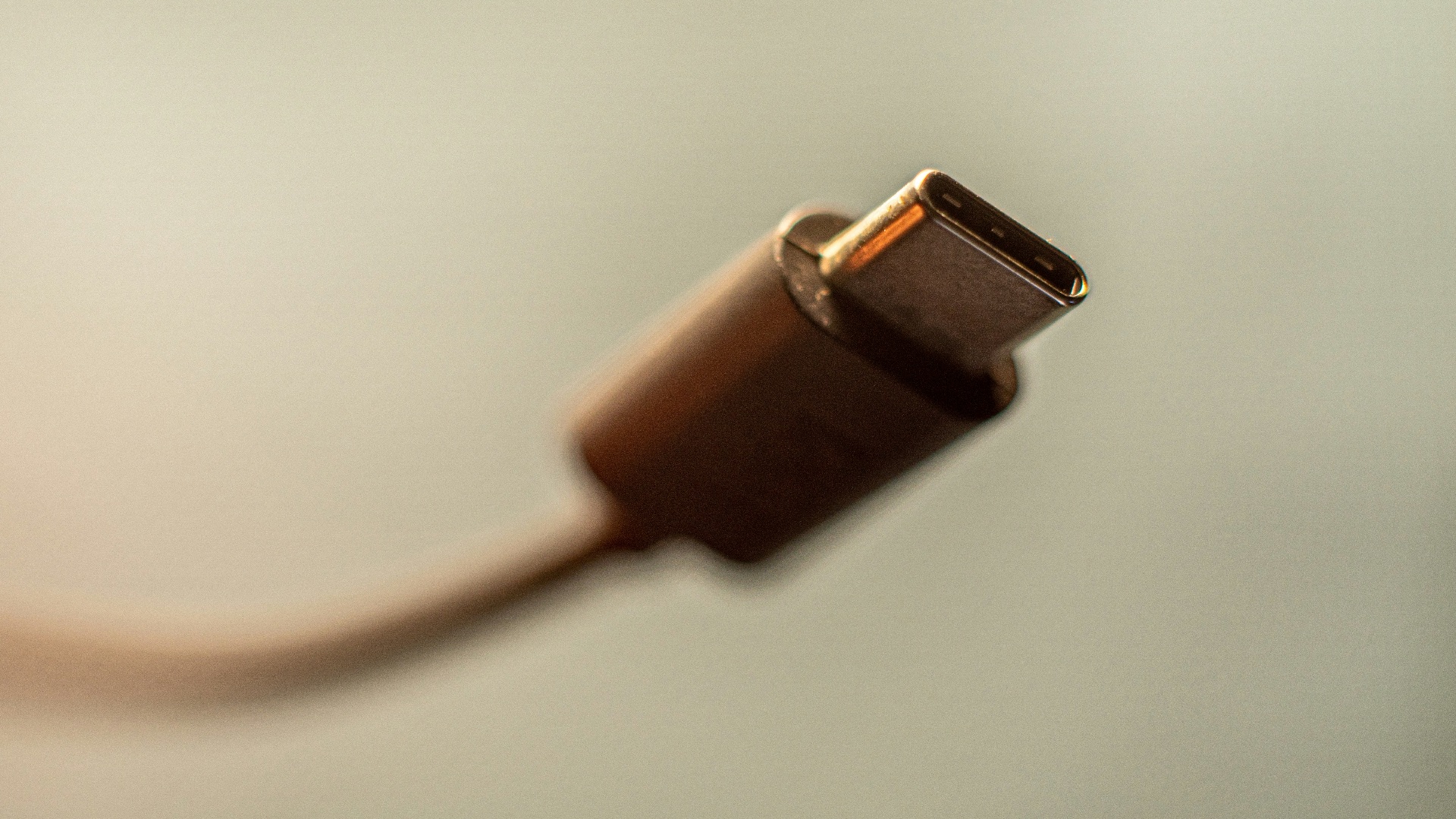
Most Android flagships have been running on USB-C for years, which means one cable works across your laptop, headphones, tablet, and phone without any adapter juggling. Apple only moved the iPhone to USB-C with the iPhone 15 series, so if you're on an older model, you're still dealing with a proprietary Lightning connector. Switching to Android could simplify your charging setup significantly, especially if the rest of your tech ecosystem already runs on USB-C.
4. More Affordable Entry Points
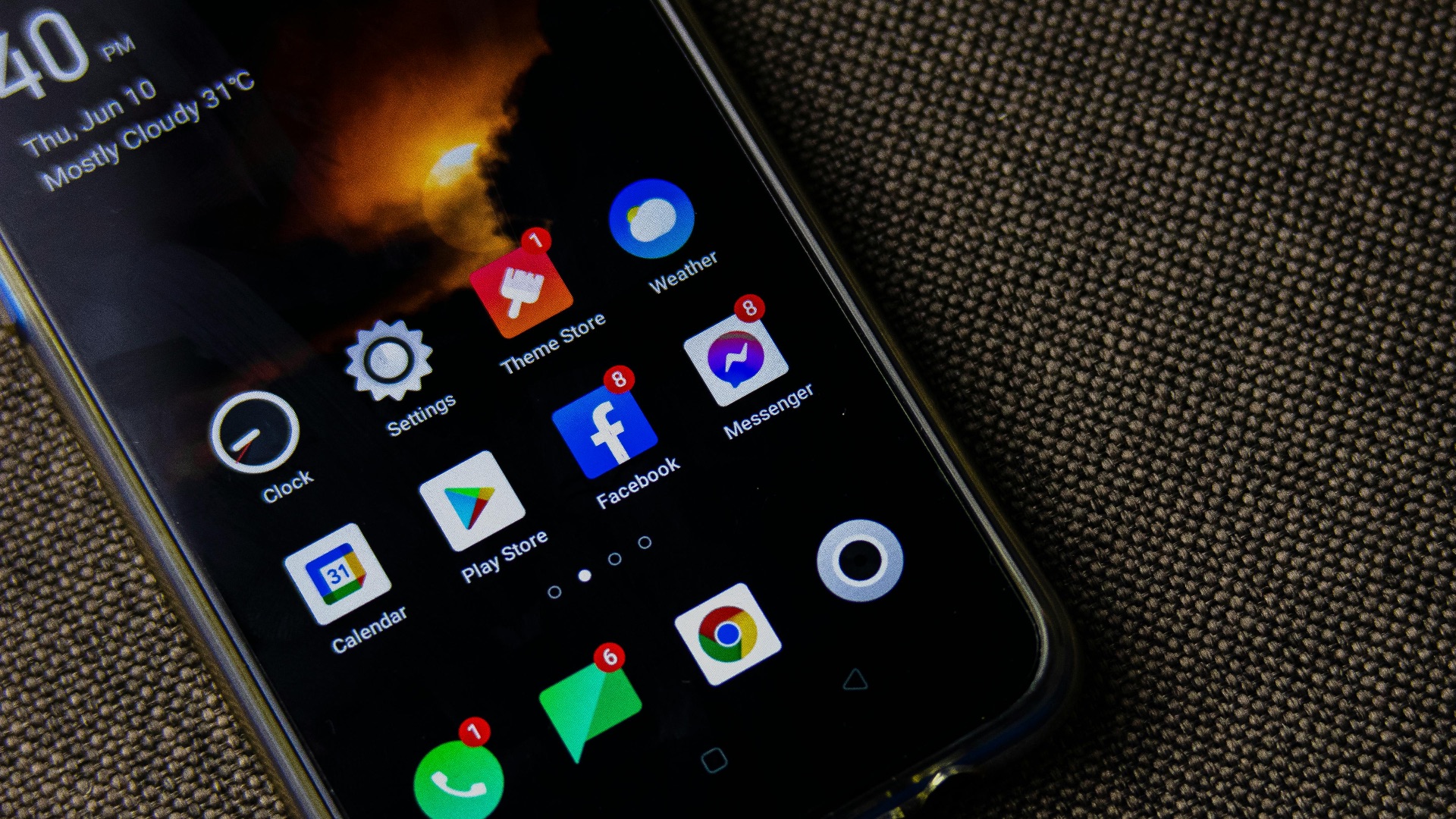
You don't have to spend over a thousand dollars to get a capable Android smartphone. Brands like Google, Motorola, and Samsung offer mid-range devices that deliver solid cameras, smooth performance, and reliable software updates at a fraction of what a new iPhone costs. For users who want a dependable daily driver without a premium price tag, Android's budget and mid-range tiers are hard to beat.
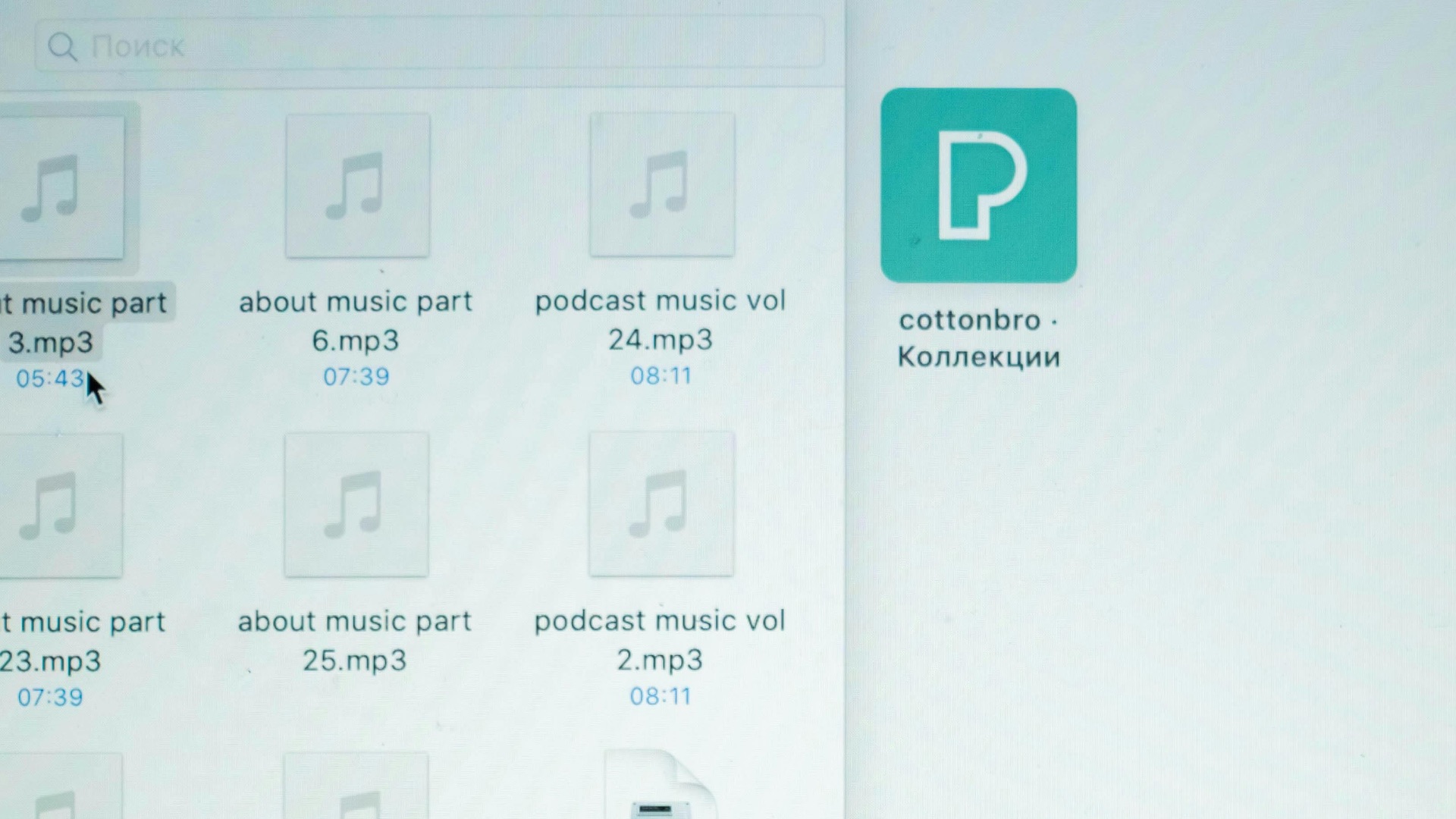
5. Easier File Management
Android treats file management much like a traditional computer, letting you plug your phone into a laptop and drag and drop files without needing any proprietary software. On an iPhone, transferring files often requires going through iTunes or Apple's own apps, which can feel unnecessarily complicated for what should be a simple task. If you regularly move documents, videos, or other files between devices, that added flexibility on Android is a practical everyday advantage.
6. Default App Freedom
Apple has loosened its grip on default apps somewhat in recent iOS updates, but Android has offered true default app flexibility for much longer. You can set any browser, email client, or messaging app as your default without workarounds, and the system will actually respect that choice across the board. For people who prefer Chrome, Firefox, or a third-party mail client, that kind of freedom makes a real difference in daily usability.
7. Superior Google Integration
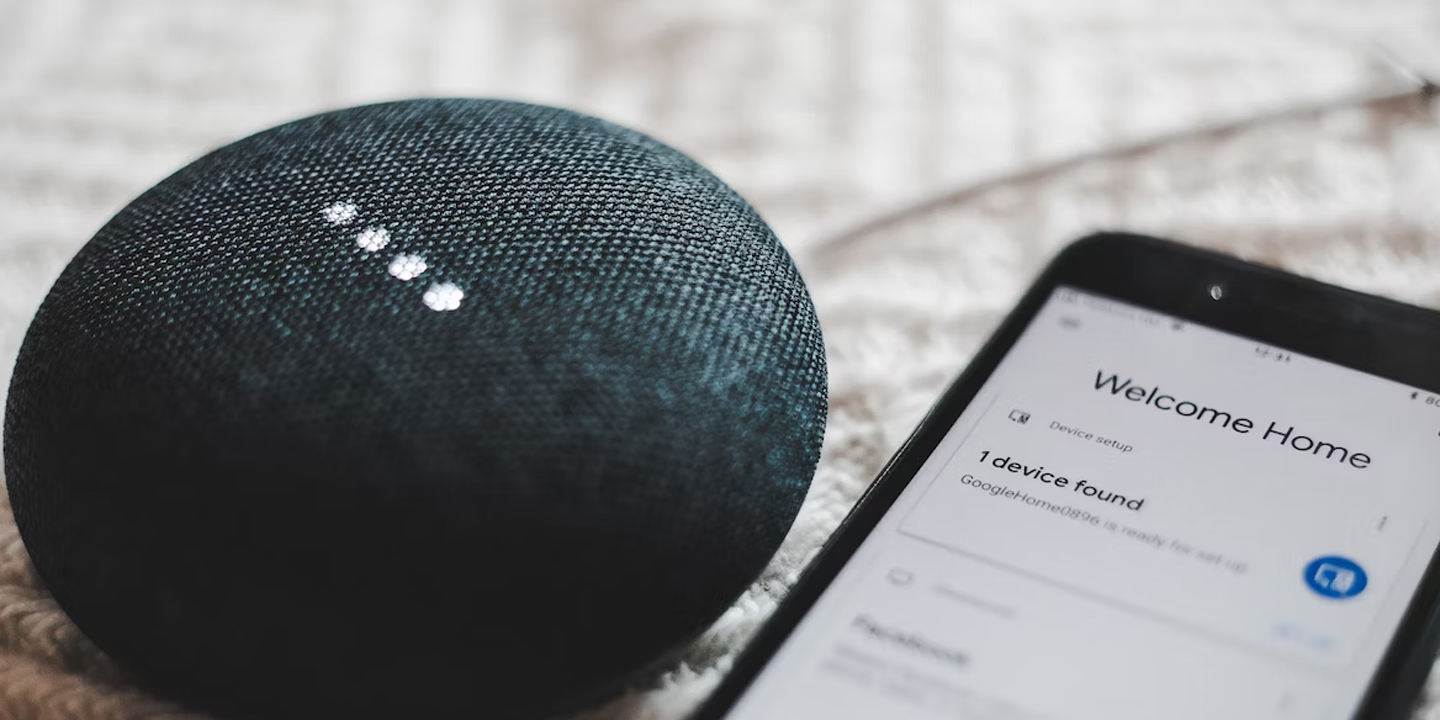
If your life is already built around Google Workspace—Gmail, Google Calendar, Google Drive, Google Photos—Android integrates with all of it far more seamlessly than iOS does. Features like cross-device syncing, smarter assistant behavior, and tighter app-to-app communication tend to work more fluidly when you're using a Google-native operating system. Switching to Android could actually make your existing Google tools work better for you.
8. Sideloading Apps
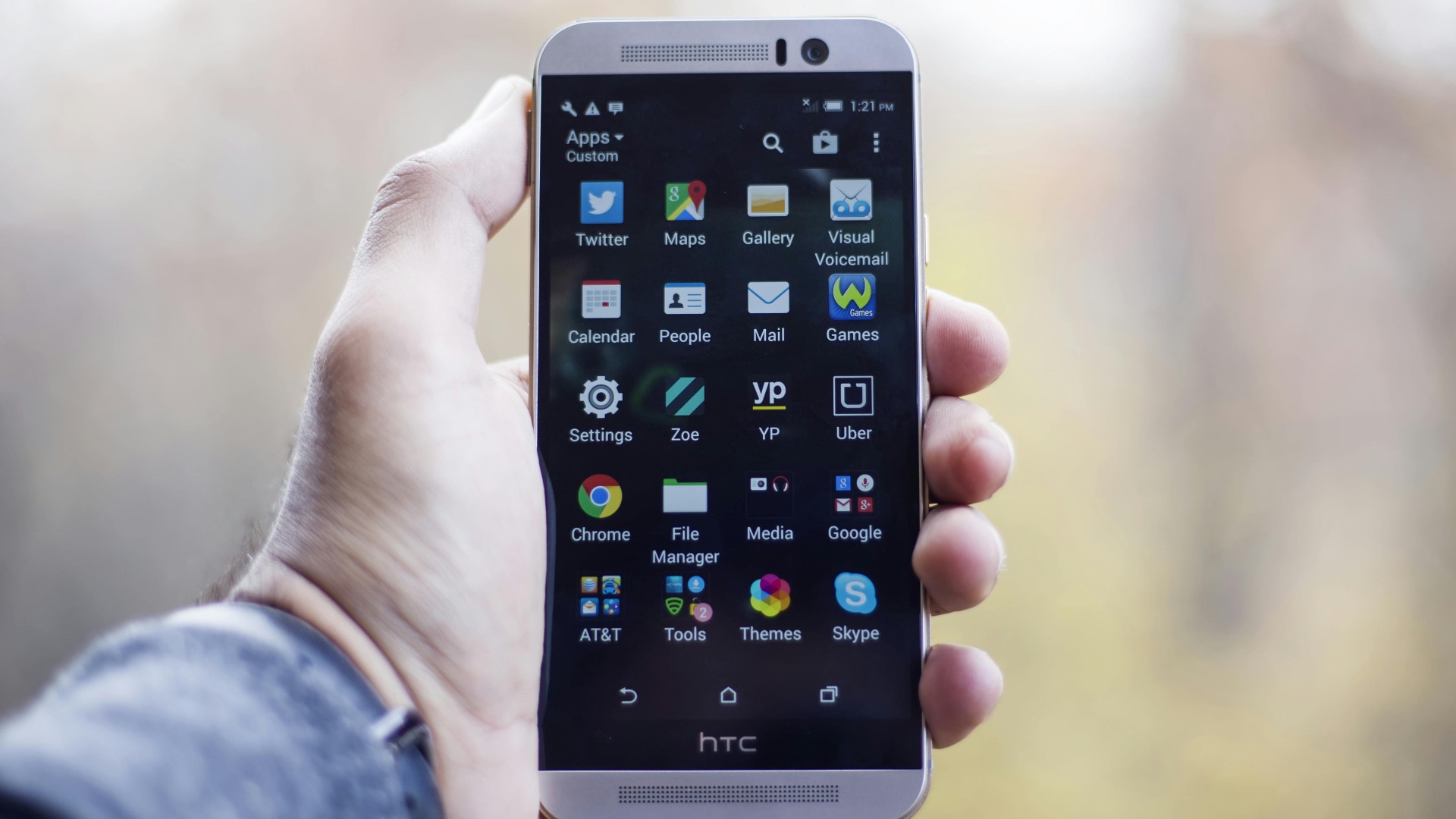
Android allows you to install apps from outside the official Play Store, which is a feature Apple restricts heavily on iOS. This opens up access to apps that haven't been approved for the Play Store, emulators, and developer tools that simply aren't available on iPhone without jailbreaking. For tech-savvy users who want full control over what runs on their device, that's a meaningful advantage. While new rules have been implemented recently (such as needing to wait 24 hours before sideloading the app), it's still a feature that makes Android more flexible than iOS.
9. More Diverse Camera Experiences
While the iPhone camera is excellent, Android flagships from Samsung and Google have pushed camera innovation in some exciting directions. You'll find phones with more versatile zoom ranges, different sensor sizes, and unique computational photography features that might align better with your personal photography style. If having the absolute latest in mobile camera hardware is a priority for you, Android's competitive landscape means there's almost always something new worth considering.
10. Widgets and Always-On Displays
Android has offered fully interactive, highly customizable widgets on the home screen for far longer than Apple has, and many Android phones also feature always-on displays that show the time, notifications, and other info without you needing to wake the screen. These features might sound minor, but they add up to a noticeably more efficient daily experience when you're constantly checking your phone throughout the day. Apple has made strides with its own widgets and always-on display on newer models, but Android still tends to offer more flexibility with how these features are configured.
Of course, switching smartphones isn't a decision to take lightly, especially if you've spent years building your digital life inside Apple's ecosystem. Before you make any moves, it's worth considering what the iPhone still does exceptionally well, since there are strong reasons why so many people stay loyal to it.
1. Unmatched Software and Hardware Integration
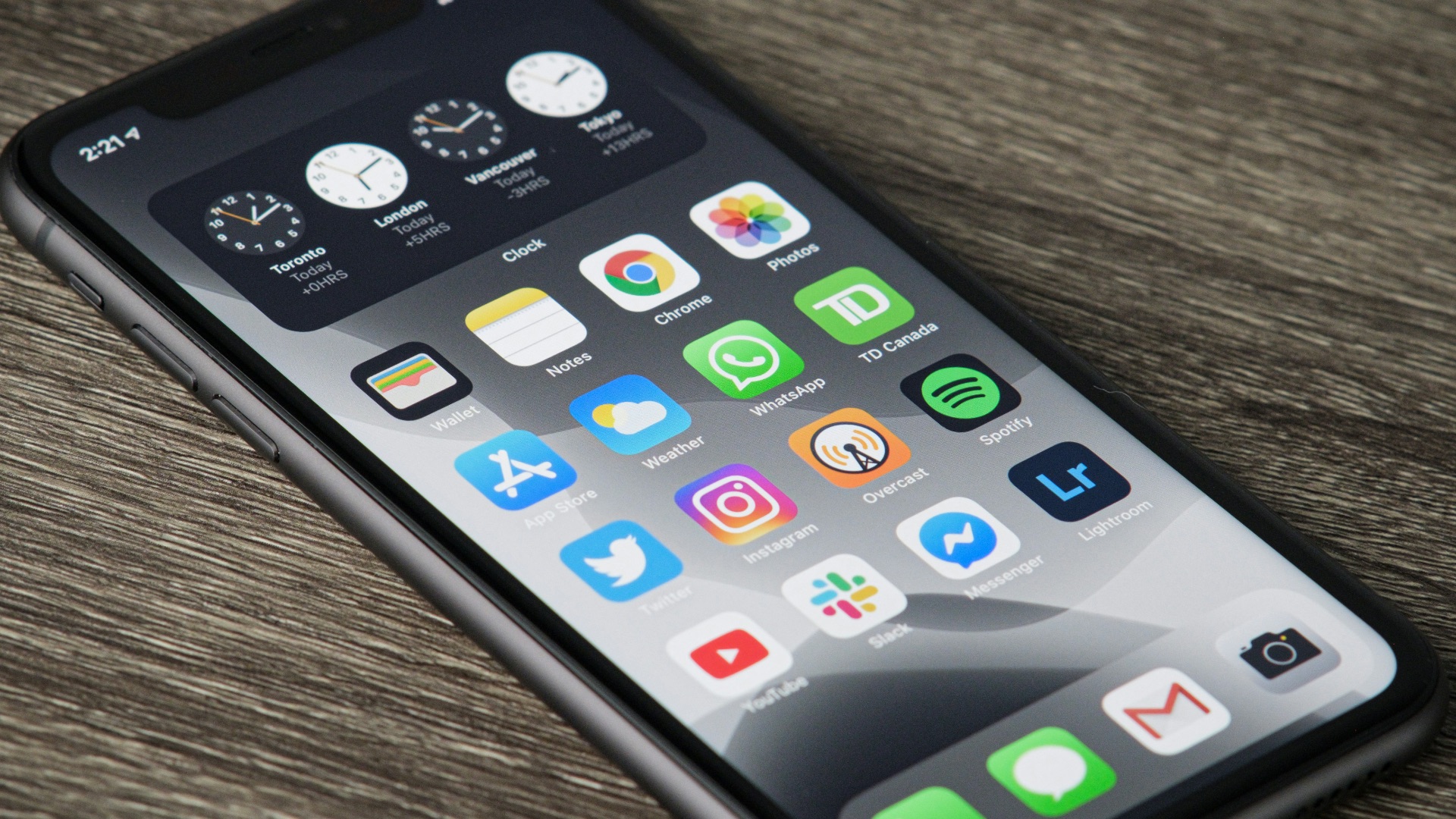
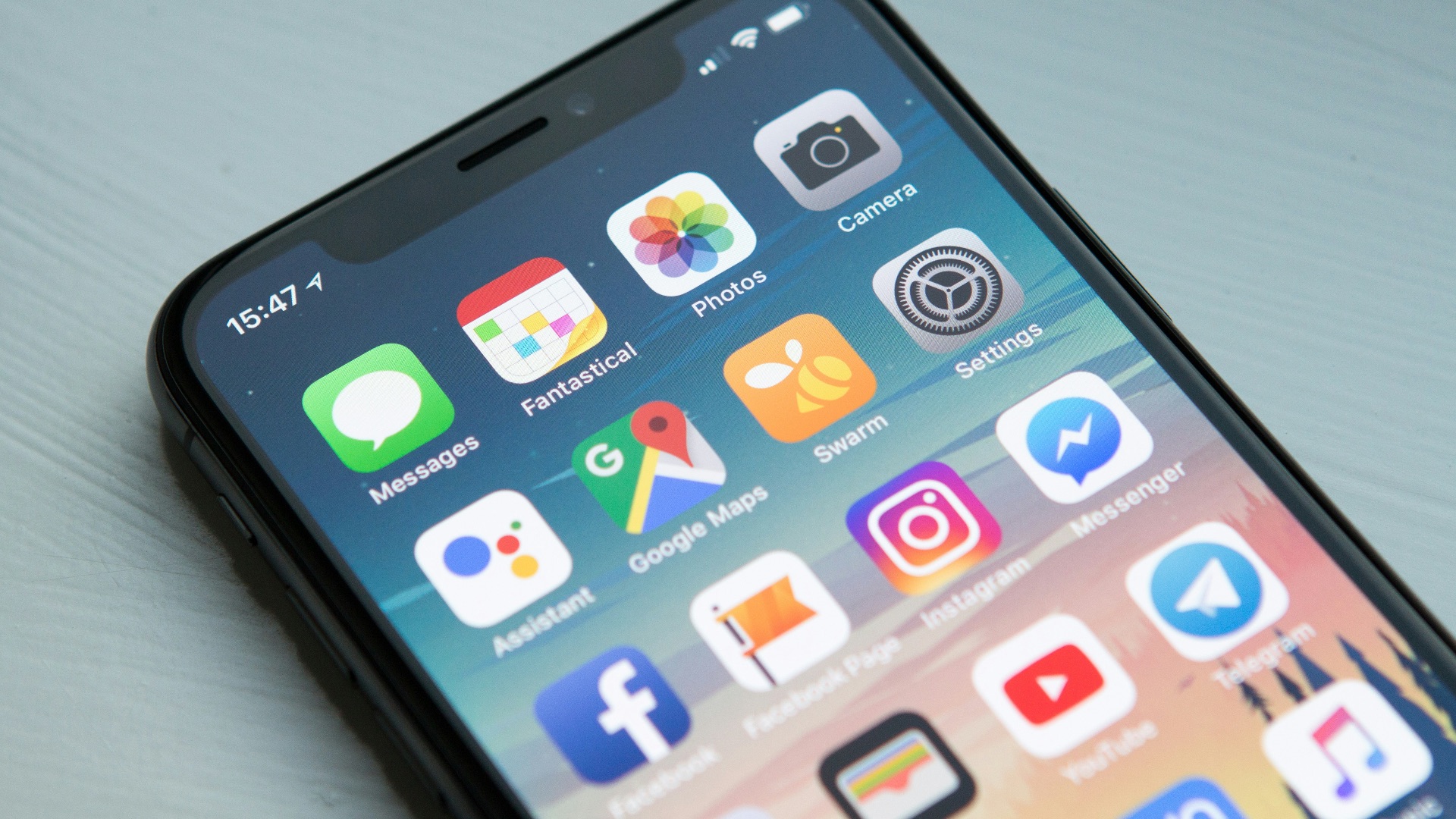
Apple designs both the hardware and the software in every iPhone, which means the two work together in ways that Android phones can't always replicate. This tight integration is a big reason iPhones tend to run smoothly for years without the performance degradation that can affect Android devices over time. When everything is built to work as one cohesive system, you notice it in the everyday experience.
2. Longer Software Support
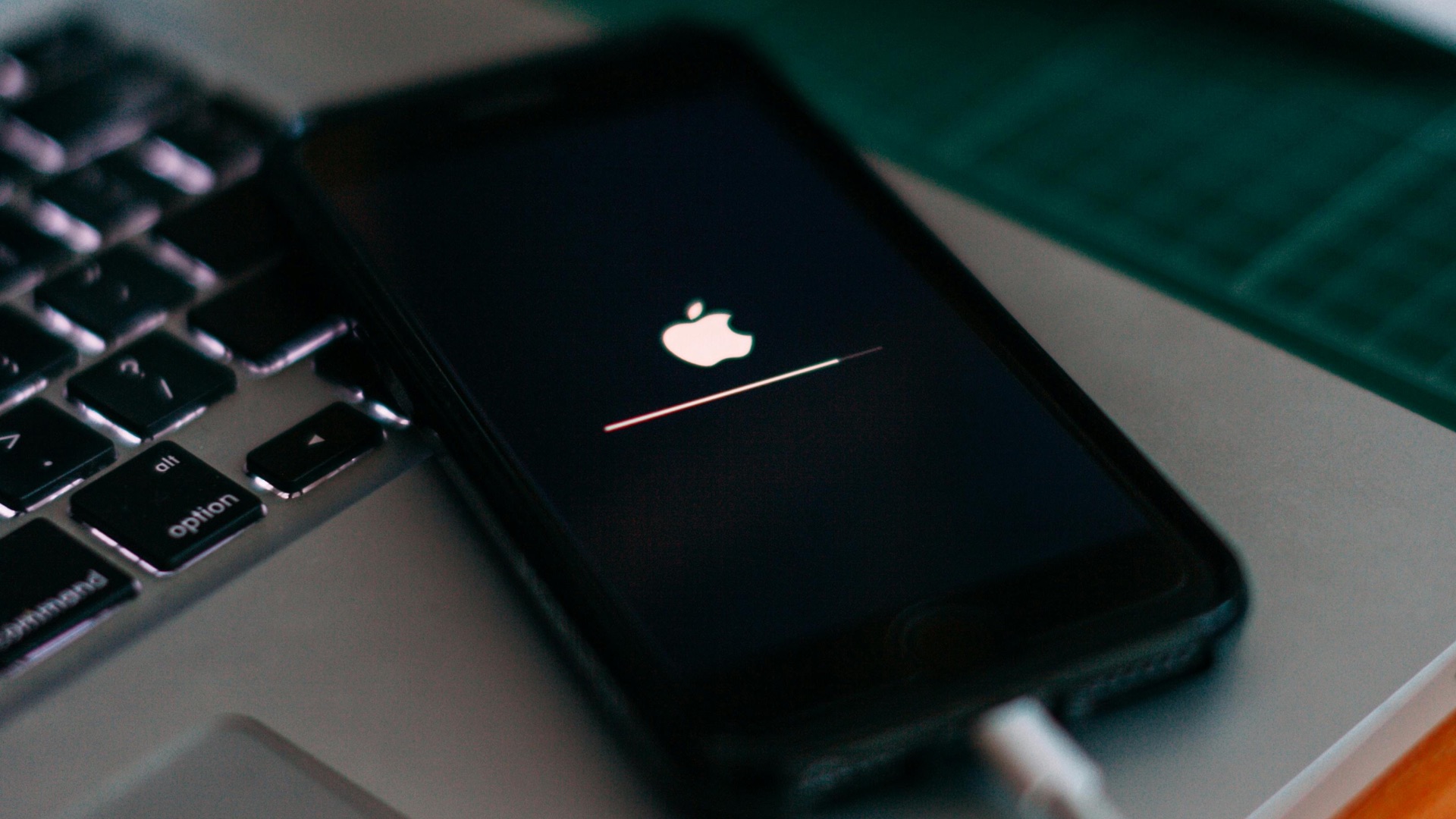
Apple supports its devices with major iOS updates for an impressively long time, often six or more years after a phone's release. That means if you buy an iPhone today, you can reasonably expect to receive new features, security patches, and performance improvements well into the future. Android manufacturers, with a few exceptions like Google's Pixel line, have historically been slower and less consistent with long-term software support, though the narrative has slightly shifted in recent years.
3. A Thriving and Consistent App Ecosystem
The App Store has long been considered the gold standard for app quality and consistency, and many developers still prioritize iOS releases or deliver more polished apps on Apple's platform first. If you rely on professional creative apps, financial tools, or niche productivity software, you're more likely to find the best version of them on the iPhone. Apple's strict review process also means you're generally getting apps that meet a higher baseline for security and reliability.
4. Industry-Leading Privacy Features
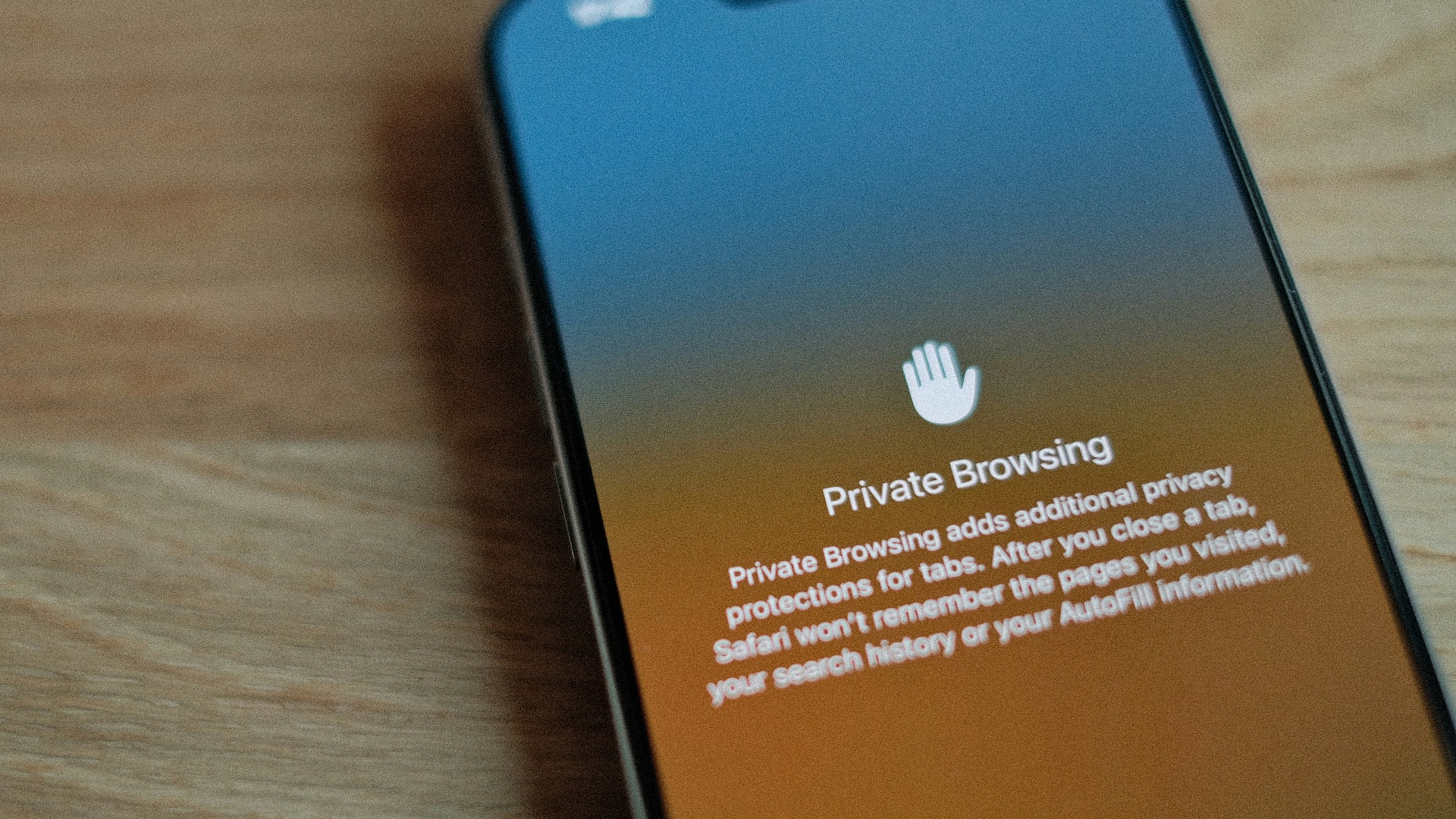
Privacy has become a cornerstone of Apple's brand, and the iPhone backs that up with real features rather than just marketing language. App Tracking Transparency, on-device processing for Siri, iCloud Private Relay, and granular app permission controls all give you meaningful tools to protect your data. If privacy is a priority for you, Apple's commitment to it at both the software and hardware level is a compelling reason to stay.
5. iMessage and FaceTime
iMessage is deeply embedded in everyday communication, and switching away from iPhone means losing the blue bubble and everything that comes with it, like high-quality media sharing, read receipts, reactions, and end-to-end encryption that works seamlessly between Apple devices. FaceTime also remains one of the most reliable and highest-quality video calling options available, particularly when you're connecting with other Apple users. These two apps alone keep a lot of people firmly in the Apple ecosystem.
6. Best-in-Class Security
The iPhone's security reputation isn't accidental; it's the result of Apple's closed ecosystem, rigorous app review standards, and regular security updates that reach all supported devices at the same time. Android's more open nature, while advantageous in some ways, also creates more surface area for vulnerabilities, and update rollouts can be fragmented depending on your manufacturer and carrier. For users who prioritize keeping their personal information safe, the iPhone's security track record is genuinely difficult to argue with.
7. Seamless Ecosystem Connectivity
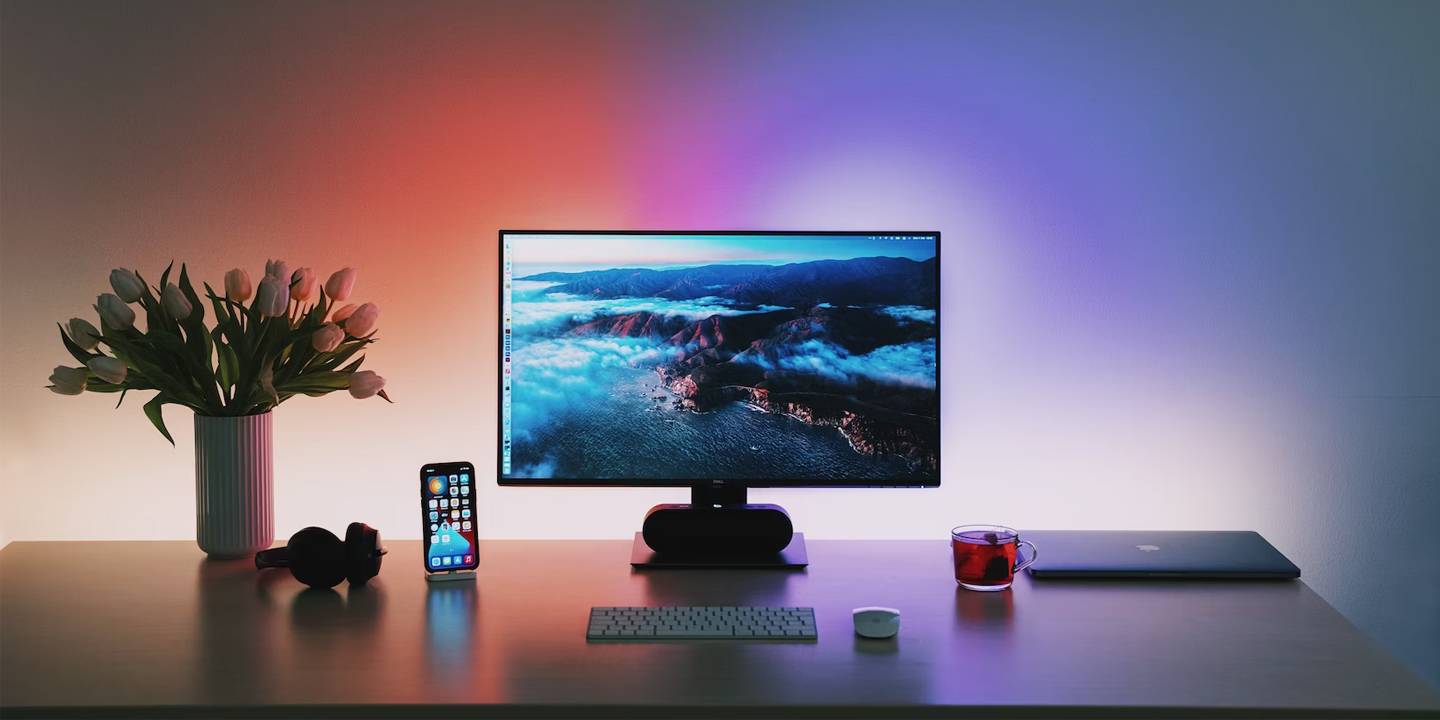
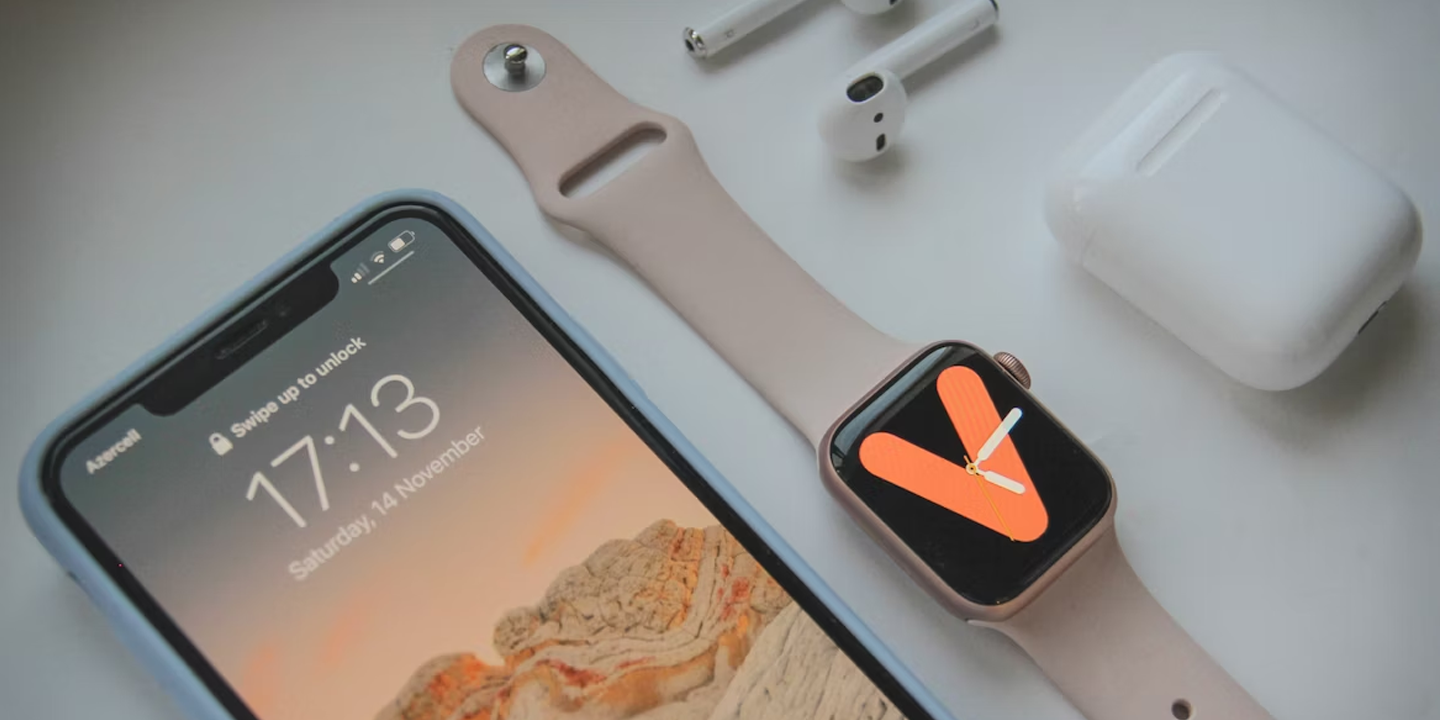
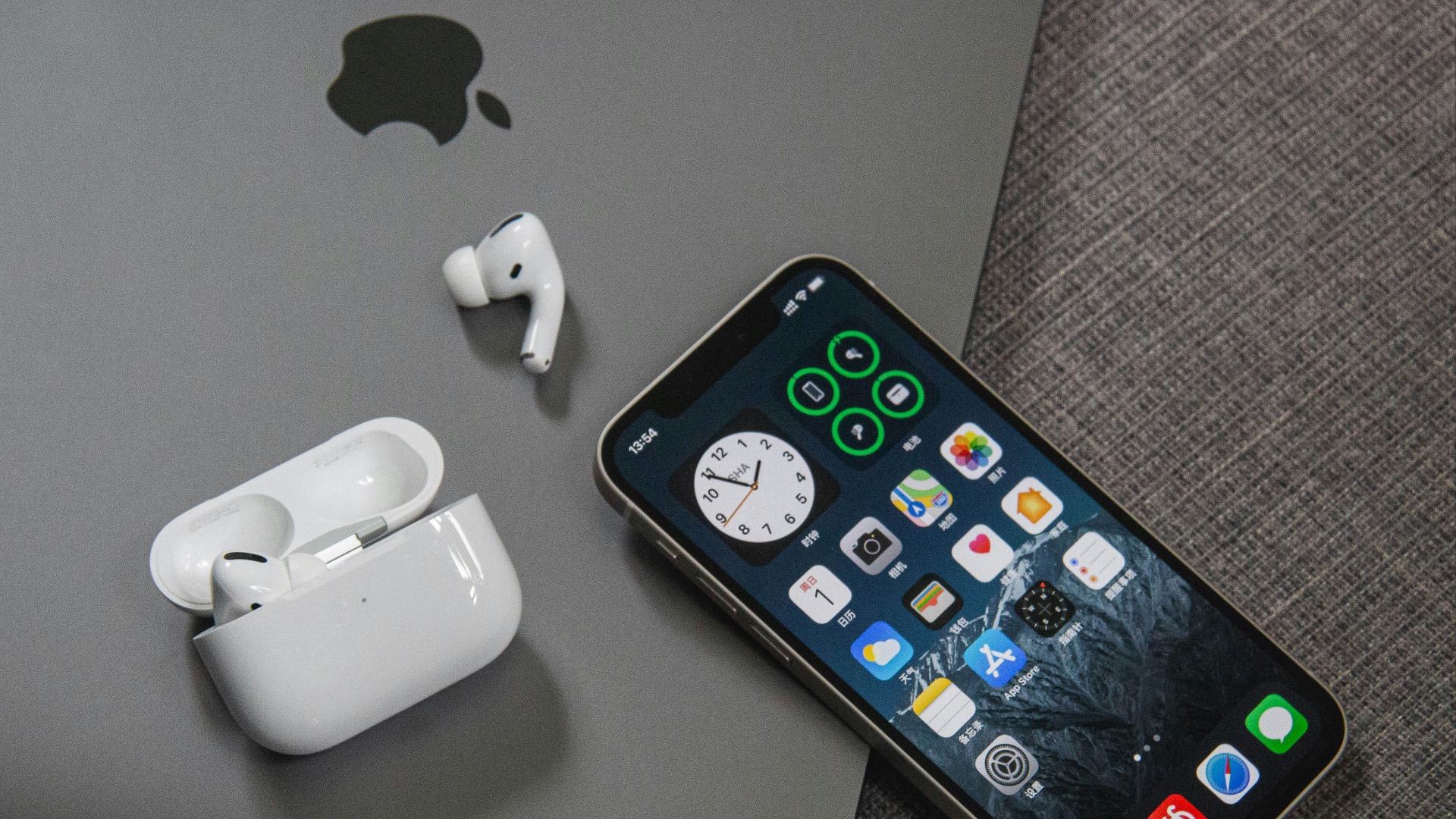
If you already own a Mac, an iPad, Apple Watch, or AirPods, your iPhone is the hub that makes all of those devices work together in remarkable ways. Handoff lets you move between devices mid-task, Universal Clipboard syncs what you copy across all of them, and AirDrop makes sharing files between Apple products almost effortless. That level of integration across an entire product lineup is something Android and Windows have been working toward but haven't fully matched.
8. Resale Value
iPhones hold their value better than almost any other smartphone on the market, which matters if you upgrade regularly or plan to sell your device down the line. A two-year-old iPhone will typically fetch significantly more on the second-hand market than a comparable Android phone of the same age. That strong resale value effectively lowers the real cost of owning an iPhone over time, which makes the premium price tag easier to justify.
9. Accessibility Features
Apple has consistently been a leader in building accessibility tools directly into its operating system, and the iPhone's suite of features for users with visual, motor, hearing, and cognitive needs is among the most comprehensive in the industry. Tools like VoiceOver, AssistiveTouch, Sound Recognition, and Back Tap are built in and regularly updated with each iOS release. For users who rely on these features, the reliability and depth of Apple's accessibility support can be a genuine differentiator.
10. Consistent, Predictable User Experience
There's a lot to be said for a phone that just works the way you expect it to, every single time. Apple's controlled environment means you're far less likely to encounter bloatware, inconsistent interfaces, or unexpected behavior from your operating system. For users who don't want to tinker and just need a reliable, polished device that performs consistently day in and day out, the iPhone delivers that experience better than almost anything else on the market.