

The Gaming Moments That Felt Almost Human
Artificial intelligence has played a major role in making video games feel immersive, unpredictable, and emotionally engaging. While graphics often get most of the attention, believable AI behavior is usually what makes players feel truly connected to a game world. From enemies adapting during combat to companions reacting naturally to player choices, some games created moments so convincing that they genuinely felt alive.

1. The Alien Learning Your Habits in Alien: Isolation
The Xenomorph in Alien: Isolation became famous for its unpredictable hunting behavior. Instead of following simple scripted paths, the creature adapted to noise, movement, and hiding spots the player repeatedly used. This made every encounter feel tense because players couldn't rely on memorizing patterns.

2. Nemesis Remembering Encounters in Middle-earth: Shadow of Mordor
The Nemesis System allowed enemy Orcs to remember previous battles with the player. If an enemy survived a fight, it could return later with scars, promotions, or even a grudge tied to earlier encounters. That memory system created rivalries that felt surprisingly personal during gameplay.

3. Squad Communication in F.E.A.R.
Enemy soldiers in F.E.A.R. reacted intelligently during combat by flanking, taking cover, and communicating with one another. Players often heard enemies calling out tactics and adjusting positions based on what was happening in real time.

4. Villagers Following Daily Routines in The Elder Scrolls IV: Oblivion
NPCs in Oblivion followed schedules that included eating, sleeping, shopping, and socializing. Characters moved through towns naturally instead of standing in one place waiting for the player. Even though the system occasionally created strange moments, it helped the world feel more alive.

5. Companion Reactions in The Last of Us
Companions in The Last of Us reacted dynamically to combat and environmental situations. Ellie and other allies responded emotionally to violence, danger, and stealth encounters in ways that matched the tone of the story. Their behavior helped strengthen the emotional realism of the game.

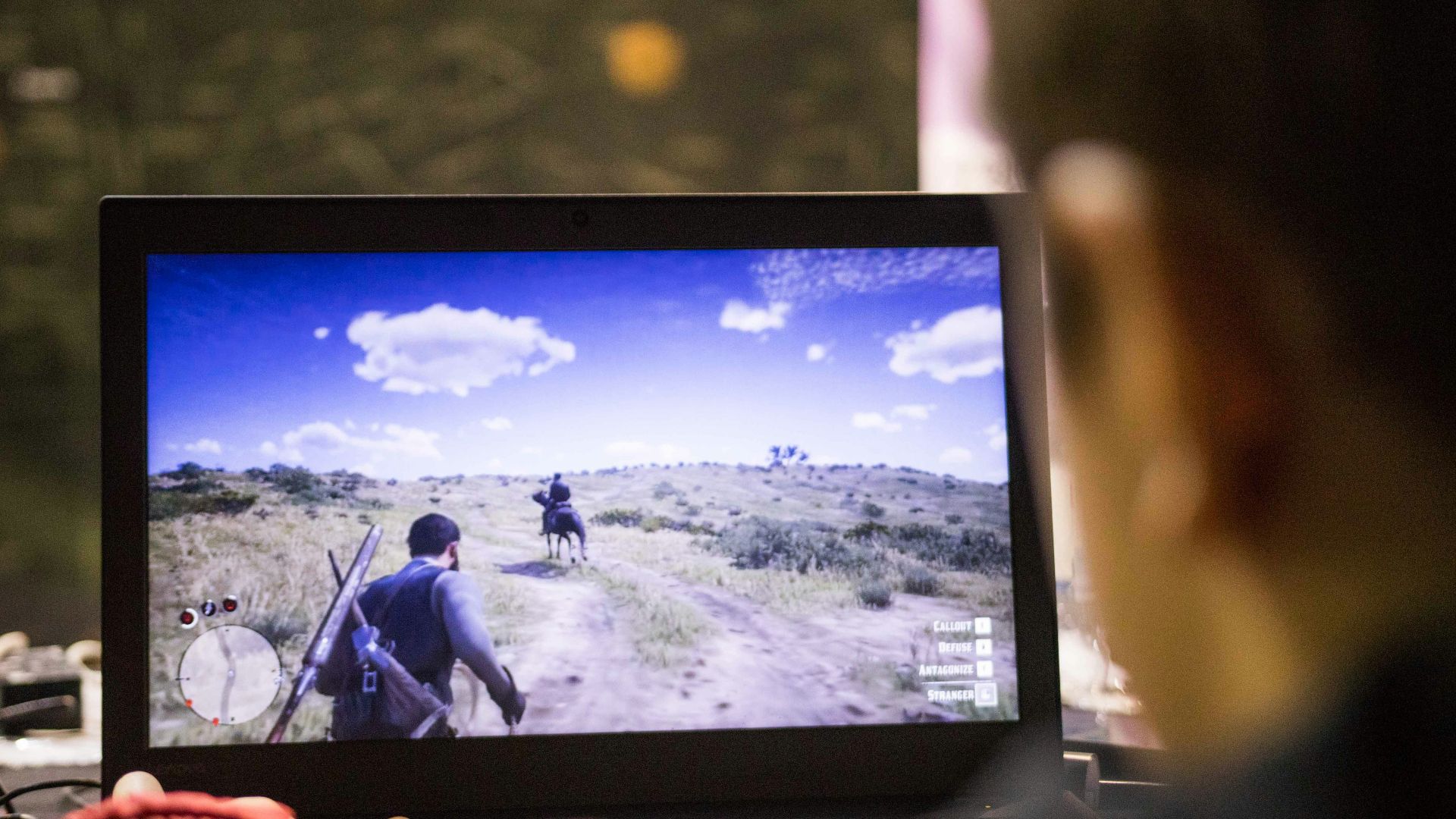
6. Dynamic Wildlife in Red Dead Redemption 2
Animals in Red Dead Redemption 2 behaved differently depending on weather, predators, and nearby activity. Deer traveled in groups, predators hunted prey, and injured animals reacted realistically after being attacked. Those details made the wilderness feel active even when players weren't involved directly.
 Clastr Cloud Gaming on Unsplash
7. Enemy Adaptation in Metal Gear Solid V: The Phantom Pain
Enemies in Metal Gear Solid V adapted to player tactics over time. If players relied heavily on headshots, soldiers eventually began wearing helmets more frequently during missions. This forced players to constantly change strategies instead of repeating the same approach.

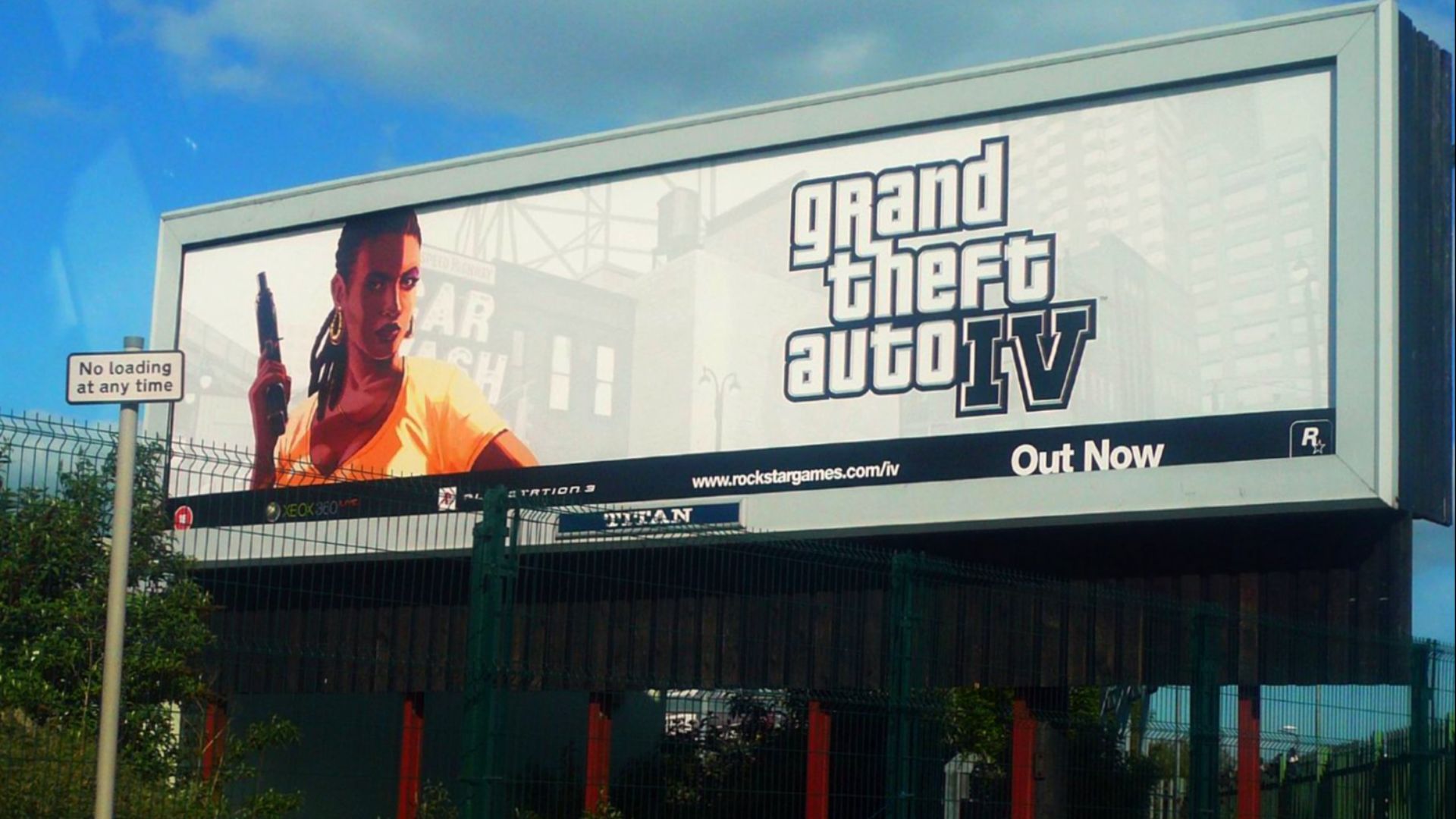
8. Citizens Reacting Naturally in Grand Theft Auto IV
Pedestrians in Grand Theft Auto IV responded realistically to fights, traffic accidents, and dangerous situations. Some fled in panic, while others called the police or reacted aggressively depending on the circumstances. The variety of responses made Liberty City feel more believable and unpredictable.
9. The Director System in Left 4 Dead
Left 4 Dead used an AI Director that adjusted pacing, enemy placement, and item availability based on player performance. If a team struggled, the game sometimes eased tension temporarily before increasing pressure again later. This system made every playthrough feel slightly different.

10. Guard Awareness in Thief: The Dark Project
Guards in Thief reacted to shadows, sound, and suspicious environmental changes instead of relying entirely on sight. Players had to pay attention to movement speed, lighting, and noise levels during stealth sections.

11. Emotional Horse Behavior in The Last Guardian
Trico, the giant creature companion in The Last Guardian, behaved more like a real animal than a traditional game partner. Sometimes it ignored commands, hesitated, or reacted cautiously to unfamiliar situations. Those imperfections made the creature feel emotionally believable instead of mechanically obedient.
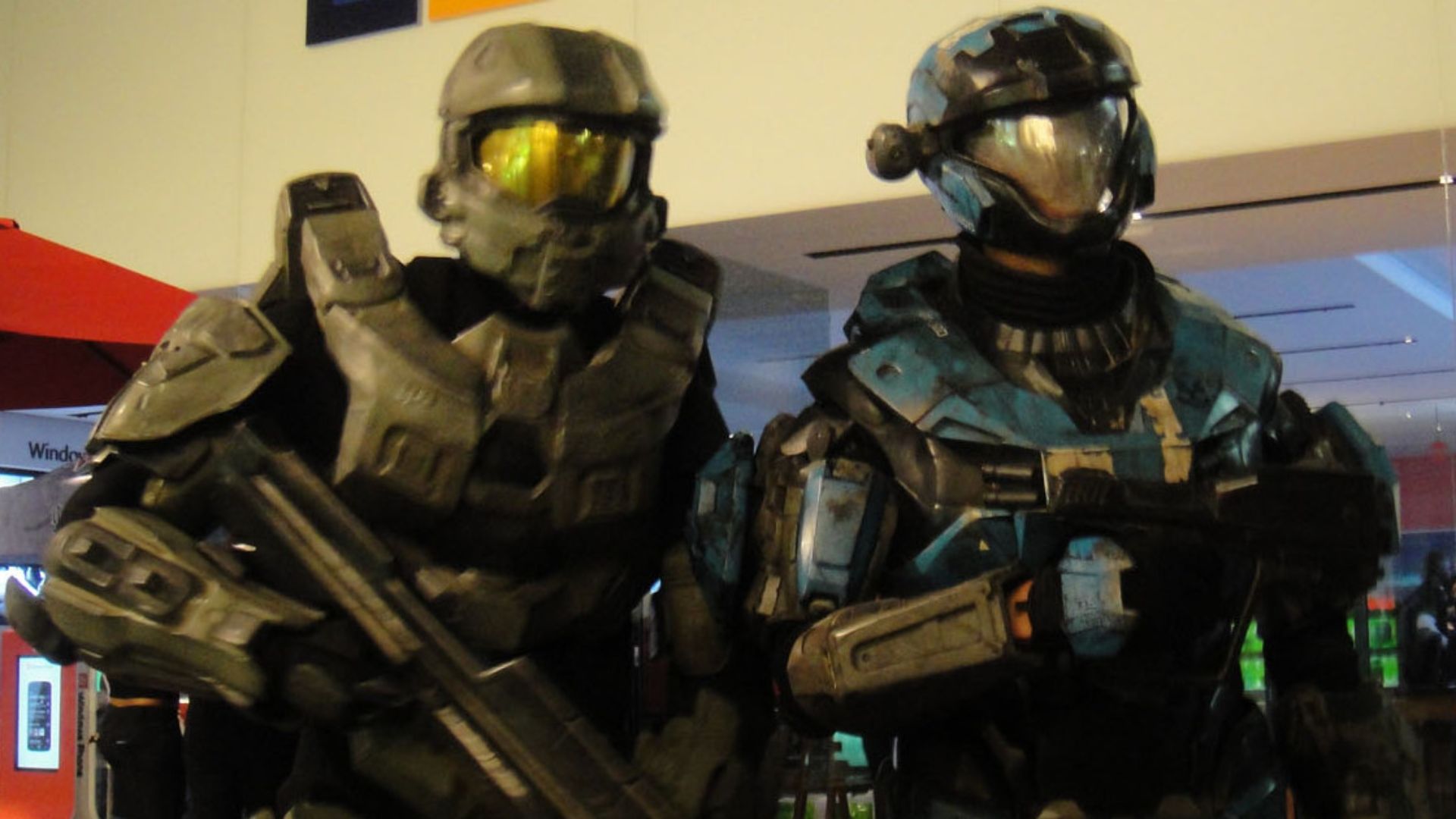
12. Marines Supporting the Player in Halo: Combat Evolved
Marines in Halo reacted dynamically during combat by taking cover, using vehicles, and responding to threats nearby. They occasionally celebrated victories or panicked during overwhelming attacks. Those reactions helped create the feeling of fighting alongside actual soldiers rather than background characters.
 pop culture geek from Los Angeles, CA, USA on Wikimedia
13. Civilian Fear Systems in Hitman
Crowds and civilians in the modern Hitman games respond differently depending on suspicious behavior and nearby violence. Witnesses can alert guards, flee crowded areas, or react nervously when they notice strange actions. The layered reactions help assassination missions feel socially realistic.

14. Enemy Search Patterns in The Last of Us Part II
Enemies in The Last of Us Part II searched environments intelligently after spotting the player. They communicated names, coordinated movements, and reacted emotionally when allies were killed.

15. Wildlife Ecosystems in Far Cry 4
Animals in Far Cry 4 interacted naturally with both players and enemy factions throughout the world. Predators attacked guards, prey fled danger, and chaotic encounters could break out unexpectedly.
 Glenn Carstens-Peters on Unsplash
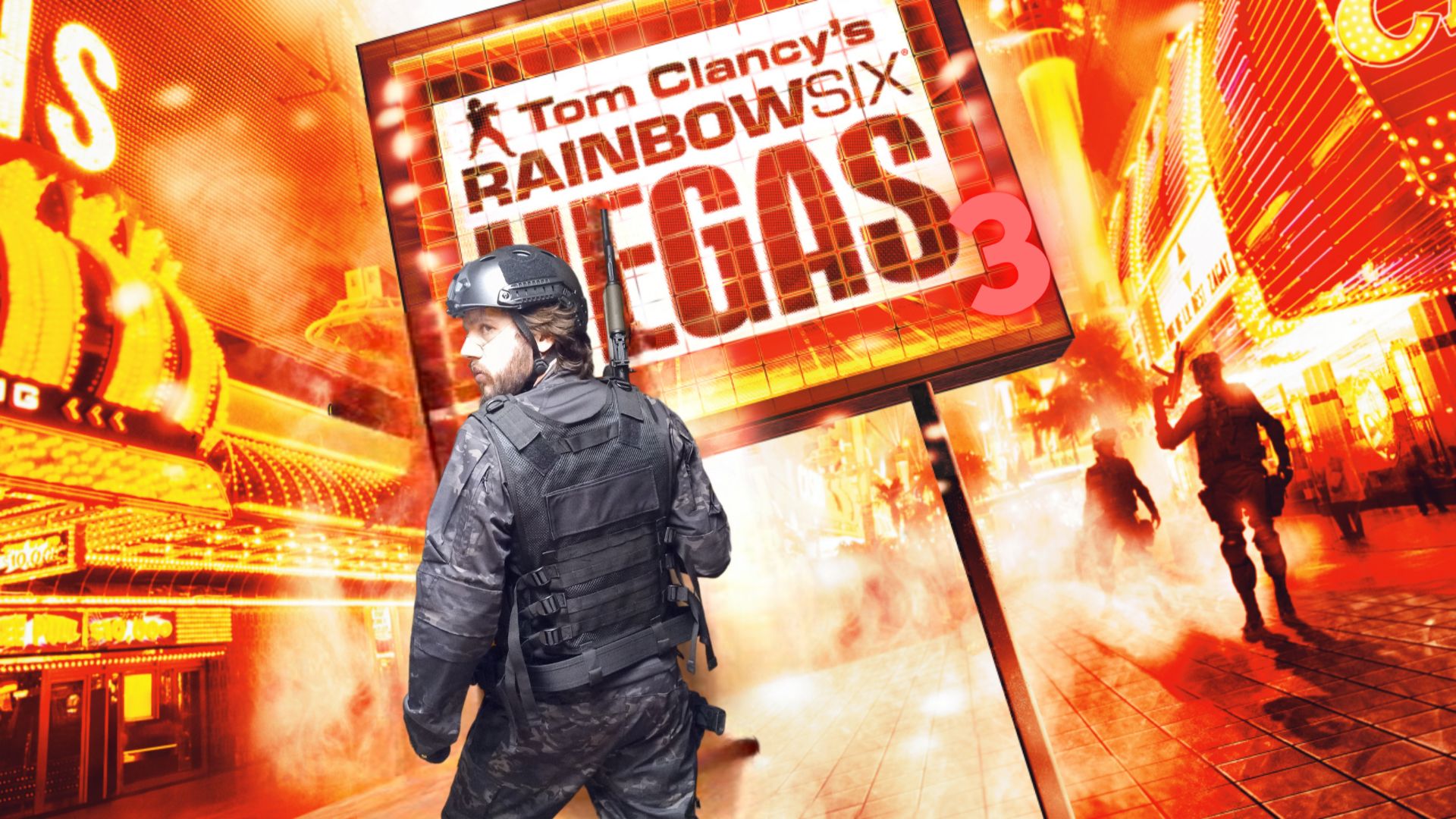
16. Team Strategy in Tom Clancy's Rainbow Six Vegas
Enemies in Rainbow Six Vegas used coordinated tactics instead of charging directly at players. They positioned themselves carefully, defended chokepoints, and attempted to flush players from cover.
17. Relationship Systems in The Sims
Characters in The Sims formed friendships, rivalries, and emotional reactions based on repeated interactions. Their moods changed depending on social experiences, environment, and personal needs.
 włodi from London, UK on Wikimedia
18. Enemy Aggression in Dark Souls
Enemies in Dark Souls punished careless behavior through delayed attacks, traps, and aggressive timing. Players learned quickly that rushing into combat often resulted in failure.

19. Adaptive Police Responses in Grand Theft Auto V
Police AI in Grand Theft Auto V escalated tactics depending on the player's crimes and escape methods. Officers coordinated roadblocks, helicopter searches, and pursuit patterns during high-wanted levels.

20. Creature Ecosystems in Monster Hunter: World
Large monsters in Monster Hunter: World interacted with each other independently during hunts. Some creatures fought for territory while others fled stronger predators roaming nearby areas.