Ninety Minutes And No Undo Button
Making a mixtape could eat up an entire afternoon, and one bad mistake near the end could mean doing a whole side again. You recorded in real time, listening all the way through with a finger ready on the pause button. Once a song was on there, it stayed there. That effort gave the finished tape a weight that a playlist never quite has. Here's 20 things anyone who made one will remember.
1. The Math On The Back Of The Case
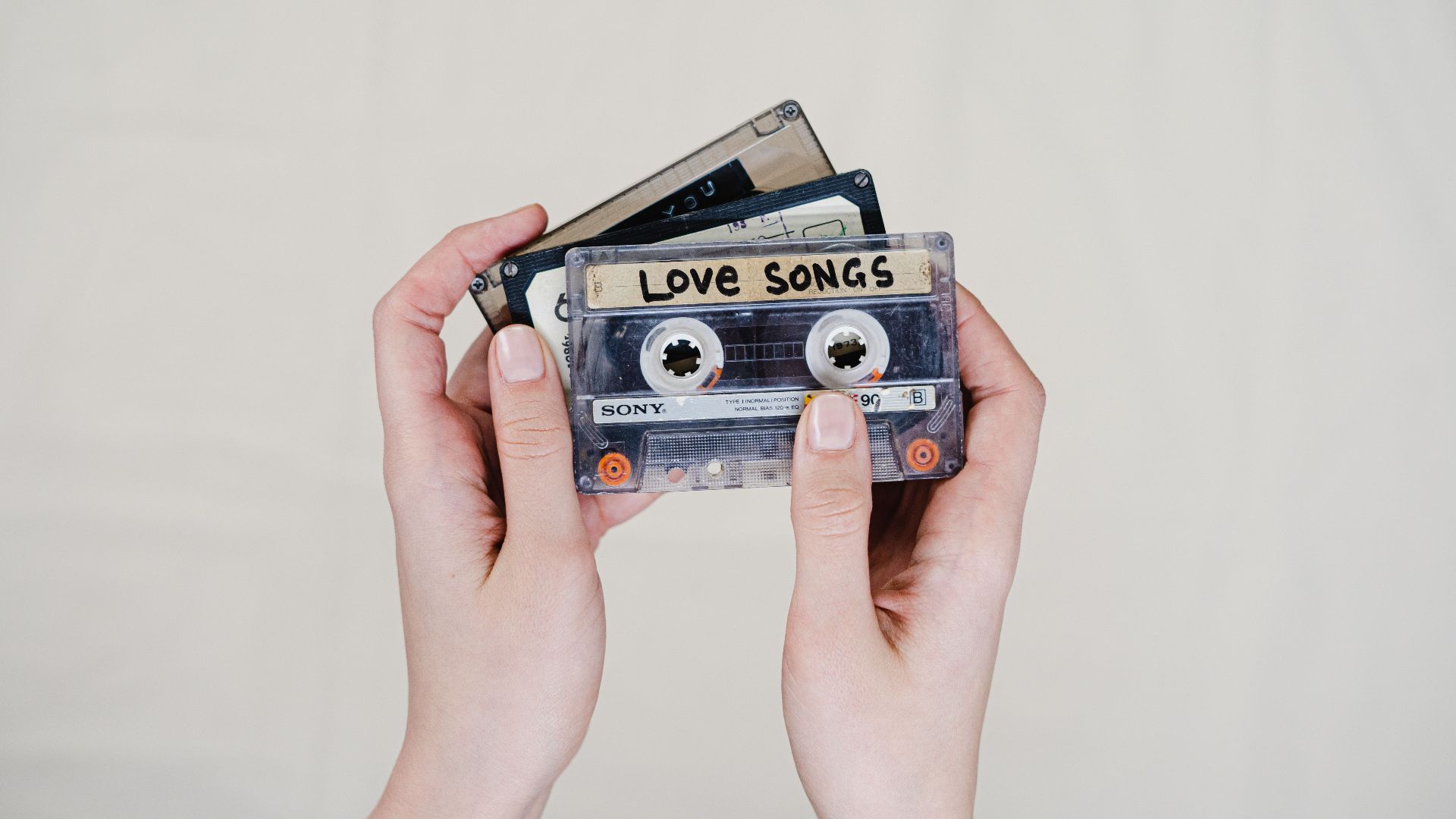
Every side of a tape came with its own arithmetic problem attached. You would add up track times in the margin of a school notebook, trying to land under 45 minutes without wasting four of them at the end. Getting a side to land within thirty seconds of the end felt like a real accomplishment.
2. The DJ Talking Over The Intro
Waiting by the radio for a specific song meant accepting that a man in a studio might ruin it. He would hold his chatter until the exact moment the vocals came in, every single time. You either kept the take with his voice on it or waited another week for the song to come around again.
3. Pause, Not Stop
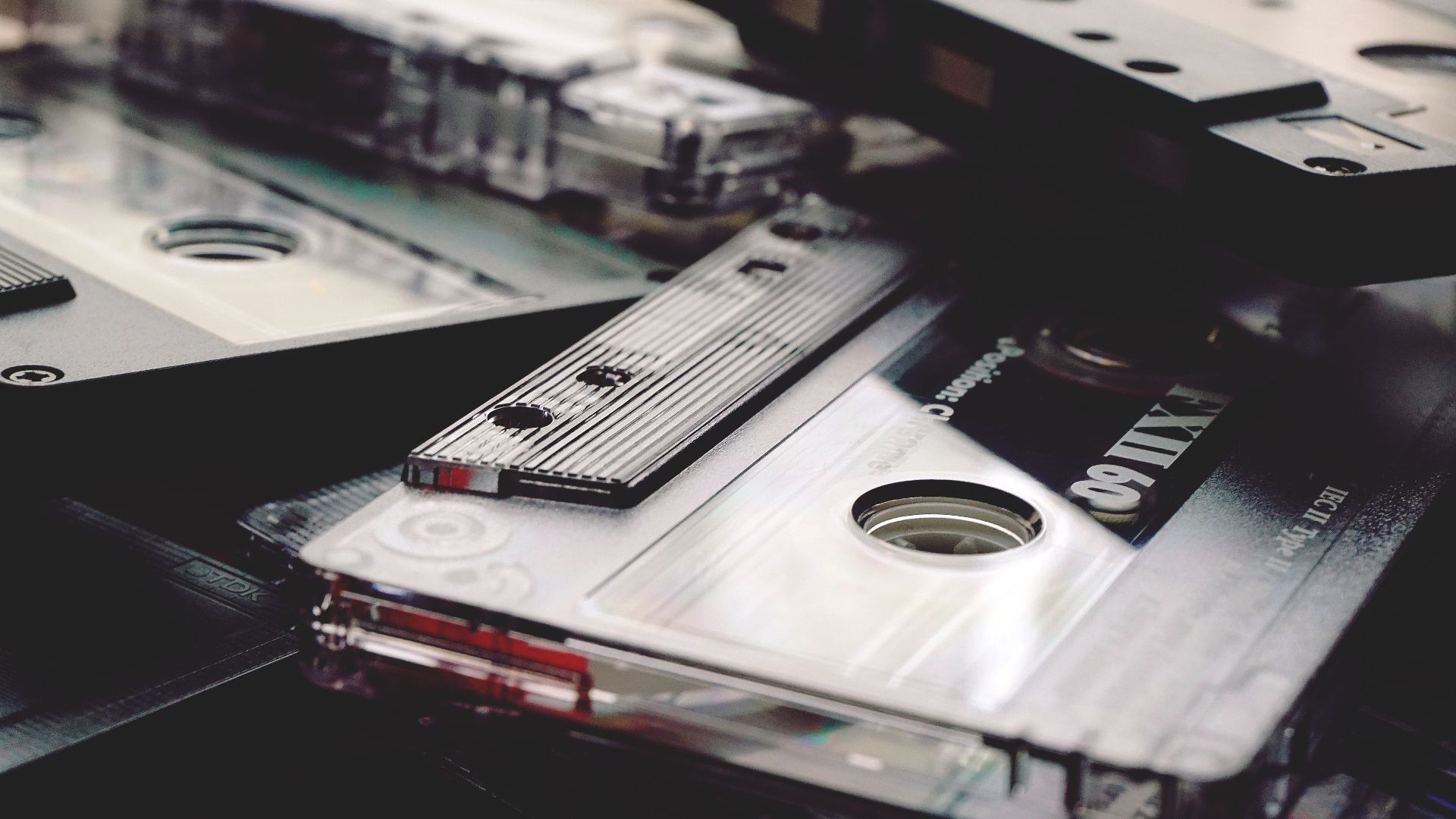
Hitting stop left a hard clunk on the tape that you would hear on every play afterward. Pause came out cleaner, though it still left a small click when your timing was off by much. Everyone developed a technique for it and would defend that technique to anyone who asked.
 Francesca Pieleanu on Unsplash
4. The Pencil
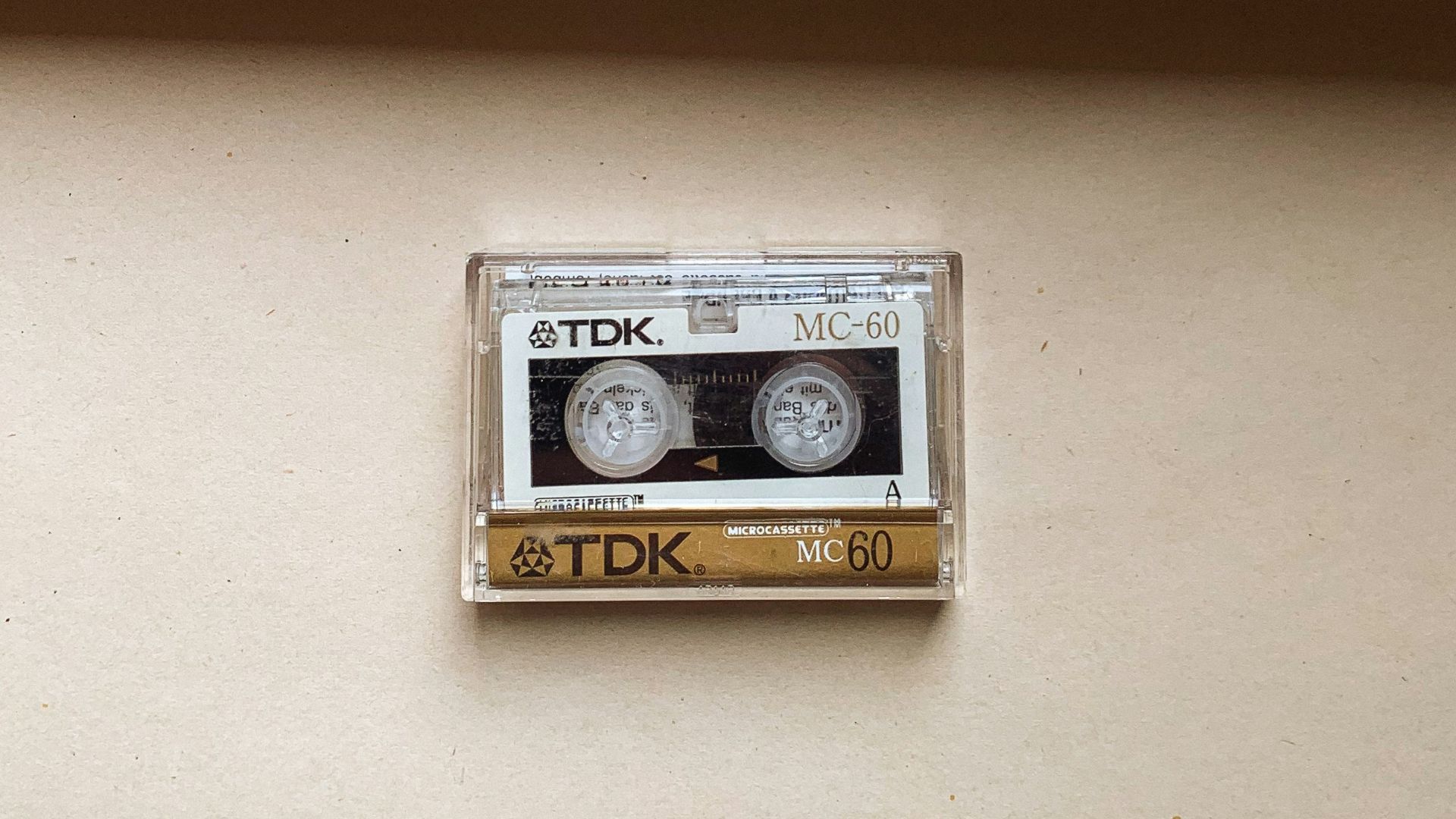
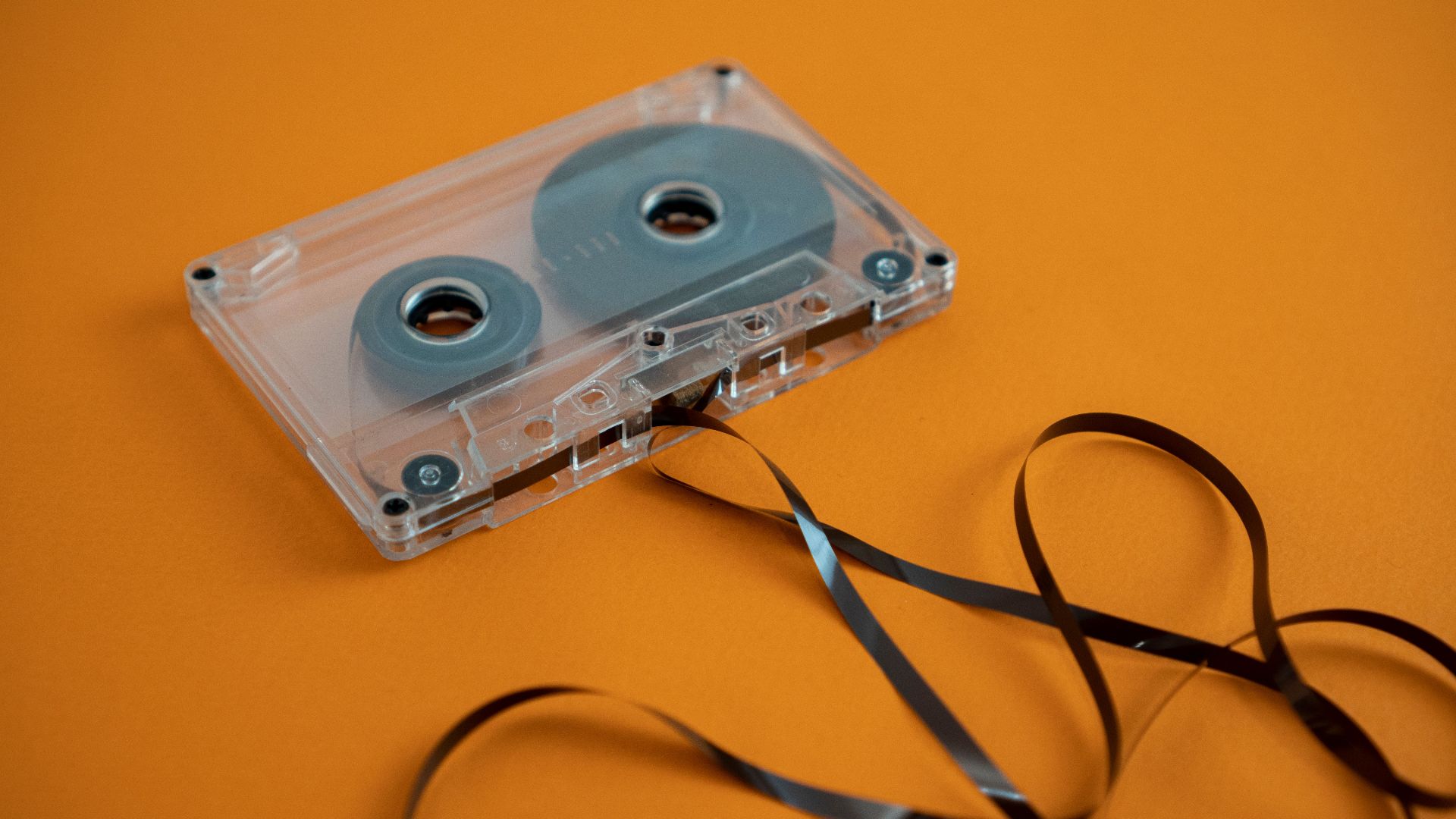
A cassette that spooled loose needed a pencil through the hub and roughly forty patient rotations to wind it all back in. The hexagonal pencils gripped better than the round ones, which everybody figured out eventually. Every car glovebox in America had one in it for this reason.
5. Choosing The Tape Itself
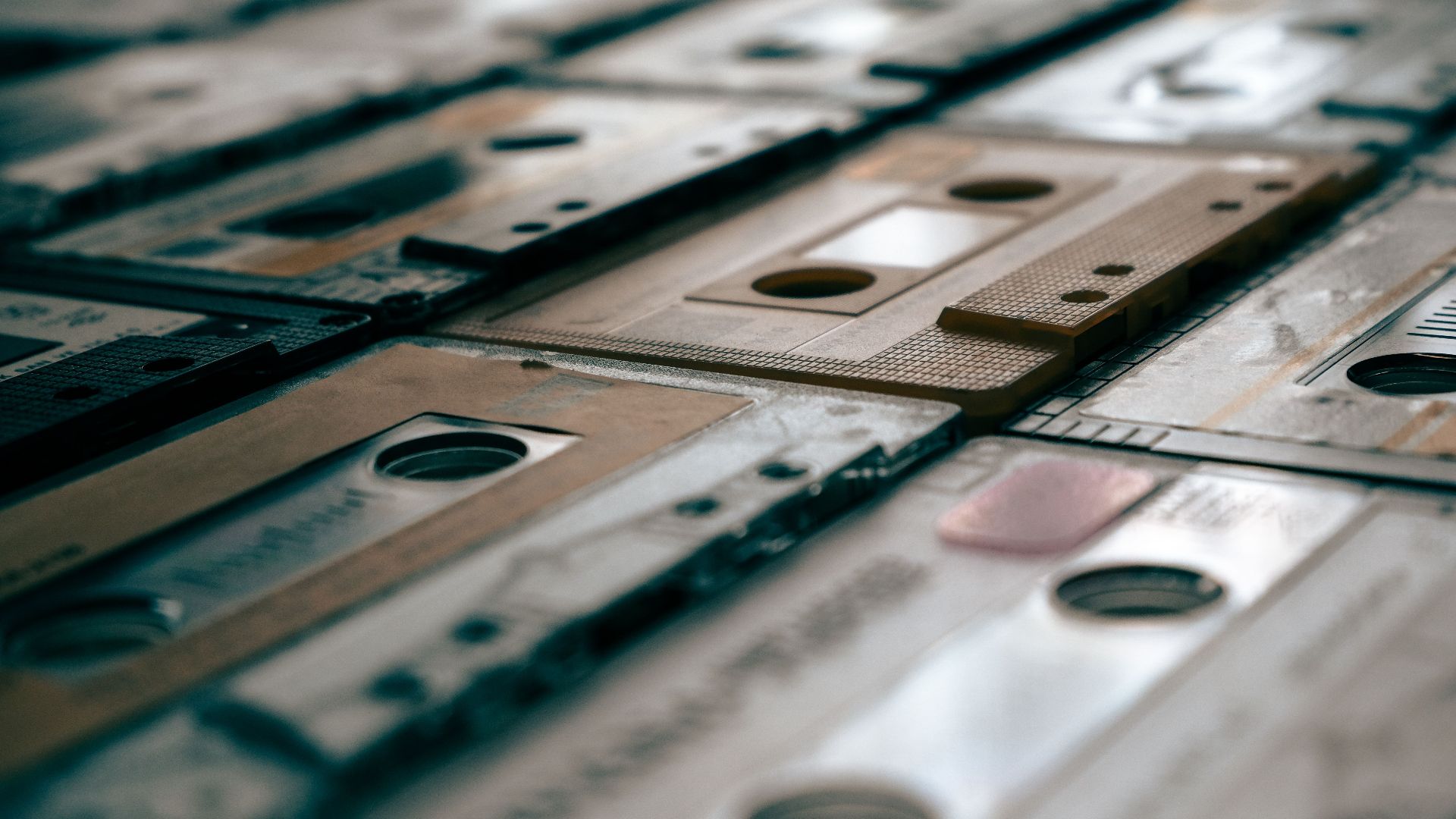
A TDK SA-90 cost noticeably more than the cheap normal-bias tapes, and you saved it for someone you liked. The cheap ones got used for tapes you made for yourself. Nobody made a serious tape on whatever came in the five-pack from the drugstore checkout.
6. The Tiny Handwriting
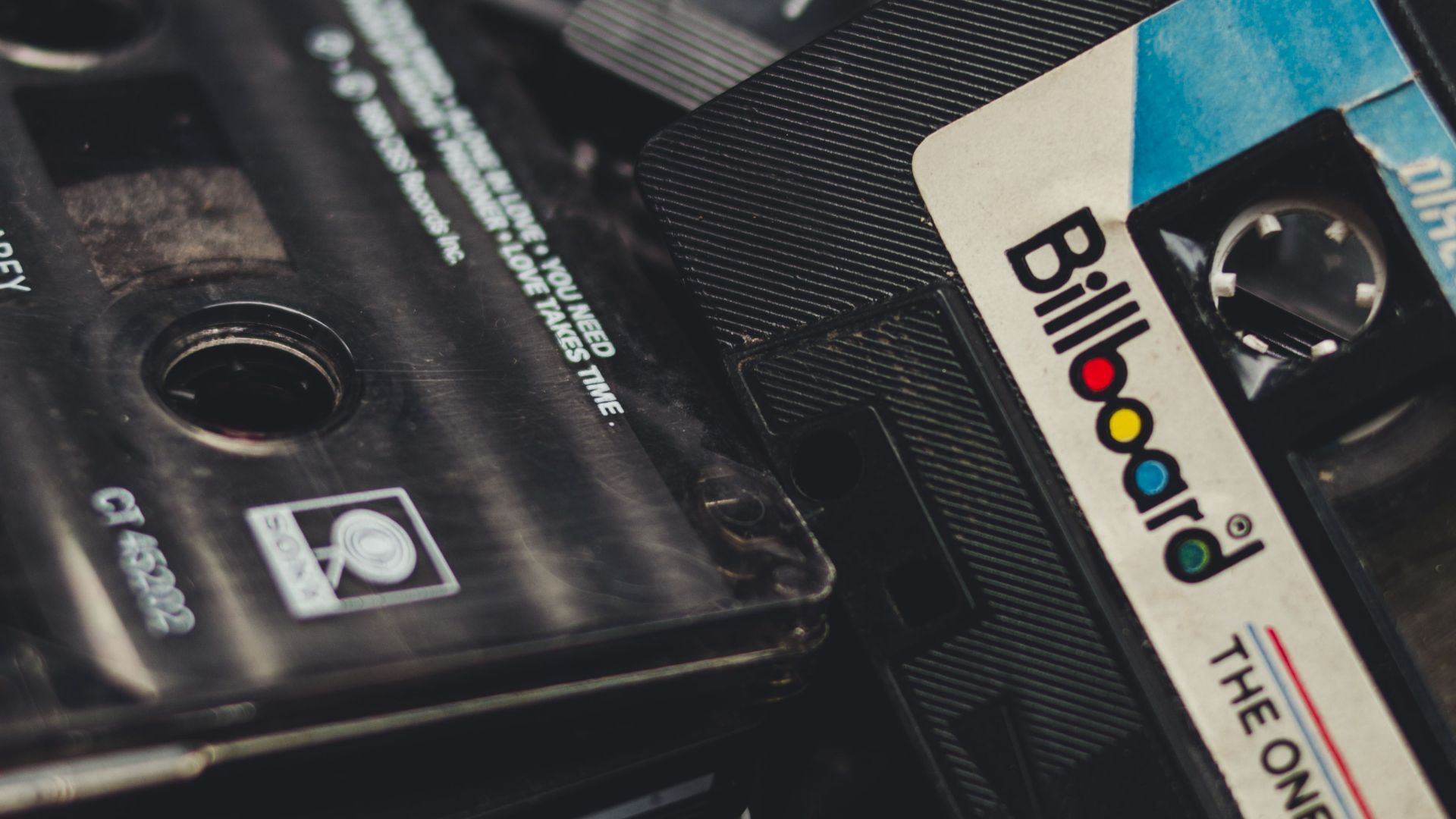
The J-card gave you a paper strip about an inch wide to fit twelve song titles onto. You wrote smaller and smaller down the column until the last two entries were basically unreadable. Abbreviations happened, and so did a certain amount of regret.
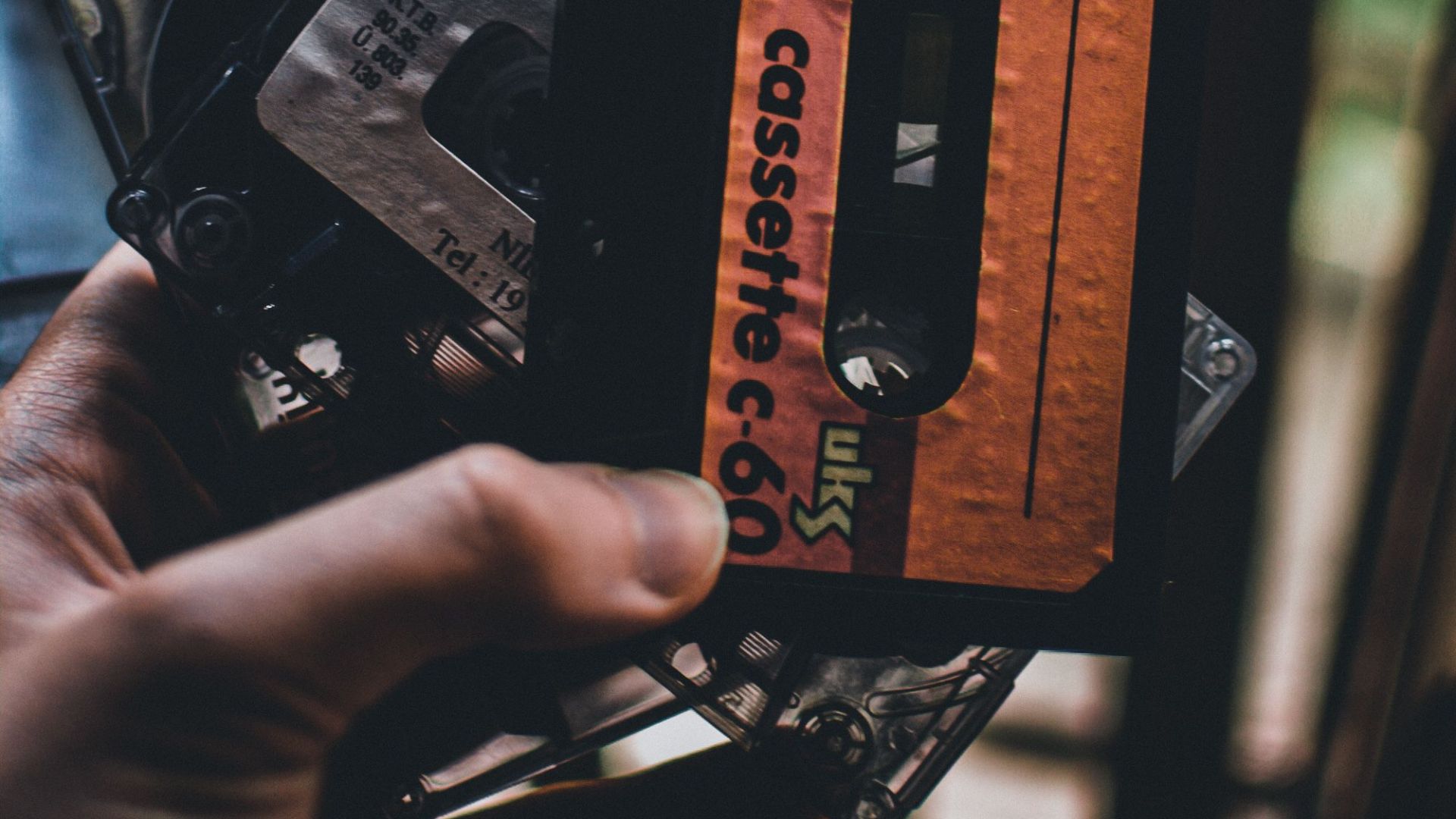
7. Breaking The Tabs
Punching out the little plastic tabs on the top edge meant the tape could never be recorded over. It felt permanent in a way that was part of the point. If you changed your mind a year later, a piece of Scotch tape over the hole undid the entire gesture.
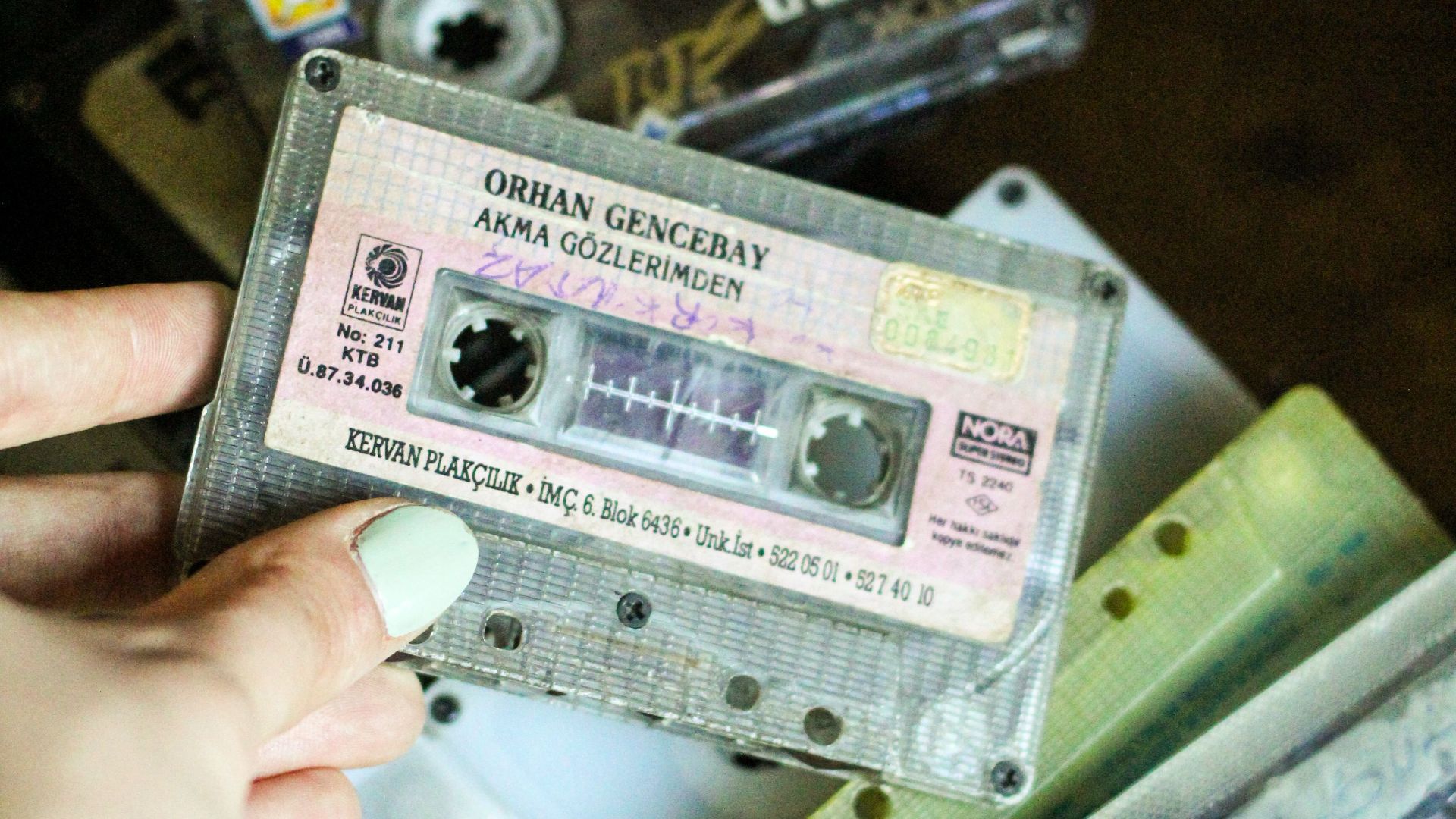
8. High-Speed Dubbing Sounded Wrong
Dual-deck stereos let you copy a tape at double speed, which saved you twenty minutes and cost you most of the high end. Anything with cymbals in it came out smeared and thin. You learned to run it at normal speed and go find something else to do for an hour.
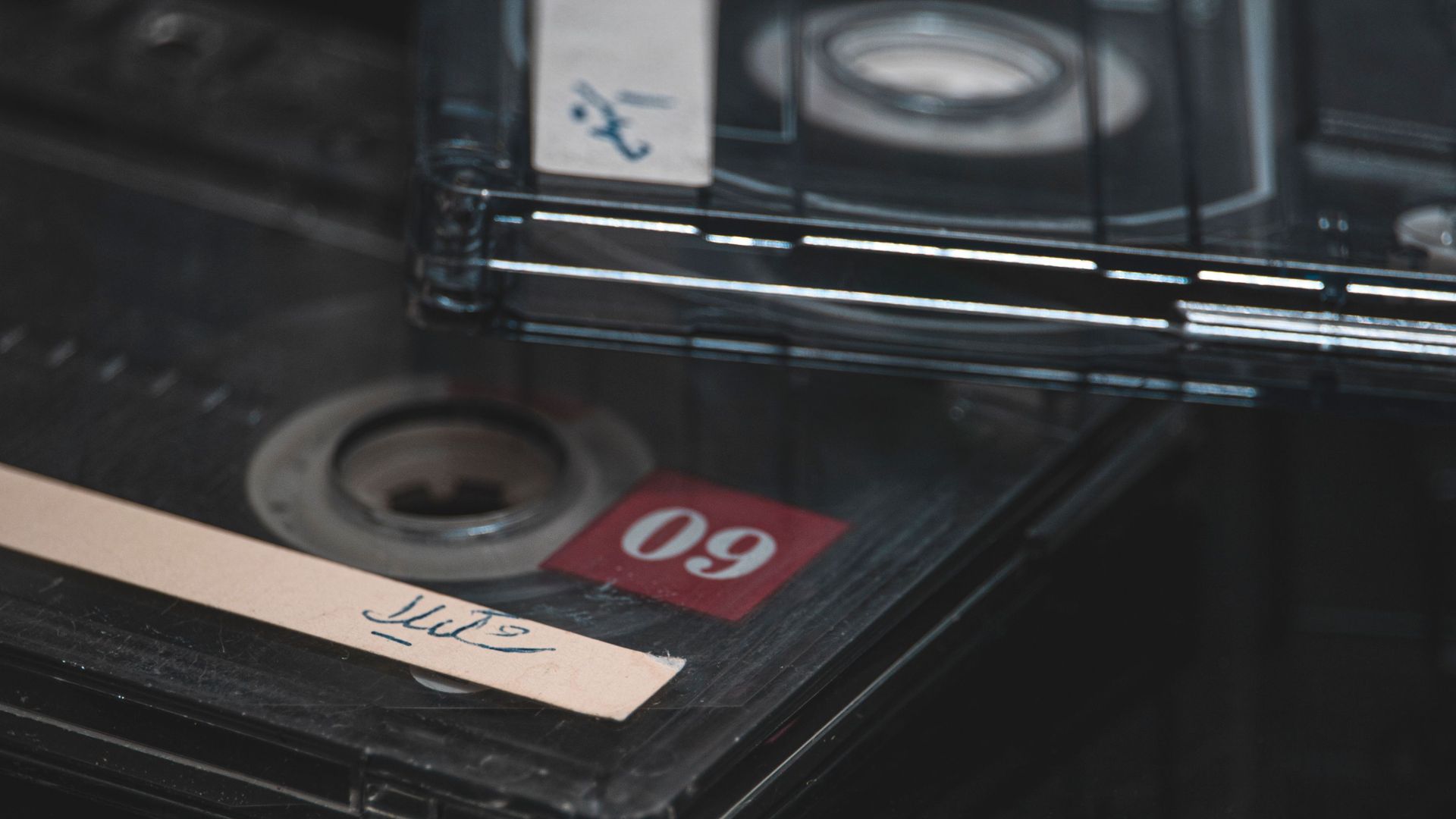
9. Watching The Needles
Record it too quiet and the hiss swallowed everything, and record it too hot and the whole side distorted. The needles had to bounce up near the red without settling in there. Some decks had a light that warned you about it, and most of them did not.
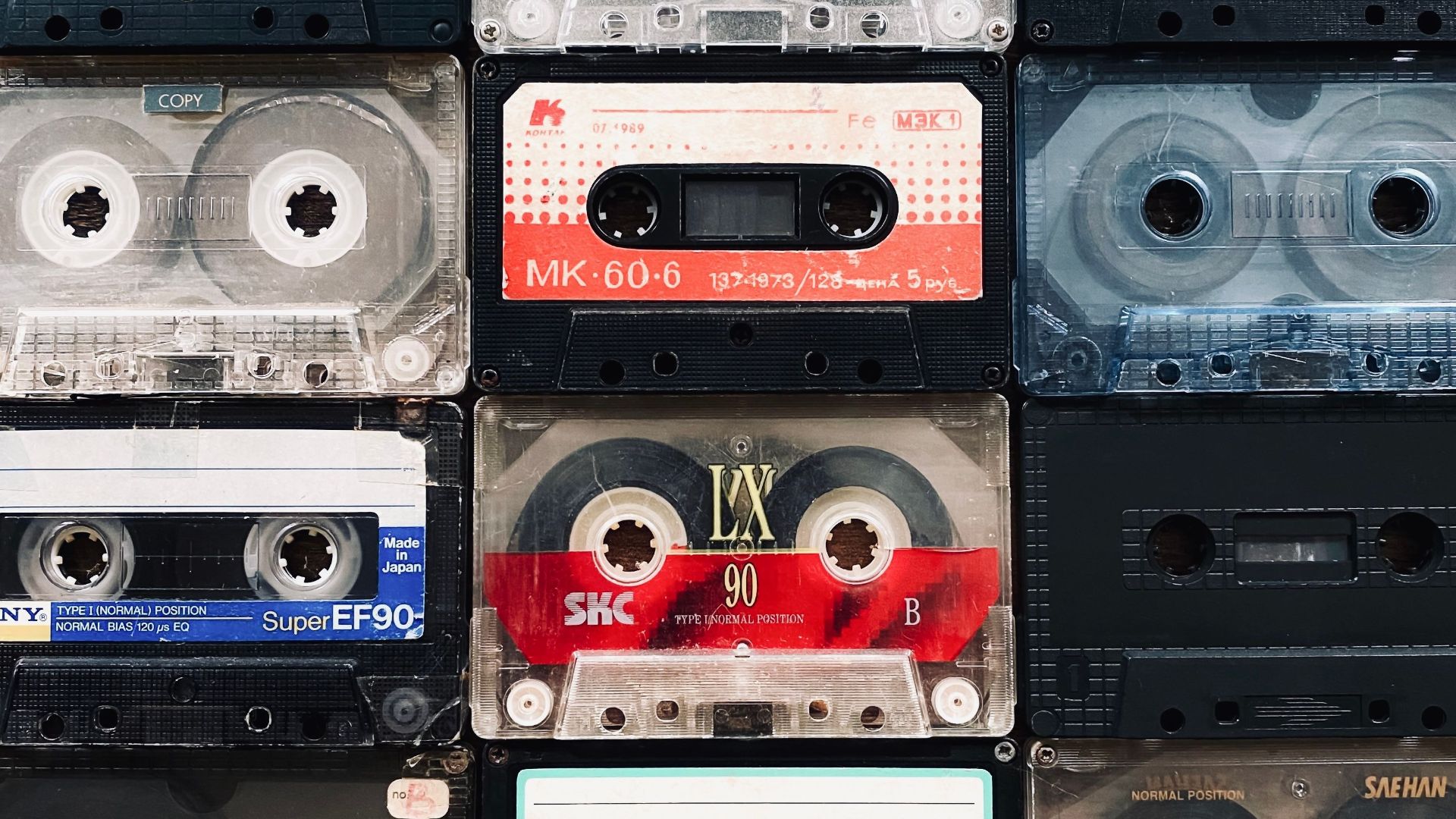
10. Someone Walking In
Recording off a record with a microphone meant the room got captured too, which meant absolute silence for three and a half minutes. A phone ringing at the ninety second mark ruined the take completely. Younger siblings learned the hard way not to open that particular door.
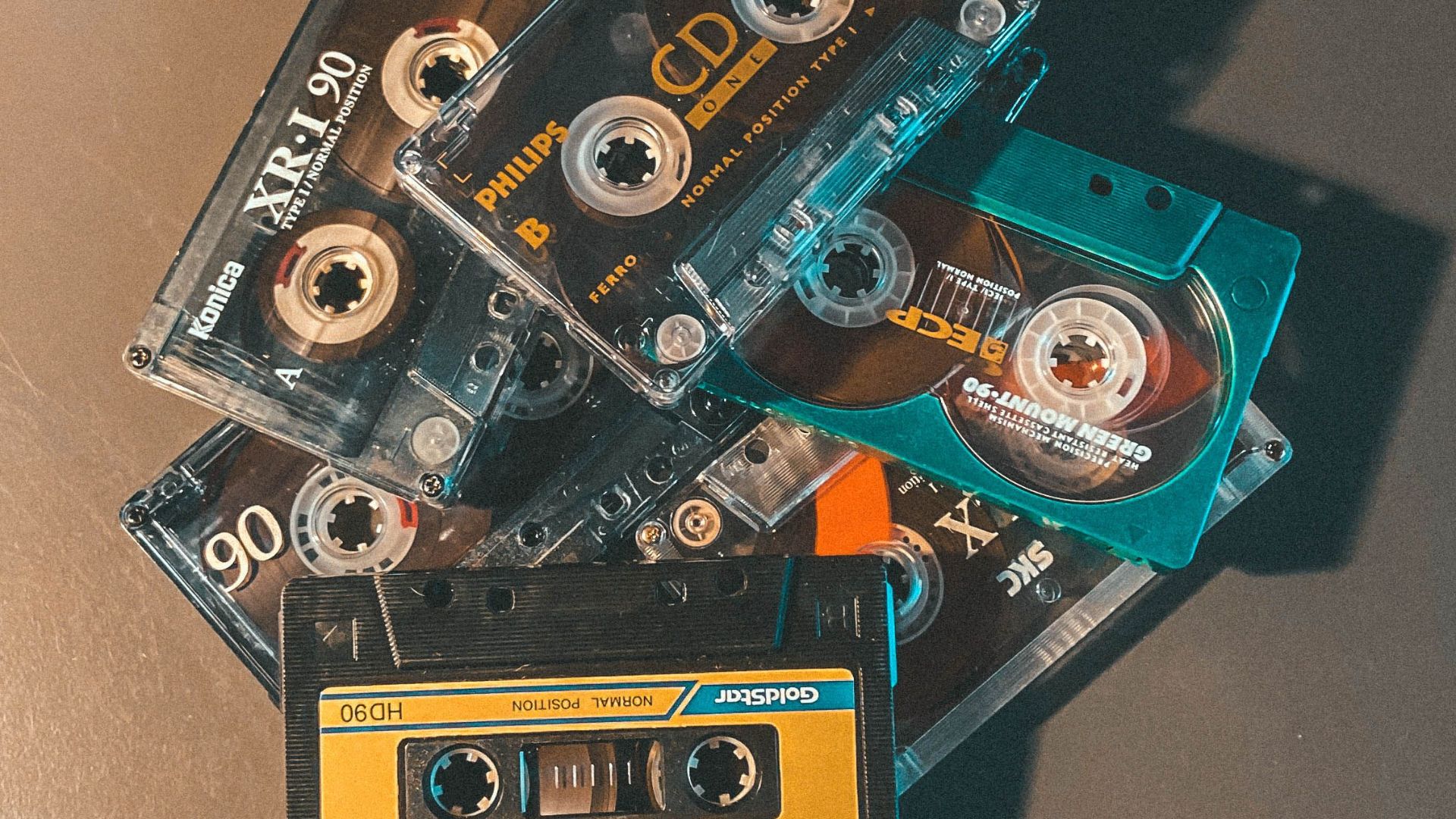
11. Track One Carried Everything
The opening song announced what kind of tape this was going to be and what you thought of the person receiving it. Nobody wasted track one on something forgettable. Most people agonized over track one for longer than they agonized over the other eleven combined.
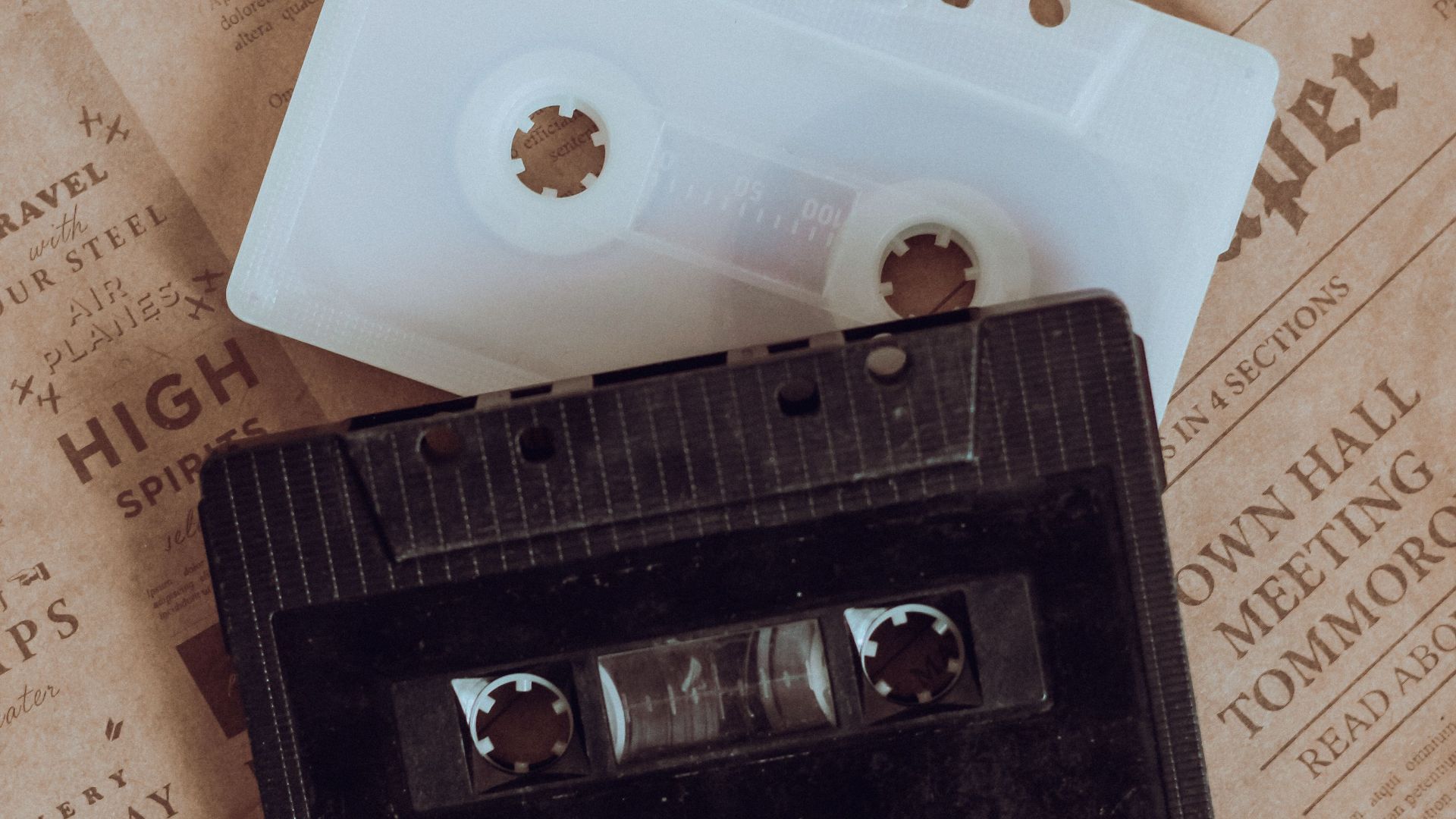
12. Side B Was A Different Animal
Side A got the obvious picks and most of the energy, while side B was where the strange ones went. It was also where the confession usually lived, buried at track four where they might not notice. Whether they ever flipped the tape over was its own piece of information.
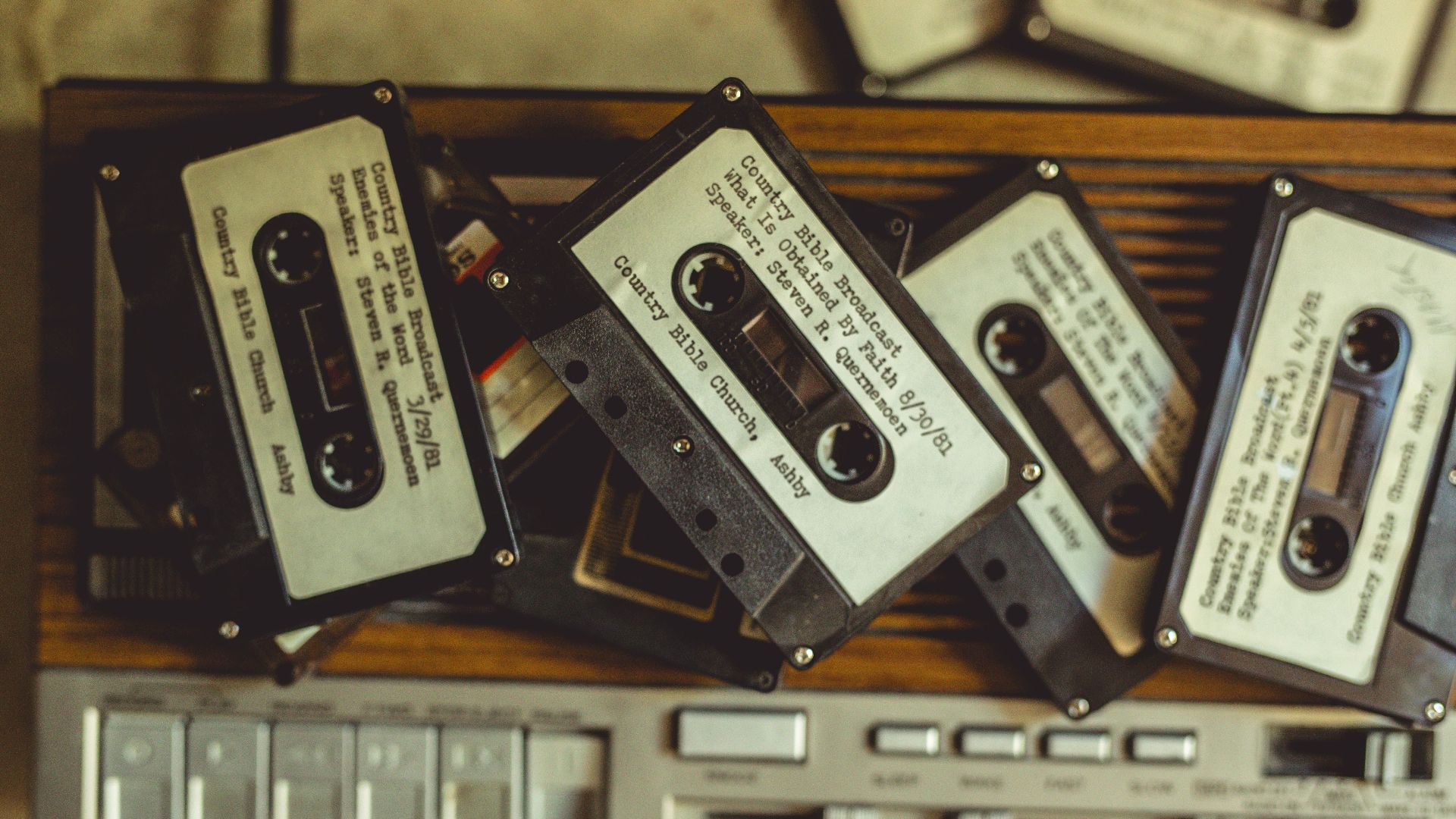
13. The Leader Tape
The first few inches of every cassette are clear plastic that won't record anything at all. Start too early and you'd lose the opening bar, and every tape you made taught you a little more about the exact length of that pause. After a dozen tapes your thumb knew the timing without being told.
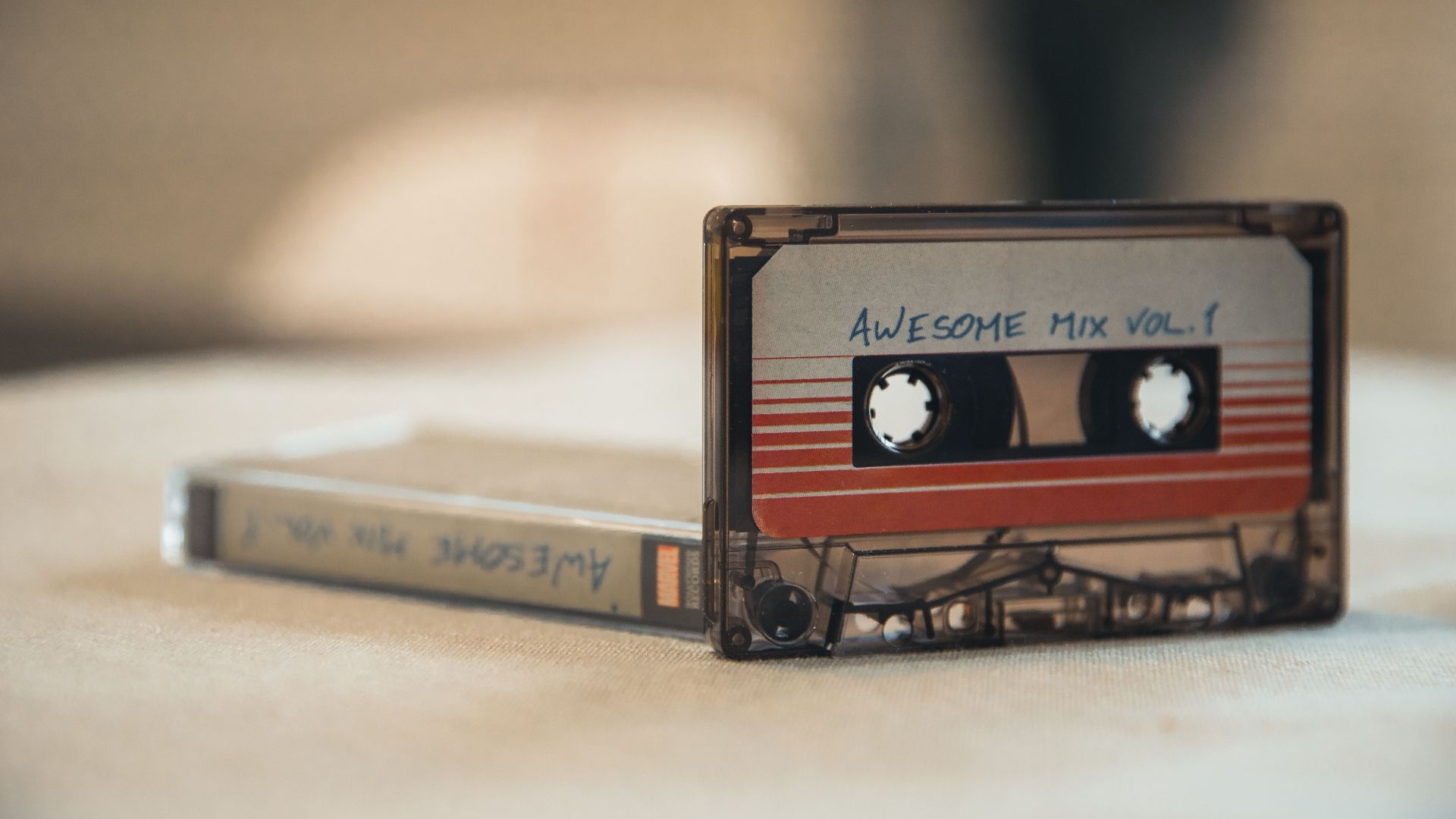
14. Never Two Slow Songs Back To Back
The unwritten rule was that momentum had to survive the middle stretch of the side. Two ballads in a row and the listener drifted off somewhere. So you broke up the sad ones with something loud, even when the sad ones were the entire point of the tape.
15. Recording Off The Countdown
Sunday mornings meant Casey Kasem and a finger resting on the record button for three hours straight. You caught whatever you caught. Half of those tapes had the first two seconds of a chart position announcement still attached.
16. The Cover Art
The paper insert got folded out flat and drawn on, or covered in letters cut out of a magazine. Some people had real talent for that part, and the rest of us leaned heavily on bubble writing. Either way the cover took longer than choosing the songs had.
17. The Tape The Car Ate
A car deck with worn rollers would grab the tape and pull yards of it into the mechanism. You'd extract the whole mess with two fingers, wind it back with the pencil, and hope the crease didn't wow. Sometimes the crease wowed anyway, forever, at the same spot.
18. Labeling In Ballpoint
Ballpoint ink on the glossy side of the J-card stayed wet for a while and smeared if you touched it. Felt tip pens bled straight through the paper. A fine-point Sharpie solved everything, and finding one in the house was its own small quest.
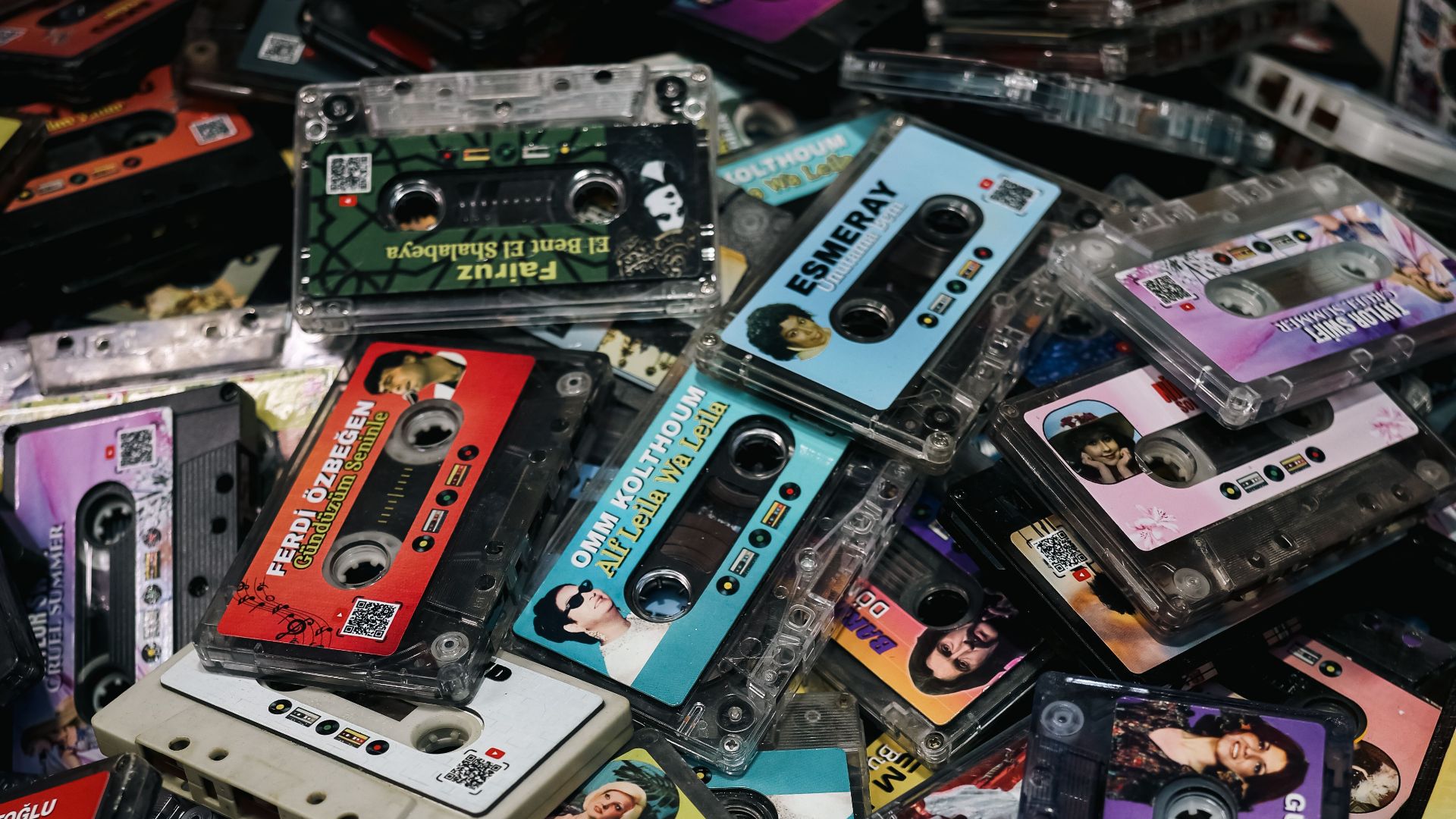
19. When It Ran Out Mid-Song
The tape would run out during the second chorus and simply stop dead. Then came the decision about whether to leave it truncated or record the whole side again with a shorter closer. Plenty of tapes went out with a song cut off at the knees.
20. Handing It Over
You handed the thing over to someone and then had no way of knowing whether they ever put it in a deck. There was no play count and no read receipt to check later. That silence afterward was part of what made handing it over feel like something.