Nobody Waves From the Window Anymore
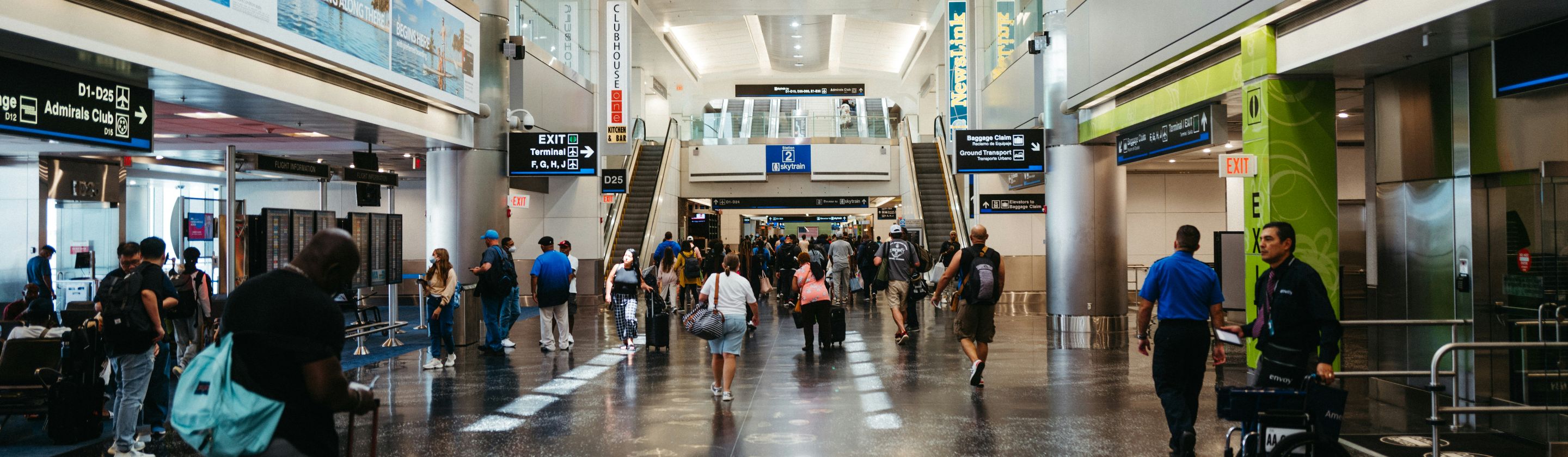
Airports in 1985 worked very differently from the ones we know today. Tickets came as thick paper booklets, departure boards flipped loudly when a flight changed, and families could often walk all the way to the gate without a ticket of their own. Travelers relied on printed signs, and one another far more than they do now. Some of those habits disappeared because technology replaced them, while others ended as security tightened. Here are 20 airport rituals that have largely vanished.
1. Meeting People at the Gate
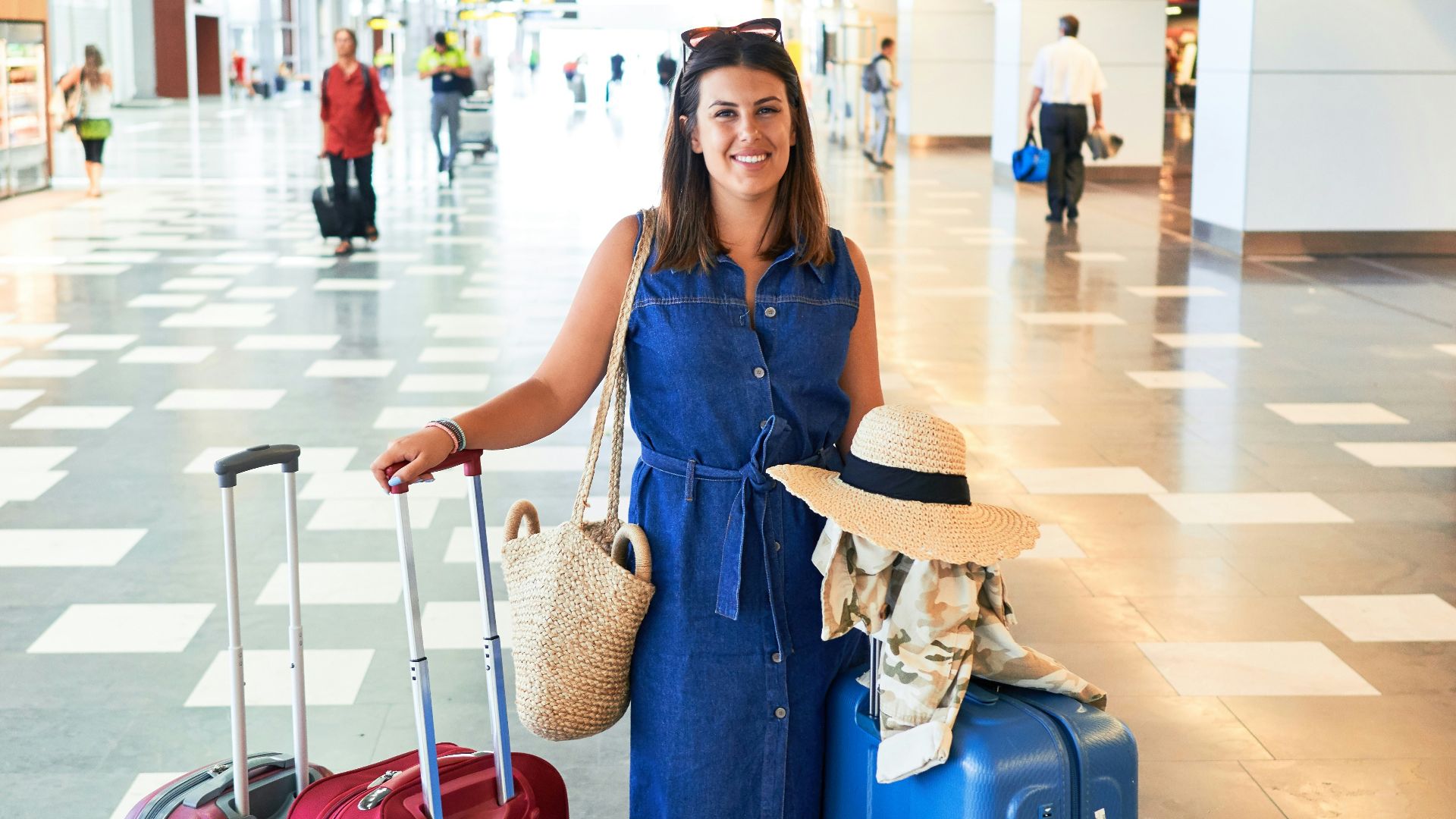
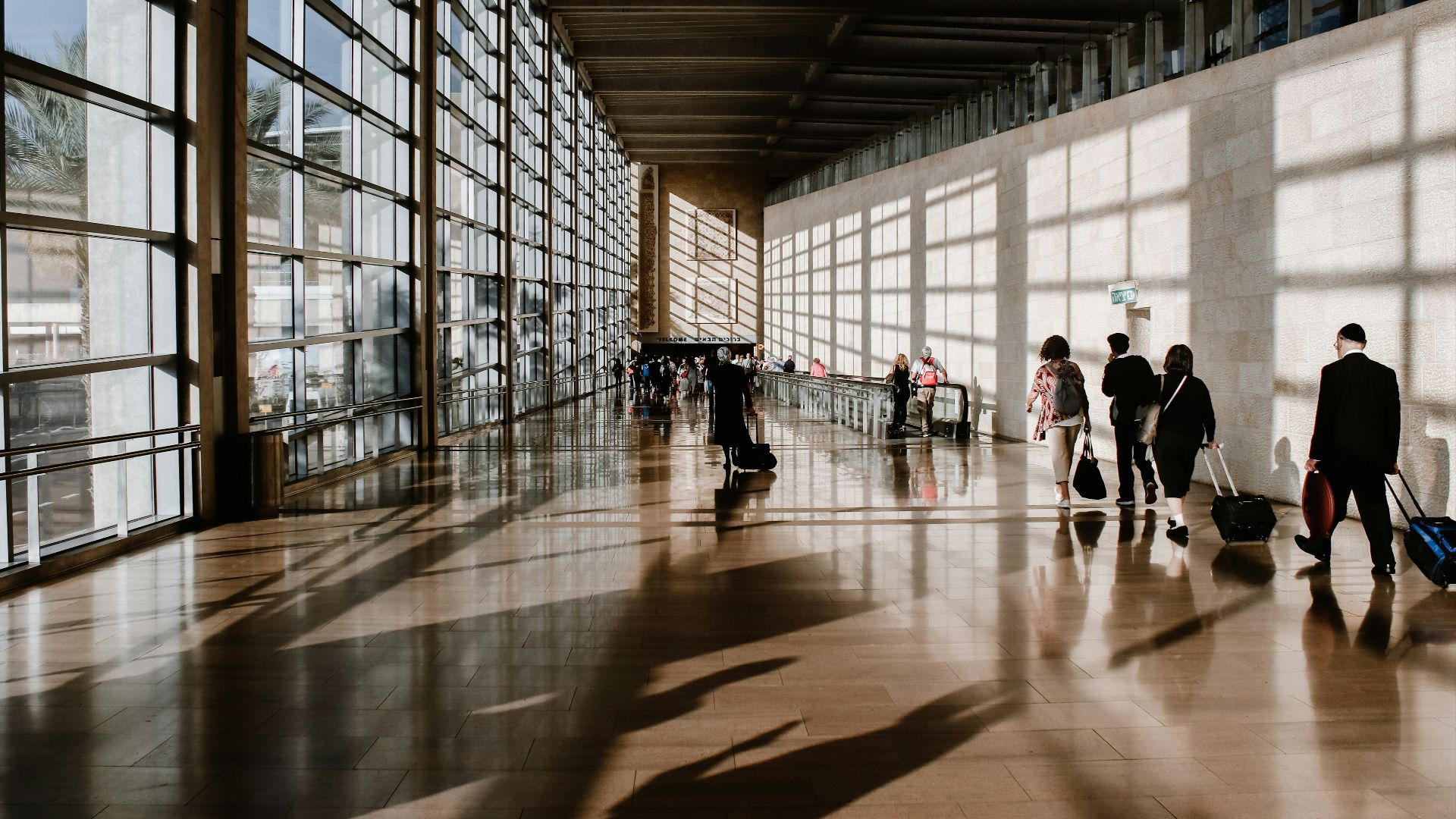
Anyone could walk to the gate and wait for a plane to land, which made arrivals the emotional high point of the building. American airports closed that off in September 2001 and most of the world followed. The reunion moved to a scrum beside the baggage carousel.
2. The Split-Flap Board
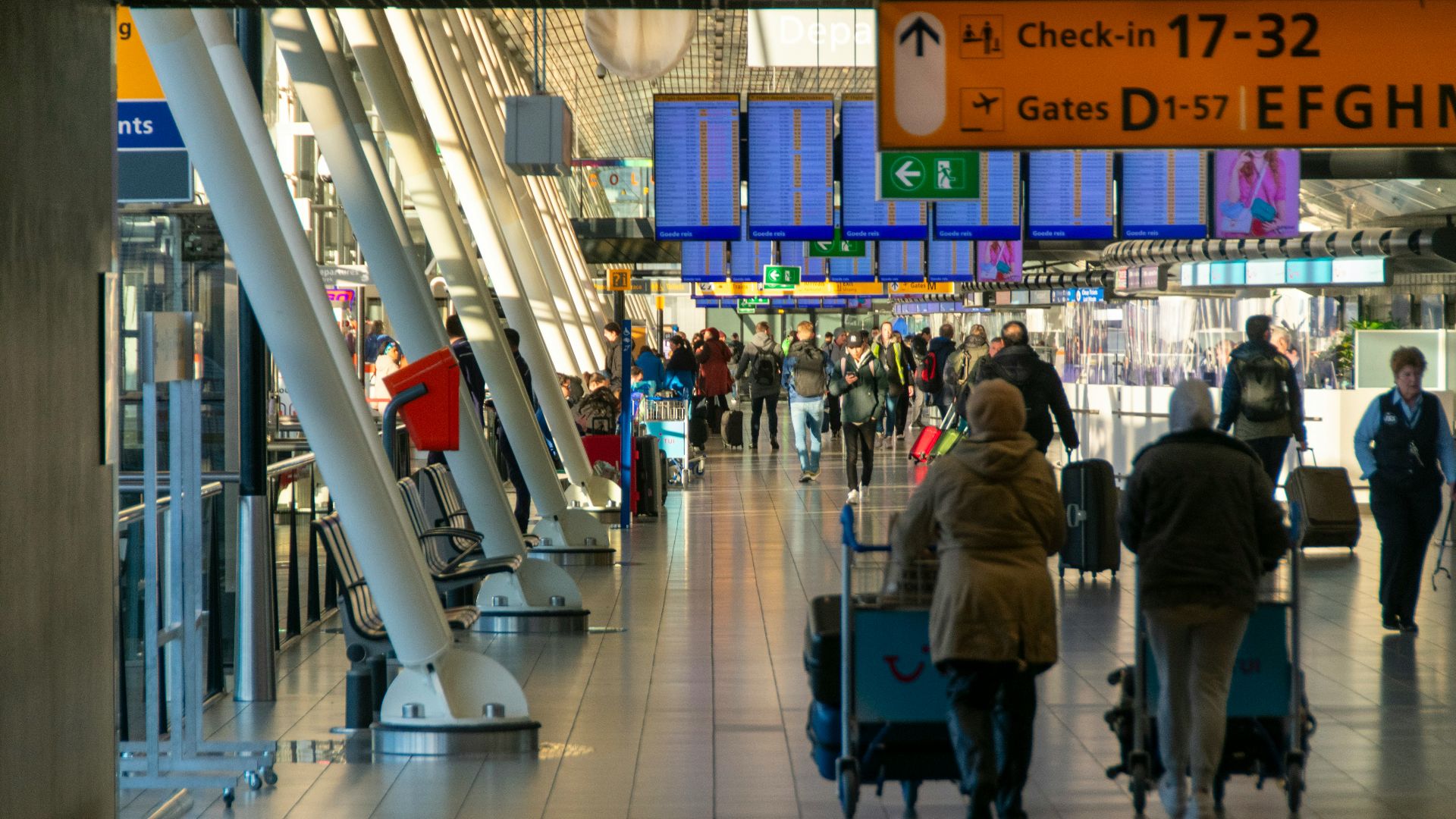
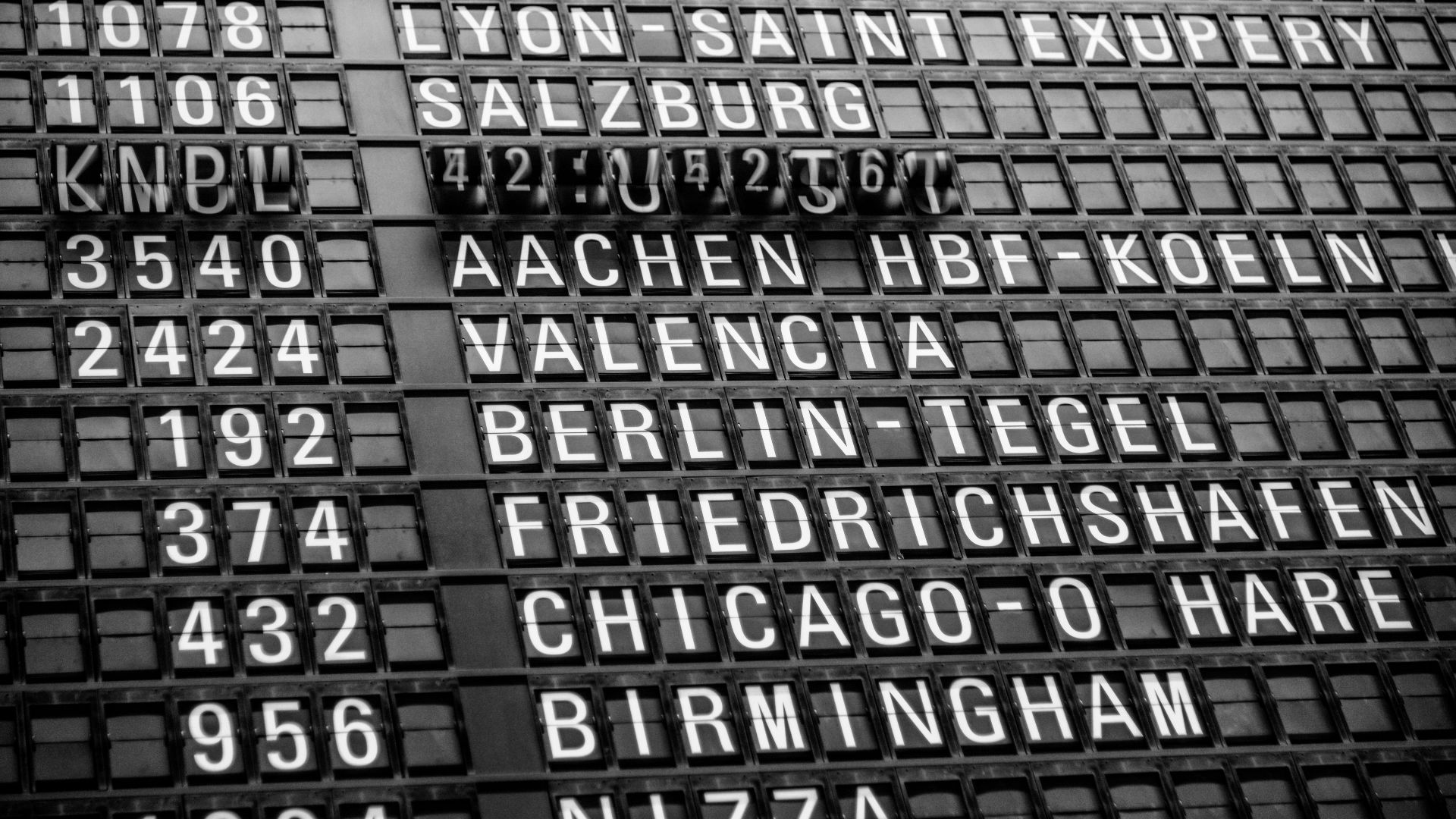
An LCD panel changes a gate number without making a sound, which is the whole problem with it. Departure boards used to clatter through the alphabet loudly enough to carry across the concourse. Solari di Udine built most of them in Italy, and the design became shorthand for travel itself.
3. The Paper Ticket
A ticket arrived as a booklet of carbon-backed coupons, with one torn out at each leg of the journey, and losing it was a real problem. IATA set June 1, 2008 as the date its member airlines had to be fully electronic. The final order of blank paper stock went in the year before.
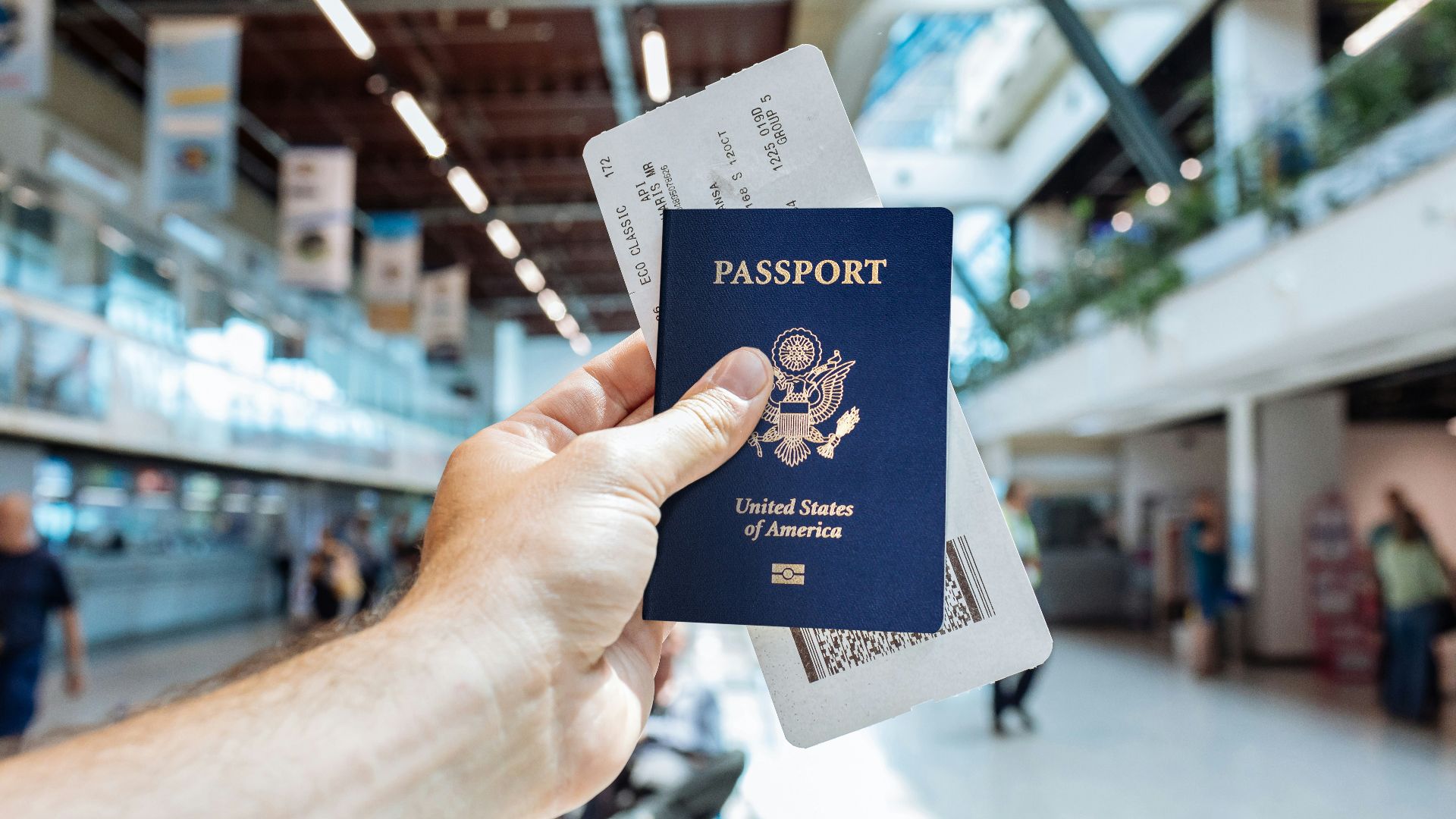 Global Residence Index on Unsplash
4. Reconfirming Your Return
Airlines once required a phone call 72 hours before your return flight, and skipping it meant your seat could go to somebody else. Travelers abroad went hunting for a working phone and an airline office that picked up. Computerized reservation systems made the whole exercise pointless.

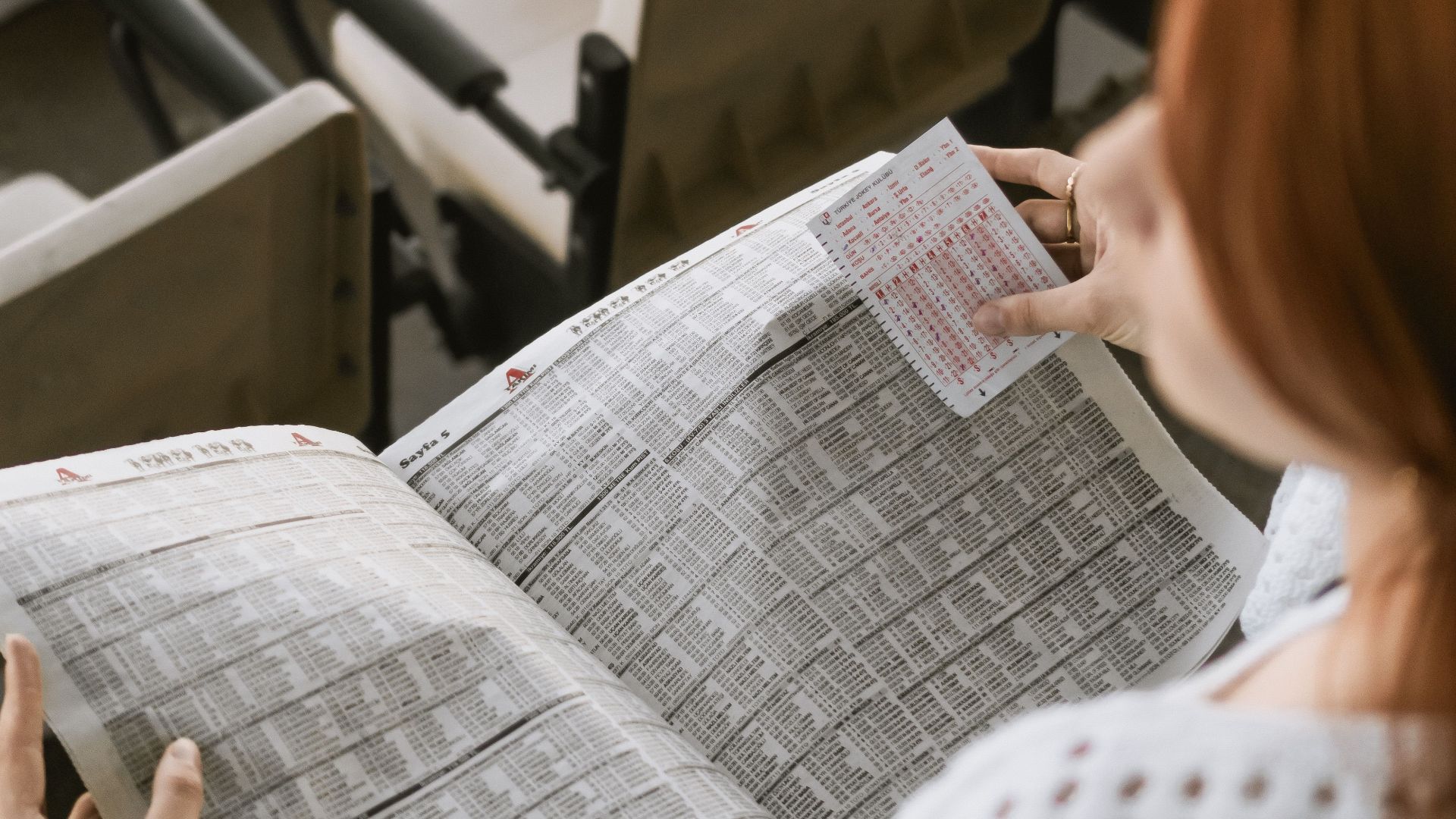
5. The Printed Timetable
Airlines handed out pocket schedules, and the Official Airline Guide published a volume the size of a phone book that travel agents kept within reach. Working out a connection meant reading columns of times in very small type. Online search killed the format inside a few years.
6. The Landing Card
Somewhere over the ocean a flight attendant came down the aisle handing out small paper forms, and the entire cabin started hunting for a pen. You declared your fruit and your cash in block capitals, then surrendered the stub to an officer at a desk. US Customs automated the I-94 arrival record for air travelers in 2013, and one country after another has dropped the paper since.
7. Flight Insurance Machines
Vending machines in the concourse sold life insurance by the trip, payable to whoever you named on the envelope. You fed in coins and dropped the completed form into a mailbox bolted beside the machine. The business faded as flying got safer and the policies got easier to buy elsewhere.
8. Paging Over the PA
A voice would fill the terminal asking a named passenger to pick up a white courtesy telephone, and everyone in earshot got a moment to wonder what had gone wrong for that person. Mobile phones took the job away almost overnight.
9. The Phone Bank
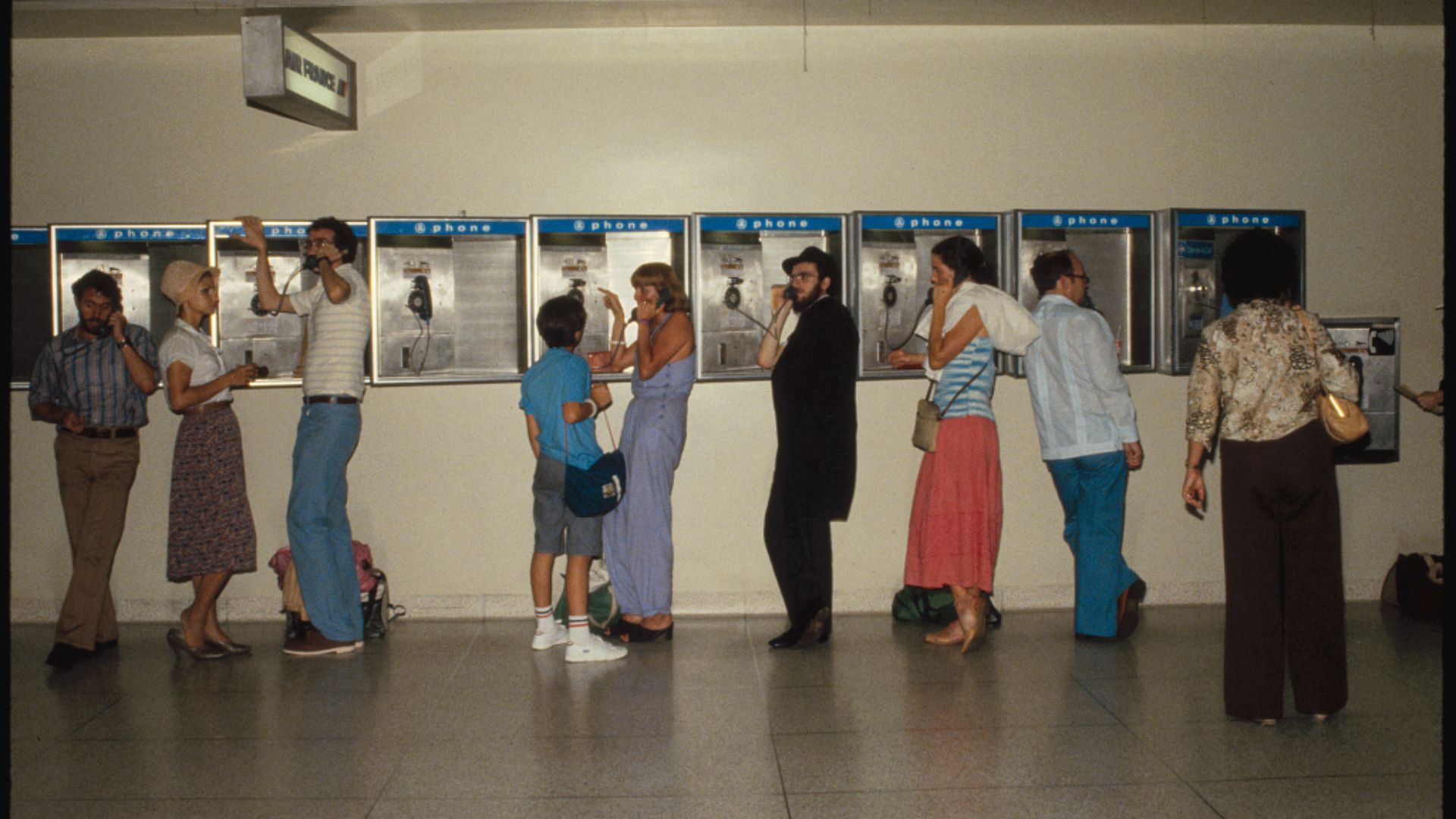
Rows of pay phones stood near every gate, and a line formed at each one before boarding. Calling home took a fistful of quarters or a calling card number you had memorized. Airports rent that same wall space to charging stations now.
 The Library of Congress on Wikimedia
10. The Observation Deck
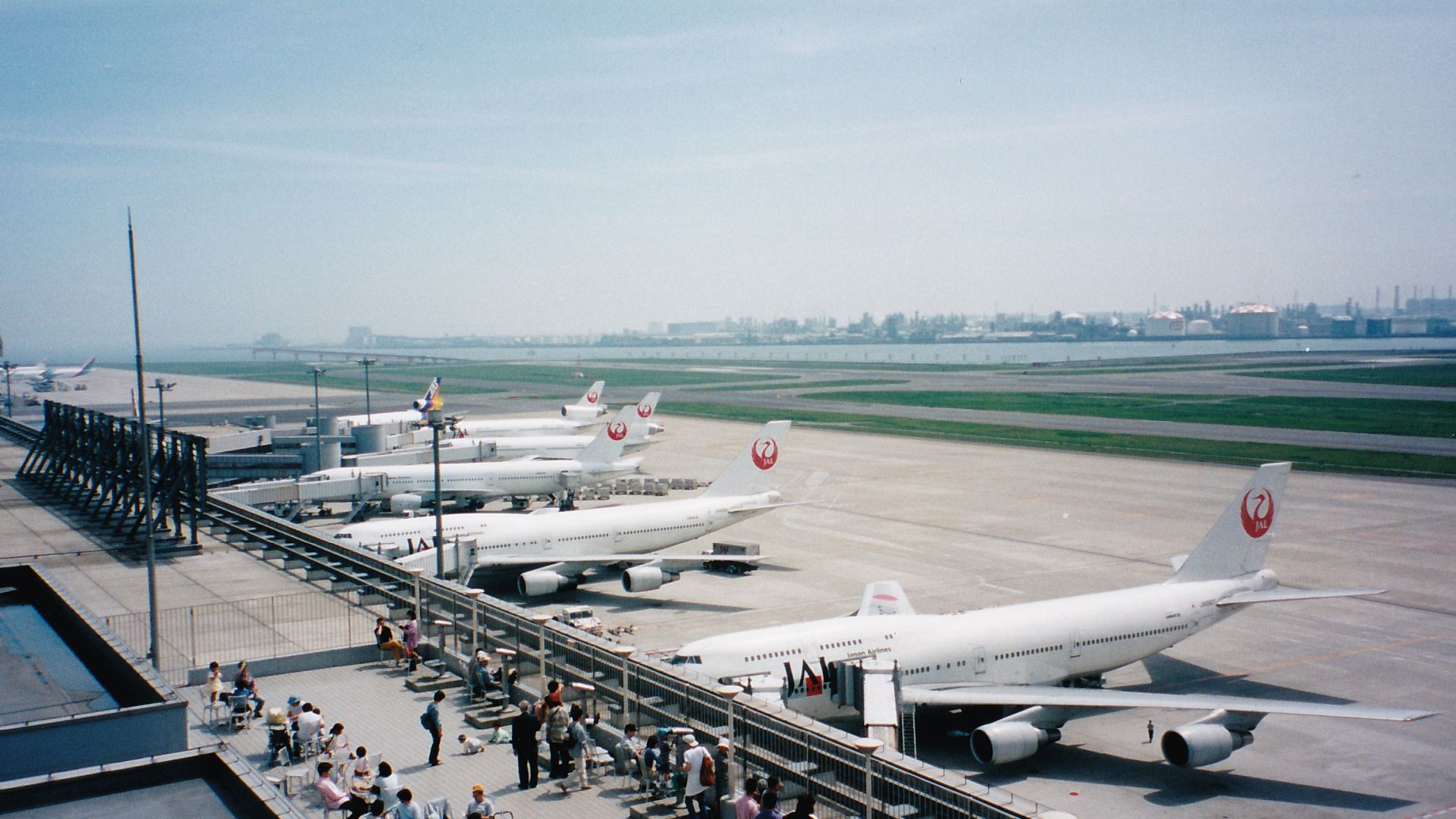
Terminals were designed with rooftop decks so people could come watch planes without flying anywhere. Families spent whole Sunday afternoons up there. Most American decks closed after 2001, though a handful have reopened since.
11. Handwritten Bag Tags
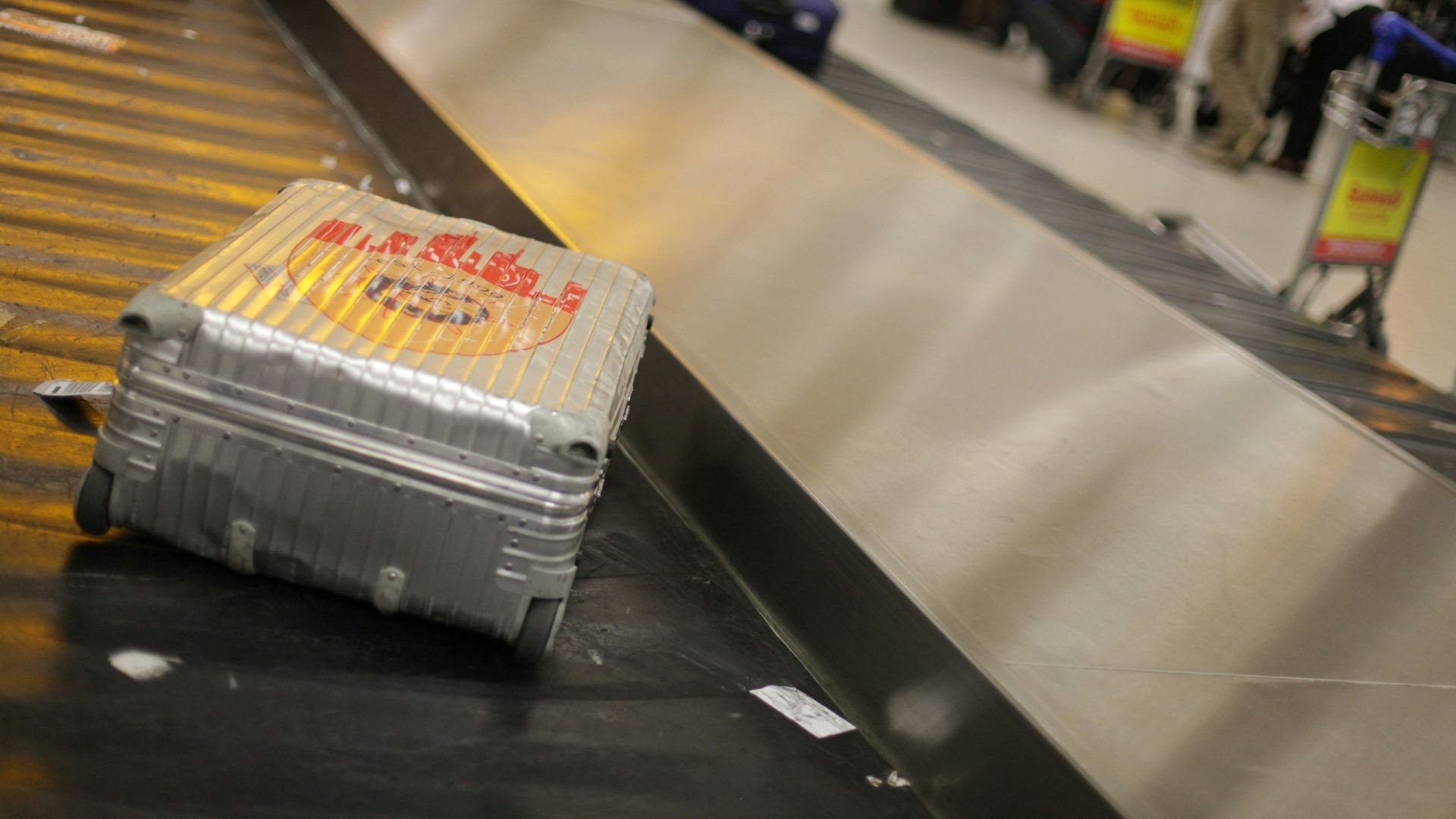
Bad handwriting used to send luggage to the wrong continent with some regularity. An agent wrote your destination code on a paper tag and looped it around the handle, and that was the entire system. Bar codes and now RFID chips have cut the error rate enormously.
 Dimitri Karastelev on Unsplash
12. The Skycap
Curbside porters took your bags at the sidewalk and checked you in there, working mostly for tips. Self-service kiosks and bag drops made the position hard to justify, and red caps are a rare sight at American airports today.
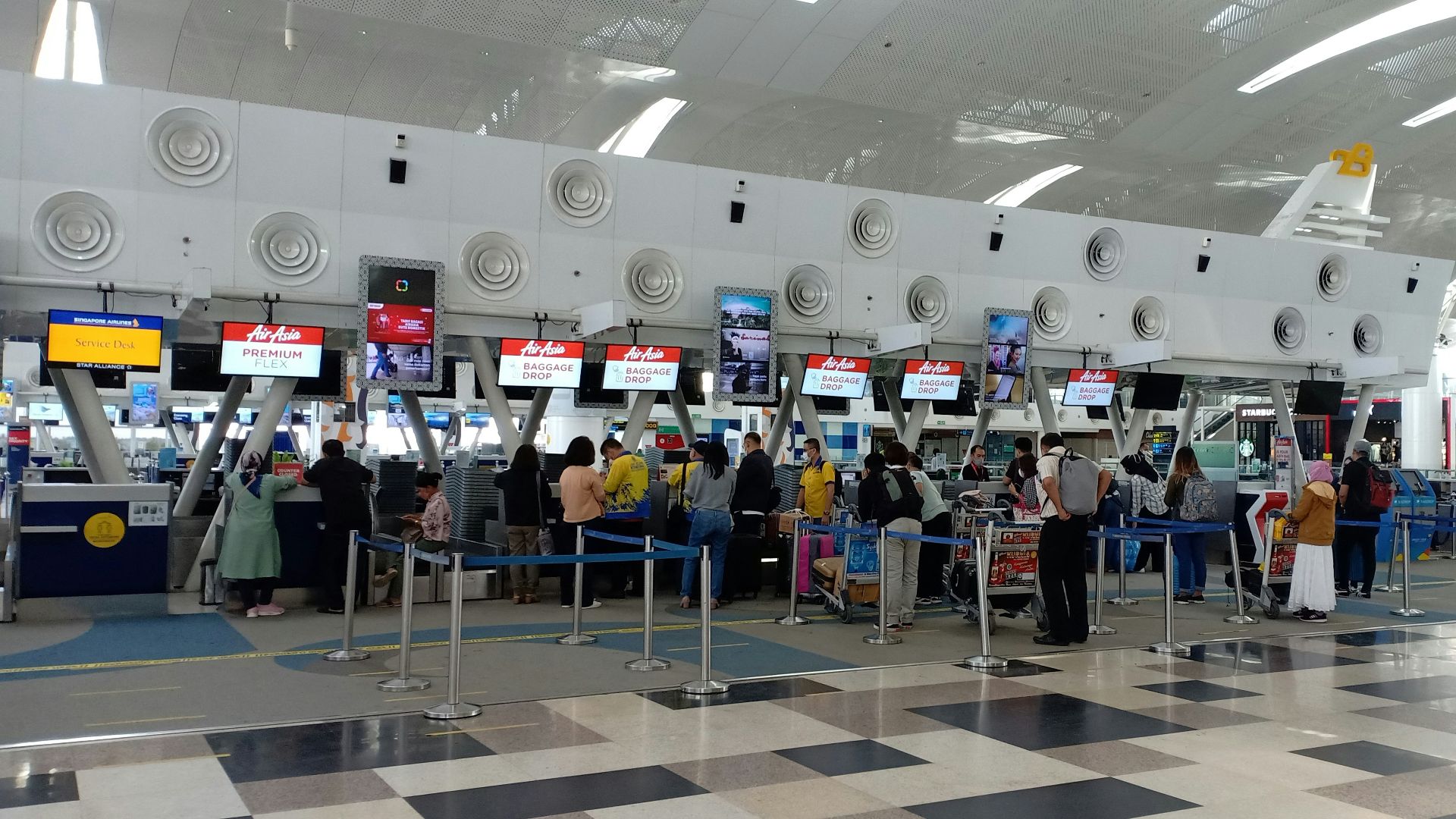
13. Checking In With a Person
Every departure began in a line at a counter, where an agent typed your details and assigned a seat off a screen you could not see. Alaska Airlines rolled out one of the first self-service check-in kiosks in the 1990s. Phones finished what the kiosks started.
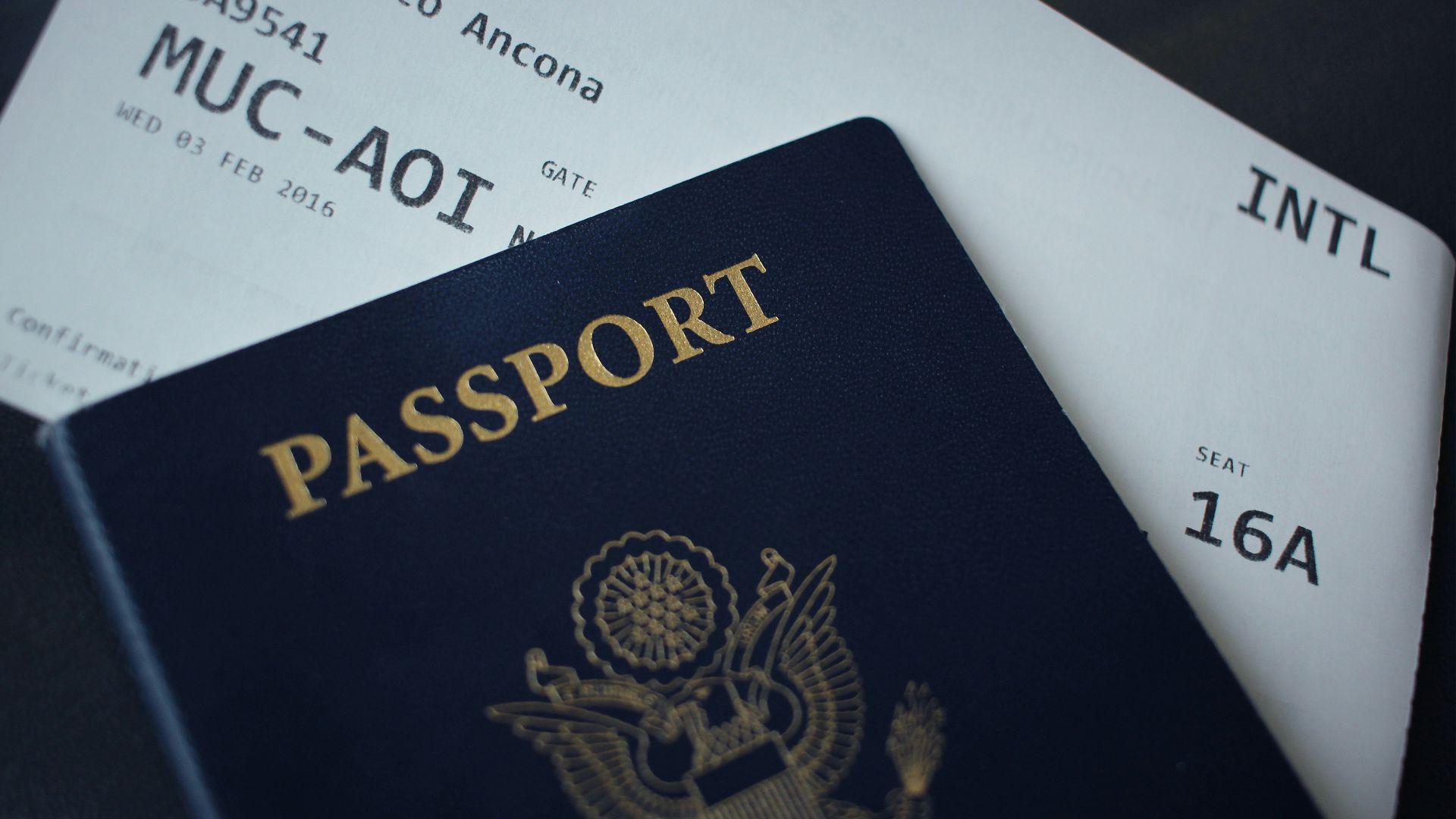
14. Tearing the Boarding Pass
The gate agent ripped the stub off your boarding pass and handed the rest back, and that torn edge was your proof of passage. Counting the stubs told the crew how many people were aboard. A barcode scanner does it faster and never loses count.
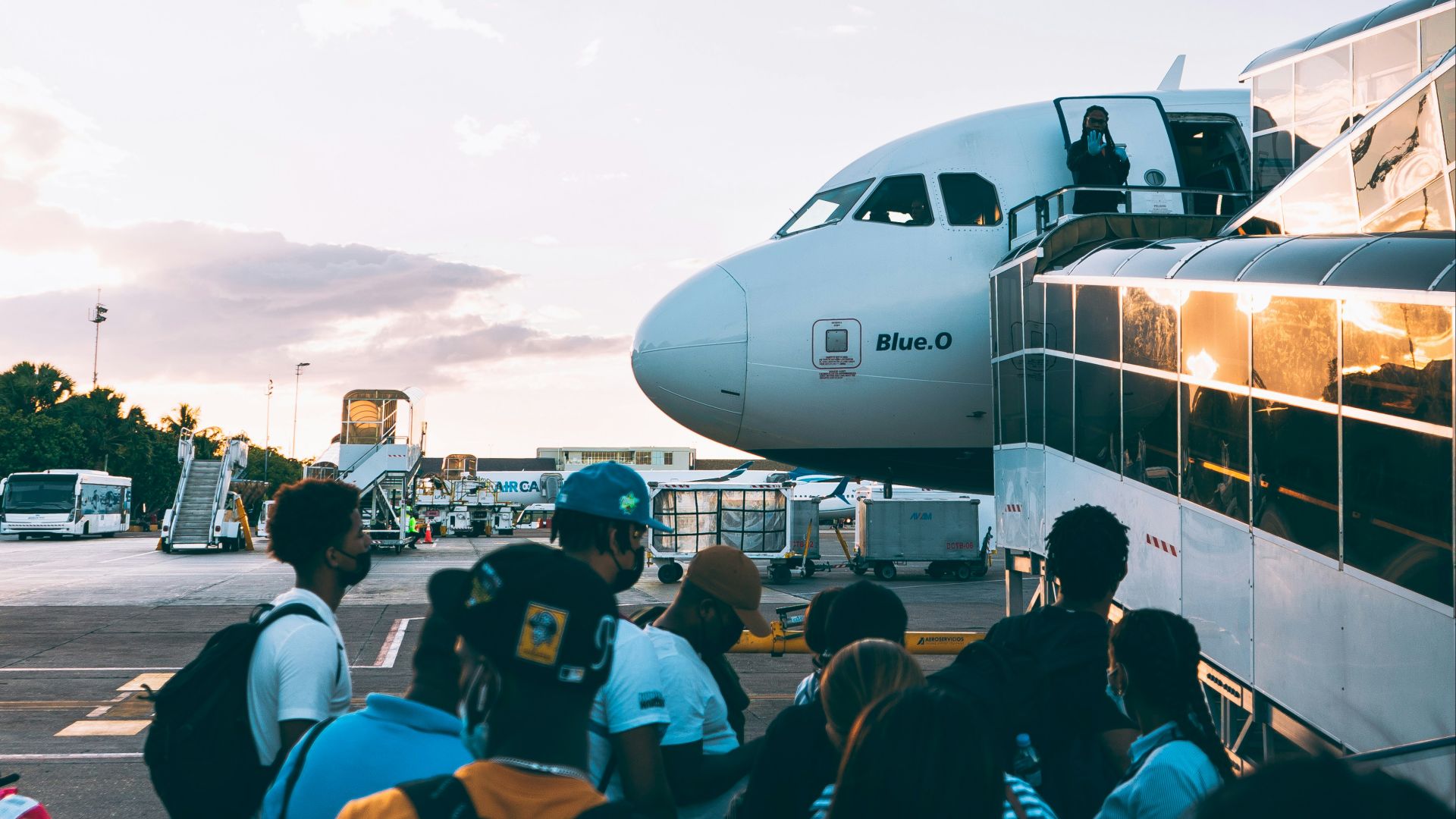
15. Walking Out to the Plane
Passengers crossed the apron on foot and climbed a set of air stairs, which is why so many old photographs show somebody waving from the top step. Jet bridges took away the weather and the drama in one move. Budget carriers still park on remote stands because it costs less.
16. Flying Without ID
Facial recognition now handles the comparison at some gates without anyone asking to see a document. Boarding an American domestic flight once required no identification whatsoever, and photo ID checks became a federal requirement only in 1996.
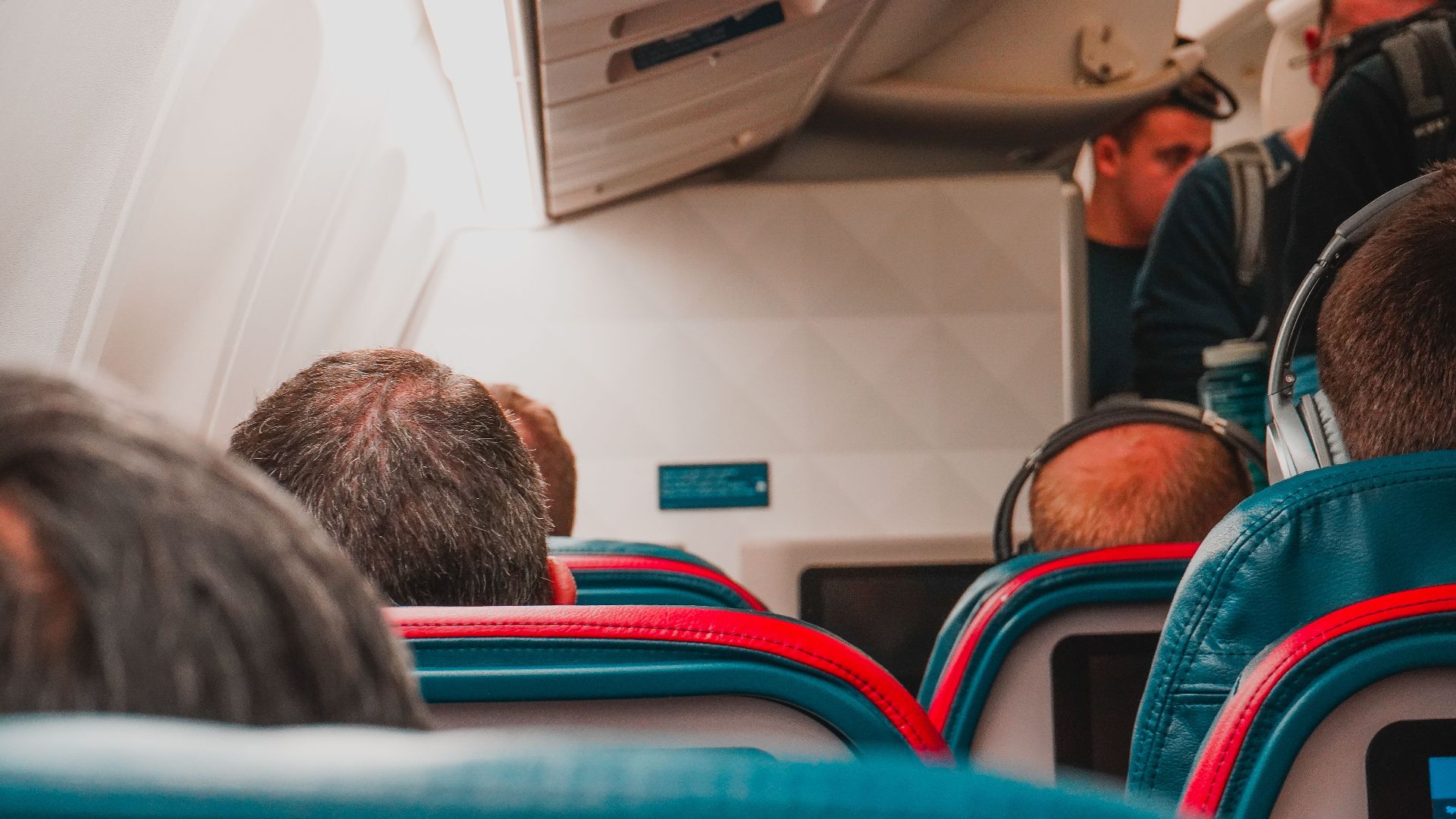
17. Duty-Free Between Paris and Rome
Flying from one European country to another used to mean a duty-free run for cigarettes and perfume. The European Union abolished duty-free on internal routes in 1999. The shops stayed put and sell everybody the same overpriced Toblerone.
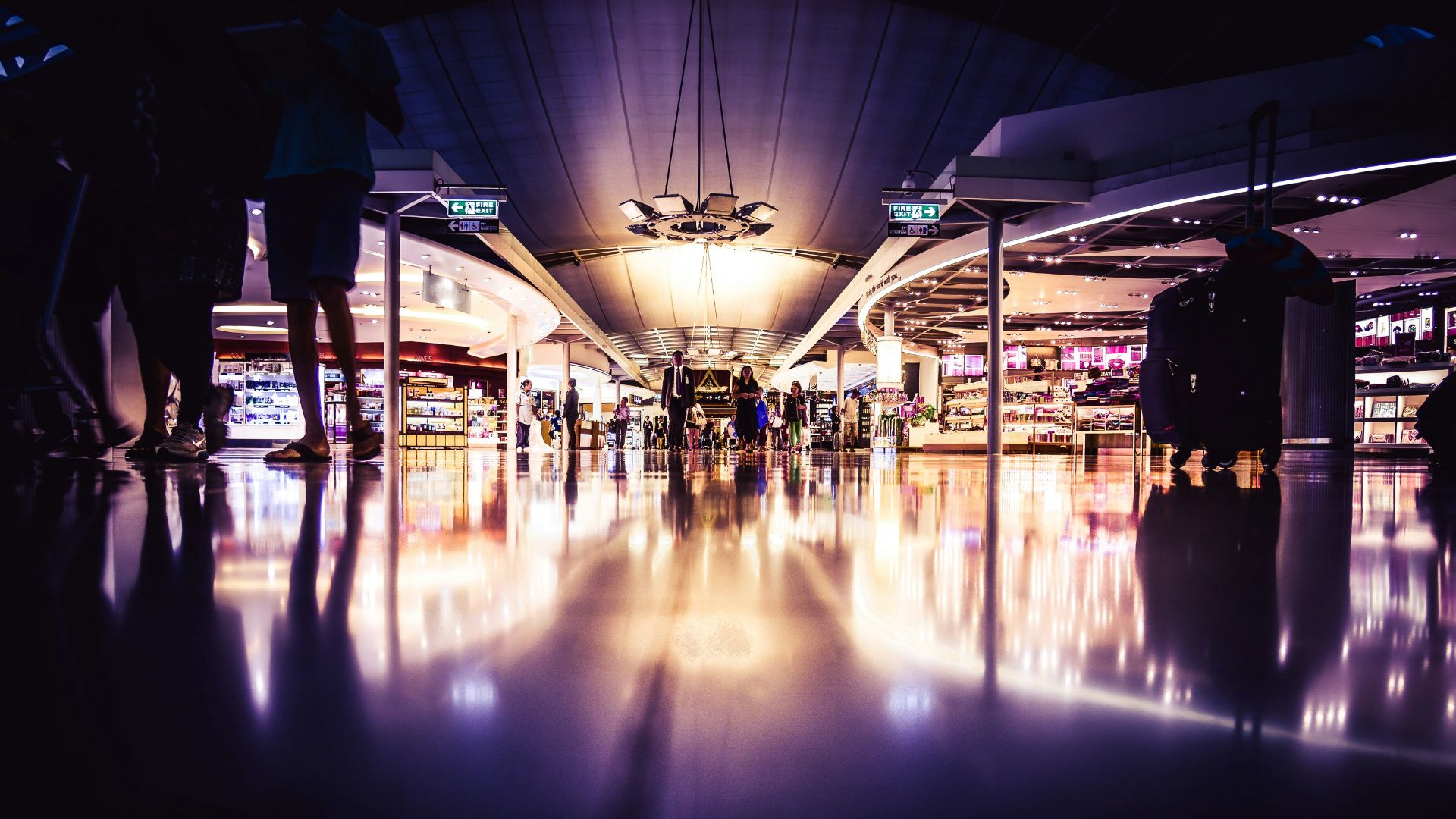
18. Asking for a Film Hand-Check
Photographers handed a bag of film to the screener and asked for a manual inspection, because X-ray machines fogged unprocessed rolls. Digital cameras ended that small negotiation at every checkpoint.

19. The Flight Status Line
Airlines push a notification to your lock screen the moment a gate changes. Long before that, you dialed a recorded number and listened through a list of flights until yours came up, or somebody at home did it and relayed the answer.
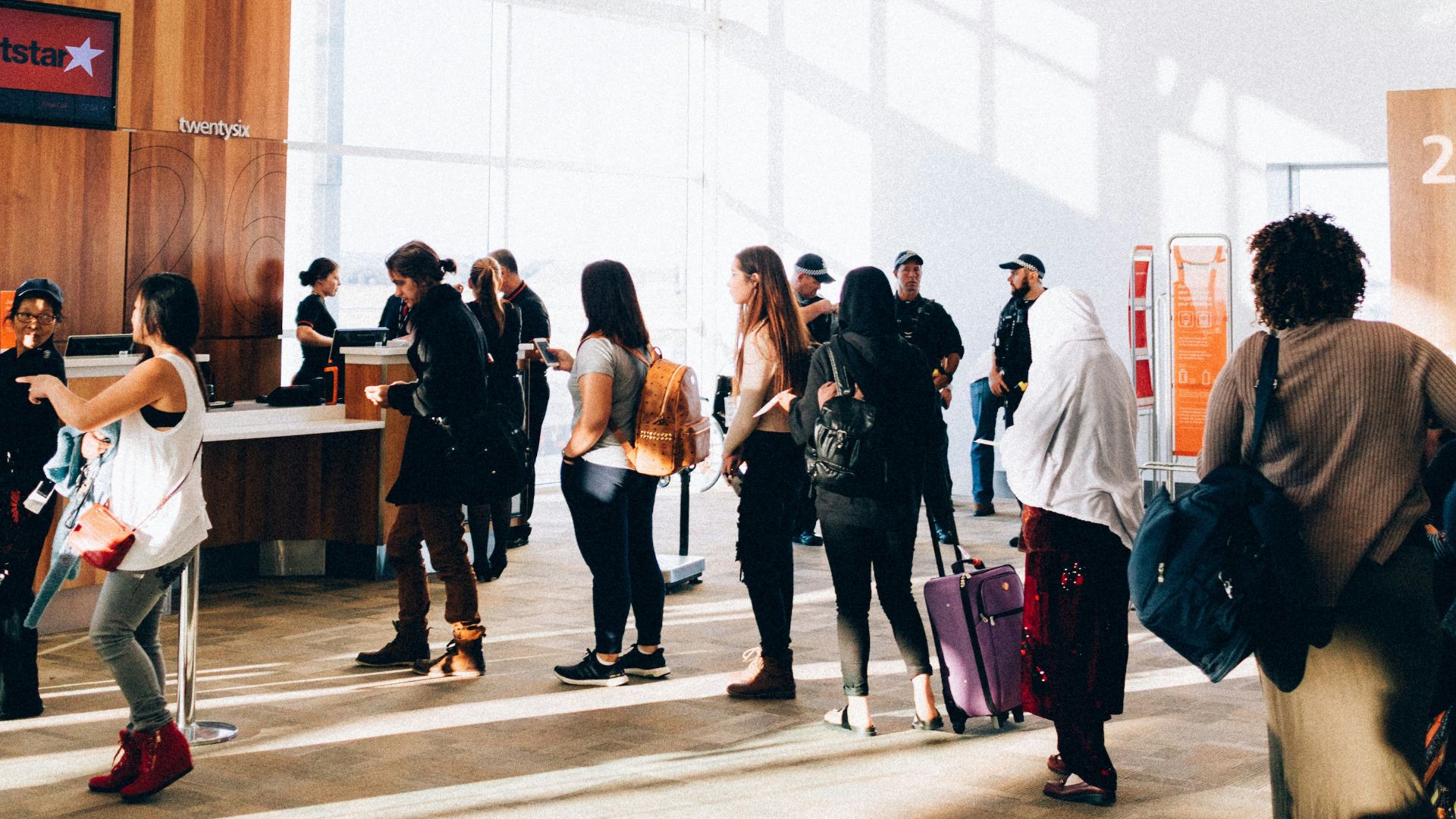
20. The Standby Whiteboard
Gate agents kept the standby order in marker on a board where everyone waiting could see it, and watching your name climb was the only entertainment on offer. That list lives in the app now and updates without ceremony. Nobody gets to see the person ahead of them vanish.