When Your Feed Starts Feeling Like A Mind Reader
The eerie part isn’t that apps collect data, everyone knows that in the abstract. The eerie part is the moment the suggestions stop feeling random and start feeling intimate, like a friend who remembers the little details about your likes and dislikes. You notice it in little ways: the oddly perfect song after a rough day, the video that lands on a niche insecurity you hadn’t said out loud, the ad that appears the second you start “thinking” about changing something. Recommendation systems are built to predict what you’ll click, watch, buy, or linger on, and large-scale research has shown that seemingly small digital traces can reveal surprisingly personal traits. Here are 20 signs the algorithm is already a step ahead of your self-image.

1. Your Mood Shows Up In Your Feed
On days when you feel off, the content often shifts toward comfort watching: softer humor, familiar creators, slower pacing, fewer sharp edges. You might not have admitted you’re stressed, yet the scroll starts offering emotional padding like it noticed your breathing change.

2. You Get “New Interests” Out Of Nowhere
Suddenly you’re watching videos about home espresso, vintage watches, or ultralight backpacking even though you never declared an interest in any of it. The system doesn’t need your intention, it needs your pattern, and a few seconds of hesitation can look like a door cracking open.

3. It Predicts Your Next Obsession
The feed starts nudging you off what you love and toward what people like you tend to love next. That’s how you end up with a new hobby before you’ve fully finished the old one, like the algorithm is already packing up your personality and moving it to the next apartment.

4. It Knows What You’ll Hate-Watch
Some content makes you roll your eyes, yet you still watch to the end, maybe even rewatch to get properly annoyed. The system reads that as engagement, not disgust, and it learns the specific flavor of irritation you find irresistible.
5. You See Ads For Life Changes You Haven’t Announced
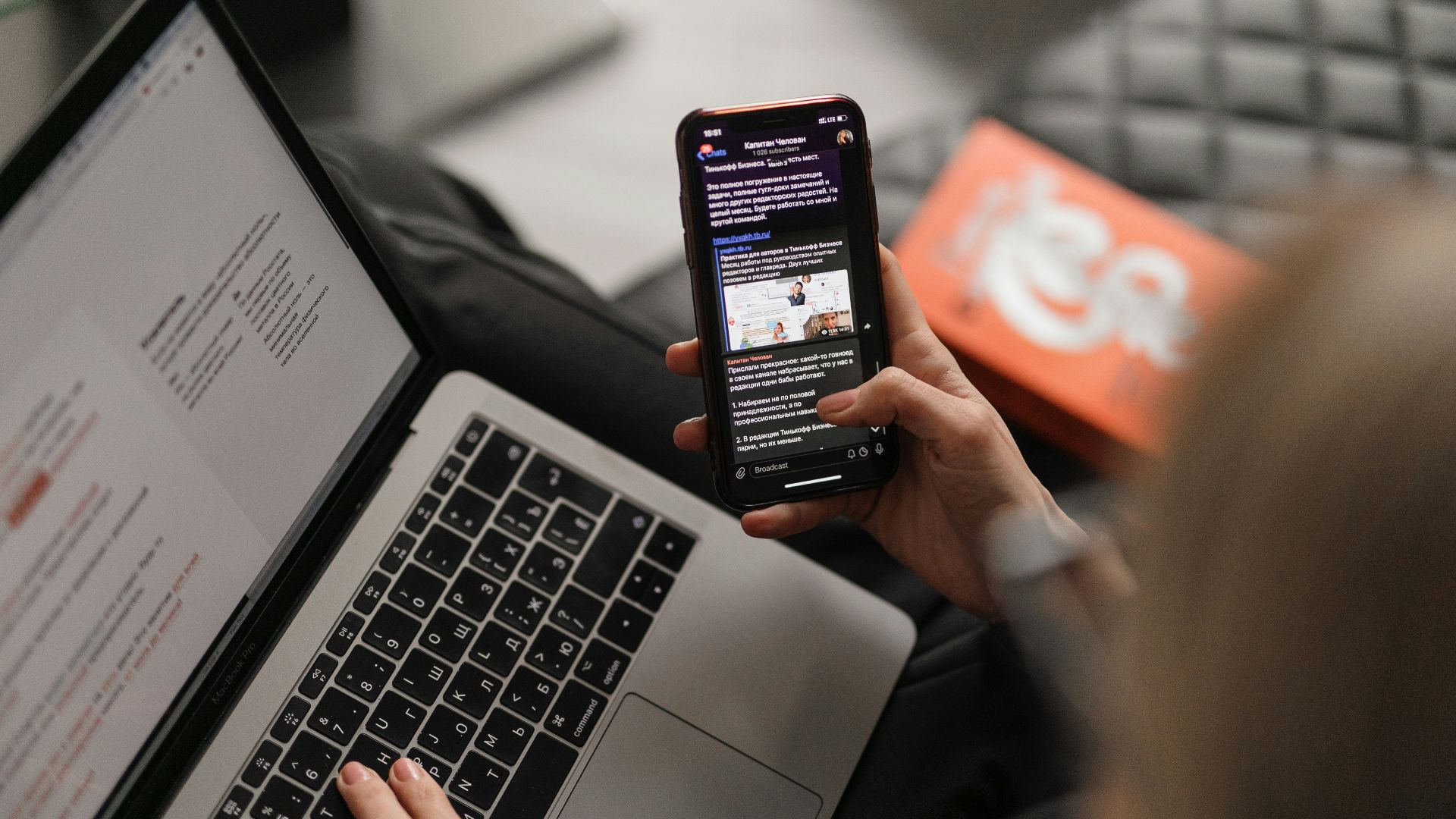
People joke about phones listening, yet a lot of the creepiness comes from prediction, not eavesdropping. The famous Target pregnancy prediction story became a cultural reference point because it illustrated how purchase patterns can signal major life shifts before someone shares the news.
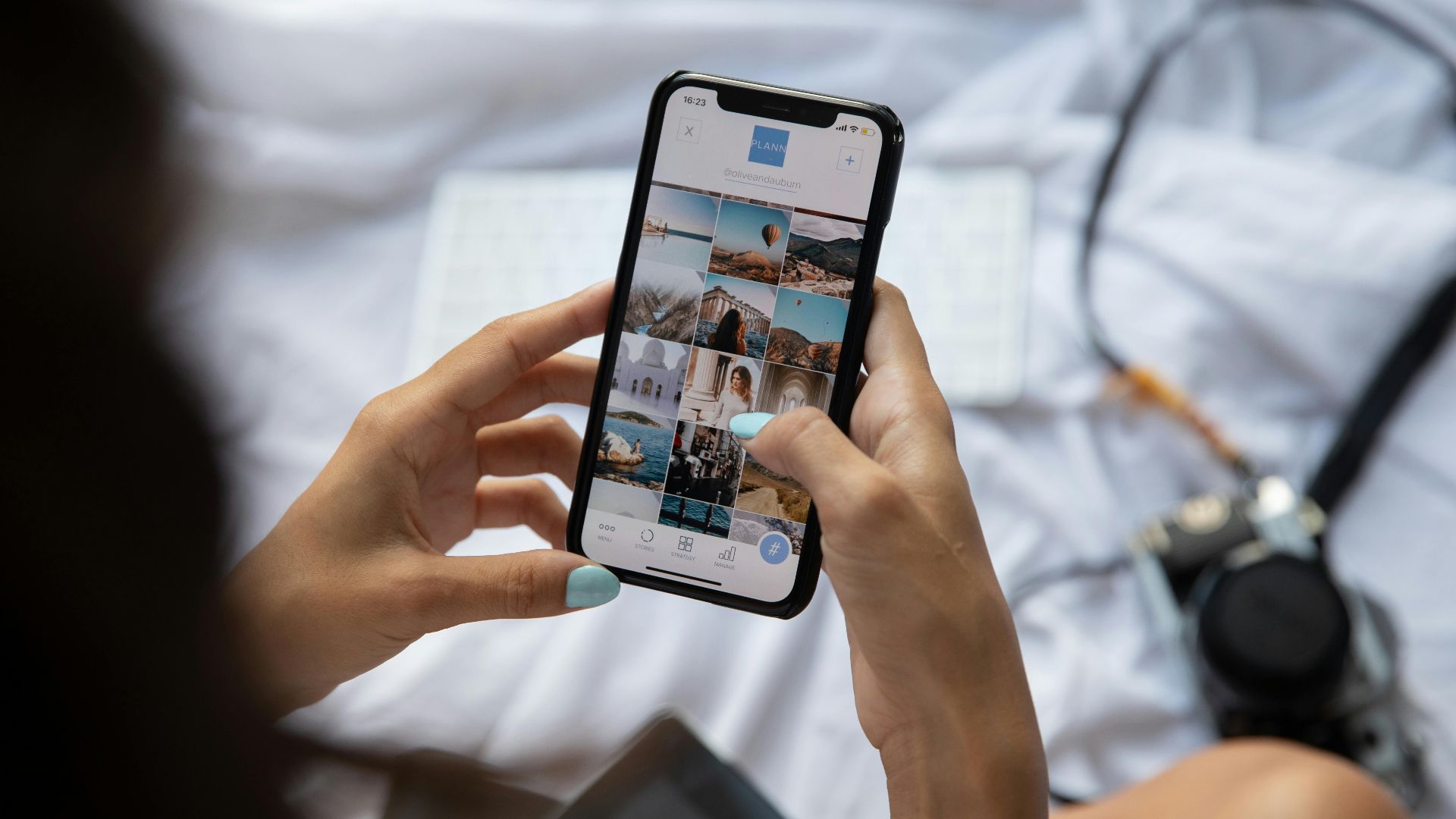
6. Recommendations Starts Mirroring Your Private Routine
The videos hit when you usually take breaks, the shopping suggestions show up when you tend to browse, the notifications land when you’re most likely to be bored. Over time it feels less like browsing a platform and more like the platform browsing you.

7. One Vulnerable Search Haunts You For Weeks
You look up something tender or awkward once, and suddenly it’s everywhere. The system treats that moment as data, and it doesn’t know it was a one-time spiral at 1:00 a.m., it only knows it got your attention.

8. It Surfaces The Thing You’re Avoiding
You keep telling yourself you’re fine, and then your feed fills with breakups, burnout, loneliness, or “reset your life” content. The algorithm doesn’t diagnose you, yet it does learn what themes make you pause, and avoidance has a very particular pause.

9. Your Feed Changes When Your Sleep Changes
Stay up late a few nights and the content can tilt toward low-effort, high-hook material, the kind that plays well when your brain is tired. You might feel like you’re choosing junk, yet the system is meeting you where your willpower is weakest.

10. It Learns Your “Almost-Buy” Personality
You click, zoom, read reviews, then back out, and somehow the next recommendations are more accurate, not less. The algorithm learns what you want to want, which is often closer to your real taste than what you actually purchase.

11. It Knows When You’re About To Quit
You stop engaging for a few days and suddenly you get a notification that feels suspiciously tempting. Platforms openly run experiments and A/B tests to optimize engagement, so “winning you back” becomes a measurable problem with a measurable solution.

12. It Serves You Identity Content
You start seeing more niche community posts, style shifts, or worldview content that maps onto a version of yourself you’re still trying on. Research like the 2013 PNAS study by Kosinski and colleagues showed that digital behavior can predict personal attributes, which makes this kind of early categorization feel less like magic and more like math.

13. It Knows Which Friends Pull You Off The App
Certain messages or group chats pull you into a different social gravity, and your engagement shifts afterward. The algorithm notices that rhythm, and it starts adjusting what it shows you around those moments to keep you from drifting too far away.

14. Your Shopping Feed Understands Your Aspirational Self
You might live in sweatpants, yet the ads show the “new you” wardrobe, the sleek kitchen tools, the calm-person planners. The system doesn’t care who you are on the couch, it cares who you fantasize about being at checkout.

15. It Can Spot A Breakup Without A Post
Your patterns change: fewer shared saves, different music, different time-of-day scrolling, more solitude content. You don’t need to announce anything for the system to detect the shift, because it’s watching the shape of your attention, not your relationship status.
16. It Figures Out What You’ll Believe Through What You’ll Share
The algorithm doesn’t need to persuade you in a debate-club way, it needs to predict what you’ll pass along. Over time, the content you share becomes a fingerprint of what feels “true enough” to you, and the system keeps feeding that appetite.

17. It Knows Your Price Pain Point
You pause longer at certain price ranges, you click “sale” filters, you linger on mid-tier options, you bail at a specific number like it’s a cliff. The system learns the exact moment your desire turns into hesitation, and it keeps offering items engineered to land just under that line.

18. It Understands Your Insecurities By Their Timing
You might not click on insecurity content during the day, yet you do at night, or after certain social events, or on Sundays. The algorithm learns when you’re most receptive, and that’s when the feed starts feeling less like entertainment and more like emotional targeting.

19. It Predicts The Next Two Words You’ll Type
Autocomplete and predictive text are literal versions of algorithmic mind-reading, built from patterns across millions of messages. When your phone finishes your sentence in your voice, it’s a small reminder that your “unique” phrasing is also statistically familiar.

20. You Start Feeling Bored By Things You Used To Love
This one is subtle, because it feels like personal growth, yet it can also be algorithmic steering. When the system keeps rewarding novelty and intensity, calmer pleasures can start feeling flat, and your attention learns to crave the sharper, faster hit even when you didn’t choose that trade.