
When Building a PC Suddenly Gets Expensive
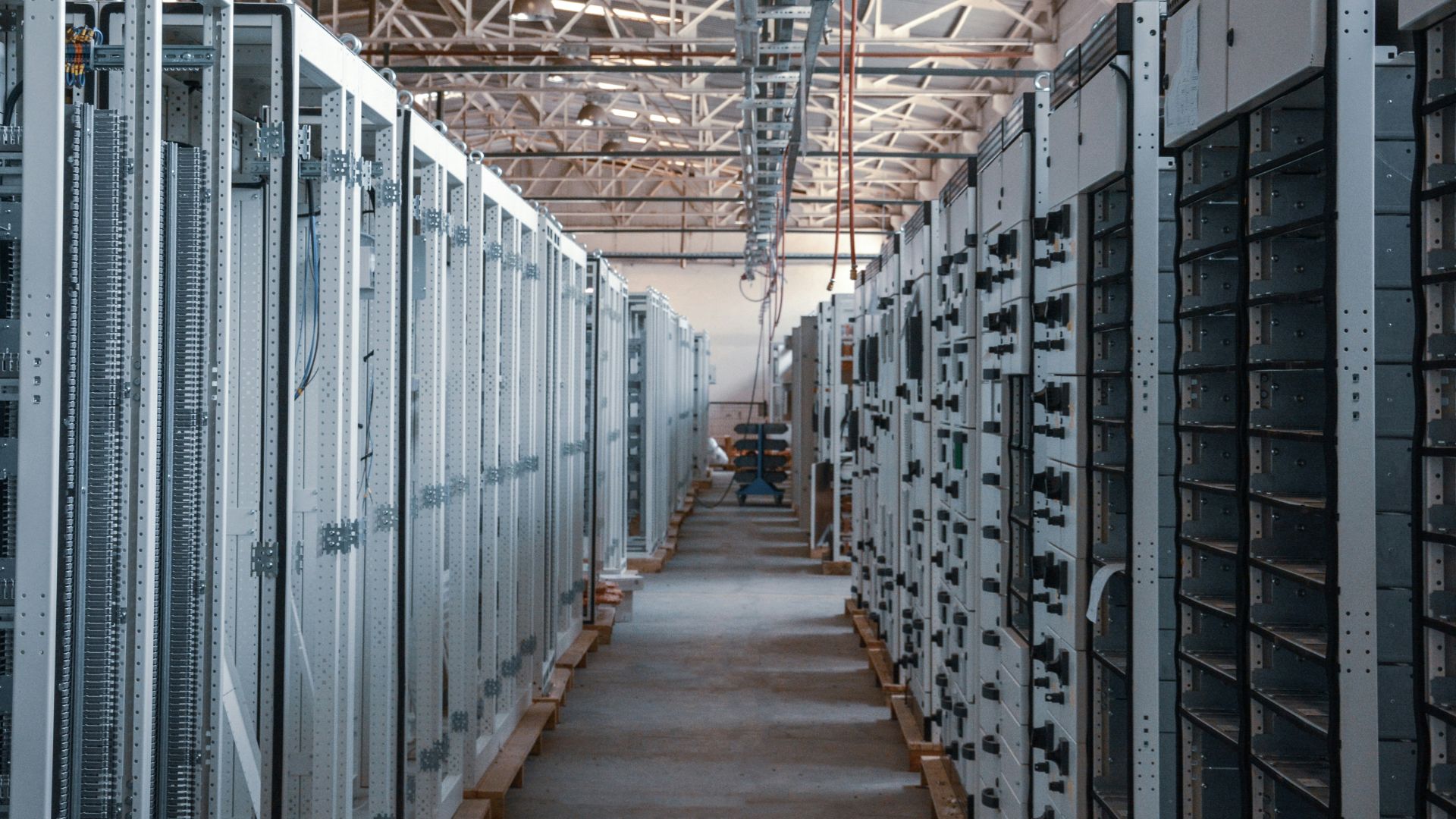
Building a gaming PC has never been the cheapest hobby, but things have become particularly frustrating for hardware enthusiasts in 2026. The rapid expansion of artificial intelligence has created enormous demand for powerful processors, memory, storage, and other hardware, with major technology companies purchasing supplies on a scale that ordinary consumers simply can't compete with. Unfortunately, these demands are affecting the availability and pricing of everyday PC components, making upgrades considerably more expensive.
1. DDR5 RAM Kits
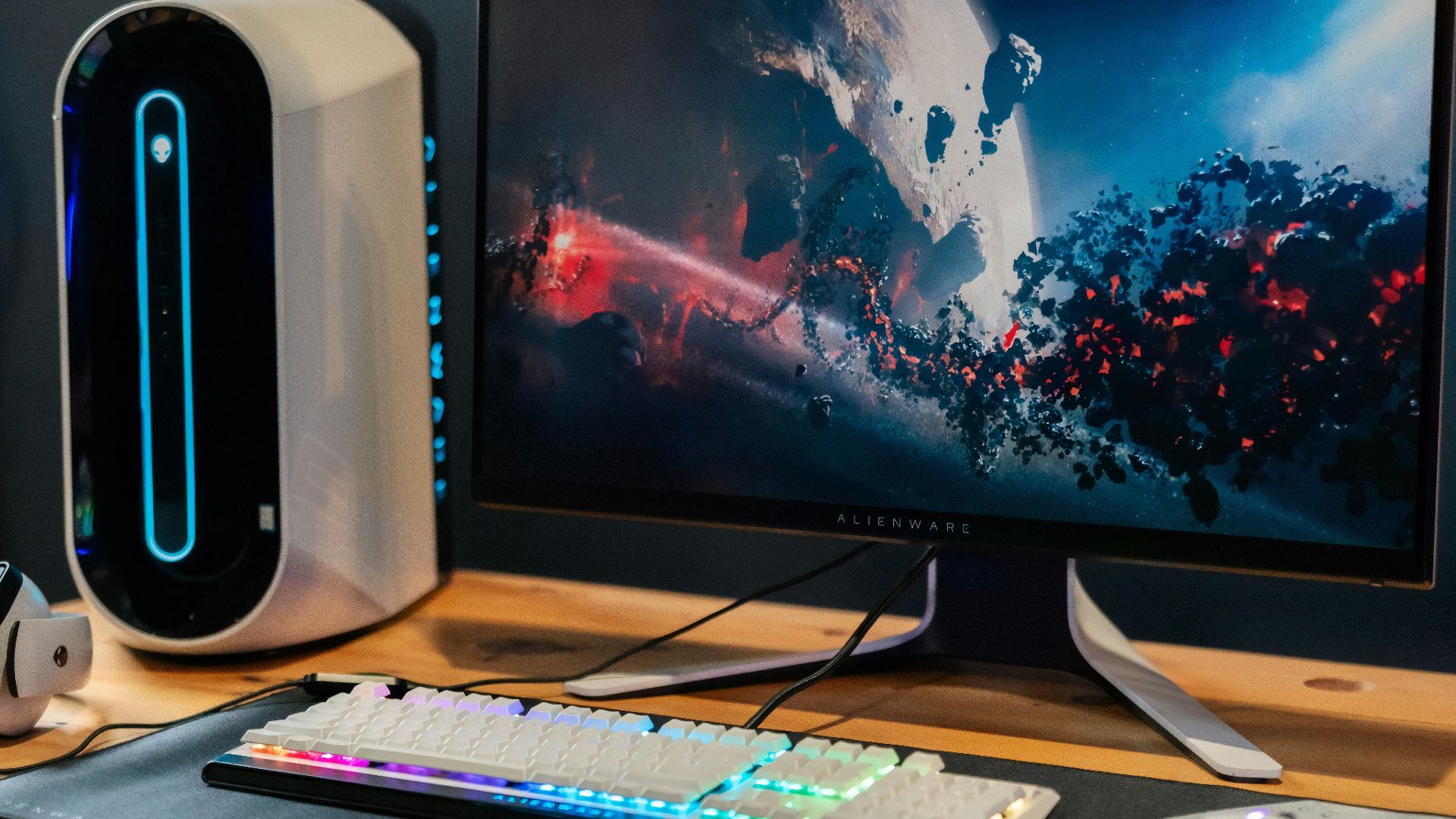
RAM will continue to be one of the most aggravating purchases when buying parts for your PC. Prices have skyrocketed due to manufacturers wanting to sell their memory to companies that are developing AI. A 32GB kit that once represented a relatively affordable upgrade can now consume a surprisingly large portion of your PC budget.
2. DDR4 RAM Kits
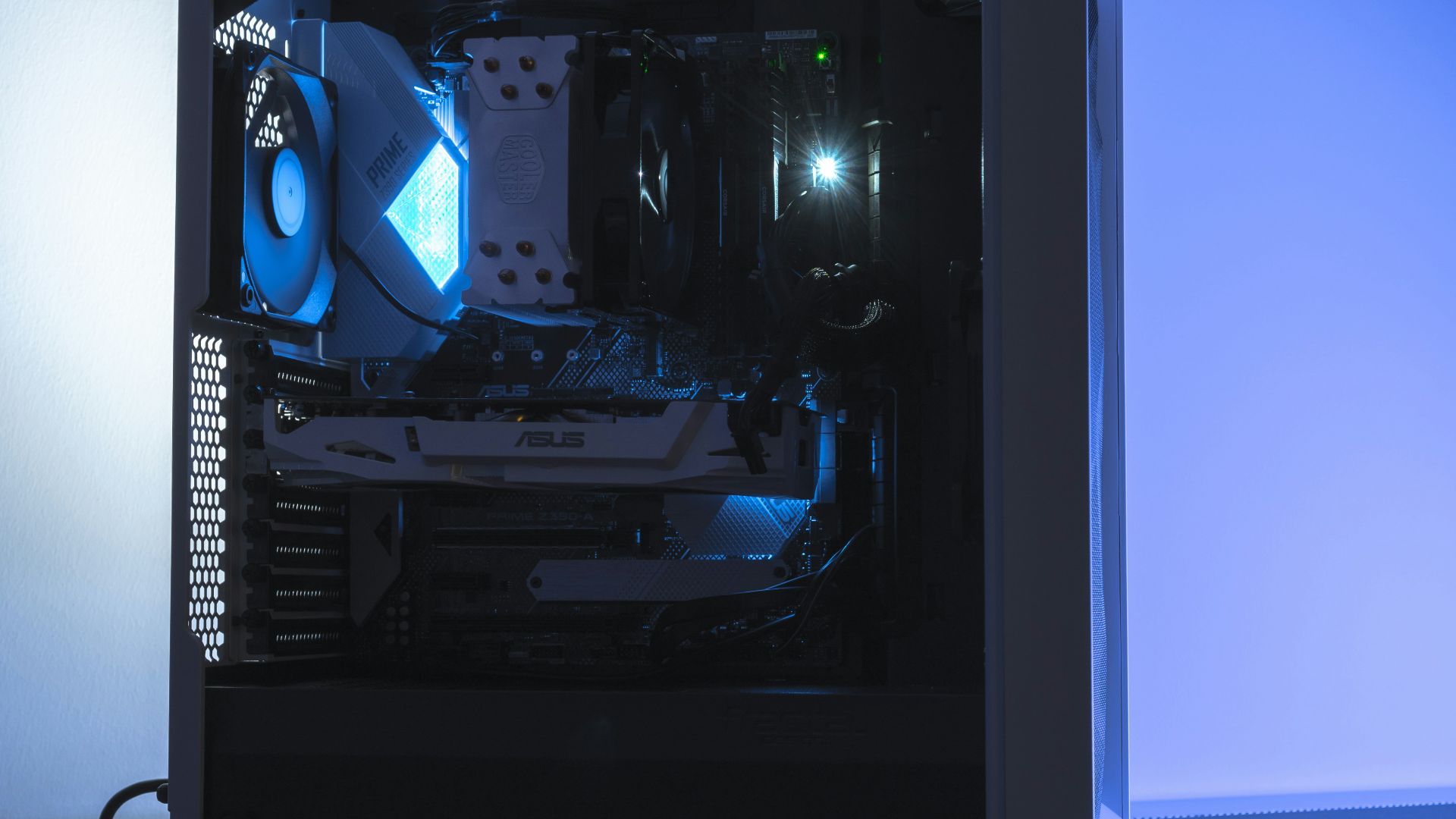
You may think that if you buy RAM that's DDR4, you won't run into these price issues. Wrong. There are many reasons why you can pay crazy amounts of money for some DDR4 RAM kits. This creates an awkward situation for people maintaining older gaming PCs who simply want to add more memory without replacing their entire system.
 Harrison Broadbent on Unsplash
3. High-Capacity RAM Kits
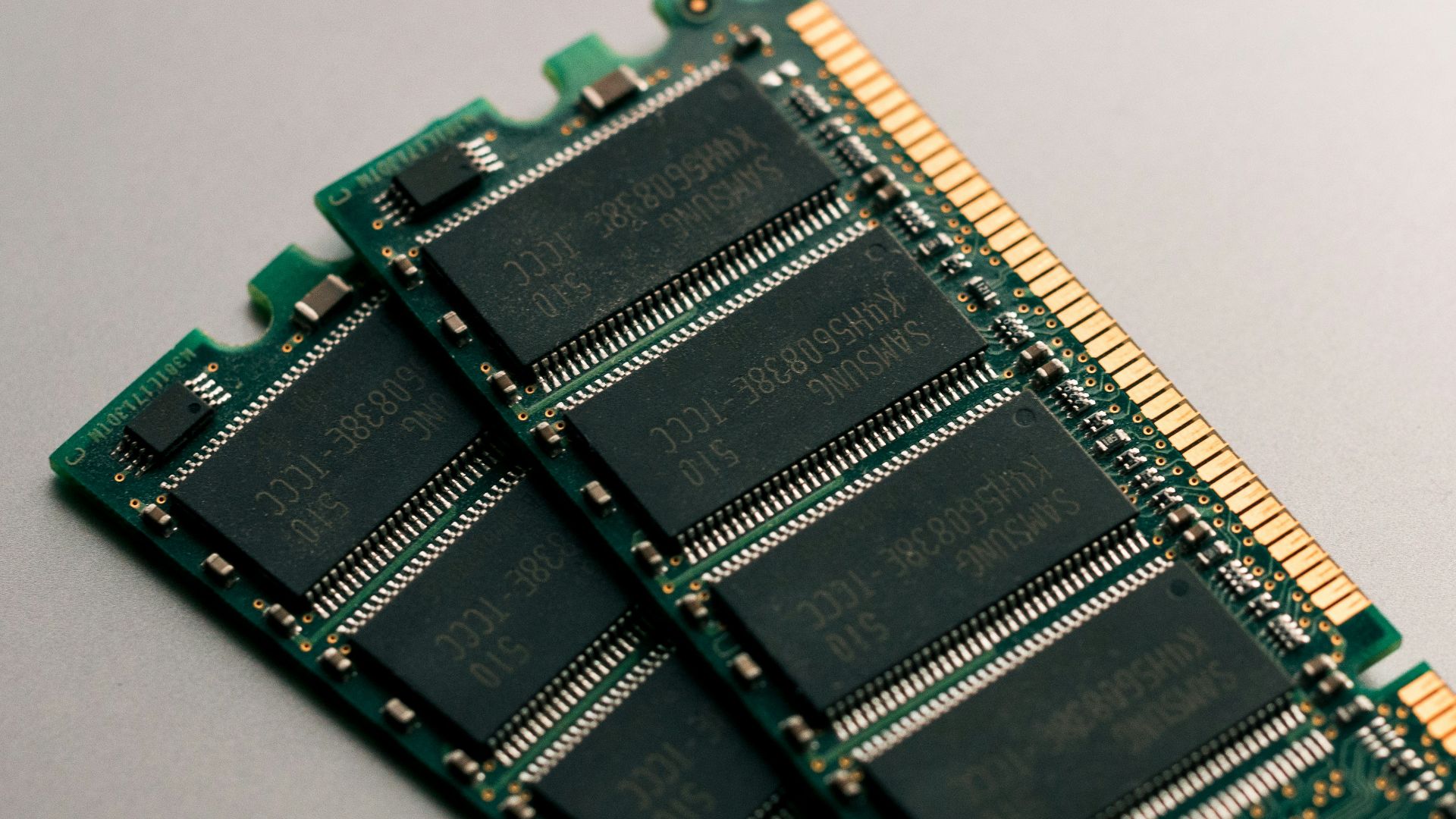
If you want more than 64GB or even 128GB of RAM, you may want to rethink your decision. When buying a higher-capacity RAM kit, you're buying more memory chips. Developers, content creators, and gamers who regularly work with demanding applications can still benefit from additional memory, but the price of having that extra capacity has become considerably harder to justify.
4. Laptop DDR5 Memory Modules
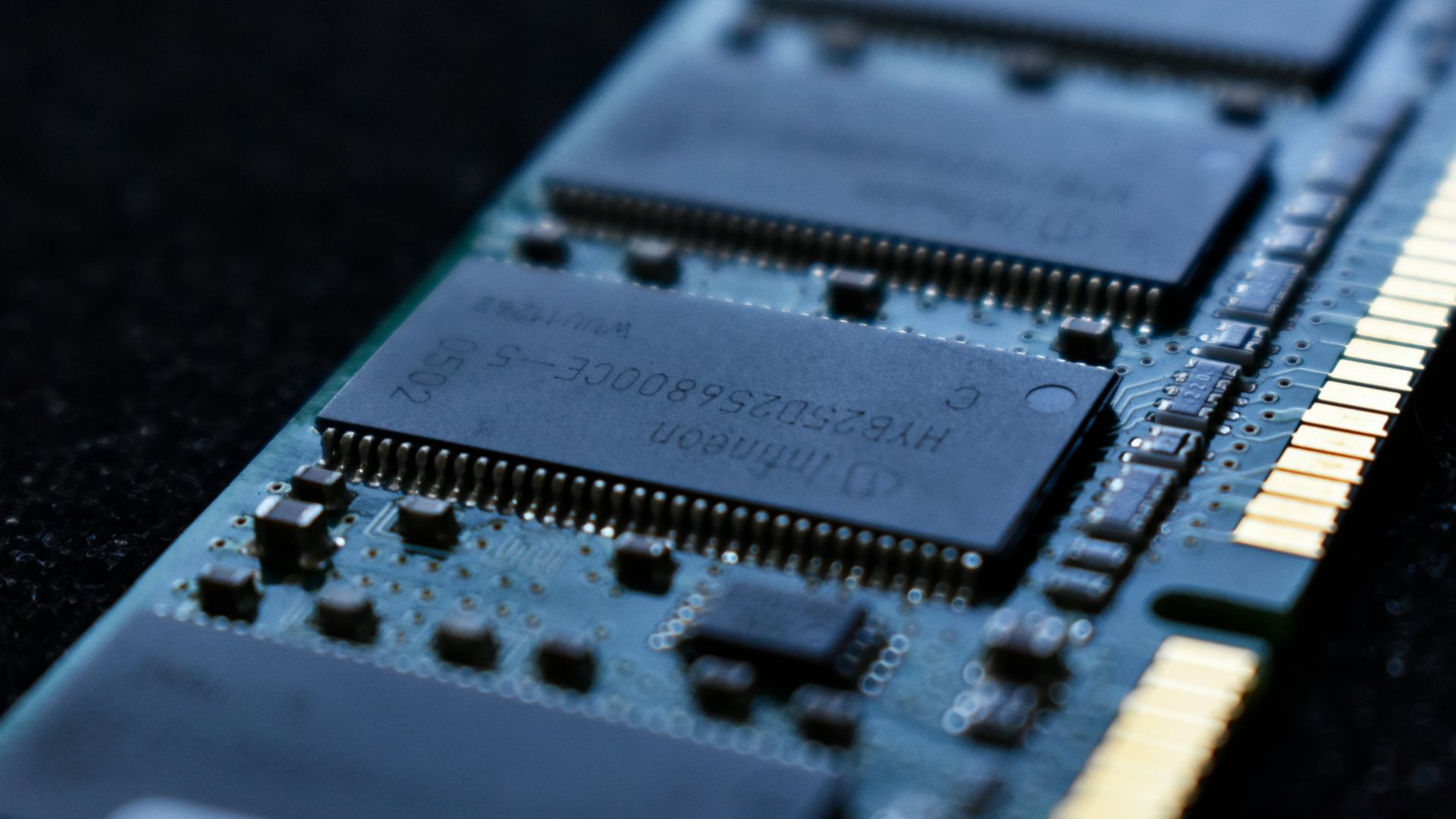
It's not only desktop builds where you'll see high prices for memory. There are also price increases for laptop memory. Many laptops will have lower amounts of RAM than desktop computers. If you've been planning to upgrade an older laptop from 16GB to 32GB, you might discover that the memory itself costs more than you expected.
5. ECC Server Memory
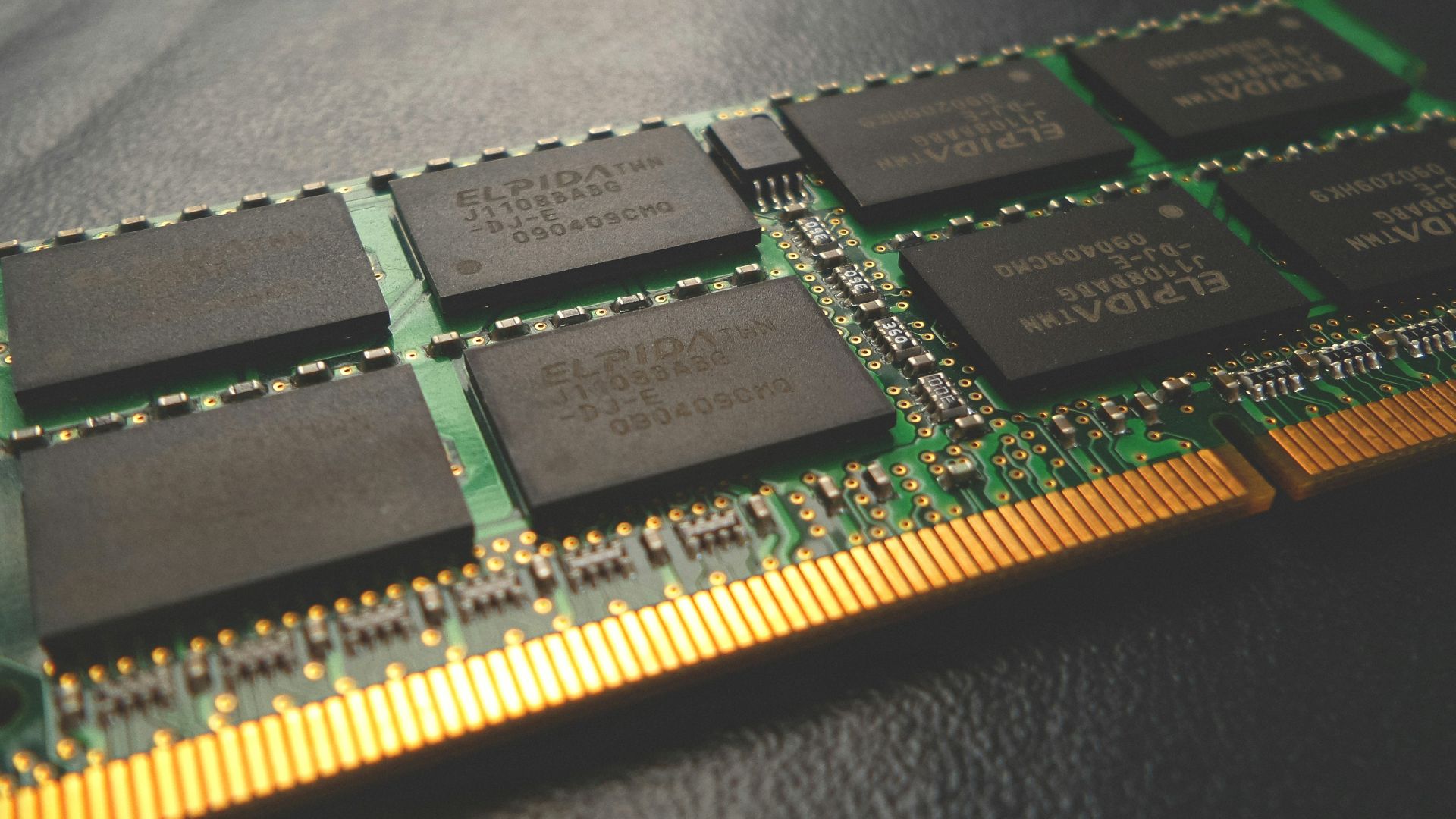
RAM that has ECC built into it will most likely see price increases as well. Many servers use RAM with ECC, which allows them to prevent certain types of memory errors. Anyone building a home server or workstation may find themselves competing with businesses that have considerably larger hardware budgets.
6. Graphics Cards With GDDR7 Memory
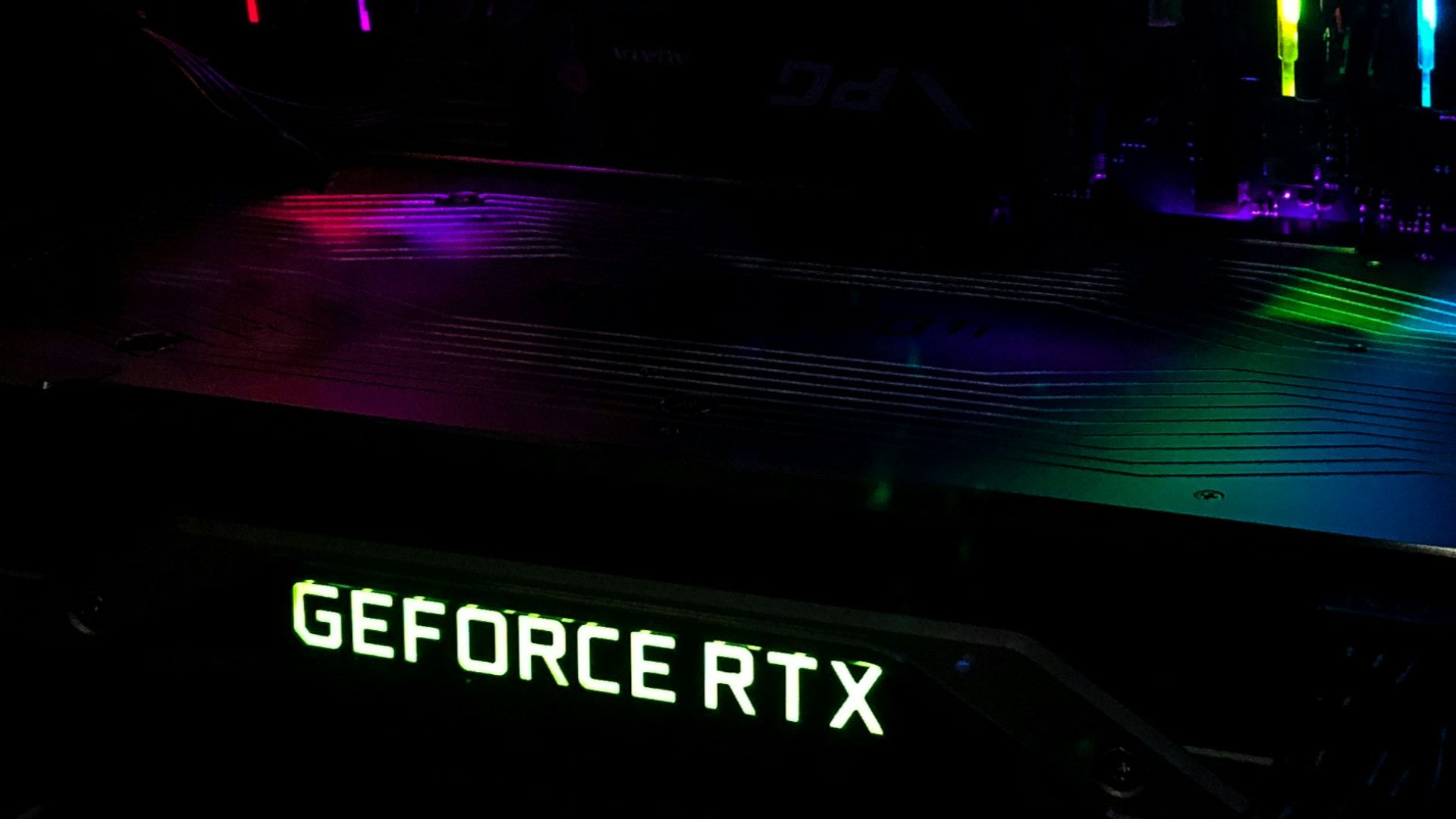
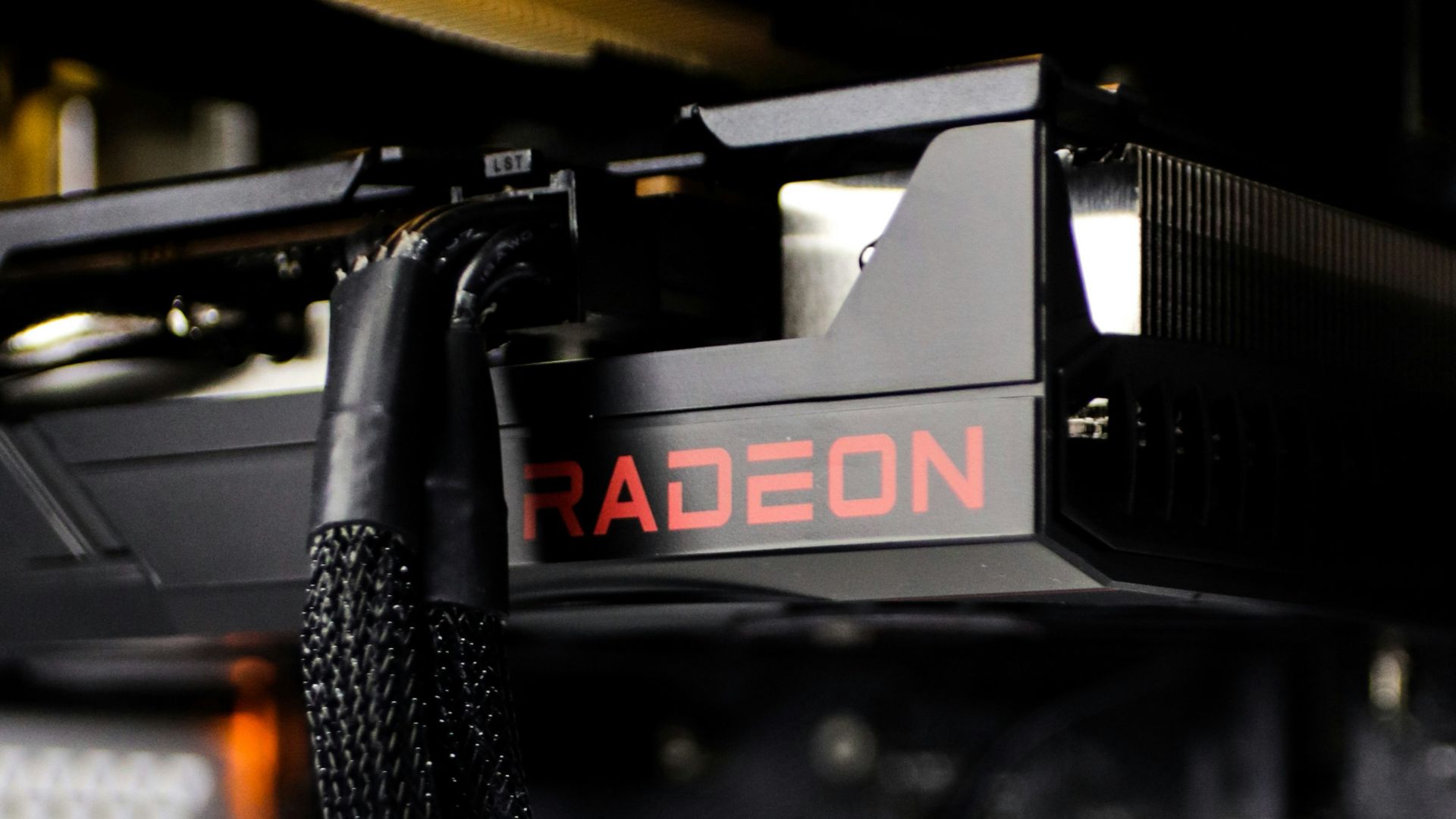
Graphics cards can already get very expensive. Now, with memory getting more expensive for your GPU, this can only add to the price. That doesn't mean every expensive gaming GPU is overpriced because of AI, but higher memory costs can make it more difficult for manufacturers to offer affordable graphics cards.
7. Graphics Cards With GDDR6 Memory
As stated above, GDDR7 will be affected by memory prices, but so will GPUs with GDDR6 memory. Companies that sell graphics cards have had to start lowering prices on older generations of GPUs. This is particularly frustrating for budget-conscious gamers who might have expected previous-generation graphics cards to become considerably cheaper as newer hardware arrived.
8. High-End Graphics Cards With Large VRAM Configurations
Graphics cards that have 24GB of VRAM or more can get expensive to begin with. With the cost of memory going up, they will continue to get more expensive on the manufacturing end. AI companies also purchase enormous quantities of specialized GPUs with substantial memory capacities, increasing competition across parts of the graphics hardware supply chain.
9. Consumer NVMe SSDs
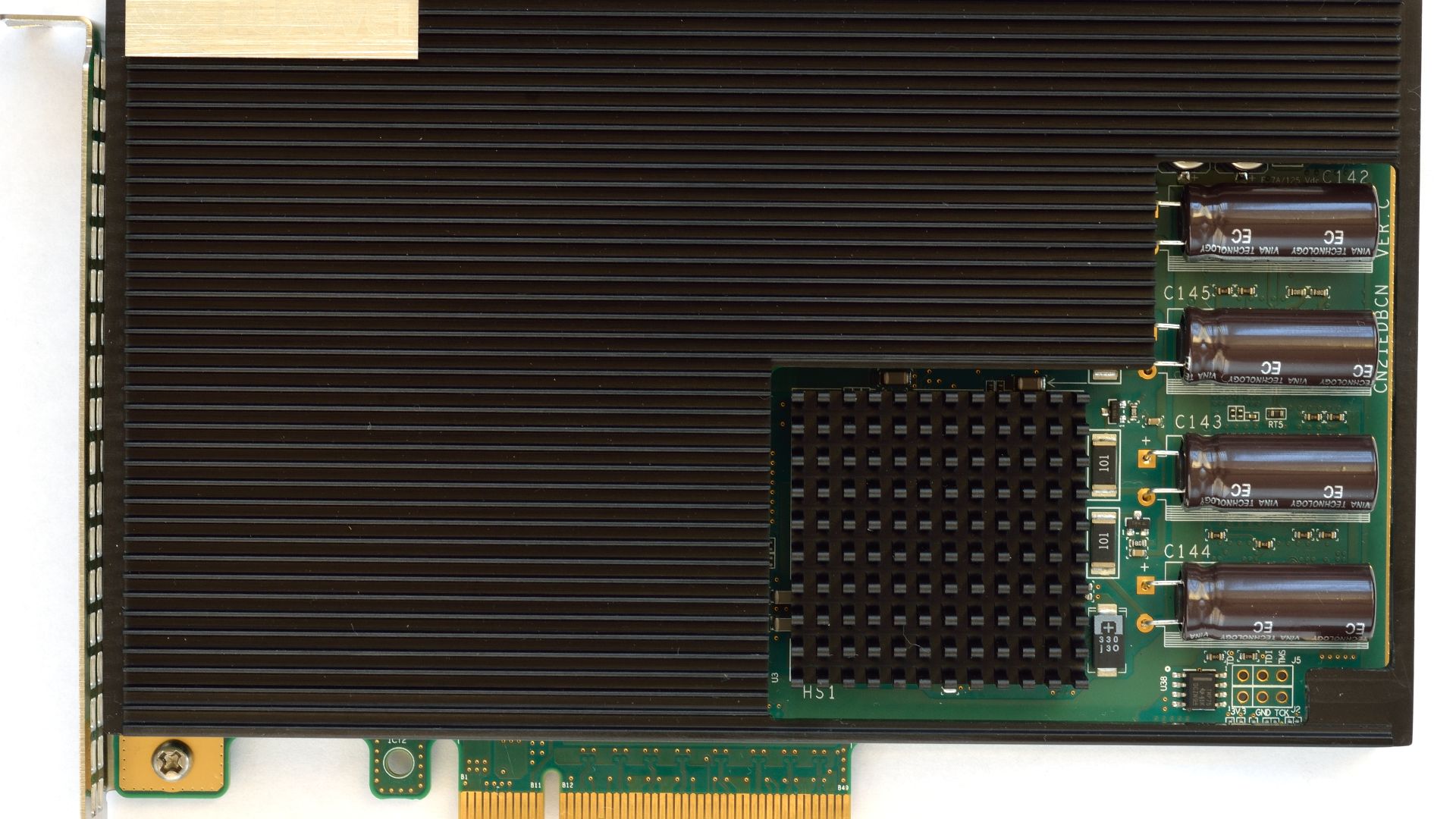
NVMe SSDs have become increasingly important for modern gaming PCs, but buying fast storage isn't quite as affordable as it used to be. These drives rely on NAND flash memory, which is also used in the enterprise storage products purchased by large AI data centers. As manufacturers prioritize higher-margin enterprise orders, consumer SSD prices can rise even when ordinary PC buyers aren't increasing their storage requirements.
10. High-Capacity SSDs
4TB SSDs are becoming more popular with gamers and creatives who want to store all of their files. These SSDs require more memory, which can become more expensive to manufacture. With AI companies investing heavily in data storage infrastructure, consumers could find themselves paying considerably more for the convenience of keeping everything on one drive.
 Open Grid Scheduler / Grid Engine on Wikimedia
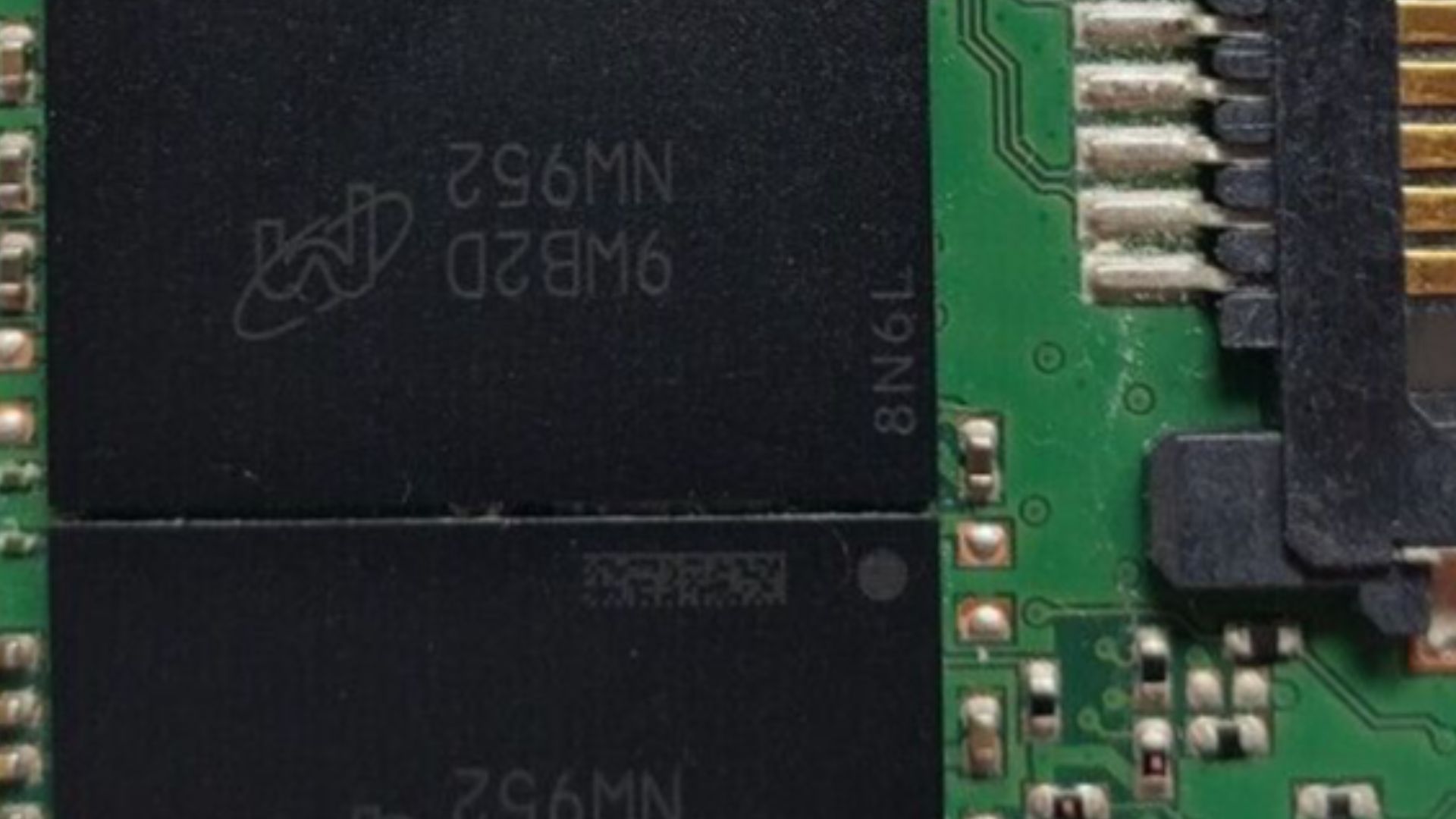
11. SATA SSDs
SATA SSDs can be one of the cheapest ways to add storage to your PC. They may not be as fast as NVMe SSDs, but they're good enough for most people. Their NAND flash requirements mean they aren't immune to the current storage crunch, which is unfortunate for anyone hoping to upgrade an older system without spending much money.
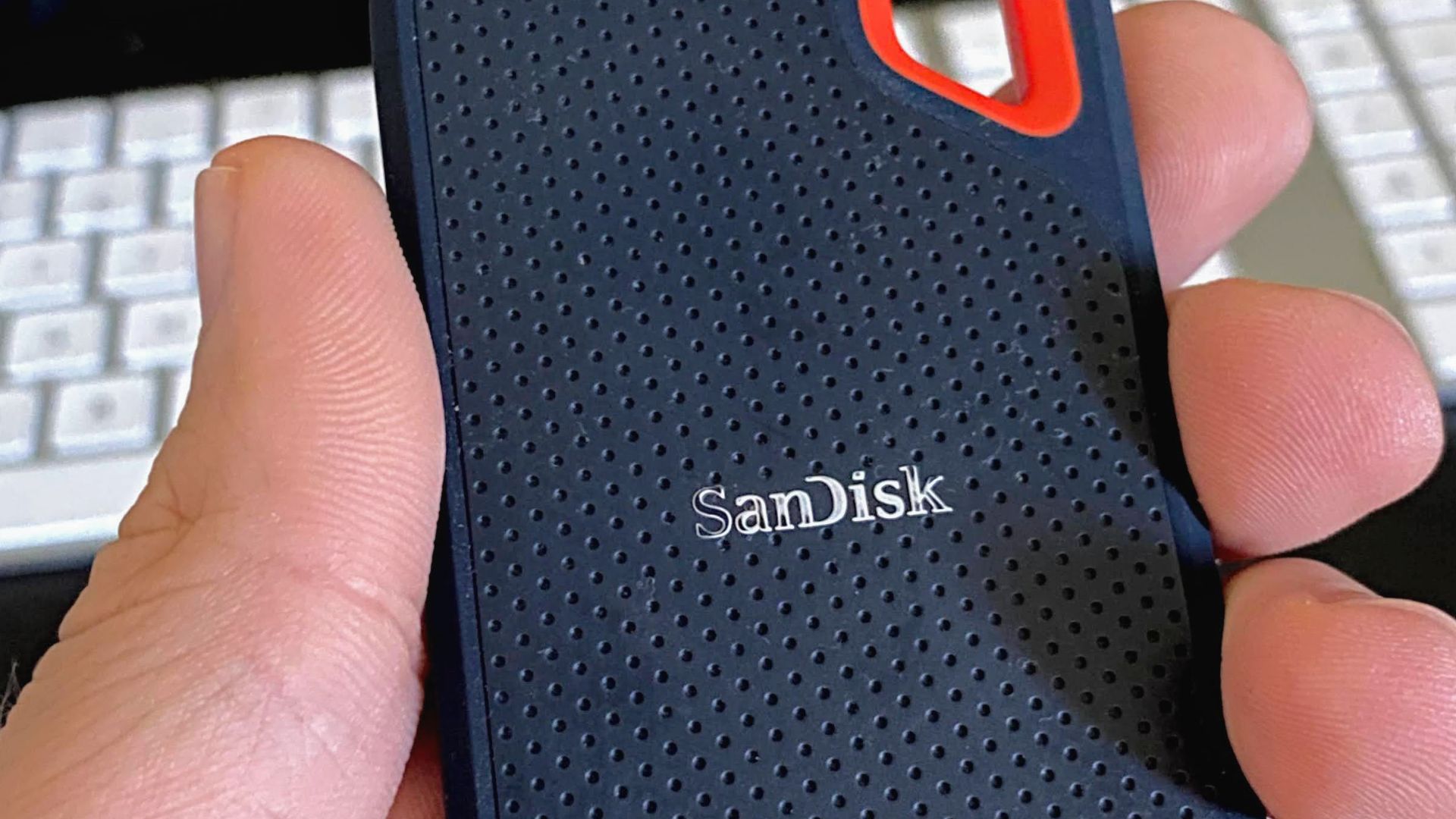
12. External SSDs
Many people like to have external SSDs that they can carry around with them. They can be used to back up your files or even hold large amounts of storage. If you're shopping for a high-capacity external drive, comparing prices carefully is becoming more important than ever.
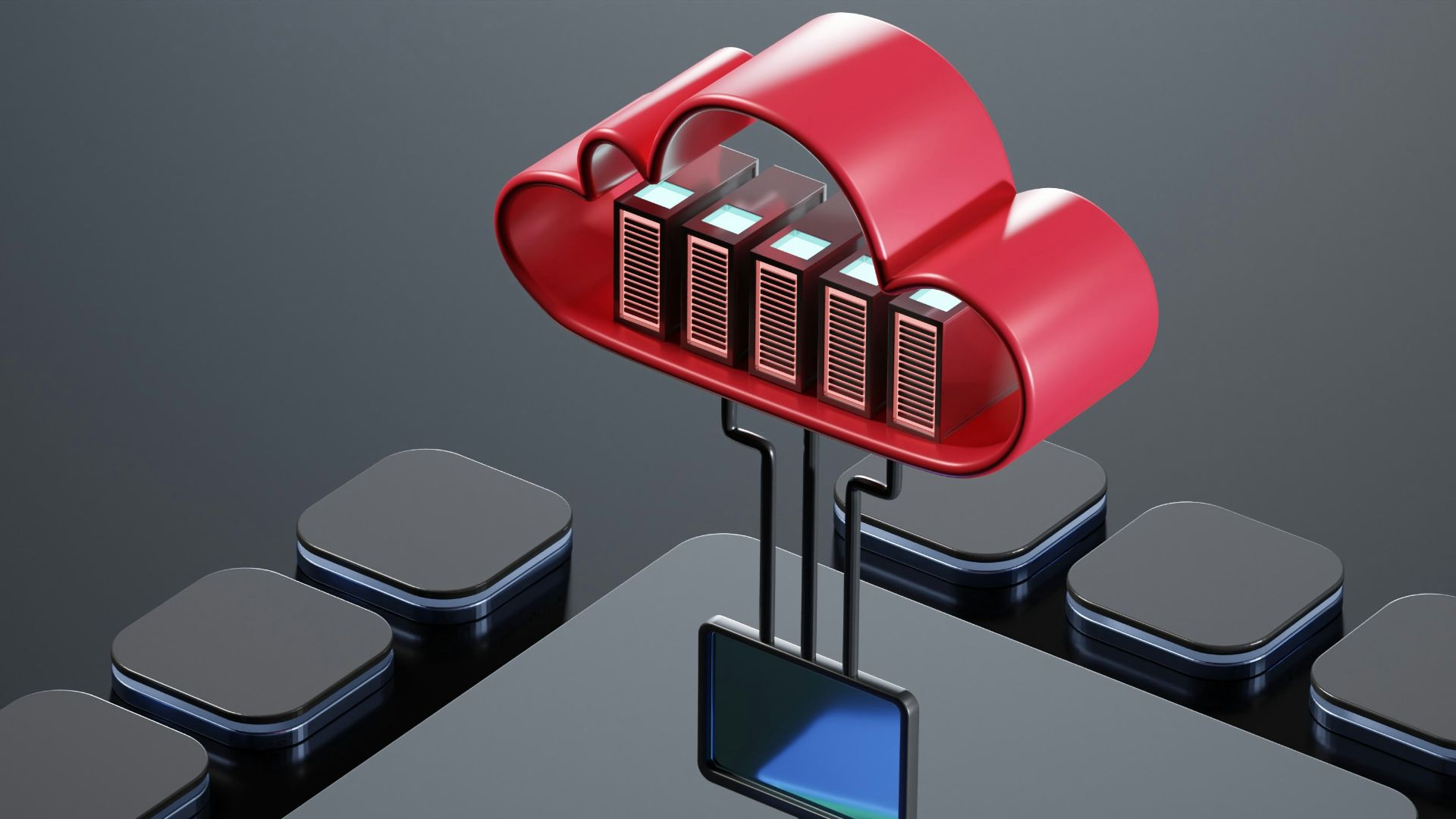
13. Enterprise-Grade SSDs
As companies invest more in AI, they will need to buy more enterprise SSDs. These SSDs are made to hold more data than typical consumer SSDs. TrendForce has projected particularly strong enterprise SSD price increases in the fourth quarter of 2026, with demand from cloud service providers contributing to the pressure.
14. QLC NAND Storage Drives
Quad-level cell (QLC) NAND technology allows manufacturers to store more information in fewer memory cells, making it useful for high-capacity storage products. AI infrastructure is increasingly creating demand for affordable, large-scale storage, including QLC-based enterprise SSDs. As manufacturers respond to that demand, consumer products using the same underlying technology can also experience pricing pressure.
15. Motherboards
Motherboards might not immediately come to mind when discussing AI-related hardware shortages, but their manufacturing depends on printed circuit boards and specialized materials. Recent reports indicate that AI data center expansion is putting considerable pressure on PCB manufacturing capacity, with some suppliers facing exceptionally long order backlogs.
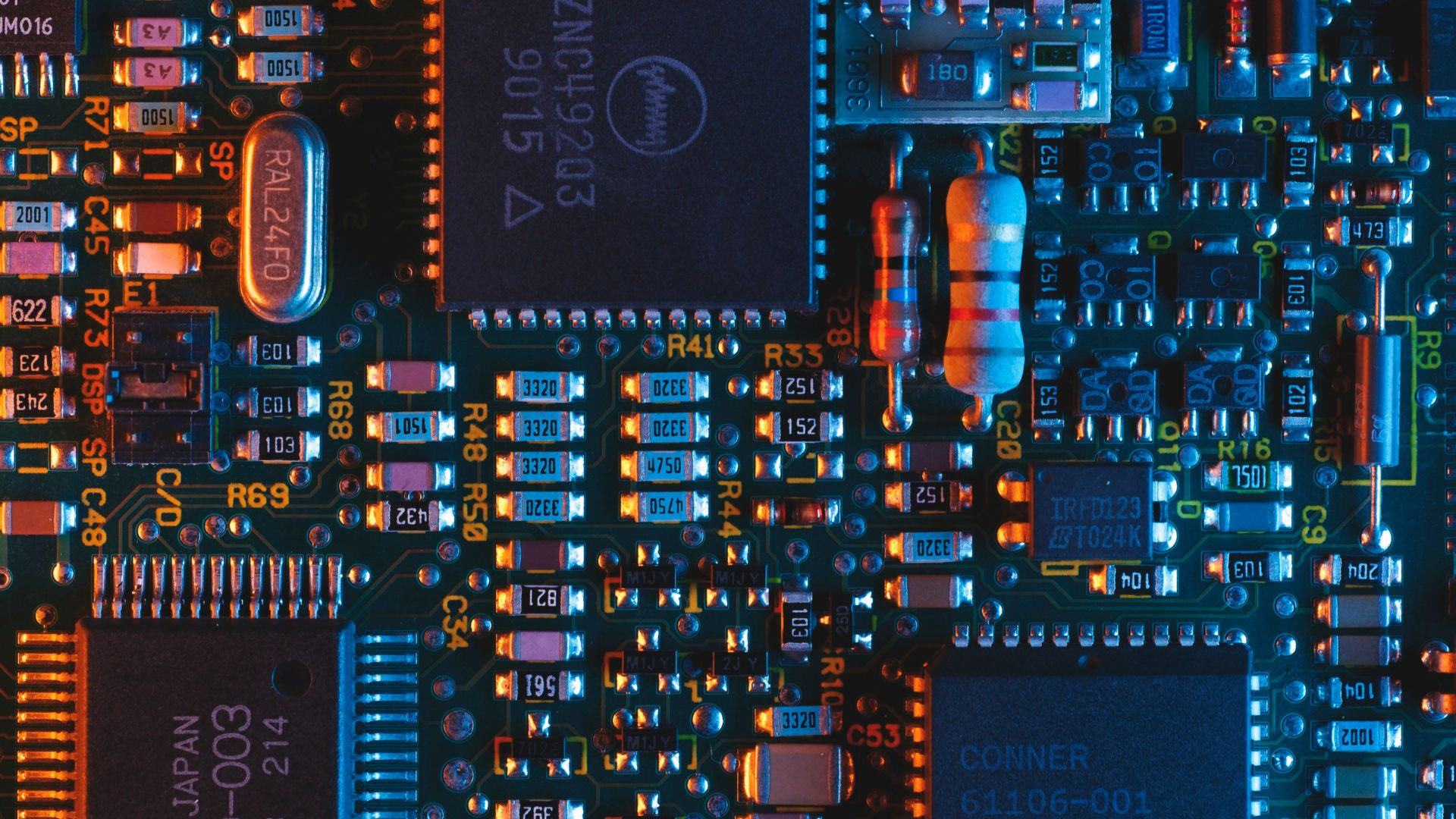
16. Graphics Card Circuit Boards
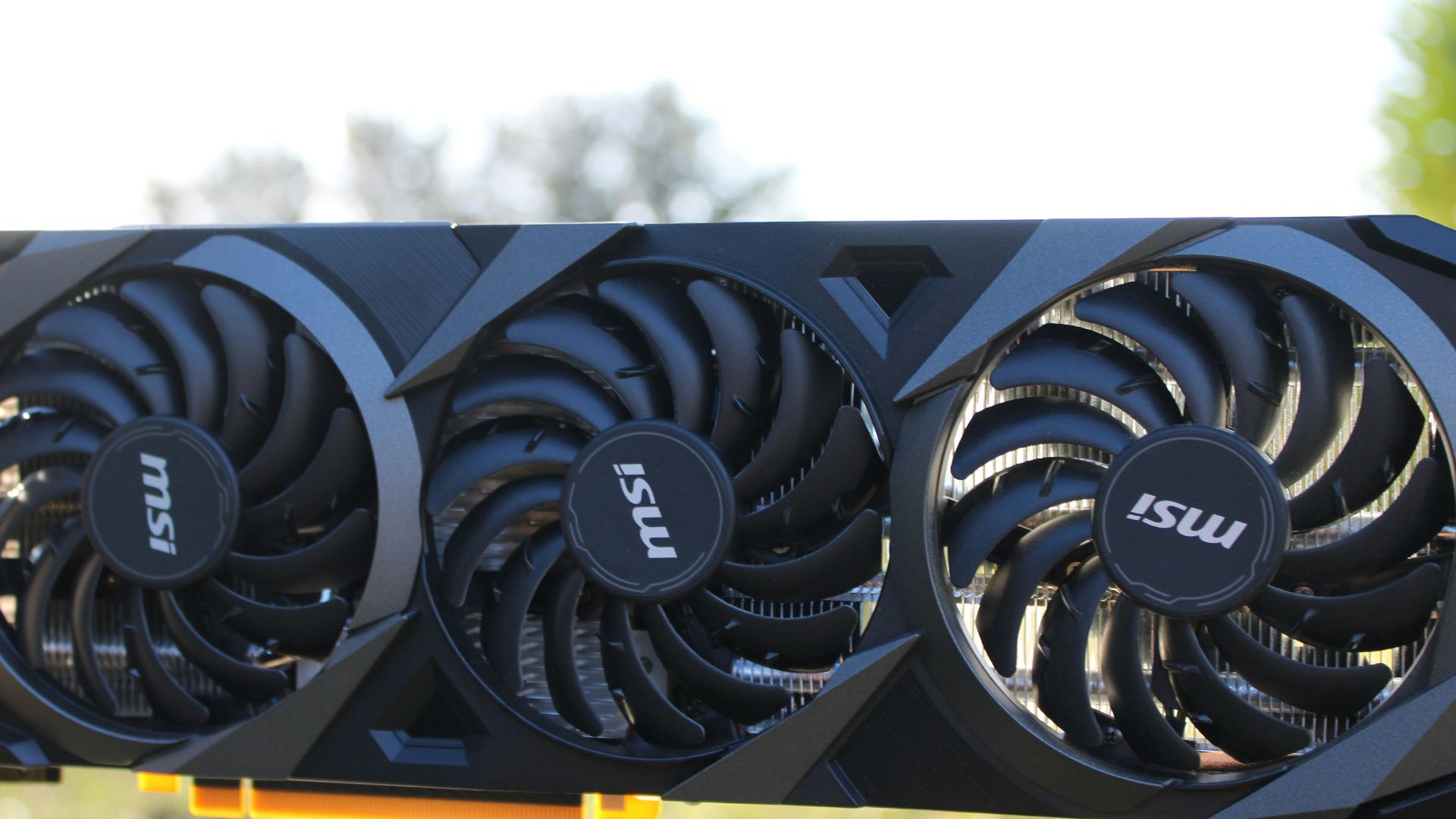
As mentioned above, graphics cards will become more expensive because of memory. But there's another part that can affect prices, and that is the motherboard that the GPU sits on. With AI infrastructure competing for advanced PCB manufacturing capacity, graphics card manufacturers could face additional production expenses that eventually reach consumers.
17. Laptop Motherboards
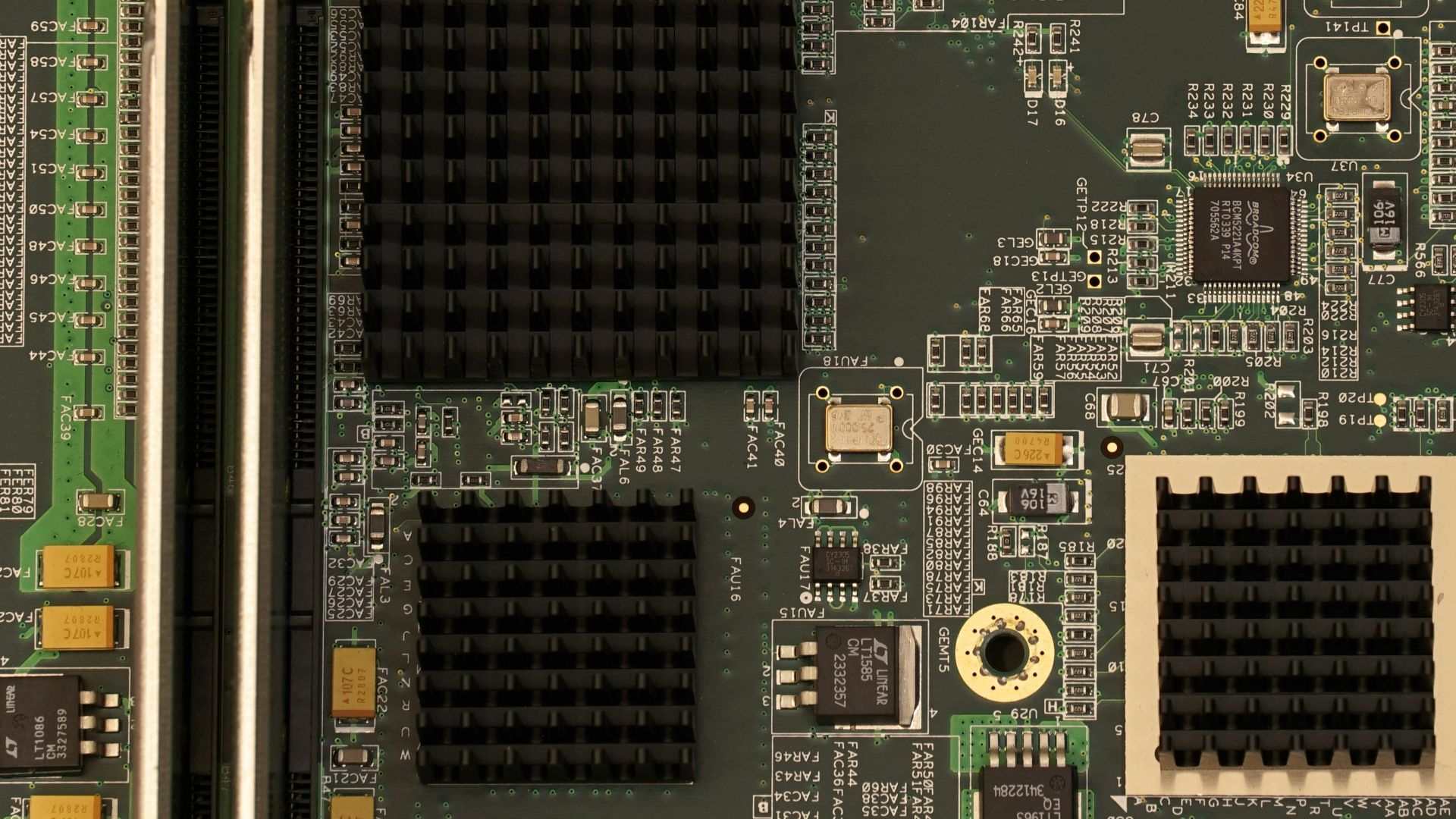
Similar to PC motherboards, laptop motherboards can be affected by AI. As companies want to build out their databases, they will require more PCBs to make their products. This can contribute to higher prices for complete laptops, particularly models equipped with larger memory and storage configurations.
 Bartosz Kwitkowski on Unsplash
18. Prebuilt Gaming PCs
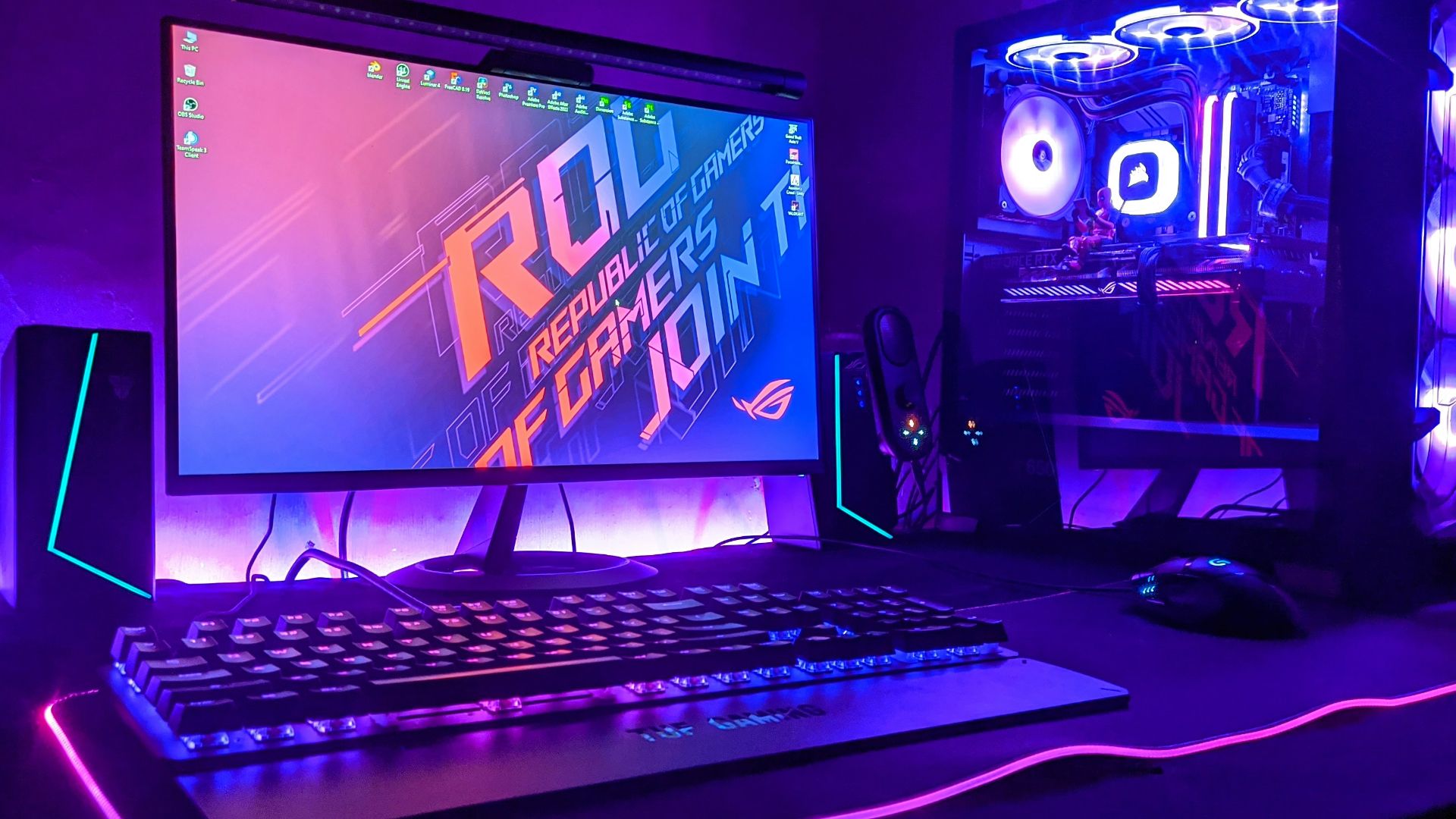
PC builds can also see an increase in price due to AI. Companies that build PCs will have to increase the prices of memory and SSDs. Some PC brands are responding by reducing RAM and SSD capacities in mainstream configurations, meaning you could end up paying more while receiving less storage or memory than previous buyers enjoyed.
19. Gaming Laptops With Large Memory Configurations
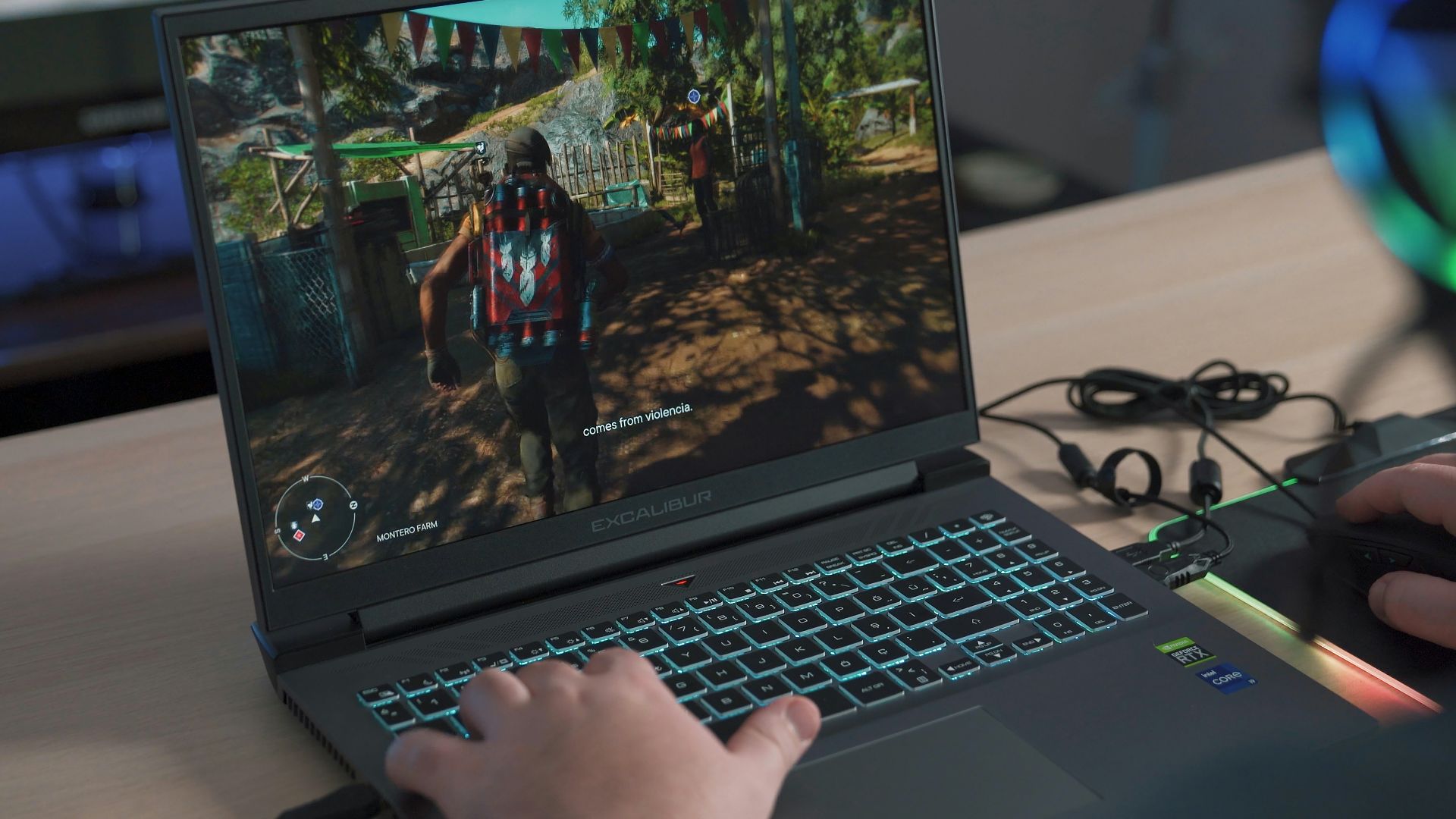
Gaming laptops already combine expensive processors, dedicated graphics cards, cooling systems, and specialized displays into relatively compact packages. Rising DRAM costs are adding another challenge, particularly for models equipped with 32GB or 64GB of memory. Manufacturers may pass those expenses along through higher retail prices or reduce the specifications offered in their more affordable configurations.
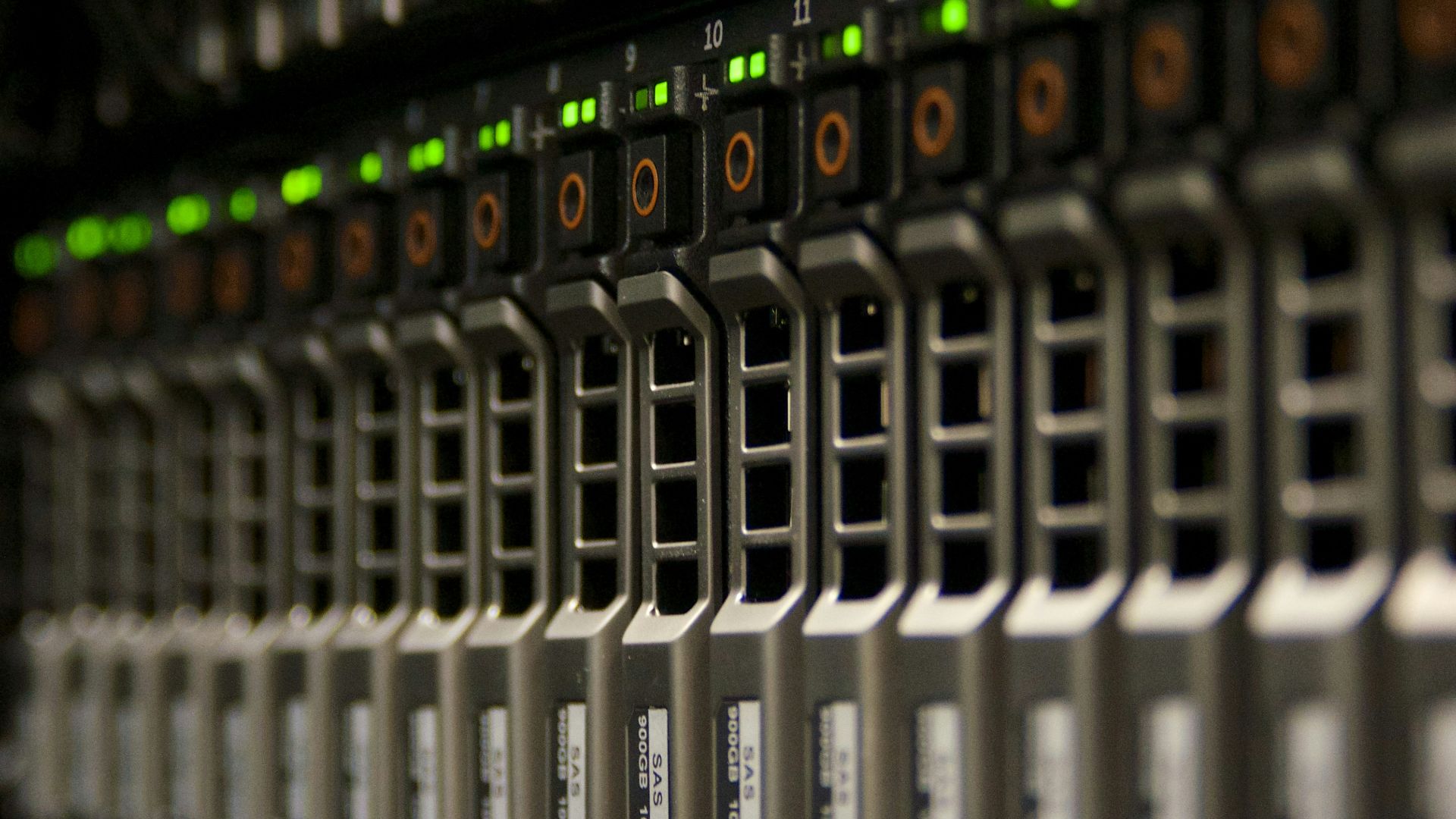
20. High-Capacity Data Center Storage Drives
Even traditional hard drives are feeling pressure from the growing demand for AI infrastructure and large-scale data storage. AI companies need enormous amounts of space to store datasets, backups, and information generated by their increasingly sophisticated systems. Although mechanical hard drives aren't interchangeable with SSDs, competition for storage infrastructure and related manufacturing capacity can create additional costs throughout the market.