Tech Is Getting Intense
2026 will not disappoint technology lovers. Smartphones, laptops, tablets, wearables, gadgets, and other devices will be released one after another. There will be technologies that will change our lives and make everyday tasks a bit easier. So with that in mind, here are 20 items to get excited about.

1. Advanced AI Assistants
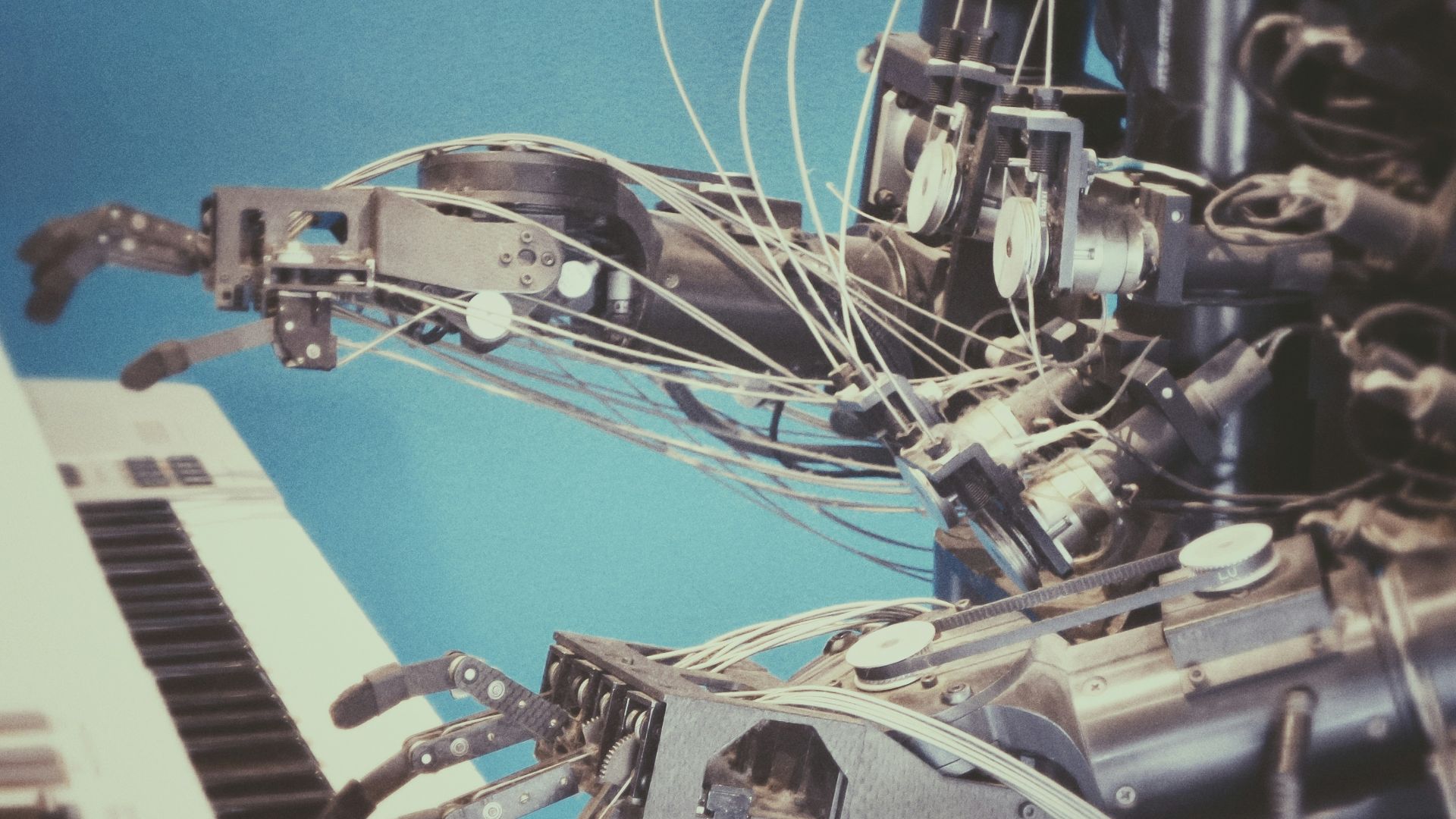
While AI assistants can be controversial, the fact is that many people have started to rely on them for things ranging from a simple fact-check to more complex and even work-related tasks. Many users are anticipating more advanced planning, research, and day-to-day task support across a range of devices. Privacy controls should become more granular and meaningful as well.
 Possessed Photography on Unsplash
2. AR Glasses
AR glasses are highly anticipated to be lighter, sleeker, and more stylish. Things like supporting navigation, notifications, and real-time translation without the phone are all but expected in 2026. Battery life and fitment are things that should be significantly improved too.

3. Advanced Home Robots
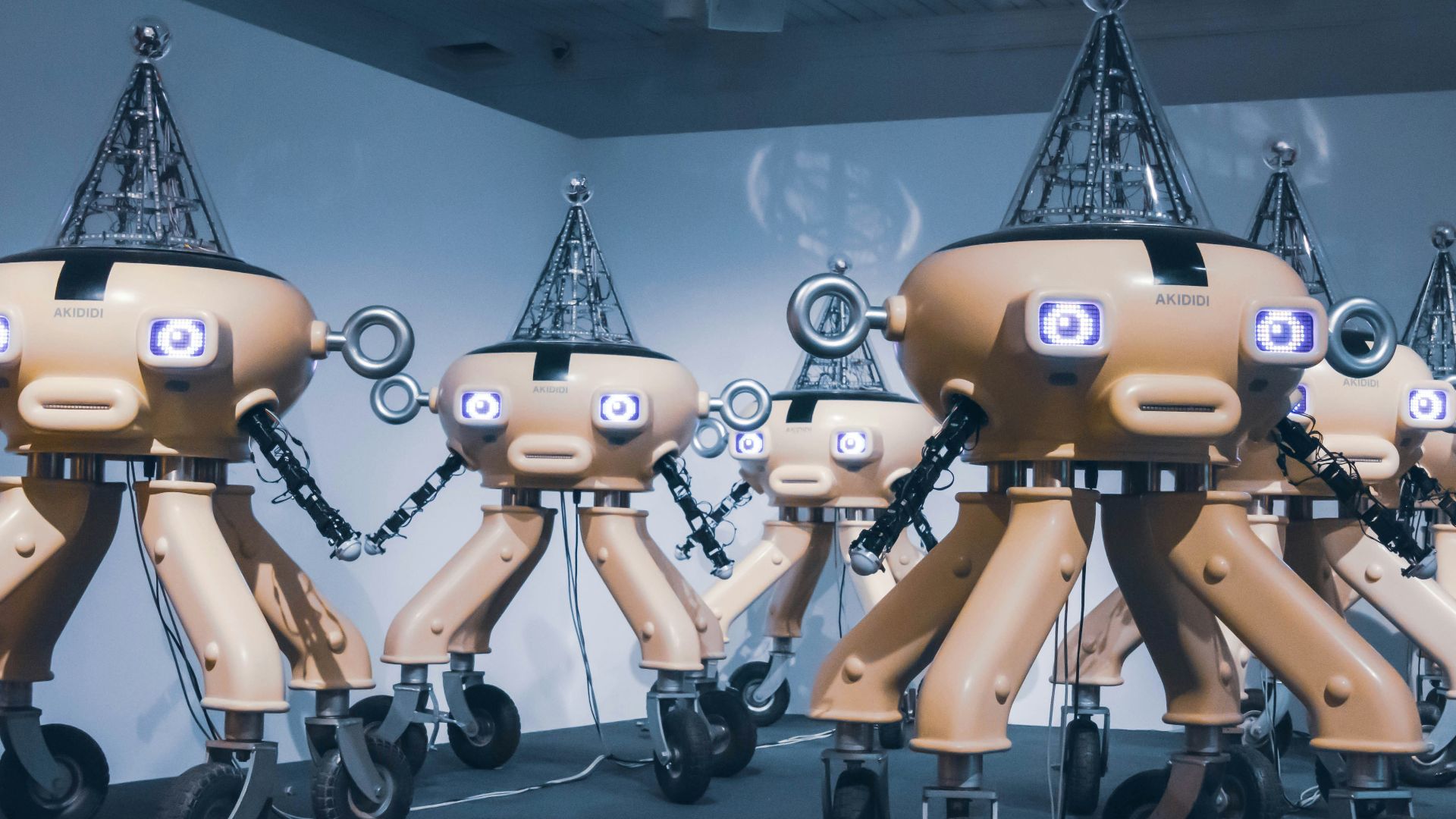
Home robots that expand beyond basic cleaning and vacuuming are expected. Many might help with organizing, simple food prep, or home monitoring. Safer and gentler versions are expected to be introduced.
4. Foldable and Rollable Displays
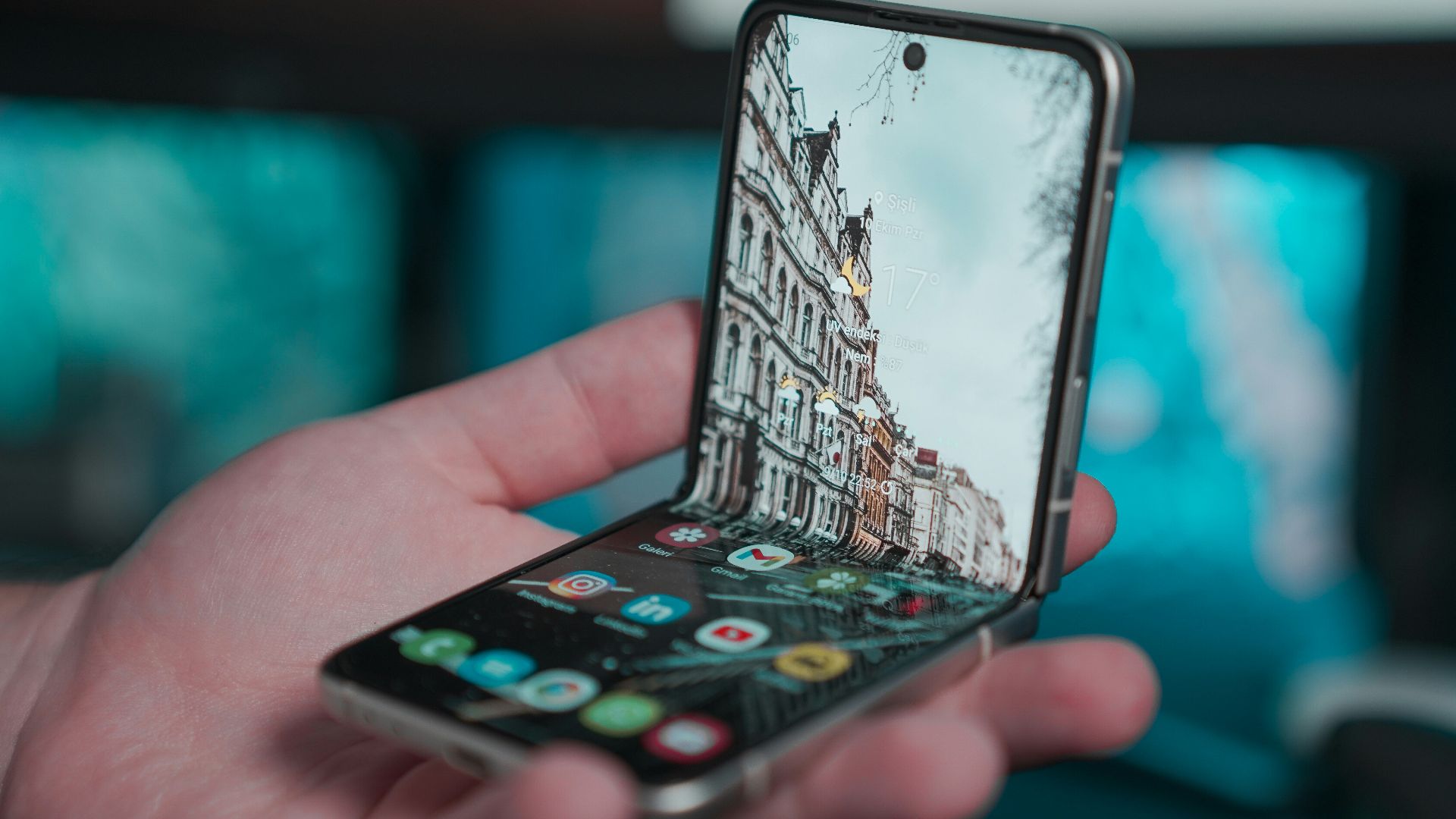
Foldable display technology is already on the market, but it is likely to become more mature with refined foldable and rollable screens. These products might become larger while still being pocketable. Screen crease resistance and durability are expected to no longer be issues in future models of phones and screens.
5. Smarter Electric Vehicles
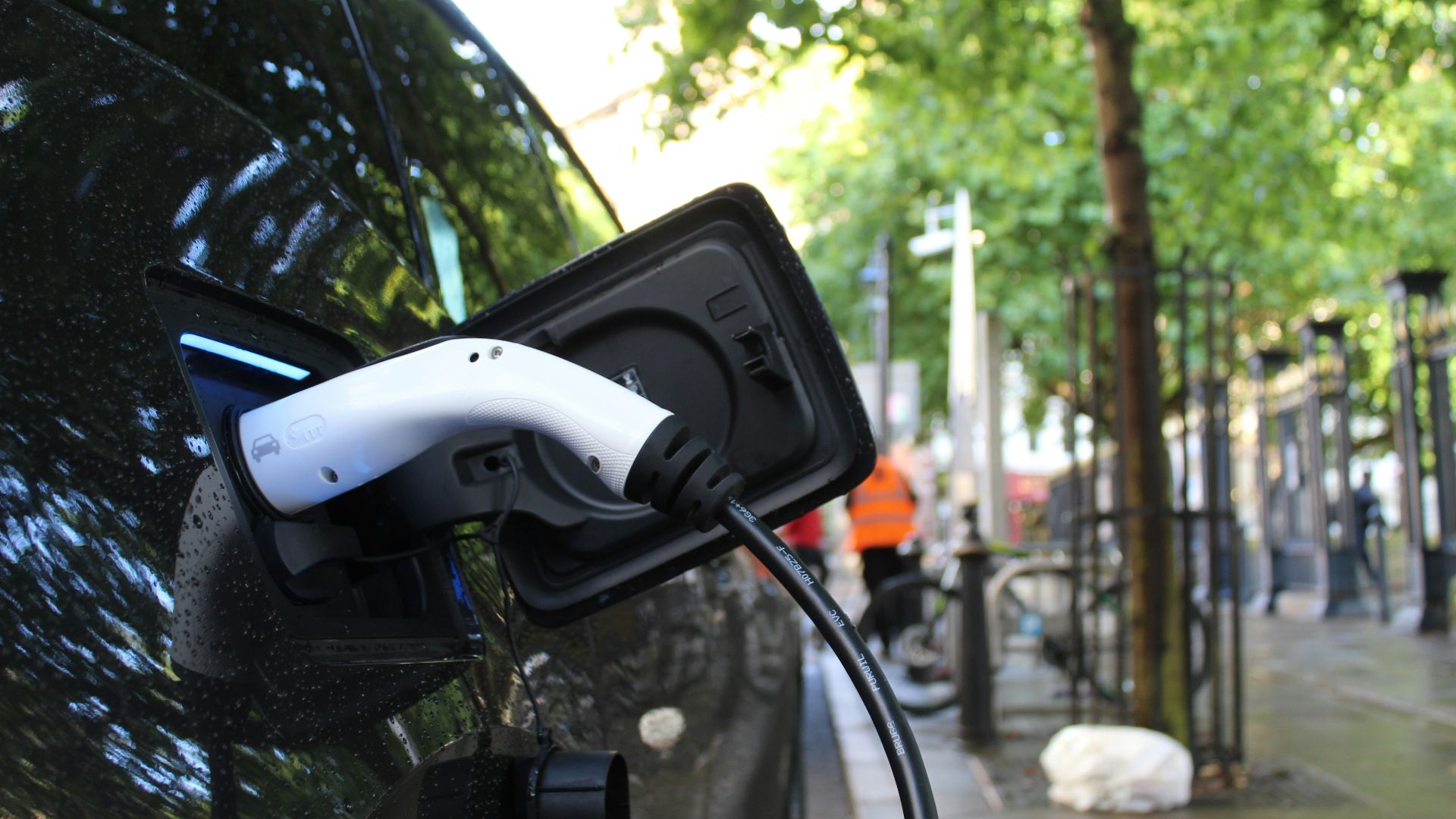
Electric vehicles are expected to come with longer ranges and faster charging. Software updates may unlock smarter driving assistance, routing, and improved infotainment. Consumer affordability is likely to improve as production scales, making for a brighter and cleaner future of electric and more affordable driving.
6. Solid-State Batteries
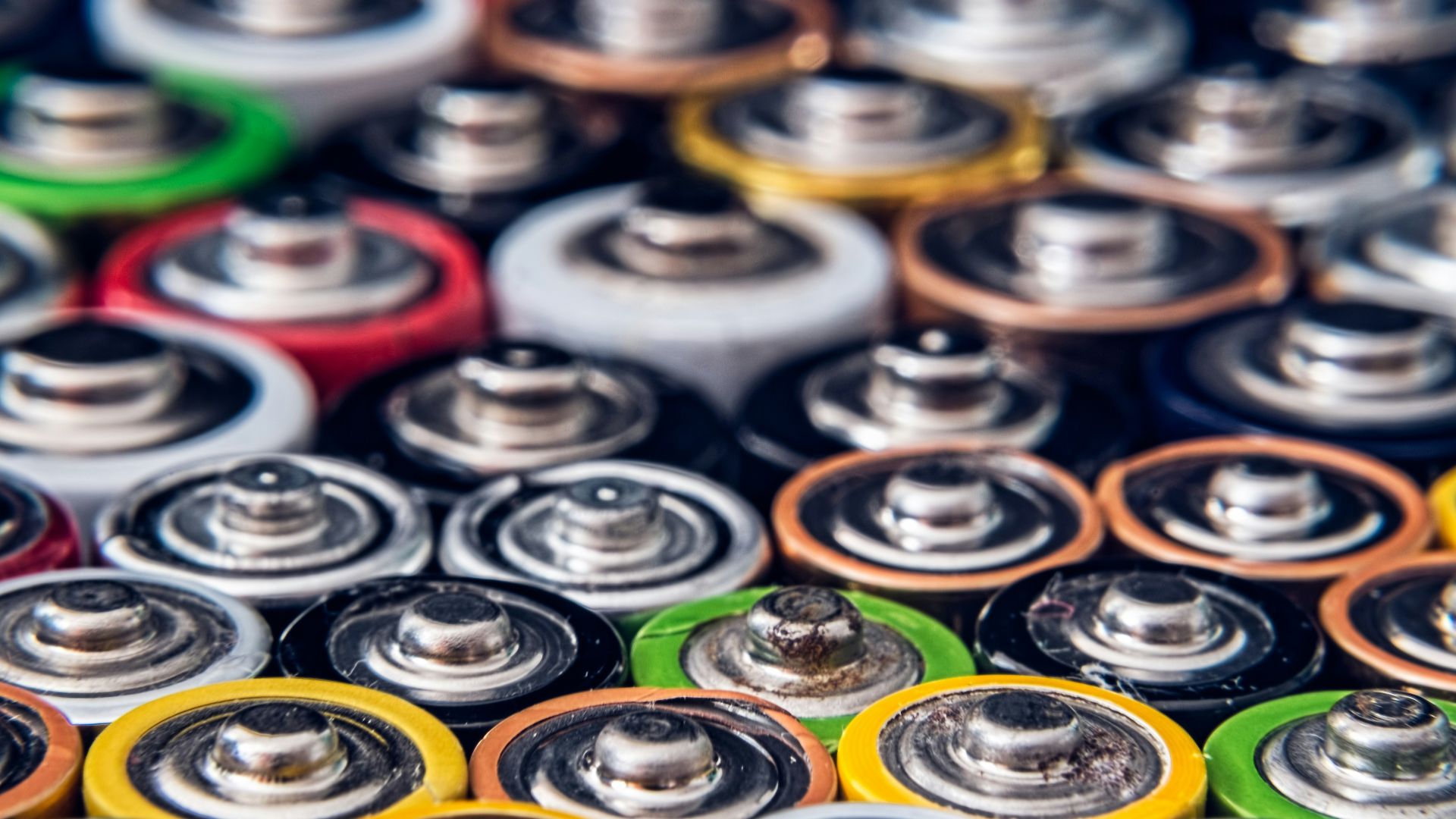
Solid-state batteries are expected to start making their way into products. With higher safety and energy density, these could power phones, laptops, and vehicles with greater longevity. Consumer adoption could start in select areas.
7. Health Monitoring Wearables
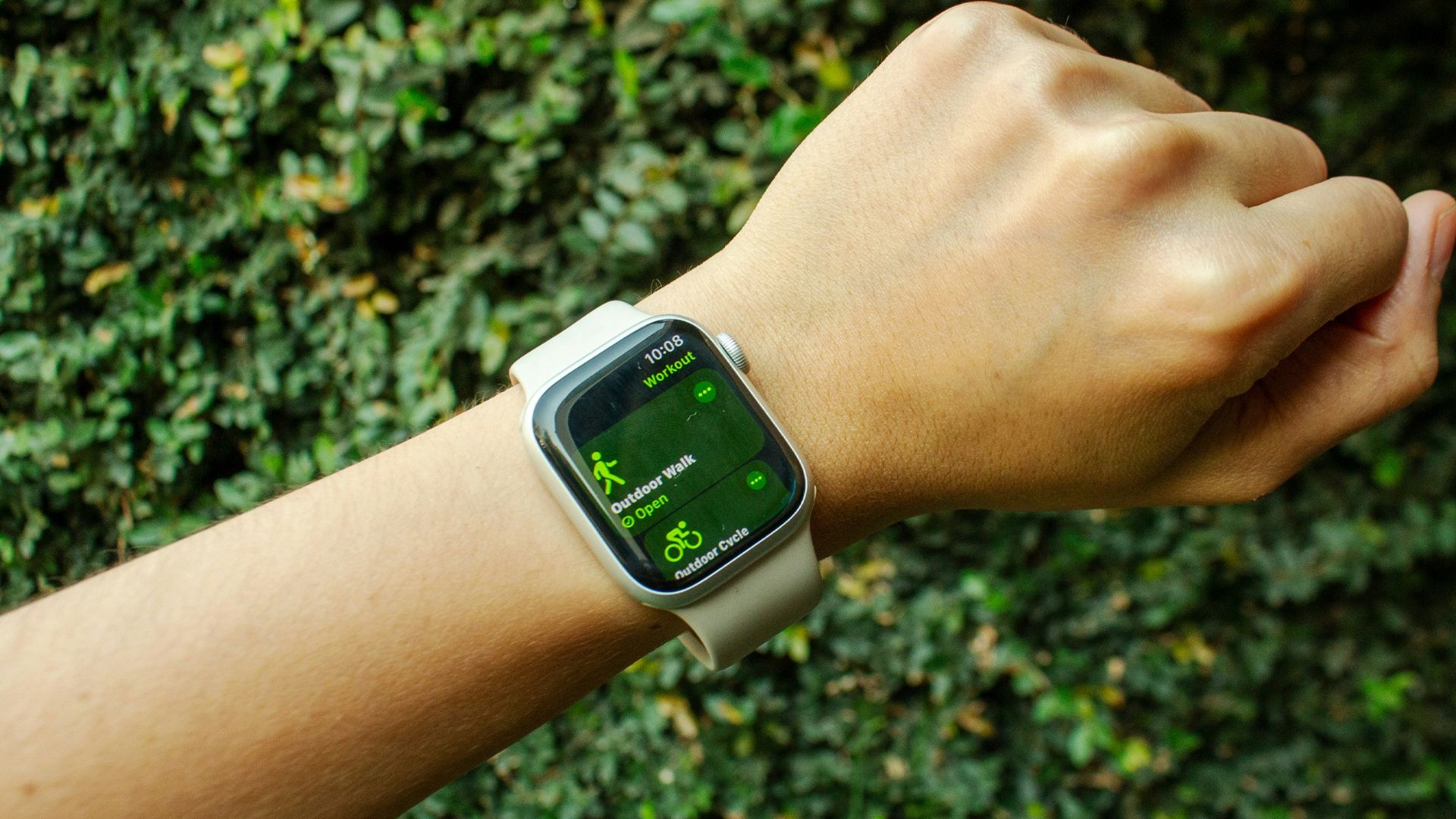
Wearables are likely to track a wider variety of health metrics with greater accuracy. These products might include stress monitoring, sleep analysis, and early wellness alerts. Visualization and understanding should be easier.
8. Spatial Computers
Spatial computing devices are expected to enable users to blend digital content with the physical world. They might support productivity, education, and entertainment in more immersive ways. More comfortable solutions may be introduced.

9. Satellite Internet
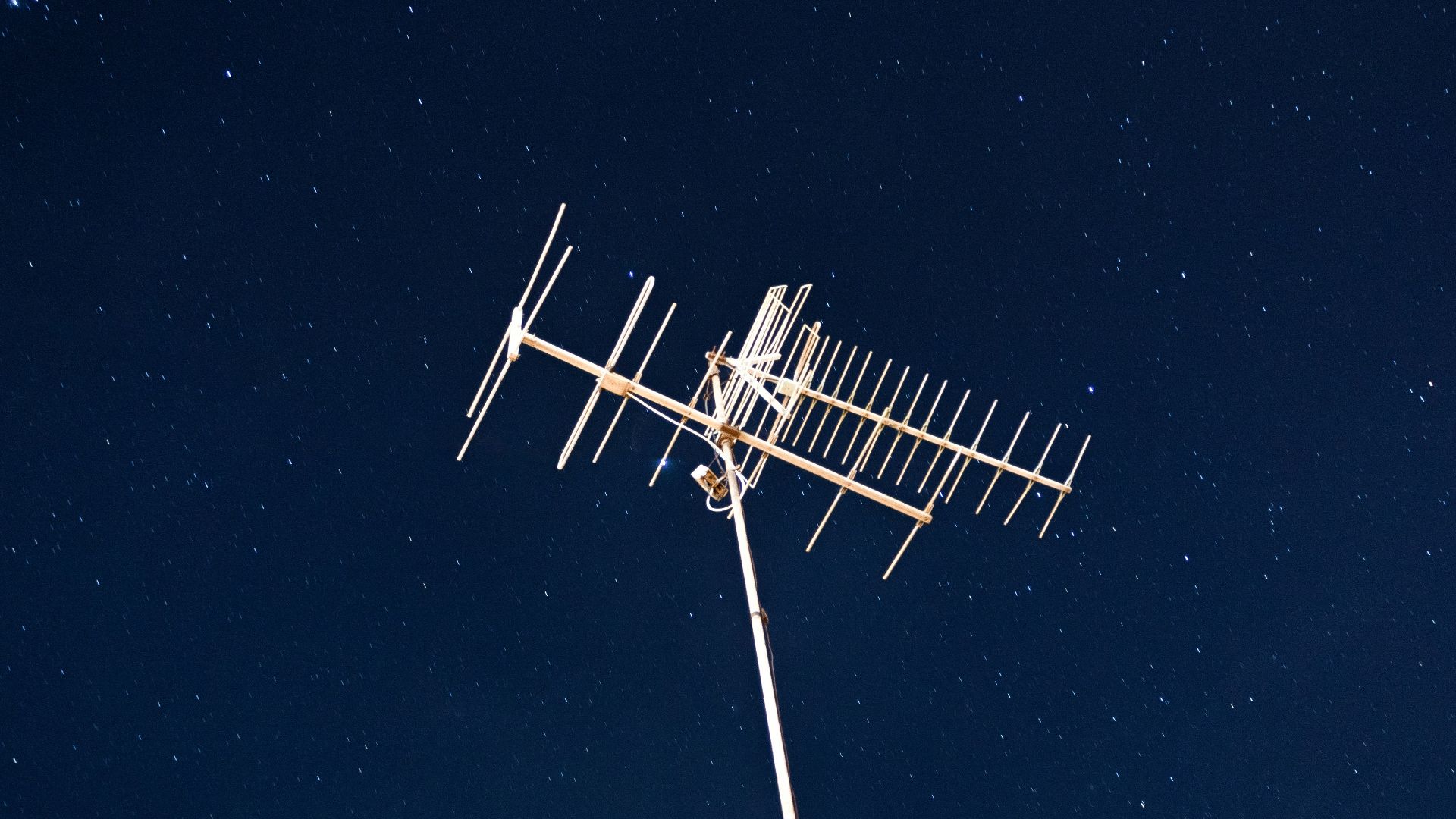
Satellite internet providers are likely to expand their coverage to more rural and remote areas. Faster speeds and reduced latency might improve content streaming and online learning. Costs could start coming down with increased competition.
10. AI Creativity Tools
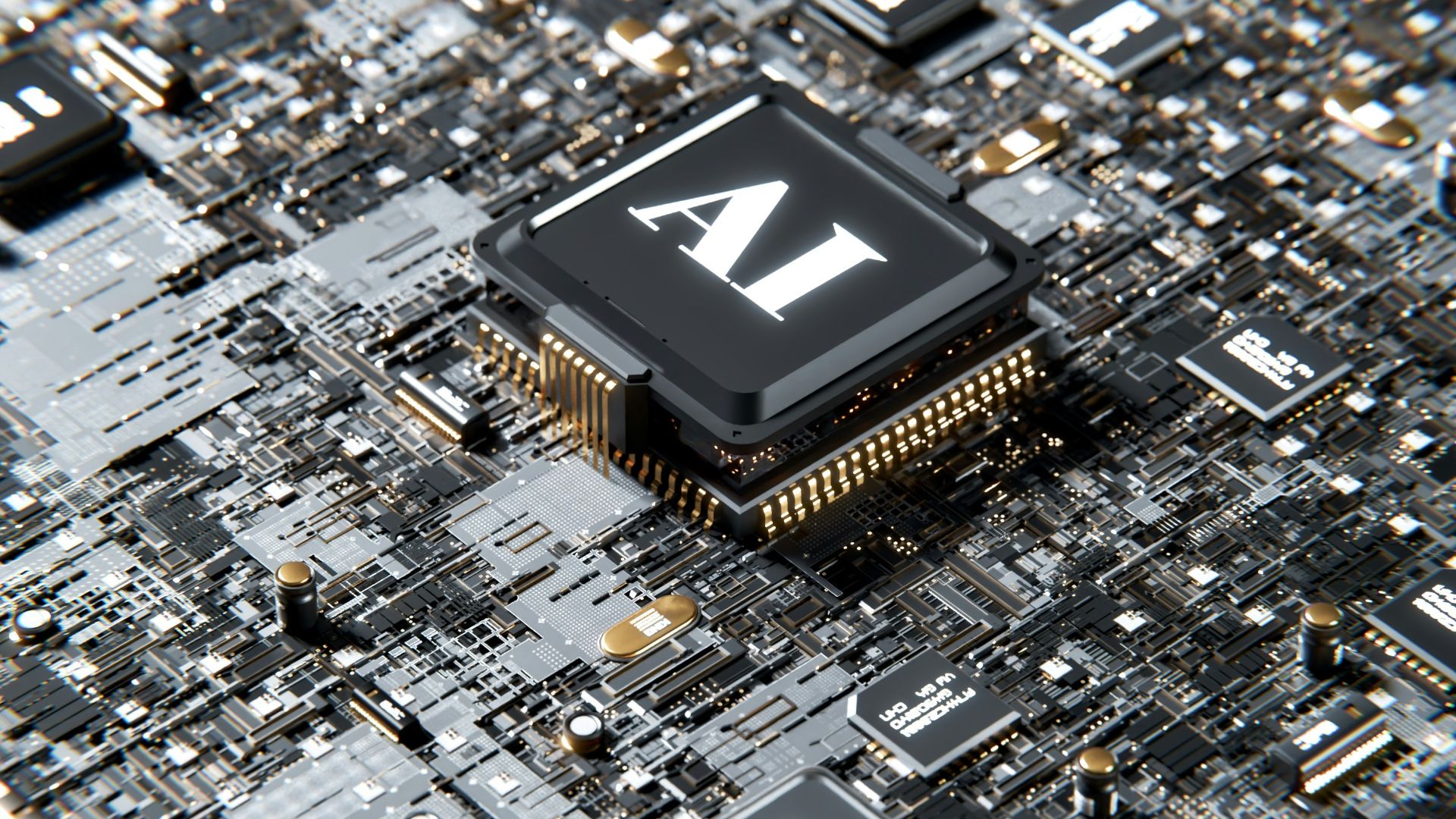
Creative software is expected to start including smarter AI assistance. These tools could support writing, graphic design, music, and video editing. There will likely be a greater focus on collaborative applications.
11. Smart Energy Systems
Smart home energy management systems are likely to integrate solar, battery storage, and grid connection. These products could help users reduce waste and save money on electricity. User interfaces should make energy choices more transparent.

12. Next-Gen Gaming
Gaming consoles are expected to come with improved hardware for faster load times and richer visuals. Cloud-based integration may become more robust and reliable. They should still have a family-friendly control set.
13. Privacy Smartphones
With a rise in safety and privacy concerns while surfing the web, smartphones are likely to include more inbuilt privacy controls and tools. These might include more transparent app permissions and processing. There could also be more hardware durability and repairability design updates.

14. Language Translation Earbuds
Translation earbuds will likely become more responsive and accurate. Casual conversation support in a wide range of languages is expected. Offline translation is likely to be useful during travel.

15. AI Education Platforms
Education platforms are expected to use AI to better personalize learning paths. Students could receive more individualized feedback on learning speed and goals. Educators may also have better planning and assessment tools.

16. Smart City Infrastructure Tech
Cities are likely to start introducing smarter traffic control, street lighting, and public safety systems. The aim should be on reducing congestion, saving energy, and improving quality of life. Transparency is needed for public trust.

17. At-Home Medical Diagnostics
Home medical diagnostic tools are expected to become more advanced and reliable. These could help users track specific conditions and results and share them with professionals. Clear instructions and guidance should be provided for responsible use.

18. Sustainable Computing Hardware
Computer hardware will likely use more environmentally friendly materials. Products could be designed for easier recycling and repair. Longer support and software update cycles could also help reduce e-waste.

19. Brain-Computer Devices
Experimental brain-computer interface devices might reach a select group of users or researchers. These products should have more focus on medical support and accessibility. Ethical boundaries are expected and necessary when it comes to something as delicate and potentially dangerous.

20. Digital Identity Management Tools
Digital identity management tools are likely to start being offered as a way to unify logins and verification. These products could help reduce password fatigue and improve security. User control and consent should be core to these products, as the main goal of their existence is to provide better security and safety for personal information.