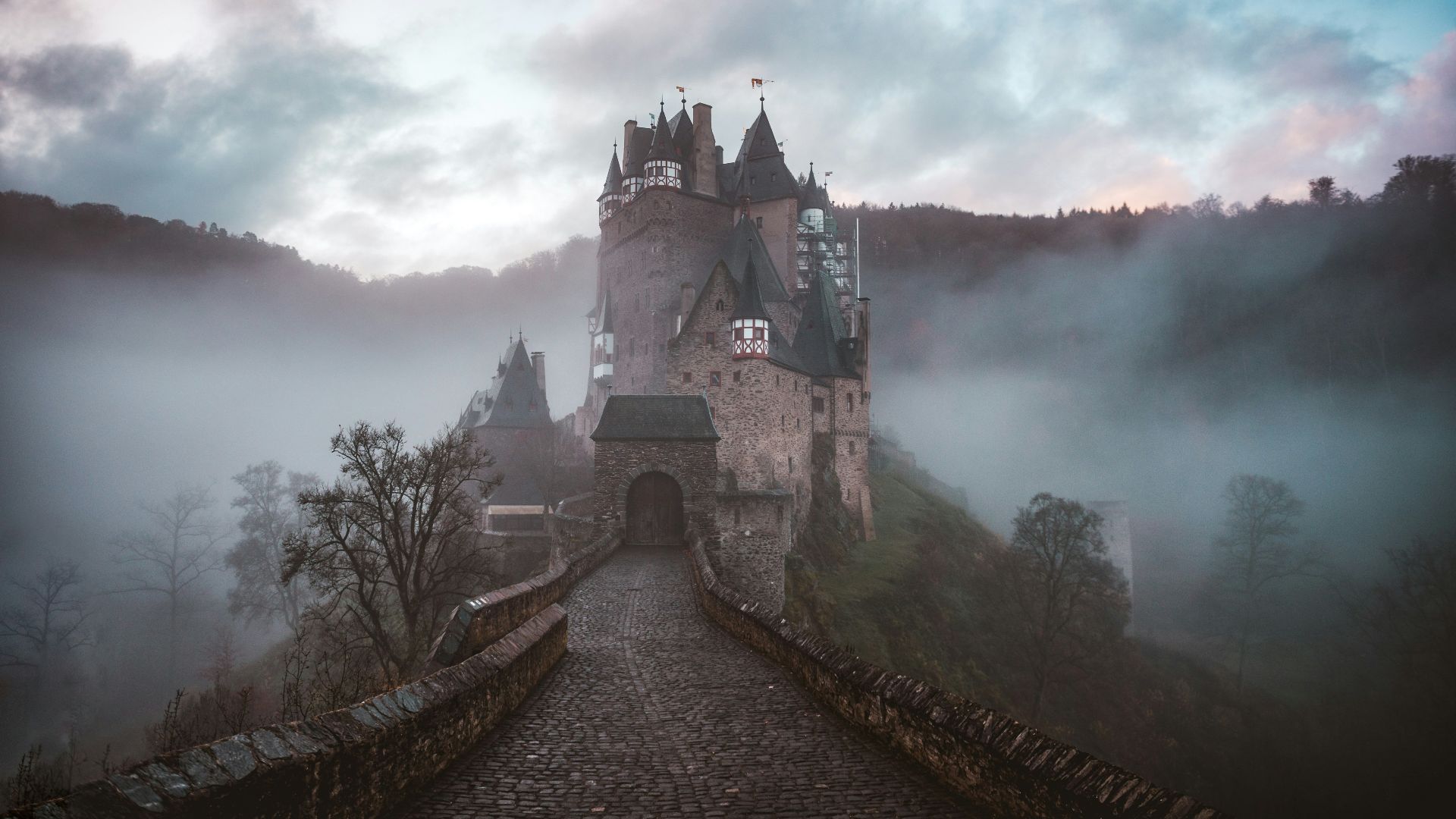

20 Tips And Tricks You Can Use To Build Your Own Fantasy World
Being Smart With Your Creativity
Every great fantasy world starts the same way: with one spark of an idea that refuses to let go. From there, it grows through solid rules, textured details, and choices that players can actually feel in their bones. Building a fantasy world is one of the most exciting parts of making a game, running a tabletop campaign, or crafting an interactive story. However, it can also spiral out of control. One minute you're naming a village, the next you're drawing coastlines and inventing five hundred years of royal drama nobody asked for. Here's the good news: you don't need to nail down every detail before anyone sits down to play. A world just needs to feel connected, clear, and believable enough that people want to keep exploring it. These 20 tips will help you build something that feels alive, playable, and ready to grow alongside your story.

1. Start With One Idea
Resist the urge to fill pages with backstory before you've locked in a singular concept. A simple, vivid idea also makes your world far easier to pitch to players, collaborators, or anyone helping bring it to life.

2. Decide How You Want Players To Feel
Before you design a dungeon, think about the emotional experience you're chasing. A cozy crafting game calls for a totally different pace, tone, and visual language than a bleak survival RPG, even if both happen to feature monsters and magic.

3. Build The First Area Before The World
Focus on one town, a looming threat nearby, a handful of useful locations, and a few factions with competing goals. That's often plenty to support early gameplay while the rest of the world takes shape behind the scenes.
4. Pick A Few Main Ideas To Guide You
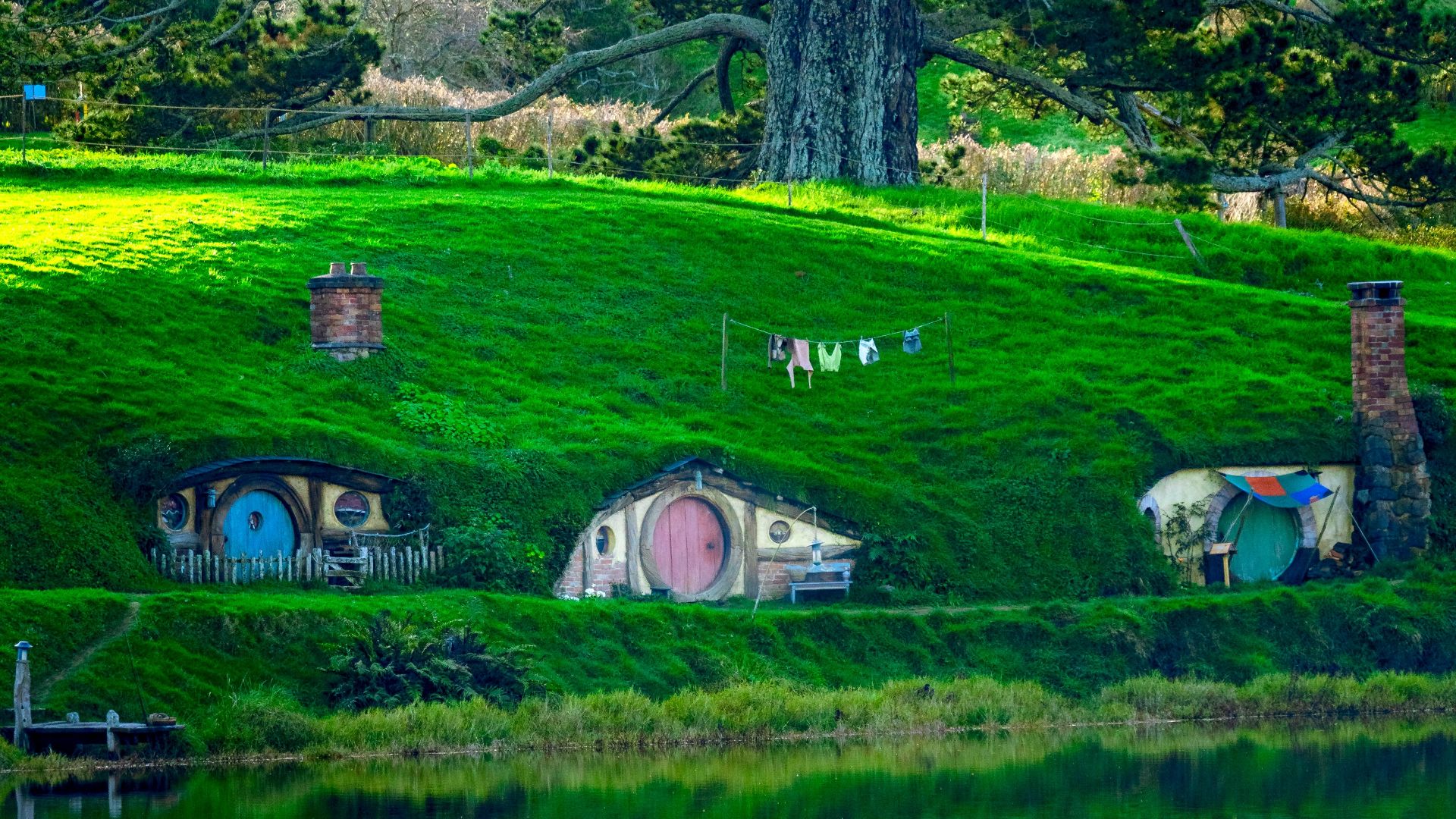
Choose a small set of recurring concepts. These throughlines help writers, artists, and designers make consistent decisions about what belongs and what doesn't. They also keep your setting from turning into a grab bag of cool ideas that never quite connect.

5. Keep The Rules Consistent
Fantasy doesn't need to obey real-world physics, but it absolutely needs to obey its own physics. Once players understand how magic, travel, communication, and death actually work in your world, they can start making clever decisions instead of waiting around for the rules to shift under them.

6. Give Magic Limits
Power is far more interesting when it comes with a price tag. A spell might demand rare ingredients, steal a memory, summon something dangerous, or only function in specific places.

7. Show How Magic Affects Daily Life
If magic can heal wounds, ship goods, forecast storms, or send messages across a continent, ordinary people will build their entire lives around it. That ripple effect touches medicine, trade, law, religion, education, warfare, and even the most mundane household chores.

8. Let The Land Shape The Settlements
Geography decides where people settle and how they get around. Rivers become trade highways, mountain passes turn into strategic chokepoints, and brutal climates reshape how people build shelter, grow food, and travel from place to place.
9. Make Maps Useful For Players
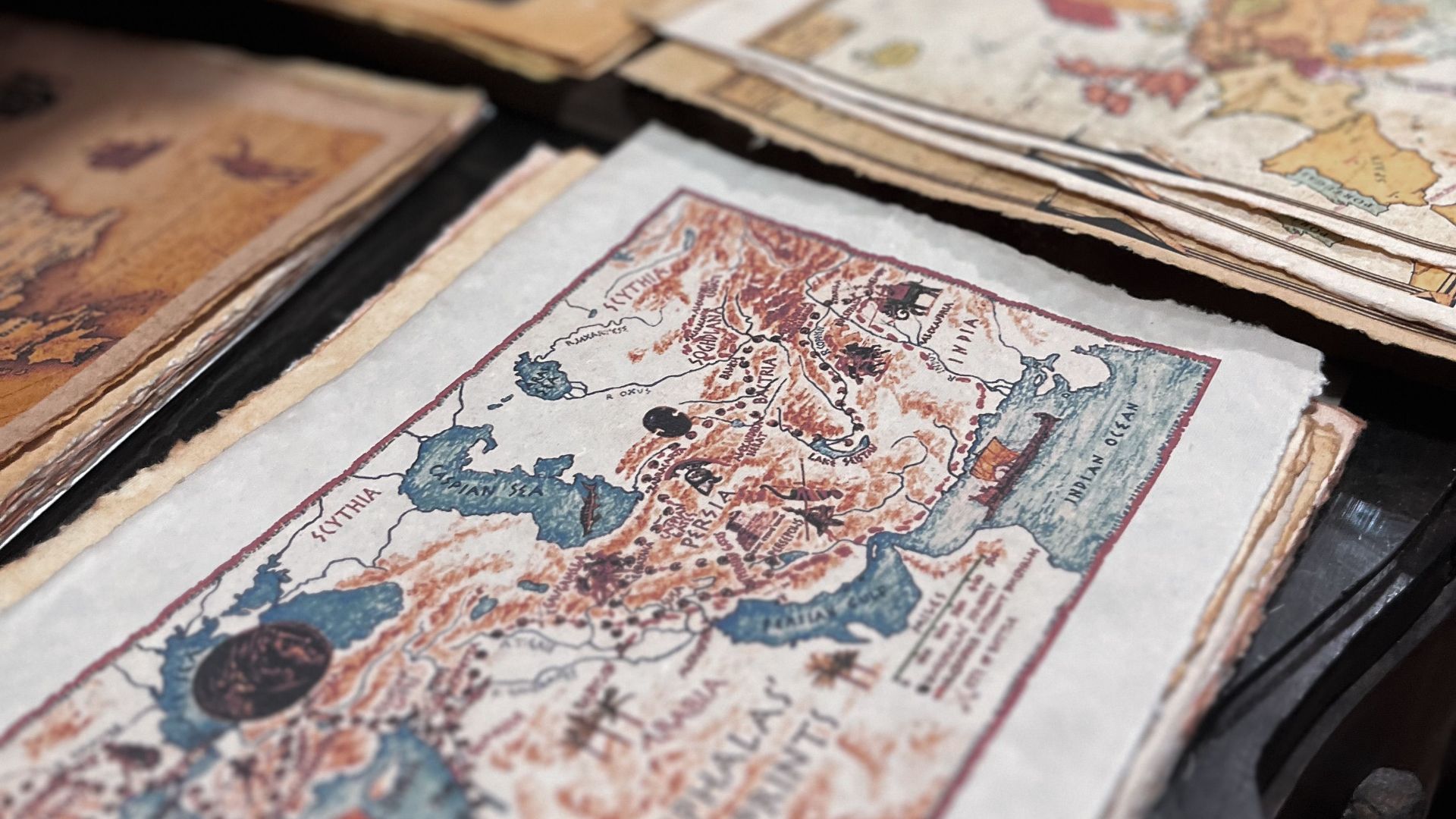
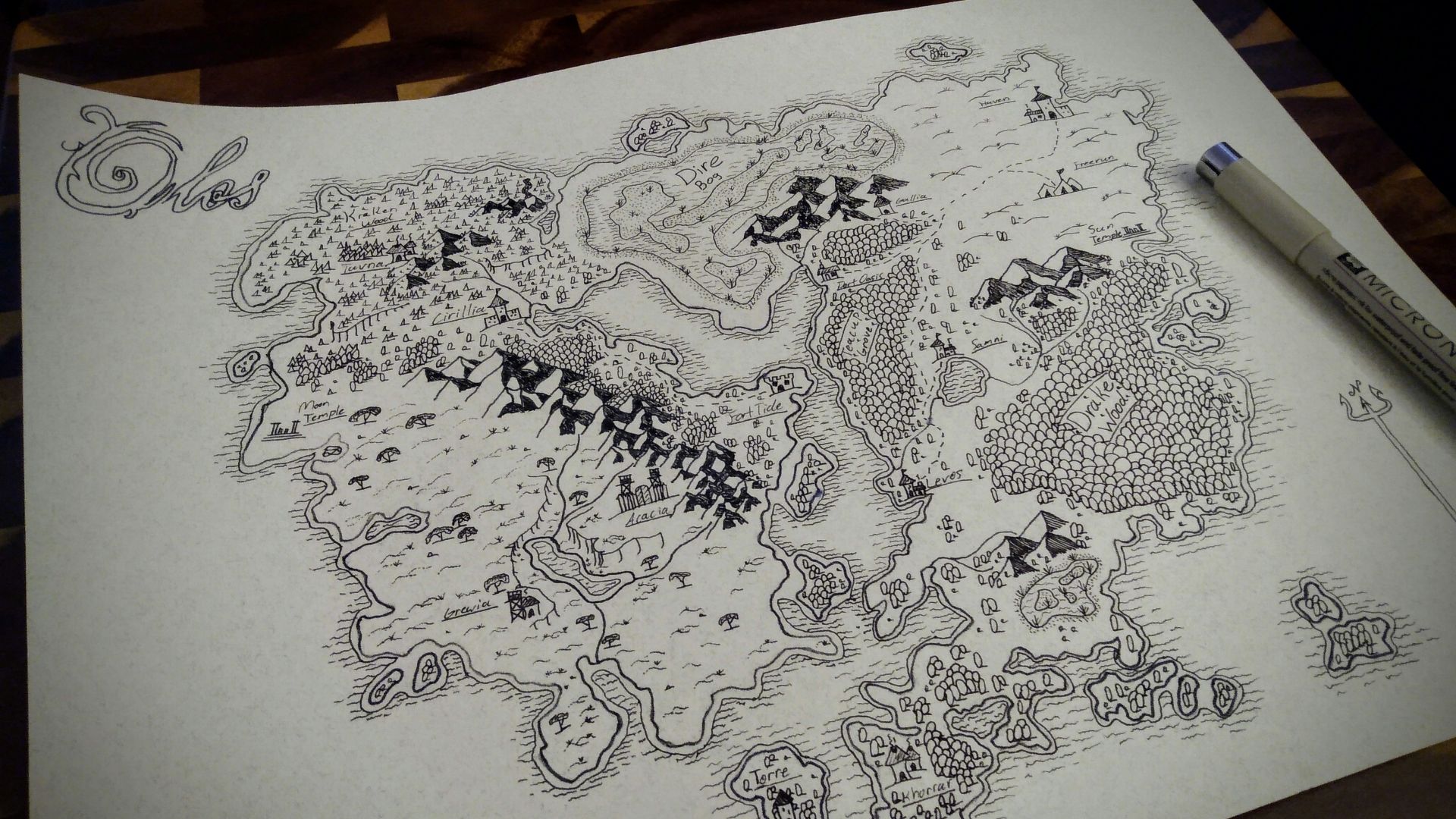
A good map does more than look pretty; it tells players where they are, where they can go, and where trouble might be lurking. In an open world, strong landmarks can guide people naturally, without cluttering the screen with markers. Roads, borders, shortcuts, and a few mysterious blank spots all make a map feel worth studying.
10. Build Cultures Beyond Clothes And Food
Clothing, cuisine, and architecture are a fine starting point, but they're only the surface. Dig into family structure, work life, class divisions, education, faith, entertainment, law, and how strangers get treated when they show up in town.

11. Let People Disagree
Nobody from the same culture thinks exactly alike. A farmer, a merchant, a soldier, a priest, and a restless teenager might all follow the same traditions while arguing endlessly about what those traditions actually mean.

12. Avoid One-Note Groups
A society defined entirely by a single trait, whether that's greed, honor, cruelty, or secrecy, tends to feel flat fast. Give your factions different regions, professions, class divides, political opinions, and members who follow, question, or outright reject the local customs.
13. Give History A Lasting Effect
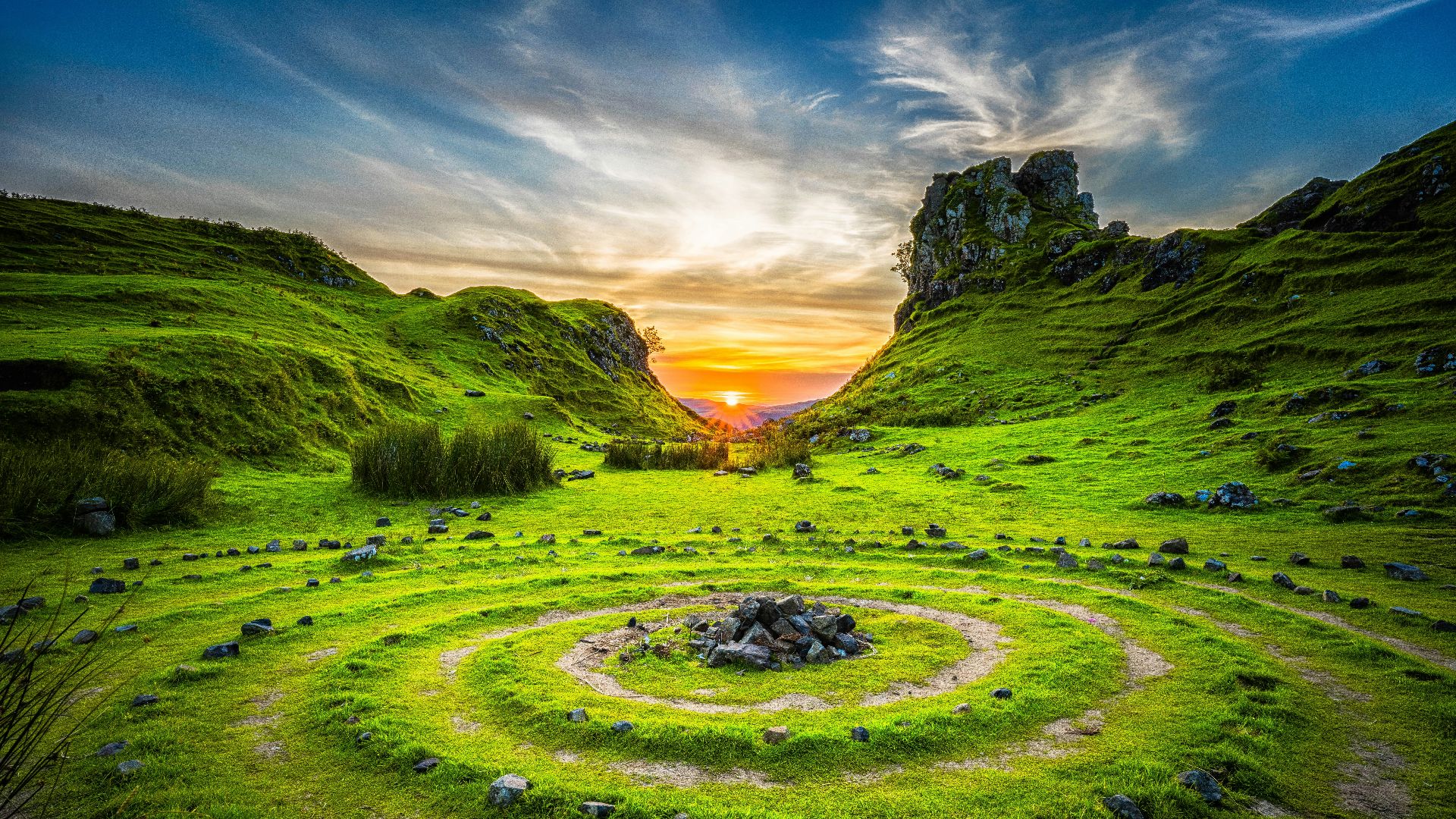
The best history isn't just backstory; it's still shaping the present. An old war might explain a modern border dispute, a failed magical experiment could leave behind a ruin nobody dares enter, and a long-ago royal marriage might have created two rival claims to the same throne.

14. Let Groups Remember The Past Differently
Communities rarely agree on how to remember wars, revolutions, migrations, or religious splits. One nation might call an event a glorious victory while its neighbor remembers it as a brutal occupation. That disagreement gives players more than one version of the truth to uncover.

15. Give Factions Clear Goals
A faction that just wants "power" is hard to write in a way that feels grounded. Give them something specific: control of a port, protection from monsters, legal recognition for an heir, access to a rare resource, or the repeal of one deeply unpopular law.

16. Connect The Lore To The Gameplay
Players understand a world best when its rules actually shape what they do. A frozen wasteland should force real choices about travel and gear. At the same time, a forest ruled by spirits might reward careful offerings and quiet diplomacy over swinging a sword at everything that moves.
17. Use The Environment To Tell Stories
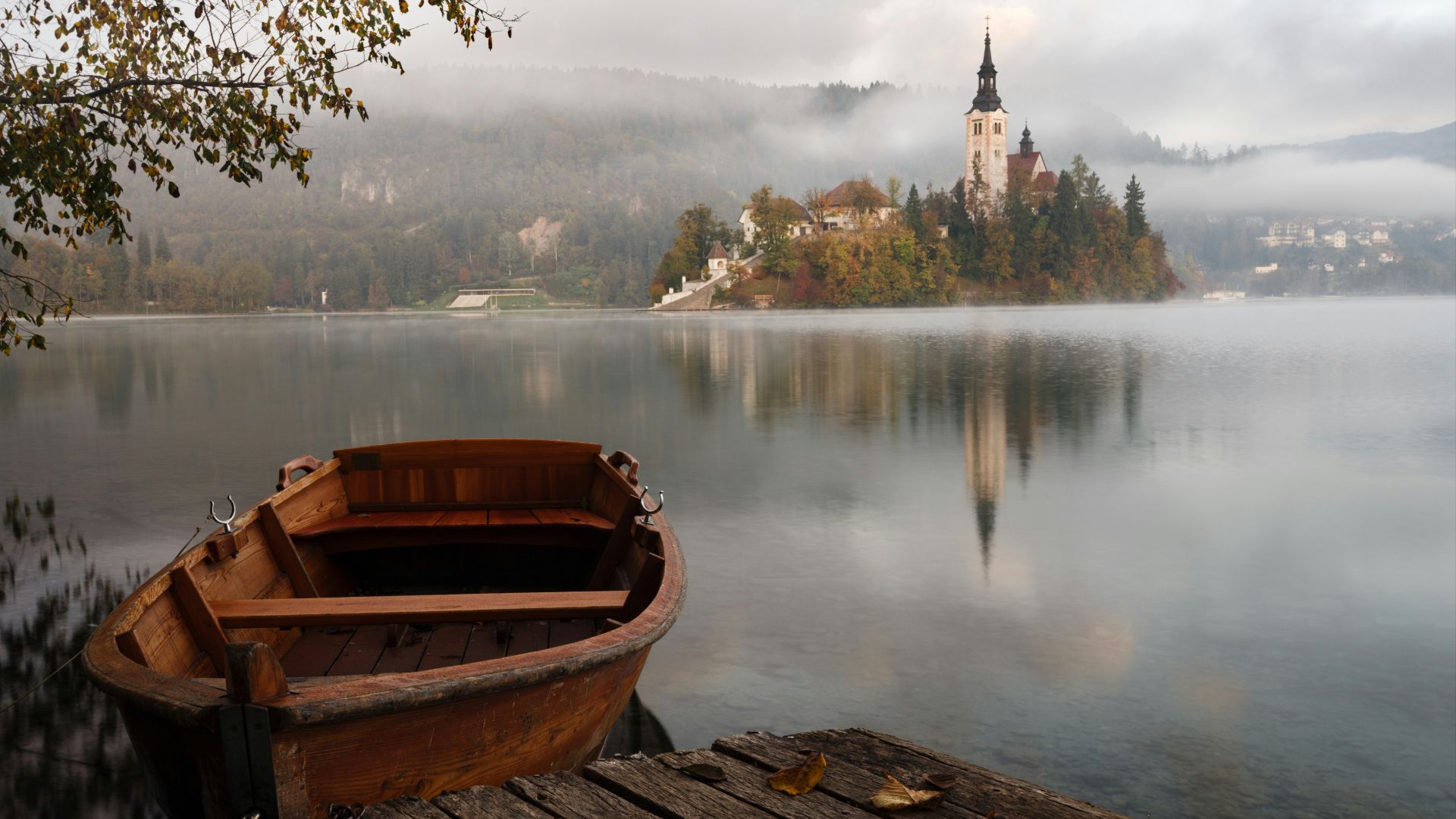
A locked-up house, a half-packed wagon abandoned mid-journey, or fresh flowers left at a forgotten shrine can say more than a page of dialogue ever could. Let players piece together what happened instead of spelling it out for them.

18. Show Everyday Life
Markets, kitchens, farms, schoolrooms, workshops, and busy transport hubs reveal what people do when they aren't fighting wars or fulfilling prophecies. These small, human details also raise the stakes of the big threats, because players can see exactly what stands to be lost.
19. Create Simple Rules For Names
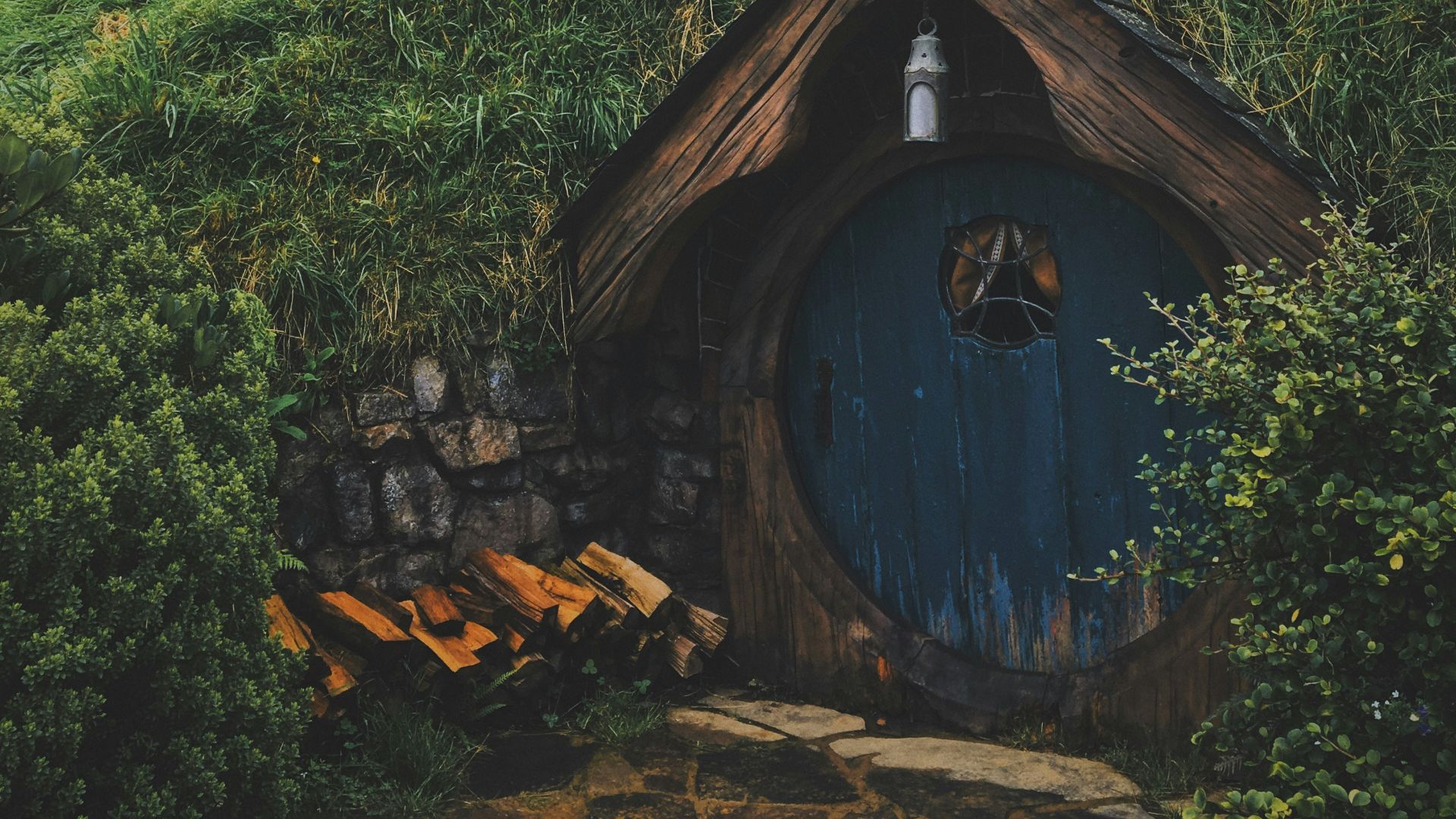
You don't need to invent a fully functioning language to make your names feel like they belong together. Repeated sounds, shared titles, family naming patterns, consistent place-name endings, and a handful of recurring word roots go a long way toward making each region feel distinct and recognizable.
 Cosmic Timetraveler on Unsplash
20. Let The World Respond
Choices matter most when the world actually reacts to them. A town you saved might slowly rebuild. A faction you crushed could splinter into something new. A companion might treat you differently after watching you make a hard call, even if the main plot rolls on regardless.