The Big Debate
Choosing between a tablet and a laptop usually comes down to what you need most: portability and simplicity, or power and flexibility. If your routine revolves around reading, watching, messaging, and light creation, tablets have evolved into genuinely capable (and often more affordable) everyday devices. Laptops, on the other hand, still dominate when your work demands precision, multitasking, and serious software support. Rather than declaring a single winner, it’s more useful to see where each one clearly earns its place. Having trouble deciding? Here are 10 ways tablets are better than laptops, and 10 reasons laptops are far superior.
1. Tablets Win on Grab-and-Go Convenience
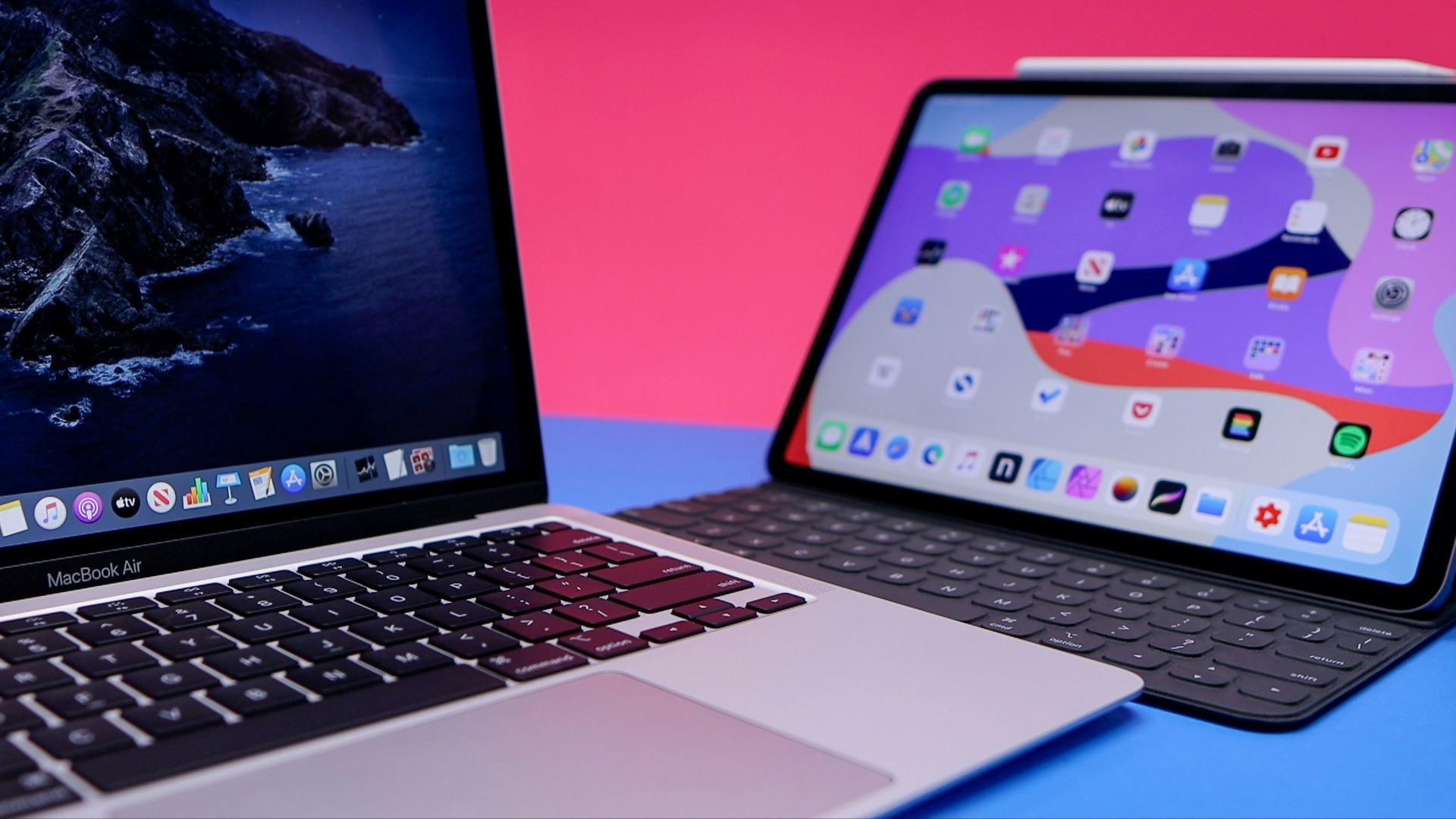
A tablet is easier to pick up and use instantly, which matters when you’ve got two minutes between tasks. You don’t need to think about boot times, lid angles, or a large setup footprint to get started. That quick access makes them feel more available for everyday moments.
2. Touch Input Feels Faster for Casual Tasks
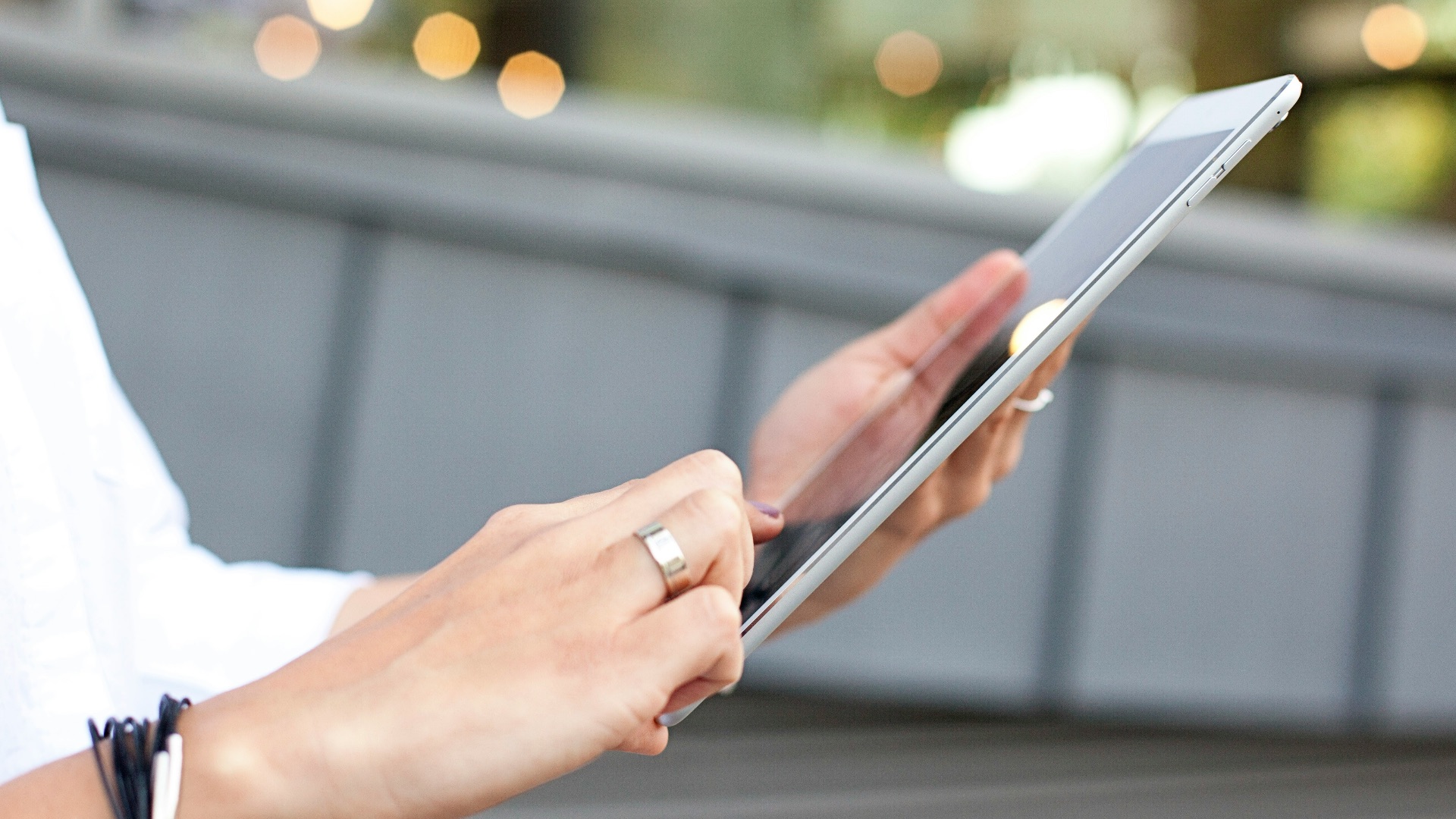
Tapping, swiping, and pinch-zooming often gets you where you want to go with fewer steps. If you’re reading, browsing, checking email, or scrolling through documents, touch can feel more direct. It’s also easier to hand the device to someone else without explaining keyboard shortcuts.
3. They’re Lighter to Hold for Long Periods
Many tablets are comfortable to hold while standing, commuting, or relaxing on a couch. You can keep one in a small bag without feeling like you planned your day around it. That “no big deal” portability can change how often you actually use it.
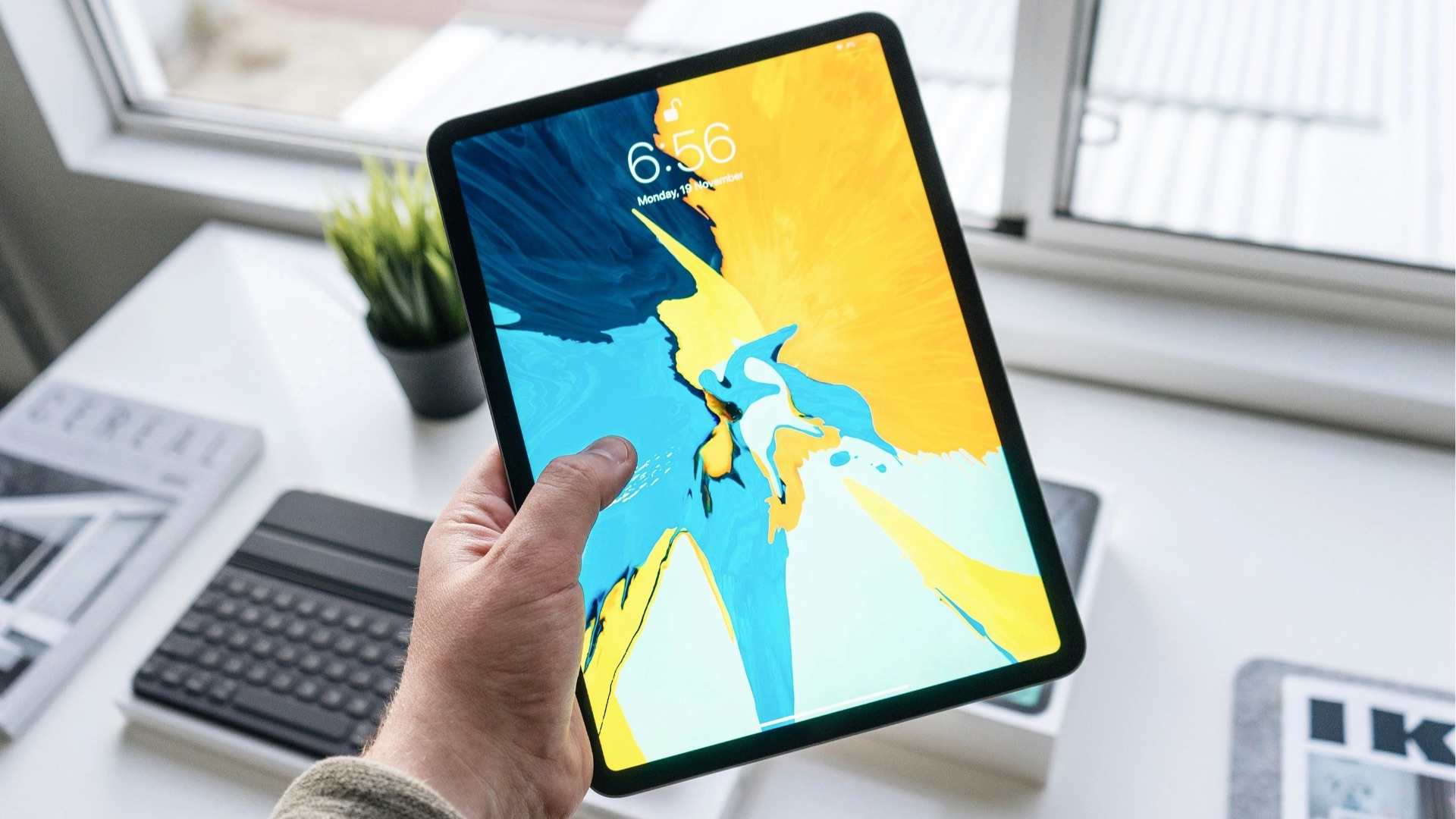
4. Battery Life Is Usually More Predictable
Tablets tend to sip power, especially when you’re doing typical everyday activities like streaming or reading. You can often get through a full day without hunting for an outlet or lowering brightness aggressively. That reliability is calming when you’re traveling or bouncing between places.
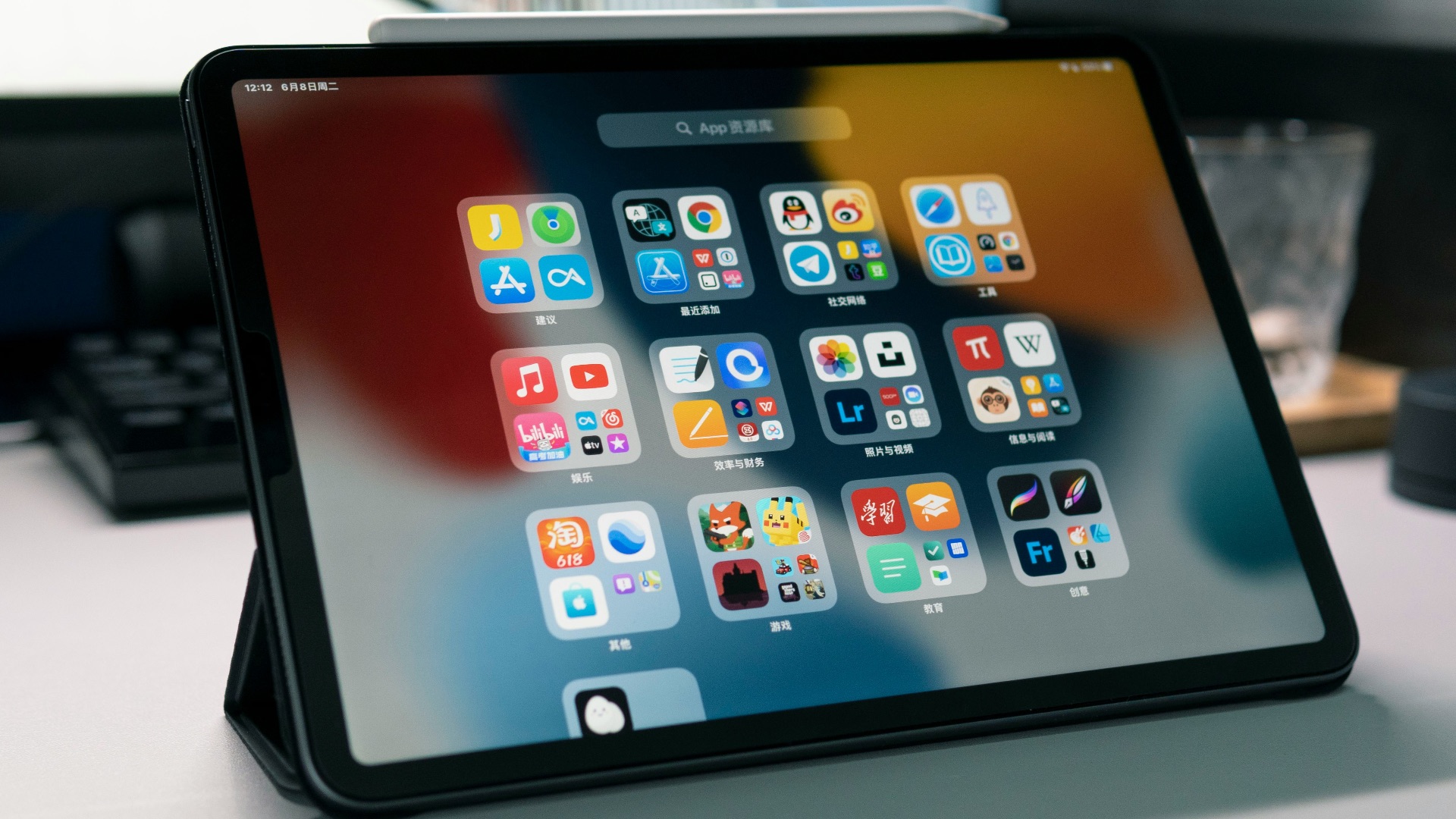
5. Better for Reading, Drawing, and Marking Up Documents
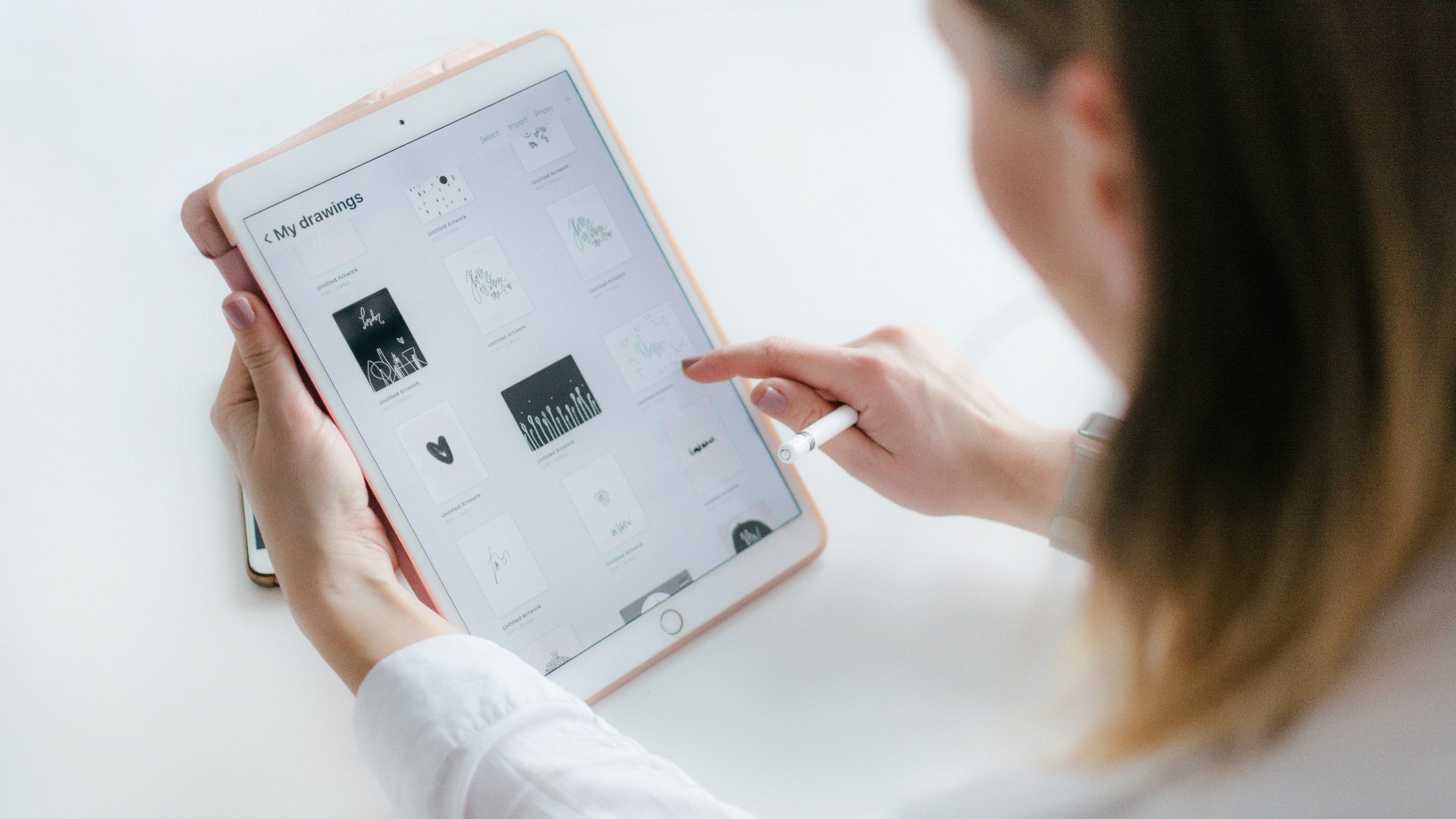
A tablet’s form factor works well for books, PDFs, and long articles because it’s easy to zoom and pan. With the right apps, highlighting and annotating feel natural, especially if you like writing directly on the page. It’s an efficient way to review documents without turning your desk into a workstation. Plus, if you draw regularly, tablets are often the better choice.
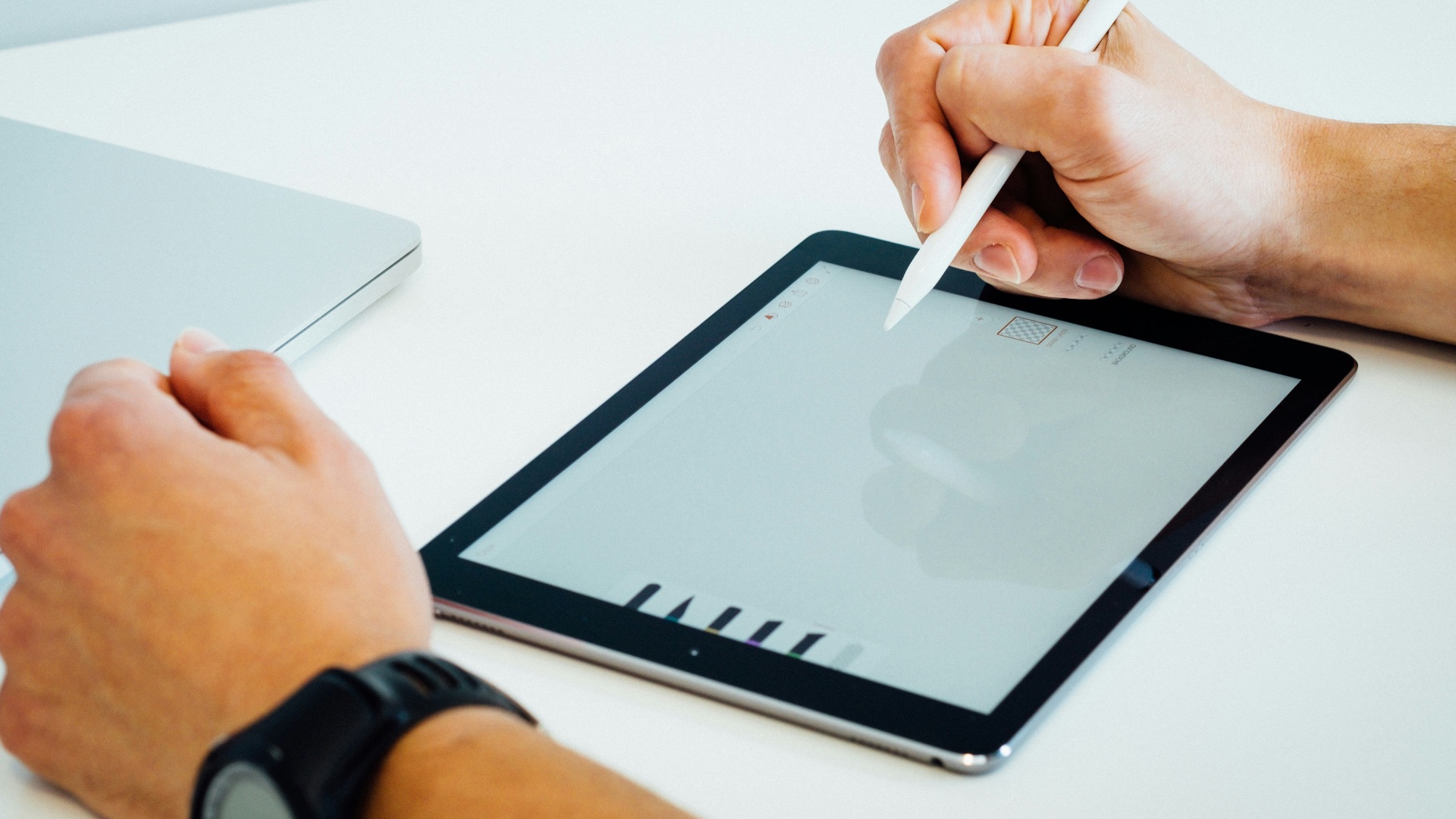
6. Stylus Support Is a Big Deal for Notes
As mentioned, if you like handwritten notes, a tablet can be the most straightforward digital setup you’ll find. You can sketch diagrams, jot quick reminders, and keep everything searchable without scanning paper later. For many people, that’s a more pleasant routine than typing everything out.
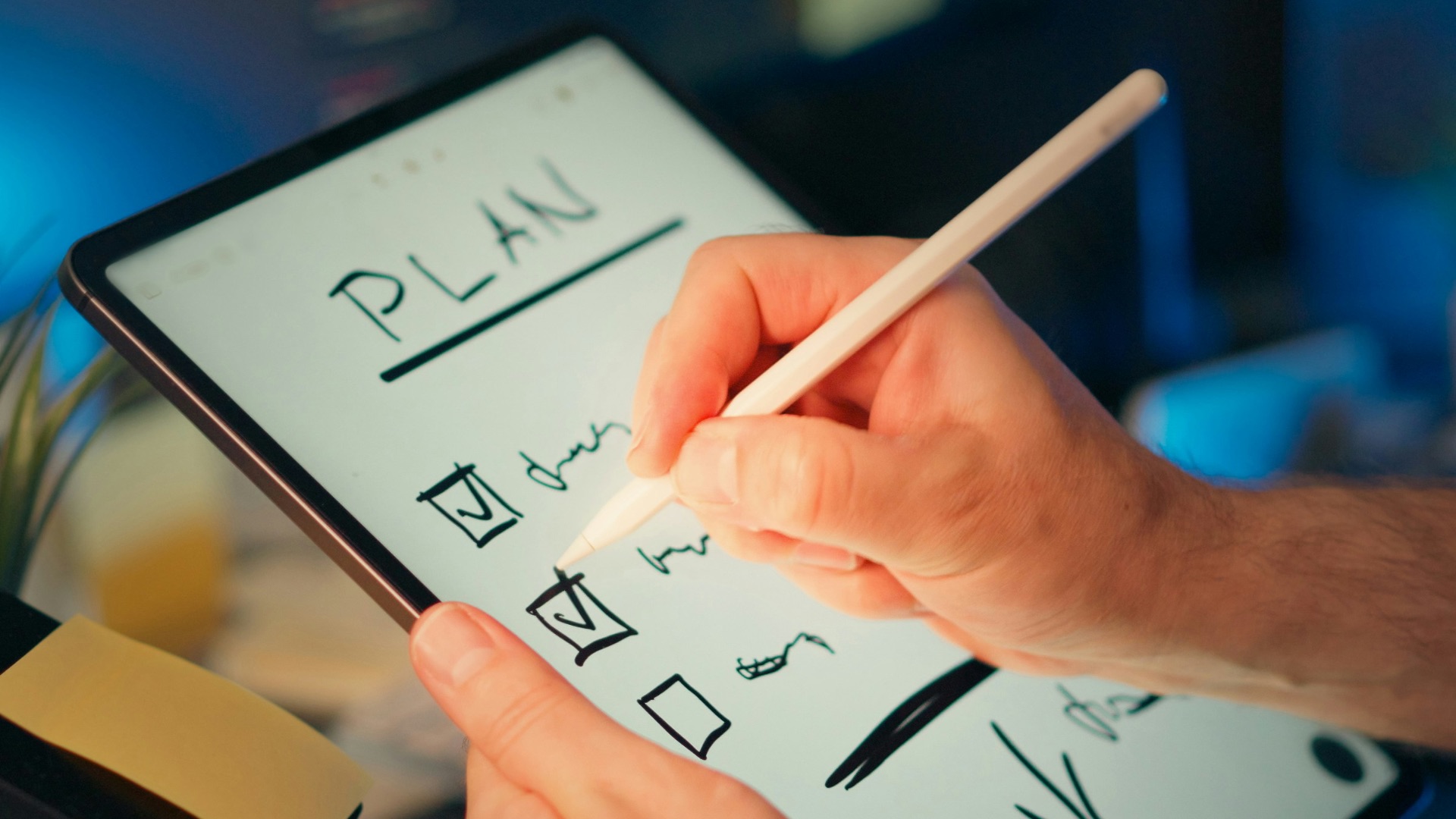
7. It’s Easier to Use in Tight Spaces
A tablet works fine on a train tray, a crowded cafe table, or even your lap when there’s no room to spare. You don’t need the same clearance for a hinge and keyboard as you do with a laptop. That flexibility makes it a friendlier device for life outside a proper desk.

8. App Experiences Can Be More Focused
Many tablet apps are designed to feel clean and single-purpose, which can help you stay on task. When you open a reading app, you’re there to read, not to manage a dozen windows. That kind of intentional design can be great if you’re easily pulled into multitasking.
9. Cameras and Scanning Tools Are More Practical
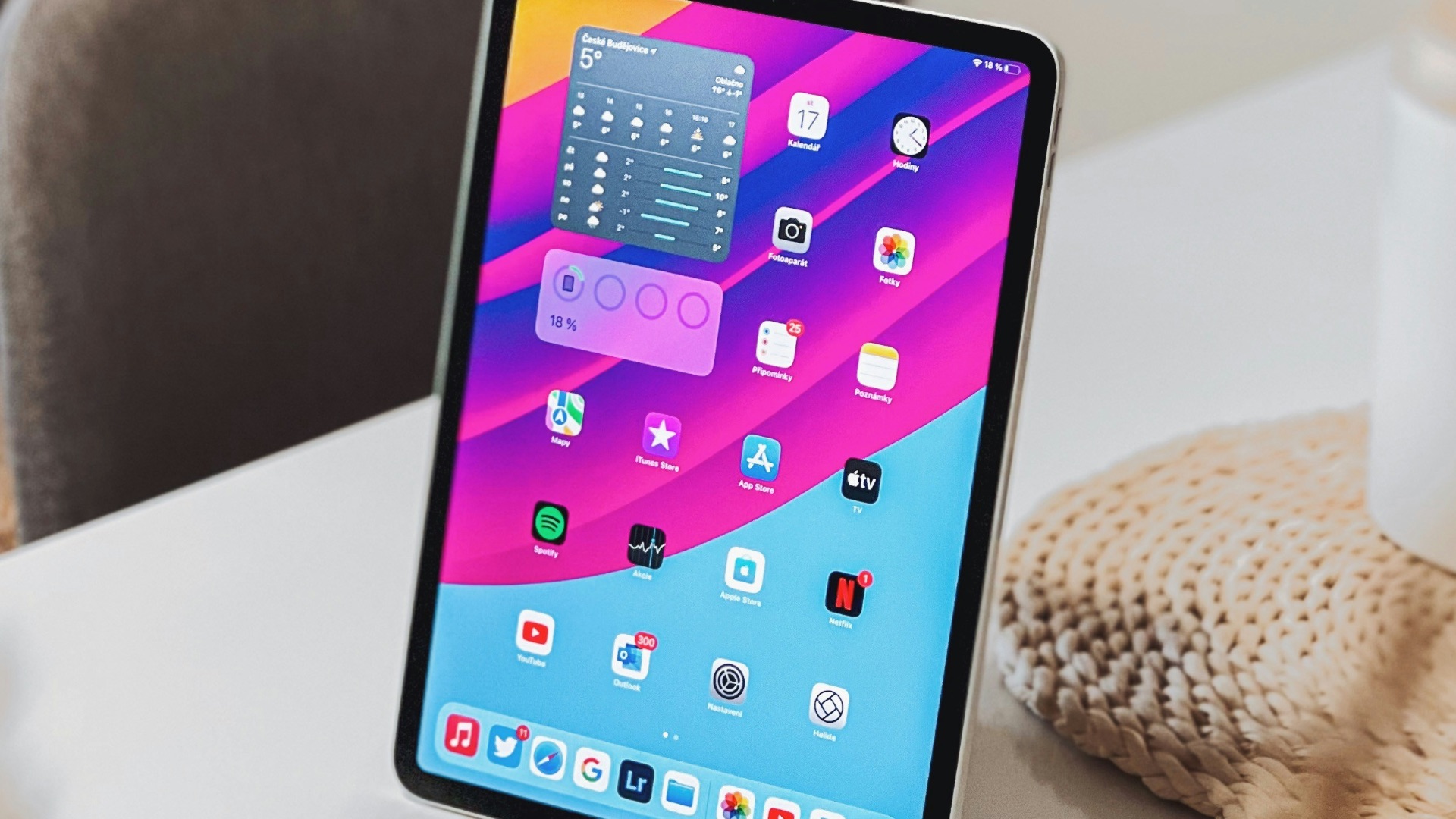
Tablets often do a better job as an “all-in-one” device when you need to take photos, scan a receipt, or capture a whiteboard. You can snap, edit, and share quickly without juggling multiple gadgets. It’s not glamorous, but it’s surprisingly useful.
10. A Tablet Can Be the Cleaner Entertainment Device
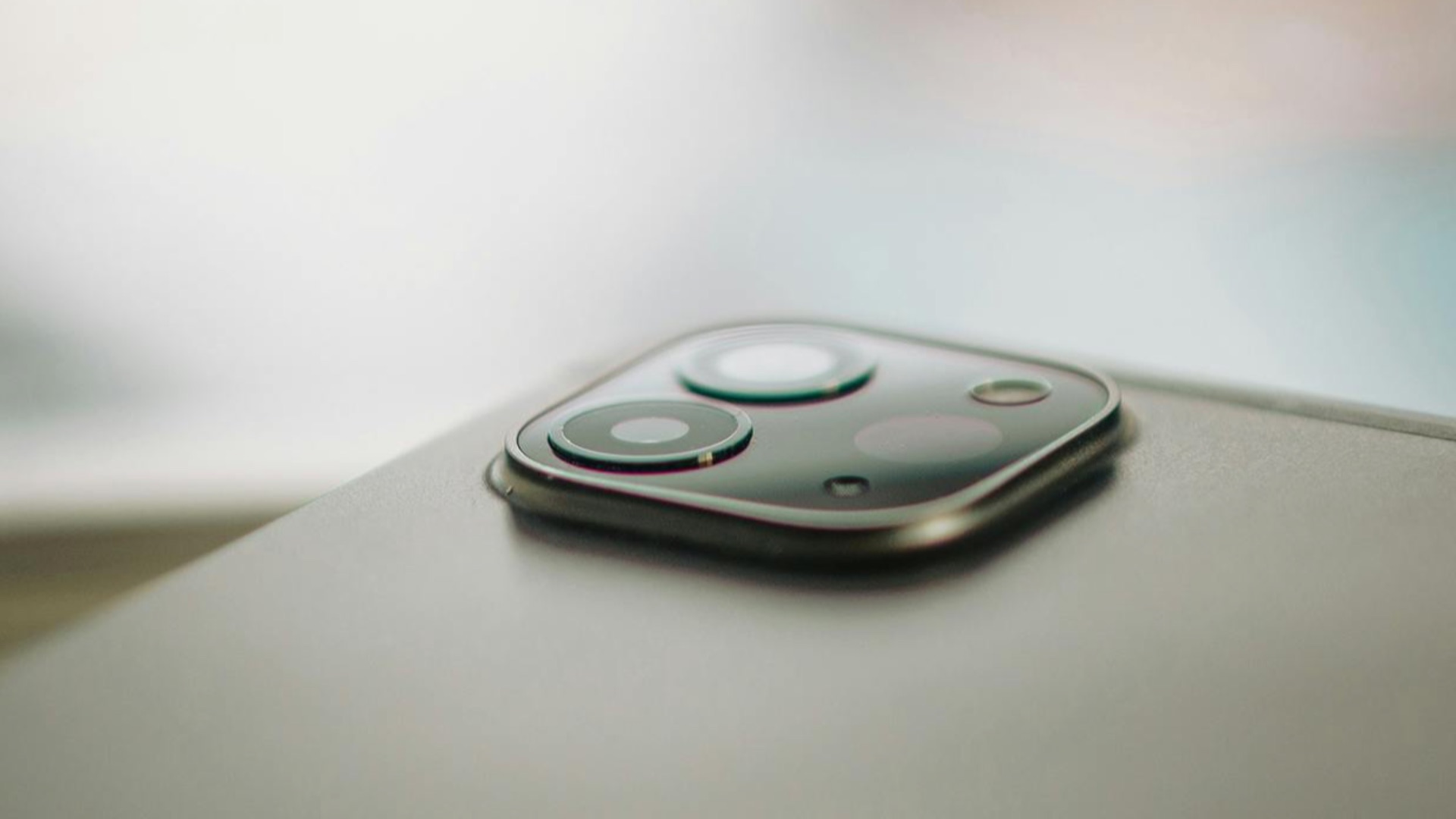
Watching movies, playing casual games, or video calling feels natural on a tablet because the screen is front and center. You can move it around the house easily and set it up anywhere without cables. For downtime, it’s often the simplest option that still feels premium.
Convinced? While tablets are superior to laptops in some ways, laptops also have them beat in others, so don't decide too quickly. Read on for 10 reasons why you might be better off with an actual computer instead.
1. Laptops Offer a Real Keyboard and Trackpad Advantage
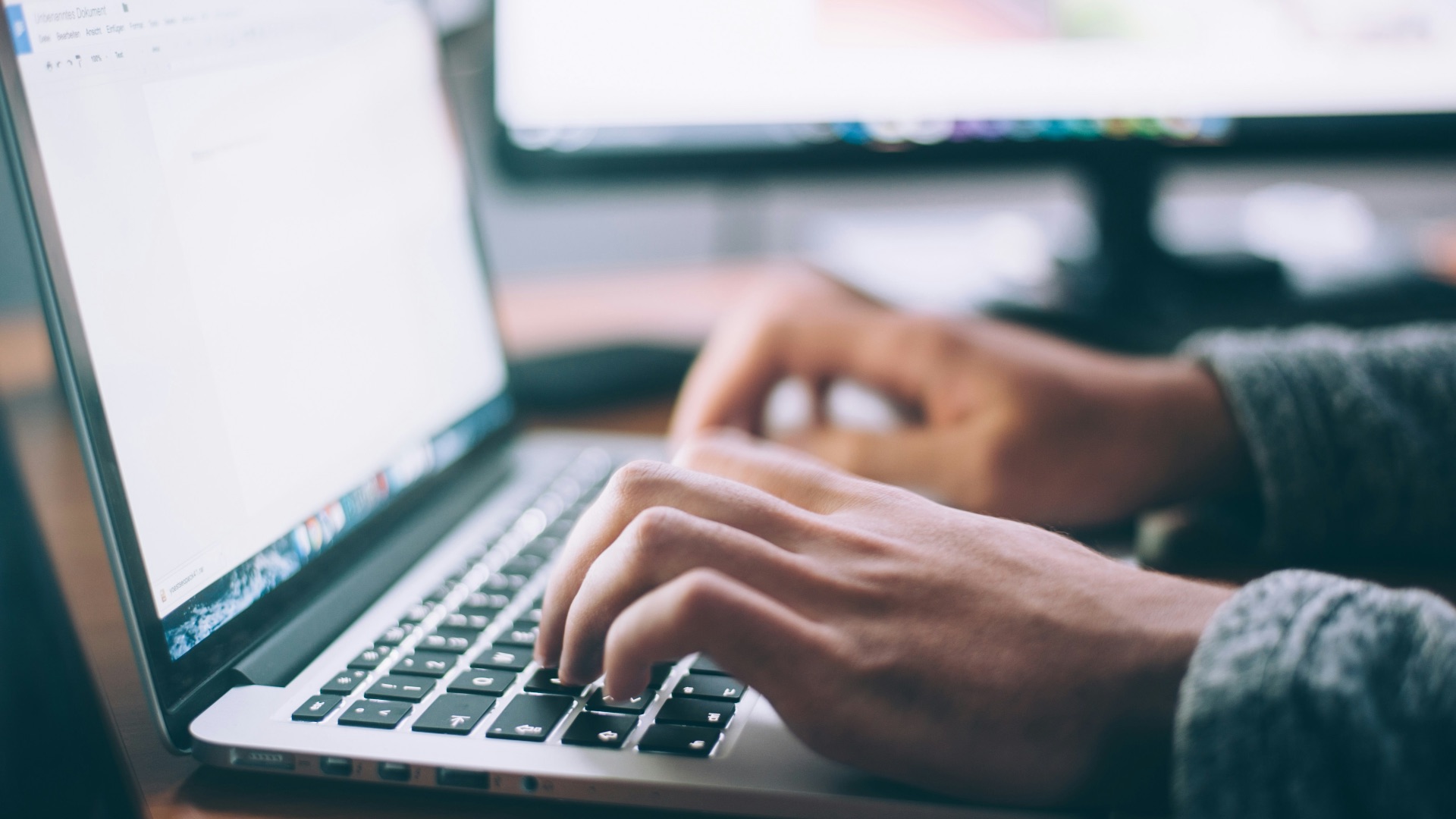
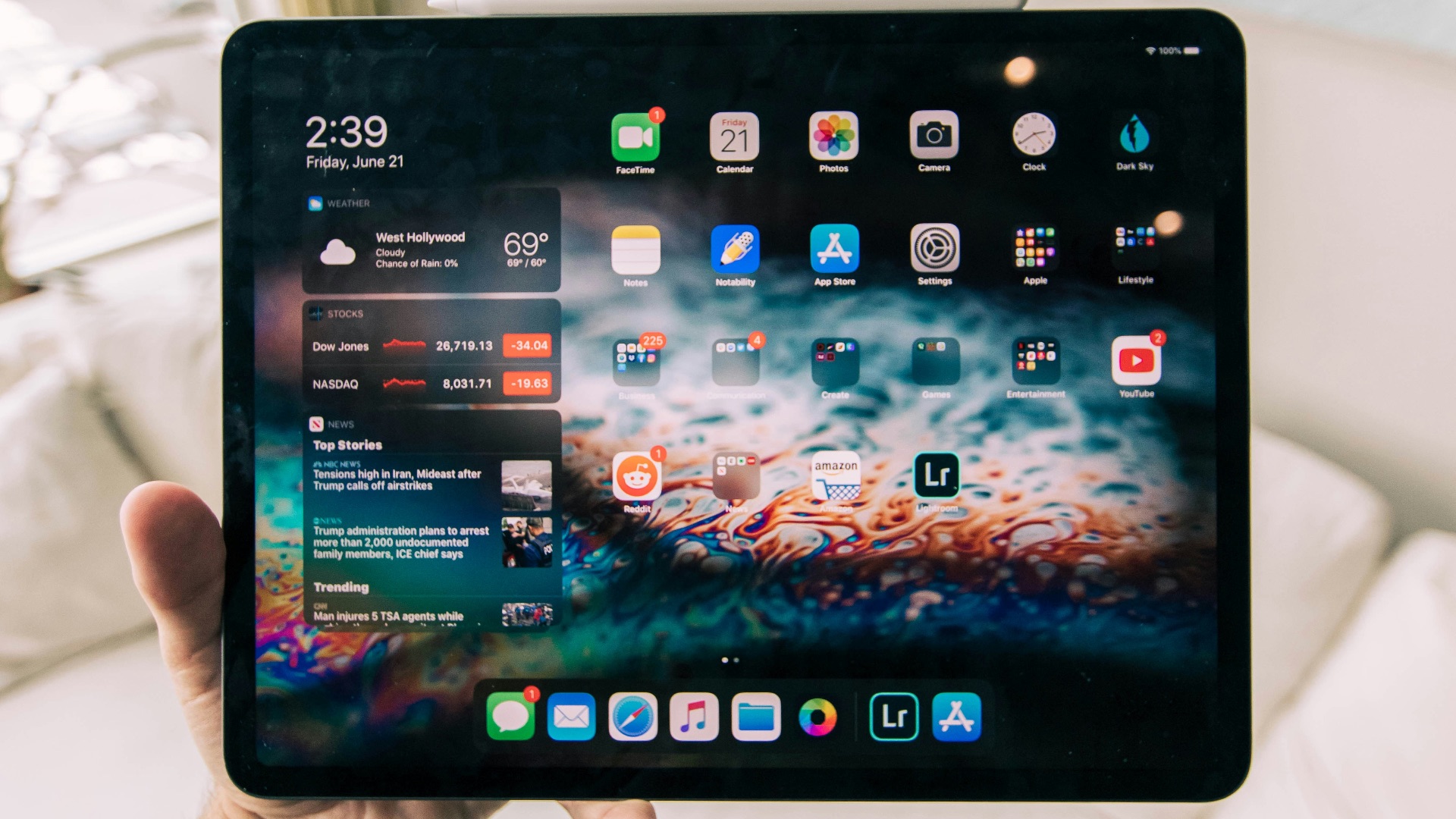
Typing long documents is smoother when you’ve got a full-size keyboard that doesn’t feel like a finicky accessory. A trackpad or mouse also gives you precise control, especially in apps that expect pointer input. If you write or edit regularly, you’ll notice the difference quickly.
2. More Robust Multitasking and Window Management
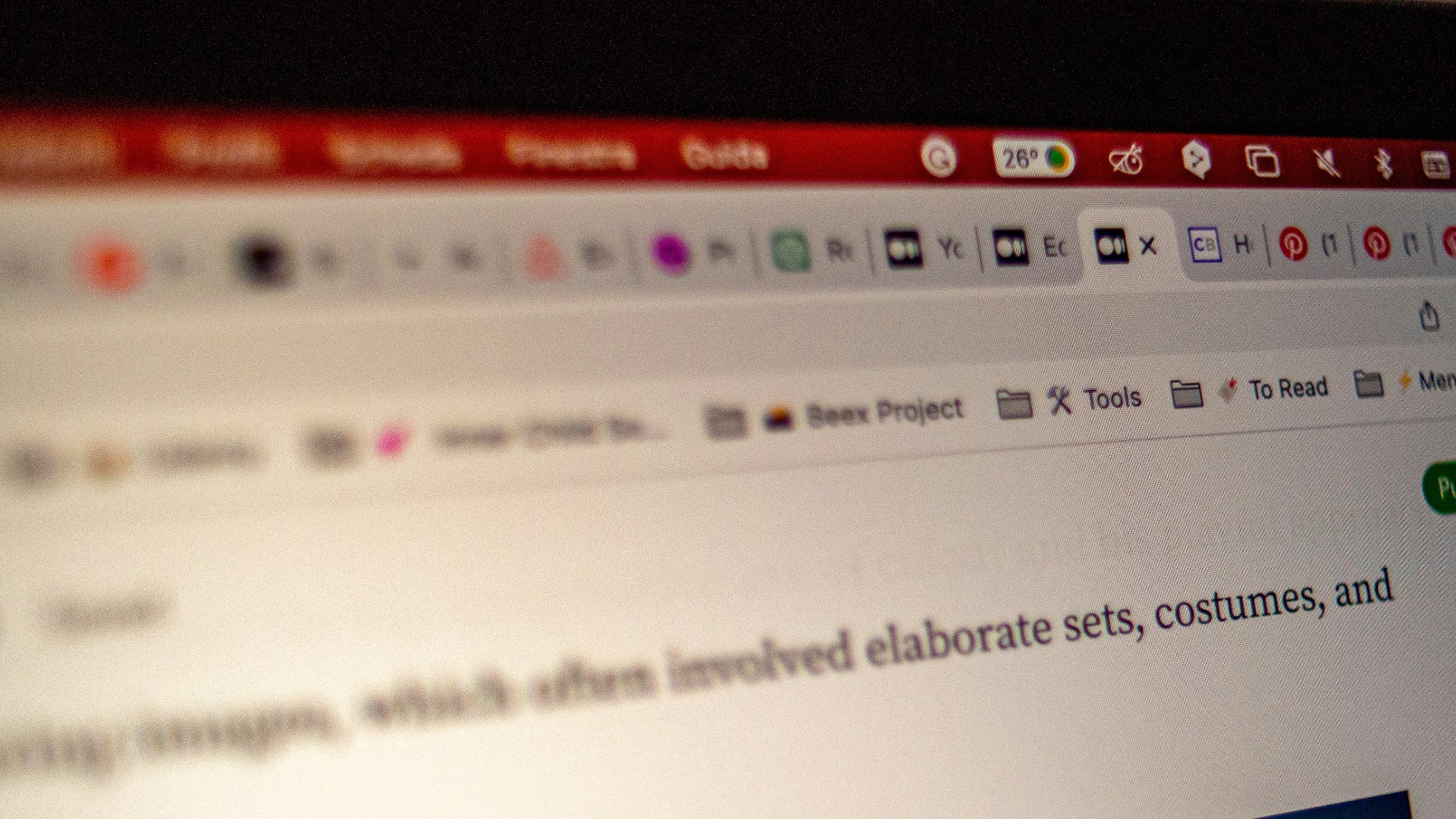
Laptops handle multiple tabs, windows, and complex workflows without making you feel exasperated with the interface. You can keep research on one side, a draft on the other, and a chat open without everything collapsing into a juggling act. That structure matters when you’re working for more than a few minutes at a time.
 Emiliano Vittoriosi on Unsplash
3. Better Support for Professional Software
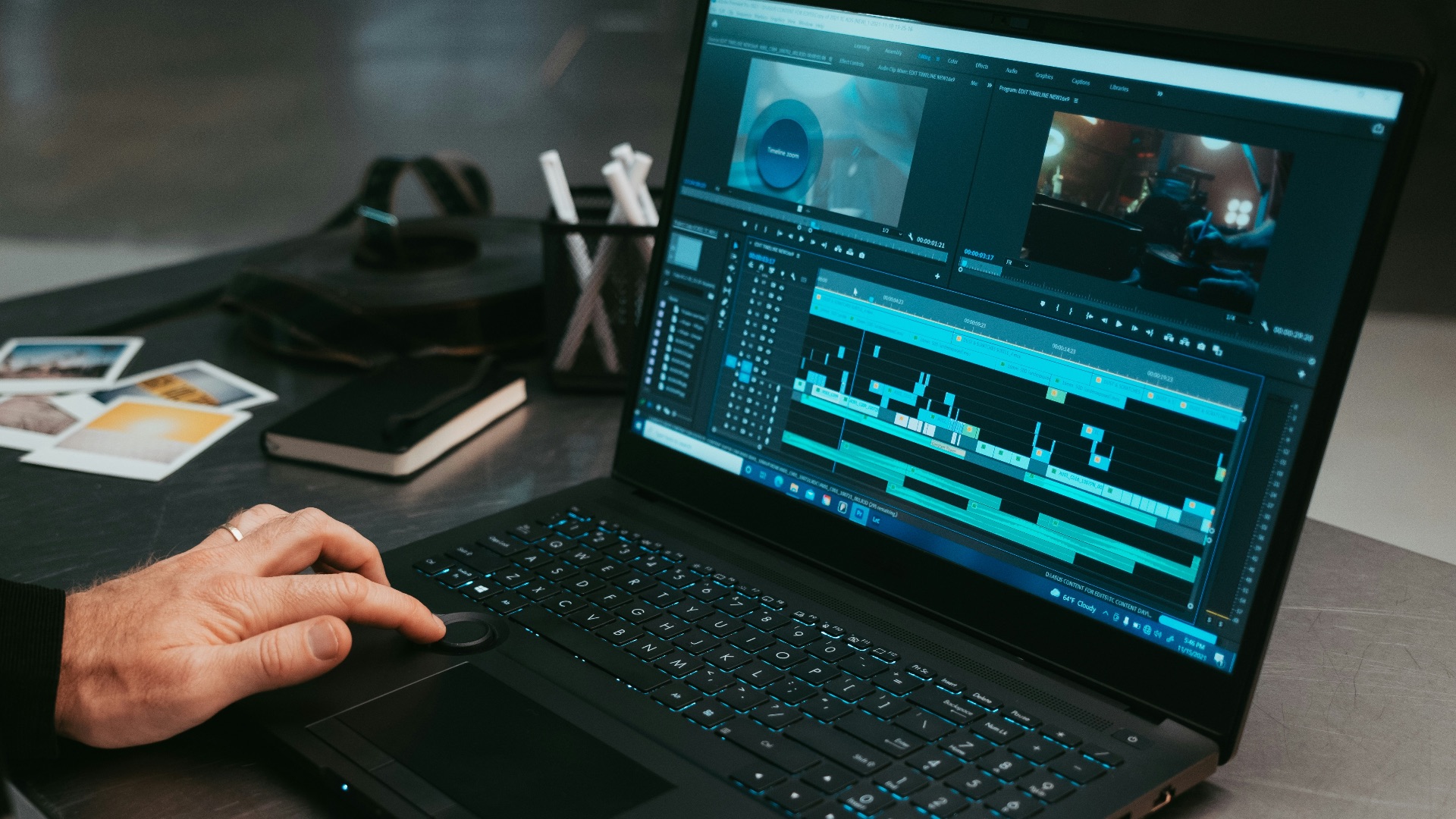
Many specialized tools still work best, or only work, on laptop operating systems. That includes a lot of development environments, advanced design apps, and enterprise tools that assume desktop-class features. If your job depends on specific software, a laptop is usually the safer bet.
4. Ports and Peripherals Are Easier to Deal With
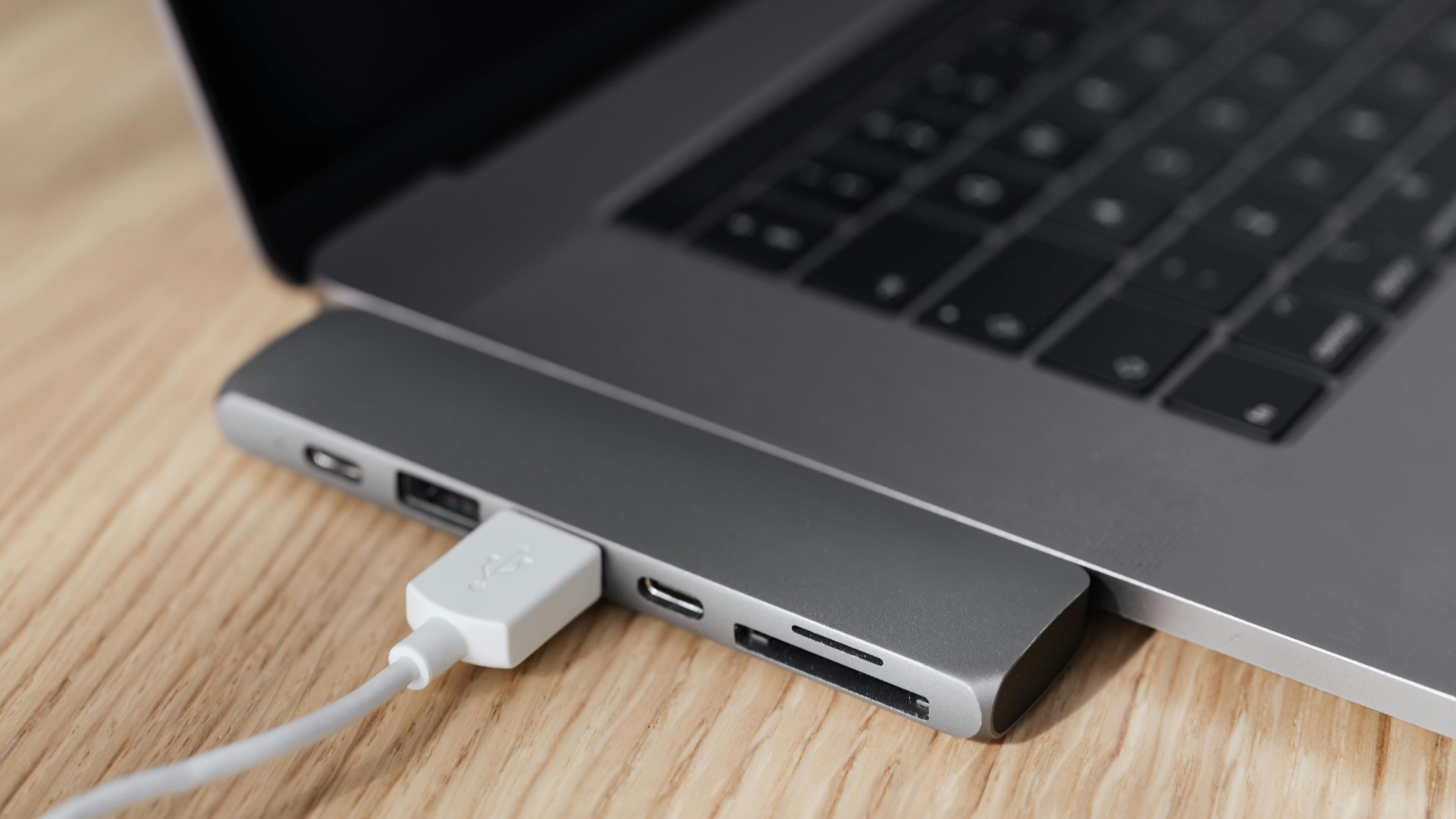
Connecting external monitors, storage drives, audio interfaces, or wired accessories is typically simpler on a laptop. Even when a laptop needs adapters, the ecosystem is more consistent and expected. You’ll spend less time troubleshooting the basics when you’re expanding your setup.
 Karolina Grabowska www.kaboompics.com on Pexels
5. Local File Management Is More Straightforward
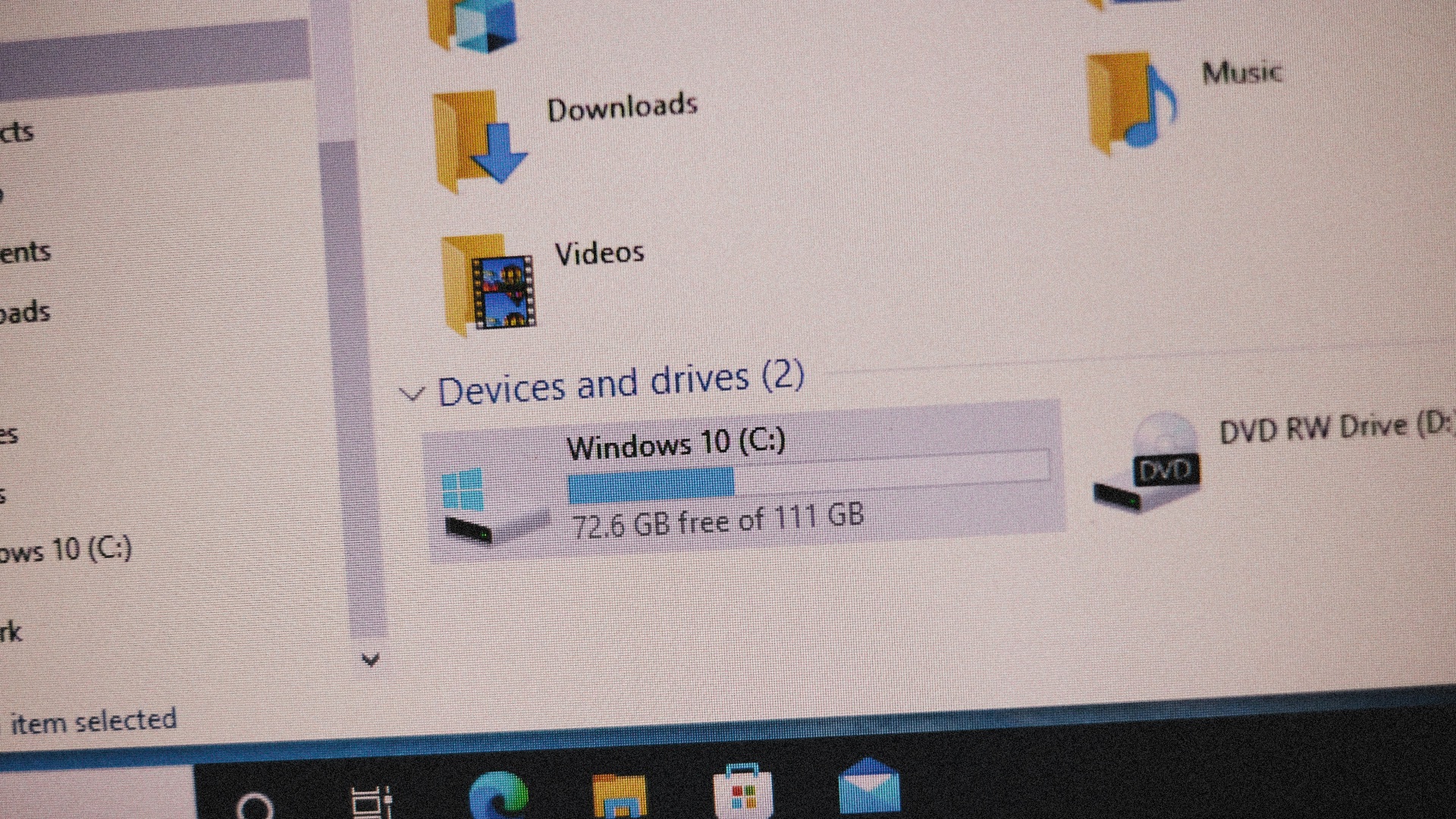
Laptops generally make it easier to organize folders, handle downloads, and manage complex file structures. When you’re moving large batches of files or working across multiple projects, the desktop approach stays more transparent. If you like knowing exactly where your stuff lives, you’ll feel more in control.
6. Performance Headroom Is Usually Higher
Laptops typically have more power for sustained tasks like editing large photos, rendering video, or running heavy spreadsheets. They’re built for longer sessions under load without slowing down as quickly. That extra capacity keeps frustrating delays from becoming part of your routine.
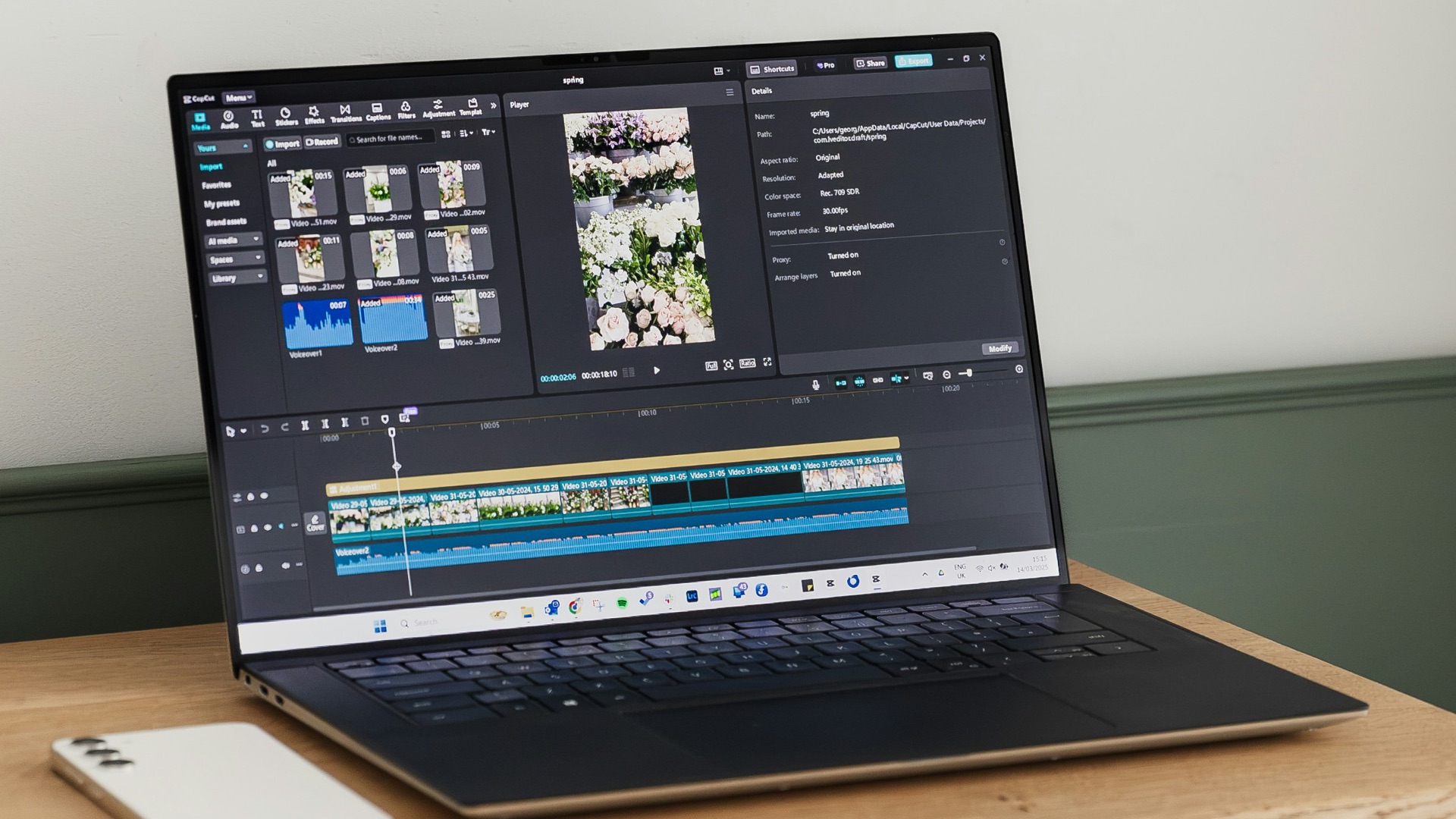
7. More Comfortable for Long Work Sessions
A laptop’s ergonomics tend to be better for hours of writing, editing, or admin work. You’re not balancing a keyboard accessory or constantly adjusting a stand to avoid awkward posture. When you’re locked in for the afternoon, the laptop experience usually feels more stable.
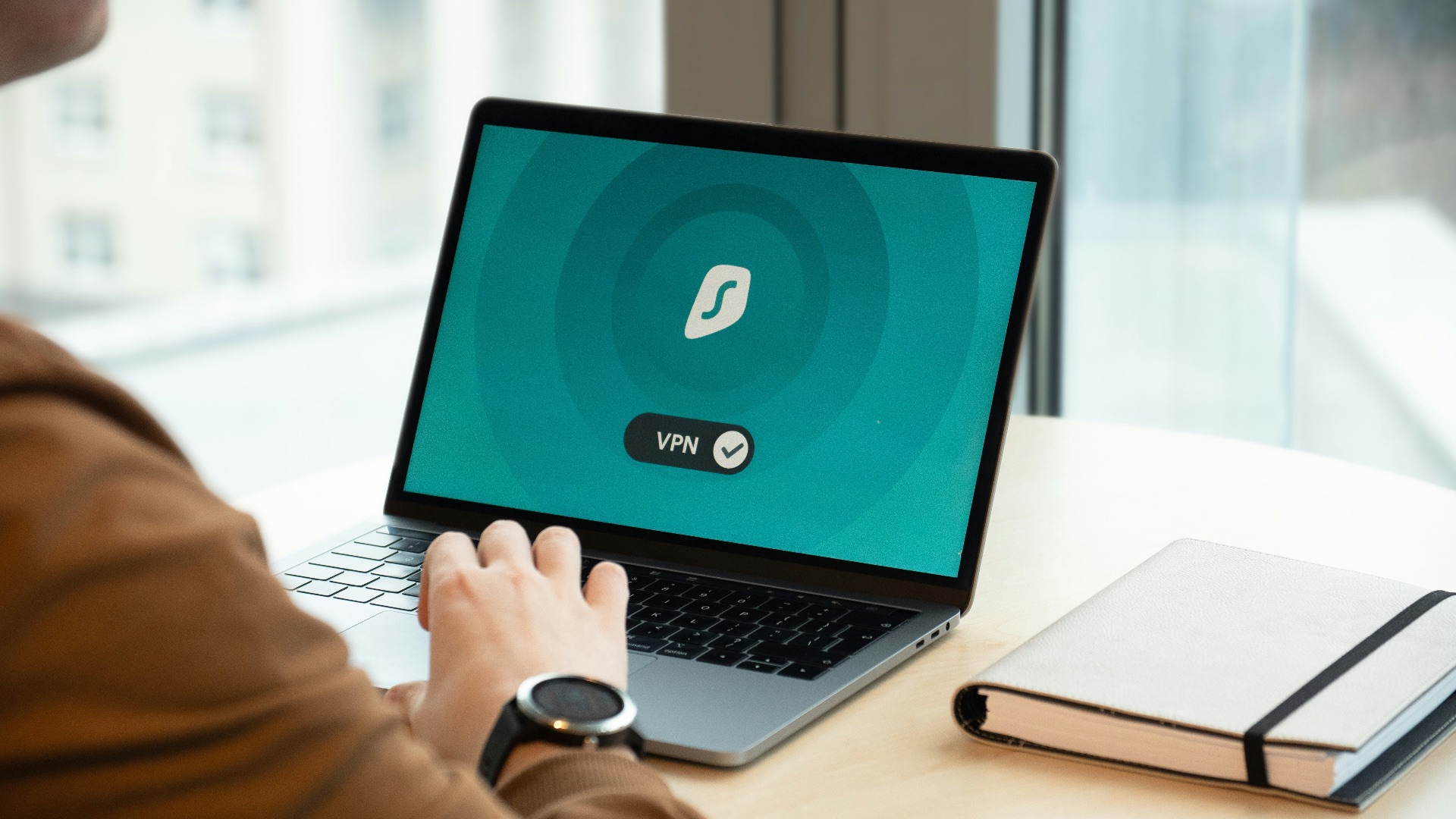
8. Stronger Compatibility With Workplace Systems
Work environments often assume you’re on a laptop, from VPN tools to security requirements to conferencing add-ons. Even when tablets can technically access everything, the laptop path is usually smoother and better supported by IT. That reliability matters when you can’t afford surprise limitations.
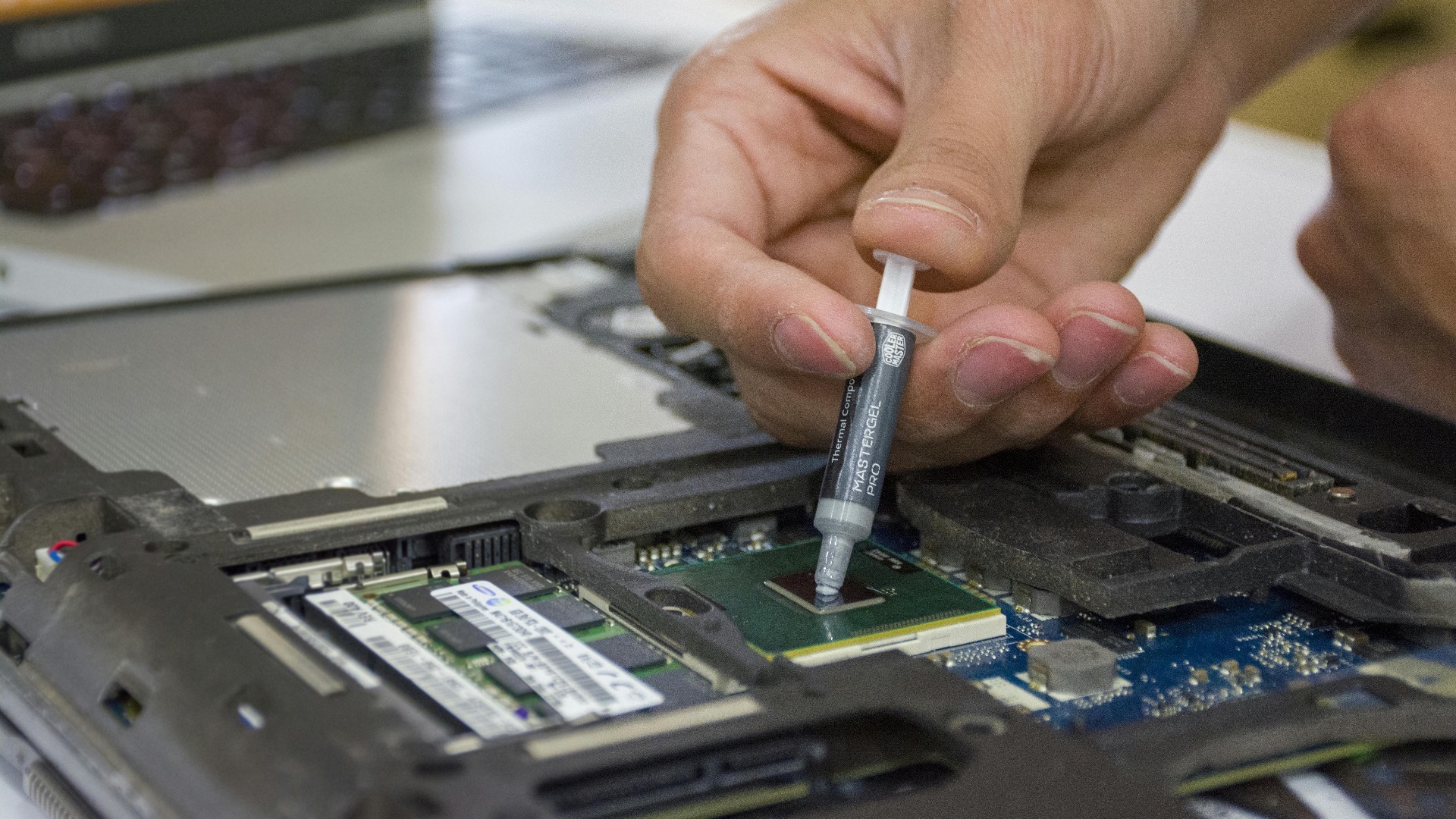
9. Easier to Repair, Upgrade, or Service
While not all laptops are upgrade-friendly, many still offer better service options than tablets. Replacing storage, diagnosing issues, or getting parts handled can be less complicated. If you’re thinking long-term ownership, that practicality counts.
10. Laptops Stay the Most Versatile “Do Everything” Choice
When you don’t know what your day will demand, a laptop is more likely to handle it without compromises. You can shift from writing to editing to calls to file management without changing your approach. If you want one device that covers the widest range of tasks, laptops remain the dependable pick.