When “Game Over” is the Actual Ending
A lot of games flirt with defeat, but they still let you walk away with a win, a sequel hook, or at least a dignified fade-out. This list is for the titles that don’t do that. In each one, the protagonist outright dies on-screen at the end (so, obviously, consider this your spoiler warning). We hope you’re ready, cause these are the kinds of finales that make you set the controller down and stare at the wall for a minute.

1. Red Dead Redemption
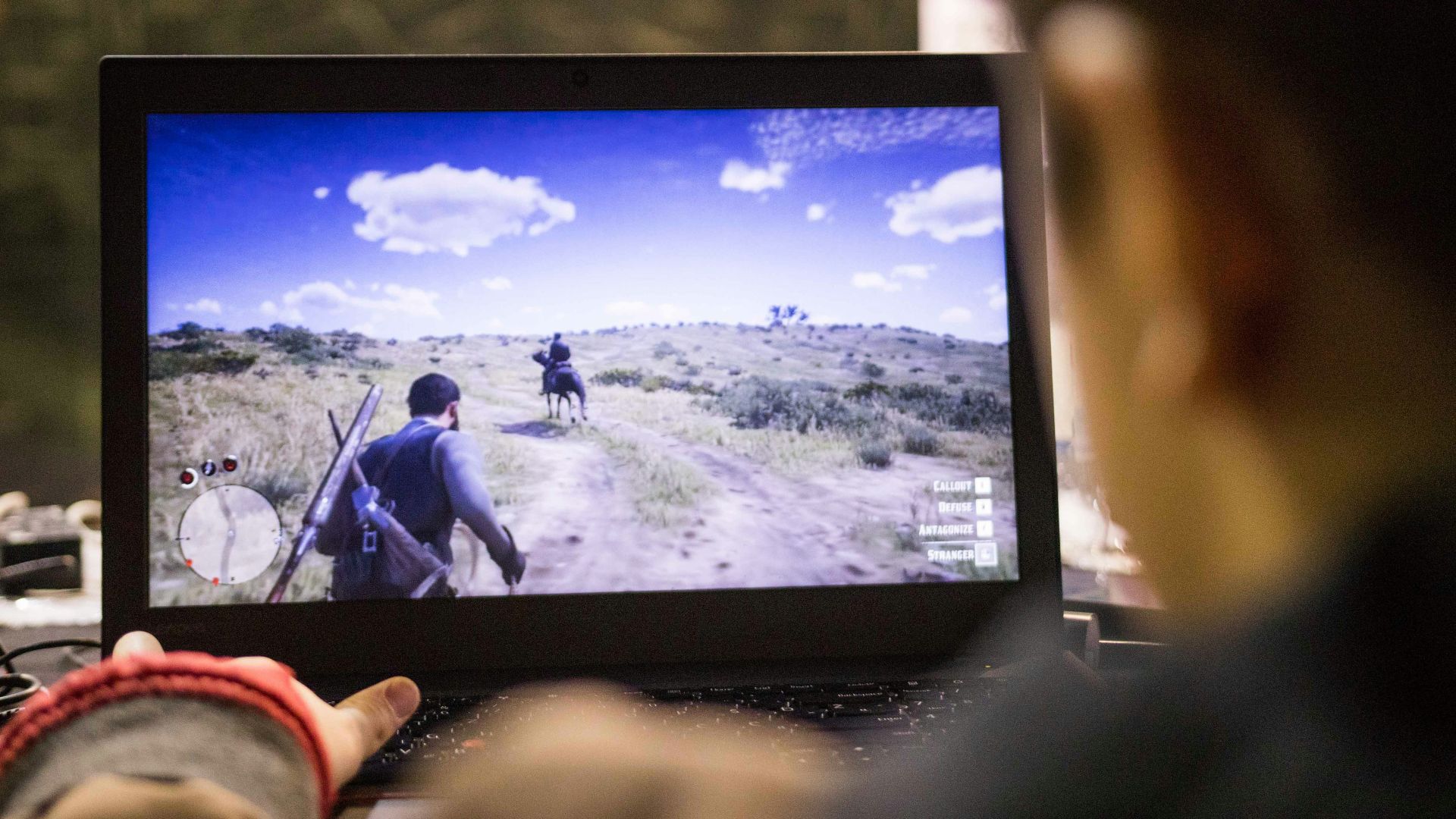
John Marston spends the whole game trying to buy peace with violence, and the bill still comes due behind a barn door. In the end, you watch the ambush unfold, and you see John fall before he’s discovered by poor Jack and Abigail. The cruelty is that he’s done “everything right” by the rules he was handed, and it still isn’t enough.
 Clastr Cloud Gaming on Unsplash
2. Red Dead Redemption 2
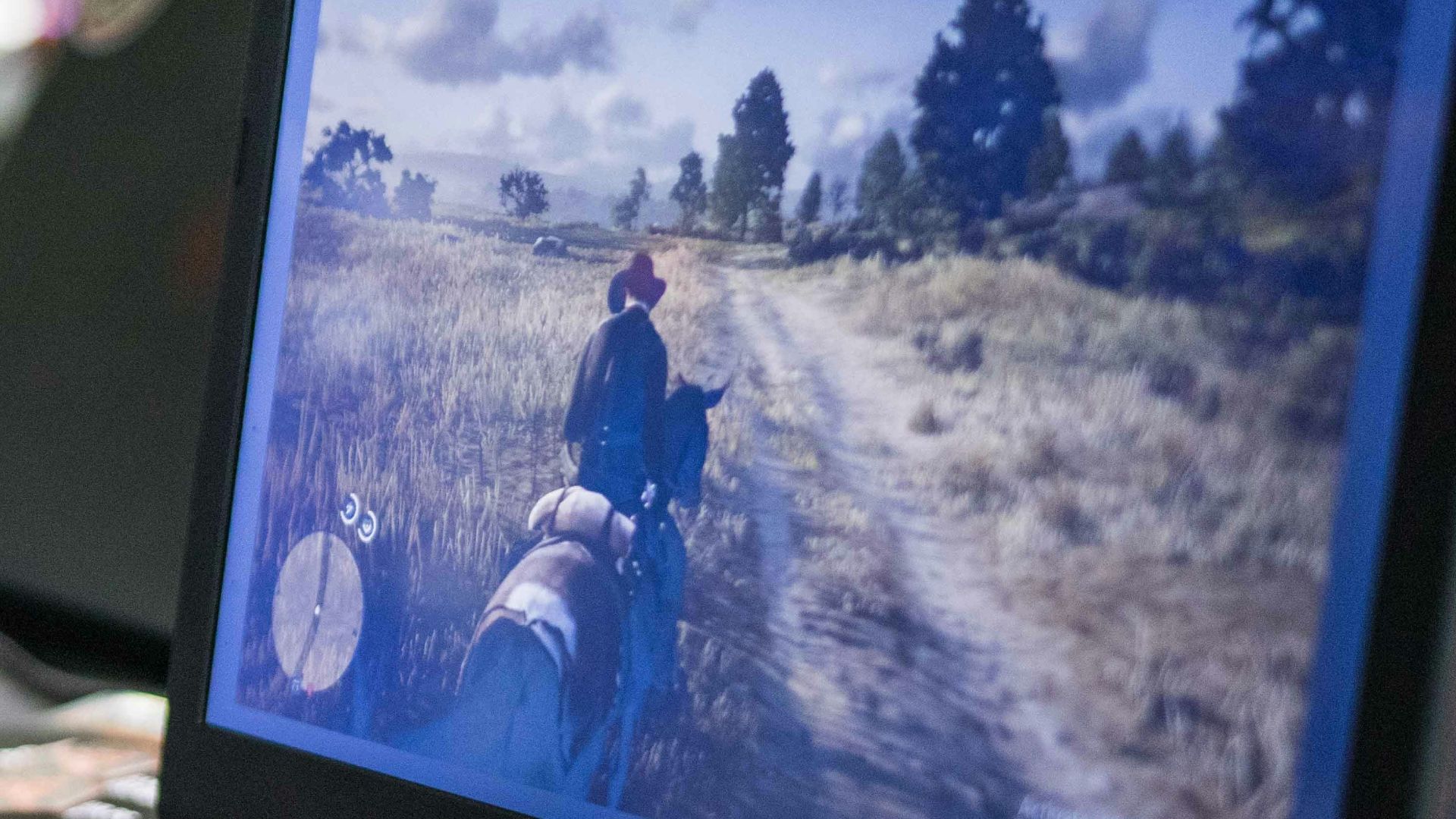
Okay, well, how could we talk about one without talking about the other? It’s technically a prequel even! Arthur Morgan’s last stretch isn’t about winning; it’s about what kind of person you choose to be when winning’s off the table. The ending is explicit about his fate, and it doesn’t pretend a last-minute miracle is coming. Depending on your honor, you either watch him succumb to his injuries and illness, or you see him executed in a grimly direct way.
 Clastr Cloud Gaming on Unsplash
3. The Walking Dead: Season One
Don’t even talk to us about the adorable relationship between Lee and Clementine—or how it all unfolded. Lee gets bitten, time runs out, and the conclusion forces a final choice that’s not remotely fun. The scene doesn’t hide what’s happening; it’s on-screen, and it’s final in the way you can feel in your chest.
4. Assassin’s Creed III
Desmond’s modern-day arc has always carried a sense of looming sacrifice, and the game follows through on exactly that. His death isn’t a “maybe,” either. The moment lands as the franchise telling you that the hero’s job sometimes ends with the hero. Even if you’re more invested in tomahawks than cosmic devices, the final beat is hard to ignore.
5. Halo: Reach
Reach is practically introduced as a tragedy, but that doesn’t mean we didn’t have hope. Sure enough, the end doesn’t give Noble Six a clean exit or an off-screen fade. You fight a last stand that’s designed to run out of road. By the time it’s over, you understand why this story was told like a warning sign.

6. BioShock Infinite
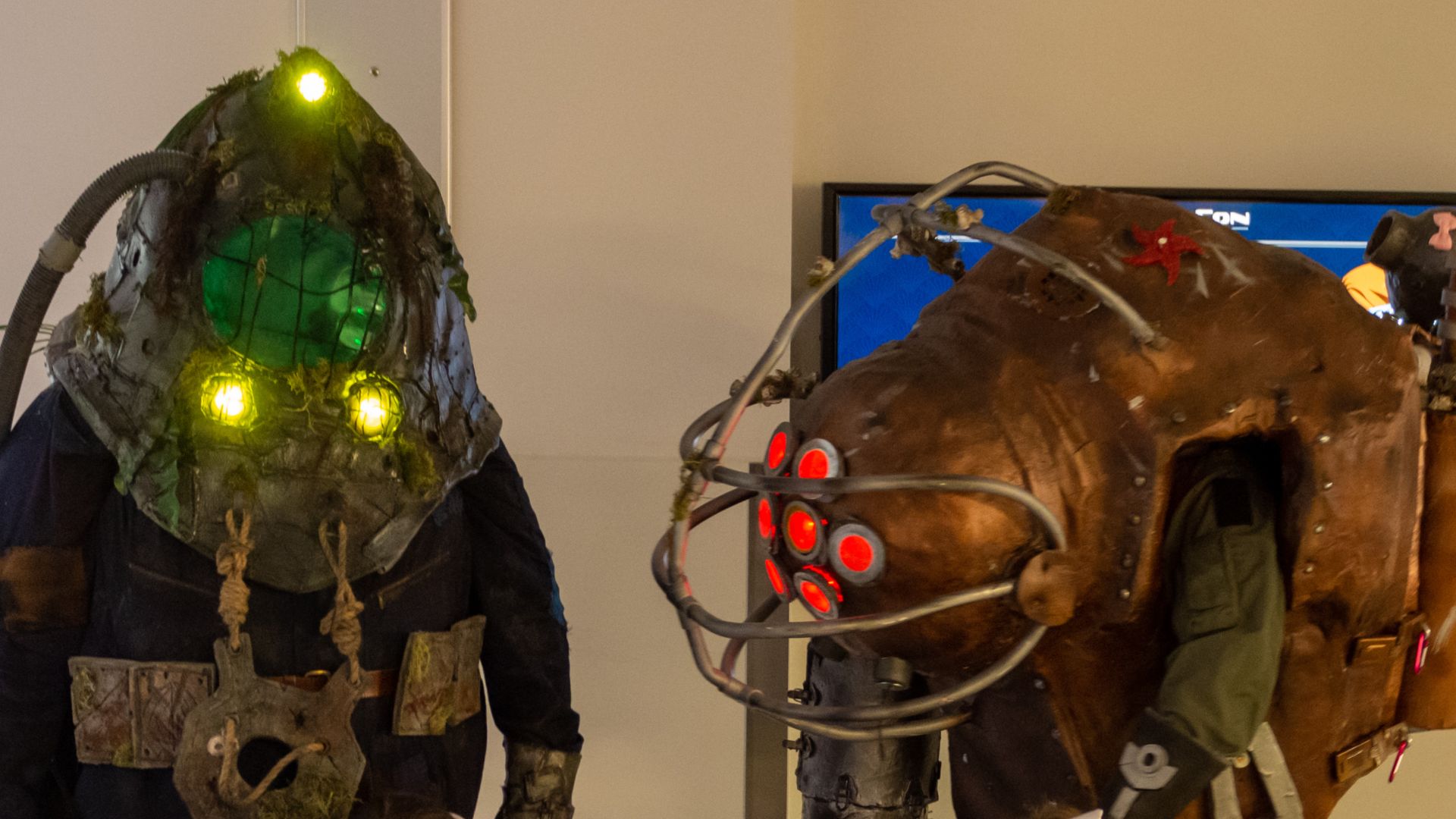
This ending is blunt in concept and brutal in execution. Booker is confronted with what he is, what he’s done, and what it costs to stop it. The finale turns into an on-screen death that isn’t treated as optional decoration; it’s the whole point of the game. You don’t just lose—you’re erased.

7. BioShock 2
Subject Delta’s story is built around devotion, and the ending isn’t shy about cashing in on the concept. The conclusion makes his sacrifice visible rather than symbolic, and it doesn’t hedge on whether he survives it. It’s not a shock twist so much as a somber closing of the loop.
8. Shadow of the Colossus
From the first step into that forbidden land, you already knew your choices carried weight. By the end, the consequences are immediate. The game’s genius is that it doesn’t celebrate the conclusion, but it doesn’t scold you either. It simply shows you what happened and lets the silence do the rest.

9. Crisis Core: Final Fantasy VII
Zack Fair is one of those protagonists who seems too earnest for the world he’s stuck in, and the finale proves it. You watch him push forward until he can’t, and the scene lands like a door slamming in your face. It’s also the kind of ending that retroactively colors everything that came before it—you realize you were playing toward a grave.
10. L.A. Noire
Cole Phelps spends the game juggling cases, consequences, and his own flaws, and the end doesn’t reward him with a neat redemption. His death is shown plainly, and it’s framed as the last result of a long chain of decisions and circumstances. The game doesn’t ask you to call him a saint, but it does make you watch him pay.

11. Mafia
Well, with a title like that, we don’t know what we expected. Tommy’s fate isn’t a mystery by the time the ending lands, but the game still makes you see it. The death is deliberately unglamorous, which is exactly the point, and it’s the final reminder that this lifestyle isn’t for the faint of heart.
12. Valiant Hearts: The Great War
War stories don’t come with satisfying conclusions. The ending delivers an on-screen death that’s explicit and emotionally direct. It’s tragic, human, and painfully grounded in what the game has been saying all along. You’re not left debating whether it happened, either, ‘cause the narrative makes the moment very, very clear.
 Glenn Carstens-Peters on Unsplash
13. Medal of Honor (2010)
This finale doesn’t spare the protagonist. Rabbit’s death lands as the grim punctuation mark on a mission that doesn’t care about your attachment to the squad. It also reinforces the theme that competence and courage don’t guarantee survival. So, if you were expecting a triumphant extraction, you only get an ending that refuses to play along.

14. Resistance 2
Nathan Hale’s arc is essentially a countdown disguised as a campaign. The ending doesn’t hide behind a medical ambiguity or a “maybe he’ll recover” wink. You get a clear execution, on-screen, that’s framed as containment rather than drama. It’s harsh, and it’s meant to be, because the game insists the threat isn’t just outside you.

15. Killzone: Shadow Fall
Lucas Kellan’s story resolves with an explicit on-screen ending, not a vague fade to black. The final moment doesn’t even celebrate his service or grant him a victory lap. It’s just an abrupt closing statement: you were useful until you weren’t.

16. Heavenly Sword
Nariko’s entire journey is shadowed by the cost of wielding the Heavenly Sword, and the finale makes sure you can’t ignore that price. Her death is part of the conclusion, and it’s depicted as the unavoidable end of using that power. Even when the game flirts with spectacle, it returns to the fact that Nariko’s life is being spent, and you finish knowing she won the fight and still didn’t get to stay.

17. inFAMOUS 2
The thing with this game is that even if you take the good ending, you aren’t handed a medal and a sunset. Instead, it offers an explicit death. The resolution shows Cole activating the device and dying as a direct consequence, along with others caught in the blast of that choice. It’s a heroic end, but it’s also a cold one.

18. Star Wars: The Force Unleashed
For a power-fantasy game, this ending is surprisingly committed to consequence. In the light-side finale, Starkiller’s last act is a visible sacrifice, and the scene leaves no room for doubt about what it costs him. The game makes his death part of the Rebel Alliance’s origin story, which is a flattering way to be mourned. Still, it lands like the franchise quietly reminding you that Jedi-like ideals are expensive: you don’t just defeat evil, you pay for the chance to slow it down.
19. Outlast
Outlast doesn’t do happy endings. After everything Miles survives, you get one of the most brutal endings to a game. The sting is that you’ve been conditioned to believe endurance equals escape, and the game snaps that belief in half.

20. Far Cry 3
The only silver lining here is that you do have choices—so pick wisely. If you side with Citra, the game doesn’t cut away from what that decision means for Jason. The twist isn’t even that he dies, it’s that the game makes the “bad” choice feel seductively coherent before it turns on you.