It’s Not Paranoia If The Incentives Are Rotten
The internet used to feel like a messy library where you could at least tell what shelf you were in. Now it often feels like a mall with mirrors, where everything is designed to keep you walking, clicking, and buying, and the most confident voice is frequently the least accountable one. A lot of the change isn’t mysterious. Platforms reward attention, creators chase growth, scammers industrialized deception, and generative tools made it cheap to produce convincing nonsense at scale. You can still find truth online, and you just can’t assume it will politely identify itself. Here are 20 things that used to be easier to trust, and now deserve a second look.

1. Product Reviews
Star ratings used to feel like a quick gut check, the digital equivalent of asking a neighbor. Now review farms, incentivized posts, and copy-pasted templates can make a mediocre product look beloved, especially in crowded categories. When every listing seems to have thousands of glowing reviews, the safest assumption is that at least some of them are performance.

2. Before-And-After Photos
Once, a dramatic transformation photo felt like proof. Now lighting tricks, filters, compression artifacts, and outright editing make it hard to know if you’re looking at progress or a well-lit lie. Even honest creators get pressured into exaggerating because subtle change doesn’t do numbers.

3. Screenshots As Evidence
A screenshot feels solid because it looks like a captured moment, frozen and factual. Now it’s also one of the easiest artifacts to fake, crop, or context-strip, and it spreads faster than a correction ever will. If a screenshot is the only proof offered, you’re being asked to trust someone’s framing, not reality.
4. Viral Medical Advice
The wellness corner of the internet loves simple rules and dramatic warnings. A short clip can turn a niche hypothesis into a lifestyle, and by the time actual experts respond, the algorithm has already moved on. Real health guidance usually sounds less exciting than a confident stranger saying one food is poison.

5. Financial Influencer Wins
A screenshot of a trading app balance can be real and still be misleading. People hide losses, cherry-pick time frames, and quietly benefit from referral links and paid partnerships that shift the incentive away from honesty. When someone is selling the dream and the method, assume the dream is the main product.
6. Dating Profiles
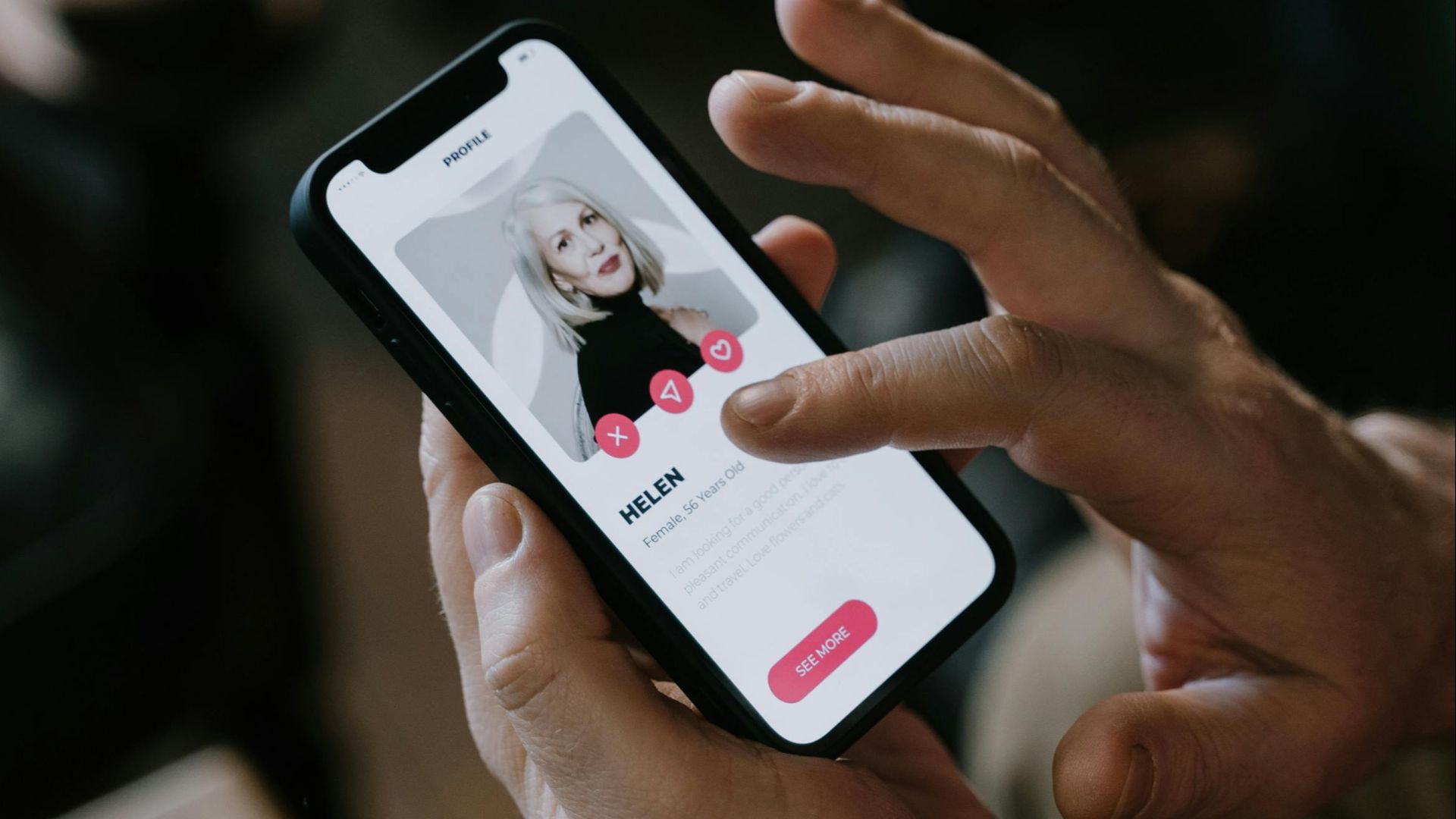
Online dating used to involve some harmless embellishment, like a flattering photo and a generous interpretation of hobbies. Now catfishing, old photos, and AI-written bios make it harder to know if you’re talking to a real person with a real life. Even when the person is genuine, the profile can be a carefully edited trailer rather than a documentary.
7. Customer Support Messages
A message that looks like it came from your bank, a delivery company, or a streaming service can now be a polished phishing attempt. Scammers mimic branding, timing, and tone so well that the message can feel routine until you notice the tiny weirdness. Trust has shifted from the look of the email to the method you use to verify it.

8. News Headlines
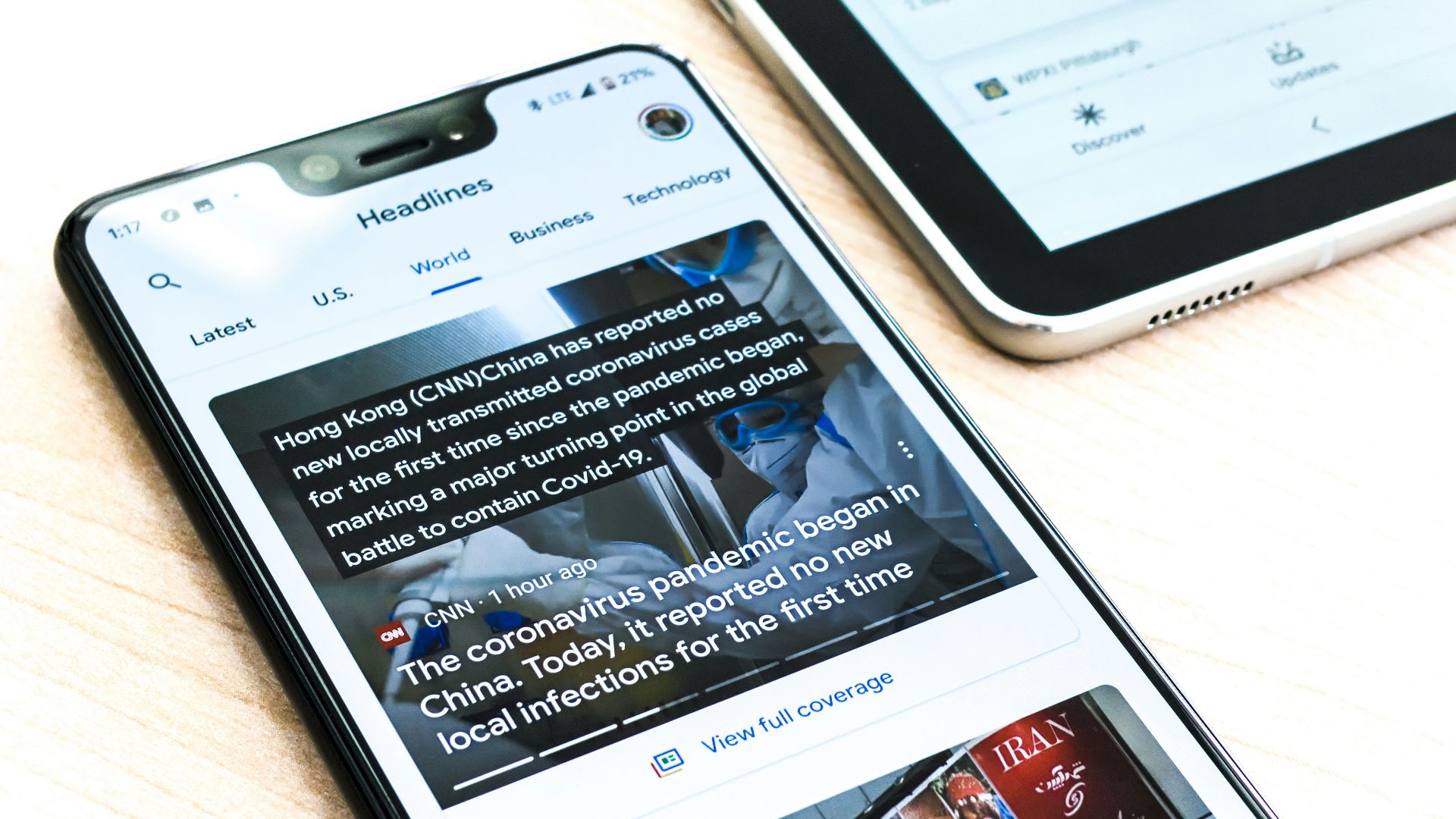
Headlines have always been simplified, but the pressure for clicks has made them more aggressive and less precise. You can read a headline, feel informed, and still be wrong about what happened, because the nuance is buried in paragraph seven. If a story matters, you have to read past the part designed to travel.
9. Search Results Ordering
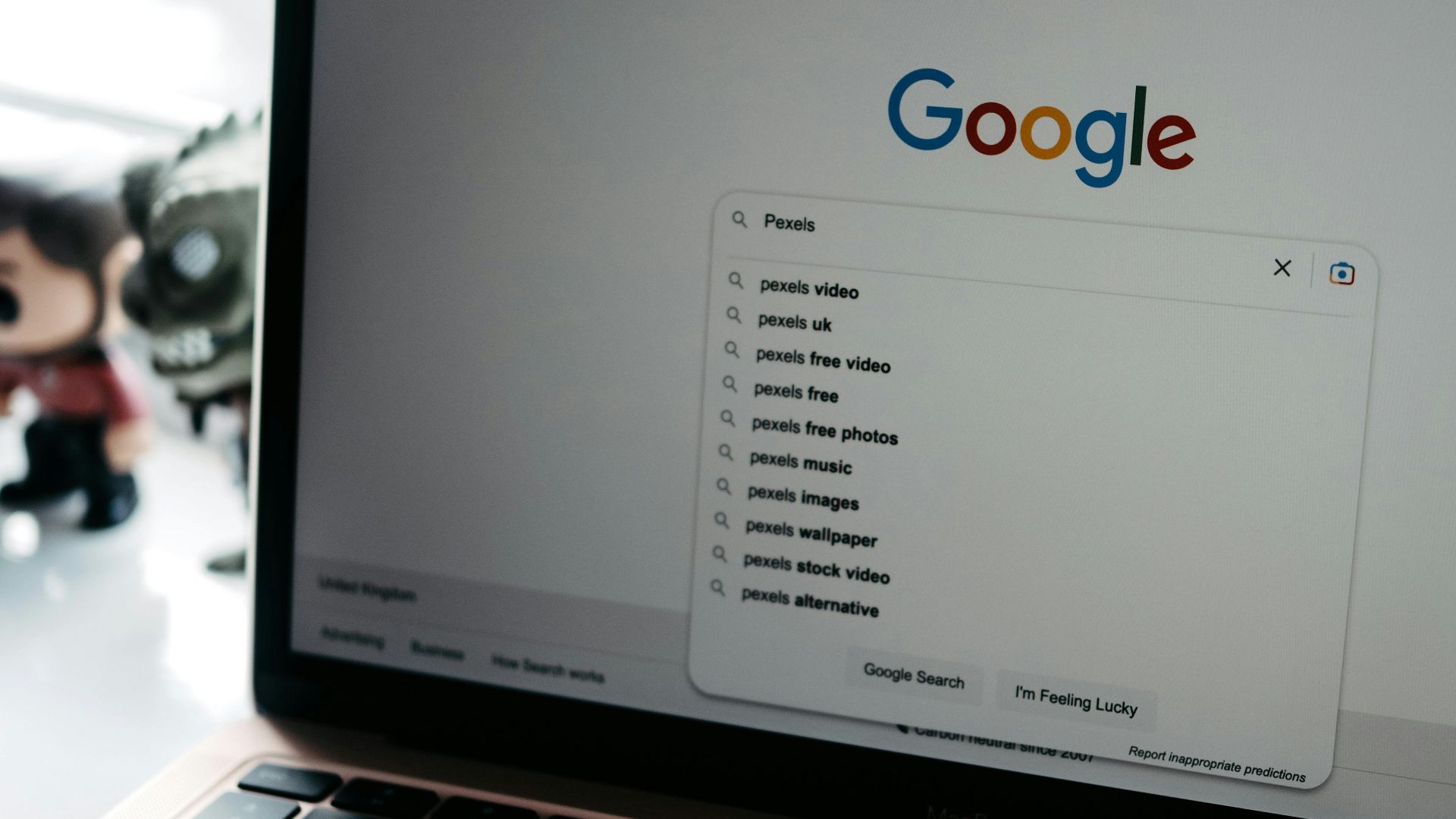
It used to feel like the top result was there because it was best. Now search rankings can reflect SEO muscle, affiliate incentives, and content designed to capture traffic rather than answer questions. The first result may be the most optimized, not the most true.
10. Job Listings
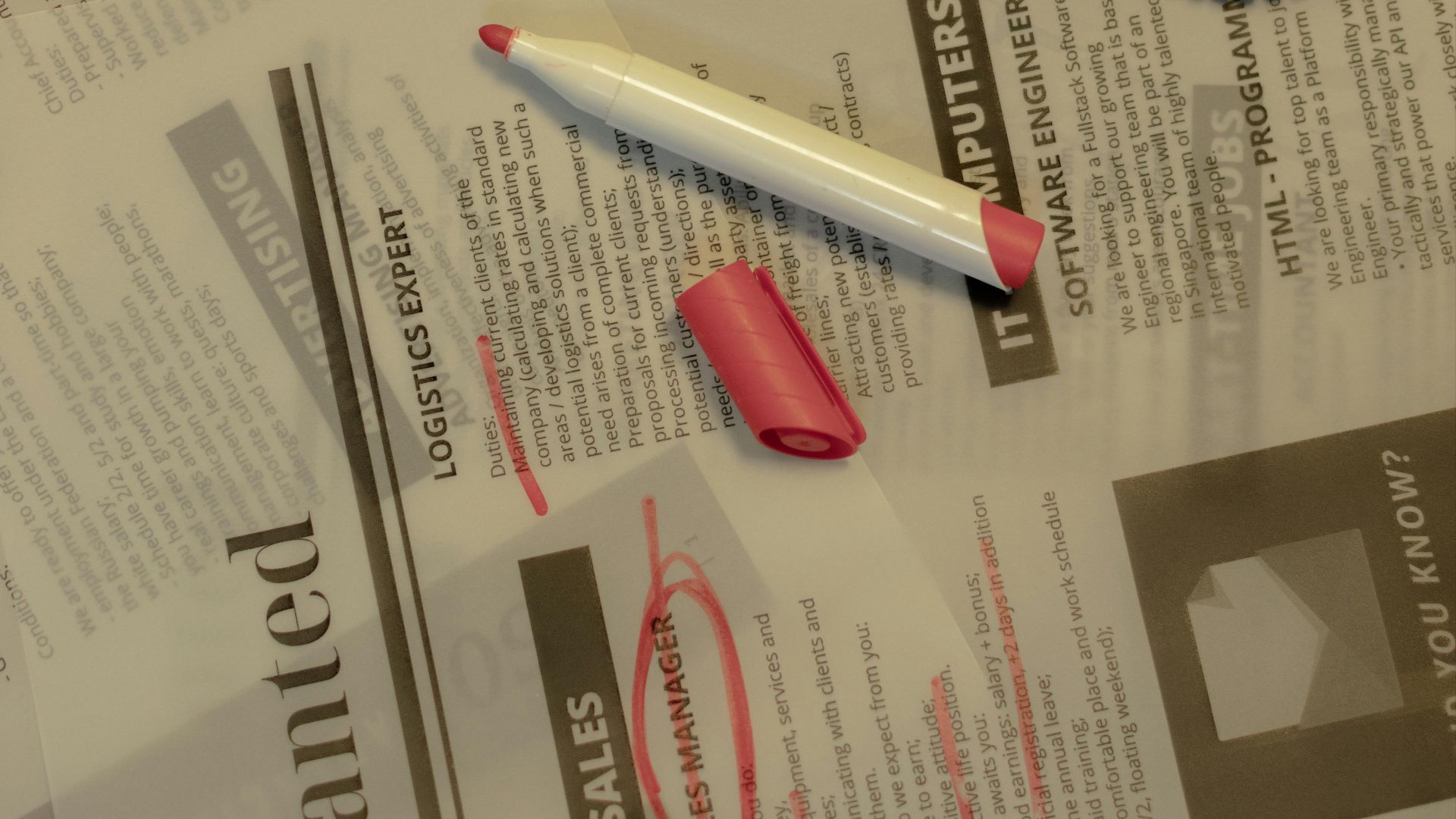
A job post can be real and still be deceptive about pay, workload, or whether the role is actually open. Some listings exist to collect resumes, test the market, or satisfy internal requirements while an internal candidate is already selected. The language can be friendly and still hide chaos.
11. Marketplace Listings
Photos can be stolen, descriptions can be vague on purpose, and “barely used” can mean anything from pristine to held together by hope. Scammers also know how to weaponize urgency, pushing you to pay fast before you think. Trust is less about the listing and more about the protections around the transaction.

12. Influencer Authenticity
The casual vibe is often a production choice, not a reflection of reality. Sponsored posts can be lightly labeled, undisclosed relationships can shape opinions, and an influencer’s taste can change overnight when a contract does. When someone’s brand is being relatable, the relatability is part of the business model.

13. Brand Mission Statements
Companies have learned the language of values, and they deploy it whether or not their behavior matches it. A clean homepage can talk about community, sustainability, and ethics while the actual business runs on cost-cutting and plausible deniability. Trust belongs with verified actions, not the copywriting.

14. Charity Appeals
Some fundraising campaigns are genuine, and some are opportunistic, especially when a crisis is in the news. It’s easy to set up a lookalike page, borrow emotional images, and collect money before anyone notices. If you’re donating, you have to verify the organization, not just the story.
15. Comments Sections
Comments can be organic, and they can also be manipulated through bots and coordinated groups. A flood of similar opinions can make a fringe idea look mainstream, or make a brand look beloved, or make a person look universally hated. The loudness of a comment section doesn’t reliably map to real-world consensus.
16. Photos And Videos In General
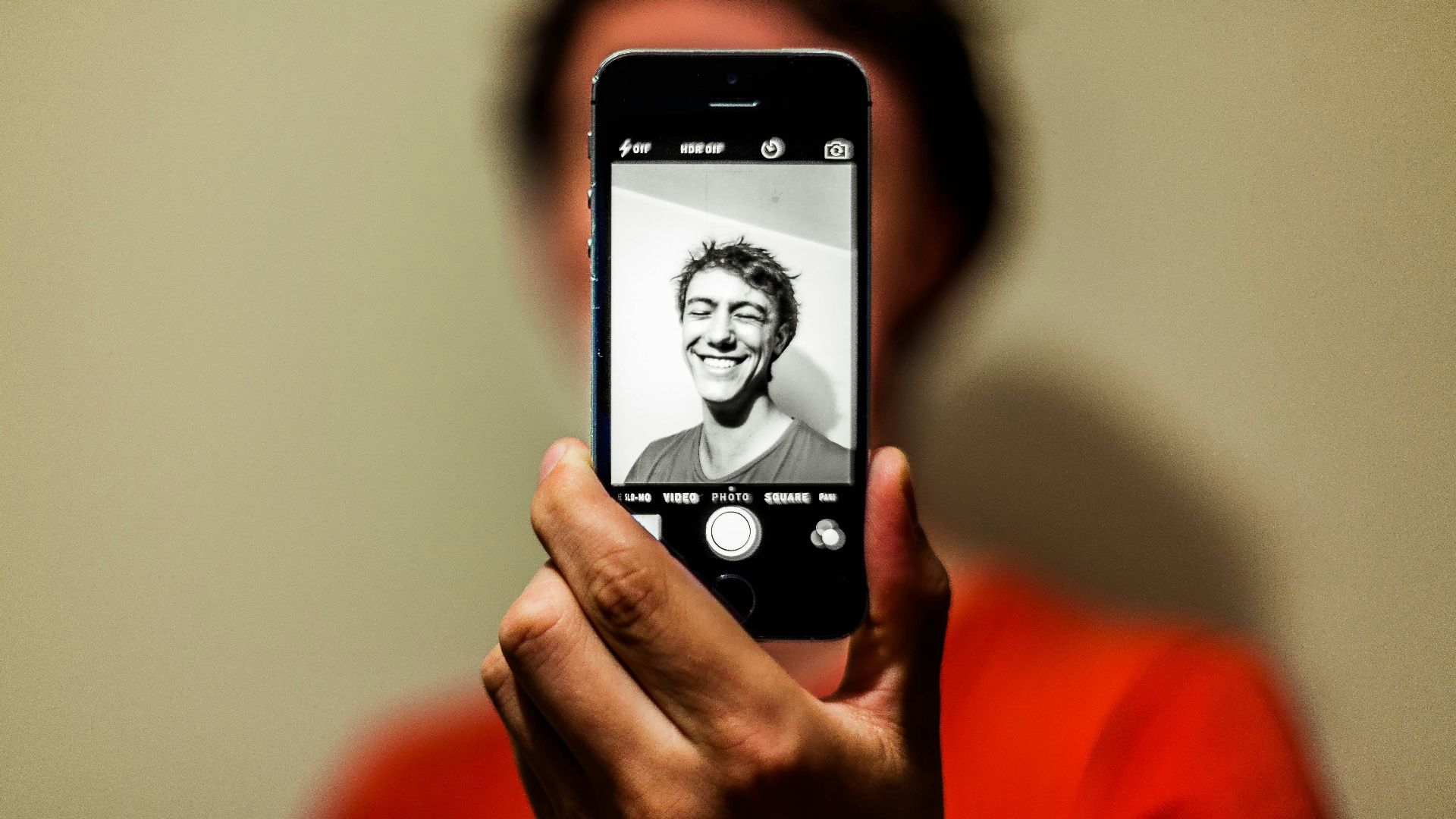
Deepfakes get the headlines, but the broader issue is simpler: almost any image can be edited, staged, or stripped of context. A clip can be real footage and still be used to imply the wrong place, the wrong date, or the wrong cause. The medium feels like proof, and that feeling is now a liability.
 Antoine Beauvillain on Unsplash
17. Verification Badges
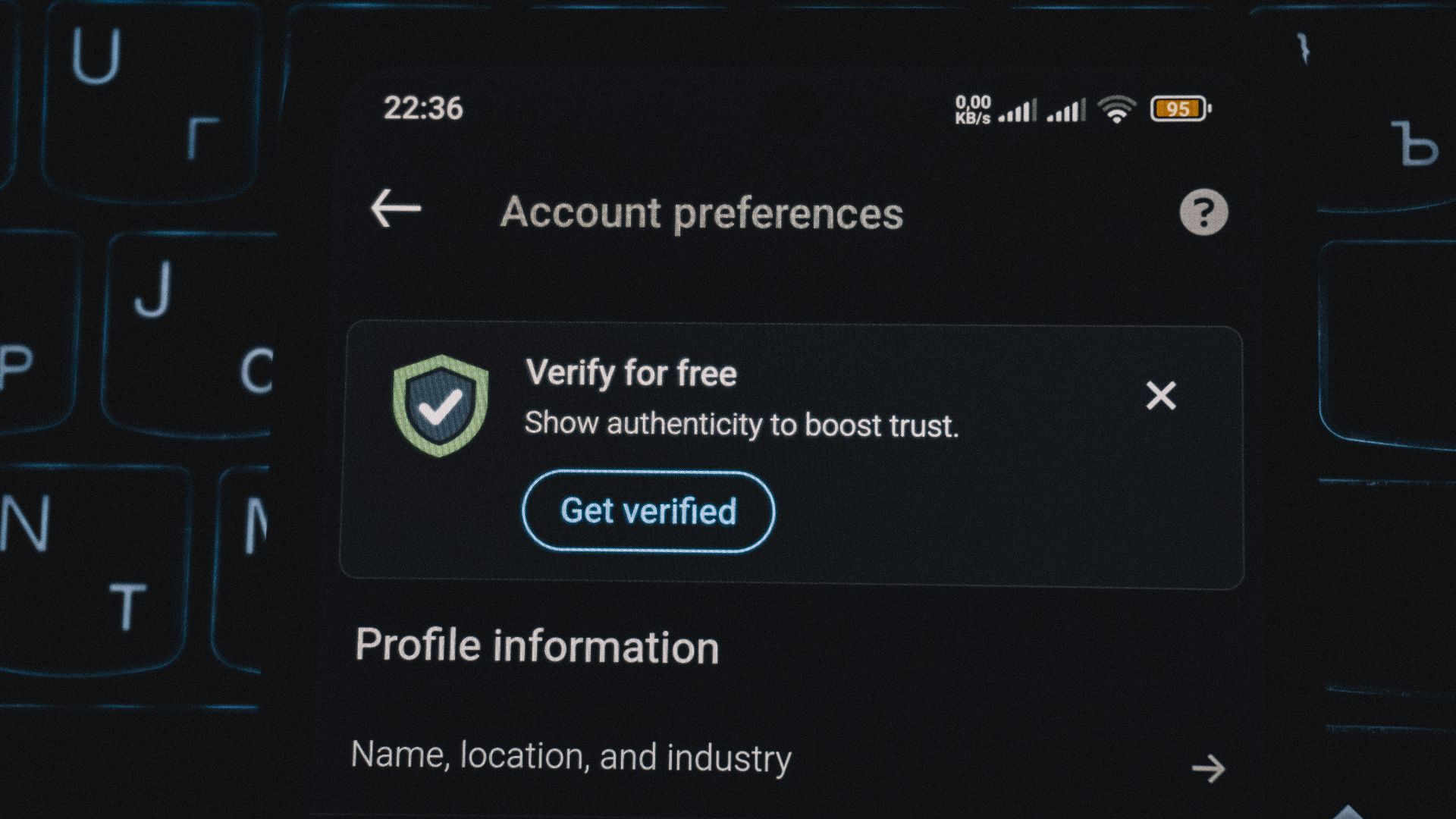
A checkmark used to signal that a platform had confirmed a real identity. In some places, badges became a paid feature or a looser status symbol, and the signal got muddier. A badge can mean visibility, not legitimacy.
18. App Store Safety
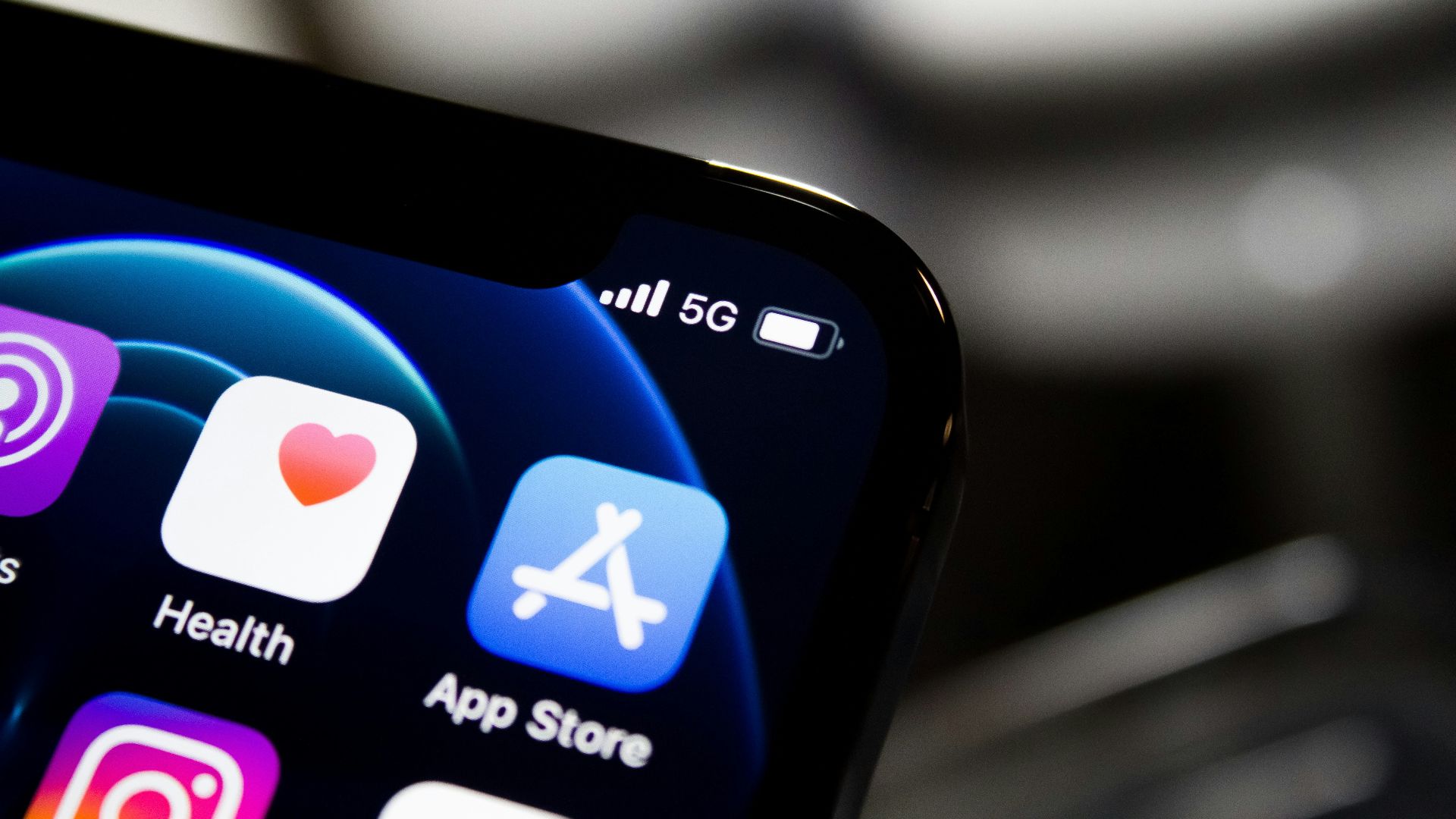
An app can look normal, have decent ratings, and still be risky, especially if it’s a copycat or a data-harvesting trap. Malicious apps can slip through, and some apps are simply more invasive than users realize when they tap accept. Trust requires looking beyond the star rating and the cute screenshots.
19. Online Courses And Credentials
A certificate can represent real effort, or it can be a downloaded badge after watching a few videos at 2x speed. The internet made learning more accessible, and it also made credential inflation easy. You can respect self-education while still being skeptical of what a credential actually proves.

20. Real-Time Identity
People can be impersonated with stolen photos, cloned voices, and hacked accounts, and it happens fast enough that friends get fooled. A familiar name in your inbox or a familiar voice on a call no longer guarantees it’s actually them. If a message creates urgency around money or secrets, verification is part of basic safety now.