Protecting Your Internet Bubble
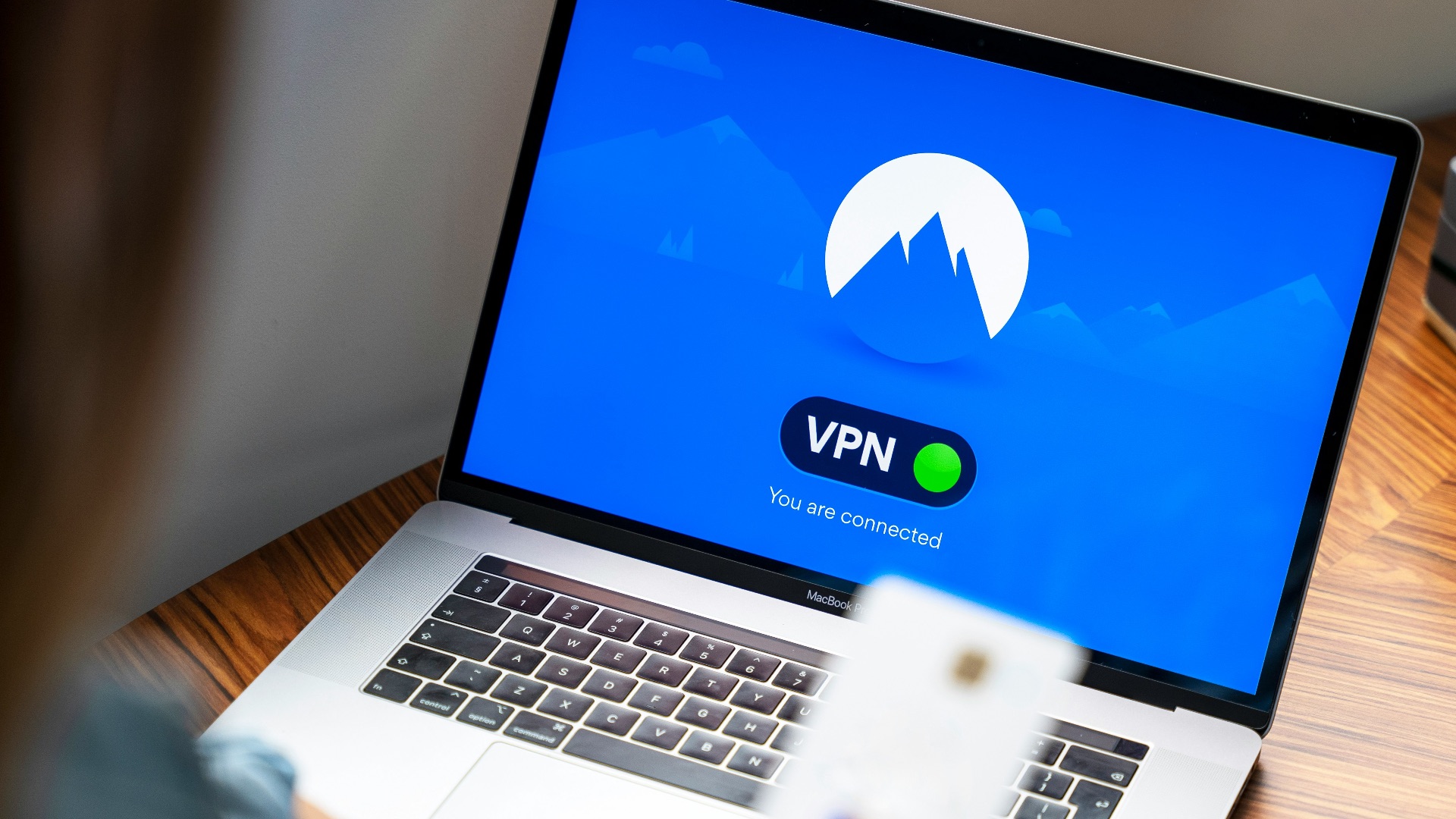
Whether you've been hearing about VPNs for years or you're just now starting to wonder what all the fuss is about, the honest answer is that they're genuinely useful in some situations and genuinely annoying in others. A VPN, or Virtual Private Network, encrypts your internet connection and routes it through a server in a location of your choosing, masking your real IP address and keeping your activity private from prying eyes. Like most tech tools, the value you get out of one depends almost entirely on how and when you use it.
1. Public Wi-Fi Is a Hacker's Playground
Connecting to the free Wi-Fi at a coffee shop, airport, or hotel feels convenient, but those networks are notoriously easy for bad actors to exploit. Without a VPN, anyone on the same network can potentially intercept your data, including passwords and personal information you'd really rather keep to yourself. Switching on a VPN before you connect encrypts your traffic and makes it far more difficult for anyone to snoop on what you're doing.
2. Your Internet Provider Is Watching
Your ISP has full visibility into your browsing habits and, in the United States, is legally allowed to sell that data to advertisers. A VPN keeps your traffic encrypted so your provider can only see that you're connected to a VPN server, not what you're actually doing online. If the idea of your internet company profiting off your browsing history makes you uncomfortable, a VPN is a practical way to opt out.
3. Streaming Libraries Vary Wildly by Country
The version of Netflix, Disney+, or BBC iPlayer available in your country often looks very different from what's available elsewhere, with some regions having significantly larger or more varied catalogs. By connecting to a VPN server in another country, you can access content libraries that aren't available where you live. It's one of the most popular reasons people subscribe to a VPN, and it genuinely works, at least some of the time.

4. Bypassing Censorship While Traveling Abroad
If you're visiting a country that restricts access to social media platforms, news outlets, or other websites you rely on daily, a VPN lets you connect through a server in a less restrictive country. Countries like China and Russia have significant internet censorship in place that can make your usual digital routine suddenly impossible. Setting up a VPN before you travel is much easier than trying to do it once you're already there and blocked.
5. ISP Throttling Affects Your Speeds
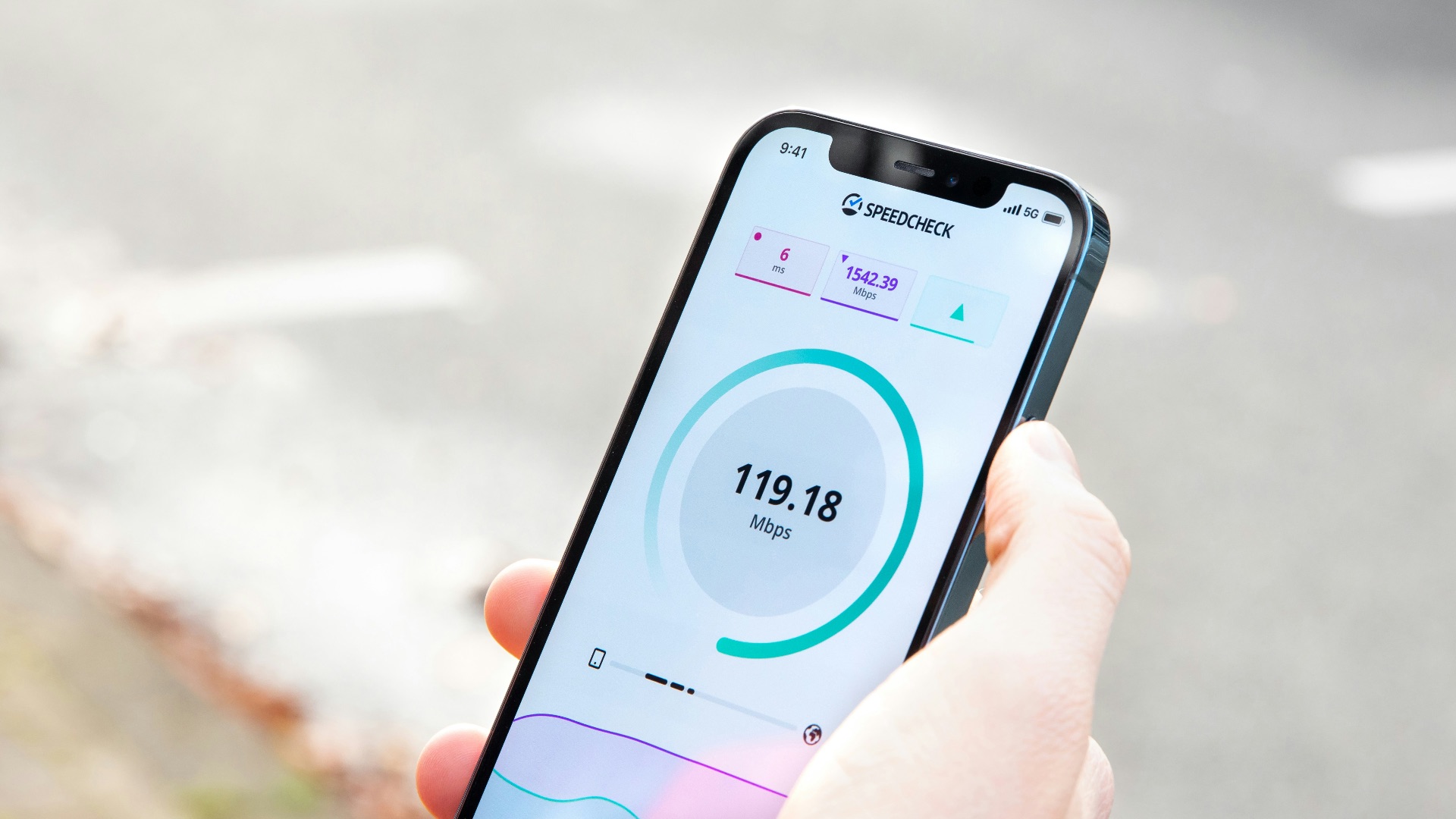
Some internet providers deliberately slow down your connection when they detect certain types of traffic, particularly streaming or large file downloads, in an effort to manage network load. Because a VPN hides the nature of your traffic from your ISP, it can sometimes result in noticeably faster speeds for specific activities. It's not a guaranteed fix, but many users find their streaming buffers less and their downloads move faster once they've made the switch.
6. Remote Work Requires Stronger Security
If you work from home or travel for work, there's a good chance you're accessing company files, internal tools, or sensitive client information over your personal or hotel internet connection. Many businesses actually require employees to use a VPN for exactly this reason, since it adds a layer of encryption that protects corporate data from interception. Even if your employer doesn't mandate it, using one when handling professional tasks is simply a responsible habit.
7. Advertisers Can't Build as Detailed a Profile on You
Online advertising relies heavily on tracking your IP address and browsing behavior across websites to serve targeted ads. A VPN masks your real IP, which disrupts part of that tracking process and makes it harder for advertisers to follow you around the internet. Combined with other privacy tools, it's a meaningful step toward reducing how much data companies can collect about your daily habits.
8. It Protects Your Online Shopping Habits
Price discrimination is a real practice in e-commerce, where airlines, hotels, and even some retailers show you different prices based on your location or browsing history. Connecting through a VPN server in a different region can sometimes reveal lower prices on the same products or flights, saving you real money. It takes a little extra effort to comparison shop this way, but travelers especially tend to find it worthwhile.

9. Gamers Can Benefit from Server Access and Protection
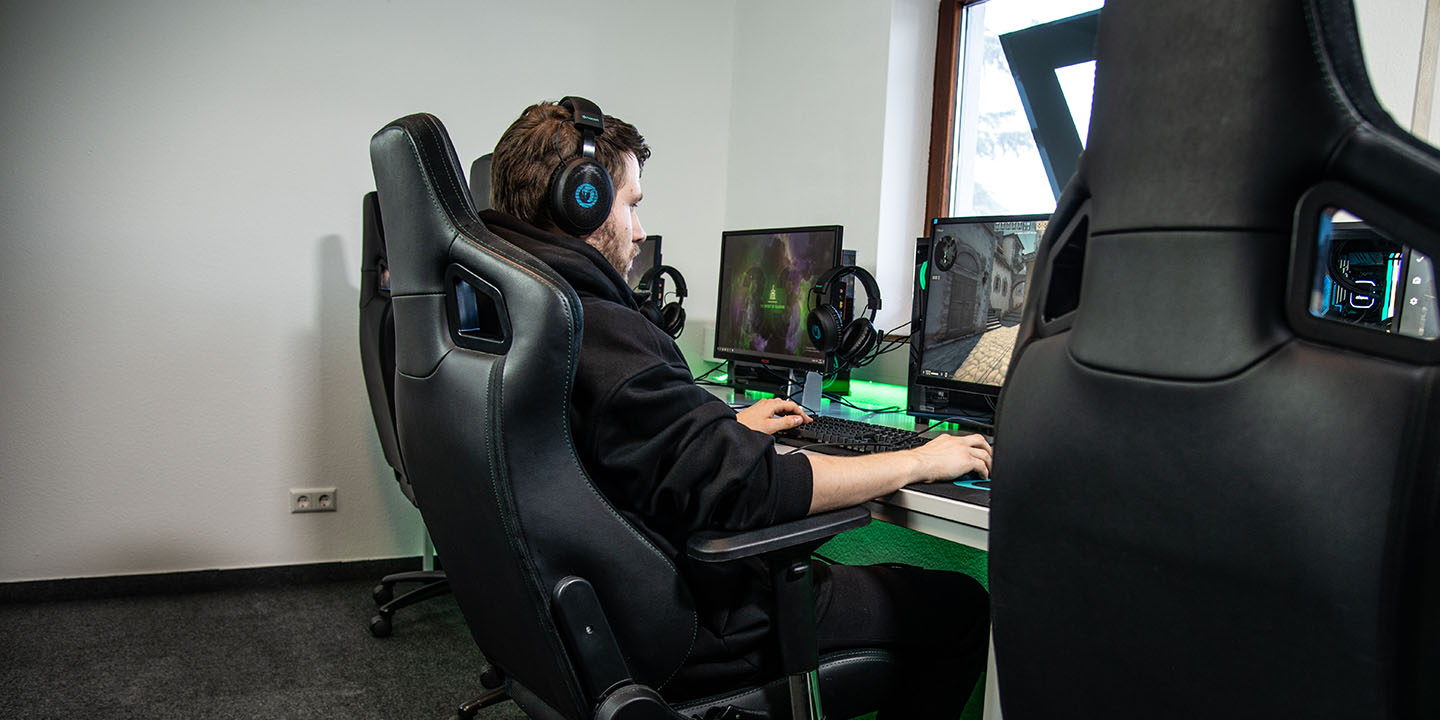
Online gamers sometimes use VPNs to access game servers in other regions, either to play with friends abroad or to get early access to titles that release in certain countries first. VPNs can also help protect against DDoS attacks, which are an unfortunately common way for sore losers to disrupt other players' connections. While gaming over a VPN does introduce some latency considerations, many players decide the trade-off is worth it depending on what they're playing.

10. It Adds a Meaningful Layer to Your Overall Privacy Setup
You don't have to be doing anything secretive to care about your digital privacy; protecting your personal information is just sensible in an era of constant data breaches. A VPN isn't a complete privacy solution on its own, but it's a solid piece of a broader approach that might also include a privacy-focused browser and a password manager. Treating your online privacy with the same seriousness you give your home security is increasingly the smart thing to do.
But a VPN isn't always necessary, and it isn't always so convenient. Here are 10 times it might actually give you more trouble than it's worth.
1. Streaming Services Have Gotten Good at Blocking VPNs
While VPNs can help you access foreign streaming libraries, platforms like Netflix have invested heavily in detecting and blocking VPN traffic, and many servers that worked fine last month may be blocked today. You could spend more time troubleshooting than you do actually watching, cycling through servers and hoping one of them gets through. If reliable streaming is your main goal, the experience can be frustratingly inconsistent.
 Mathieu Improvisato on Unsplash
2. Your Connection Speed Is Going to Take a Hit
Routing your internet traffic through an additional server adds distance and processing time, which almost always results in slower speeds to some degree. On a fast connection this might be barely noticeable, but on a slower network, the difference can be significant enough to make video calls choppy and large downloads feel endless. For everyday casual browsing at home, the slowdown often outweighs any privacy benefit you'd realistically gain.

3. Free VPNs Can Actually Make Things Worse
Not all VPNs are created equal, and the free ones in particular have a troubling track record of logging user data, injecting ads, and in some cases selling your browsing information to third parties. You're essentially trading one privacy problem for another, except now the company collecting your data is one you've handed it to voluntarily. If you're not going to pay for a reputable service, you're genuinely better off not using one at all.
4. Banks and Financial Sites Often Flag VPN Connections
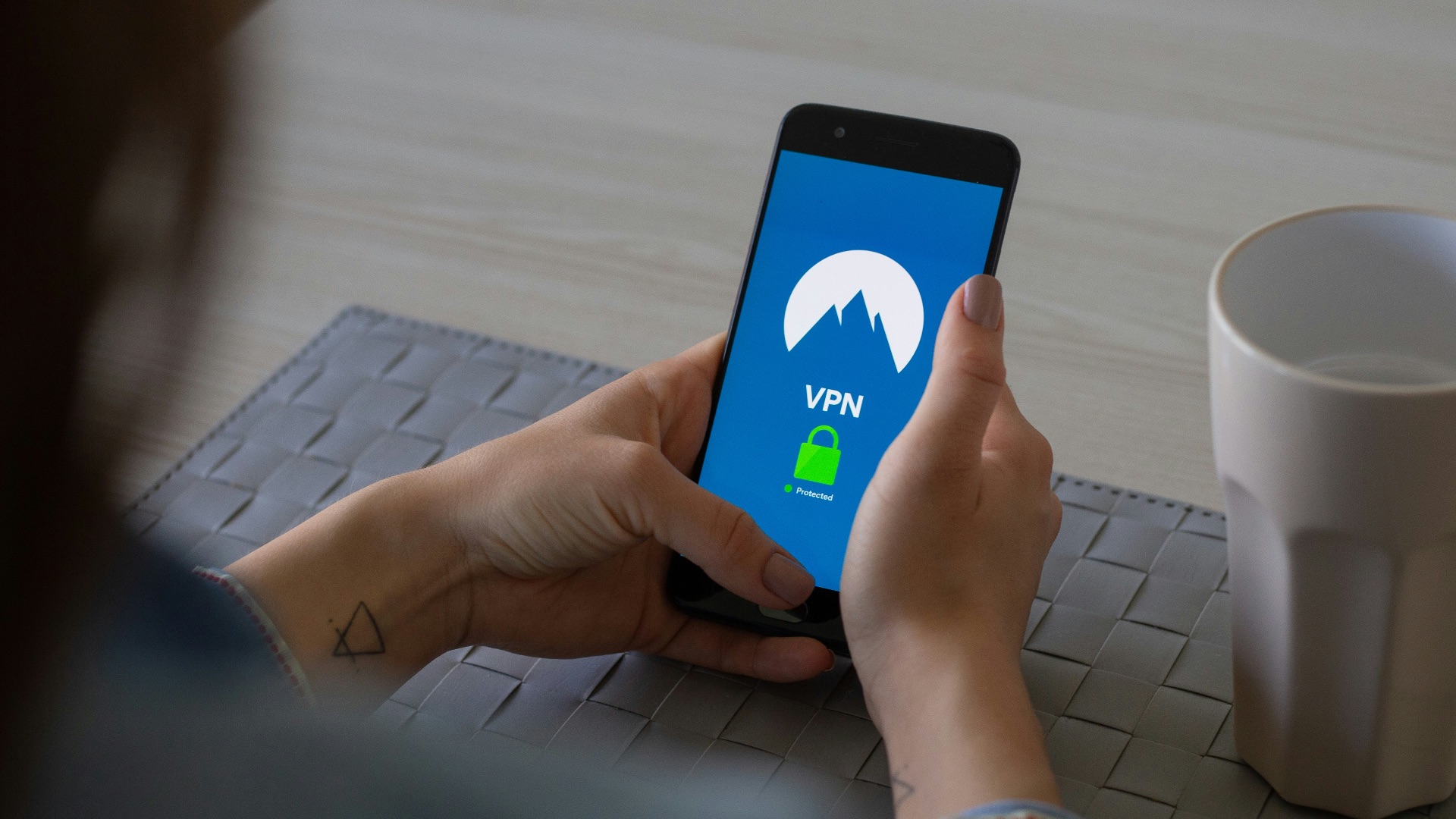
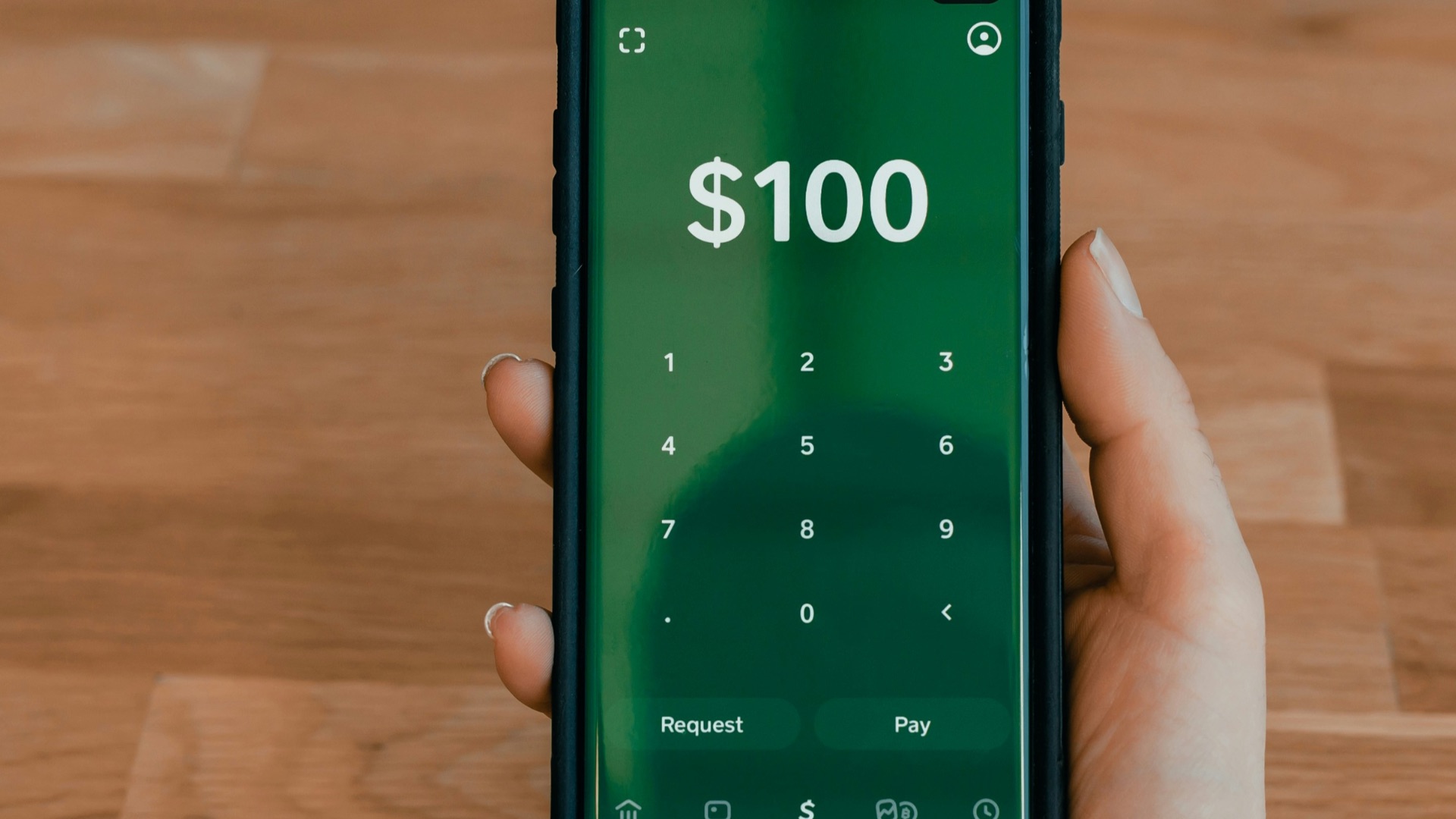
Many financial institutions treat VPN connections as a red flag for suspicious activity, since fraudsters commonly use them to mask their location when attempting unauthorized access. You might find yourself locked out of your account, forced through extra verification steps, or blocked entirely when trying to log in while connected. For any transaction involving money, it's usually less stressful to disconnect from the VPN first.
5. A VPN Doesn't Make You Anonymous
There's a common misconception that using a VPN makes you invisible online, but that's a significant overstatement of what the technology actually does. Your VPN provider can still see your traffic, websites can still track you through cookies and browser fingerprinting, and your accounts obviously know who you are when you're logged in. If you're expecting complete anonymity, you'll likely be disappointed and, depending on what you're trying to do, potentially take a false sense of security for real protection.

6. It's Illegal or Heavily Restricted in Some Countries
Using a VPN is perfectly legal in most of the world, but in some countries they're outright banned, and in others, like China and Russia, they're tightly regulated. Travelers who assume their VPN will work the same abroad as it does at home can find themselves in a legally uncomfortable situation. Always check the laws of any country you're visiting before you plan to rely on one.

7. The Setup Process Can Be Confusing
While many modern VPN apps have become more user-friendly, setting up a VPN on a router, a smart TV, or a device that doesn't natively support VPN apps often requires a level of technical comfort that not everyone has. Troubleshooting connection issues, choosing the right protocol settings, or figuring out why your VPN is leaking your DNS aren't exactly beginner-friendly tasks. If you're not particularly tech-savvy, the learning curve can be steep enough to make the whole thing feel more like a chore than a solution.
8. Some Websites Might Refuse to Load
Beyond streaming platforms, a growing number of websites block traffic that appears to originate from known VPN IP addresses, either to prevent abuse or simply to enforce regional restrictions. You might find that certain news sites, forums, or services return errors or CAPTCHAs every single time you try to visit while connected. Constantly toggling your VPN on and off to browse normally gets old quickly.
9. On Your Home Network, It's Often Unnecessary
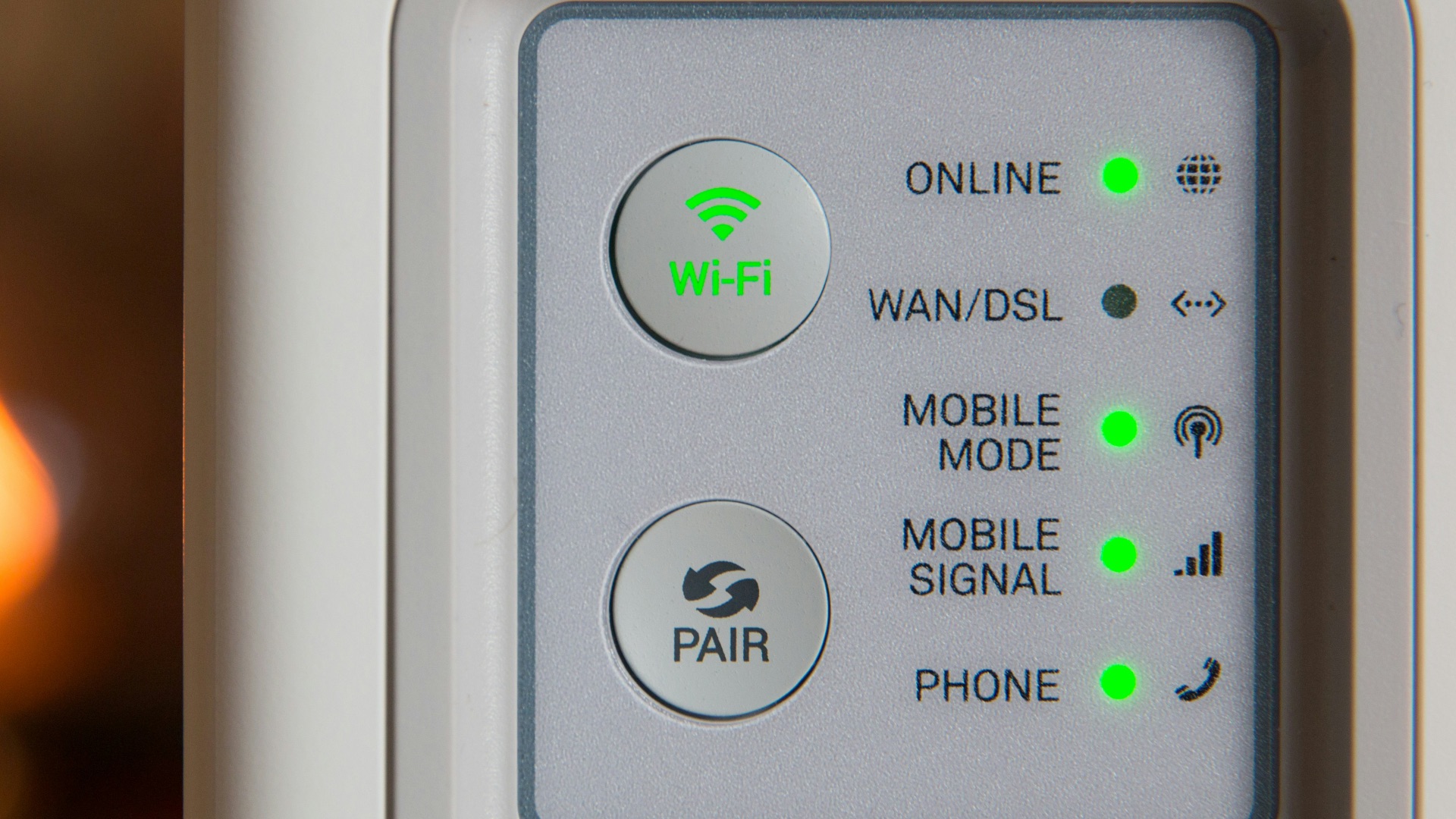
Your home internet connection is already significantly more private than public Wi-Fi, since you control who has access to the network and your ISP throttling aside, the risks are much lower. Running a VPN constantly on your home devices uses system resources, slows things down, and adds complexity without offering much meaningful protection in most everyday scenarios. For the vast majority of at-home browsing, a good router password and basic security hygiene will serve you better.
 Stephen Phillips - Hostreviews.co.uk on Unsplash
10. It Doesn't Protect You from All Types of Threats
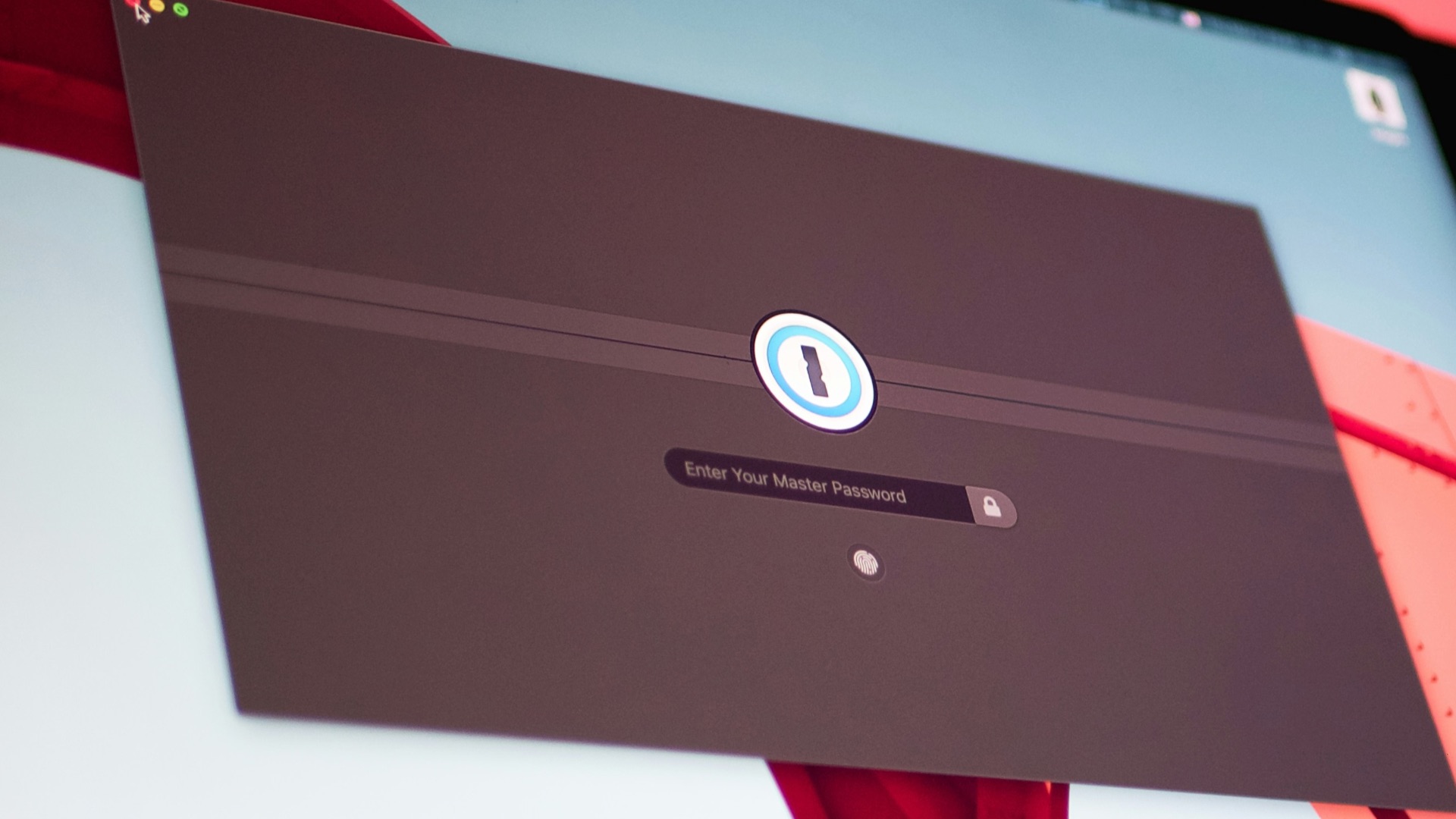
The biggest cybersecurity risks most people face aren't man-in-the-middle attacks on public Wi-Fi; they're phishing emails, weak passwords, malware downloads, and data breaches at companies they've trusted with their information. A VPN does nothing to protect you from clicking a malicious link, using the same password everywhere, or downloading a file infected with malware. Investing in a password manager, enabling two-factor authentication, and staying alert to phishing attempts will protect most people far more effectively than a VPN ever could.
 Vova Kondriianenko on Unsplash