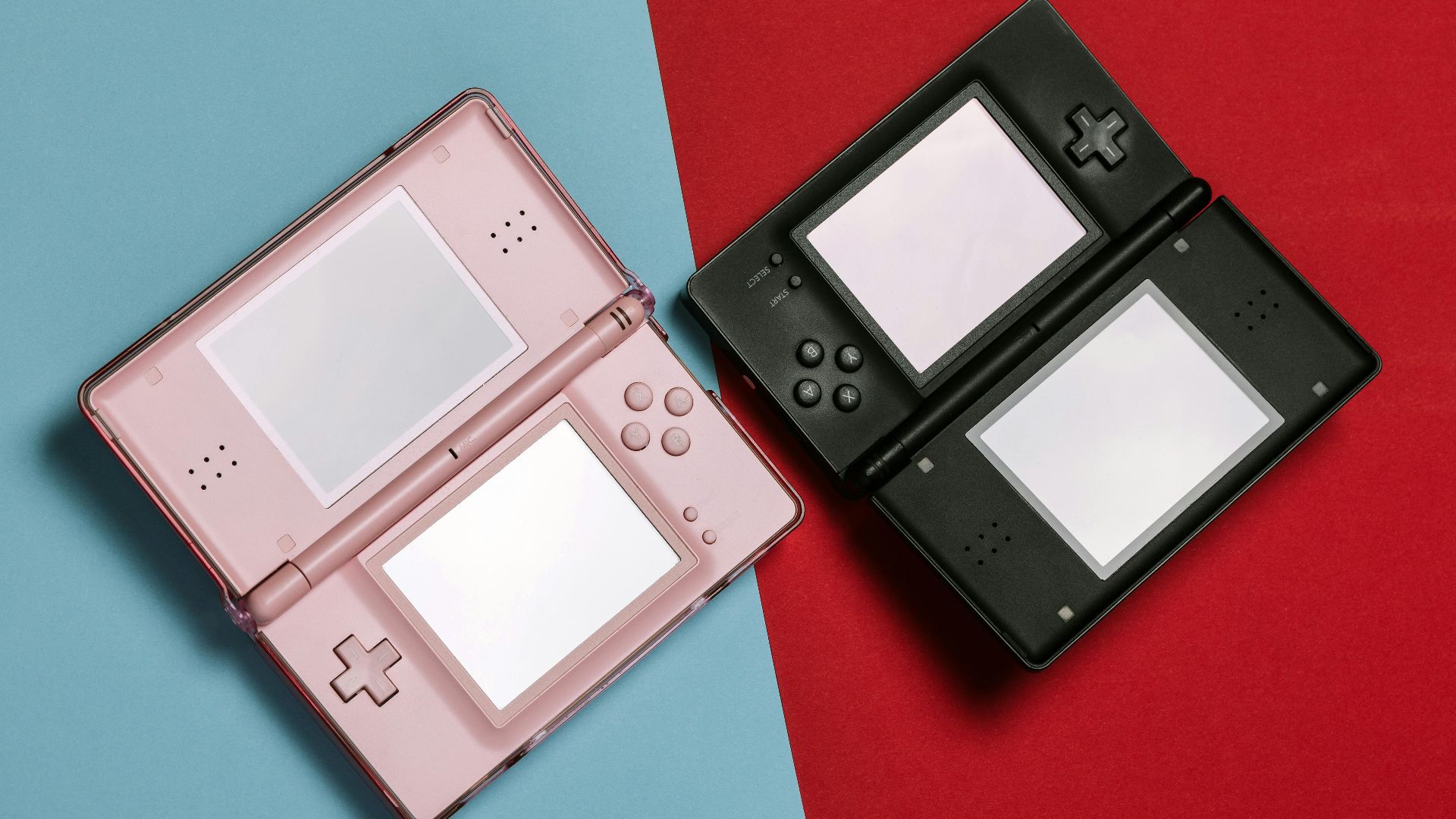
Most puzzle games follow a pretty familiar script, right? You look around the room, you test out a rule, and somewhere on the screen, the answer is waiting for you. But every now and then, a game comes along that does something a little weirder, a little more personal. Something that makes the machine in your hands a part of the riddle.
That's the kind of game we're talking about here.
Nintendo and Sony, in particular, both put this idea to use throughout the 2000s and 2010s, building games around stylus input, controller motion, and other hardware quirks. Not only were you getting to experiment with a new console, but these companies actually changed the way you had to solve something.
When a puzzle asks you to figure out the game's own internal logic, that's one thing. But when it asks you to figure out the device you're holding, that's something else entirely. It almost gets under your skin a bit. And when it works, it really works. To a point where game lovers today still talk to people about it.
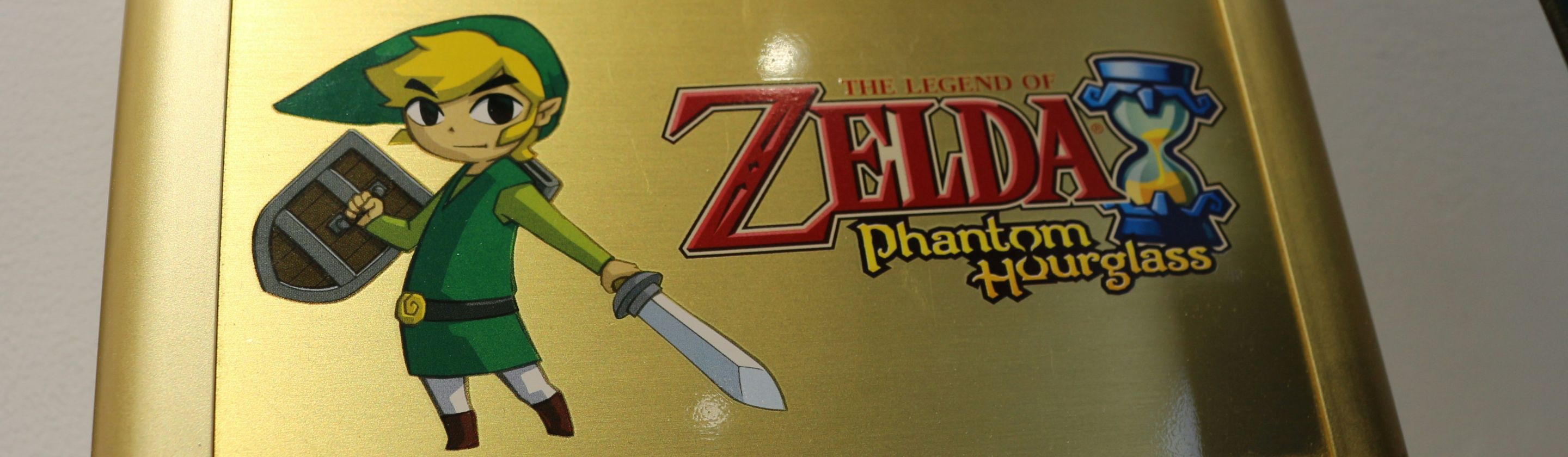
Phantom Hourglass
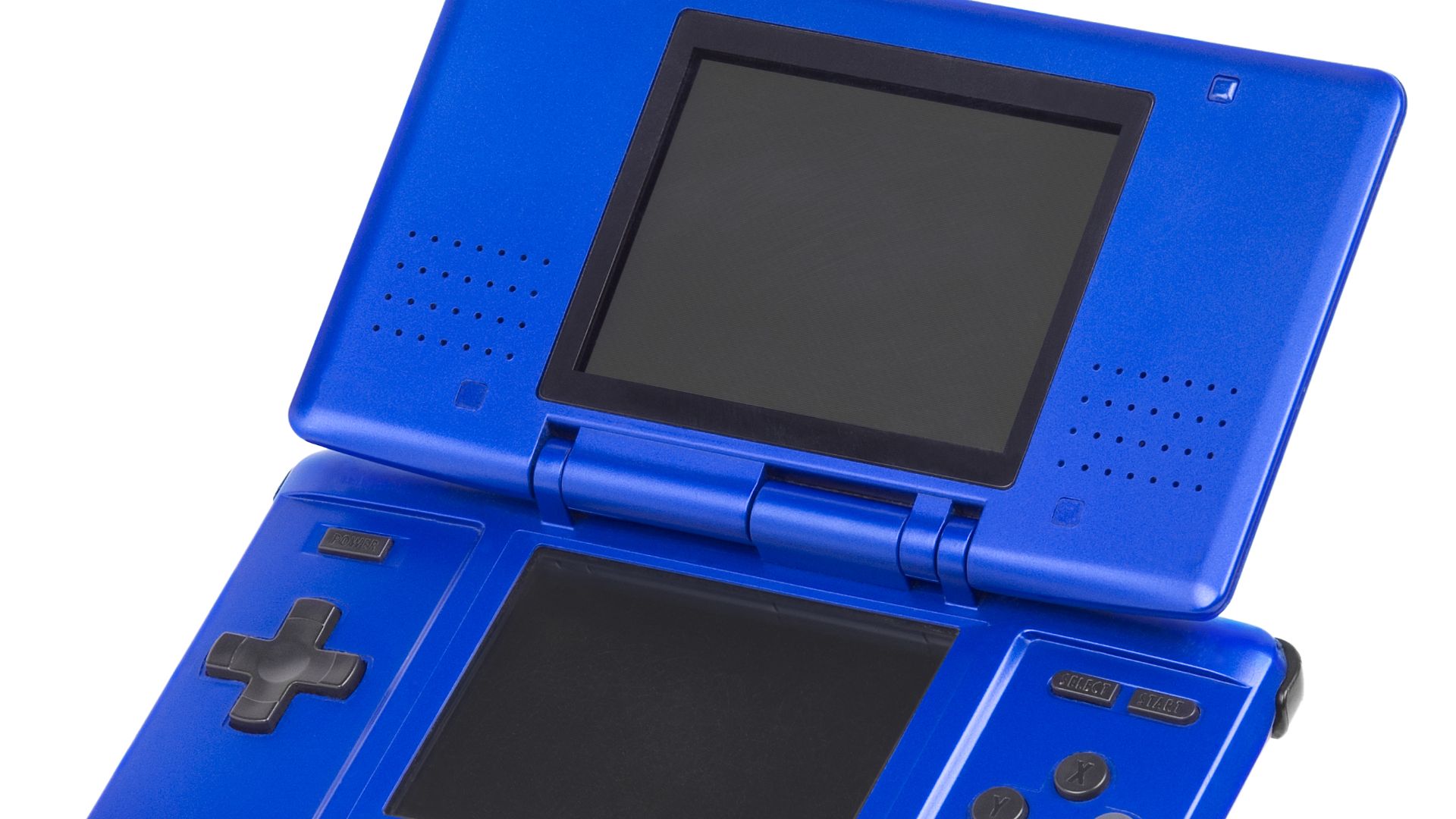
Phantom Hourglass came out on the Nintendo DS in 2007, and Nintendo was pretty upfront about what they were going for: Intuitive touch screen controls and innovative puzzles. In a 2007 interview, producer Eiji Aonuma said the stylus opened up "all sorts of exciting gameplay ideas," and that the whole project could be packed with interesting interactions because the team had committed to that one control method from the start.
In other words, this wasn't a game with a DS port; the DS made the game what it was.
And nothing proves that quite like the sacred crest puzzle in the Temple of the Ocean King. As you move through the temple, you’ll reach a point where the game asks you to “press” a sun crest against your world map. To do this, you have to physically close your DS so that the mark can transfer. It’s such a simple puzzle, but at the time, it left many players second-guessing what their next steps had to be.
What makes that moment stick isn't just the surprise. It's that the hinge, the dual screens, the sleep mode, all of it suddenly becomes part of the puzzle. The hardware stops being the thing you play through and starts being the thing you play with. Lots of games use a touch screen. Very few games ask you to think about the actual body of the console.
Heavy Rain
Heavy Rain went in a completely different direction. No dungeons, no fantasy. This 2010 game was a cinematic thriller, a four-day hunt for someone called the Origami Killer, and every decision you made could shift where the story ended up.
But what's interesting, for our purposes anyway, is how it uses the PS3 controller.
GamesRadar noted that nearly everything outside of walking was handled through button presses, right stick movements, and "shakes of the Sixaxis." HEXUS pointed out that the PS3's motion sensing showed up for things like thrusting upward or flicking sideways during tense scenes.
So when something horrible was happening on screen, you weren't clicking a button labeled "resist." You were physically fighting with the controller. The game made the motion sensing mean something emotionally, not just mechanically.
Now, Heavy Rain is messier than Phantom Hourglass. It doesn't deliver a clean, satisfying "aha" moment the same way, but it definitely still counts. For a mystery game trying to make you feel implicated in what's unfolding, that tactile dimension is exactly what a lot of story games still can't quite pull off.
Skyward Sword
 Philip Terry Graham on Wikimedia
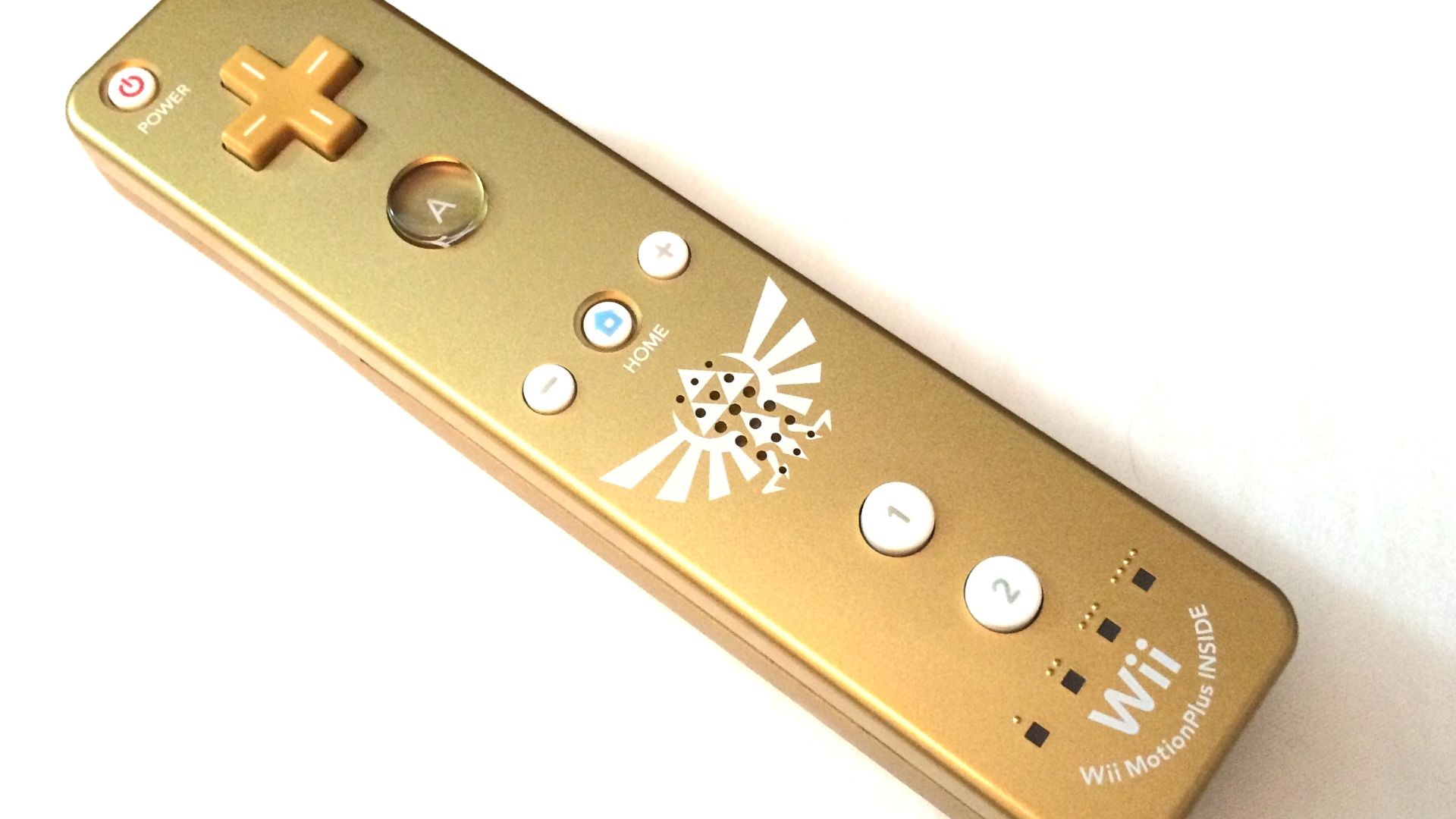
Skyward Sword came out for Wii in 2011, and it might have been the most ambitious version of this whole idea. Nintendo's page describes full motion controls that sync your movement with Link's, precise sword angles, and puzzle-solving across the dungeons and overworld that specifically require this kind of input.
The Iwata Asks interviews are pretty revealing here. Aonuma said the compatibility between Skyward Sword and Wii MotionPlus was outstanding, and that players could swing, tilt, and rotate the remote to do all kinds of things without memorizing traditional button combos. The interview goes further goes further, noting that the team started from the question of how Wii MotionPlus would change a Zelda game. Again, they built the design around the hardware, not the other way around.
That's why Skyward Sword's puzzles feel different from the old Zelda pattern of "find the lock, find the key, open the door." The game asks you to think about orientation, timing, and space. The remote starts to feel less like a button board and more like an actual tool, which is the exact metaphor Nintendo's own developers used.
And that's really the whole secret, isn't it? When platform-specific puzzle design really clicks, the machine stops feeling like something standing between you and the answer. It starts feeling like it's in on the joke with you.