The Great AI Divide
Ever since artificial intelligence became widespread and advanced, no one has been able to stop talking about it; it's one of those topics that seems to spark a strong reaction in just about everyone, for better or worse. Whether you're thrilled by all the newfound possibilities AI has brought or unsettled by what this means for your future and life as you know it, it's hard to deny that these artificially intelligent tools are reshaping the world in ways that feel both exciting and a little unpredictable. Here's a breakdown of why people land so firmly on one side or the other.
1. It's Making Healthcare Smarter
AI is already helping doctors detect diseases like cancer earlier and with greater accuracy than ever before, which is genuinely life-saving. Tools powered by machine learning can analyze medical images, flag abnormalities, and even predict patient outcomes based on patterns in large datasets. For a lot of people, the idea that technology could help you catch a serious illness sooner is reason enough to feel hopeful.

2. Everyday Tasks Are Getting Easier
From drafting emails to summarizing lengthy documents, AI tools are cutting down on the time you spend on repetitive, low-stakes work. That freed-up time can go toward more meaningful projects, creative thinking, or simply enjoying a longer lunch break without the guilt. Productivity tools that once felt like a luxury are now accessible to pretty much anyone with an internet connection.
 Stephen Phillips - Hostreviews.co.uk on Unsplash
3. It's Opening Doors in Education
Personalized learning is becoming more achievable thanks to AI systems that can adapt to a student's pace, strengths, and areas of struggle. Instead of a one-size-fits-all approach, students can receive tailored feedback and resources that actually match where they are in their learning journey. For educators, that means spending less time on administrative tasks and more time on the parts of teaching that genuinely matter.

4. Scientific Research Is Accelerating
AI is helping researchers process enormous volumes of data faster than any human team could manage on their own. In fields like climate science, genomics, and drug discovery, this kind of speed can translate directly into breakthroughs that benefit everyone. The potential to solve problems that have stumped scientists for decades is a pretty compelling reason to be enthusiastic.

5. Creative Tools Have Never Been More Accessible
AI-powered design, writing, and music tools are putting creative capabilities into the hands of people who might not have had formal training in those areas. You don't need to be a professional graphic designer to produce polished visuals for your small business anymore, and that, for a lot of people, is something to be excited about.

6. It's Helping Address Climate Change
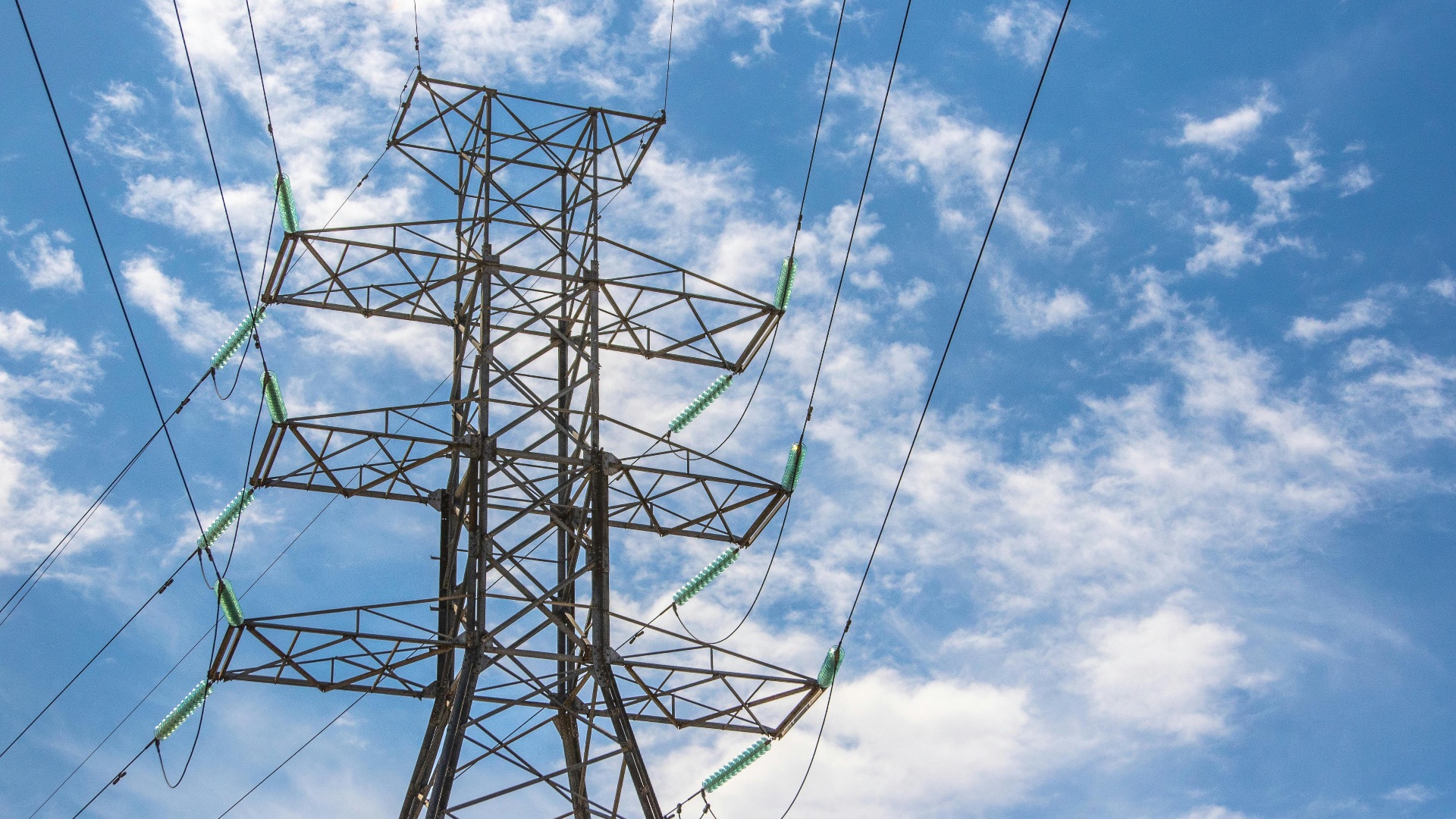
Despite the stance against incessant AI use, given its effects on the environment, AI is being used to optimize energy grids, improve the efficiency of renewable energy systems, and model climate scenarios with greater precision. Companies and governments are leveraging these tools to make smarter decisions about resource use and carbon reduction. For those who are deeply concerned about climate change, AI represents a concrete and practical avenue for making progress in the right direction.
7. Customer Experiences Are Improving
Whether it's a more accurate product recommendation or a customer service chatbot that actually resolves your issue without transferring you four times, AI is making interactions with businesses feel more efficient. Companies are using AI to better understand what customers want and respond more quickly to problems. It's not perfect 100% of the time, but it's a noticeable improvement over the hold-music-and-wait approach of the past.

8. It's Creating New Career Opportunities
While conversations about job displacement get a lot of attention, AI is also generating entirely new roles and industries that didn't exist a decade ago. Careers in AI ethics, machine learning engineering, prompt design, and AI-assisted research are growing fields with real demand. For people willing to learn and adapt, this technological shift is opening up professional paths that are truly interesting.
 Cytonn Photography on Unsplash
9. Accessibility Is Expanding for Many People
AI-powered tools like real-time transcription, image description, and language translation are making the world more navigable for people with disabilities or language barriers. Technology that once required expensive specialized software is increasingly built into everyday apps and devices. That kind of inclusion is something worth celebrating, and it's a direct result of advances in AI.
10. The Pace of Innovation Is Genuinely Thrilling
For people who love technology, watching AI evolve at its current speed is a little like seeing the early days of the internet all over again. Each month brings new capabilities, new applications, and new conversations about what's possible. There's a sense that we're living through a genuinely historic moment, and for many, that's an exciting thing to be part of.
But with the rapid advancement of AI, it's no surprise that many find it unsettling. Let's take a look at 10 reasons why the acceleration of AI can be genuinely frightening to think about.
1. Job Displacement Is a Real Concern
Automation has always changed the workforce, but AI is moving fast enough that many workers are worried their roles could become obsolete before they've had a chance to retrain. Industries like transportation, customer service, and data entry are already feeling the pressure, and economists are divided on whether new jobs will emerge quickly enough to compensate. For people in affected fields, that uncertainty is something they think about on a daily basis.
 ANTONI SHKRABA production on Pexels
2. Privacy Is Being Eroded
AI systems rely on massive amounts of data, and a lot of that data comes from you, often without your full awareness of how it's being used. Facial recognition, behavioral tracking, and predictive profiling are becoming more sophisticated, and the legal frameworks to govern them haven't kept up. The idea that your movements, preferences, and habits are being analyzed and stored by systems you've never consented to is unsettling for a lot of people.

3. Misinformation Is Getting Harder to Detect
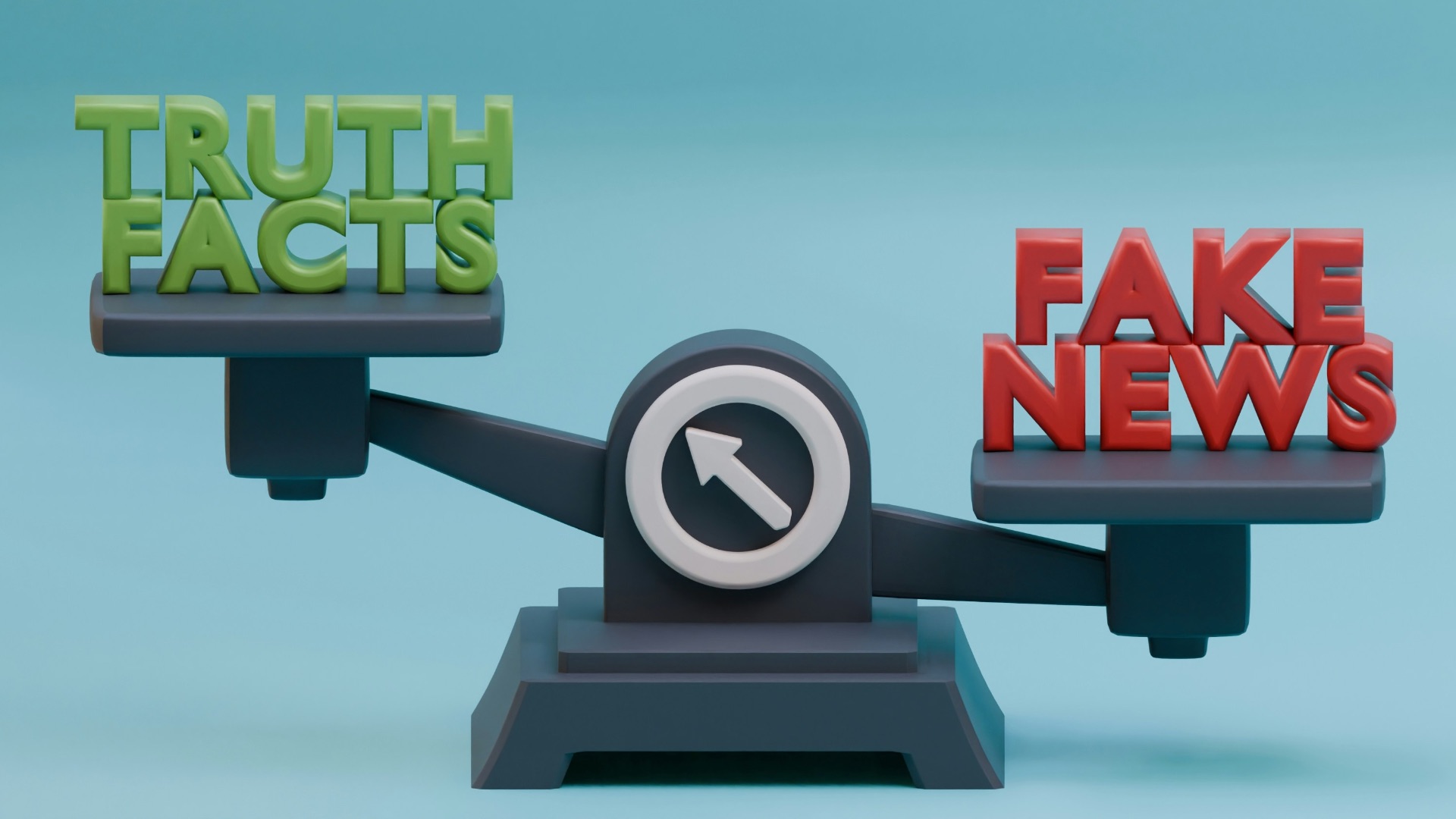
AI-generated text, images, and video are now convincing enough that distinguishing real content from fabricated content requires real effort. Deepfakes can make it look like someone said something they never said, and AI-written articles can spread false information at scale with alarming efficiency. As these tools become more widely available, the challenge of maintaining an informed public becomes significantly more complicated.
 Hartono Creative Studio on Unsplash
4. Bias in AI Systems Can Cause Real Harm
AI is only as fair as the data it's trained on, and that data often reflects the historical inequalities and prejudices already present in society. When biased AI systems are used to make decisions about hiring, lending, healthcare, or criminal sentencing, the consequences for affected individuals can be severe. Many critics argue that deploying these systems without adequate oversight is causing harm that's difficult to see and even harder to reverse.
5. No One Fully Agrees on Who's Responsible
When an AI system causes harm, whether through a bad recommendation, a flawed medical diagnosis, or a biased decision, accountability gets murky. Is it the developer, the company using the tool, or the regulator who failed to intervene? That lack of clear responsibility is troubling for people who believe every significant decision affecting human lives should have a clear chain of accountability.
6. Cognitive Offloading Is Changing How We Think
As AI handles more of the thinking, problem-solving, and decision-making that people used to work through on their own, there's growing concern that those mental muscles are slowly weakening. Researchers have started examining whether heavy reliance on AI tools is reducing critical thinking skills, attention spans, and the ability to sit with a difficult problem long enough to actually solve it. If you've ever caught yourself reaching for an AI tool before even attempting to figure something out independently, you're already seeing this shift play out in real time.
7. The Concentration of Power Is Troubling
A small number of large tech companies currently control the most powerful AI systems in the world, which means a huge amount of influence is concentrated in very few hands. Decisions made by these companies about how their systems work, who can access them, and what guardrails are in place affect everyone, even those who've never used the technology. That kind of power imbalance is something a lot of people, across the political spectrum, find incredibly concerning.
 Levart_Photographer on Unsplash
8. Mental Health Impacts Are Still Unknown
As AI becomes more integrated into social platforms, companion apps, and daily routines, researchers are raising questions about its long-term effects on human connection and mental well-being. There's particular concern about younger people forming significant relationships with AI systems in ways that might reduce their motivation to invest in human relationships. These are questions without clear answers yet, and for many parents and clinicians, that uncertainty is enough to warrant serious caution.

9. Regulation Hasn't Caught Up Yet
AI is developing so quickly that governments are struggling to create legislation that meaningfully addresses the risks without stifling innovation. The result is a landscape where some of the most consequential technology in history is largely being governed by the companies building it, with limited external oversight. For people who believe in democratic accountability, that gap between technological capability and regulatory readiness is a significant source of anxiety.

10. Long-Term Risks Are Hard to Dismiss
Some of the world's most prominent AI researchers and technologists have spoken openly about their concerns regarding advanced AI systems that could eventually act in ways that conflict with human values or interests. These aren't fringe views; they're shared by serious scientists and philosophers who study these systems closely. Whether or not you believe the most extreme scenarios are likely, the fact that experts are genuinely uncertain about long-term outcomes is, for many people, reason enough to proceed with caution.