
10 Frightening Ways Social Media Is Rewiring Your Brain & 10 Ways to Reclaim Control
Is Social Media the Enemy?
Social media has taken over much of our lives. From morning to night, most of us are glued to our phones, scrolling from post to post, clip to clip, notification after notification. After all, the platforms we're familiar with are engineered not only to entertain but to keep our attention engaged, so it’s no surprise our brains have adapted to that environment like it’s the norm. But there's an ominous downside to it all, too. Here are 10 frightening ways social media is rewiring your brain—and 10 ways to reclaim control over it.
1. Bad Focus and Attention Span
Instead of letting you sink into one thing, the feed keeps offering a new option every few seconds, and your attention starts treating that as the norm. You’ll notice it when a book, movie, or even a TV episode suddenly feels like it’s taking too long to get to the point. The frustrating part is that nothing is wrong with you, but your brain is being trained to expect quick hits and frequent switches.

2. Making Novelty Feel Like a Need
When your brain gets rewarded for chasing the newest post, trend, or update, it starts labeling newness as urgent even when it isn’t. That’s how you end up refreshing apps without a clear reason, just to see if something changed. Over time, ordinary tasks can feel strangely dull because they don’t deliver that rapid burst of stimulation.

3. Constant Notifications Keeping You Alert
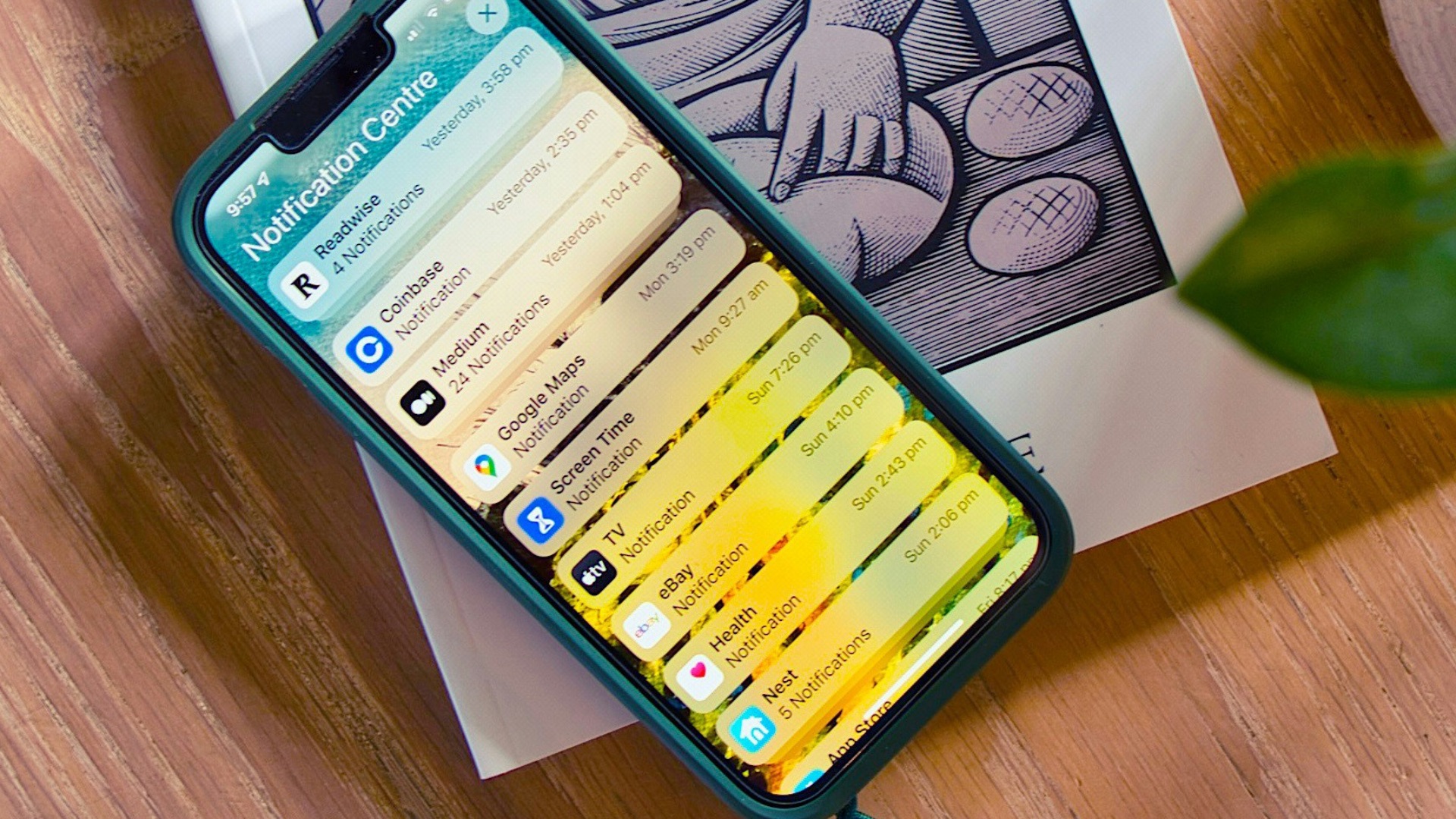
Notifications act like tiny taps on the shoulder that tell your brain to stay available, even when you’re trying to rest. The content might be fun, but the constant readiness can leave you feeling slightly keyed up all day. If you’ve ever put your phone down and still felt mentally buzzing, that’s a pretty good sign your system hasn’t fully powered down.
4. Training You to Compare
Scrolling through highlight reels can turn comparison into a reflex, and it happens faster than you can talk yourself out of it. Even if you know people are curating, your brain still registers the status cues and starts tallying where you stand. The result is that you can feel behind or inadequate in situations where you were honestly doing fine five minutes earlier.
5. Reducing Deep Memory for What You Consume
Fast content encourages skimming and sampling, so your brain doesn’t always take the time to store what you just absorbed. You can spend half an hour reading threads or watching clips and then struggle to explain what you even saw. That kind of mental diet can leave you feeling overstimulated but oddly unsatisfied, like your mind never got a full meal.
 Priscilla Du Preez 🇨🇦 on Unsplash
6. Rewarding Reactivity Over Reflection
Platforms amplify strong emotions, so your brain starts staying ready to respond quickly rather than think carefully. That can show up as instant judgments, sharper replies, or a tendency to feel fired up before you’ve processed the full context. If you’ve ever felt emotionally dragged around by content you didn’t even seek out, you’ve seen this effect firsthand.
7. Interfering with Sleep
Late-night scrolling doesn’t just steal time; it keeps your brain active in a way that makes real rest harder to reach. You might feel tired, yet still wired, because your mind is processing novelty, social signals, and emotionally charged posts right before bed. Then the next day you’re foggier, more distractible, and more likely to reach for the exact same habit again.
 Nubelson Fernandes on Unsplash
8. Changing Your Identity
When feedback is instant and visible, it’s easy to start shaping what you share around what performs well. You might post what feels safest, what seems likable, or what matches the tone of the crowd, even if it’s not fully you. Over time, that can create a subtle split where you feel like your online self is a project you maintain rather than a person you enjoy being.

9. Normalizing a Life Lived Halfway
If you’re constantly switching between apps, messages, and content, your brain adapts to operating in fragments. That makes full presence feel harder, because being all-in on one thing starts to seem unusual. You’ll notice it when you can’t quite follow a conversation, or when you keep checking your phone even though nothing important is happening.

10. Teaching You to Always Resolve Boredom
When entertainment is always available, boredom starts feeling like something you should fix immediately. That’s a problem because boredom is often when your brain sorts thoughts, processes emotions, and notices what you actually need. If you never sit in that quiet space, you may feel busier than ever while still feeling strangely uncentered.
So, how can you regain control? Here are 10 tips that might help.

1. Control Your Notifications
Go through your apps and turn off anything that doesn’t truly deserve access to your attention. If an alert wouldn’t justify someone tapping your shoulder in real life, it probably doesn’t need to buzz your pocket either. Once the noise drops, you’ll likely feel calmer within a day or two because your brain stops bracing for the next interruption.
2. Use Time Windows Instead of Constant Checking
Pick a couple set times to check social media, and let everything else be off-limits by default. This reduces the tiny, exhausting decisions you make all day about whether to open an app. It also changes the experience from mindless grazing to a quick check-in that actually ends.

3. Hide the Apps
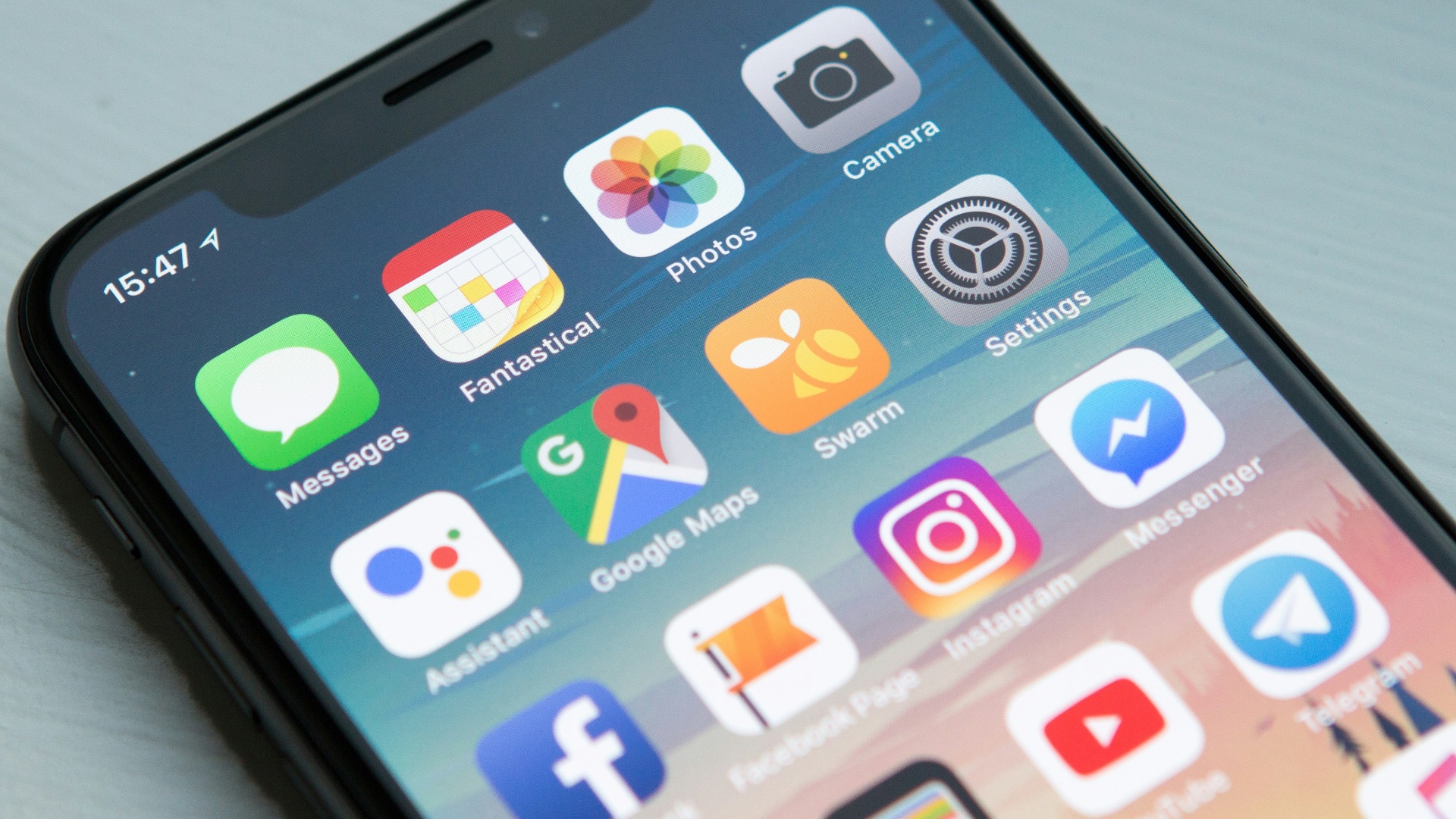
Move social apps off your home screen so you have to search for them or open a folder to access them. That small extra step interrupts autopilot and gives you a second to decide if you really want to go there. You’re not relying on willpower so much as designing your environment to support you.
4. Curate to Protect Your Mental Space
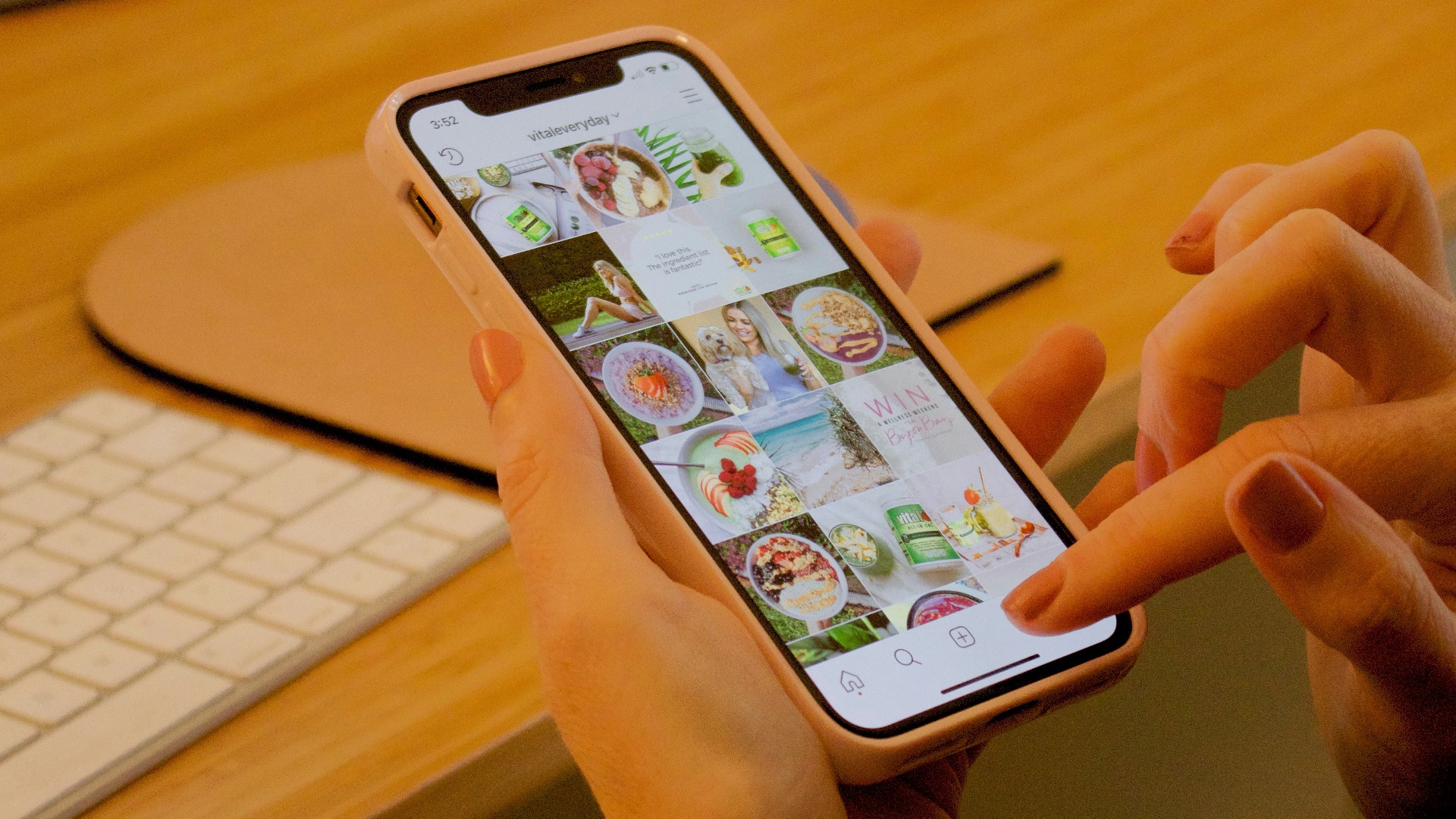
Unfollow, mute, or hide accounts that reliably leave you tense, jealous, angry, or drained. This isn’t about being sensitive; it’s about noticing patterns and respecting them. When your feed stops poking at your worst instincts, self-control becomes much easier.
 Gabrielle Henderson on Unsplash
5. Take a Short Break from Number
For one week, stop looking at likes, views, and follower counts, even if you keep using the apps. This interrupts the habit of treating social approval like a scoreboard that updates your self-worth in real time. When you come back, you’ll have a clearer sense of what content actually feels good to create and consume.
6. Set a Timer
Before you open an app, set a timer for a realistic limit, like eight or 12 minutes. When it goes off, close the app, even if you feel a little annoyed, because that moment is where you retrain the habit loop. After a week of doing this, stopping feels less dramatic because your brain gets used to a clean endpoint.

7. Protect Your Mornings
Keep your phone away for the first 20 minutes after you wake up so your brain starts the day without being pulled into other people’s priorities. Use that time for something steady like breakfast, stretching, or writing a short to-do list. This simple change often improves mood because you begin with intention instead of instant stimulation.

8. Rebuild Focus with a Daily Single-Task Habit
Choose one thing to do for 10 minutes with zero switching, like reading, cleaning, or writing a message you’ve been avoiding. The goal isn’t perfection; it’s teaching your brain that it can stay with something without chasing a new input. As this gets easier, you’ll likely notice less urge to check your phone during normal tasks.

9. Do a Weekly Check-In
Once a week, look at your recent screen time and think about what content left you feeling better versus worse. If certain topics repeatedly pull you into spirals, adjust your follows, your settings, or your time limits so you’re not relying on discipline alone. This turns your attention into something you manage on purpose, not something you donate accidentally.

10. Put Real Connection Back on the Calendar
Make plans that involve being fully with people, not half-present while you check your phone. In-person conversation and shared activities help reduce the urge for constant digital validation because your social needs get met in a more stable way. The more grounded your real life feels, the less power the feed has to hijack your attention.