When the Panic Didn’t Match Reality
Tech launches have a habit of arriving with a side of doom, as if every new gadget is about to end society. Some concerns were valid in the moment, but plenty of “this will ruin everything” predictions didn’t play out the way people swore they would. Here are 20 tech fears that were way overblown.
 SCARECROW artworks on Unsplash
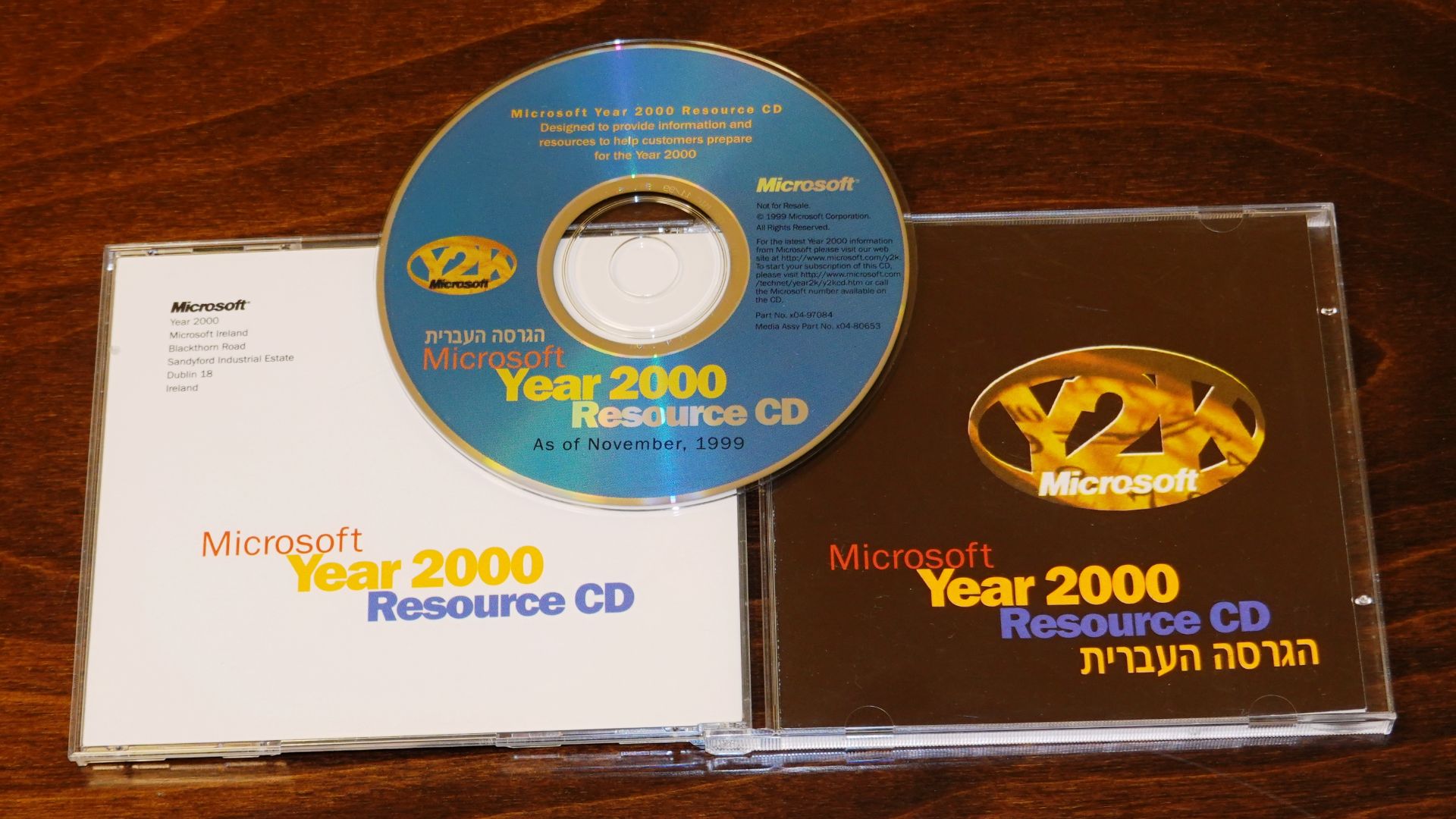
1. Y2K
People seriously pictured planes falling and banks collapsing when the calendar flipped to 2000. Instead, most systems kept running because a lot of behind-the-scenes fixes were done ahead of time. You can call it anti-climactic, but honestly, it was a rare win for preparation.
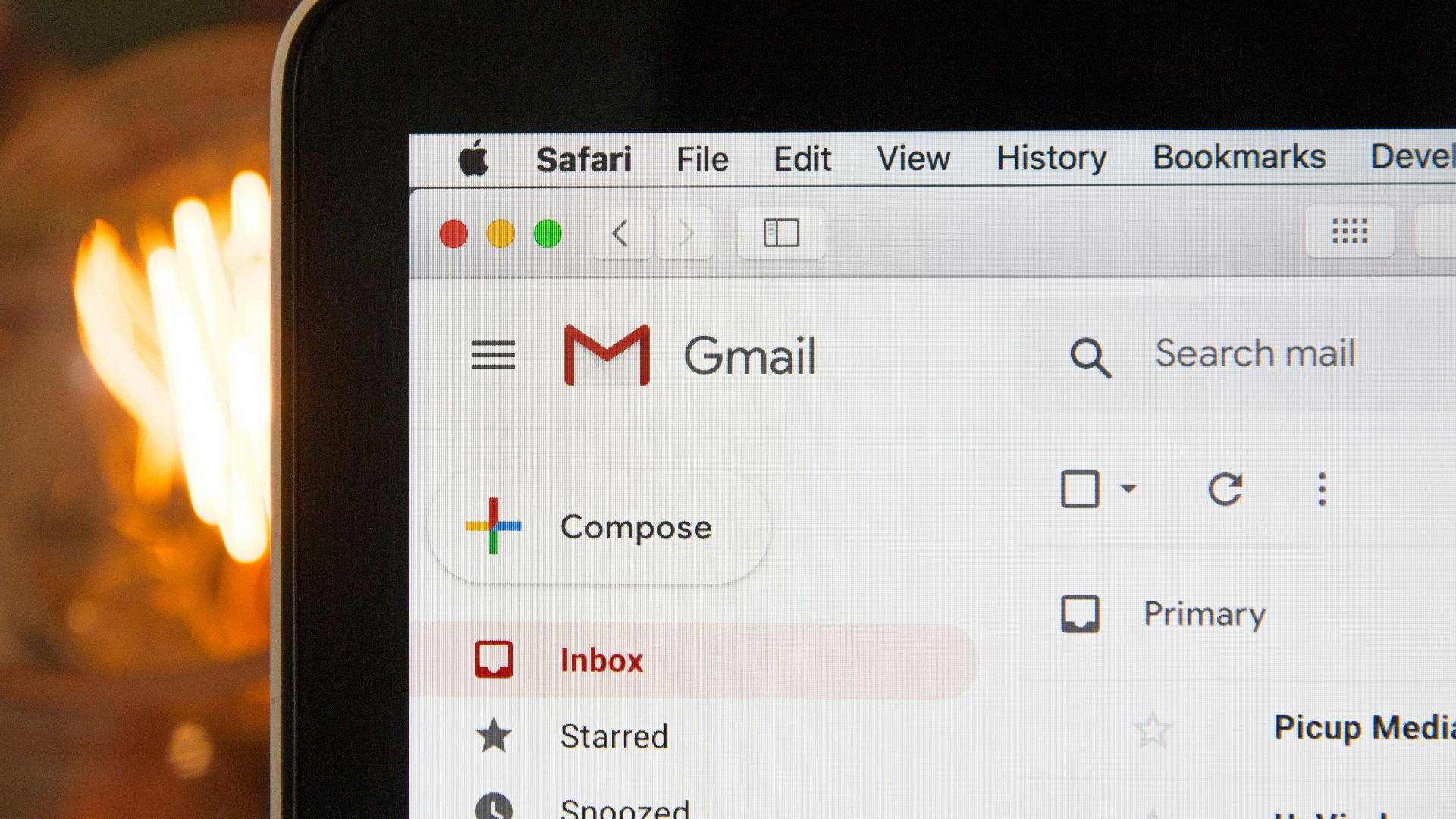
2. Email Will Kill Real Communication
When email became mainstream, plenty of folks worried that conversation would turn cold and robotic. What actually happened is that people just added email to the pile of ways to talk. If anything, we communicate so much now that the real problem is figuring out when to stop.
 Stephen Phillips - Hostreviews.co.uk on Unsplash
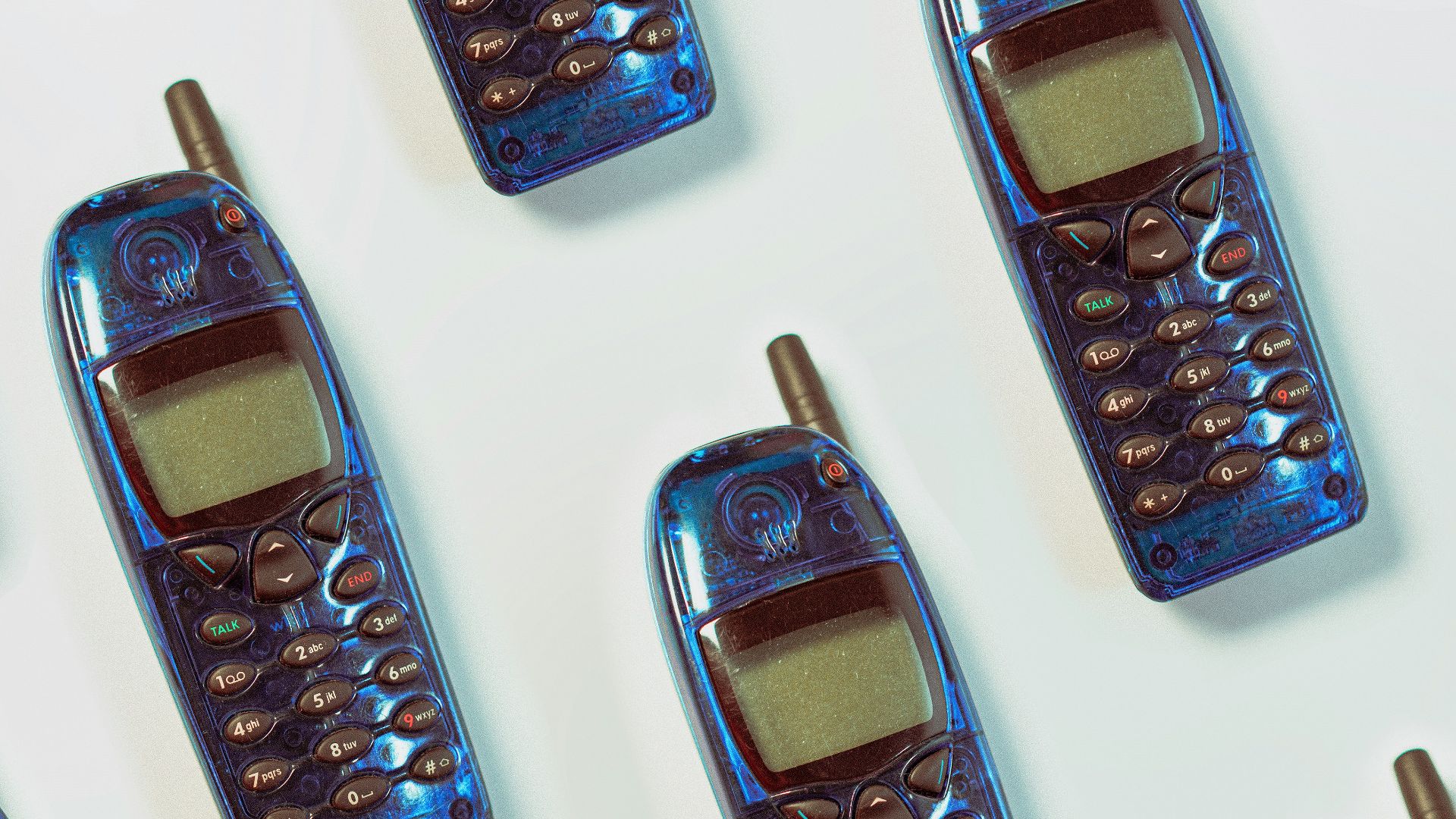
3. Cell Phones Will Melt Your Brain
Every new wave of phones came with fears about radiation and health effects, often framed like your pocket was full of radioactive waves. Research has evolved, and standards exist, and the apocalypse didn’t arrive via ringtone.
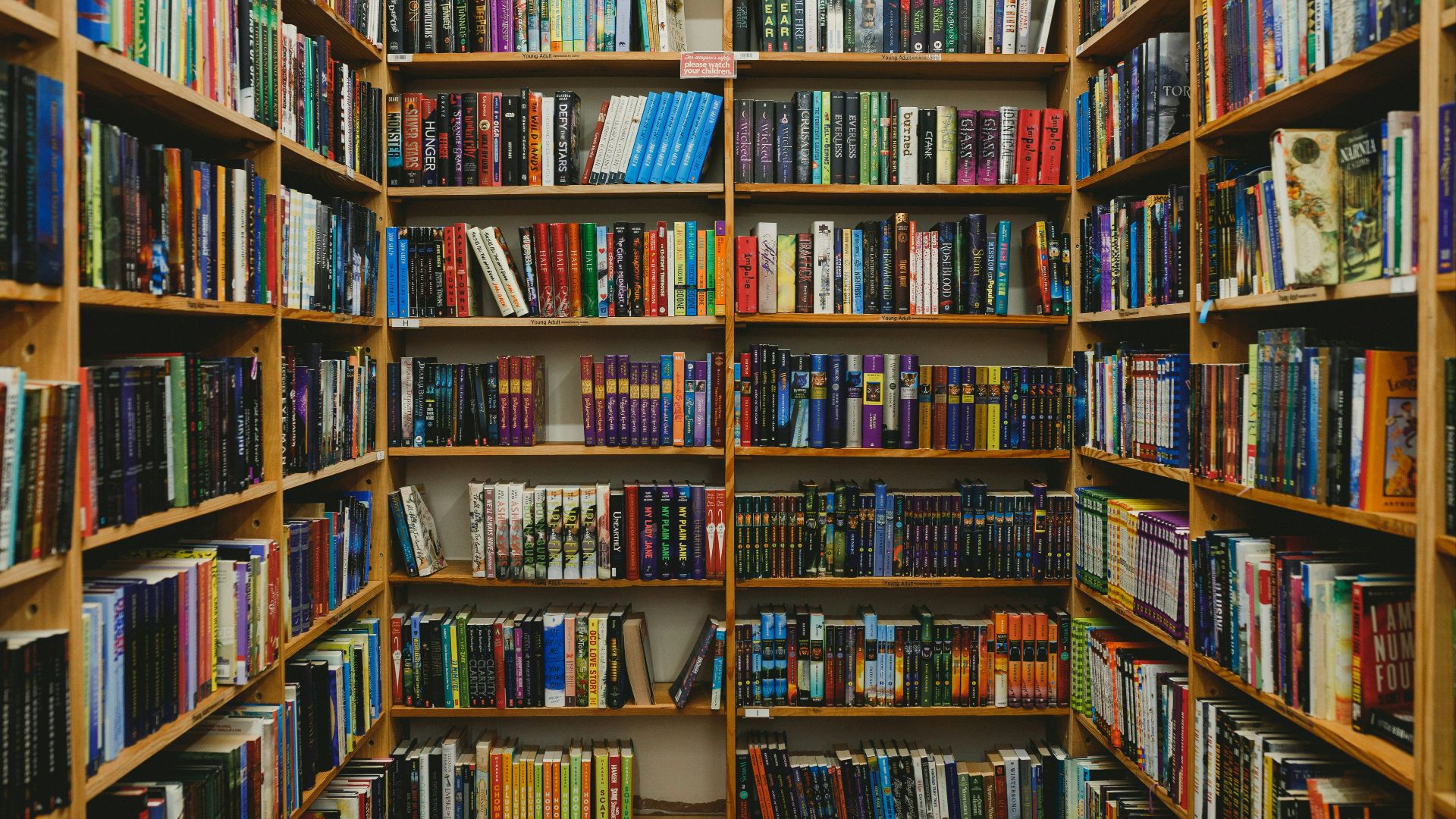
4. The Internet Will End Libraries
The prediction was that books would vanish and libraries would become dusty museums. Instead, libraries adapted by adding digital lending, internet access, and community services while still keeping shelves full. You can still wander the stacks, but now you can reserve a book from your couch, too.
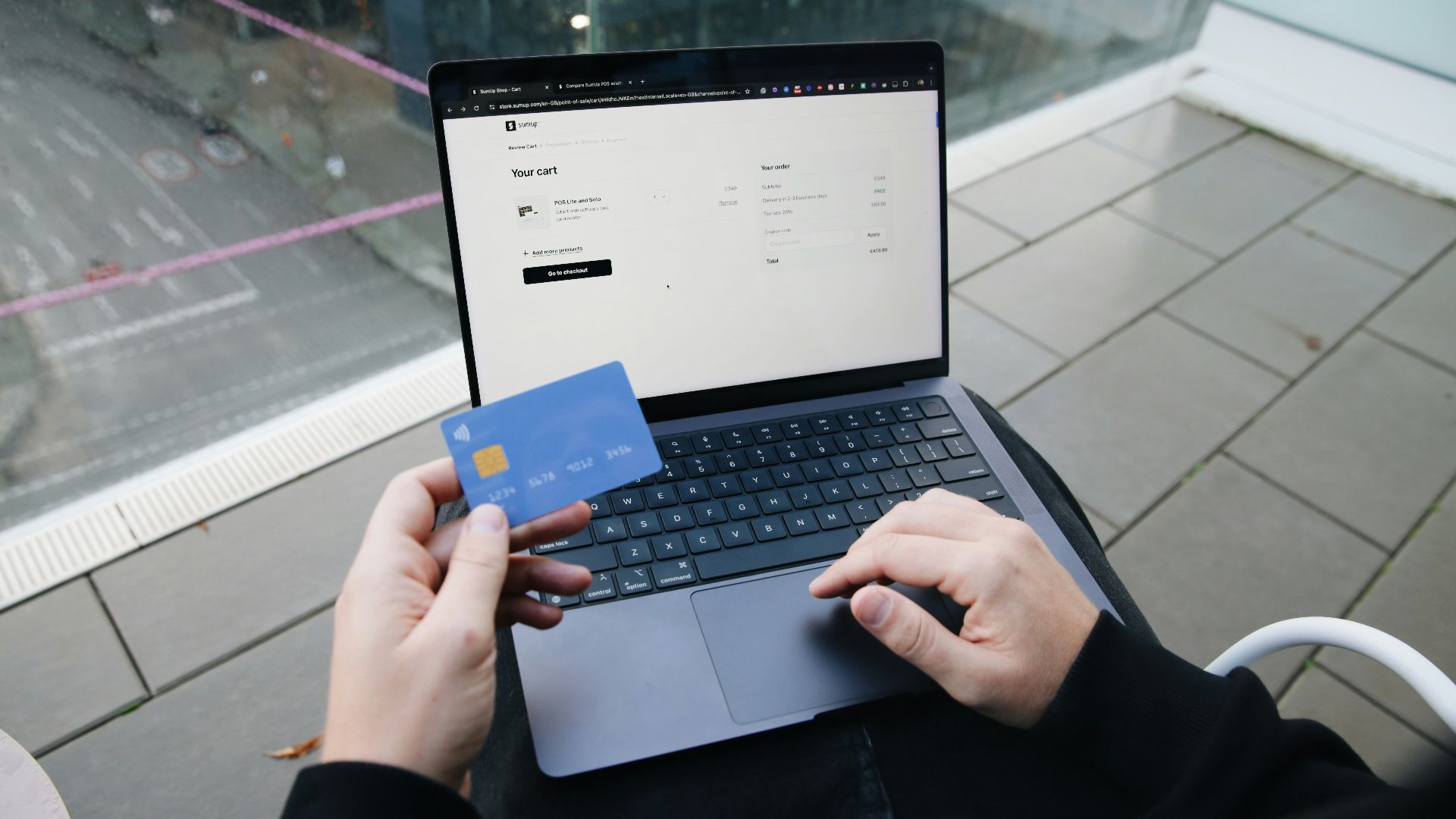
5. Online Shopping Will Destroy Retail Overnight
People assumed physical stores would disappear immediately once you could buy socks with two clicks. While retail has changed a lot, plenty of stores survived by evolving, specializing, or giving people reasons to show up. Turns out humans still like trying on shoes without committing to a return label.
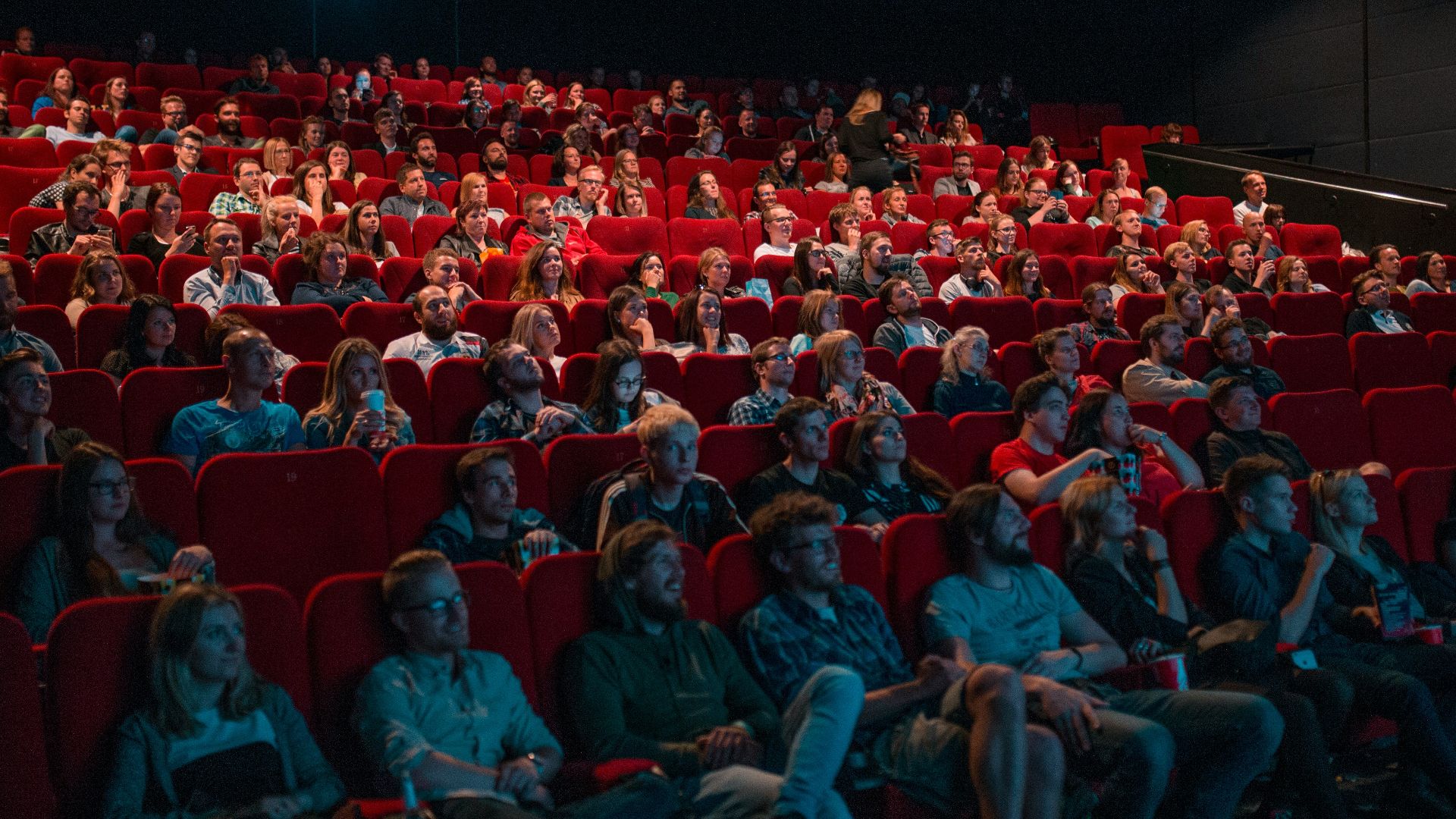
6. Streaming Will Kill Cinemas
When streaming started taking over, it sounded like theaters were about to become ancient ruins. However, as it turns out, people still like going to the cinema. Big releases still draw crowds, and people treat premieres more like an event.
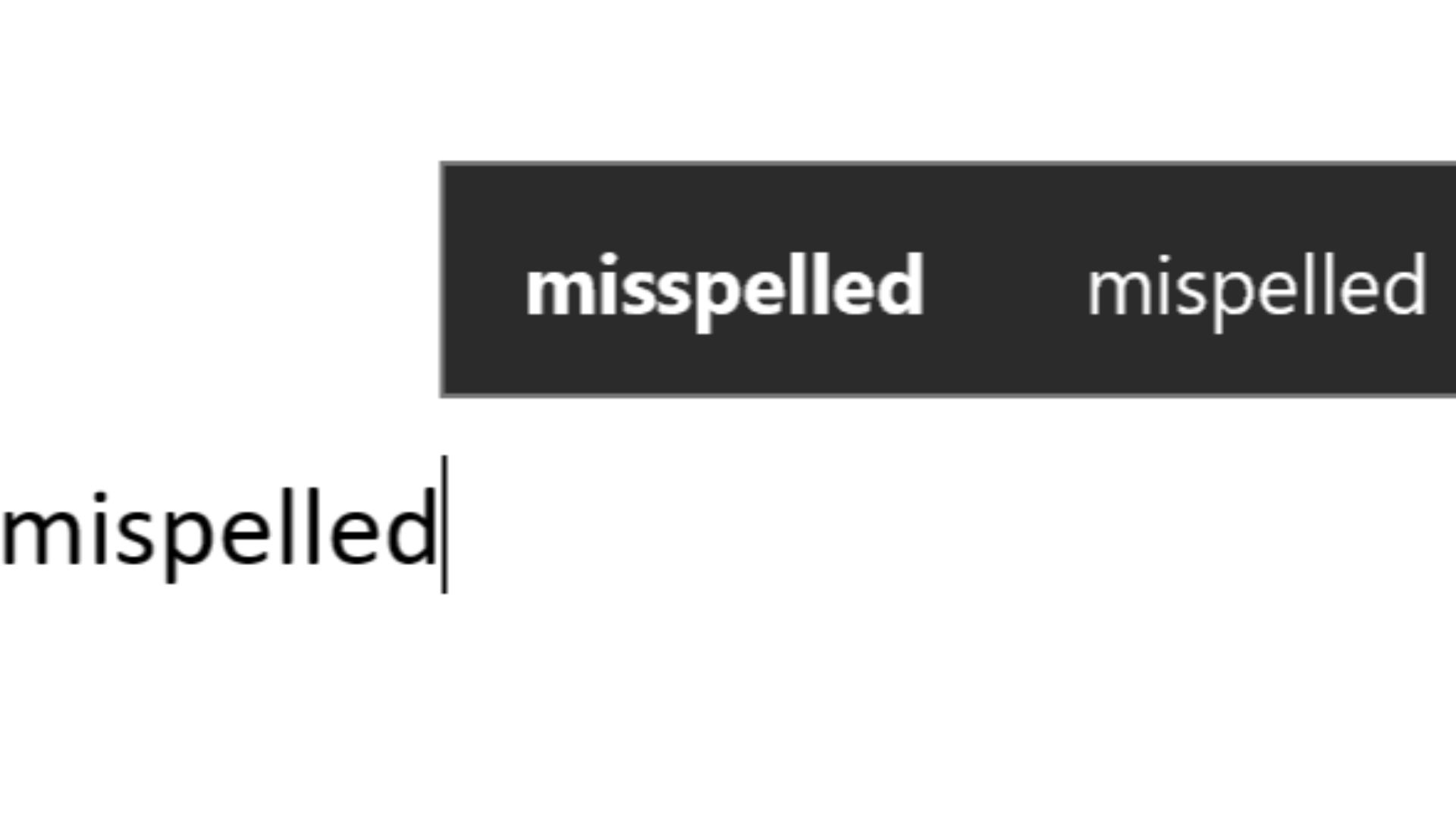
7. Autocorrect Will Make Everyone Illiterate
Autocorrect was supposed to ruin spelling forever, like a tiny keyboard goblin rewriting language. In practice, people still learn to write, and autocorrect mostly just creates hilarious typos at the worst possible time. If anything, it taught you to proofread before you hit send.
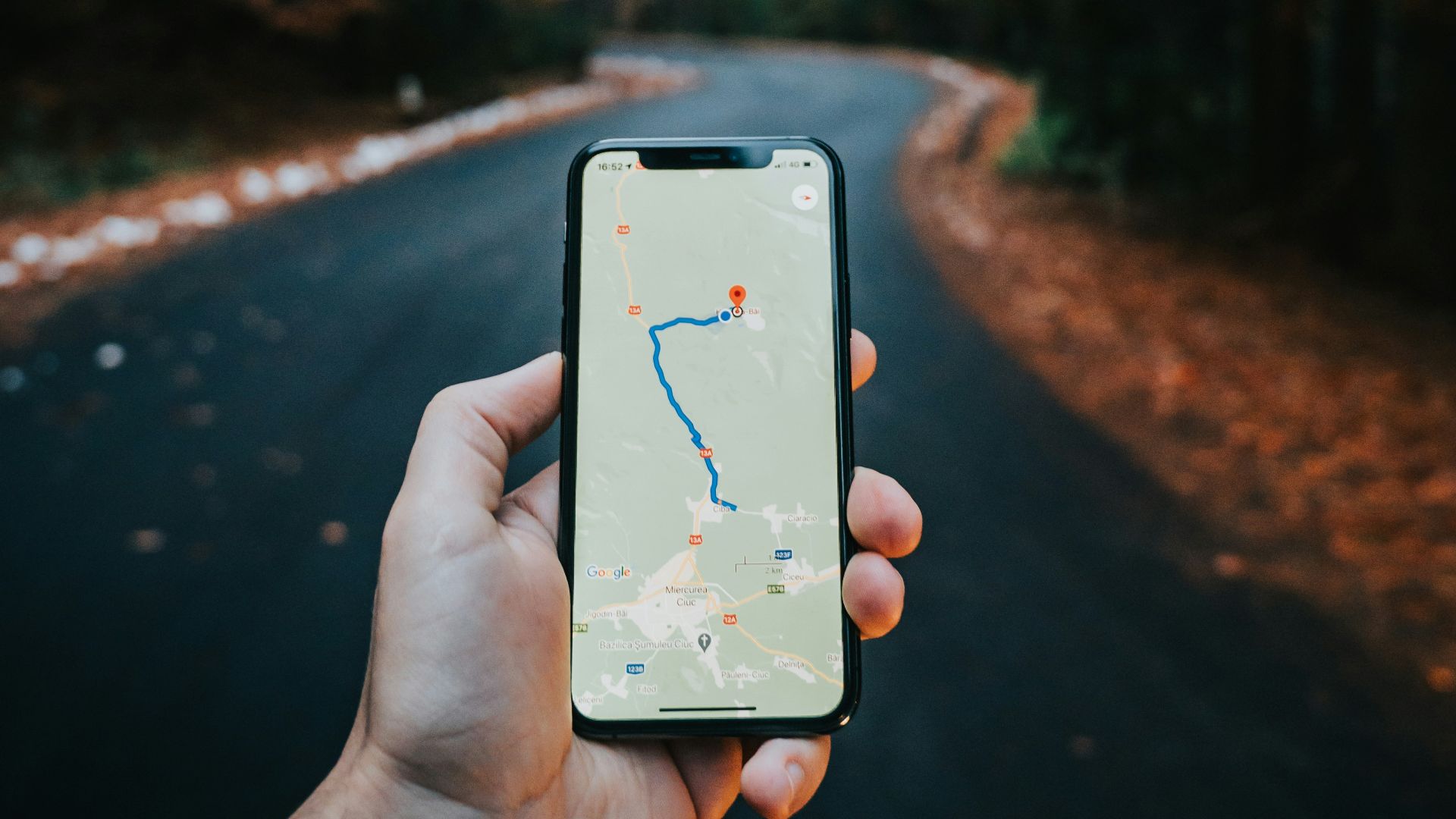
8. GPS Will Erase Your Sense of Direction Completely
Sure, relying on GPS can make you lazier about maps, but it didn’t turn everyone into a helpless wanderer. Most people still know their neighborhoods and can navigate basic routes. The real drama is when GPS confidently tells you to drive into a lake.
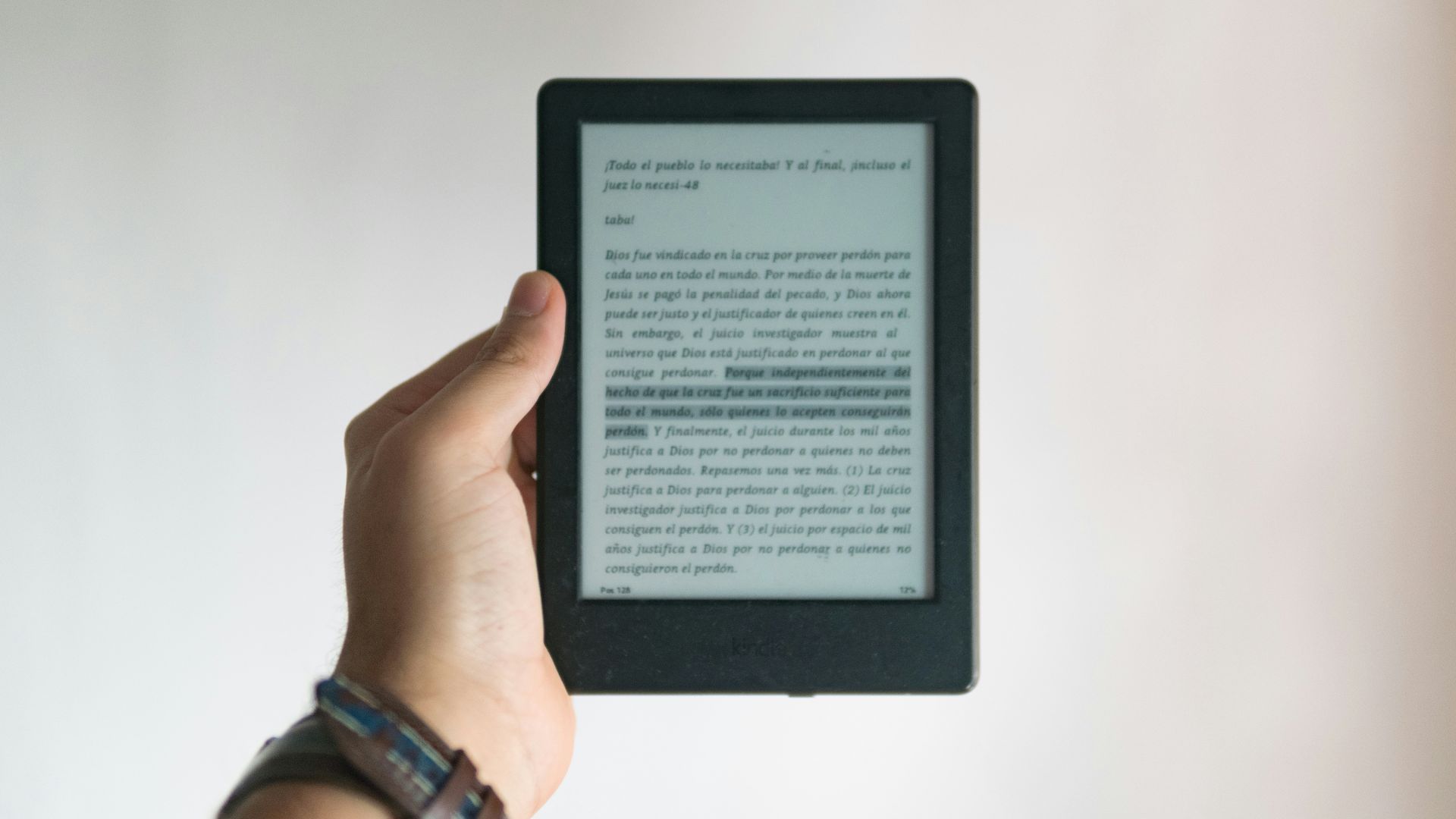
9. Ebooks Will Replace Paper Books
Ebooks were predicted to wipe out physical books like a digital tidal wave. Instead, many readers use both, choosing convenience sometimes and paper comfort other times. Bookstores and hardcovers are still thriving because most people still like the look, feel, and smell of physical books.
 César Abner Martínez Aguilar on Unsplash
10. The Cloud Means Your Stuff Will Disappear
Early cloud storage sounded like you were tossing your files into a mysterious sky void. In reality, it became a pretty normal way to back up photos and documents, and it’s often safer than one doomed laptop. You still need good passwords, but the concept itself didn’t implode.
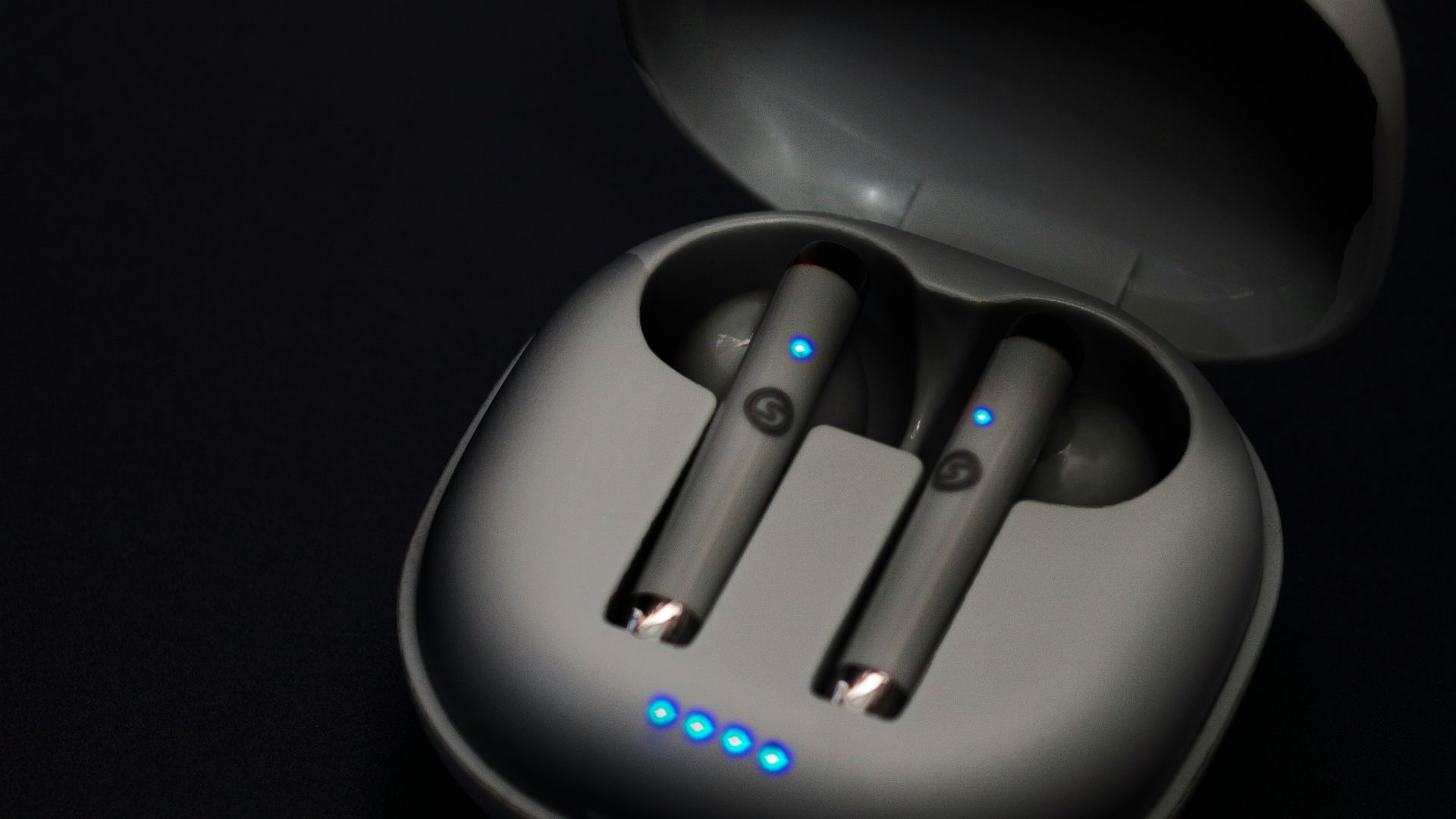
11. Bluetooth Will Fry Your Head
Wireless earbuds and Bluetooth gadgets sparked worries that constant signals were a secret health hazard. The world didn’t fill up with people getting zapped by playlists. If you’re going to blame something for headaches, start with your screen time and not your earbuds.
12. Wi-Fi Will Make You Sick
At some point, Wi-Fi got treated like a suspicious fog drifting through your house. While misinformation spread, the everyday reality was that people mostly got faster internet and stronger opinions about router placement. The main risk was arguments over who was hogging bandwidth.
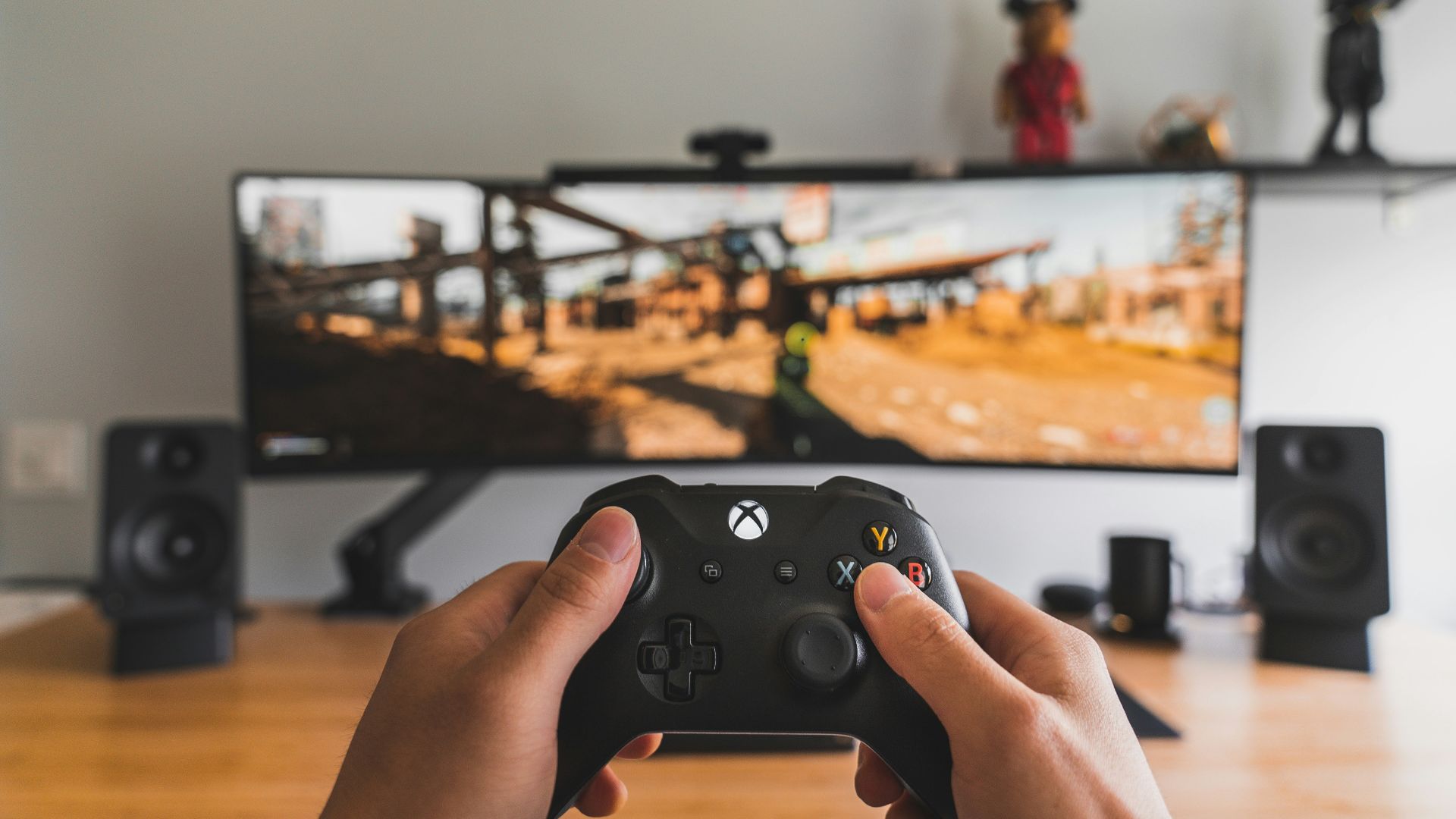
13. Video Games Will Turn Everyone Violent
Every era had its scapegoat game that was supposedly training kids to be criminals. The story turned out to be far more complicated, and the big wave of gamers mostly grew up to argue about frame rates and storylines. If anything, gaming violence fears were louder than the evidence.
14. Social Media Will Replace Real Friends
People worried you’d end up with a thousand followers and zero actual humans in your life. In reality, social media became a tool that can help or hurt depending on how you use it. The problem wasn’t that friendship vanished; it was that boundaries got harder.
15. Smartphones Will Make People Stop Reading
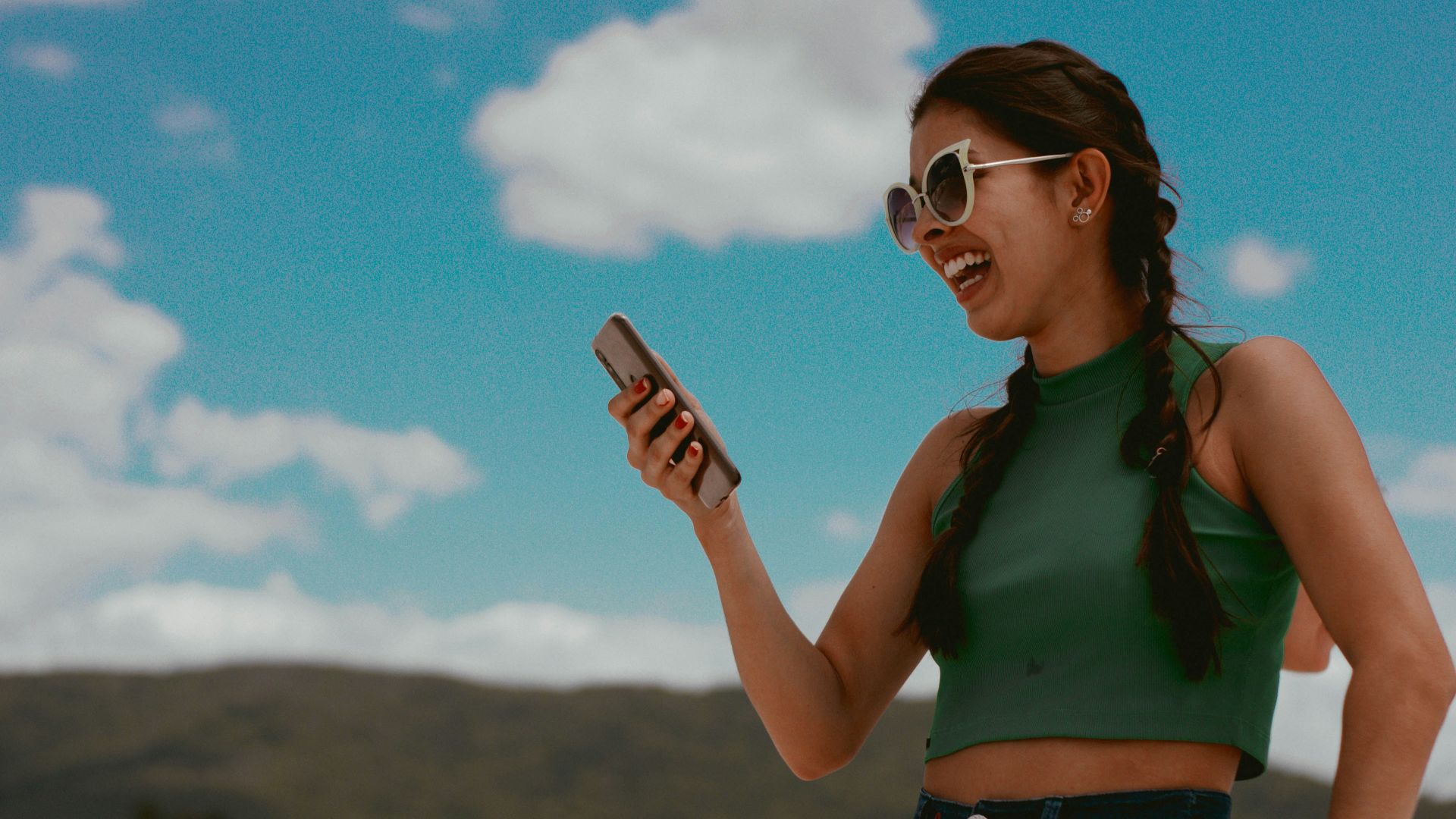
The fear was that long-form reading would disappear once scrolling became the default habit. Plenty of people still read books, articles, and newsletters, even if they also doomscroll occasionally. The bigger shift was attention, not literacy, and you can still choose what you feed your brain.
16. Robots Will Take Every Job
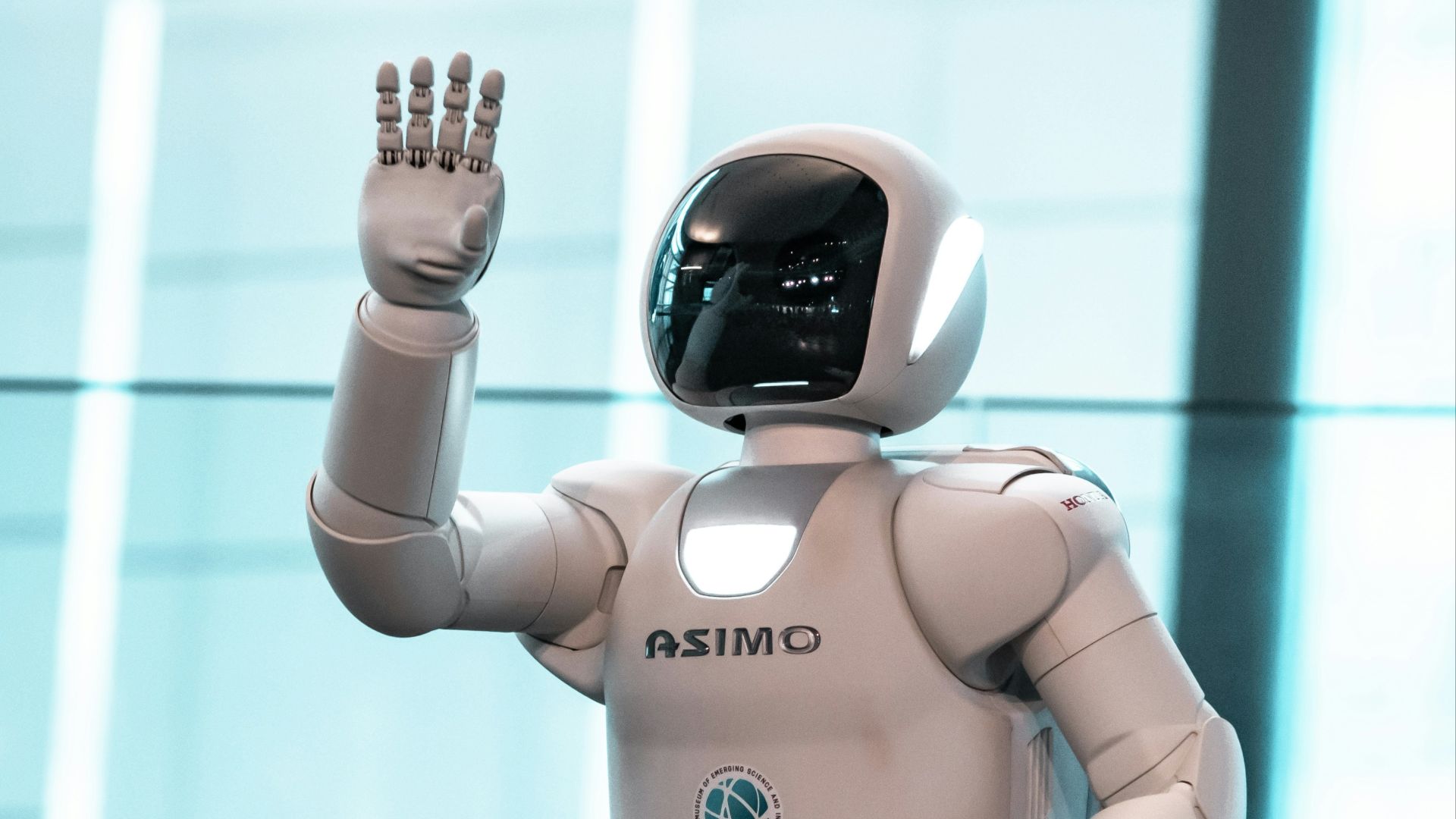
Automation concerns have been around forever, and each new robot video makes it feel like your job is next. While some work has changed, employment didn’t collapse into a robot-only economy overnight. The timeline has been slower and more uneven than the panic predicted.
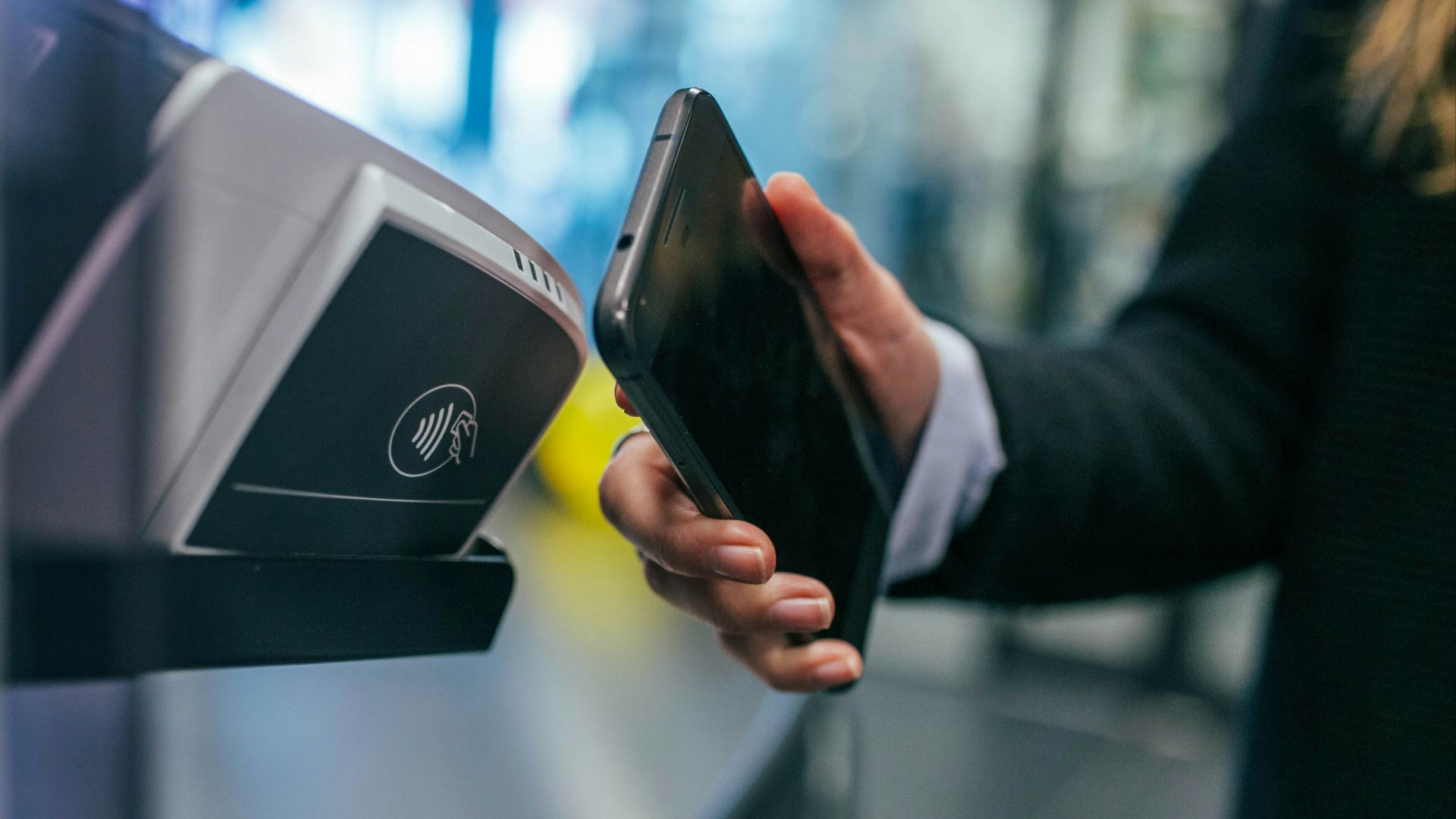
17. The World Will Become Cashless & You’ll Be Trapped
Contactless payments made some people think cash would vanish instantly, and you’d be doomed without a phone. Cash is still around, and plenty of places still use it, even if cards and apps are convenient. The actual fear turned into “did I tip correctly” more often than “I can’t buy anything.”
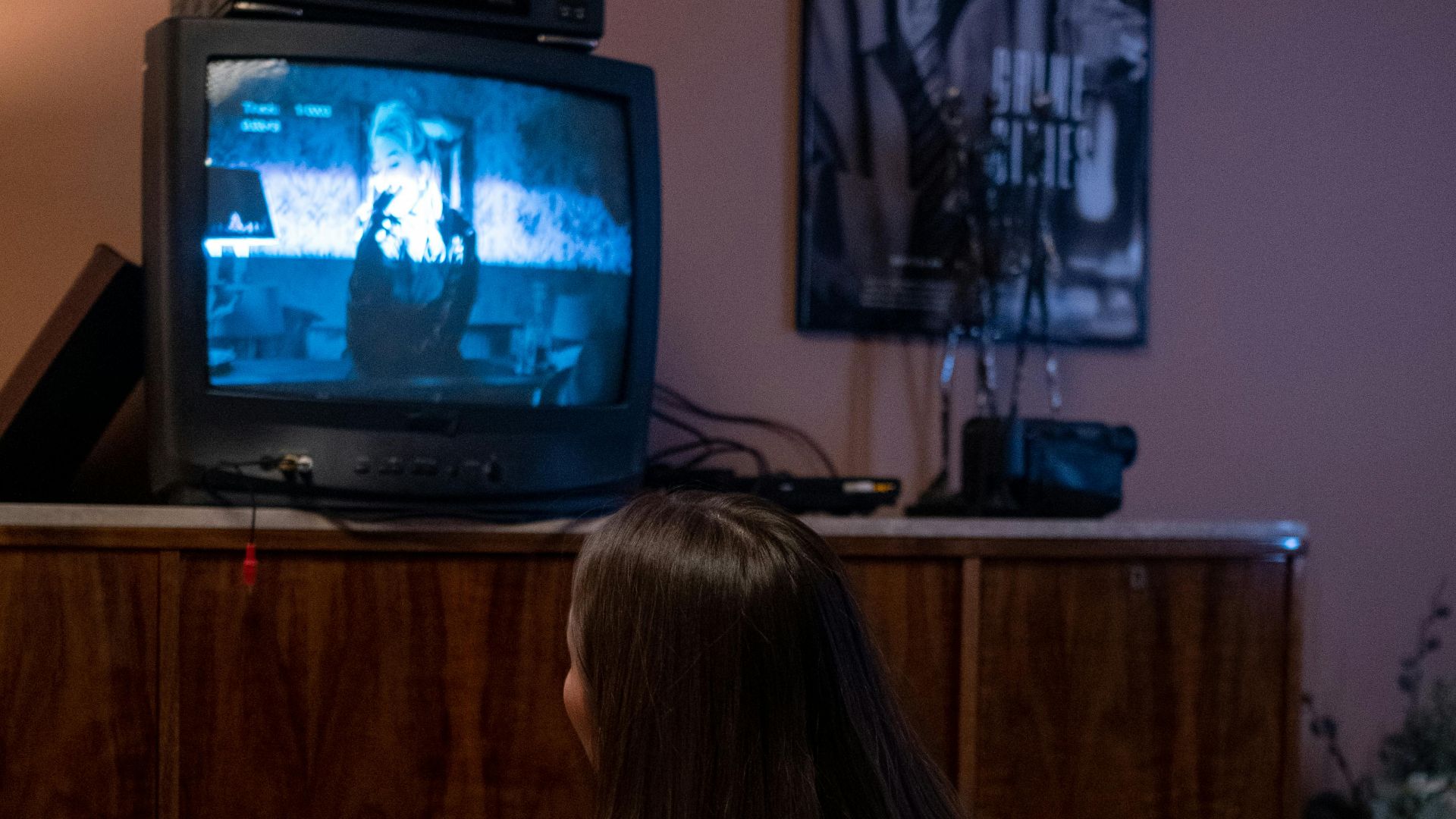
18. TV Will Turn Kids Dumb
When television became a household staple, plenty of adults were convinced it would melt kids’ brains and wipe out reading, imagination, and basic curiosity. What actually happened was more complicated, since kids could watch junk or watch genuinely educational programming depending on what was on and what limits existed at home.
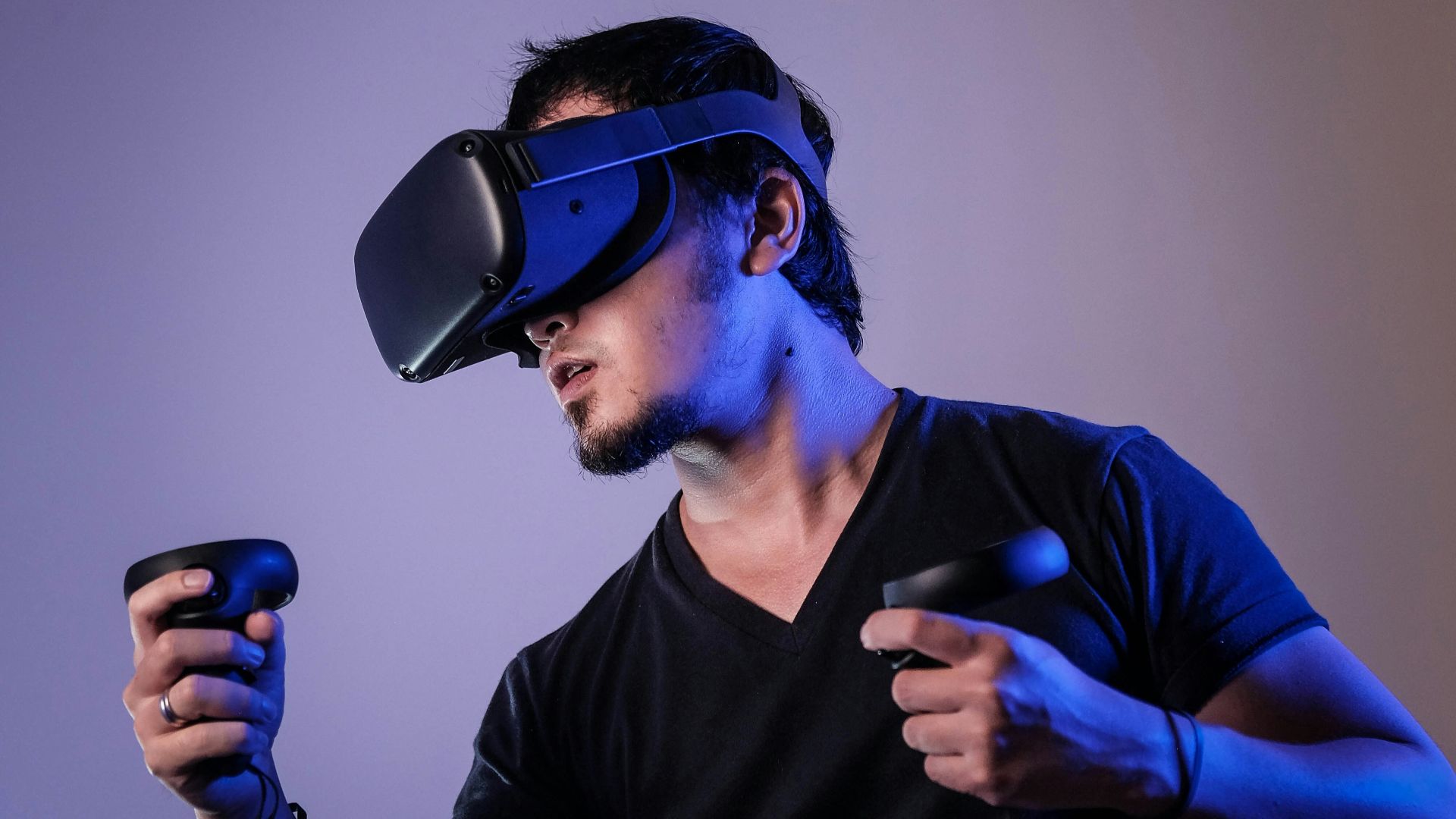
19. VR Will Replace Real Life
Virtual reality was supposed to make everyone abandon the physical world like it was optional DLC. VR found real uses and passionate fans, but most people still prefer living their lives without a headset dent. It’s a niche that’s growing, not a takeover.
20. AI Assistants Would Make You Helpless
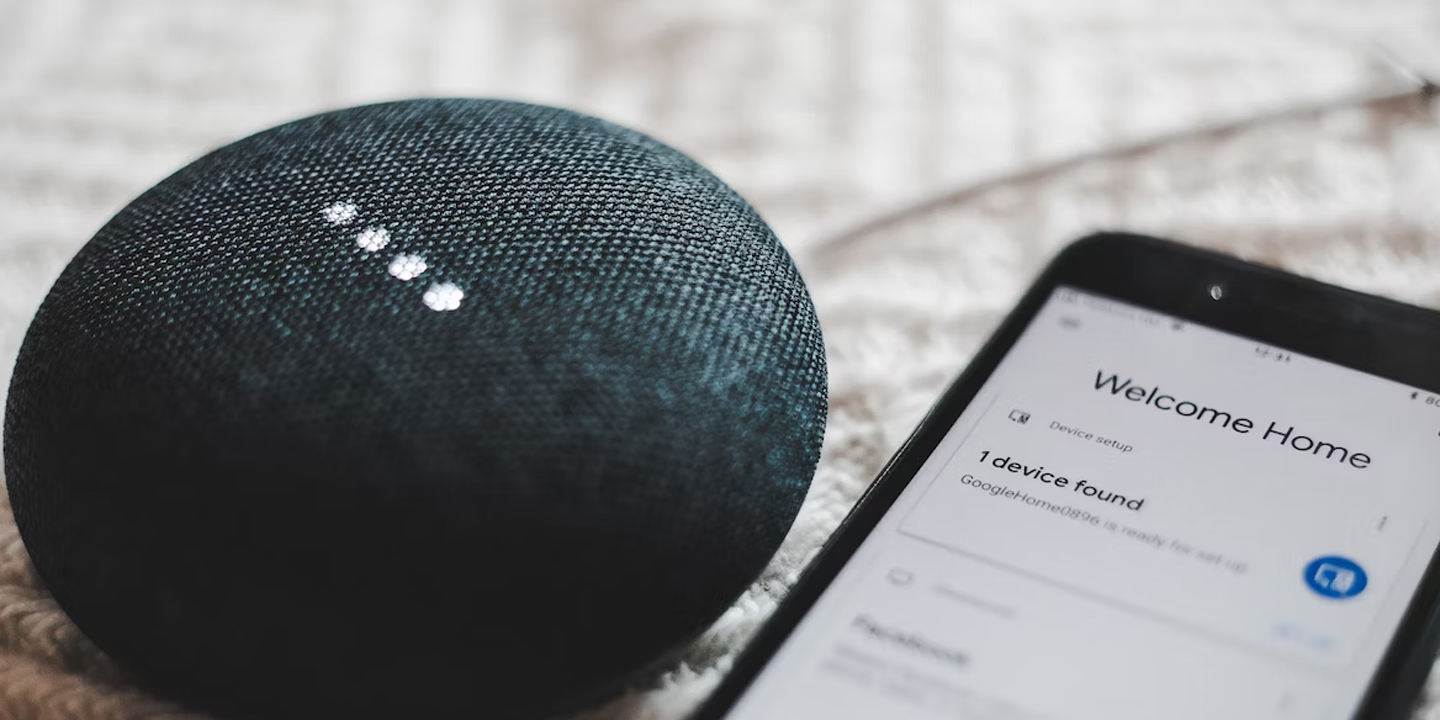
When voice assistants arrived, the worry was that nobody would remember anything because a gadget could do it for you. In reality, people mostly use them for timers, weather, and the occasional song request. If you’re helpless, it’s probably because you forgot why you walked into the kitchen, and that’s not the assistant’s fault.