
Why Gandalf Didn’t Just Use the Eagles to Destroy the Ring
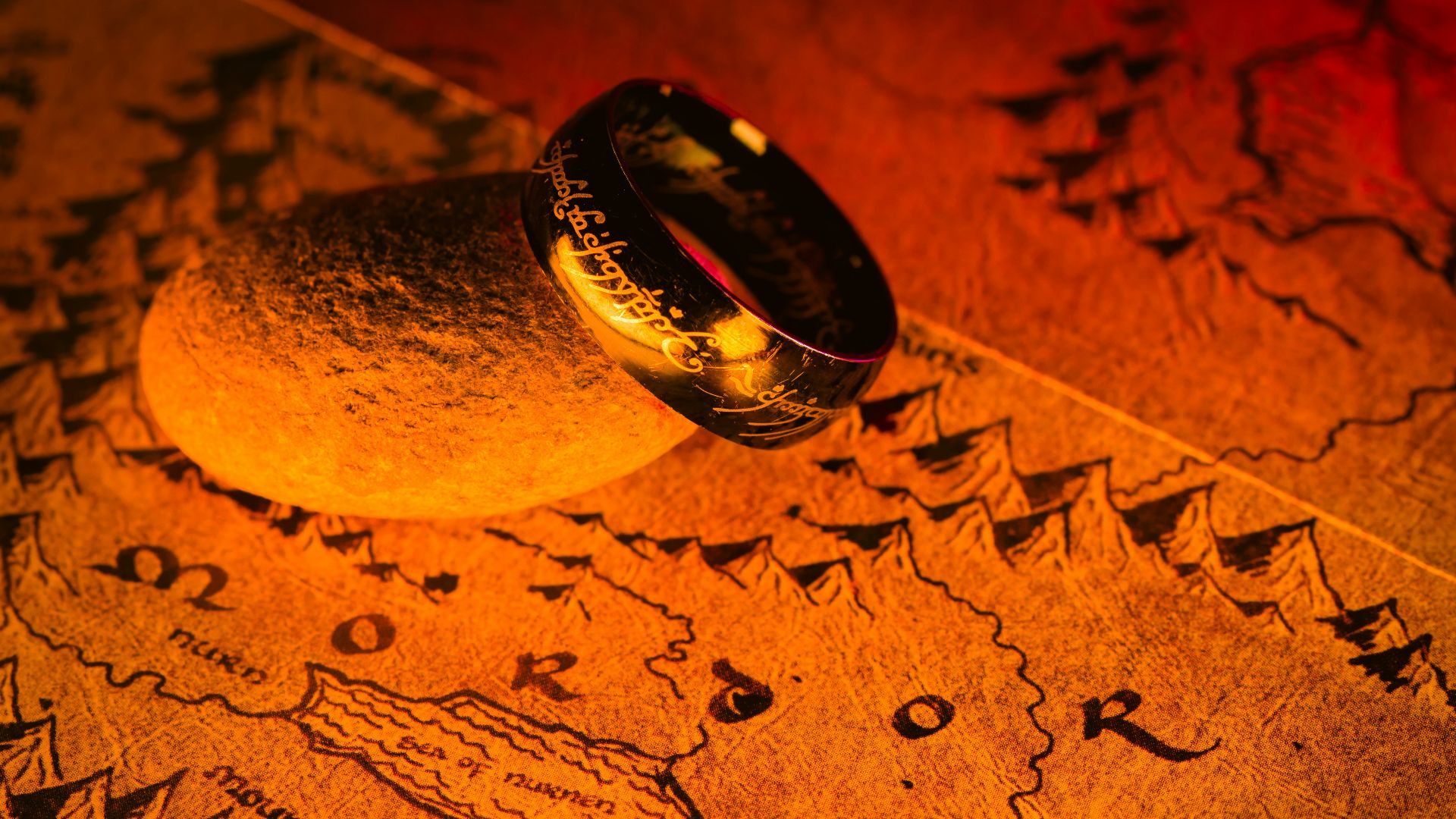
Few questions have followed The Lord of the Rings quite like this one: why didn't Gandalf simply ask the Great Eagles to fly Frodo straight to Mount Doom? On the surface, it sounds like an obvious solution. Instead of sending an innocent hobbit on a dangerous journey across Middle-earth, the Fellowship could've skipped months of hardship with a quick flight into Mordor.
The idea has become so popular that it's now one of the most common debates among Tolkien fans. However, once you look more closely at the story and Tolkien's world-building, the Eagle plan begins to fall apart. The novels themselves offer several reasons why such a straightforward shortcut was never a realistic option. Let's settle this issue once and for all.
The Eagles Weren't Middle-earth's Taxi Service
One of the biggest misconceptions is that Gandalf could simply summon the Eagles whenever he needed transportation. The Great Eagles were intelligent, independent beings with their own leaders, priorities, and responsibilities. They occasionally chose to assist the Free Peoples, but they weren't servants of Gandalf or anyone else.
Throughout Tolkien's legendarium, the Eagles intervene only during extraordinary moments. They rescue Gandalf from Orthanc and later from Zirakzigil after his battle with the Balrog, but both events involve direct intervention by higher powers rather than routine favors. Even during The Hobbit, they help Thorin's company only after encountering them unexpectedly. Their assistance is exceptional—not something anyone can count on.
That distinction matters because the quest to destroy the Ring wasn't simply Gandalf's mission. Convincing the Eagles to undertake what would likely be a one-way assault into Sauron's territory would've been an enormous request. They had every reason to protect their own people instead of risking extinction for a strategy that wasn't guaranteed to succeed.
One Cannot Simply Fly Into Mordor
Even if the Eagles had agreed, reaching Mount Doom wouldn't have been nearly as easy as it sounds. Mordor wasn't an undefended volcano sitting quietly in the distance. It was the most heavily guarded region in Middle-earth, protected by armies, fortifications, and countless watchful eyes.
Sauron didn't need satellites or radar to notice several giant Eagles flying directly toward the one place where the Ring could be destroyed. His attention was constantly focused on protecting Mordor and recovering the Ring. A highly visible aerial approach would've announced the Fellowship's intentions long before they reached Mount Doom.
The skies themselves also weren't safe. The Nazgûl rode terrifying winged creatures that patrolled Mordor and served as Sauron's airborne hunters. While the Eagles were formidable, fighting the Ringwraiths above enemy territory while carrying the Ring would've been an enormous gamble. A single defeat could've handed Sauron exactly what he wanted.
Secrecy Was Always the Real Strategy
From the very beginning, the Council of Elrond recognized that military strength alone couldn't defeat Sauron. The Dark Lord expected his enemies to challenge him openly with armies or attempt to wield the Ring themselves. Destroying it in secret never occurred to him because he couldn't imagine anyone rejecting its power.
That assumption became the Fellowship's greatest advantage. Frodo and Sam succeeded largely because they remained unnoticed for much of their journey, blending into the background instead of drawing attention. A flight across Middle-earth on the backs of giant Eagles would've eliminated that advantage almost immediately. The mission depended on remaining small enough to escape Sauron's notice.
The Eagles actually appear at the perfect moment in the story, but only after the Ring has already been destroyed. At that point, Sauron's power has collapsed, the Nazgûl have perished, and the greatest danger has passed. Flying into Mordor to rescue Frodo and Sam after victory is vastly different from flying into the heart of Sauron's kingdom beforehand.
Tolkien Wanted Courage, Not Convenience
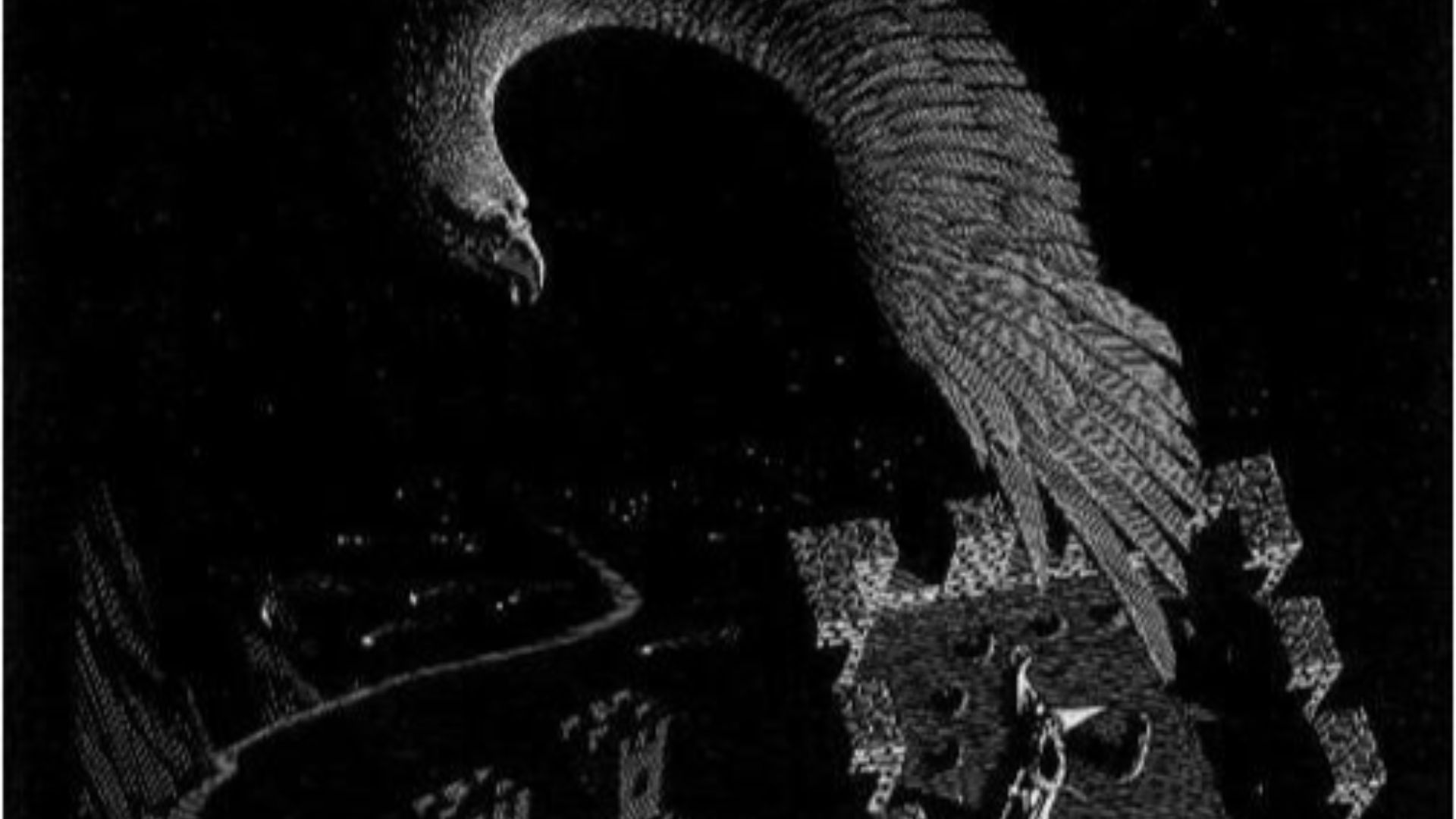 Александр Коротич on Wikimedia
Beyond the practical reasons, there's also an important storytelling purpose behind the Eagles' limited role. Tolkien's stories consistently emphasize perseverance, humility, and ordinary people accomplishing extraordinary things through courage rather than shortcuts. Frodo's journey matters because he endures fear, temptation, and suffering every step of the way.
Allowing the Eagles to solve the central conflict would undermine many of the themes that define The Lord of the Rings. The quest isn't meant to be efficient. It's meant to demonstrate that even the smallest individual can change the course of history through determination and sacrifice. The long road to Mordor gives those ideas room to unfold.
The Eagle question is fun to debate because it seems so simple at first glance. Yet once you consider the Eagles' independence, Mordor's defenses, Sauron's expectations, and Tolkien's larger themes, the supposed shortcut becomes far less convincing. The Eagles were never forgotten or overlooked by Gandalf. They simply weren't the solution that many modern readers imagine them to be.