
The Cost of Progress
There was a time when buying a video game meant you owned a complete, permanent piece of entertainment that lived right on your shelf or hard drive. As the industry has shifted toward digital storefronts, live-service models, and endless monetization schemes, publishers have quietly phased out some of the absolute best parts of our favorite pastime. Features that used to be standard industry practices have been locked behind paywalls, replaced by corporate alternatives, or completely scrubbed from codebases overnight.

1. Cheat Codes
You probably remember memorizing complex button sequences or writing down secret passwords in the back of your game manuals to unlock god mode or infinite ammunition. Studios used to include these hidden inputs as a fun reward for curious players, giving you a completely different way to experience a campaign after beating it the normal way. Today, developers have completely commodified this playful element.

2. Manual Saving Anywhere
The freedom to press a button and immediately record your exact progress at any given moment used to be a standard convenience in almost every single-player experience. Modern publishers have largely replaced this user-friendly design with rigid, automated autosave networks that decide exactly when and where your progress matters. This corporate shift forces you to repeat lengthy, unskippable cutscenes.
3. Dedicated Server Browsers
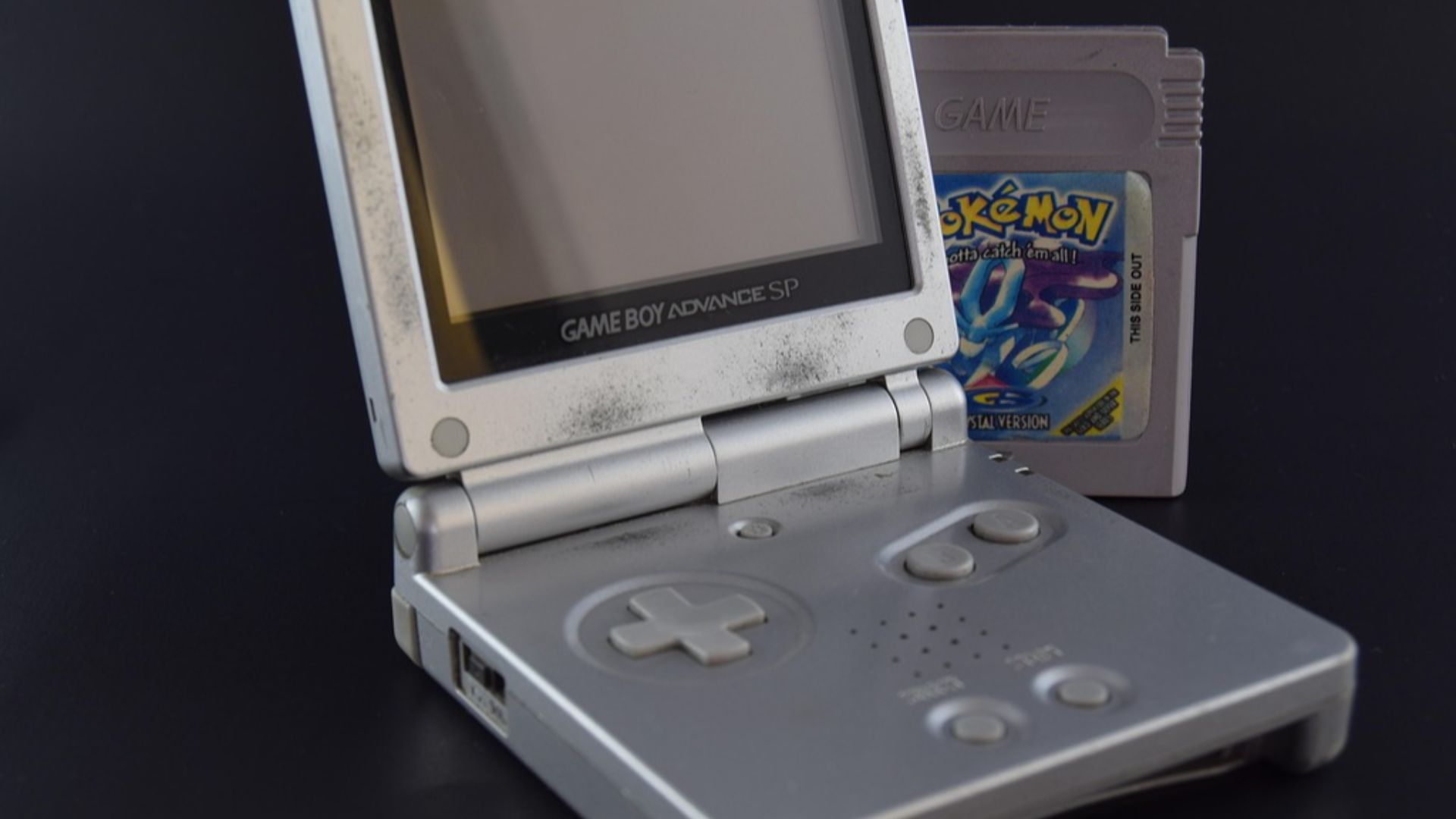
Multiplayer communities on computers used to thrive because developers allowed players to host, customize, and maintain their own independent server lists. You could easily bookmark a favorite community lobby, make local friends, and enjoy unique custom map rotations that kept older games alive for decades. Large corporate studios completely ruined this organic social scene by forcing everyone into centralized matchmaking queues.

4. Thick Printed Manuals
Opening a brand-new plastic case and pulling out a hefty, beautifully illustrated booklet full of lore, character art, and basic gameplay tips was a vital part of the launch-day ritual. Publishers used to put immense care into these physical guides, often including secret notes, map inserts, or official controller layout diagrams to get you excited for the journey ahead. Corporate executives eventually realized they could save millions in printing costs by completely gutting physical cases.

5. Couch Co-Op
Gathering a group of friends in your living room to split a single television screen into four sections used to be the definitive way to experience multiplayer gaming. Studios actively prioritized local split-screen optimization because they understood that gaming was a highly social, face-to-face neighborhood activity. Corporate strategies eventually pivoted to focus entirely on online-only infrastructure.

6. Unlockable Cosmetic Gear
Completing an incredibly difficult achievement or finding a hidden area used to award your character a highly coveted, ultra-rare outfit that showcased your actual skill to everyone in the lobby. These visual badges of honor gave you a massive sense of pride and a tangible goal to strive toward during your weekends. Modern publishers completely gutted this rewarding feedback loop.
 Nikita Kachanovsky on Unsplash
7. LAN Play
Before high-speed internet connections became a global standard, players routinely hauled their heavy computer towers and television sets to a friend's basement for local network tournaments. Having a built-in local area network feature meant a game could run completely independently of any corporate server status or online validation checks.

8. Full Expansion Packs
There was an era when buying an add-on for a computer game meant you were receiving a massive, boxed product that almost doubled the size of the original campaign. Developers spent a year or more crafting these substantial expansions, adding entirely new storylines, factions, mechanics, and hours of voiced cinematic content. The corporate landscape quickly realized it was far more profitable to slice a single game into dozens.

9. Shareware and Free Demos
Gaming companies used to distribute the entire first chapter of their upcoming titles on free floppy disks or magazine inserts to entice you to buy the full product later. You could play through hours of high-quality content without spending a single penny, which put the pressure on developers to make sure their games were actually fun to play. Modern publishers have completely abandoned this consumer-friendly trial model.

10. True Modding Support
A huge portion of the most iconic multiplayer genres in history actually started out as free, community-made modifications for popular strategy titles. Companies used to ship their software with open-source editing tools because they loved seeing what their passionate player base could cook up in their spare time. Corporate legal departments eventually locked down game engines and banned third-party assets.

11. Complete Offline Single-Player
Losing your internet connection during a bad storm used to be the perfect excuse to fire up an immersive, story-driven campaign and pass the time in peace. Modern publishers have completely ruined this simple reliability by embedding mandatory online authentication checks into games that do not even have multiplayer features. If the company's authentication servers go down for maintenance, you are completely locked out.
 Glenn Carstens-Peters on Unsplash
12. Free Map Updates
Whenever a studio released a new batch of multiplayer battlefields in the early days, you simply downloaded a patch and started playing with your friends immediately. Companies understood that keeping the entire community on the exact same page was vital for the long-term health and stability of their player base. Publishers eventually weaponized this feature by turning map packs into paid premium passes.

13. Map Editors and Custom Lobbies
Designing a wild, gravity-defying racetrack or a custom hide-and-seek arena within your favorite game used to provide hundreds of hours of free entertainment after you finished the main content. The inclusion of native, user-friendly building tools allowed the community to continuously refresh the game without any developer intervention whatsoever.
14. Standard Game Disc Ownership
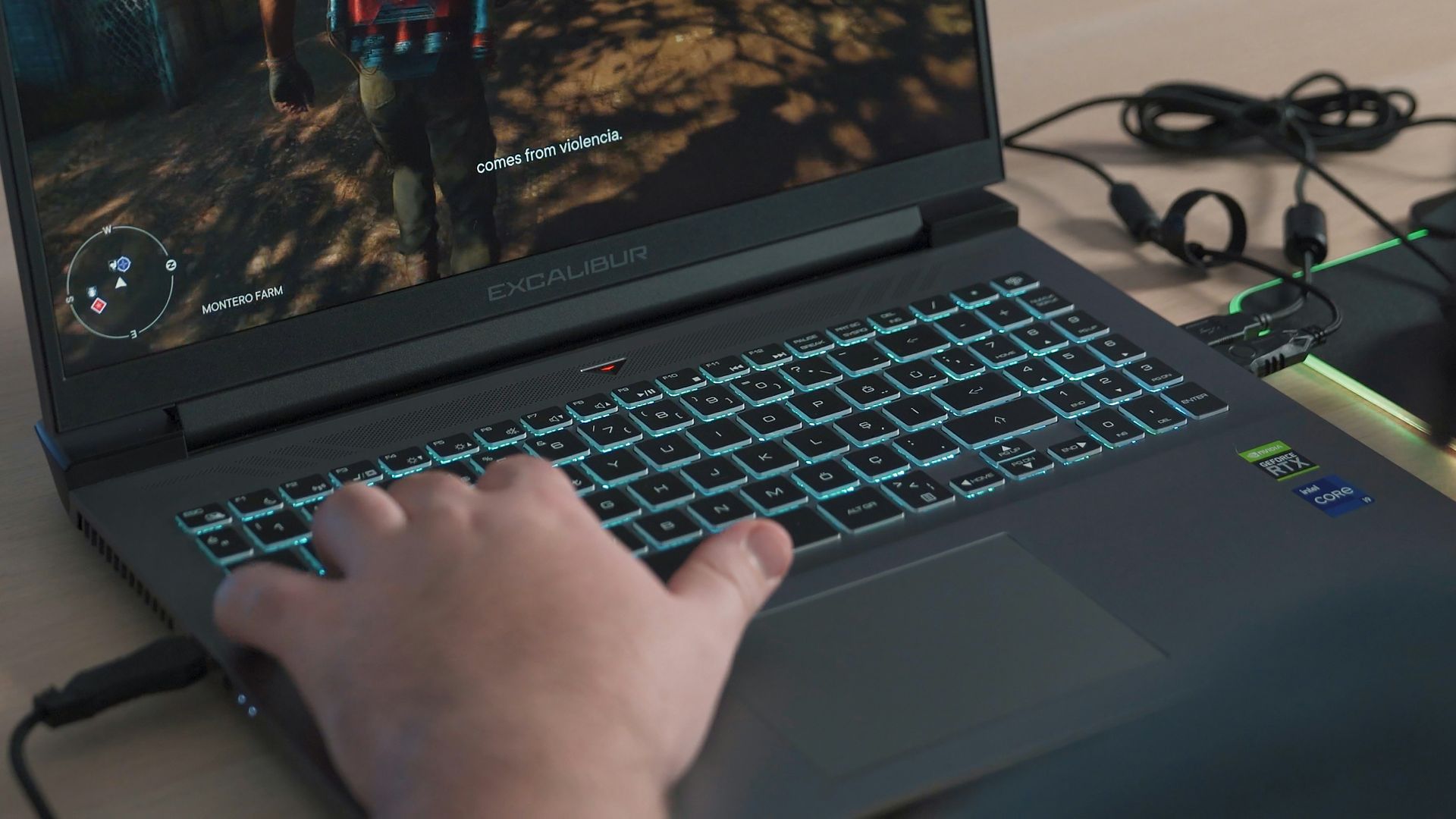
Popping a disc into your console and watching the title screen load up instantly within three seconds is an experience that has been completely wiped from modern gaming. Today, physical discs rarely contain the actual playable software, instead serving as a basic physical key that triggers a massive, multi-gigabyte digital download from a network server.

15. In-Game Radio Customization
Early open-world driving games allowed you to drop your own MP3 files into a specific desktop folder so you could jam out to your personal music collection while cruising through virtual city streets. This simple, immersive detail made the game world feel uniquely yours and kept the soundtrack from becoming repetitive during long play sessions.

16. Free Custom Avatars
Expressing your digital identity on your console profile used to be a completely free affair where you could pick from hundreds of cool concept art pieces or unlockable character icons. It was a fun, low-stakes way to personalize your presence on a friend's network list without any financial friction. Platforms quickly realized they could monetize this tiny social space.
 Nikita Kachanovsky on Unsplash
17. Interactive Main Menus
Before streaming dashboards took over the industry, video game title screens were often highly creative, interactive experiences that set the mood for the entire story before you even hit the start button. You could click on background elements, play hidden mini-games, or watch the environment react to your cursor movements in delightful ways.

18. Secondary Handheld Compatibility
There was a highly experimental era where home consoles could sync directly with portable devices to display secret maps, inventory screens, or hidden mini-games right in the palm of your hand. While it was sometimes a bit gimmicky, it showcased an admirable corporate willingness to innovate and provide unique gameplay mechanics for dedicated fans. Publishers completely abandoned this dual-screen integration.

19. Stat Tracking via Instruction Manuals
Older sports and racing simulations often included beautifully formatted, blank data charts in the back of their physical booklets so you could manually track your personal season statistics and tournament records. This interactive element made you feel like an active participant in a living hobby, allowing you to archive your greatest gaming milestones on real paper. Companies completely erased this personal touch.

20. Simple Peer-to-Peer Gifting
Sending an extra copy of a digital game to a close friend used to be as simple as clicking a button in your library and typing in their email address without any complicated restrictions. Companies have slowly choked out this frictionless generosity by enforcing strict regional price locks.