


It might not seem like it now, but there was a time when seeing something disturbing wasn’t as easy as opening your phone. Back in the day, to really see something awful, you either needed to find the wrong VHS tape, sneak into an R-rated movie, or stumble across something in the wild. Now, all it takes is a kid opening social media to find a fistfight, a car accident, a vicious comment section, and a cheerful gaming clip—all within minutes of each other.
That doesn't mean every teen with a smartphone has stopped caring about other people. But things aren’t going so smoothly, either. Research paints a complicated picture, and the internet can provide connection as easily as it provides ugliness. What has changed over the years is the sheer amount of disturbing material young people can encounter, and scientists have concerns about what repeated exposure can do.
Gore Doesn't Always Shock People

Desensitization isn't just some word older generations use when they're nervous about teens. Psychologists actually use it to describe a reduction in someone's emotional, cognitive, or behavioral response after repeated exposure to a stimulus. And repeated exposure is what kids are up against; a 2022 review concluded that exposure to violent video games may increase the risk of becoming desensitized to violence.
Now, that research doesn't mean playing CoD will turn kids into monsters. The review instead describes a potential process in which repeated exposure to simulated violence can make violent imagery less emotionally powerful, potentially affecting empathy and prosocial responses.
The internet only complicates that—kids aren't only encountering fictional violence anymore. Real fights, injuries, accidents, and humiliating moments can be filmed, uploaded, shared, remixed, and surrounded by jokes before viewers have much opportunity to think about the person involved. When something awful becomes another piece of endlessly scrollable content, the boundary between witnessing suffering and consuming entertainment gets fuzzy at best. You can see why researchers are interested in that distinction. Gore that once would've made someone slam their laptop shut might become just an average Monday.
Cruelty Can Start Feeling Weirdly Normal Too
To make matters worse, graphic violence isn't the only issue. Being horrible to another person gets a lot easier when you hide behind anonymity. Psychologists have studied this phenomenon through what's known as online disinhibition, where people behave differently behind a screen than they might during an in-person conversation.
A 2019 study involving 1,480 adolescents between ages 12 and 17 examined the relationship between cyberbullying and what researchers called toxic online disinhibition. That concept included anonymity, trouble recognizing social cues, and difficulty empathizing with other people. By the end, researchers found connections between this type of disinhibition and harmful online behavior.
The amount of cruelty teenagers encounter isn't small, either. In a survey of 1,316 American teens, 46% said they'd experienced at least one of six forms of cyberbullying. 32% had been called offensive names online or through their phones, while 10% reported receiving physical threats.
So, where does that leave kids today? It leaves them in a world where vicious language in a gaming chat or certain online communities starts sounding mundane. The unsettling part isn't always that young people invent cruel behavior online; it's that constant exposure can make behavior that should feel unacceptable look routine.
Kids Haven't Simply Lost Their Empathy
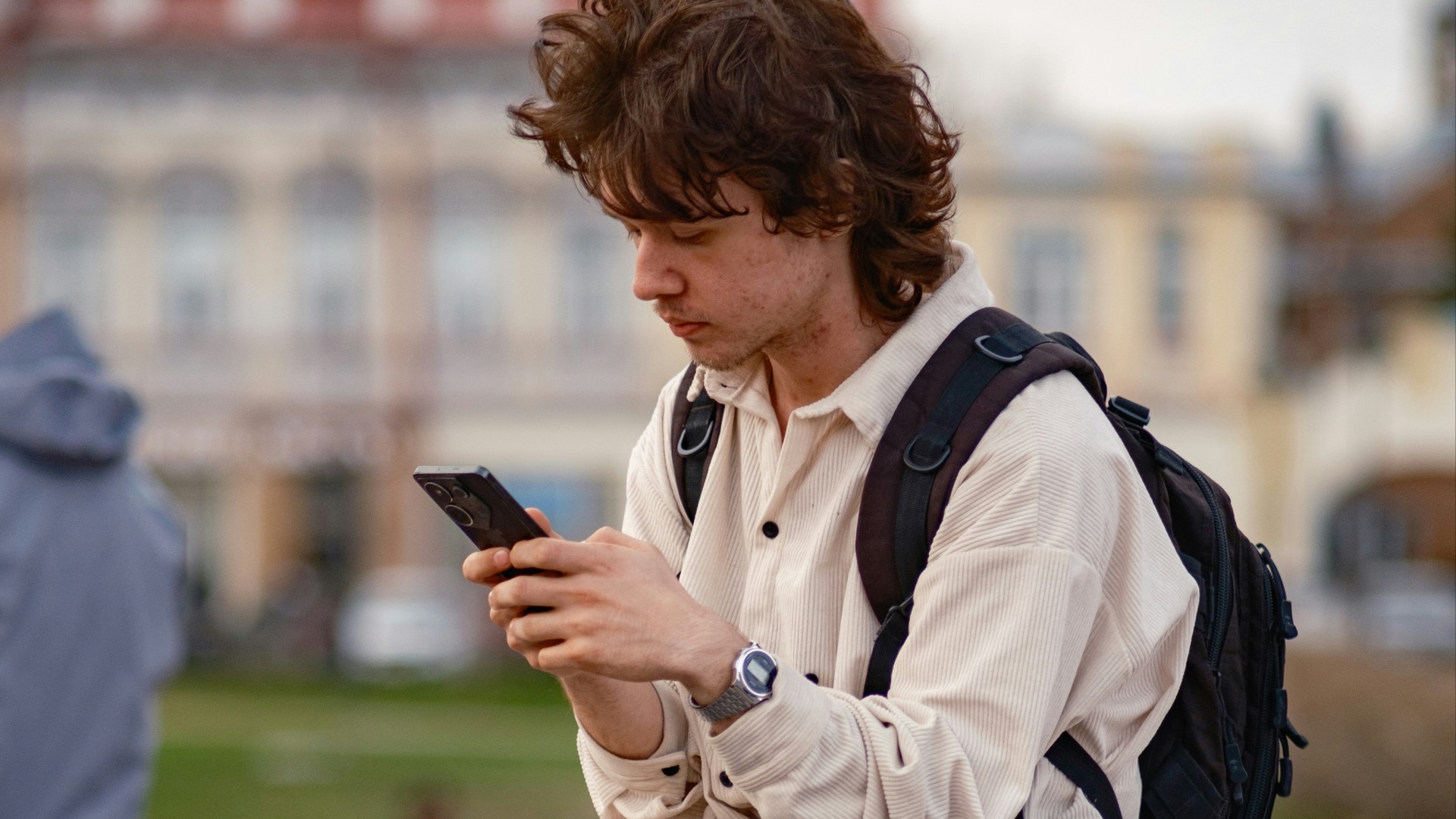
All this said, the last thing adults need is to turn this into some kind of moral panic. Social media itself hasn't been proven to destroy adolescent empathy, and surprisingly, some newer research points in the opposite direction. A 2026 systematic review actually found a small association between greater social media use and higher overall empathy, so not all hope is lost.
Instead, researchers cautioned that the picture is much more complicated than simply measuring screen time. What young people are doing online, the communities they're in, their personalities, and the content they're seeing can all matter. Someone messaging supportive friends is obviously having a very different online experience from someone spending hours watching slap challenges or devious lick videos (though that trend thankfully ended quite some time ago).
The worrying part isn't that kids suddenly don't have empathy. It's that today's young people can experience violent imagery, vicious jokes, public humiliation, threats, and harassment at a frequency previous generations never had to worry about. When shocking things become ordinary parts of someone's daily entertainment, stopping to remember that there's a real human being behind the screen becomes more important than ever. It’s up to the parents to speak with their kids about this kind of content. The internet is a Russian roulette of content, and it’s only by keeping tabs on what kids watch and discussing their dangers that parents can try to curb its effects.