In 1941, comic book racks were dominated by one thing: guys in capes. Superman was throwing cars, Batman was lurking in shadows, and Captain America was literally punching Hitler in the face. The formula was simple. Just muscular dudes solving problems with their fists while women waited on the sidelines to be saved.
Then, in October 1941, everything shifted. An Amazon princess burst onto the scene, wielding a golden lasso, sporting indestructible bracelets, and possessing strength that could match any male hero on the roster. Wonder Woman didn't ask for permission to join the superhero club. She didn't need it.
She showed up, proved she belonged, and in doing so, rewrote the entire playbook for what female characters could be in comics.
The Revolutionary Amazon Who Refused To Play Second Fiddle
When psychologist William Moulton Marston created Wonder Woman in December 1941, he had a radical vision: a female superhero who was just as powerful, if not more so, than her male counterparts. Unlike the damsels in distress cluttering comic panels, Princess Diana of Themyscira was a trained warrior from an island of immortal women. She possessed super strength, speed, and fighting skills that rivaled Superman and Batman.
But here's where it gets interesting—Marston deliberately made her more than just a female version of existing heroes. Wonder Woman had her Lasso of Truth, which compelled honesty, and indestructible bracelets that could deflect bullets. These weren't just cool gadgets; they represented ideals of truth and defense rather than pure aggression.
The impact was immediate. Wonder Woman became one of the first female superheroes to headline her own ongoing comic series. She was so popular that by 1942, she'd become the lead feature in Sensation Comics and even joined the Justice Society of America—though they initially made her the secretary, because apparently even Amazons couldn't escape 1940s office politics.
Breaking The Sidekick Curse And Creating A Template
Before Wonder Woman, female characters in comics were mostly shown as girlfriends, sidekicks, or victims who would need rescue. Sure, there were a few exceptions like Sheena, Queen of the Jungle, and Fantomah, but none achieved Wonder Woman's cultural penetration or longevity. Her influence rippled through decades. When Supergirl debuted in 1959, she entered a landscape Wonder Woman had already warmed up. The same goes for characters like Batgirl, Black Canary, and Storm.
The Legacy That Shaped Modern Heroines
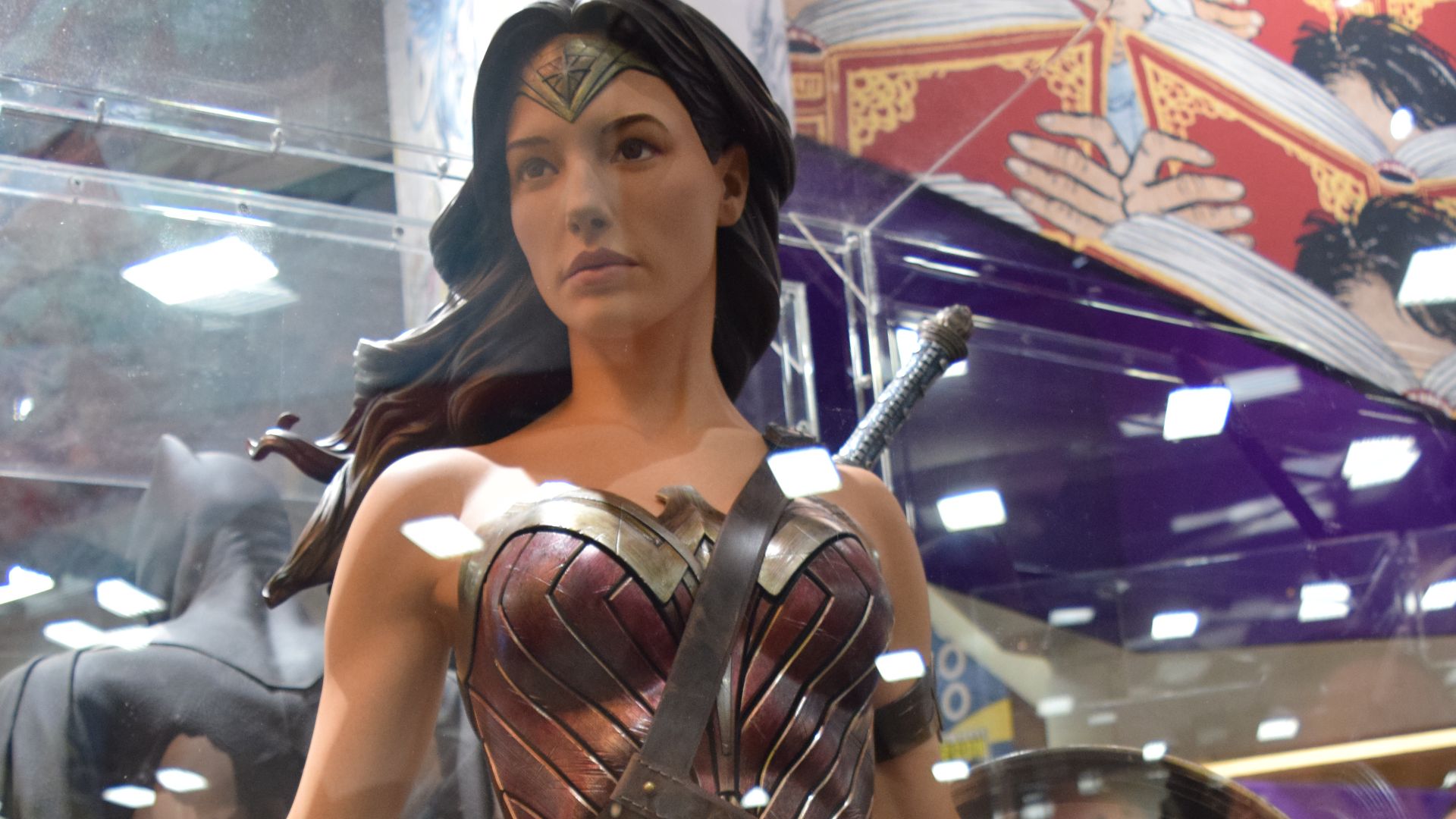
Wonder Woman's impact on comic books extends beyond just inspiring other female characters—she fundamentally altered how creators approached writing women in comics. Her stories tackled themes of equality, justice, and female empowerment decades before these became mainstream conversations.
Modern characters like Captain Marvel, She-Hulk, and Jessica Jones owe a debt to Diana's trailblazing. The current scenes where female-led comics are celebrated and commercially successful exists because Wonder Woman proved the concept worked over eighty years ago. She established that female superheroes didn't need to be weaker, gentler versions of male heroes.