
Ghost In The Server: The Creepiest Urban Legend Haunting Gamers
The digital landscape of modern gaming is often seen as a place of cold logic and rigid code, where everything happens for a measurable reason. However, you’ve likely felt that prickle on the back of your neck when a character glitched in a way that felt almost intentional or a server felt a little too quiet. These moments of digital unease have birthed a unique genre of folklore known as "creepypastas," which are essentially the ghost stories of the internet age. Among these legends, few have captured the collective imagination or caused as many sleepless nights as the tale of "Ben Drowned," a supposedly haunted copy of a classic Nintendo game.
Ok, so most of us know better than to believe every horror story we hear. But “Ben Drowned” was different. Not only was it told incredibly well through meticulous detailing on a few webpages, but you were shown videos of pixelated distortion and audio artifacts that felt like you were experiencing a digital haunting right there as it happened. Gaming urban legends are far scarier than campfire tales because you’re not watching someone tell you about a monster in the closet; you’re staring at a screen that seemingly has a glowing gaze all its own.
The Legend of the Majora’s Mask Cartridge
 Francisco Gonzalez Romanelli on Unsplash
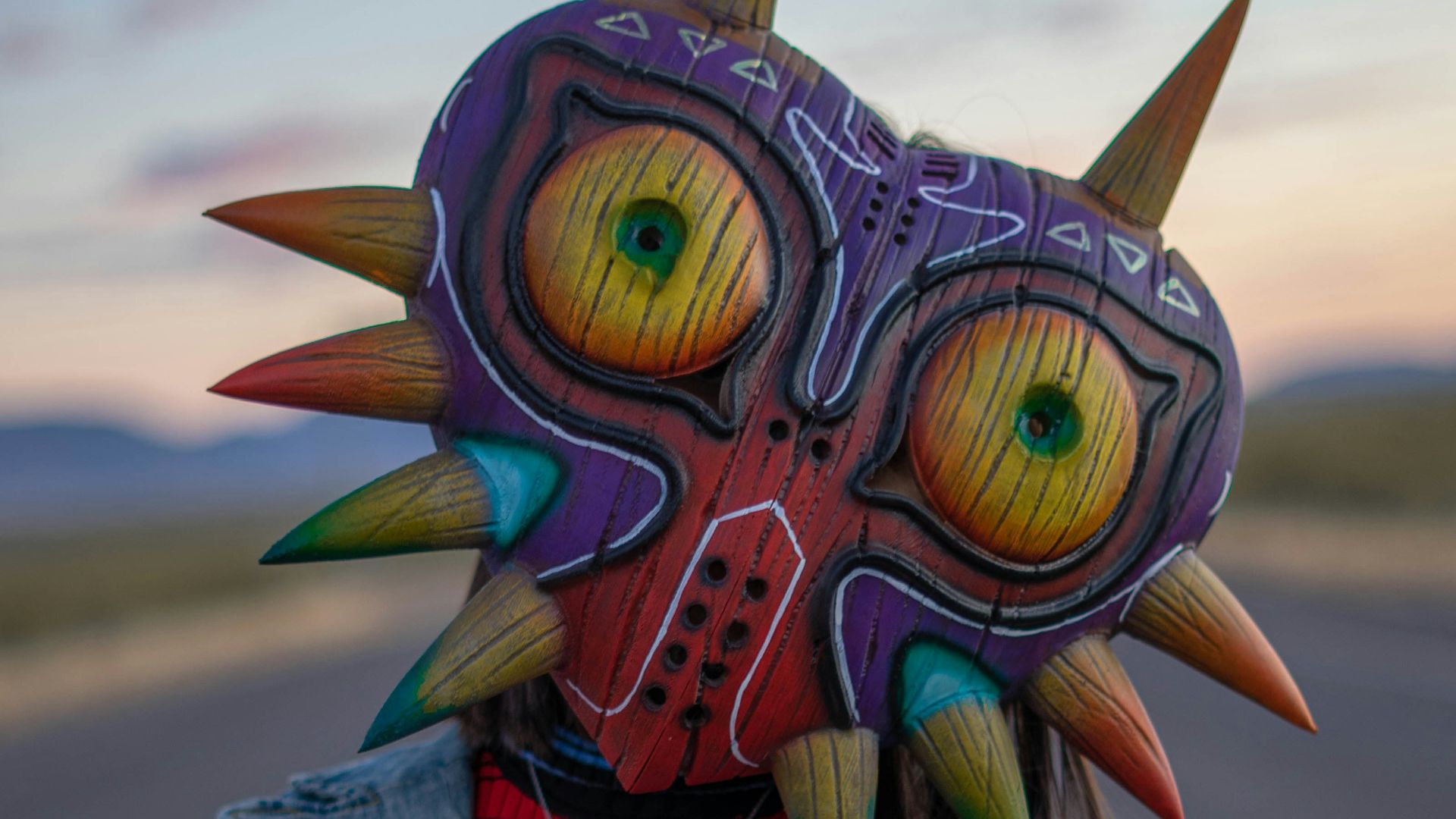
The story began when a college student named Alex Hall, posting under the username "Jadusable," claimed he’d received a suspicious, unlabeled Nintendo 64 cartridge from an eccentric old man. Upon booting up the game, which was The Legend of Zelda: Majora’s Mask, he discovered a save file simply named "BEN" already existed on the system. You’d probably think nothing of it at first, as buying used games often comes with the remnants of the previous owner’s progress. However, the game reportedly began to act in ways that were never intended by the developers at Nintendo, including playing music backward and spawning characters in terrifying, frozen poses.
As the narrative unfolded, the "Ben" character, represented by a creepy statue of the game’s protagonist, started following the player everywhere like a silent, unblinking stalker. This statue wasn't a glitch in the traditional sense; it appeared with a consistency that suggested it was being controlled by something with a distinct, haunting personality. You could see the player’s mounting frustration and fear through his posts as he tried to delete the file, only for it to reappear under more ominous names like "YOUR TURN." The psychological impact of being hunted within a familiar childhood game is exactly why this story resonated so deeply with the gaming community.
What made this specific legend so convincing to the early internet audience was the high quality of the accompanying video evidence that Alex Hall produced. These videos showed the game’s engine breaking down in spectacular, disturbing ways that seemed far too complex for a simple fan-made mod. You weren't just reading about a haunting; you were watching a beloved game twist itself into a digital nightmare right before your eyes. It tapped into the universal fear that the technology we rely on every day could somehow be inhabited by something ancient and deeply unfriendly.
The Reality Behind the Haunting
All that horror aside, what ultimately became known as Ben Drowned was revealed to have been an extremely intricate and impressive piece of “Alternate Reality Game,” or ARG, work. Alex Hall was a skilled video editor and writer who learned how to replicate many visual effects in-game through video editing software and simple programming “shortcuts.” He also studied game coding, as well as emulator functions, to recreate how glitches would occur to make the ghost act how he wanted it to. Respect has to be given to someone who could keep that ruse up for weeks on end while thousands, if not millions, of people dissected every inch of video he uploaded.
The real stroke of brilliance here was that internet audiences were just starting to warm up to serial storytelling online and viral marketing, and Hall expertly used comment sections on his forum site to respond and interact with his readers. Giving people the feeling that they were witnesses to a paranormal investigation is part of what sets an internet urban legend apart from reading a book or watching a movie, because you feel like you’re part of the action. Add on top of that great retention even after fans discovered it was made up, thanks to utilizing the nostalgia of media from the early internet age.
The Lasting Legacy of Digital Dread

The "Ben Drowned" legend did more than just scare people; it paved the way for a new type of internet-based folklore that continues to thrive today. You can see its influence in other famous legends like "Sonic.exe" or the "Backrooms," which all rely on the idea of a digital or artificial space being "wrong" in some fundamental way. These stories exploit the "uncanny valley" effect, where something looks almost like a normal game but has a subtle, sickening distortion. This shared language of digital fear has created a community of writers and fans who treat these legends with the same reverence as traditional mythology.