
Is Duolingo the Answer? 10 Ways Language Apps Really Work & 10 Better Ways to Study
The Secret to Learning a Second Language
If you've ever downloaded Duolingo with big language-learning ambitions and then found yourself tapping through owl-themed exercises at midnight just to keep your streak alive, you're definitely not alone. Language learning apps have exploded in popularity over the past decade, and for good reason: they're free, convenient, and surprisingly fun to use. But before you commit to an app as your primary study tool, it's worth understanding both what these platforms do well and where they tend to fall short.
1. They Make Consistency Surprisingly Easy
One of the biggest hurdles in language learning is simply showing up every day, and apps are specifically designed to lower that barrier as much as possible. Streak counters, push notifications, and bite-sized lessons make it easy to fit a few minutes of practice into even the busiest schedule. That kind of low-friction consistency can build real momentum over time, especially for beginners.
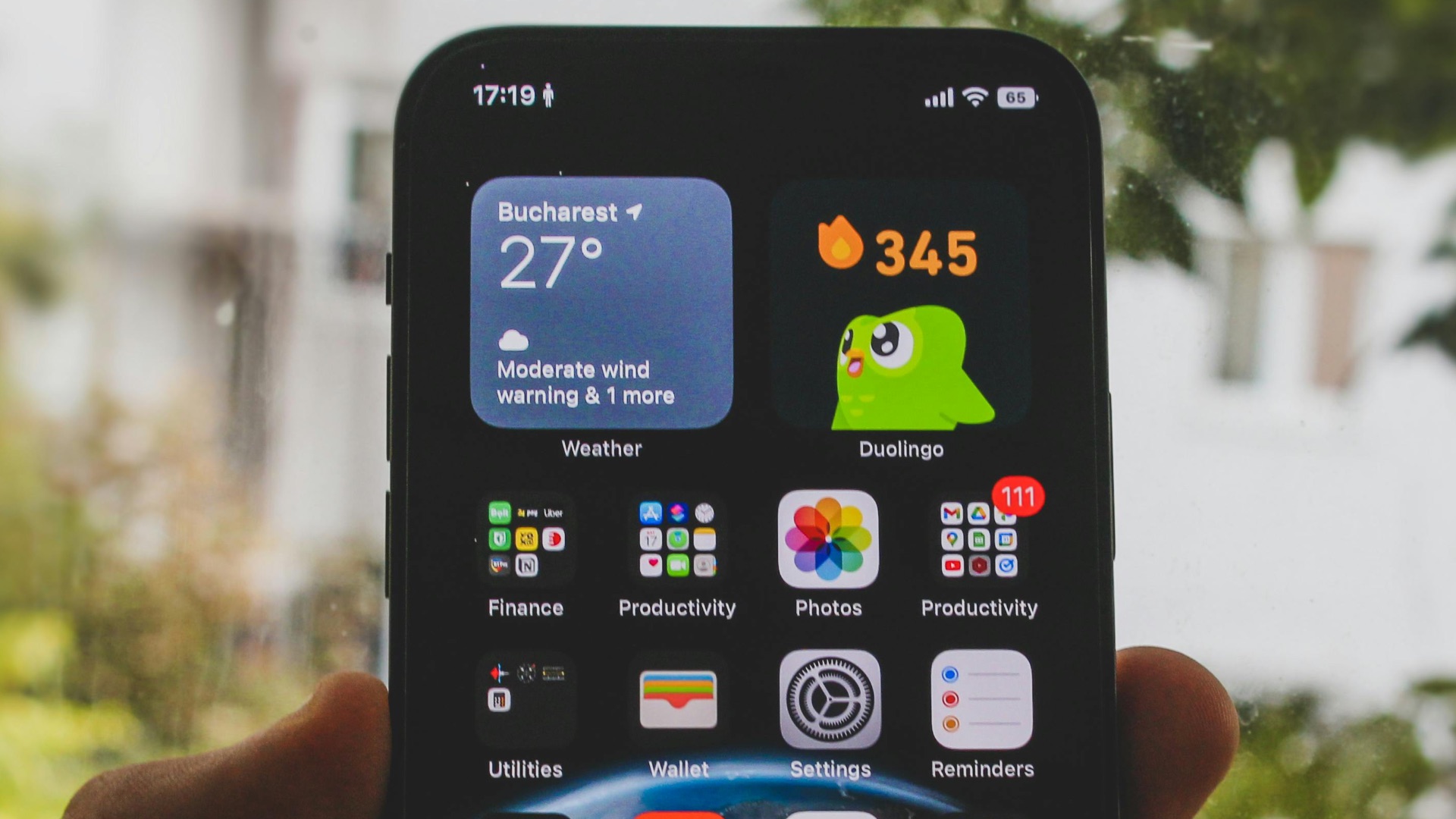
2. They Introduce Vocabulary in a Structured Way
Language apps are particularly effective at introducing new vocabulary through spaced repetition, which means words you struggle with appear more frequently while ones you've mastered show up less often. This system is backed by solid memory research, and it works well for building a foundational word bank in a new language. You'll likely absorb a few hundred useful words faster than you would with traditional flashcards.
3. They Provide a Judgment-Free Learning Environment
For learners who feel embarrassed or anxious about making mistakes in front of others, apps offer a private space to practice without any social pressure. There's no teacher to correct you out loud, no classmates to witness your errors, and no time pressure beyond your own pace. That sense of safety can be especially valuable in the early stages when confidence is still developing.
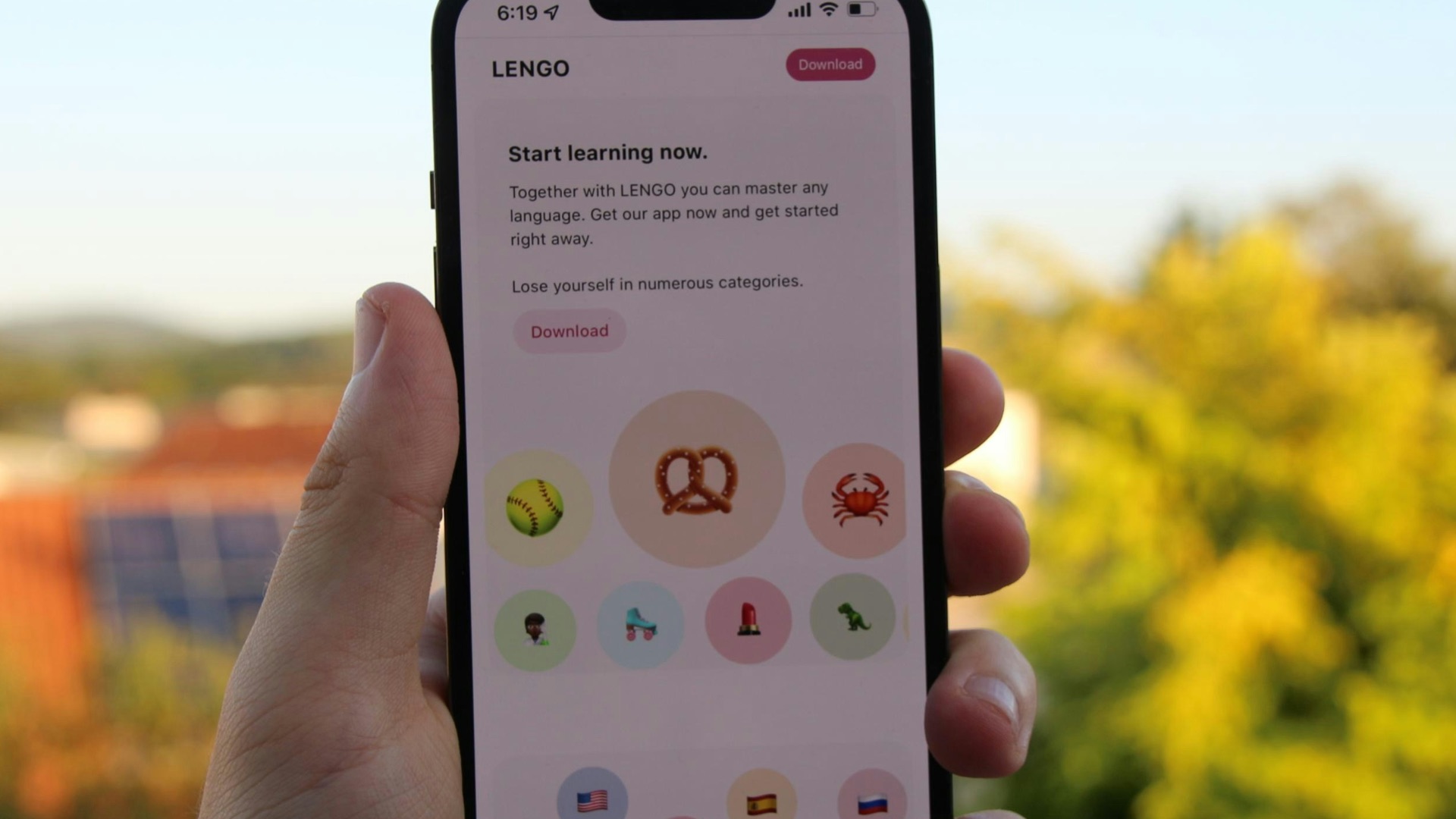
4. They Teach Basic Grammar Through Practice
Rather than presenting you with long lists of grammar rules to memorize, most apps teach structure through repeated exposure and pattern recognition. You'll start to notice how sentences are built in your target language simply by completing hundreds of exercises that reinforce the same patterns in different contexts. It's not a deep dive into linguistics, but it does lay a workable grammatical foundation.
5. They Use Gamification to Sustain Motivation
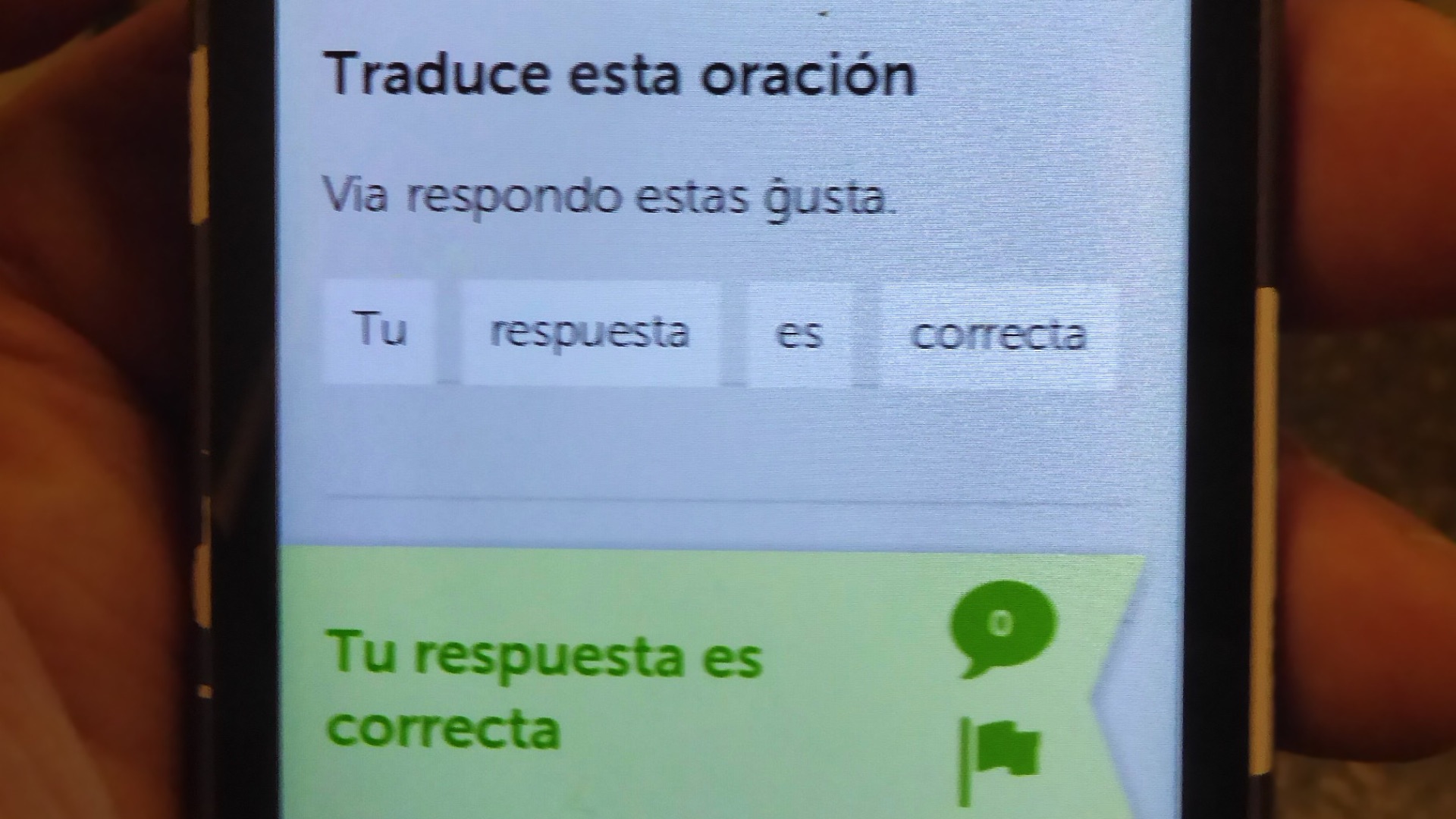
Points, leaderboards, badges, and level-up rewards tap into the same psychological systems that make video games so engaging, and language apps use all of them strategically. Duolingo in particular has refined this approach to the point where completing a lesson genuinely feels like a small achievement. For learners who struggle with self-motivation, that sense of reward can be what keeps them coming back.

6. They Offer Exposure to Pronunciation
Most apps include audio components that let you hear native or near-native pronunciation of words and phrases, which is something a textbook simply can't provide. Many also include speaking exercises where you record yourself and the app evaluates your pronunciation using voice recognition technology. It's far from perfect, but hearing and repeating words aloud is better than studying them silently on a page.

7. They Cover Multiple Languages in One Place
If you're someone who wants to dabble in Spanish on Monday and Japanese on Thursday, apps let you do that without buying separate courses or enrolling in multiple classes. The variety available on platforms like Duolingo, Babbel, and Pimsleur is genuinely impressive, covering dozens of languages from the widely spoken to the more obscure. That flexibility appeals to curious learners who want to explore rather than commit to a single language right away.

8. They Work Well as a Warm-Up Tool
Even for intermediate or advanced learners, opening an app for ten minutes before a study session can be a useful way to shift your brain into the target language. Think of it as a mental warm-up that activates vocabulary and patterns you already know before you move into more demanding material. Apps aren't just for beginners; they serve a practical review function at any level.

9. They're Constantly Being Updated and Improved
Unlike a textbook that stays frozen in time, language apps are regularly updated with new content, improved features, and better user experiences based on data from millions of learners. Duolingo, for example, has invested heavily in research to refine how its curriculum is structured and sequenced. That ongoing development means the product you're using today is meaningfully better than the one that launched years ago.

10. They Make Language Learning Accessible to Everyone
Perhaps the most significant thing language apps have done is democratize access to language education. Before apps, quality instruction often meant expensive classes, private tutors, or immersive programs that weren't available to everyone. Now, anyone with a smartphone can begin learning a new language at no cost, which is a remarkable shift in how language education reaches people around the world.
All that said, apps can only take you so far. If your goal is to actually hold a conversation, understand a TV show without subtitles, or read a novel in another language, you'll need to complement your app time with study strategies that push you further. Here are 10 approaches that can help accelerate your progress:

1. Find a Language Exchange Partner
Connecting with a native speaker who wants to practice your language while you practice theirs is one of the most effective and affordable ways to build real conversational ability. Language exchange apps make it easy to find partners around the world, and the mutual benefit keeps both parties engaged. Even a 30-minute weekly exchange can do more for your speaking fluency than hours of solo app work.

2. Watch TV Shows and Films in Your Target Language
Immersing yourself in native-language content exposes you to natural speech patterns, colloquial vocabulary, and cultural context that structured lessons rarely cover. Start with subtitles in your own language, then switch to target-language subtitles, and eventually try watching without them as your comprehension grows. The more you hear the language used naturally, the more your ear adapts to its rhythm and speed.

3. Study with a Qualified Tutor
Working with a tutor, even just once or twice a week, gives you personalized feedback that no app can replicate. A good tutor will identify your specific weaknesses, correct persistent errors before they become habits, and adjust their teaching style to match how you learn best. Platforms like iTalki make it affordable to book sessions with both professional teachers and community tutors.
4. Keep a Vocabulary Journal
Writing down new words by hand has been shown to strengthen memory retention more effectively than typing, and a dedicated vocabulary journal gives you a personalized reference tool built entirely around the words you actually encounter. Organize entries by theme, include example sentences, and review the journal regularly rather than just adding to it. Over time, it becomes a record of your progress that also doubles as a powerful study resource.

5. Read Books, Articles, or News in Your Target Language
Reading builds vocabulary in context, improves grammar comprehension, and teaches you how written language differs from spoken language in ways that are hard to learn otherwise. Start with children's books or graded readers if you're a beginner, and work your way up to native-level content as your skills improve. Even reading a short news article each day will expand your vocabulary faster than most app-based exercises can.
 🇻🇳🇻🇳Nguyễn Tiến Thịnh 🇻🇳🇻🇳 on Pexels
6. Think in Your Target Language
One of the clearest signs of progress is when you stop mentally translating everything from your native language and start thinking directly in your target language. You can actively practice this by narrating your daily activities in your head, describing what you see around you, or mentally rehearsing conversations before they happen. It feels awkward at first, but it's one of the most effective ways to speed up fluency.

7. Practice Speaking Out Loud Every Day
Speaking out loud helps move language from passive recognition into active use. While you don’t need a long conversation every day, you do want to get your mouth accustomed to forming the words, sentences, and sounds. Even reading a short paragraph aloud or describing your day in simple sentences can make the language feel more available when you need it.

8. Listen to Podcasts Designed for Language Learners
Dedicated podcasts often offer structured listening practice that's more immersive than app audio but more accessible than fully native content. Regular listening trains your ear to parse connected speech, which is something most learners struggle with when transitioning from textbook language to real-world conversation. Even commuting time becomes a productive study session when you swap music for a language podcast.

9. Take a Formal Course or Class
There's still a lot of value in enrolling in a structured language course, whether that's at a community college, a language school, or an online platform like Coursera. A formal curriculum provides a clear progression path, holds you accountable through deadlines and assessments, and often includes peer interaction that self-study can't offer. The combination of structure and social learning accelerates progress in ways that are hard to replicate on your own.

10. Spend Time in an Environment Where the Language Is Spoken
Nothing accelerates language acquisition quite like being surrounded by native speakers who expect you to communicate with them in their language. If travel isn't an option, seek out local cultural communities, conversation groups, or language meetups in your area where you can practice in a real-world social setting. The combination of necessity and context pushes your brain to absorb and recall language faster than any app or classroom exercise ever could.