
When Mechanics Matter More Than Plot — And Vice Versa
Some games stay popular because playing them feels endlessly satisfying, even if the story barely leaves an impression once the credits roll. Others become memorable almost entirely because of the emotional experience, characters, or narrative twists, while the actual gameplay feels secondary. Both approaches can create successful games, but players usually notice pretty quickly which side a title leans toward once the novelty wears off. Here are 10 games carried by gameplay and 10 carried by story alone.
1. Doom (2016)
The fast movement, aggressive combat, and constant momentum are what made this reboot stand out so strongly. Players rarely talk about the plot in detail because most of the experience revolves around combat rhythm and satisfying weapon variety.
 Bethesda, Copyright Microsoft on Wikimedia
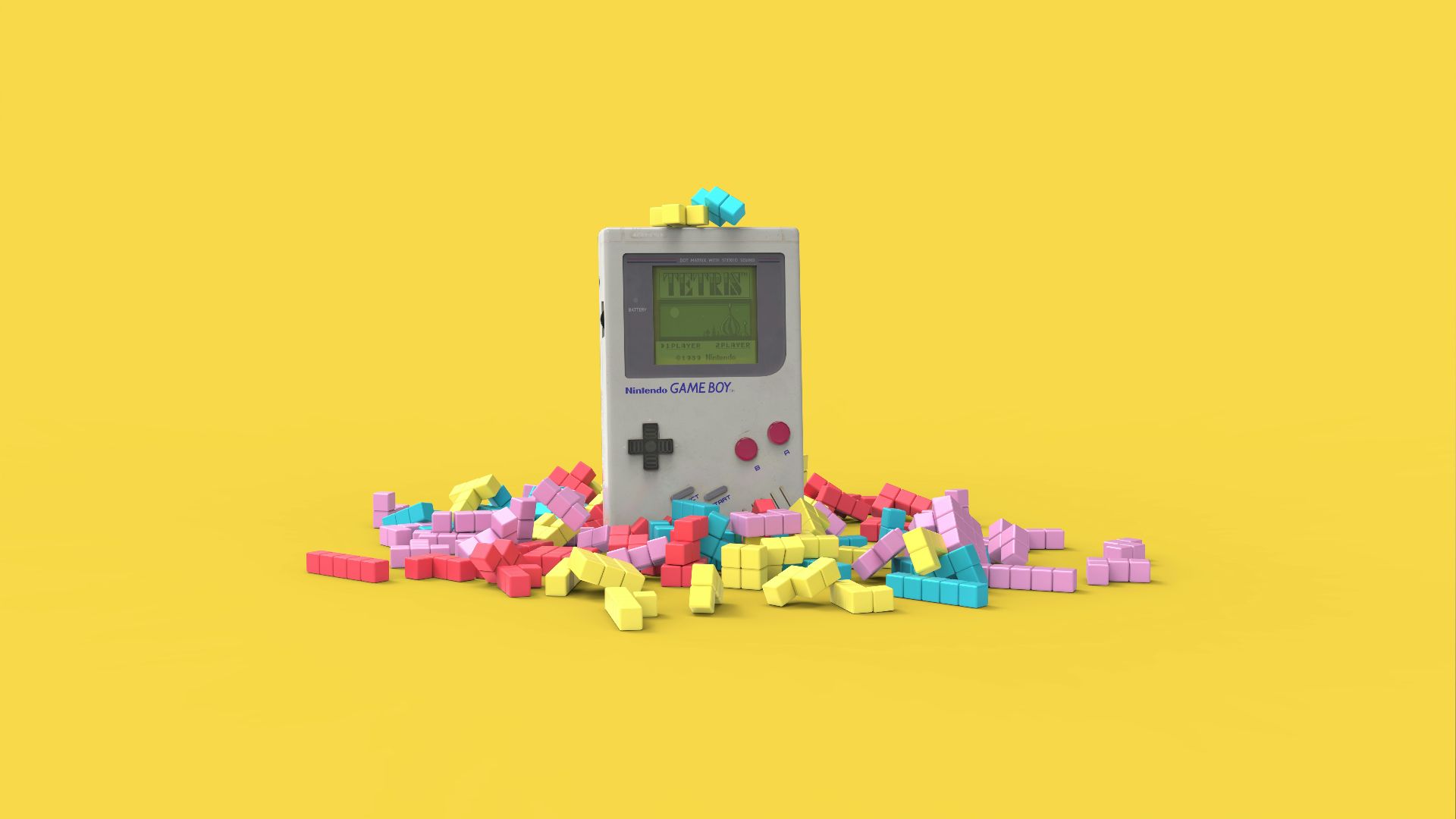
2. Tetris
Few people could summarize any kind of narrative here, yet the gameplay has remained influential for decades. The simple act of organizing falling blocks becomes increasingly tense and rewarding the longer you play.
3. Rocket League
The concept sounds almost ridiculous on paper, but the mechanics are what transformed it into a long-term competitive success. Every match creates chaotic but skill-based moments that stay entertaining even after hundreds of hours.
 jjdhd Beirnrj Psyonix Studios on Wikimedia
4. Monster Hunter: World
While the setting and lore exist, the real focus comes from learning monster behavior and mastering weapon systems. Hunting creatures feels rewarding because every battle demands timing, preparation, and patience. Progression stays satisfying due to the constant equipment upgrades and combat experimentation. The gameplay systems are clearly the center of the experience.

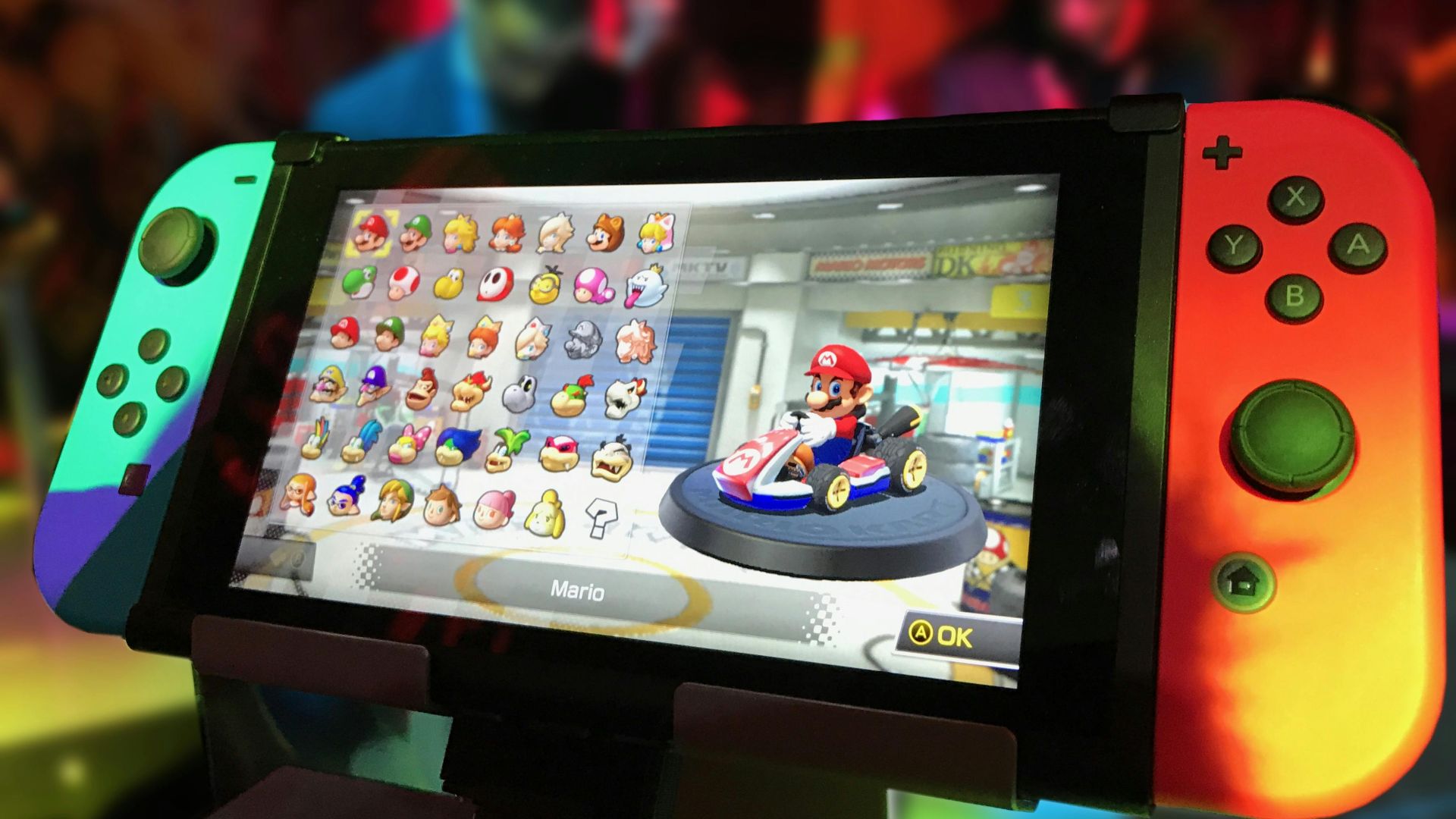
5. Mario Kart 8 Deluxe
The races remain entertaining because of track design, item balance, and unpredictable multiplayer moments. Nobody loads it up expecting a deep narrative experience. The excitement comes from competition, chaos, and learning how to recover from disasters seconds before the finish line.

6. Hades
The character writing received praise, but the gameplay loop is what kept people returning repeatedly. Fast combat, varied builds, and strong progression systems made repeated runs feel rewarding instead of repetitive.

7. Street Fighter II
Fighting games live or die based on mechanics, and this one helped define the genre permanently. The precise controls and competitive balance gave players reasons to practice for years. Story elements existed mostly as background flavor rather than the main attraction. The gameplay created the legacy almost entirely on its own.
 Jonathan Sloan from Burnaby, Canada on Wikimedia
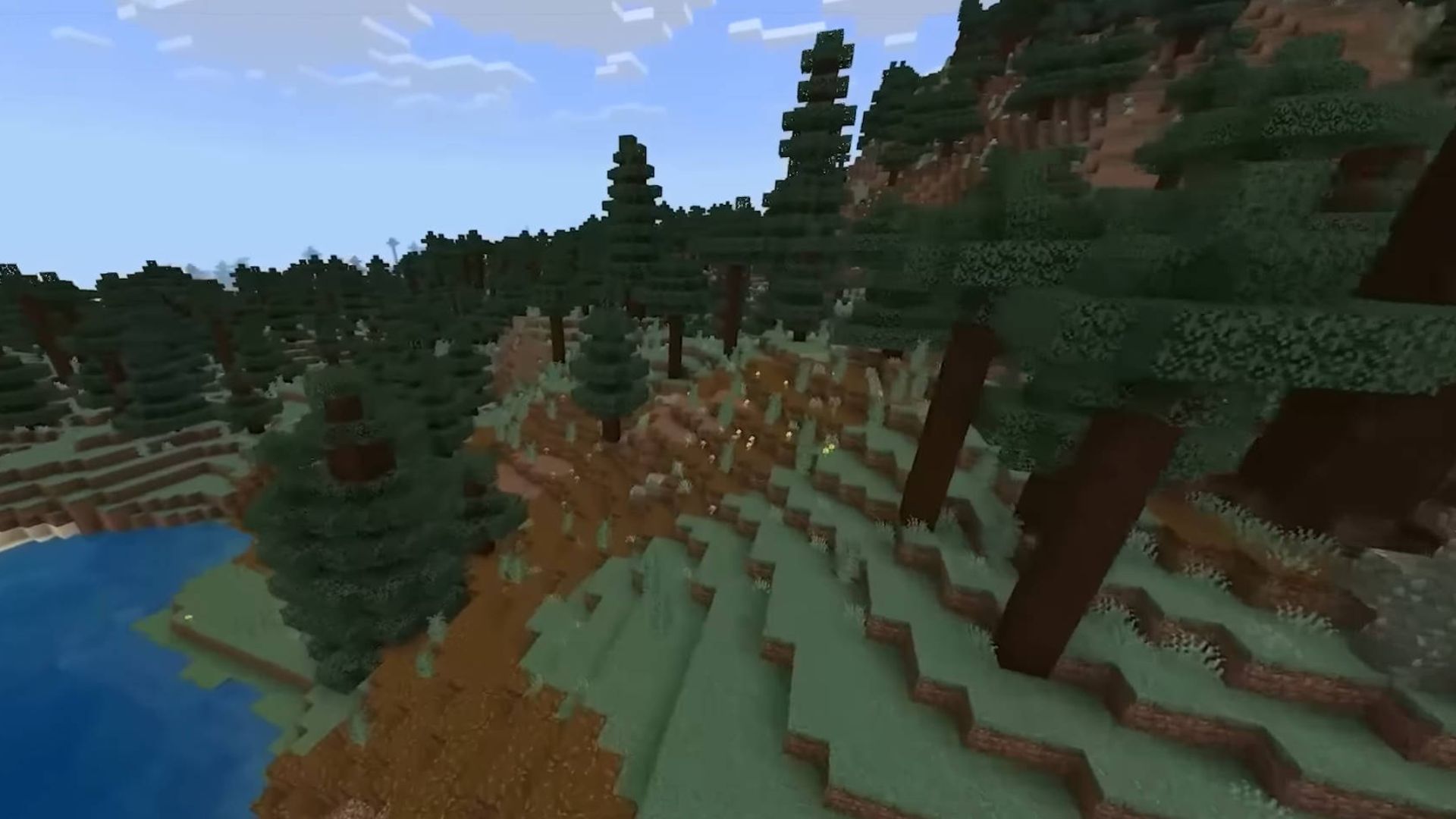
8. Minecraft
The freedom to build, explore, and experiment became the foundation of its massive success. Players create their own goals because the game provides systems rather than a heavily scripted narrative path.
9. Celeste
The emotional themes received attention, but the platforming mechanics are what truly carried the experience moment to moment. Tight controls made difficult sections feel fair instead of frustrating.
 Maddy Makes Games on Wikimedia
10. Dark Souls
The storytelling remains intentionally vague for much of the experience, yet the combat and exploration created an entire subgenre of imitators. Players became invested through discovery, risk, and learning from failure rather than cinematic storytelling. Every victory feels earned because of the deliberate difficulty balance. The gameplay structure became far more influential than the direct plot.

1. Heavy Rain
The emotional tension and branching decisions are what made people discuss this game so heavily after its release. Mechanically, most interactions are fairly simple and limited compared to traditional action titles.

2. The Walking Dead
The emotional relationships between characters became the true focus rather than the gameplay itself. Most of the mechanics involve dialogue choices and basic interactions that serve the narrative instead of challenging the player.
 William Tung from USA on Wikimedia
3. Detroit: Become Human
The branching storylines and moral choices are what generated most of the attention surrounding the experience. Outside of those decisions, the gameplay largely relies on exploration and quick-time events. Players stayed interested because they wanted to see how different choices shaped the characters’ futures.
 KniBaron from Bangkok, Thailand on Wikimedia
4. Life Is Strange
The emotional writing and character relationships became far more memorable than the actual mechanics. Time-rewinding added some interaction, but most of the appeal came from atmosphere and personal storytelling.

5. Firewatch
Walking through forests and interacting with objects is mechanically simple, but the conversations create constant intrigue. The mystery slowly unfolds through dialogue rather than action-heavy gameplay. Emotional tension builds because of uncertainty and isolation instead of mechanical complexity. The writing is what keeps players engaged from beginning to end.

6. Beyond: Two Souls
The performances and cinematic presentation clearly received more focus than gameplay systems. Most sequences involve straightforward interactions that mainly exist to support dramatic scenes. The emotional journey and unusual structure became the primary reason people discussed it.

7. What Remains of Edith Finch
The storytelling format creates emotional impact through short interconnected memories and personal tragedies. Gameplay changes slightly between sequences, but none of the mechanics are particularly deep on their own. The experience works because the narrative remains emotionally compelling throughout. Players remember the stories far longer than the interactions themselves.
8. Until Dawn
The appeal largely comes from tension, branching outcomes, and horror-movie-style decision making. Mechanically, it relies heavily on exploration and timed inputs rather than complex systems. Players became invested because they wanted characters to survive and relationships to evolve differently.
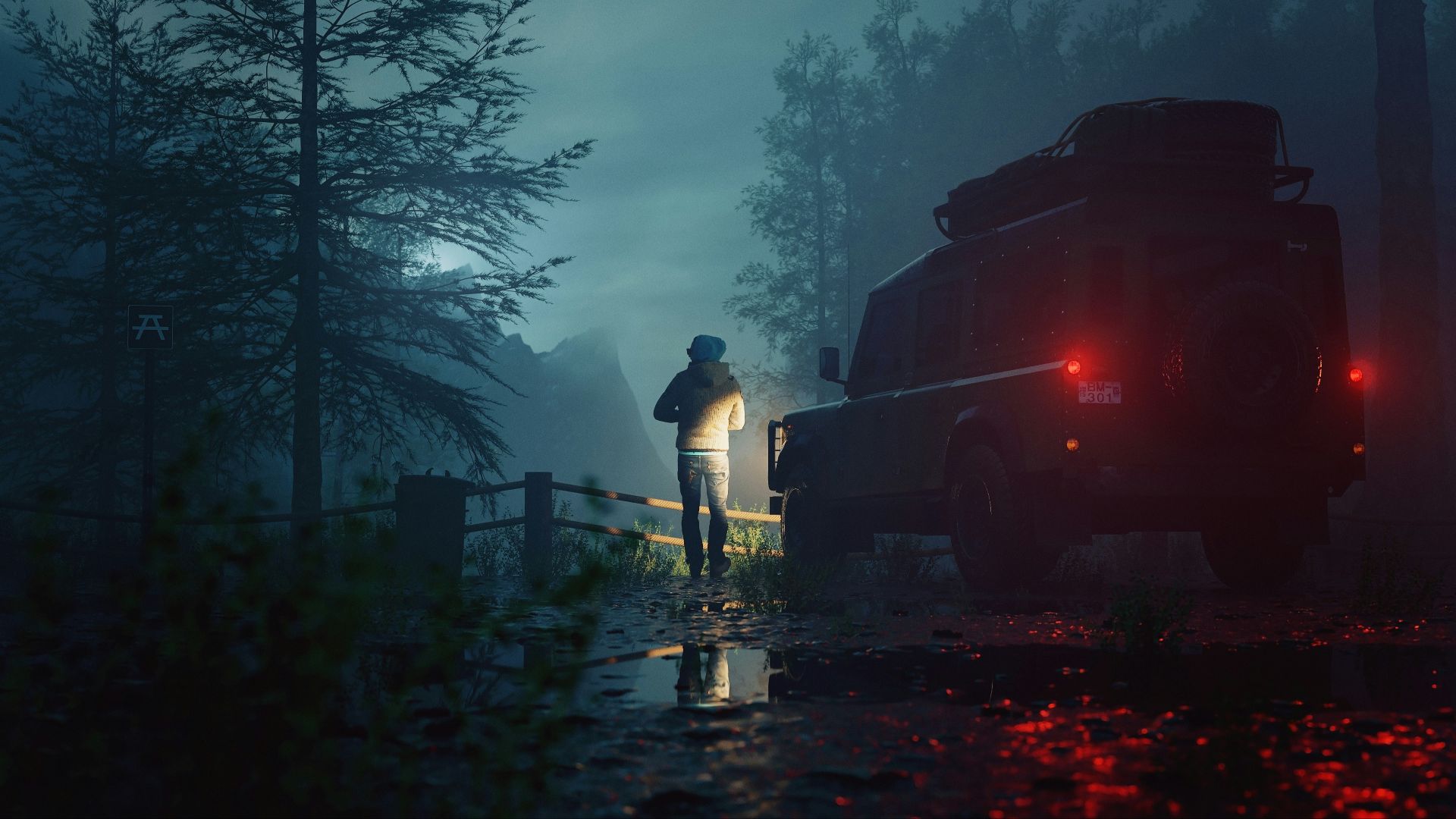
9. Gone Home
Exploration is extremely minimal, yet the environmental storytelling creates emotional curiosity from start to finish. The game succeeds because players slowly piece together personal details through objects, notes, and recordings.

10. The Last of Us Part II
The combat and stealth mechanics are polished, but discussion surrounding the game centered overwhelmingly on story decisions and character arcs. Emotional reactions to the narrative drove most of the conversation after its release.