

Video Game Rumors That Refuse To Disappear
Video game culture has always been filled with rumors, secret tricks, and playground theories that spread long before players could instantly fact-check everything online. Some myths started because games genuinely contained hidden secrets, while others survived thanks to misleading magazine tips, edited screenshots, or players' misunderstanding of complicated mechanics. Even today, many longtime gamers still repeat certain claims despite years of evidence proving they were never actually true. Here are 20 gaming myths players still believe.

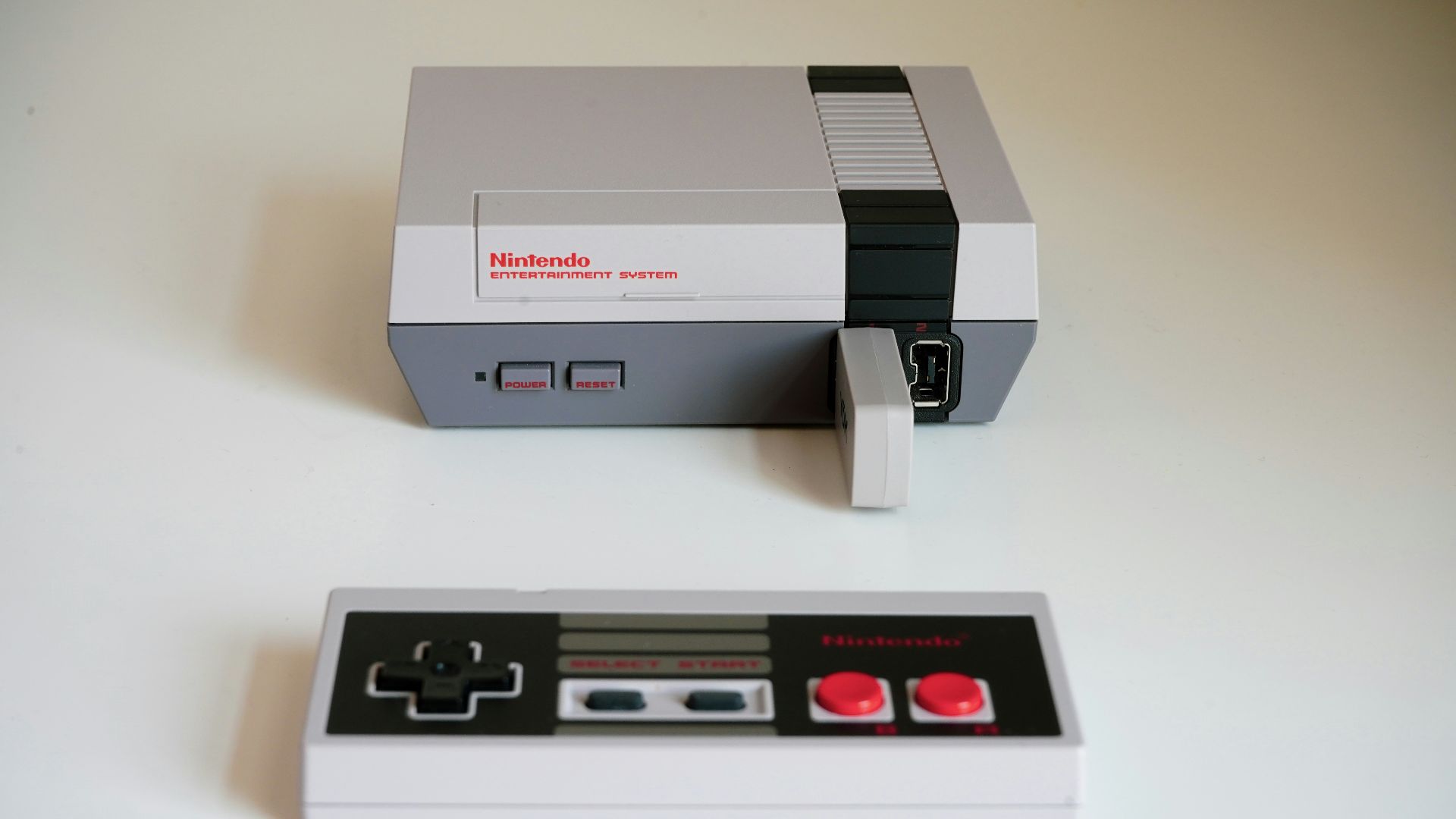
1. Blowing Into NES Cartridges Fixed Them
Many players still swear that blowing into Nintendo cartridges made games work better during the 1980s and 1990s. In reality, moisture from breath could actually damage cartridge connectors over time instead of helping them.
2. You Could Unlock Luigi In Super Mario 64
For years, rumors spread that Luigi was secretly hidden somewhere inside Super Mario 64. Players searched endlessly for ways to unlock him, especially after people misread blurry in-game textures as hidden clues.
 Digital Game Museum on Wikimedia
3. Rare Pokémon Were Easier To Catch By Holding Buttons
Countless Pokémon players believed holding certain button combinations increased capture rates during battles. Some mashed the A button perfectly with each shake of the Poké Ball, while others held specific directions on the controller.

4. Polybius Was A Government Mind-Control Game
The Polybius legend claimed that a mysterious arcade machine appeared briefly in the early 1980s and caused strange psychological effects. Stories described government agents collecting data while players experienced headaches, nightmares, and memory loss.

5. Using A Different Controller Port Improved Performance
Some players believed moving controllers into alternate console ports somehow improved gameplay or reduced lag. The rumor appeared across multiple systems, especially during competitive multiplayer gaming in the 1990s.

6. MissingNo Could Permanently Destroy Pokémon Red And Blue
MissingNo was a real glitch Pokémon found in the original Game Boy titles, which helped make the rumors even bigger. Many players believed encountering it would instantly erase save files or permanently ruin cartridges.

7. You Could Revive Aerith In Final Fantasy VII
After Aerith’s famous death scene in Final Fantasy VII, rumors exploded about secret ways to bring her back permanently. Players searched for hidden items, impossible side quests, and fake cheat codes spread through gaming magazines and forums.

8. The Triforce Was Obtainable In Ocarina Of Time
The Triforce symbol appears constantly throughout The Legend of Zelda series, which helped fuel theories that players could somehow obtain it in Ocarina of Time. Fake screenshots and edited guides convinced many gamers that the secret was hidden somewhere deep in Hyrule.

9. Arcade Games Were Programmed To Cheat
Many arcade games absolutely were designed to become harder over time, but players often exaggerated this into believing machines actively cheated. Rumors claimed games changed enemy behavior whenever someone was about to win.

10. Violent Games Automatically Cause Violent Behavior
The belief that violent video games directly create violent people has existed since the early days of controversial gaming debates. While researchers continue studying how the media affects behavior generally, major scientific reviews have not proven a simple direct link between gaming and violent crime.

11. Mew Was Hidden Under The Truck In Pokémon Red And Blue
One of gaming’s most famous playground rumors involved a parked truck near the S.S. Anne in Pokémon Red and Blue. Players believed using special moves or completing strange steps would reveal the legendary Pokémon Mew underneath it.

12. More RAM Automatically Means Better Gaming Performance
Many people still assume installing huge amounts of RAM instantly improves gaming, regardless of the system involved. While adequate memory is important, games usually benefit more from balanced hardware overall.

13. Destroying Controllers Made Games Respond Better
Frustrated players have long joked about hitting controllers to make buttons work properly during difficult games. Some genuinely believed smacking hardware improved responsiveness temporarily.
 Joshua Oluwagbemiga on Unsplash
14. Cheat Codes Could Damage Consoles Permanently
Parents and younger players sometimes believed that entering cheat codes would somehow break gaming systems permanently. While poorly made third-party devices occasionally caused issues, standard cheat codes themselves rarely harmed hardware.

15. Screen Burn-In Happened Instantly
Older gamers often warned players never to pause games too long because televisions would supposedly burn images into the screen almost immediately. Burn-in was a real issue on older CRT and plasma displays, but it typically required very long periods of static images.

16. Every Old Game Was Extremely Difficult
Retro games definitely had a reputation for difficulty, but many players overstate how brutally hard every older title actually was. Plenty of classic games were designed for casual players and younger audiences.

17. Red Barrels Always Explode
Players joke constantly that every red barrel in gaming is explosive because so many developers used the color to signal danger. While countless shooters and action games follow that tradition, not every red barrel is programmed to explode.

18. Expensive Gaming Chairs Improve Skill
Gaming chairs are marketed heavily using professional esports branding and performance claims. Although a comfortable chair can absolutely help posture and long sessions, it won't magically improve reflexes or competitive ability.

19. Secret Codes Existed In Every Game
During the 1990s, especially, many players assumed every game contained hidden cheats, secret characters, or developer rooms waiting to be discovered. Some games absolutely included hidden content, which kept the belief alive.

20. PC Gaming Is Always More Expensive Than Console Gaming
PC gaming can become expensive at the highest performance levels, but many players exaggerate the cost difference dramatically. Budget and mid-range gaming PCs can remain usable for years while also handling non-gaming tasks.