

A Dungeons & Dragons campaign can have an elaborate world, fascinating lore, terrifying villains, and a beautifully drawn map, yet still leave everyone staring at the clock. The problem isn't necessarily that your players don't like fantasy or that you're a bad Dungeon Master. Sometimes, a campaign simply needs more opportunities for the players to make meaningful choices and see those choices change what happens next.
D&D is built around different types of play, including exploration, social interaction, and combat, so a campaign can become repetitive when it leans too heavily on one kind of encounter. Official D&D guidance also emphasizes varying encounters, giving characters clear objectives, and connecting adventures to what players actually care about.
Every Problem Shouldn't End In A Fight

While there will be combat in D&D, not every challenge needs to result in initiative being called. Maybe that shopkeeper can be talked into helping you. Perhaps that door will need some trial and error, or you have to get two hostile parties to work together. In the D&D books, they separate combat from role-playing and exploring, so there are many ways to keep things fresh.
Players can become disengaged when they enter a room without understanding what they're supposed to accomplish there. That doesn't mean you need to hand them the answer, but they should have enough information to recognize that something matters. D&D Beyond recommends giving encounters clear objectives and obstacles so players understand what they can act on rather than simply waiting for the next plot development.
When all of your players' choices end up with the same result, they may feel as if they aren't having an impact on the world around them. You don't have to create a whole new story for each choice. Maybe the villain escapes by another method, or that NPC is now your friend. Even if a town likes your party more than they would have without them, it can show the players their choices have an effect.
The Story Might Be Moving Too Slowly
There's nothing wrong with a mystery, but repeatedly searching for the same piece of information can become exhausting. Official D&D adventure-design advice warns against using the same type of plot point repeatedly, even when the individual encounters are different. If the characters have spent several sessions gathering clues, consider letting them finally act on what they've learned.
The opposite problem can be just as troublesome. If every conversation introduces a shocking secret, a new villain, or an enormous twist, players can become numb to revelations because everything is constantly presented as the biggest development yet. A campaign benefits from quieter scenes, funny moments, useful discoveries, and ordinary interactions that allow the major events to stand out.
A campaign becomes much easier to follow when the players have reasons to care about what happens beyond simply completing the current quest. A beloved NPC, a home base, a personal goal, or a connection to the setting can make an otherwise ordinary mission feel more significant. The 2024 Dungeon Master's Guide specifically recommends building elements such as communities, NPCs, and places that players can become invested in.
Your Campaign Might Need More Variety
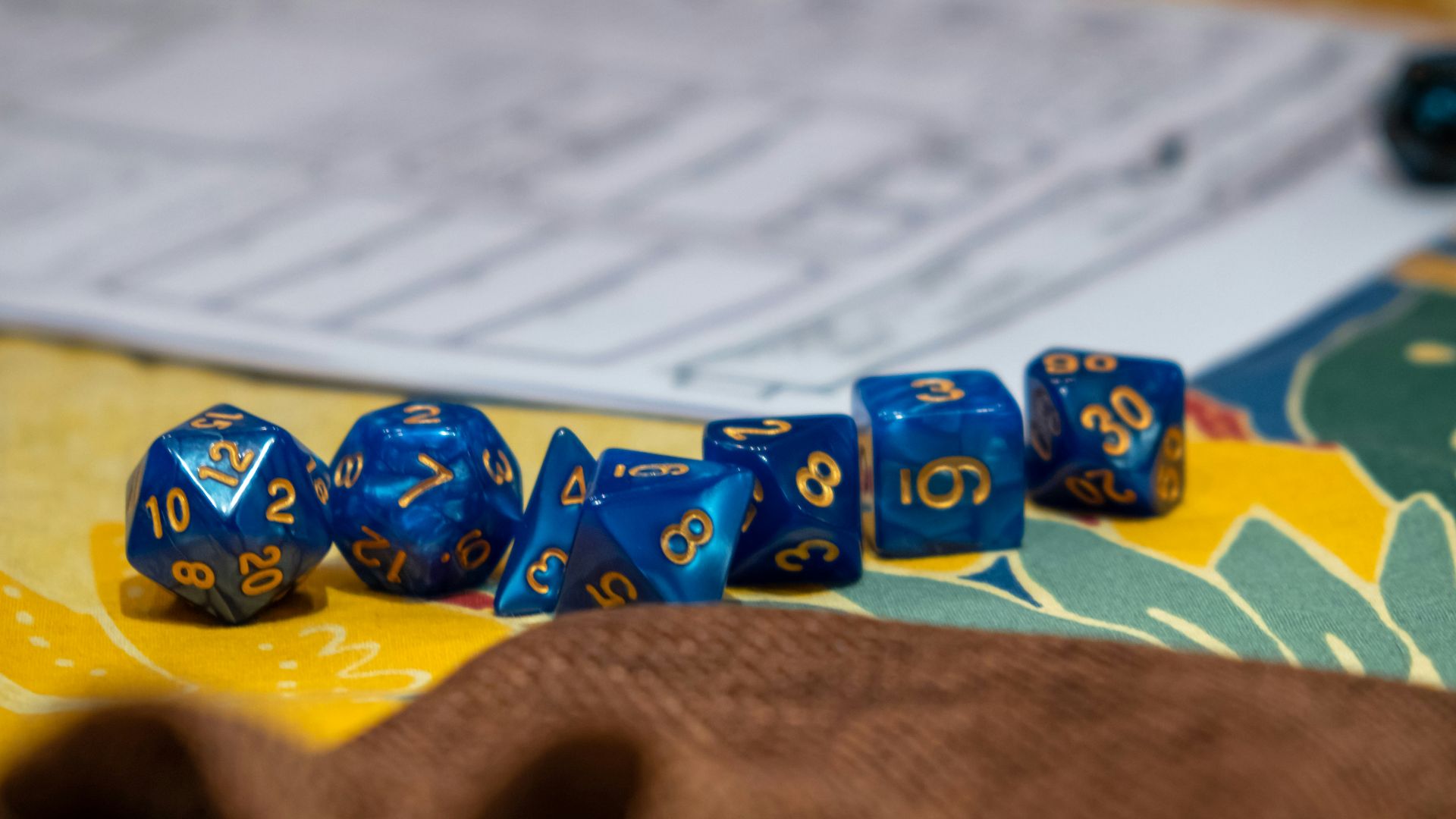
Imagine playing several sessions where every problem is solved by fighting increasingly powerful enemies. Even enthusiastic combat fans could eventually use a change of pace. Try following a battle with an investigation, a negotiation, an unusual exploration challenge, or an encounter where the objective is something other than defeating every opponent.
Fights can also be made more exciting by adding goals to them. Whether it's keeping someone alive, getting to a certain spot, or preventing something from occurring before the end of the fight. In D&D 5e, there are suggestions to have goals in your fights, such as trying to get certain objects or stop a ritual. This adds depth to your fights by having your players try to accomplish something.
As mentioned earlier, players are going to do things you didn't expect in D&D. If every encounter is so scripted that if they do something unexpected, it funnels them back to what you wanted them to do, you may as well just perform the session for them. Let the story follow the characters sometimes.
A boring campaign doesn't necessarily need a dramatic overhaul. Sometimes, the solution is as simple as changing the next encounter, giving an NPC a stronger personality, allowing an unexpected choice to have consequences, or letting the players pursue something they already seem interested in. D&D's official guidance repeatedly emphasizes actionable encounters, varied adventure beats, meaningful objectives, and player investment for good reason.
Most importantly, pay attention to what your players actually respond to at the table. If they become animated whenever a particular NPC appears, start asking questions about that character; if they love exploring strange locations, give them another reason to investigate; and if everyone lights up when plans go spectacularly wrong, don't be too quick to steer them back onto your carefully prepared path. Sometimes the most memorable D&D moments are the ones nobody wrote down beforehand.