The Rude Little Rectangle
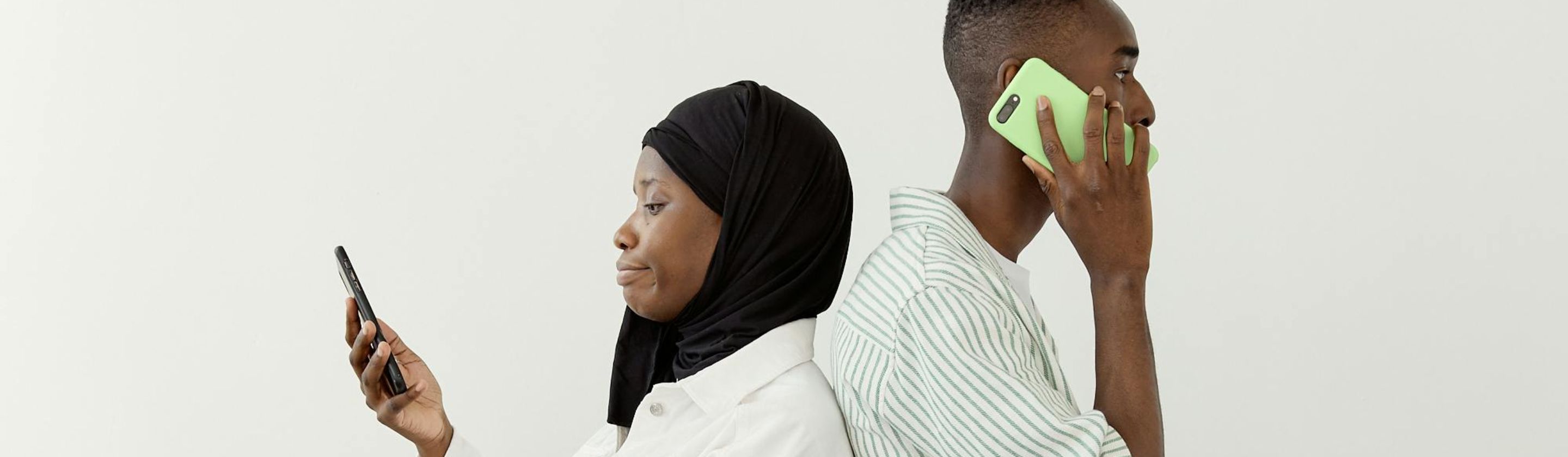
Phones made a lot of things easier. They made directions easier, waiting easier, boredom easier, and avoiding eye contact almost effortless. They also gave us a perfect tool for being casually rude while still feeling completely justified about it. The problem is not just screen time or distraction; it's the way the phone quietly rewrites what counts as polite, attentive, and decent in everyday life. Here are 20 ways your phone is changing your manners for the worse.

1. You Look Down While Someone Is Talking
This has become one of the most common forms of modern bad manners. Someone is telling a story, asking a real question, or trying to explain something, and your eyes drop to the screen like they are magnetized. Even a quick glance sends the same message: something else might be more important than you.
2. You Half-Listen On Purpose
Phones make it easy to perform attention without actually giving it. You can nod, say “right,” and toss in a fake little laugh while reading a text at the same time. Most people can feel when that is happening, even if they are too polite to call it out.
3. You Treat Delays Like Personal Insults
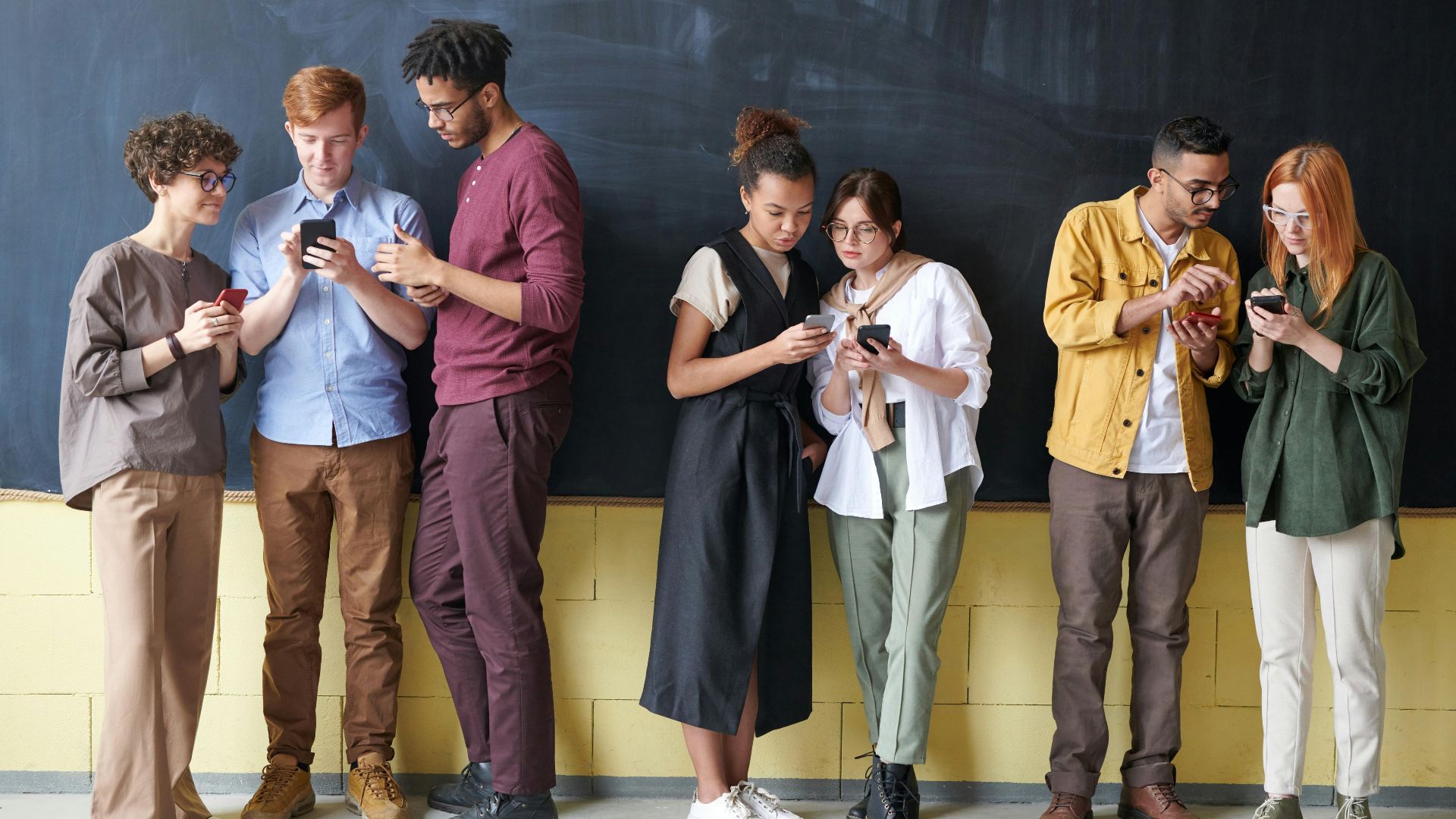
The phone keeps everybody reachable, so now a slow reply feels loaded when it often is not. If someone takes three hours to answer, it starts to seem like a statement instead of a schedule. That shift has made a lot of people thinner-skinned and far less patient than they used to be.
4. You Bring Your Screen Into Every Quiet Moment
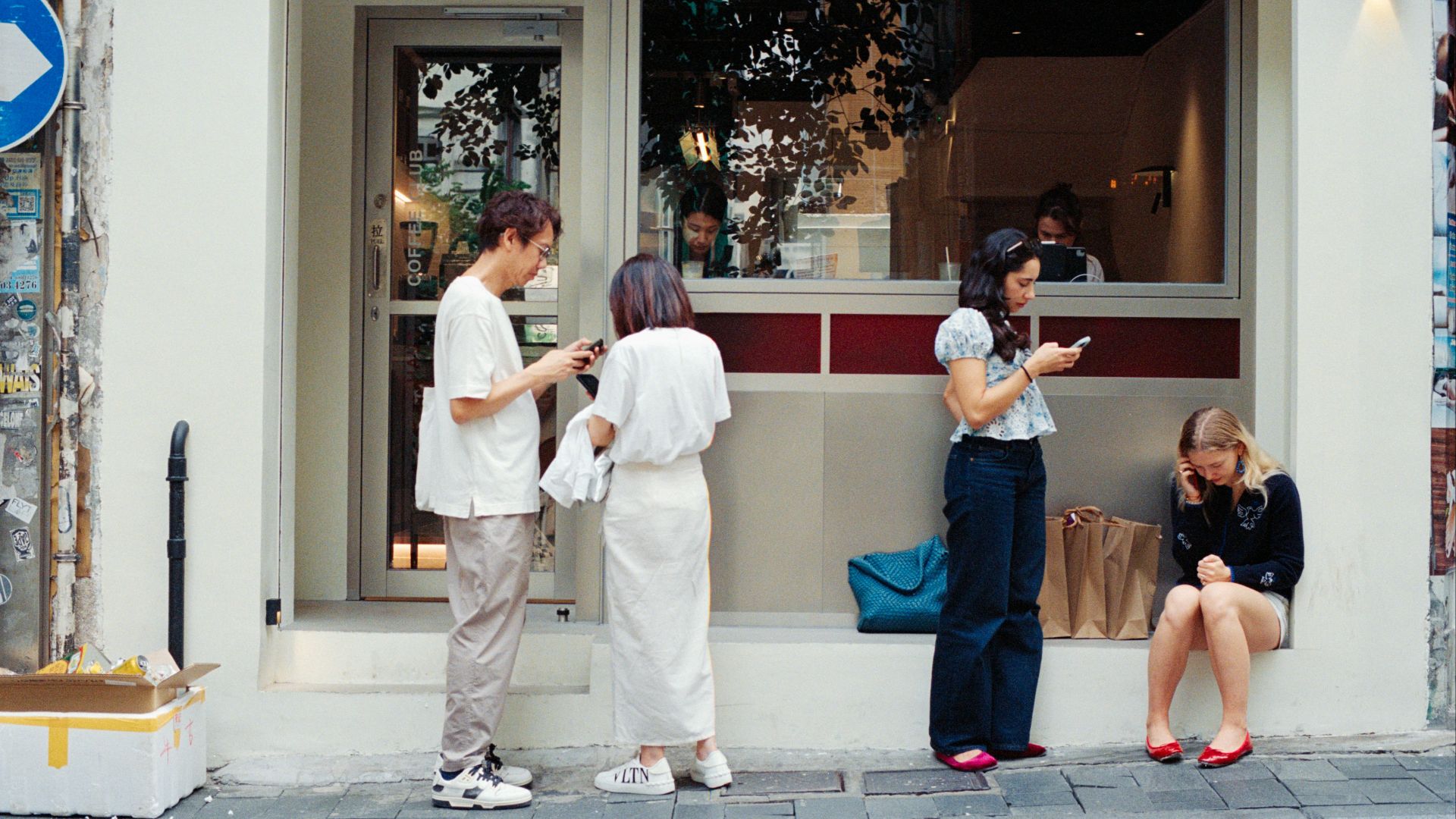
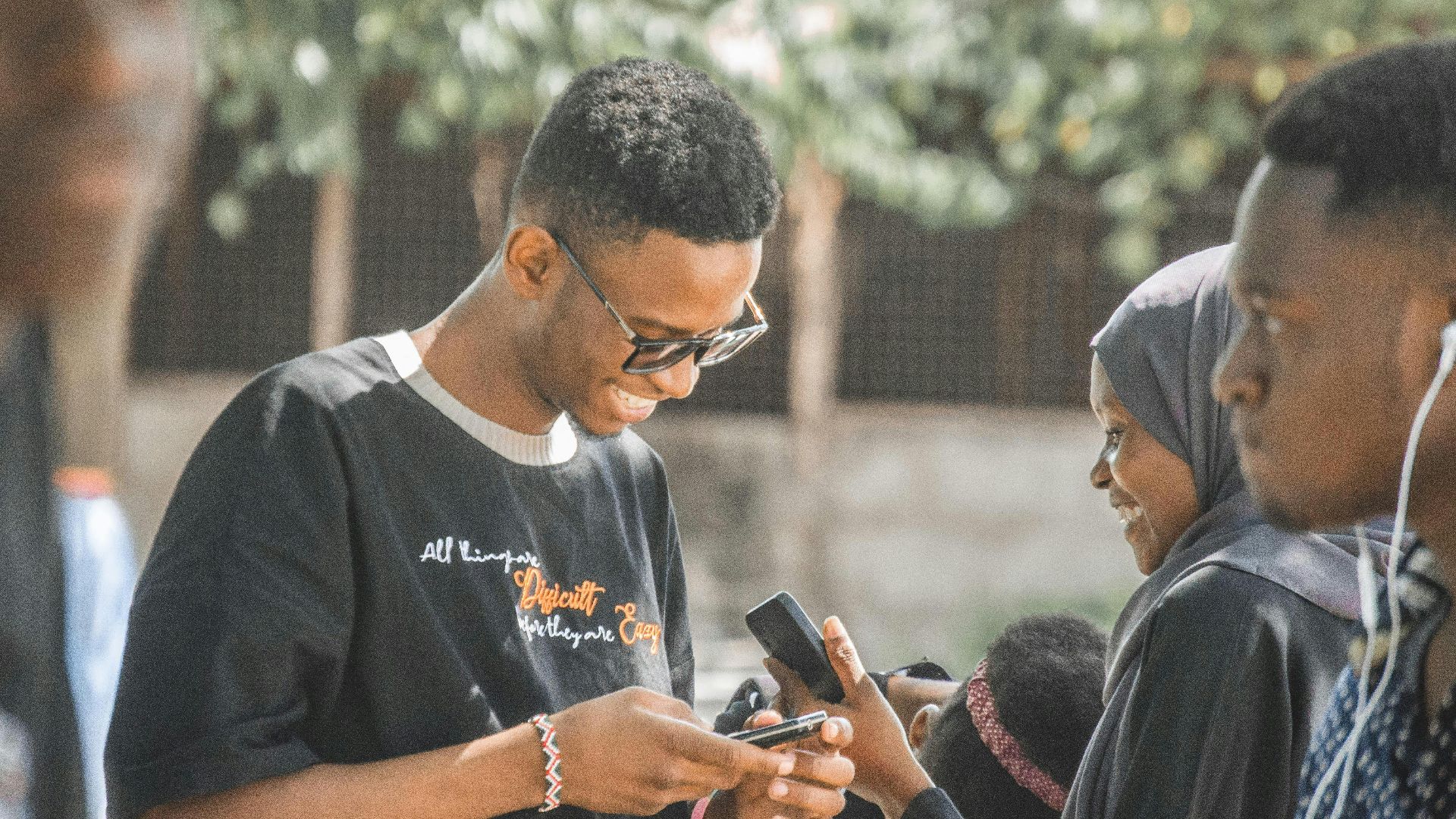
There used to be small pauses in the day that belonged to nobody. Waiting in line, standing in an elevator, sitting at a red light in the passenger seat, those moments were blank and harmless. Now the phone jumps in instantly, and with it goes any chance of noticing the people right in front of you.
5. You Check Out In The Middle Of Meals
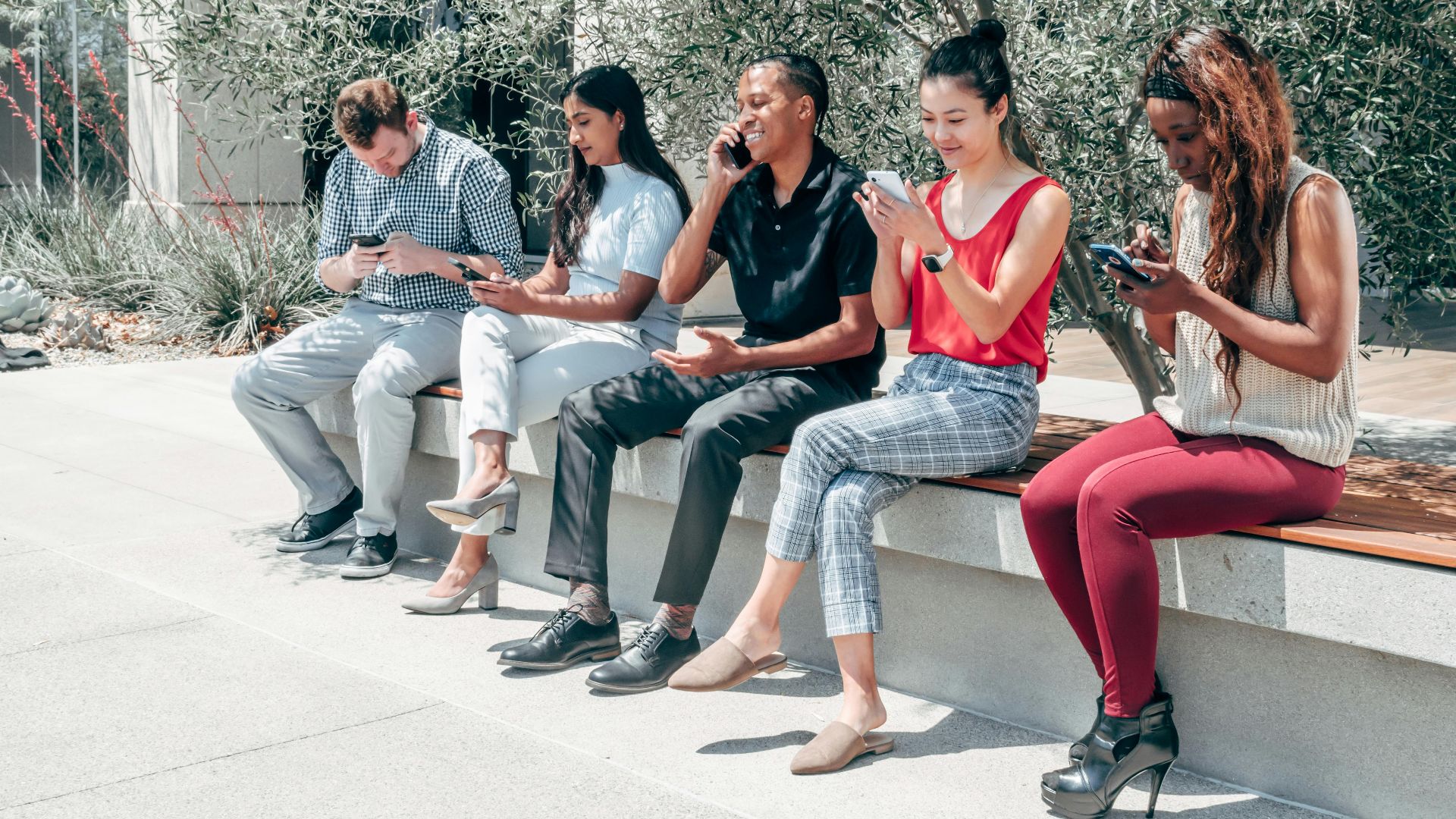
Phone manners at the table have gotten bleak. A meal can now include one person scrolling, one person filming the appetizer, and one person leaving the phone face-up like a threat. It is hard to call something dinner together when everybody is ready to disappear at any second.

6. You Interrupt Real Life For A Notification
A vibration on the table has somehow become stronger than an actual human being in the room. Conversations pause, eye contact breaks, and the whole interaction bends around a message that usually turns out to be nothing. We have trained ourselves to react to the possibility of importance, not the reality of it.

7. You Use Your Phone To Avoid Small Courtesy
A lot of simple manners used to happen because people had to deal with each other directly. You made brief conversation, acknowledged the cashier, nodded at the receptionist, or said excuse me without acting burdened by it. The phone gives you a clean excuse to disappear from all of that while pretending you are just busy.
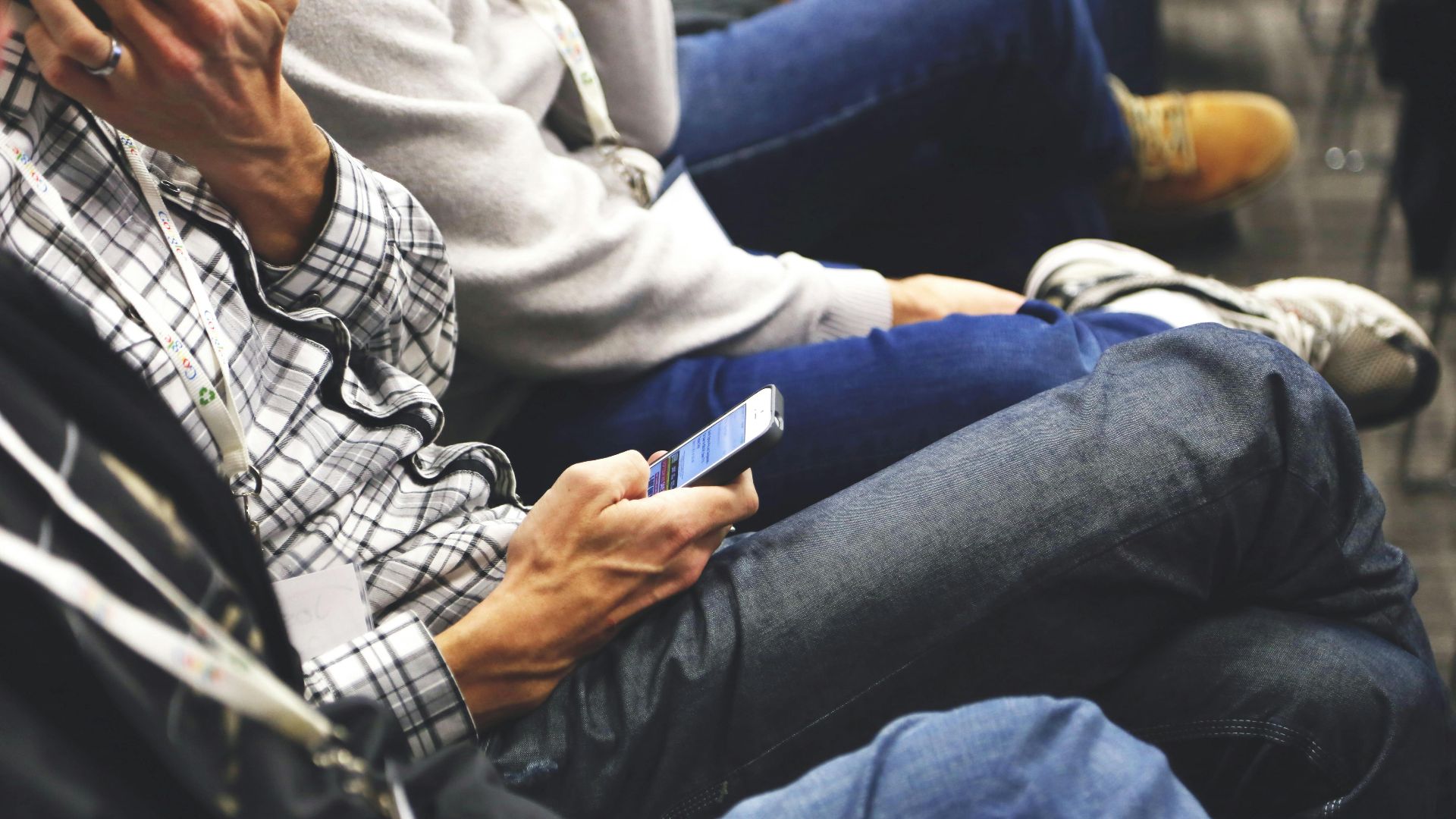
8. You Walk Around Like Shared Space Does Not Exist
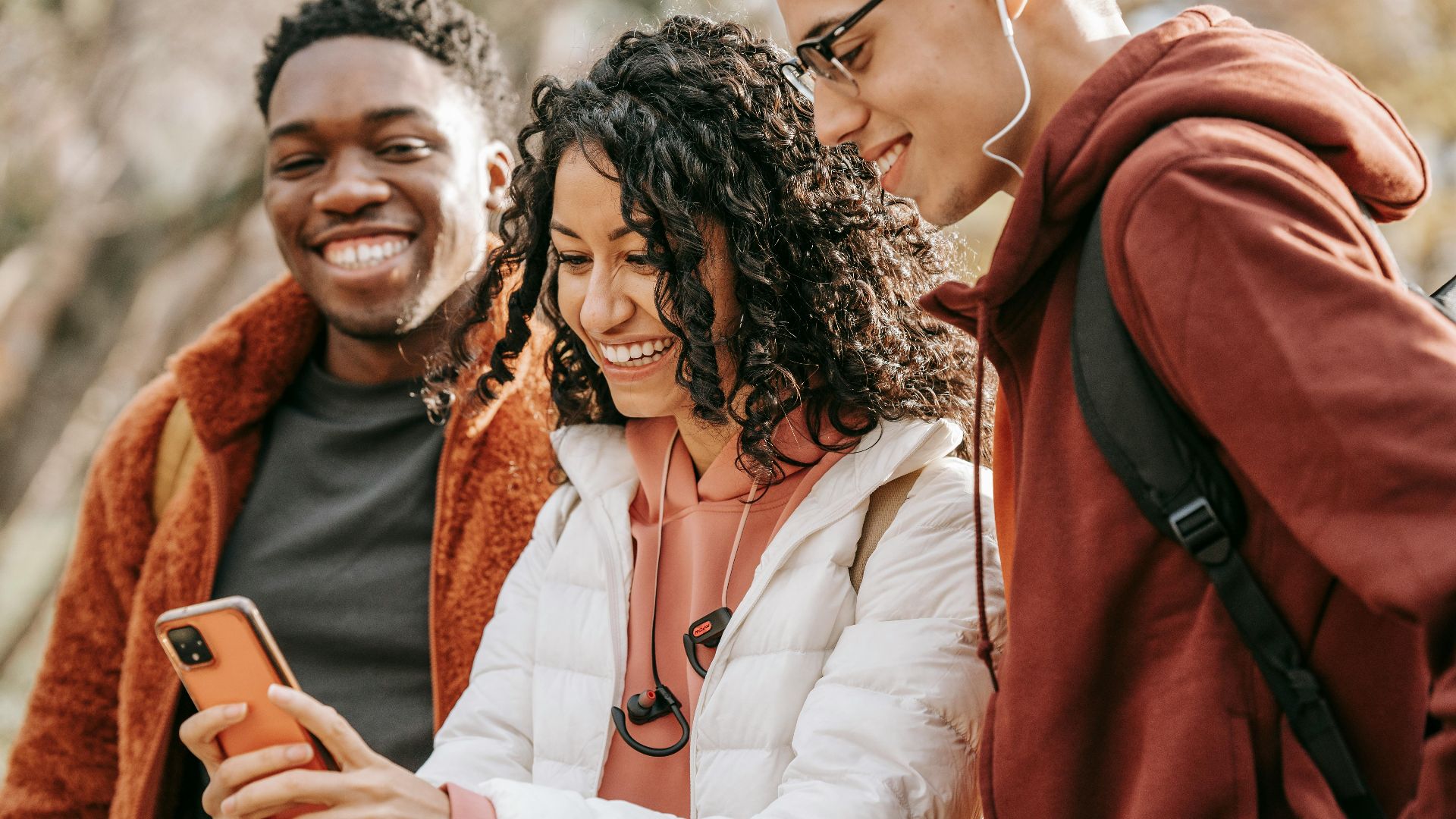
Phones have made people terrible at moving through the world. Slow drifting on sidewalks, stopping dead in doorways, blocking aisles, and wandering through parking lots without looking all feel normal now. It is hard to be courteous when you are barely aware that other people have bodies.
 Startup Stock Photos on Pexels
9. You Let People Hear Everything
Speakerphone in public has become one of the grimmest social developments of the last few years. Nobody wants to hear your insurance call, your cousin’s breakup, or your loud little “Can you hear me now?” from three seats away. Earbuds exist for a reason, and so does basic self-awareness.
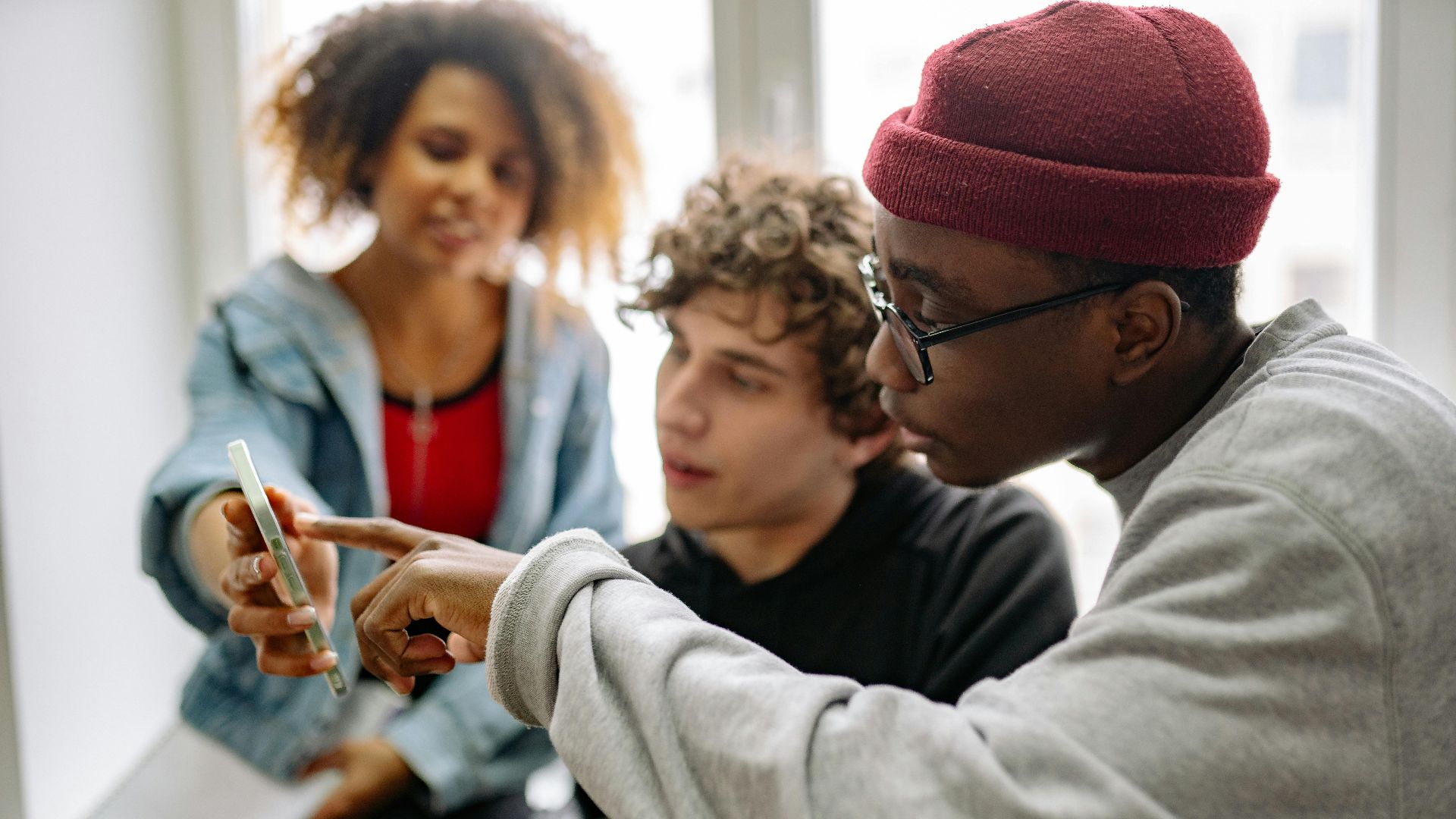
10. You Record Instead Of Helping
The phone has turned too many people into spectators first. When something awkward, dramatic, or upsetting happens, the instinct is often to film it before deciding whether a real person needs help. That is not just weird. It is a serious erosion of ordinary human decency.
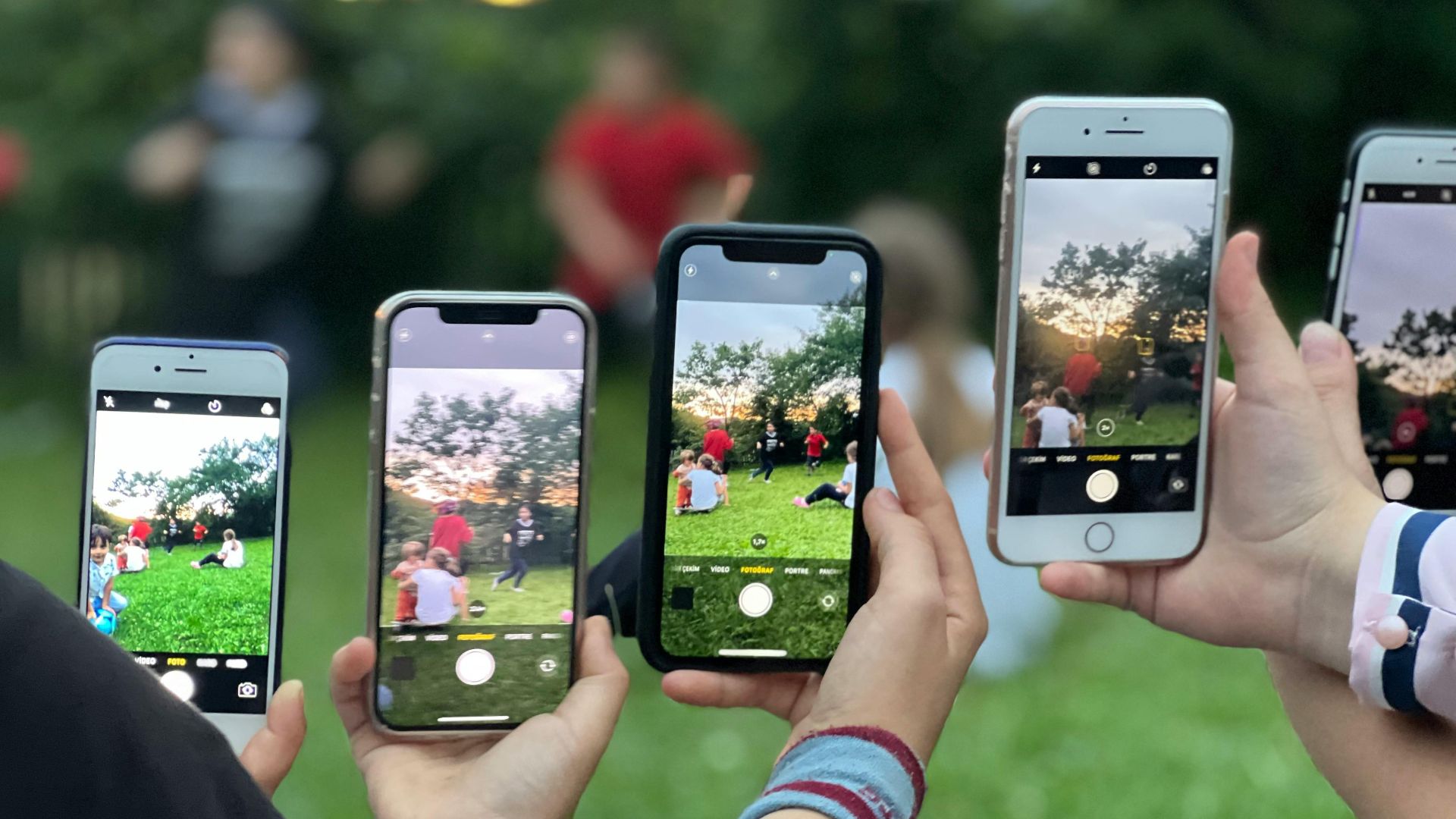
11. You Expect Instant Access To Everyone
Phones make it easy to forget that other people still have lives, moods, work, errands, showers, traffic, and limits. Once constant access becomes normal, any boundary starts to feel inconvenient. That expectation changes your manners fast, especially when you stop treating availability as a favor.
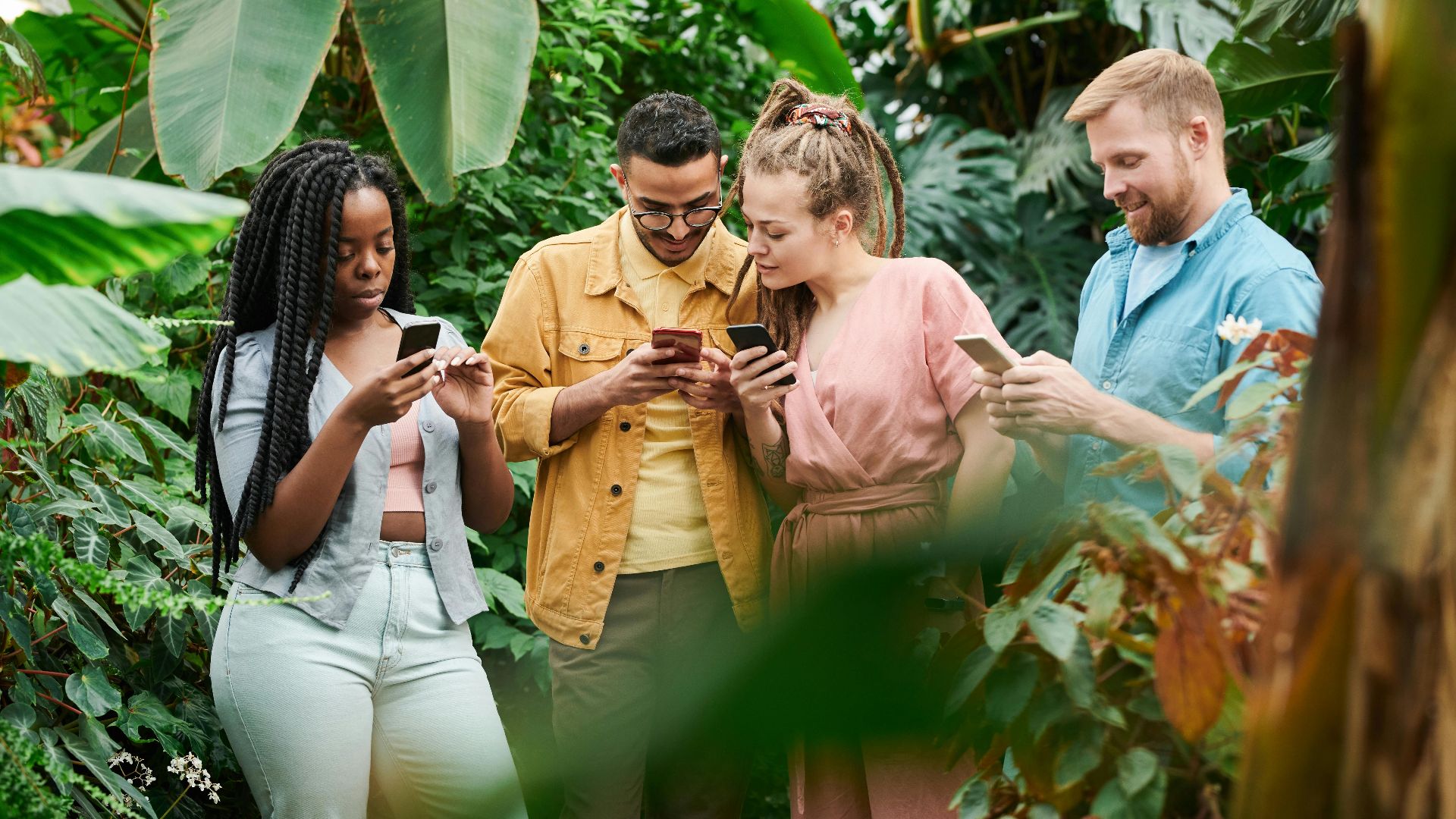
12. You End Conversations Without Ending Them
A lot of phone communication just trails off now. No goodbye, no closing line, no real ending, just silence after the last bubble. It sounds minor, but that little habit makes interactions feel thinner and more disposable than they used to.
13. You Text Things You Would Never Say Well
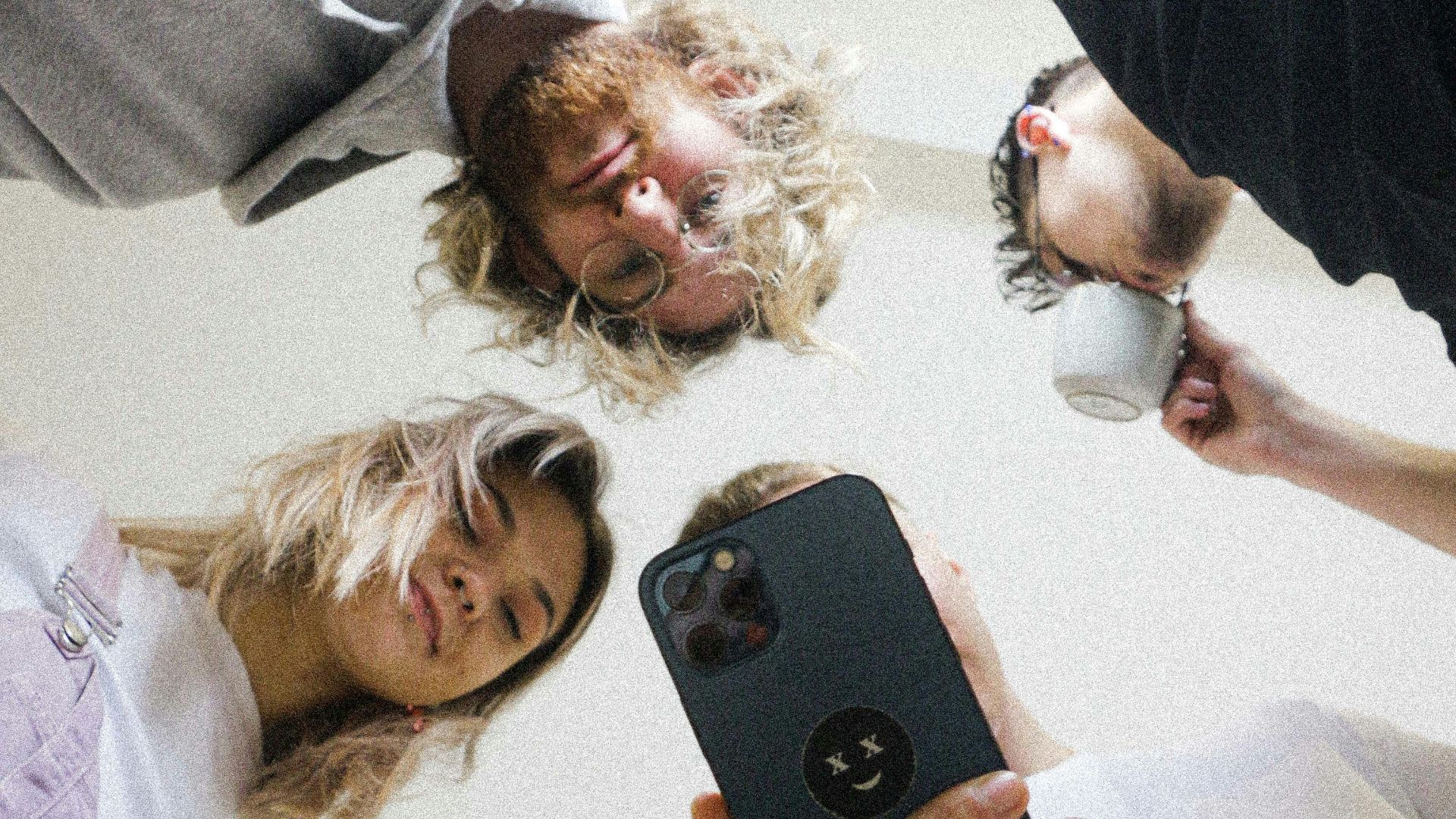
Phones make bluntness feel efficient. A message that would sound warm or careful in person can land flat, cold, or weirdly sharp once it shows up as plain text. People get lazy with tone, and then act surprised when the other person reads exactly what was written.

14. You Keep One Foot In Every Interaction
The phone has trained people to stay partially elsewhere. Even when you are with someone, there is often a sense that part of your attention is hovering near the screen, ready to leave. That low-grade split focus changes the feeling of being around each other.
15. You Treat Waiting Like An Emergency
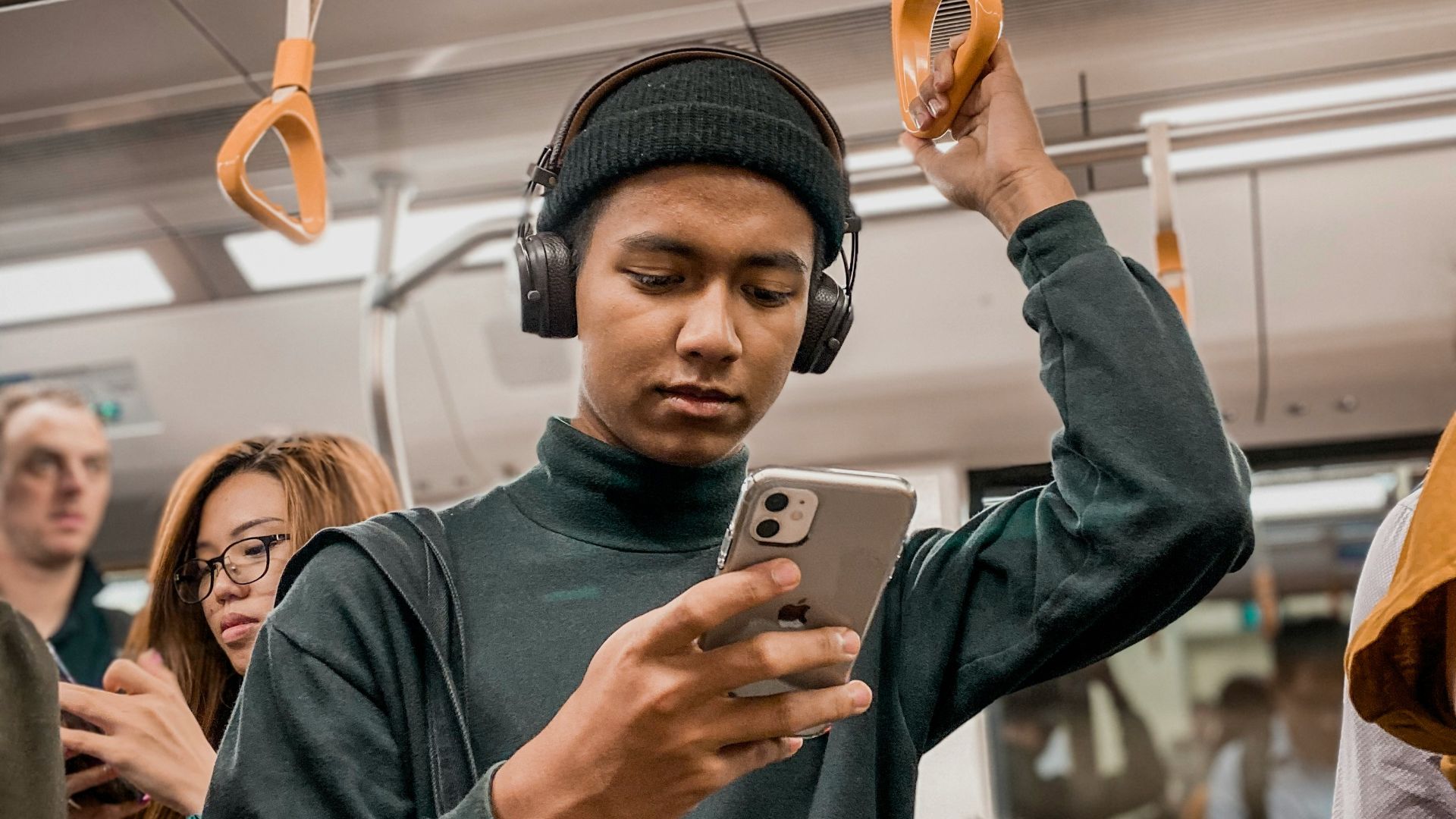
Phones have made even tiny delays feel unbearable. Waiting two minutes for a friend, a train, or a coffee now seems to require immediate digital sedation. That constant escape hatch does not just kill patience. It makes you more restless and less gracious in ordinary life.

16. You Turn Private Moments Into Content
Not everything needs to be shared, posted, or group-chatted before it has even finished happening. Phones make people faster to expose other people’s faces, reactions, mistakes, and private business without asking first. That kind of casual over-sharing is a manners issue long before it becomes a privacy issue.
17. You Assume Availability Means Consent
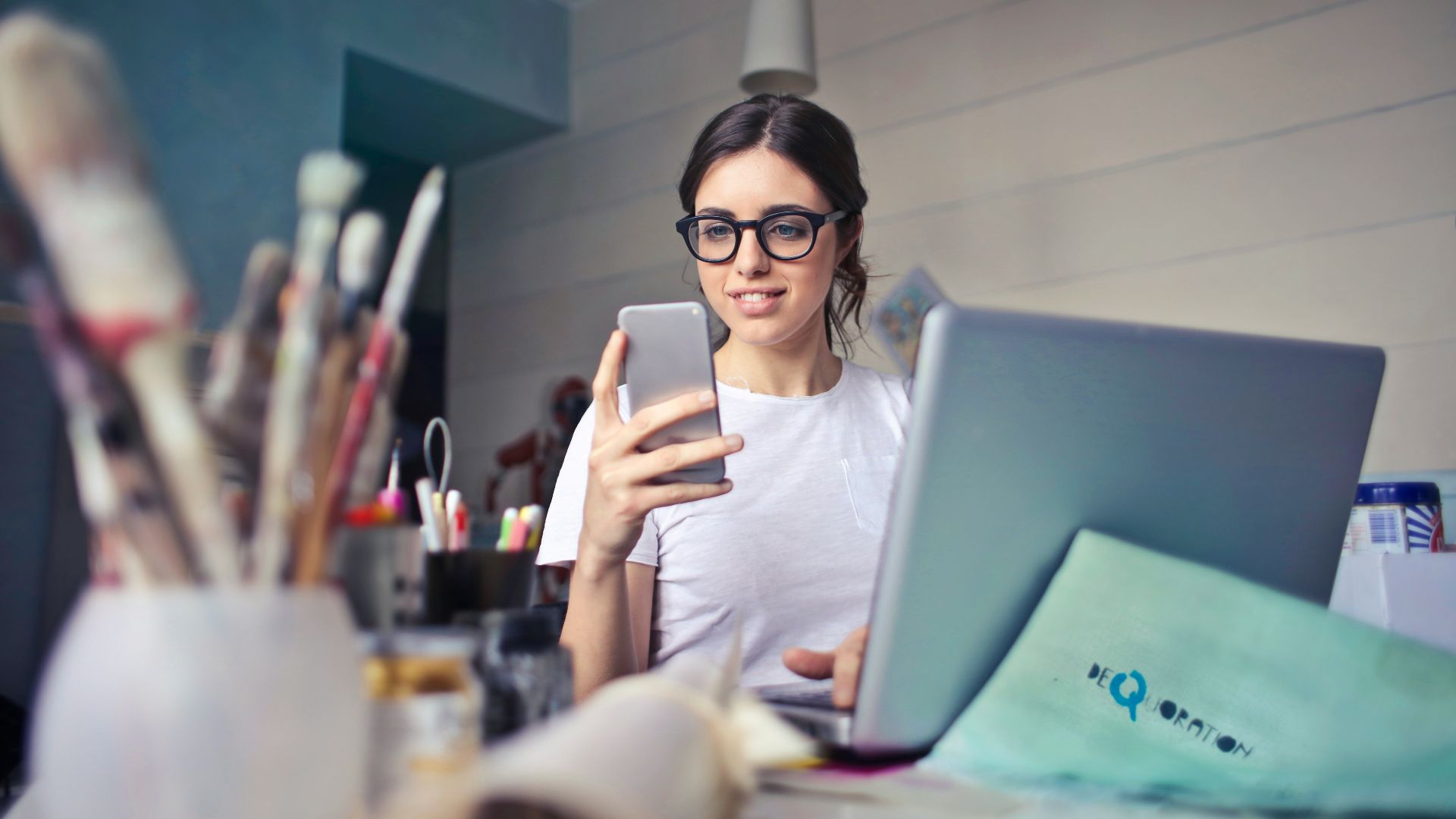
Just because somebody answers sometimes does not mean they owe you an answer every time. Phones blur that line by making contact so easy that restraint starts to feel optional. Before long, repeated calling, double texting, and constant follow-up start to seem normal instead of intrusive.
18. You Stop Noticing The Person Doing The Service
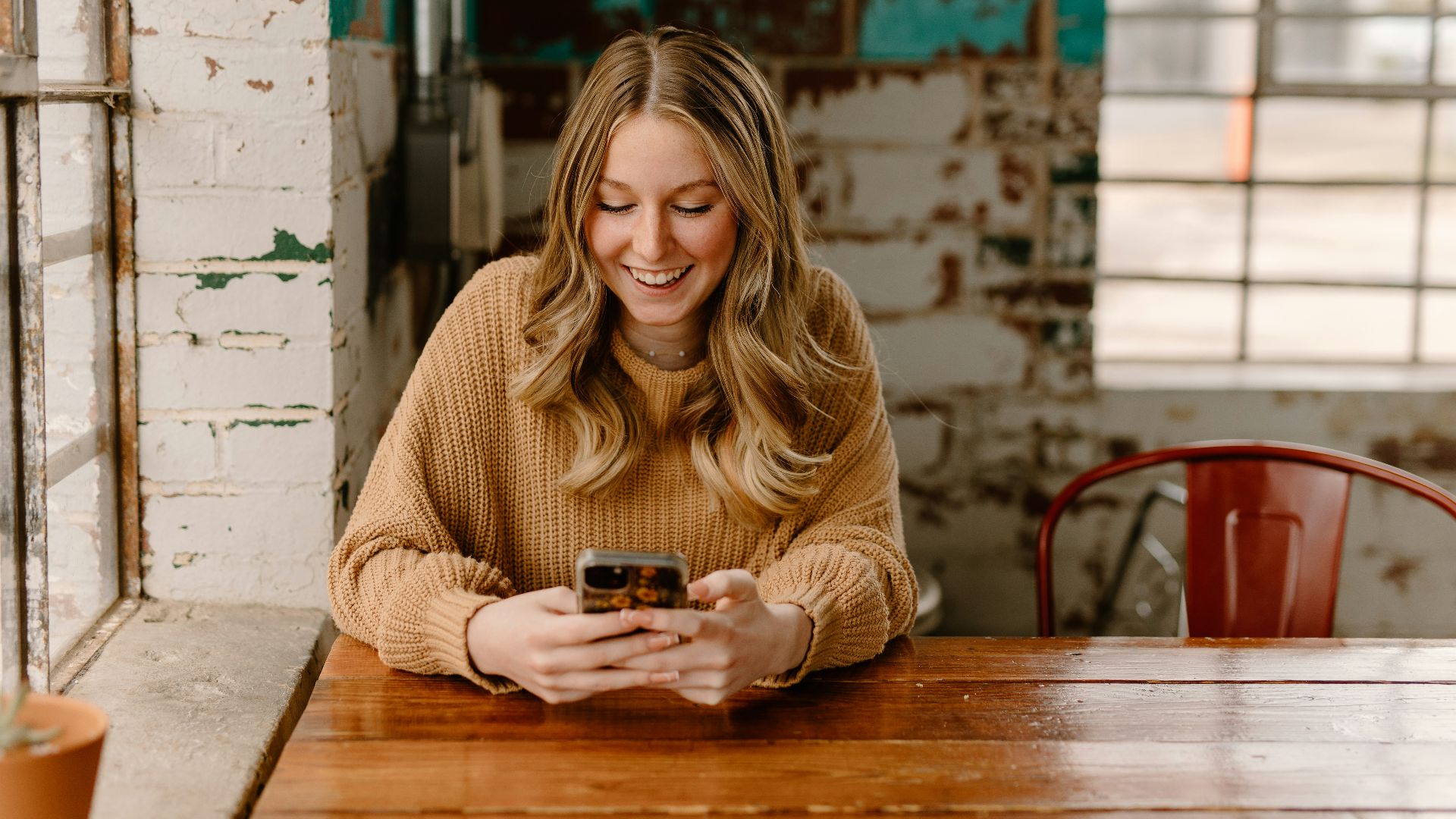
A lot of daily politeness depends on tiny acknowledgments. Looking at the barista, thanking the delivery driver, pausing your scroll long enough to answer a question from the pharmacist, these things matter more than people think. The phone makes it easy to act like service workers are just background to the app in your hand.
19. You Use It As A Shield Against Discomfort
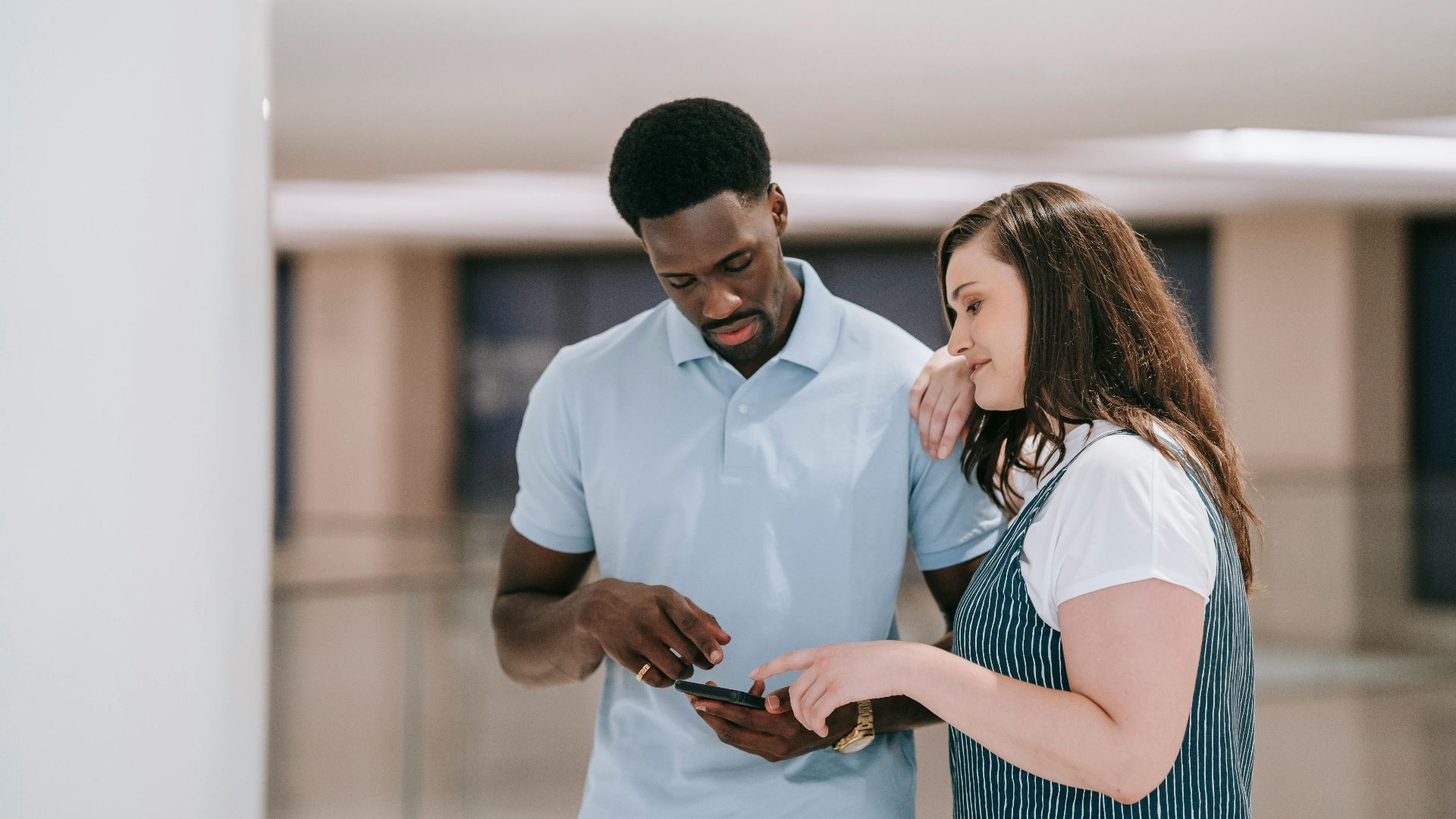
Phones have become the universal prop for avoiding awkwardness. You can hide in them at parties, in waiting rooms, before meetings, after meetings, or any time a stranger might make eye contact. That habit protects you from discomfort, but it also chips away at warmth, spontaneity, and basic social generosity.
20. You Forget That Presence Is A Form Of Respect
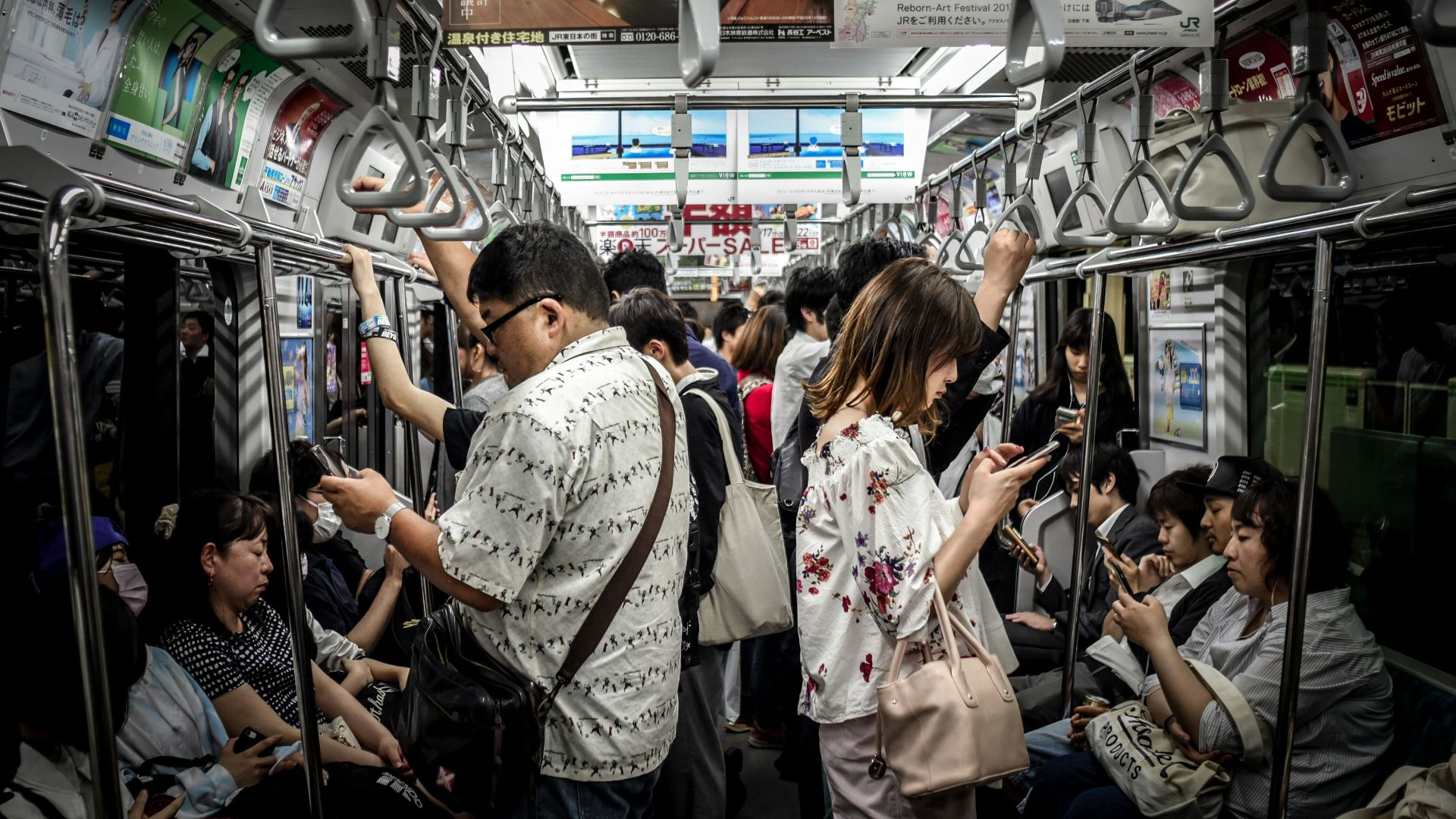
This may be the biggest change of all. The phone teaches you to think attention can be divided endlessly without consequence, but most people can feel the difference between being near you and actually having you there. Manners are not just about saying the right words. They are about making other people feel that, for a moment, they matter more than the screen.